Partners and information

Contact us

Verification code

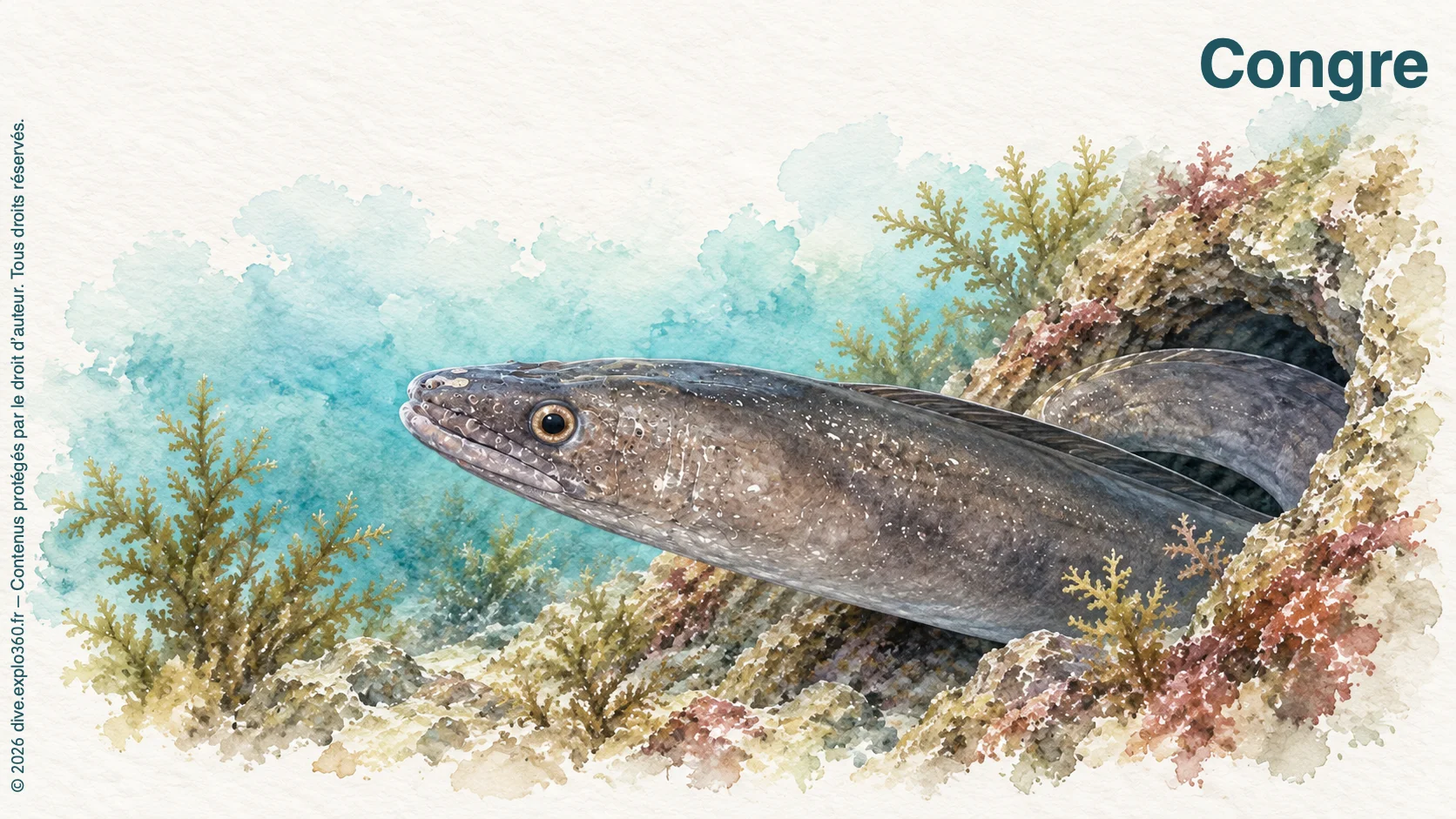
Comber

Distribution : Mediterranean · Atlantic Ocean · Black Sea

The comber has male and female reproductive organs at the same time. Its transparent eggs do not stick to the seabed: they develop in open water.

Habitat of Comber Habitat
Rocky habitat, Coralligenous habitat
Depth range of Comber Depth
1-500 m
Biological group of Comber Group
Ecological role of Comber Role
Predator

Average size

25 cm

WHAT DOES IT LOOK LIKE?

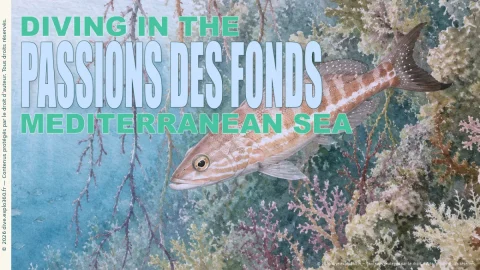
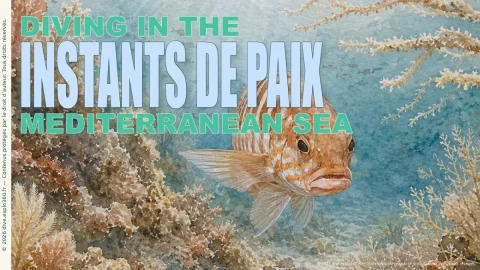
The comber (Serranus cabrilla) has brownish colouring crossed by dark bars. Its elongated body is slightly compressed, flattened from side to side, and may show a paler flank line.

Slanting orange to red marks cross the head. They contrast with the broader body bars around a wide, thick-lipped mouth.

GO FURTHER WITH AMIGANSEAU

Unlock the full profile

Deepen your knowledge with the exclusive chapters and interactive resources included in an AMIGANSEAU licence.

Choose my licence
  • WHERE DOES IT LIVE?
  • WHAT DOES IT EAT?
  • HOW DOES IT REPRODUCE?
  • OUR OBSERVATIONS
  • ARTICLE

Also included in the full profile

  • Advanced navigation between description, ecological context, observations and behaviour
  • Interactive food chain to explore the species’ feeding relationships
  • Infographic and illustrated summary profile
  • Additional photographic observations
An active licence gives access to enriched profiles and AMIGANSEAU exploration tools.
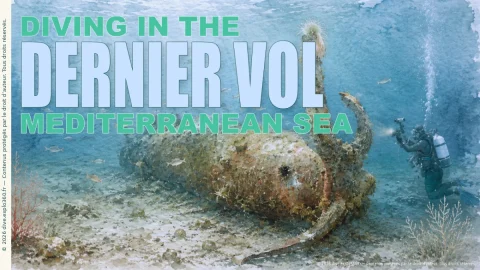
Comber

Understand the species
What is this species’ ecological role?

AMIGANSEAU Explorer Premium

Access enriched species profiles with advanced content (audio, infographics and detailed articles).

Explore all species easily through a single interface.

Enjoy a smooth, fast learning experience suited to every level.

🔒 The full profile is available with a paid subscription only.

Discover licences

POURSUIVRE L’EXPLORATION

Articles related to this species

ArticleHow a fish’s skin protects itRead the article →