Partners and information

Contact us

Verification code

Annular seabream

Distribution : Mediterranean · Atlantic Ocean · Black Sea

The annular seabream is also a Black Sea fish. Along its shores, names such as špar, sparos and spari appear in different languages and regions. These local names place the species in a maritime world extending far beyond the French Mediterranean coast. Its range even reaches the Sea of Azov.

Habitat of Annular seabream Habitat
Wreck, Sand, Maerl, Rocky habitat
Depth range of Annular seabream Depth
1-90 m
Biological group of Annular seabream Group
Ecological role of Annular seabream Role
Predator

Average size

22 cm

WHAT DOES IT LOOK LIKE?

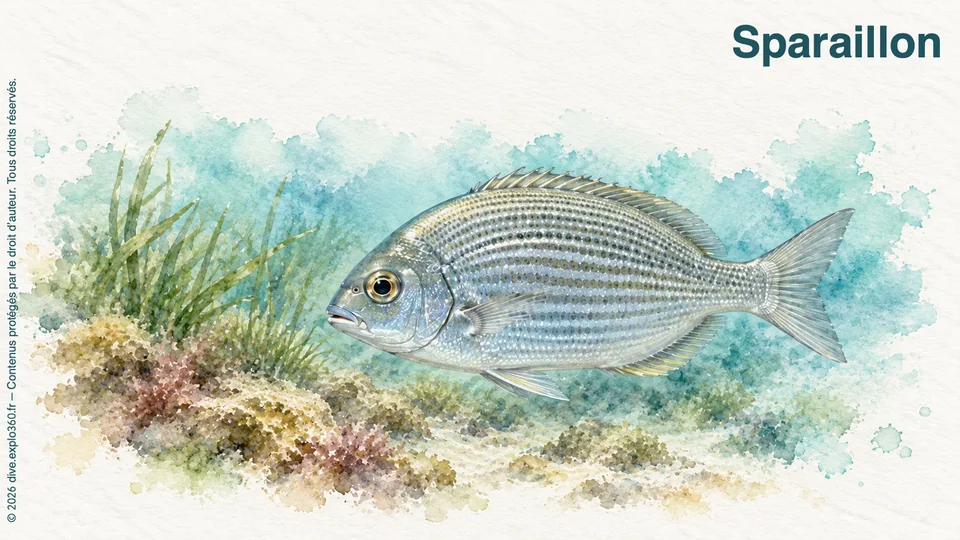
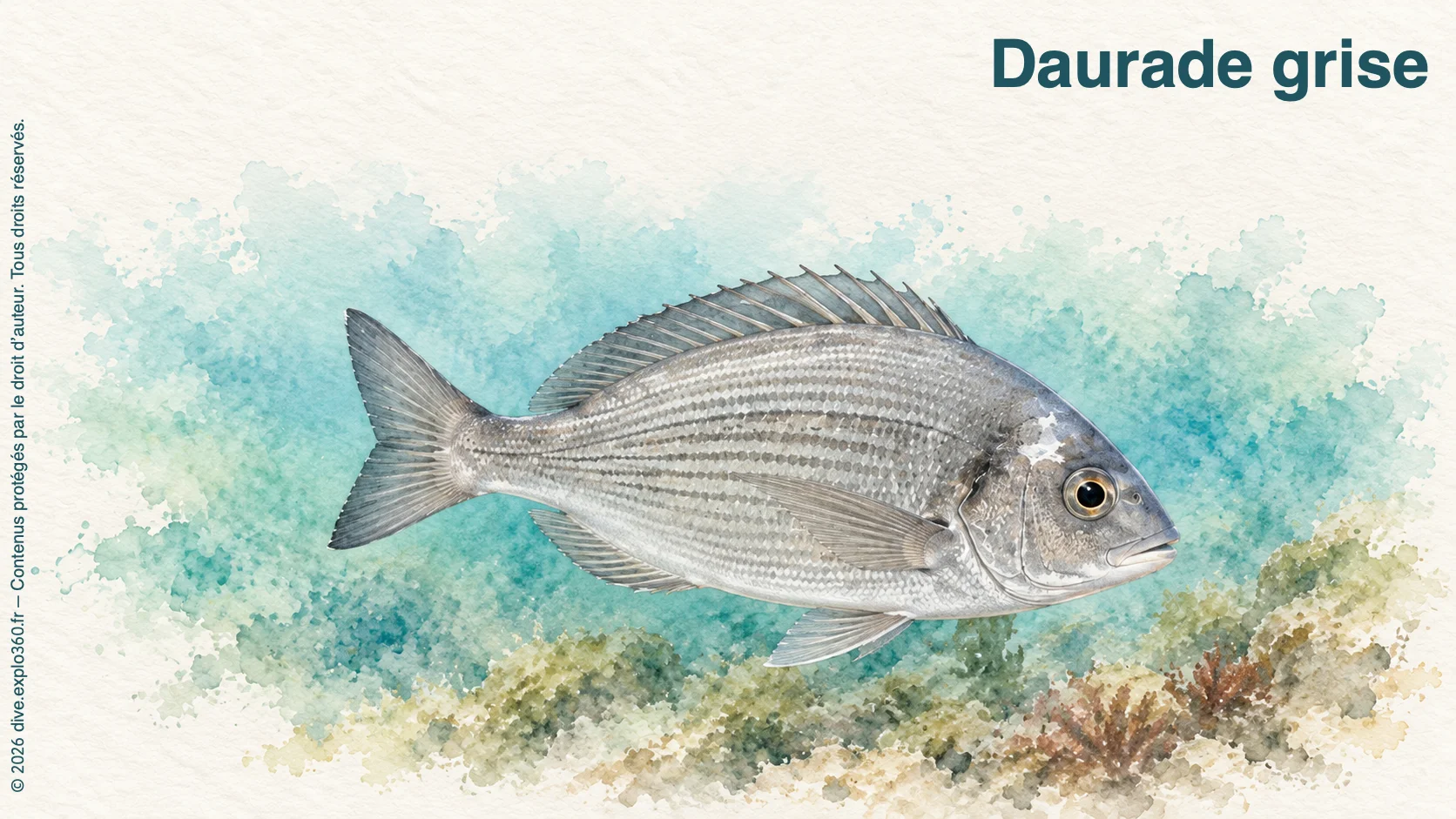
The annular seabream (Diplodus annularis) has a black ring on the caudal peduncle, the narrow section before the tail. Its silver body is oval and flattened laterally, from side to side.

Fine golden lines follow the flanks. The fins often take on yellowish tones, complementing the black marking at the rear.

GO FURTHER WITH AMIGANSEAU

Unlock the full profile

Deepen your knowledge with the exclusive chapters and interactive resources included in an AMIGANSEAU licence.

Choose my licence
  • WHERE DOES IT LIVE?
  • WHAT DOES IT EAT?
  • HOW DOES IT REPRODUCE?
  • ARTICLE

Also included in the full profile

  • Advanced navigation between description, ecological context, observations and behaviour
  • Interactive food chain to explore the species’ feeding relationships
  • Infographic and illustrated summary profile
  • Additional photographic observations
An active licence gives access to enriched profiles and AMIGANSEAU exploration tools.
Annular seabream

Understand the species

What is this species’ ecological role?

AMIGANSEAU Explorer Premium

Access enriched species profiles with advanced content (audio, infographics and detailed articles).

Explore all species easily through a single interface.

Enjoy a smooth, fast learning experience suited to every level.

🔒 The full profile is available with a paid subscription only.

Discover licences

POURSUIVRE L’EXPLORATION

Articles related to this species

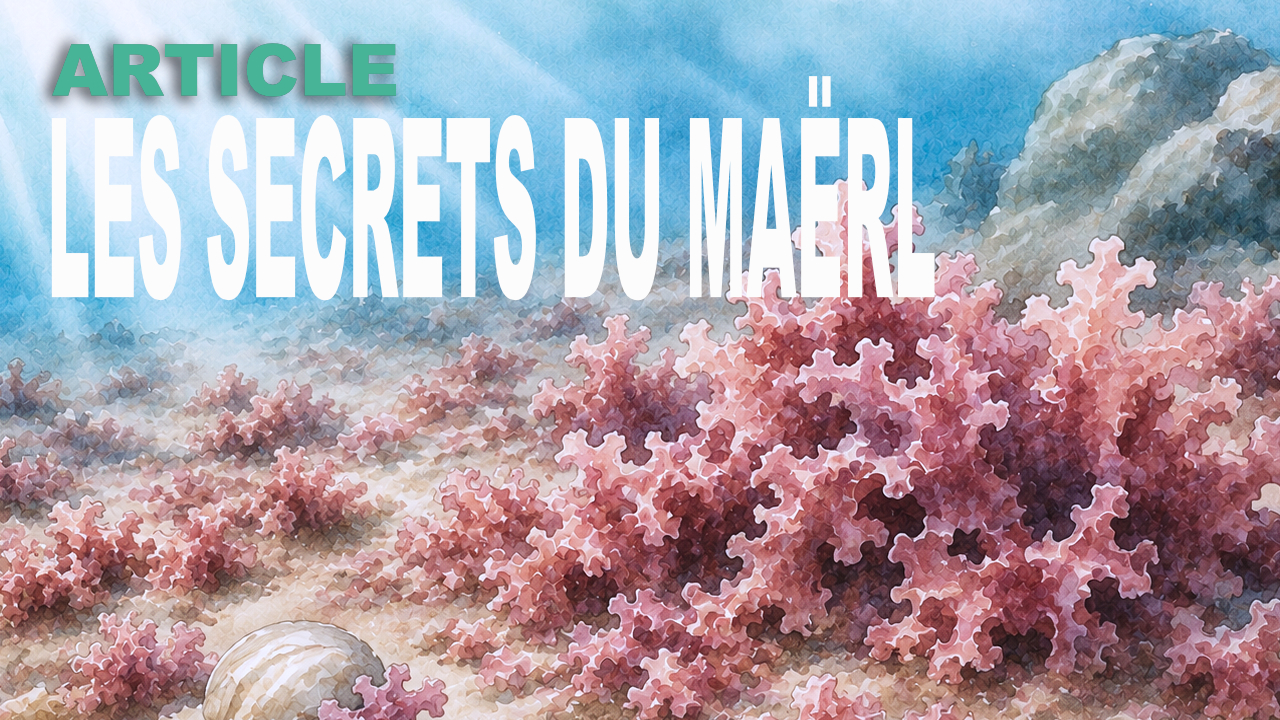
ArticleTHE SECRETS OF MAERLRead the article →