AMIGANSEAU Explorer – Personal
Strictly for private and family use.
This profile is available under the personal licence. Any professional, commercial, association, institutional or training use requires an appropriate licence.
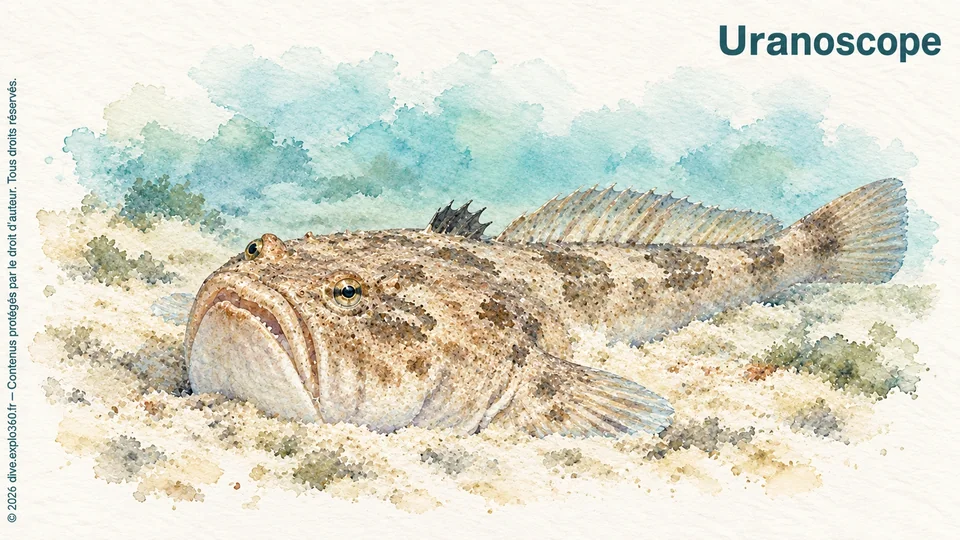
Distribution : Mediterranean, Black Sea and eastern Atlantic, on sand and mud. It can be found in shallow water and also lives down to 400 m.
In Naples, fishermen know a fish called the “lantern”. In Venice, its name suggests a mouth turned towards the sky. And in Spain, it is called the “sky-watcher”! Three surprising names for a sea creature that can be remarkably difficult to find. Where did all these names come from?
Venomous spines: do not touch or try to uncover the fish.
WHAT DOES IT LOOK LIKE?
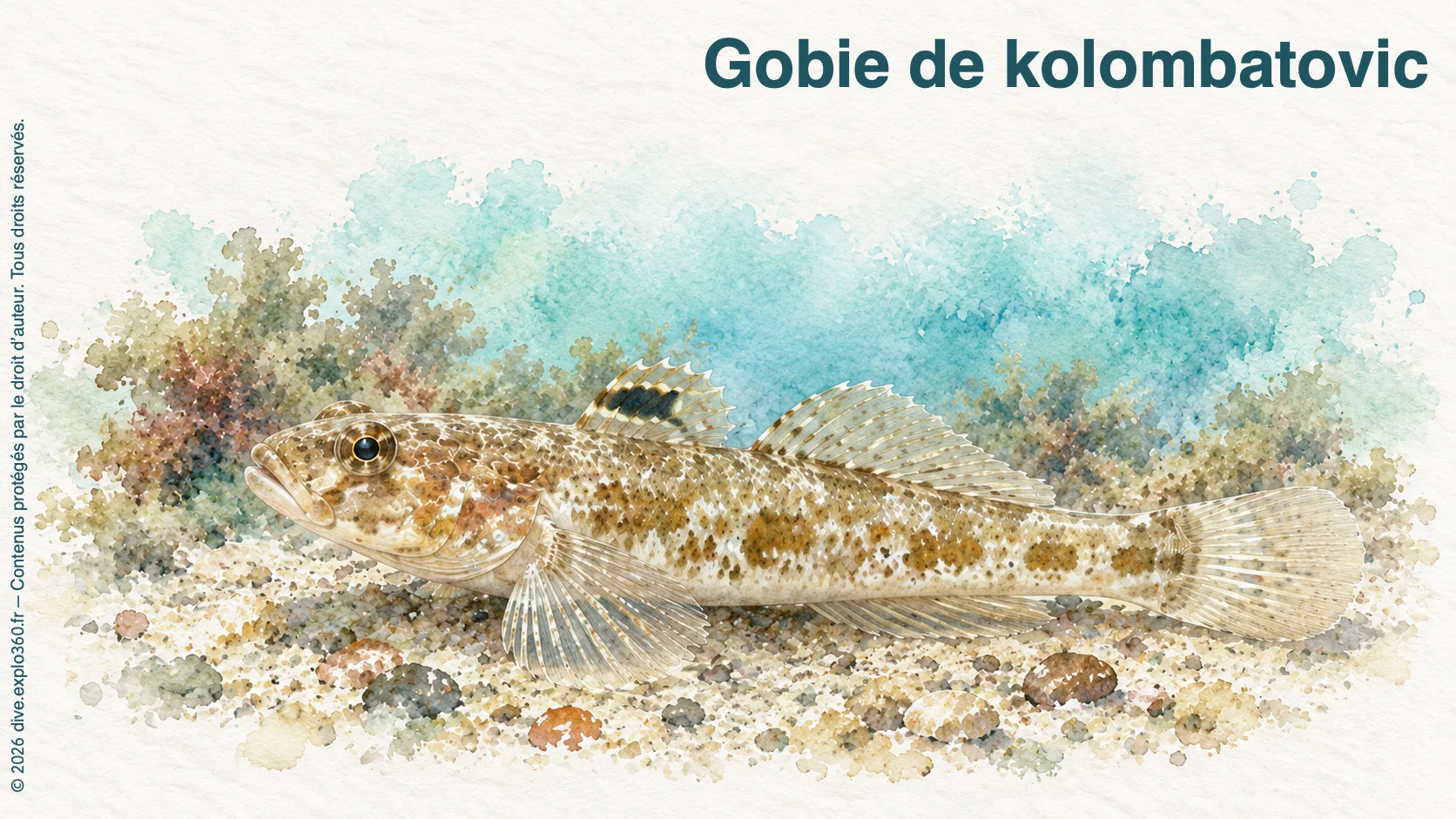
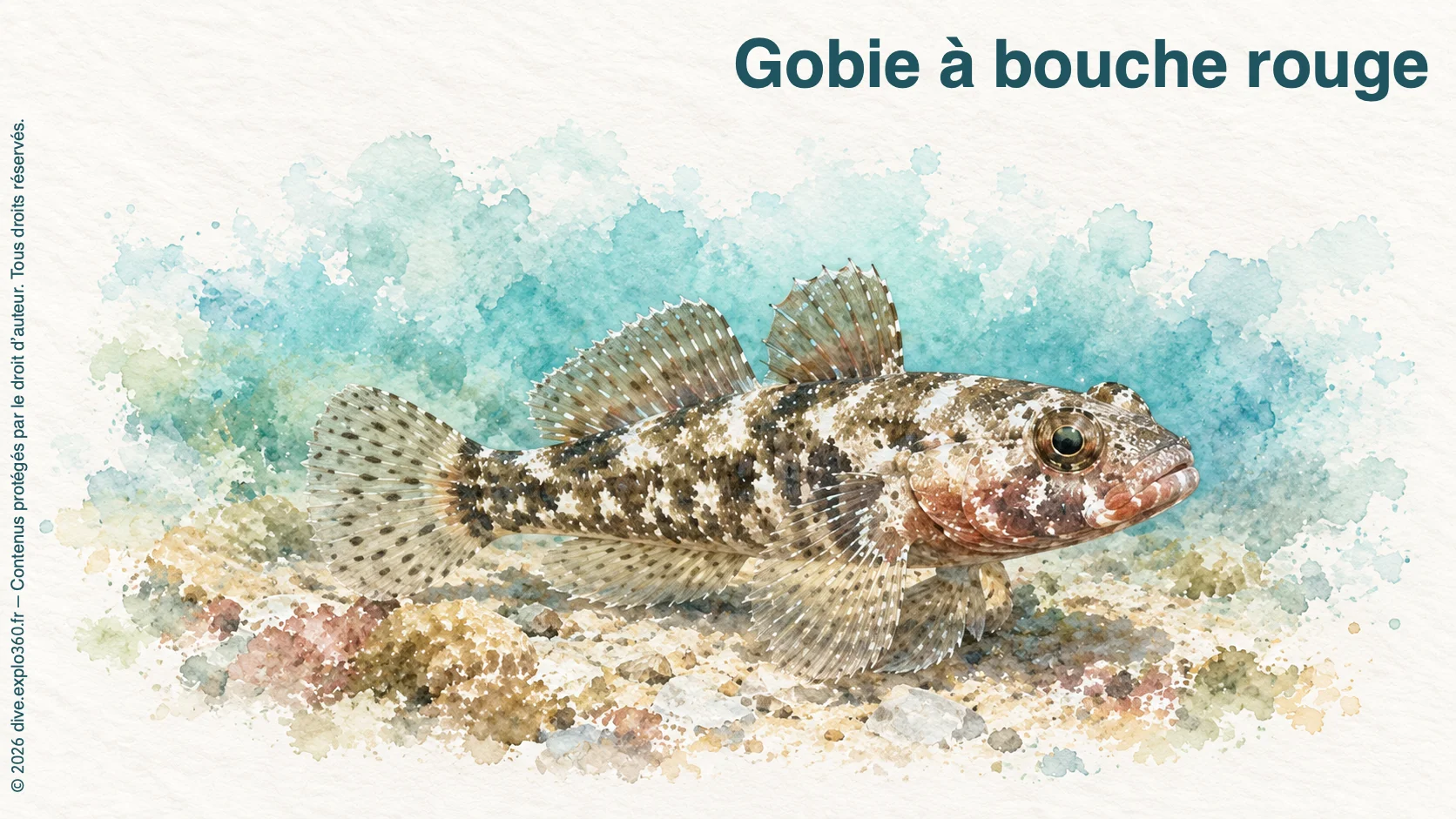
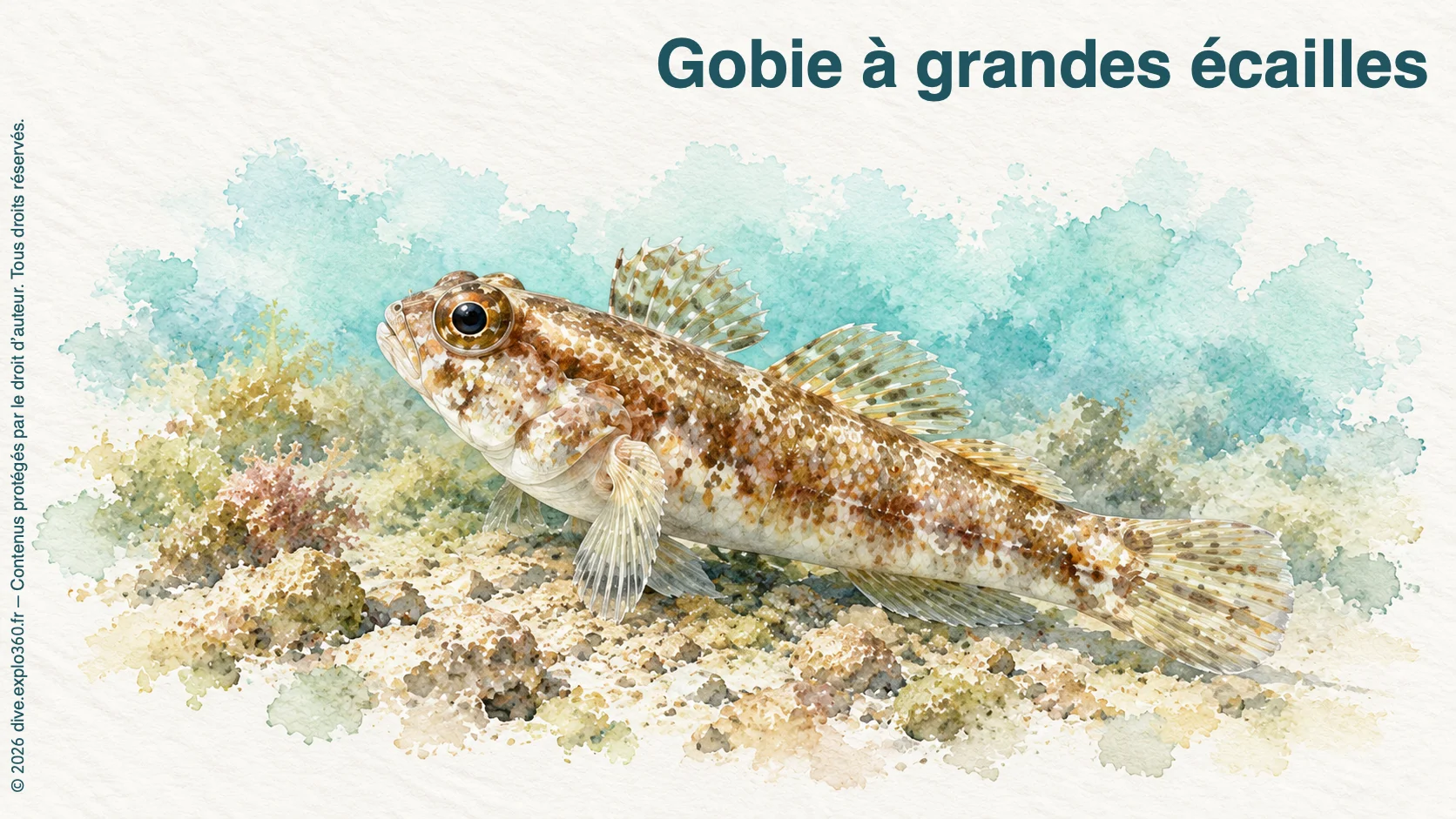
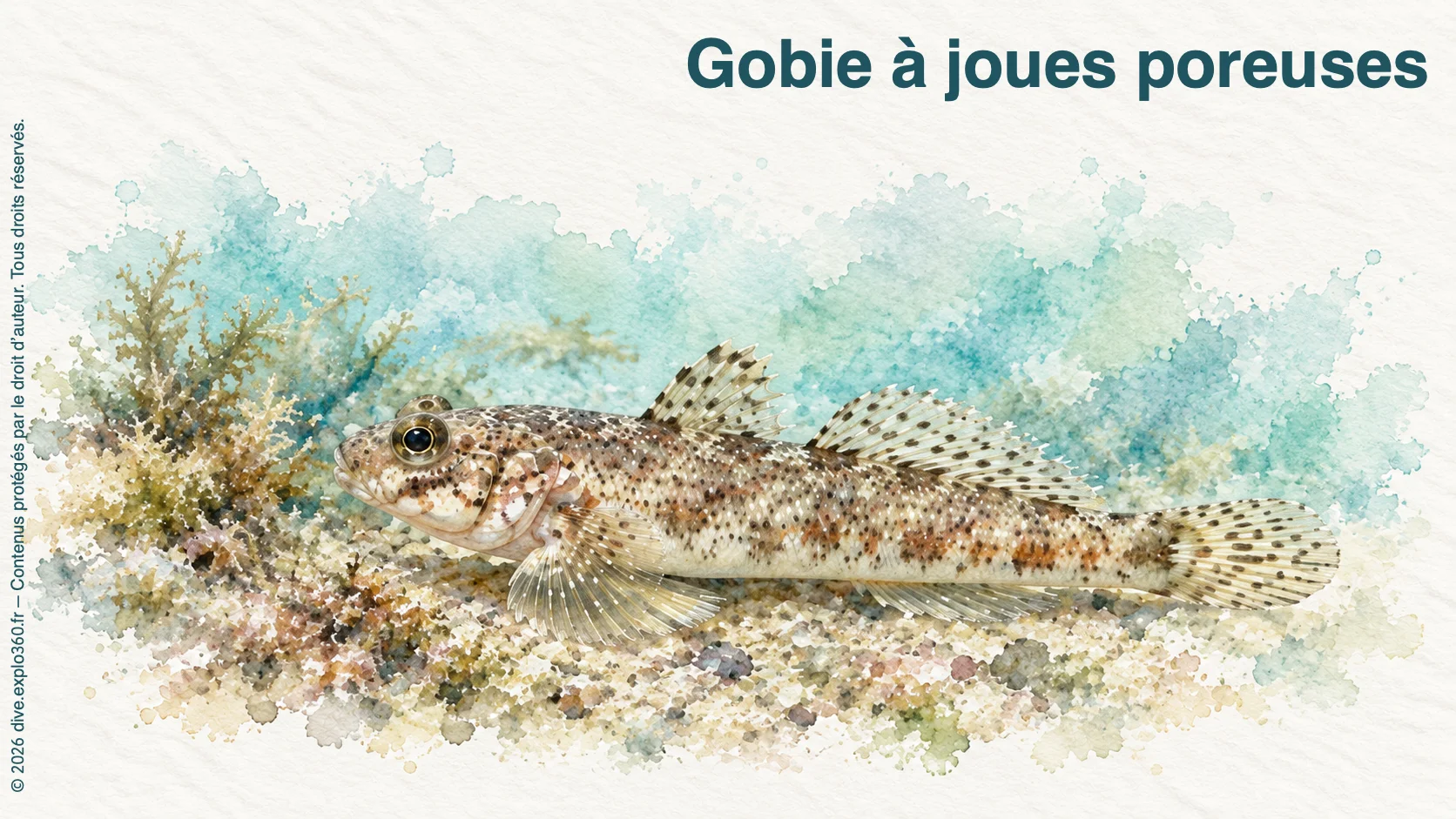
The Atlantic stargazer has a large head, flat on top. Its eyes project and its large mouth opens upwards. The brown mottled body narrows towards the tail.
GO FURTHER WITH AMIGANSEAU
Unlock the full profile
Deepen your knowledge with the exclusive chapters and interactive resources included in an AMIGANSEAU licence.



 Habitat
 Depth
 Group
 Role
 Size
 Precautions
 Understand the species