


 Habitat
 Depth
 Group
 Role
WHAT DOES IT LOOK LIKE?
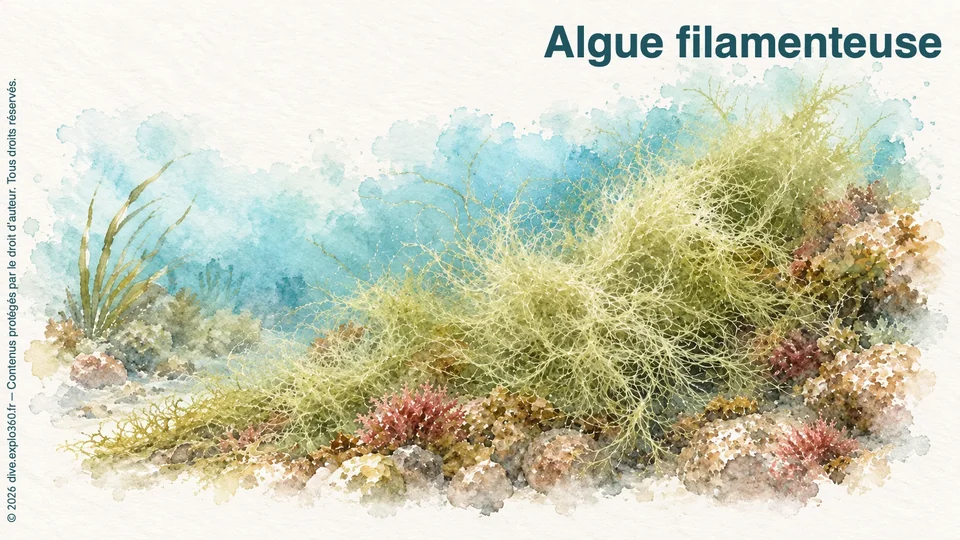
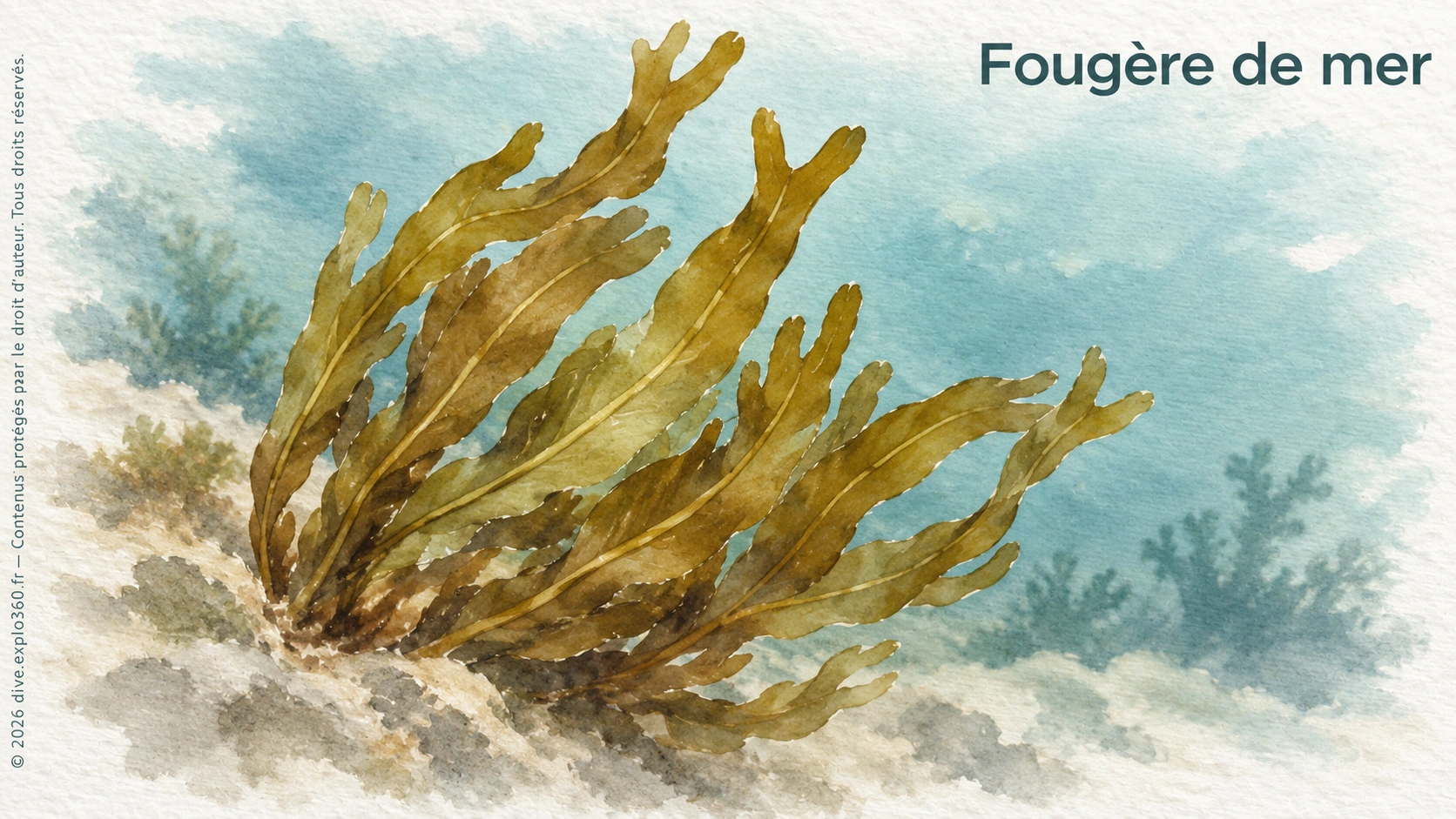
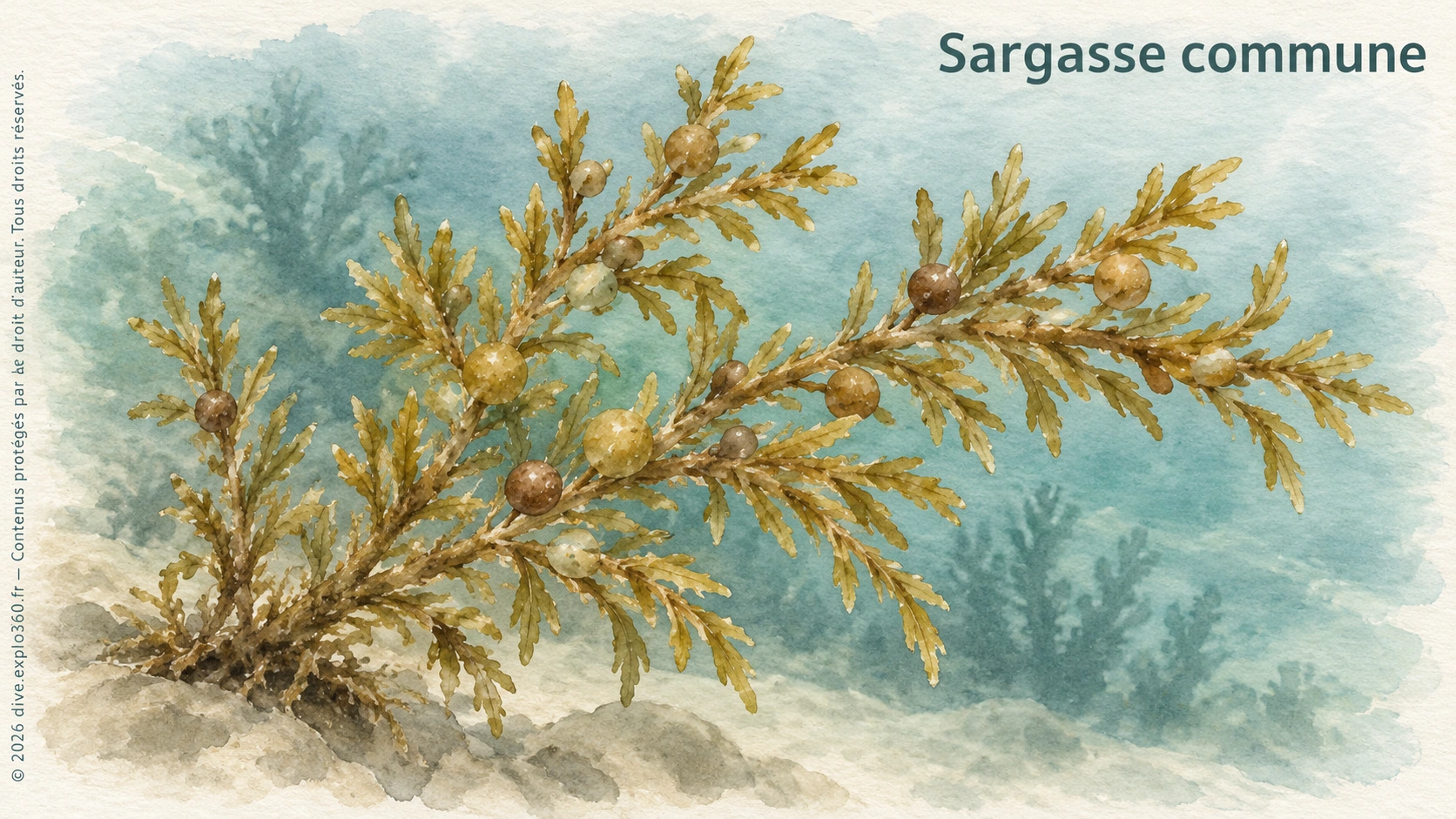
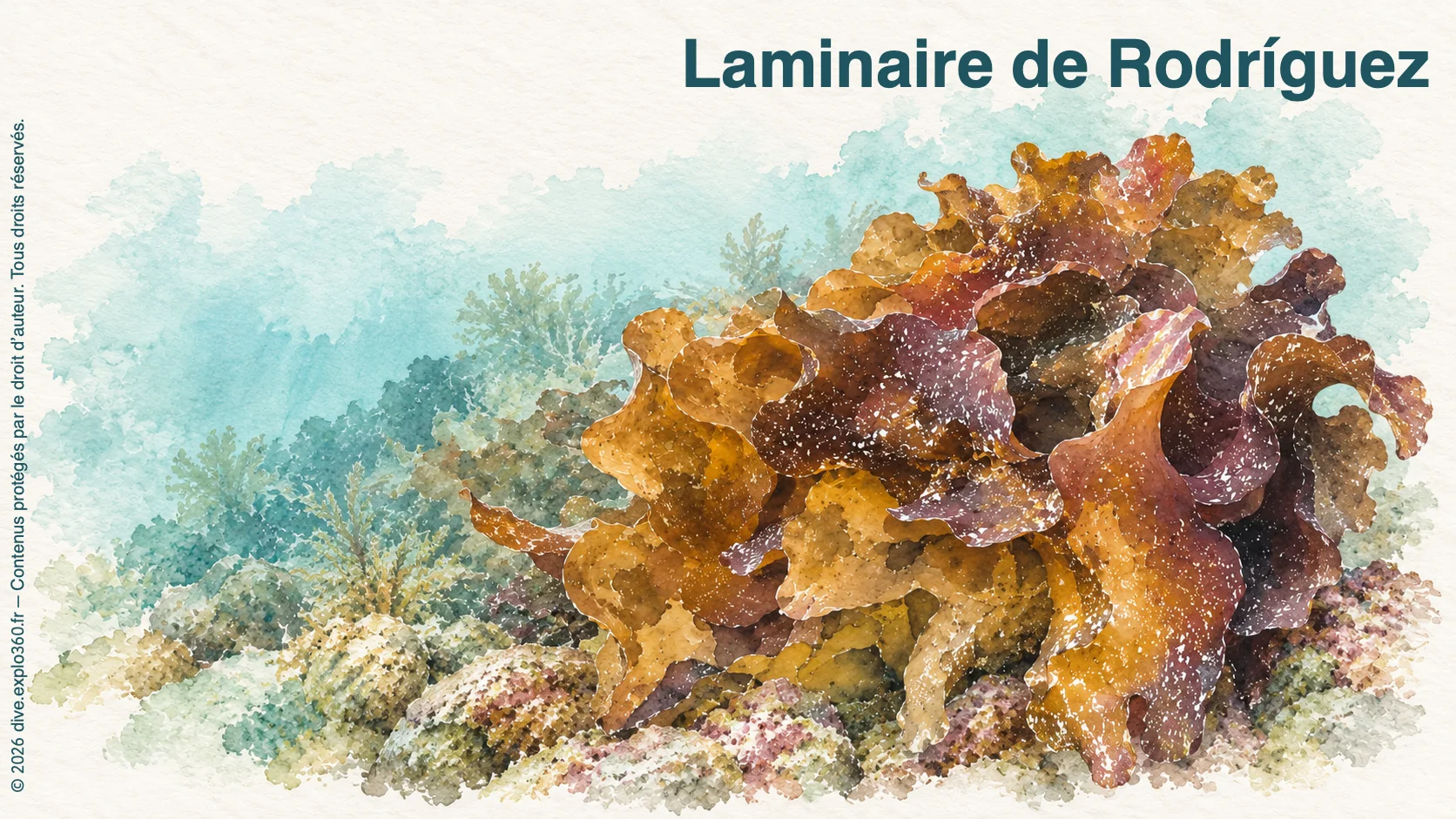
Loose or densely tufted, filamentous algae look like wisps of very fine fibres. Their flexible threads can also gather into broader mats.
Green, brown and yellowish shades vary between algae. Several species share this fibrous appearance, and tuft shape and colour do not always establish an exact name.
WHERE DOES IT LIVE?
A rock, shell, large alga or artificial structure may carry filamentous algae. Some also colonise seagrass plants. This group includes algae with different requirements, but shallow coastal waters with sufficient light are common habitats for their growth.
WHAT DOES IT EAT?
The different filamentous algae shown here are photosynthetic organisms. Their cells use light energy to turn dissolved carbon and water into organic material. The resulting sugars support their activities and growth, alongside minerals absorbed from their surroundings. Light requirements and responses to nutrient supplies depend on the species.
GO FURTHER WITH AMIGANSEAU
Unlock the full profile
Deepen your knowledge with the exclusive chapters and interactive resources included in an AMIGANSEAU licence.
- HOW DOES IT REPRODUCE?
- OUR OBSERVATIONS
- ARTICLE
Also included in the full profile
- Advanced navigation between description, ecological context, observations and behaviour
- Interactive food chain to explore the species’ feeding relationships
- Natural history podcast and dive debrief
- Infographic and illustrated summary profile
 Understand the species