


 Habitat
 Depth
 Group
 Role
 Average size
 Good to know
WHAT DOES IT LOOK LIKE?
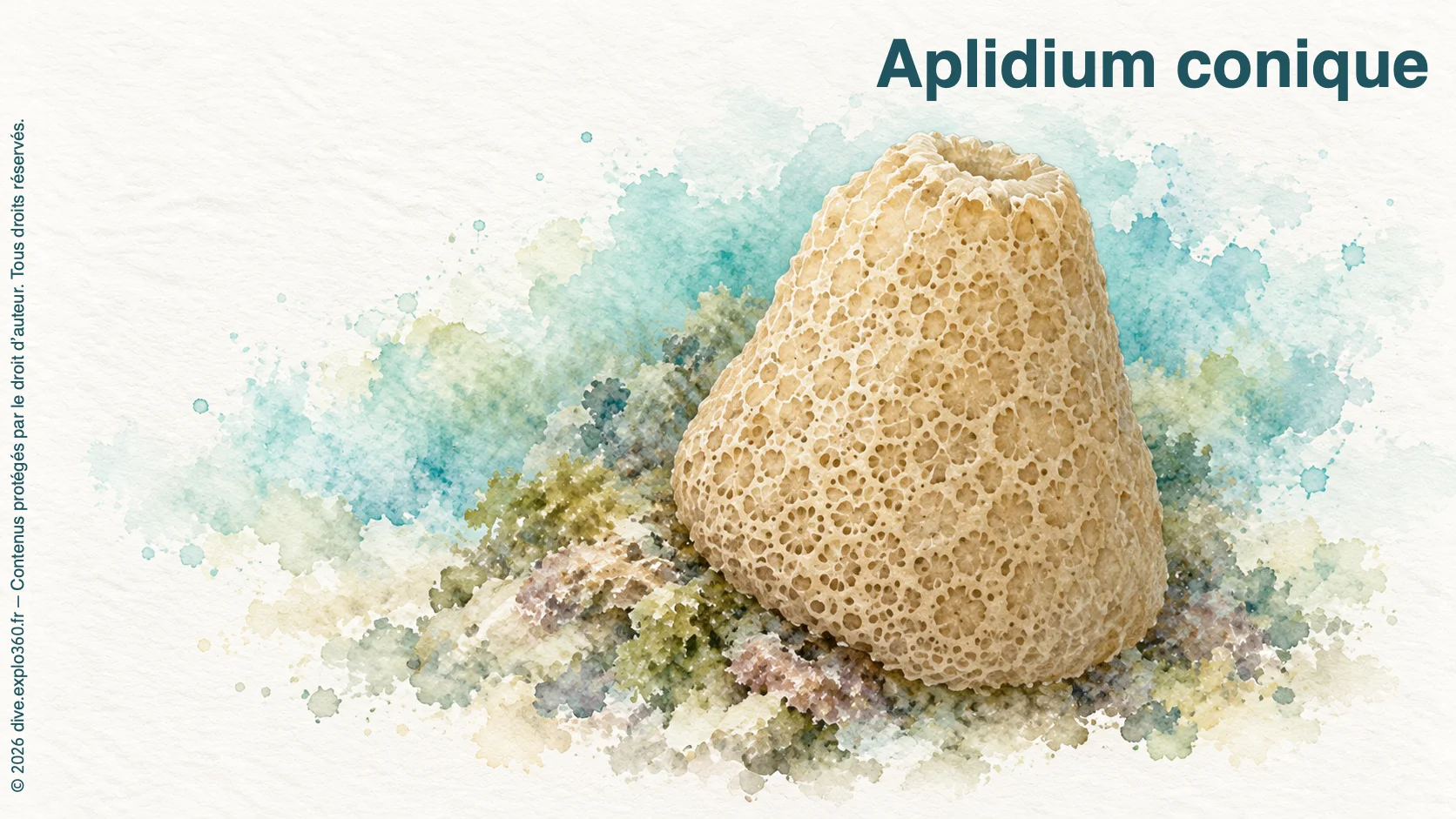
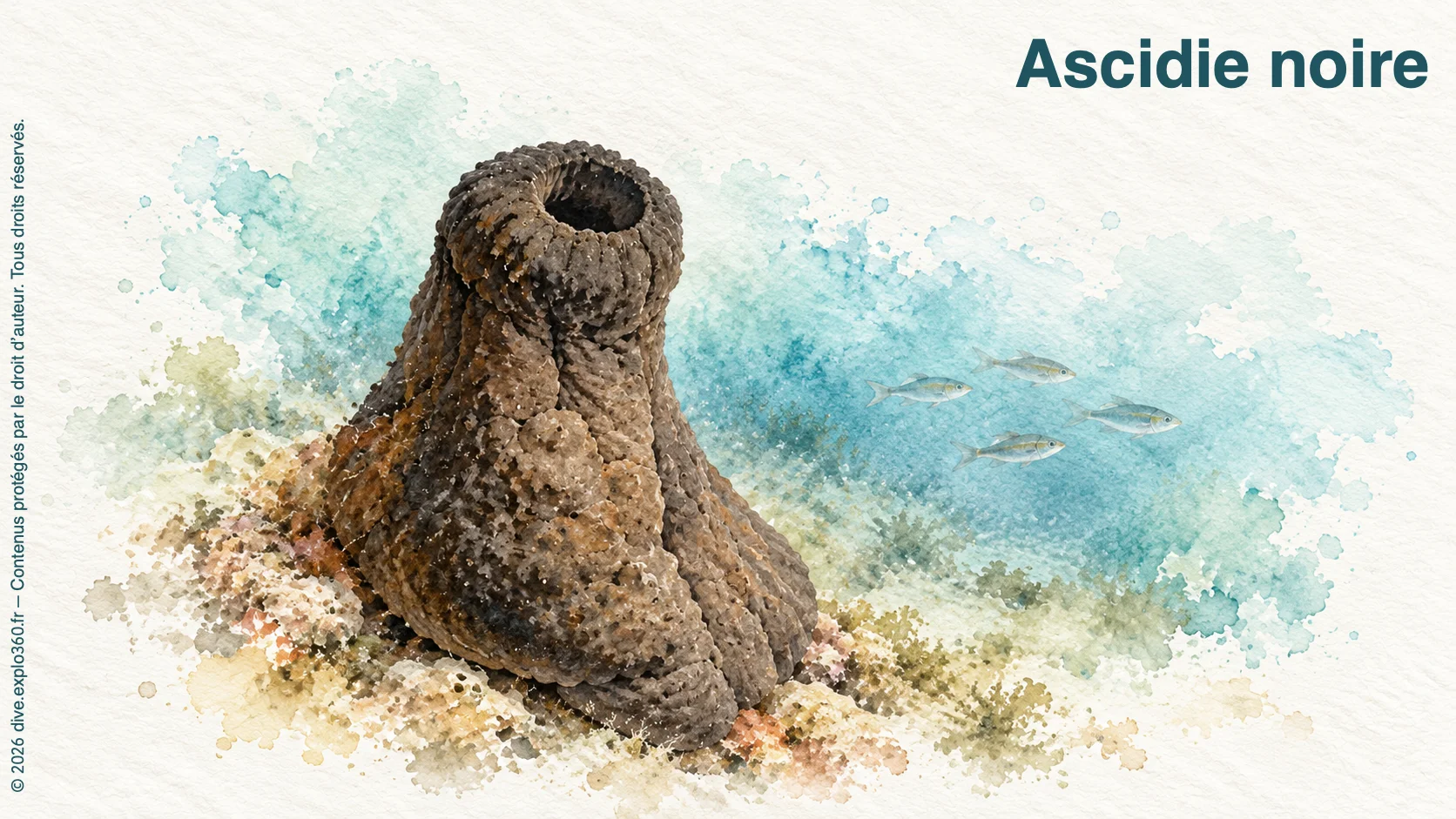
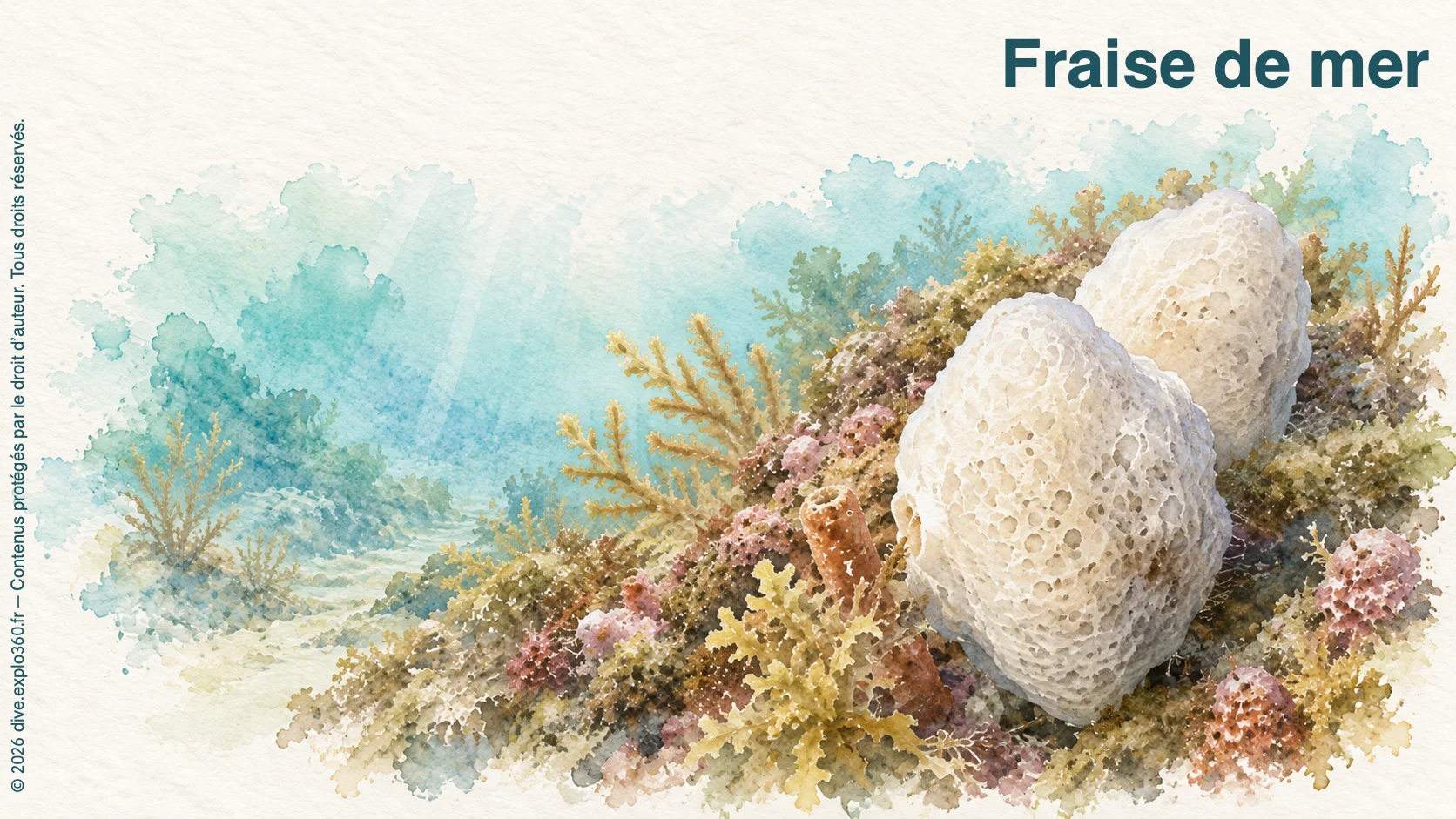
This sea squirt (Aplidium fuscum) forms soft-looking, rounded cushions that range from beige to light brown. The cushions share a common base and sometimes merge into a broader, flatter mass.
Fine sand can occur within the tunic, the shared covering around the colony’s small animals, particularly near the base. The surface therefore does not always have the same smooth appearance.
WHERE DOES IT LIVE?
Beneath overhangs and on shaded parts of walls, the brown colonial sea squirt remains attached to a firm surface. Sheltered, dimly lit rock provides the main features of its habitat. Surface orientation therefore helps describe its position beyond depth alone.
WHAT DOES IT EAT?
The surface of the brown colonial sea squirt contains water inlets belonging to the colony’s small individual animals. Each has an internal filtering apparatus: beating cilia in the pharynx move water and enable suspended particles to be collected. The colony feeds this way without moving to look for food. Water flows through the filters of the zooids, the individual animals in the colony, and the food they retain then passes to their digestive tracts.
GO FURTHER WITH AMIGANSEAU
Unlock the full profile
Deepen your knowledge with the exclusive chapters and interactive resources included in an AMIGANSEAU licence.
Subscribing to Dive.Explo360 means supporting a different way to discover marine life.
Our independent platform is entirely self-funded and relies solely on subscriptions. Every licence helps us continue our work, create new content, and share what we know about the marine world with as many people as possible.
Starting at €80 per year, your support makes all the difference.

 Understand the species