Partners and information

Contact us

Verification code

African pompano

Distribution : Indian Ocean and tropical Pacific, including the Maldives. Also present in the tropical Atlantic.

Xaréu branco or galo do alto. In Brazil, the African pompano goes by different names from region to region. Along the northeastern coast, fishers look for it near reefs and underwater drop-offs, lowering their lines by hand. Some individuals grow to an impressive size. On 28 October 1995, near Itaparica Island, Paulo Moraes speared one weighing 23.2 kilos. The catch appears in Brazil’s spearfishing records as xaréu branco.

Images being acquired · Your video or photos here

Habitat of African pompano Habitat
Open water, Coral reef, Wreck
Depth range of African pompano Depth
0-100 m
Biological group of African pompano Group
Ecological role of African pompano Role
Predator

Size

Up to 150 cm

Good to know

Observe without touching or feeding animals and keep clear of the coral.

WHAT DOES IT LOOK LIKE?

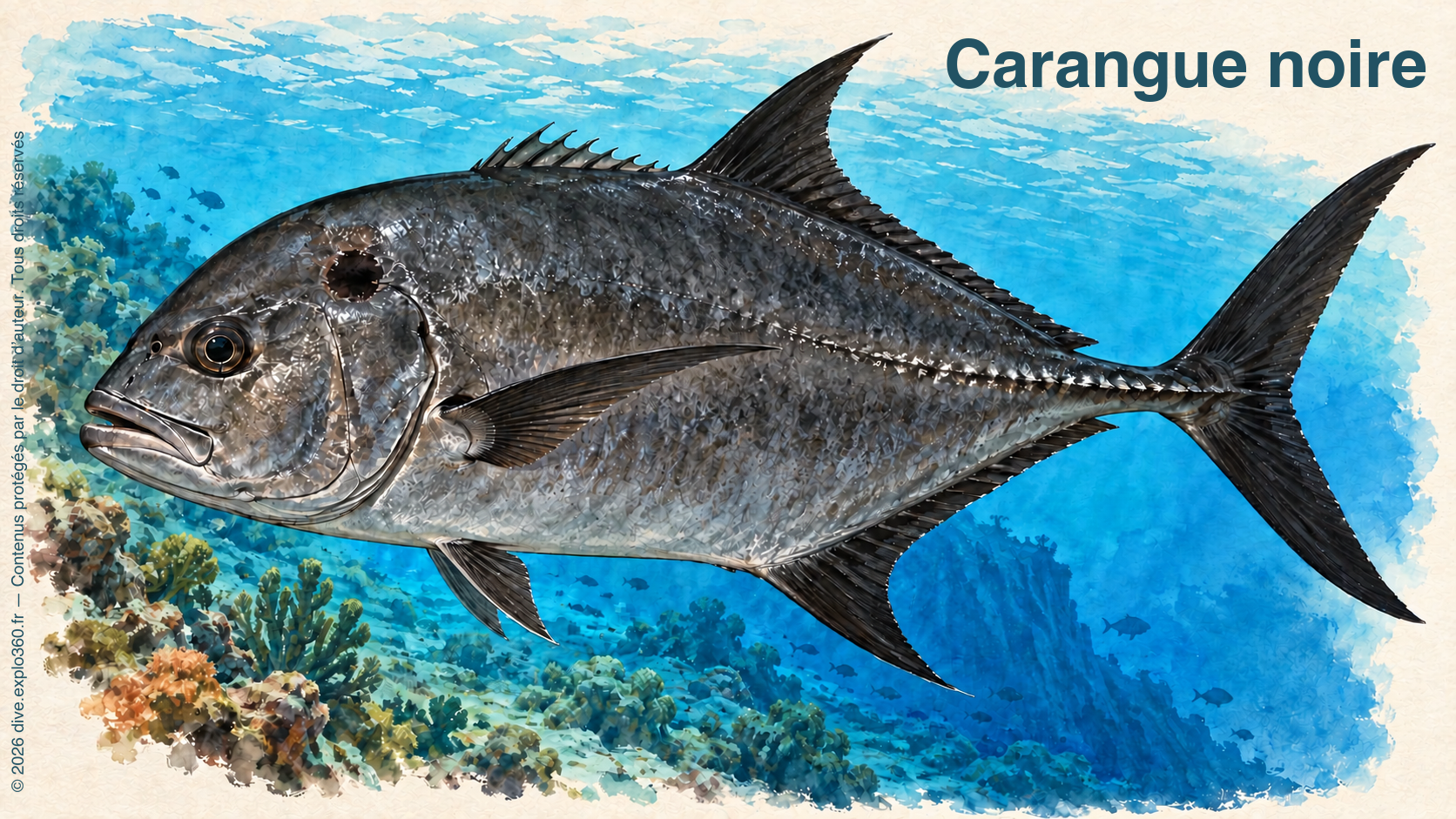
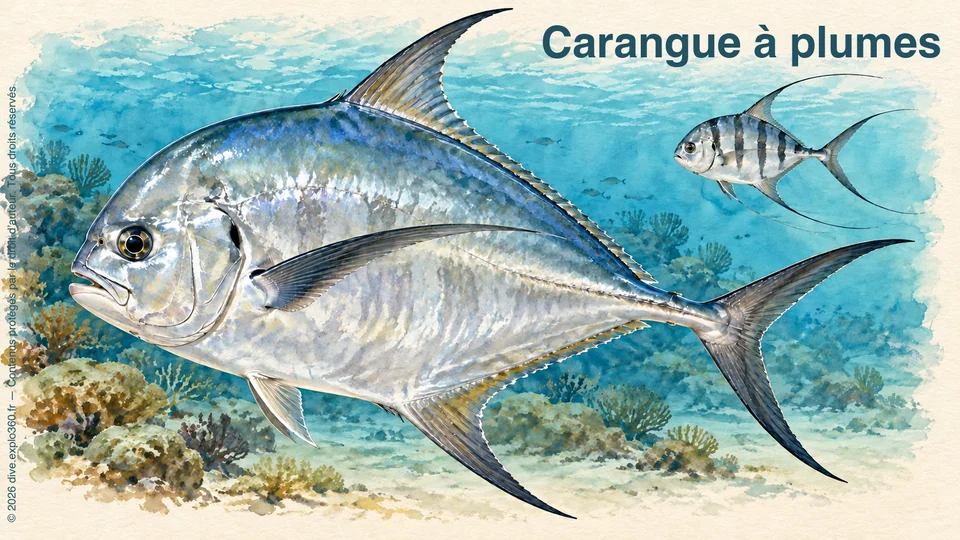
The adult African pompano (Alectis ciliaris) has a rounded forehead and a very deep, silvery body, with blue on its back and the top of its head. The long filaments on the fins of young fish shorten as they grow. The tail is deeply forked. Large fish can reach about 1.5 m.

WHERE DOES IT LIVE?

Young fish live in open water. Adults occur near coasts. Large fish frequent reefs, wrecks and structures rising from the seabed.

The African pompano occurs in tropical and subtropical waters of the Atlantic, Indian and Pacific oceans, including the Maldives. In some regions, its presence near the coast varies with the seasons.

WHAT DOES IT EAT?

From fish to squid, the African pompano uses several animal resources. Crustaceans also feature in its diet. Squid are prominent in some regions, whereas fish and crustaceans are better represented elsewhere.

GO FURTHER WITH AMIGANSEAU

Unlock the full profile

Deepen your knowledge with the exclusive chapters and interactive resources included in an AMIGANSEAU licence.

Choose my licence
  • HOW DOES IT REPRODUCE?
  • OUR OBSERVATIONS
  • ARTICLE

Also included in the full profile

  • Advanced navigation between description, ecological context, observations and behaviour
  • Interactive food chain to explore the species’ feeding relationships
An active licence gives access to enriched profiles and AMIGANSEAU exploration tools.
African pompano

Understand the species

What is this species’ ecological role?

AMIGANSEAU Explorer Premium

Access enriched species profiles with advanced content (audio, infographics and detailed articles).

Explore all species easily through a single interface.

Enjoy a smooth, fast learning experience suited to every level.

🔒 The full profile is available with a paid subscription only.

Discover licences