


 Habitat
 Depth
 Group
 Role
 Average size
WHAT DOES IT LOOK LIKE?
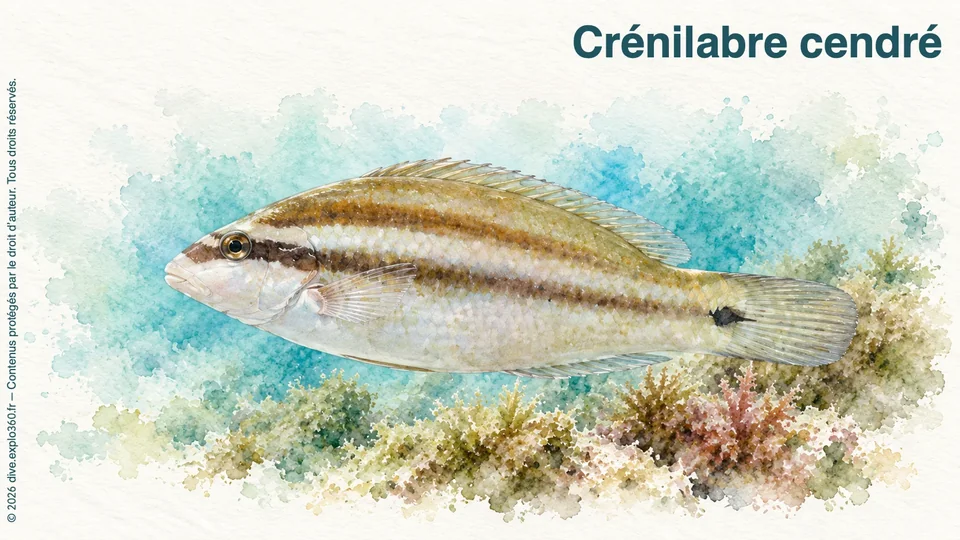
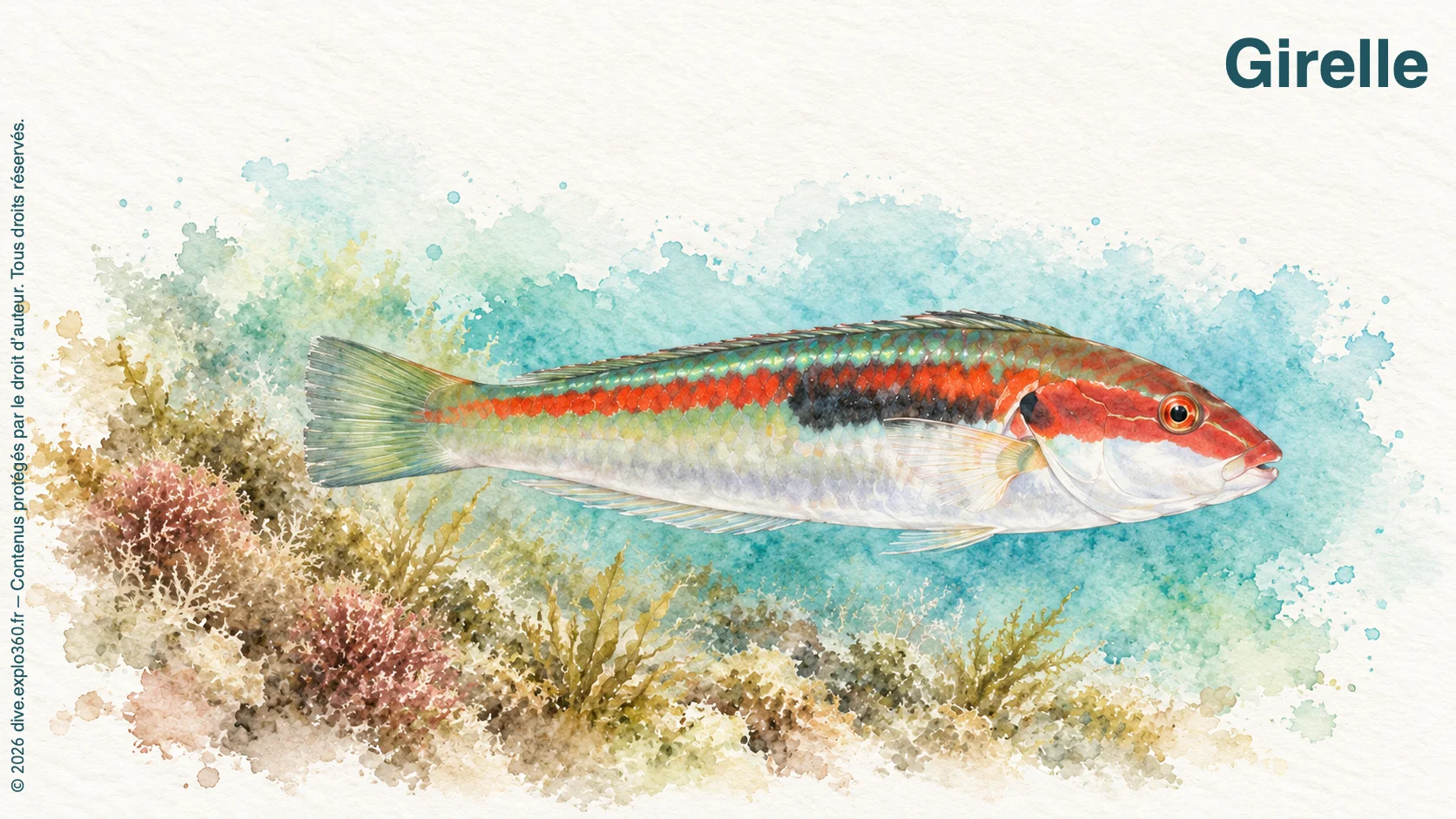
The grey wrasse (Symphodus cinereus) is usually ash grey or beige, sometimes with a yellowish or pale green tinge. Some have two dark lines running along the body, while others are more evenly coloured.
On the small, elongated body, a black spot sits at the base of the tail. Its intensity varies, and it may become difficult to distinguish. A single fin runs along the back; the overall impression is of a slender fish with subtle markings.
WHERE DOES IT LIVE?
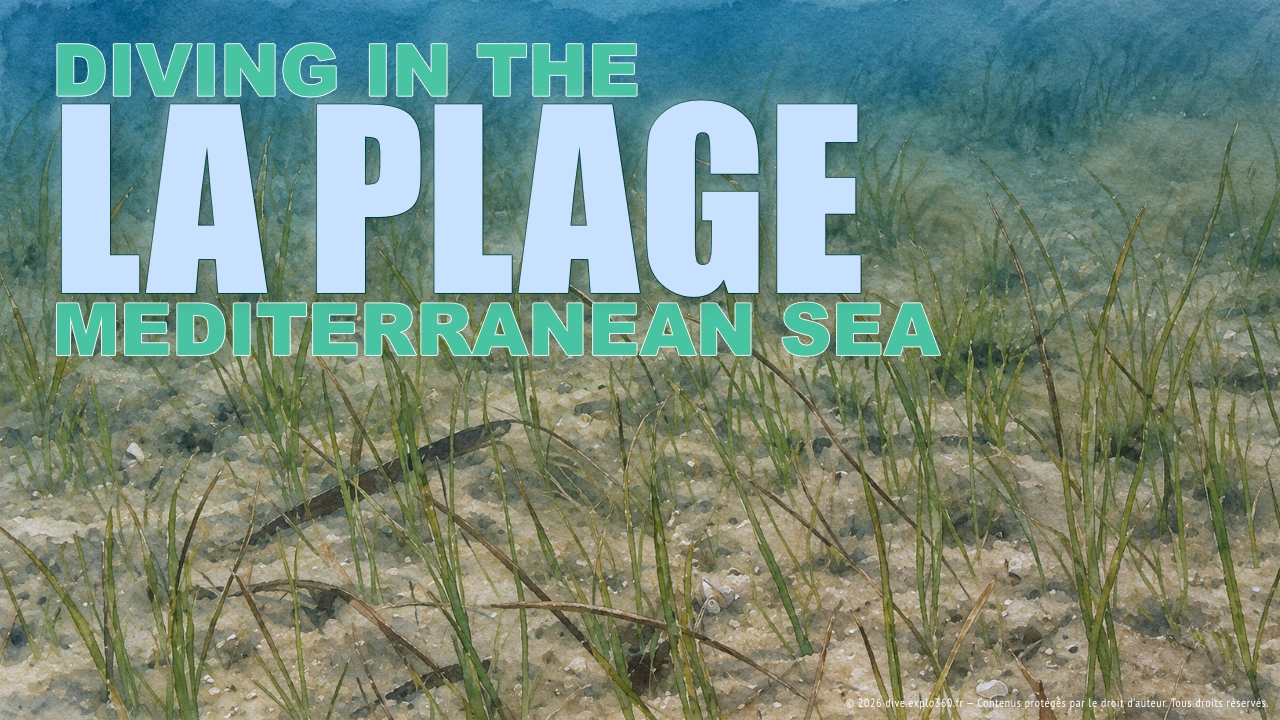
It lives in shallow coastal areas, particularly on sandy seabeds, in Posidonia seagrass beds and in lagoons. It is frequently found in calm, sometimes slightly brackish environments, where it moves close to the seabed.
WHAT DOES IT EAT?
The grey wrasse searches for food near the seabed. It catches small crustaceans, marine worms and molluscs living in or on the sand. It brings its snout close to the bottom and picks up prey with its mouth. Because these animals are often tiny or hidden among grains of sand, their movements are difficult to make out.
GO FURTHER WITH AMIGANSEAU
Unlock the full profile
Deepen your knowledge with the exclusive chapters and interactive resources included in an AMIGANSEAU licence.
- HOW DOES IT REPRODUCE?
- OUR OBSERVATIONS
- ARTICLE
Also included in the full profile
- Advanced navigation between description, ecological context, observations and behaviour
- Interactive food chain to explore the species’ feeding relationships
- Infographic and illustrated summary profile
 Understand the species