Habitat
 Depth
 Group
 Role
WHAT DOES IT LOOK LIKE?
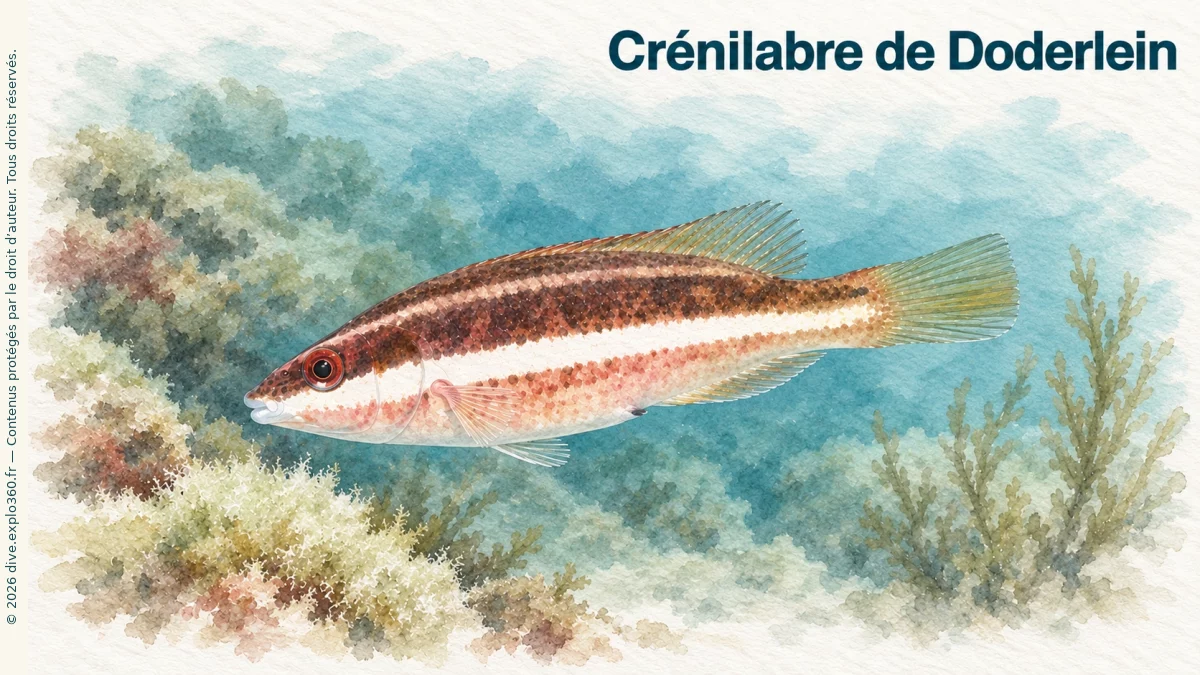
This small wrasse often measures 8 to 10 centimetres. Its body is more streamlined than that of many other small wrasses, with a darker back and paler belly.
The broad central white stripe has a finer companion along the upper flank. A red mark may appear behind the eye and a black patch near the tail.
The sexes have fairly similar colours except during breeding, when males become redder. Female rainbow wrasse may resemble this striped outline.
WHERE DOES IT LIVE?
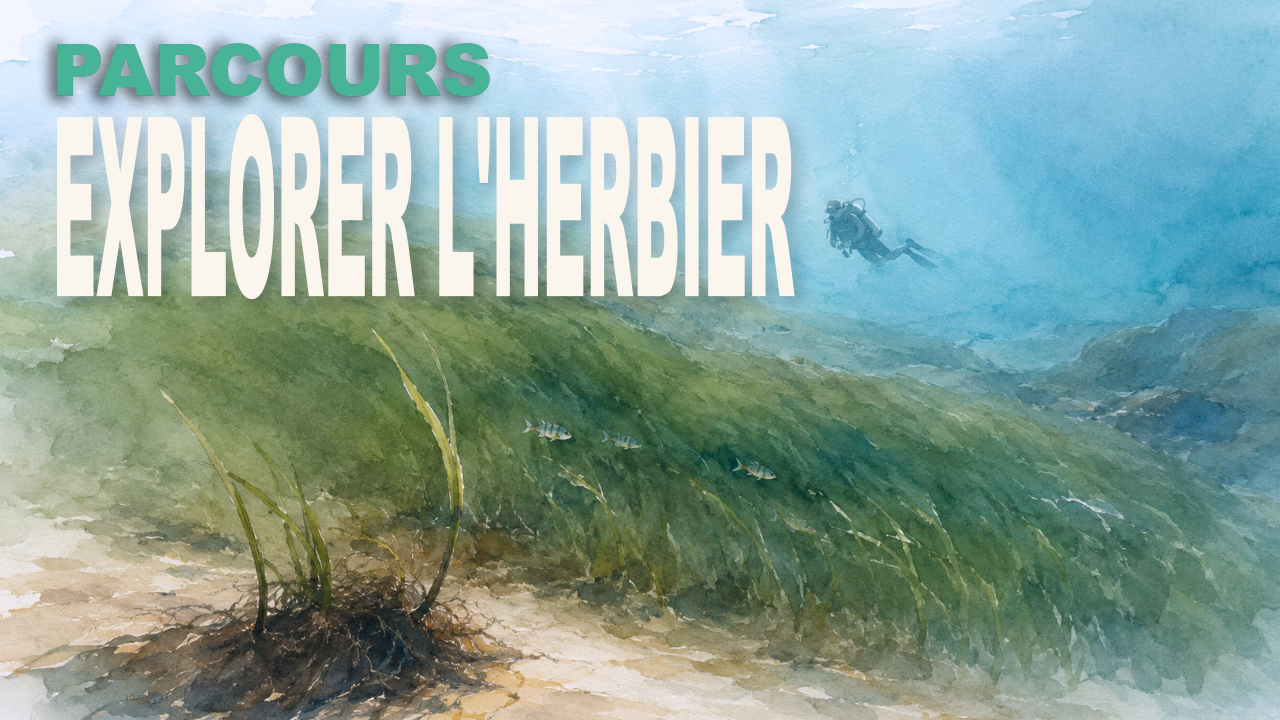
The species mainly frequents seagrass beds and, to a lesser extent, neighbouring rocky bottoms. It is often found between 5 and 30 metres deep.
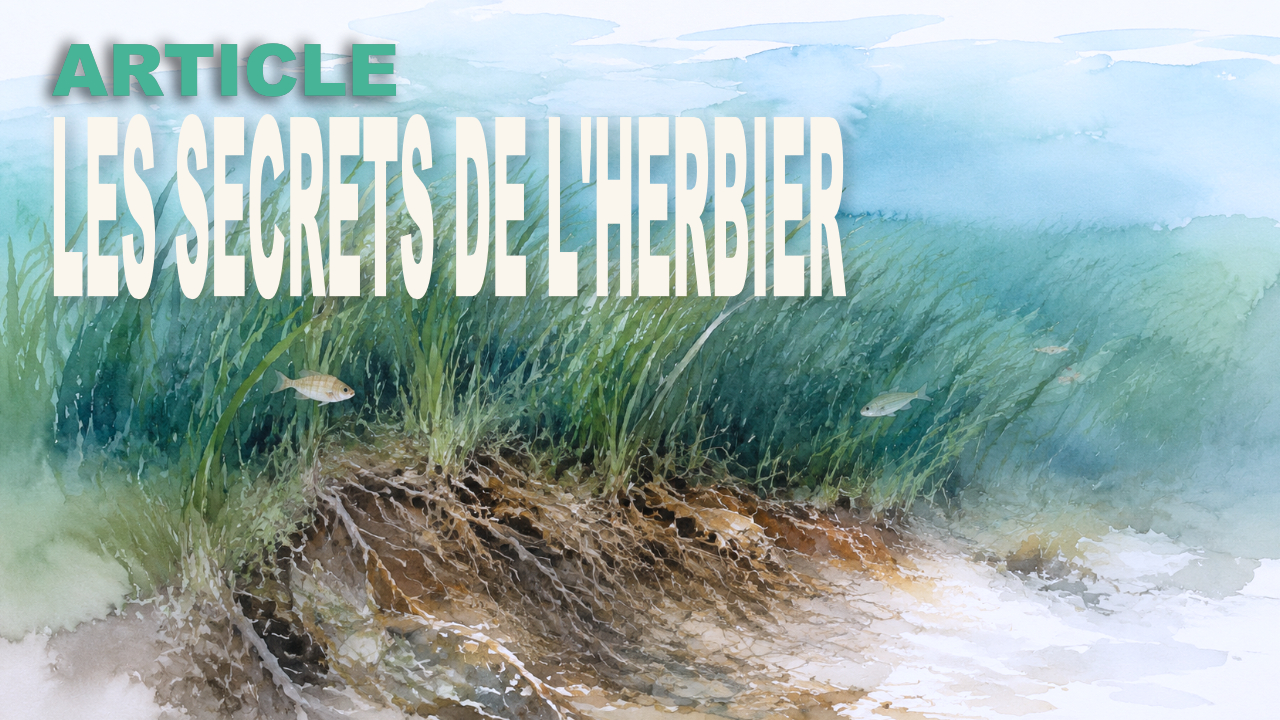
Seagrass provides shelter, as well as many small animals associated with leaves and nearby surfaces.
WHAT DOES IT EAT?
Food includes worms, small molluscs, amphipods, which are small crustaceans, and bryozoans, attached animals that live in colonies.
Food is therefore found close to surfaces.
GO FURTHER WITH AMIGANSEAU
Unlock the full profile
Deepen your knowledge with the exclusive chapters and interactive resources included in an AMIGANSEAU licence.
- HOW DOES IT REPRODUCE?
- OUR OBSERVATIONS
- ARTICLE
Also included in the full profile
- Advanced navigation between description, ecological context, observations and behaviour
- Interactive food chain to explore the species’ feeding relationships