Habitat
 Depth
 Group
 Role
WHAT DOES IT LOOK LIKE?
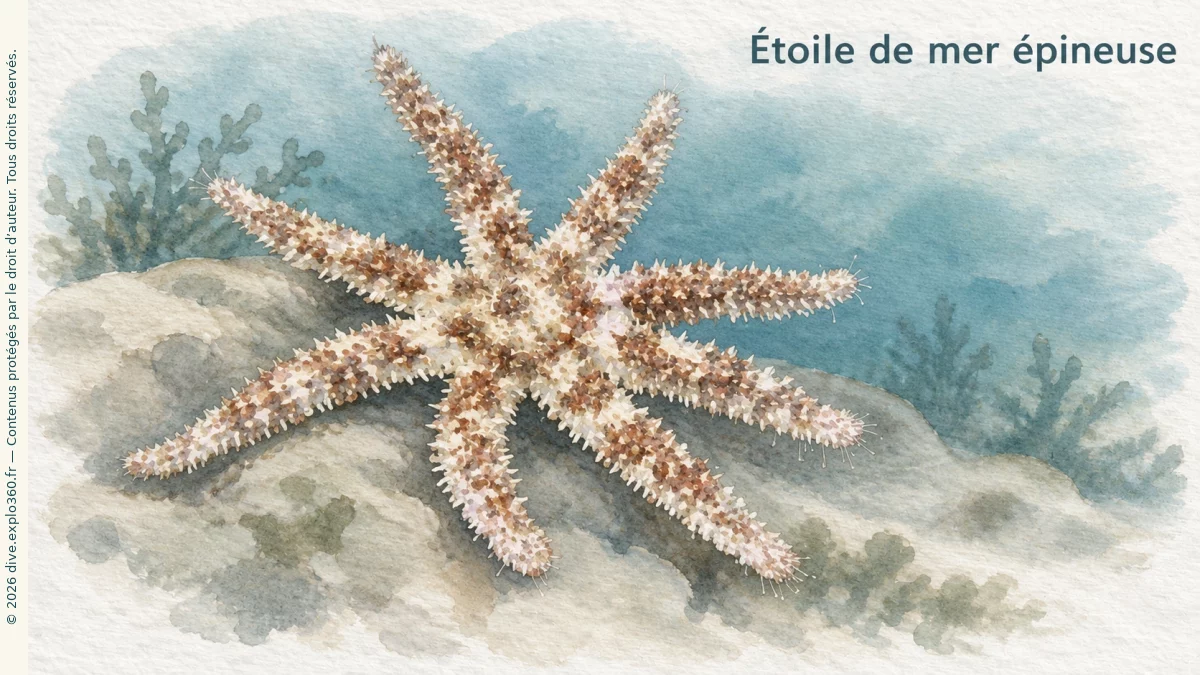
The spiny starfish is generally small, with numerous unequal arms, often seven or eight. Fine spines cover the upper surface, with varied pale and brown areas and red or blue markings.
Pedicellariae, tiny pincer-like organs, surround some spines. Beneath the arms, rows of tube feet, extendable tubes with adhesive tips, support movement and prey handling.
WHERE DOES IT LIVE?
It occupies rocky seabeds and seagrass beds along French Mediterranean coasts, often in shallow water. Spaces between stones and sheltered areas provide refuges.
Record position relative to these shelters and the supporting surface. An undisturbed sighting describes a real habitat rather than an isolated outline.
WHAT DOES IT EAT?
It eats worms and molluscs among other seabed prey. To digest some prey, it can extend part of its stomach through the mouth and recover the digested material.
This differs from the five-toothed apparatus of sea urchins. Starfish and urchins are echinoderms, a group of marine animals, but their feeding anatomy differs.
GO FURTHER WITH AMIGANSEAU
Unlock the full profile
Deepen your knowledge with the exclusive chapters and interactive resources included in an AMIGANSEAU licence.
- HOW DOES IT REPRODUCE?
- OUR OBSERVATIONS
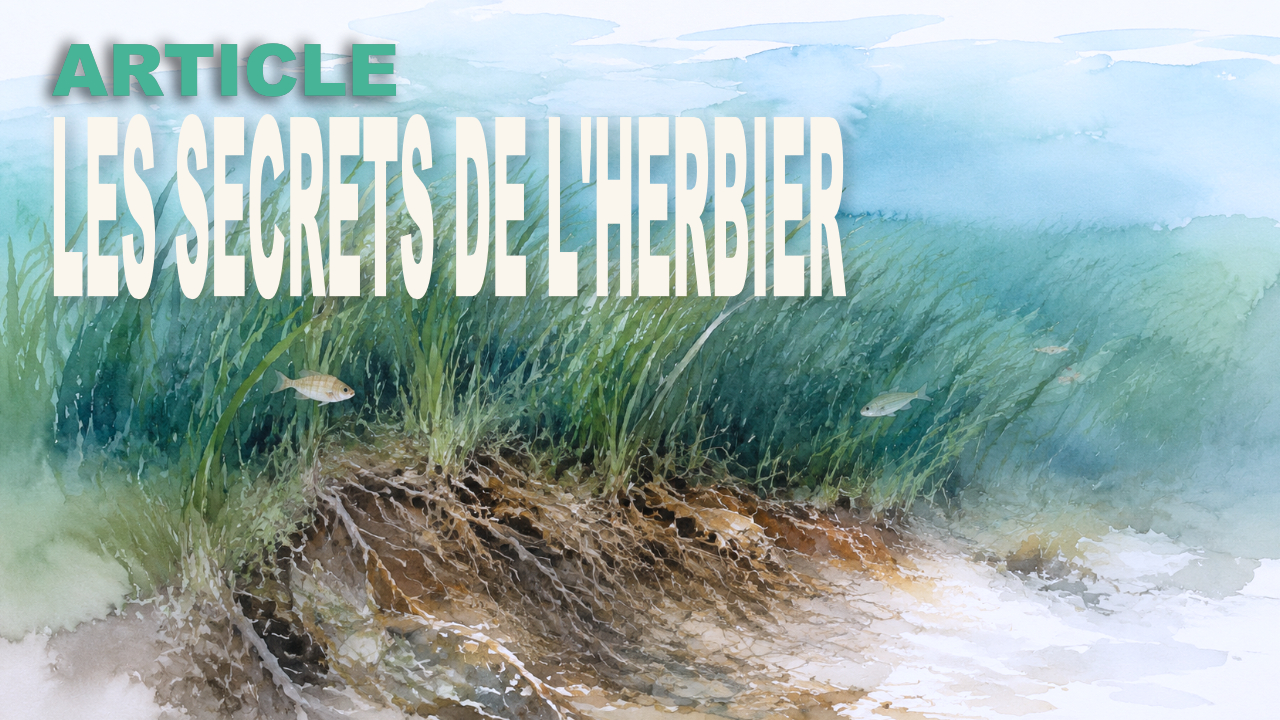
- ARTICLE
Also included in the full profile
- Advanced navigation between description, ecological context, observations and behaviour
- Interactive food chain to explore the species’ feeding relationships