Habitat
 Depth
 Group
 Role
 Average size
WHAT DOES IT LOOK LIKE?
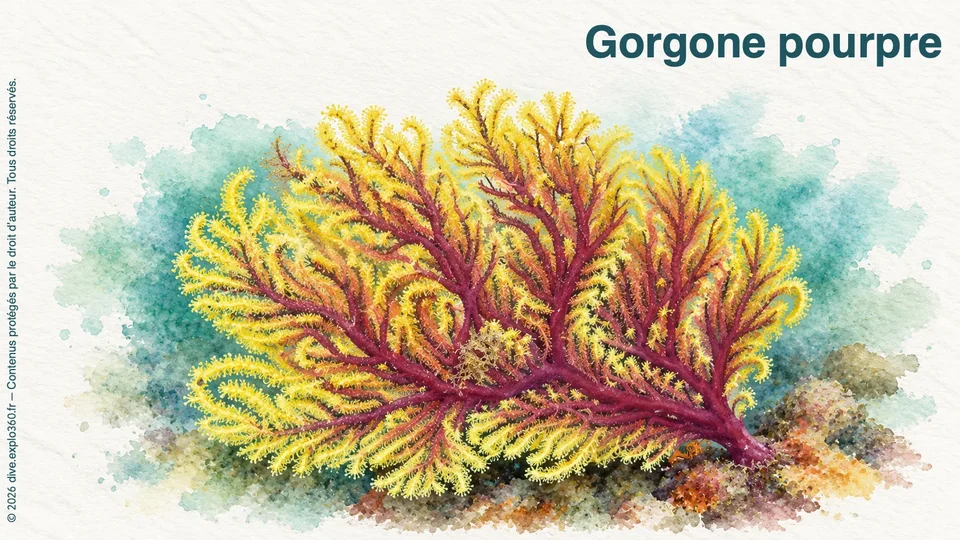
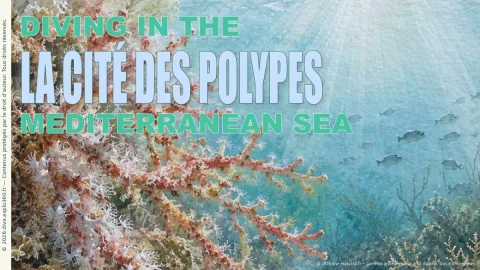
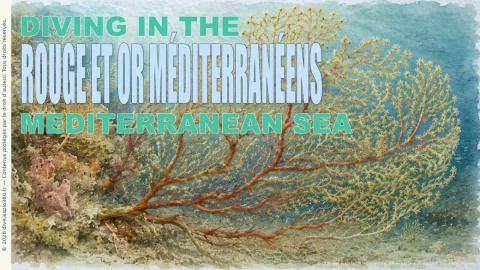
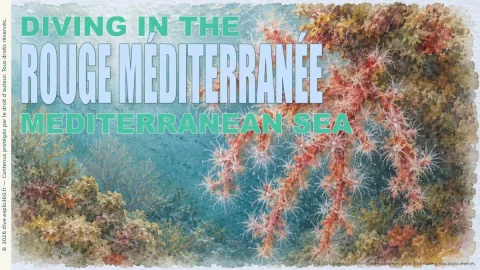
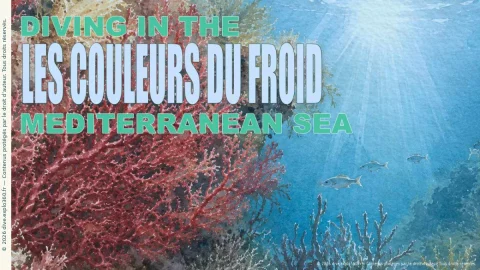
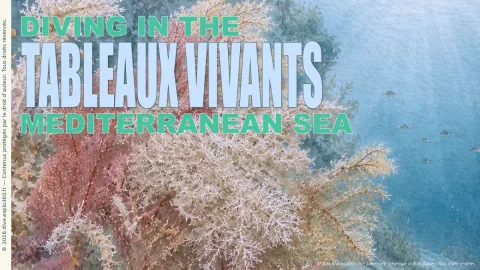
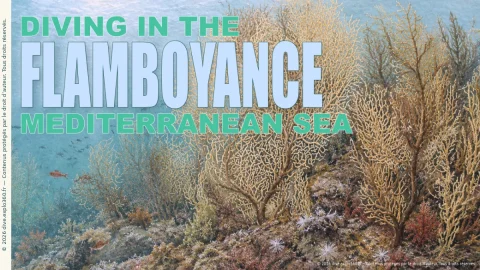
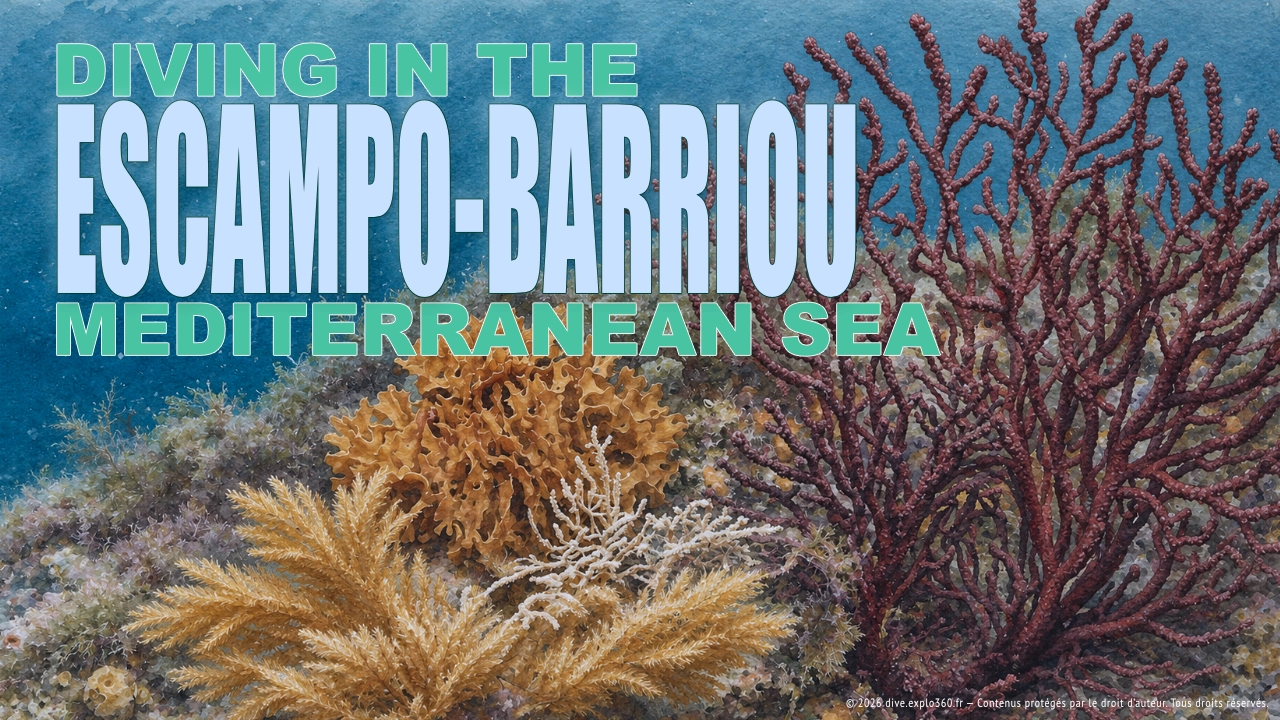
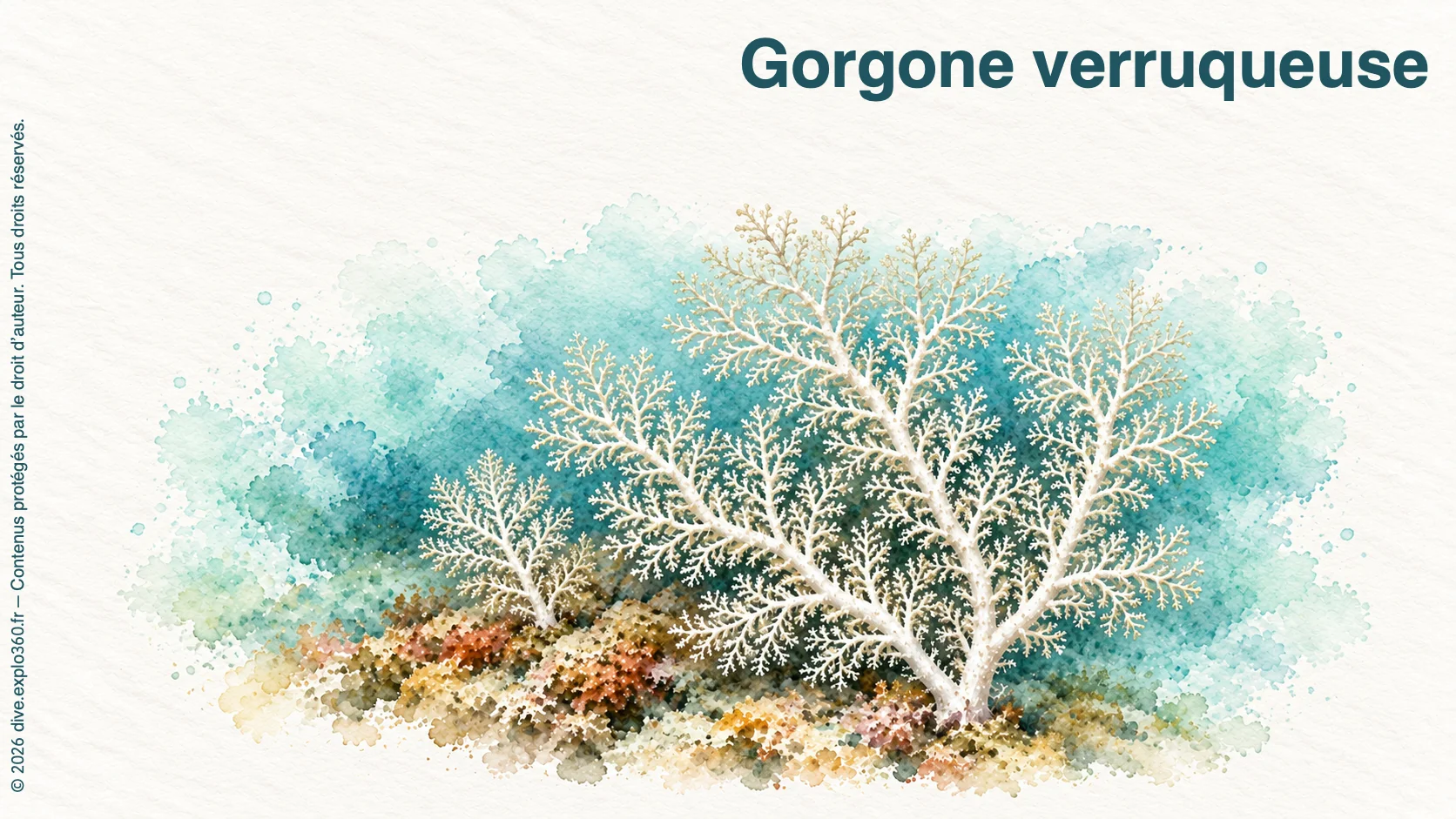
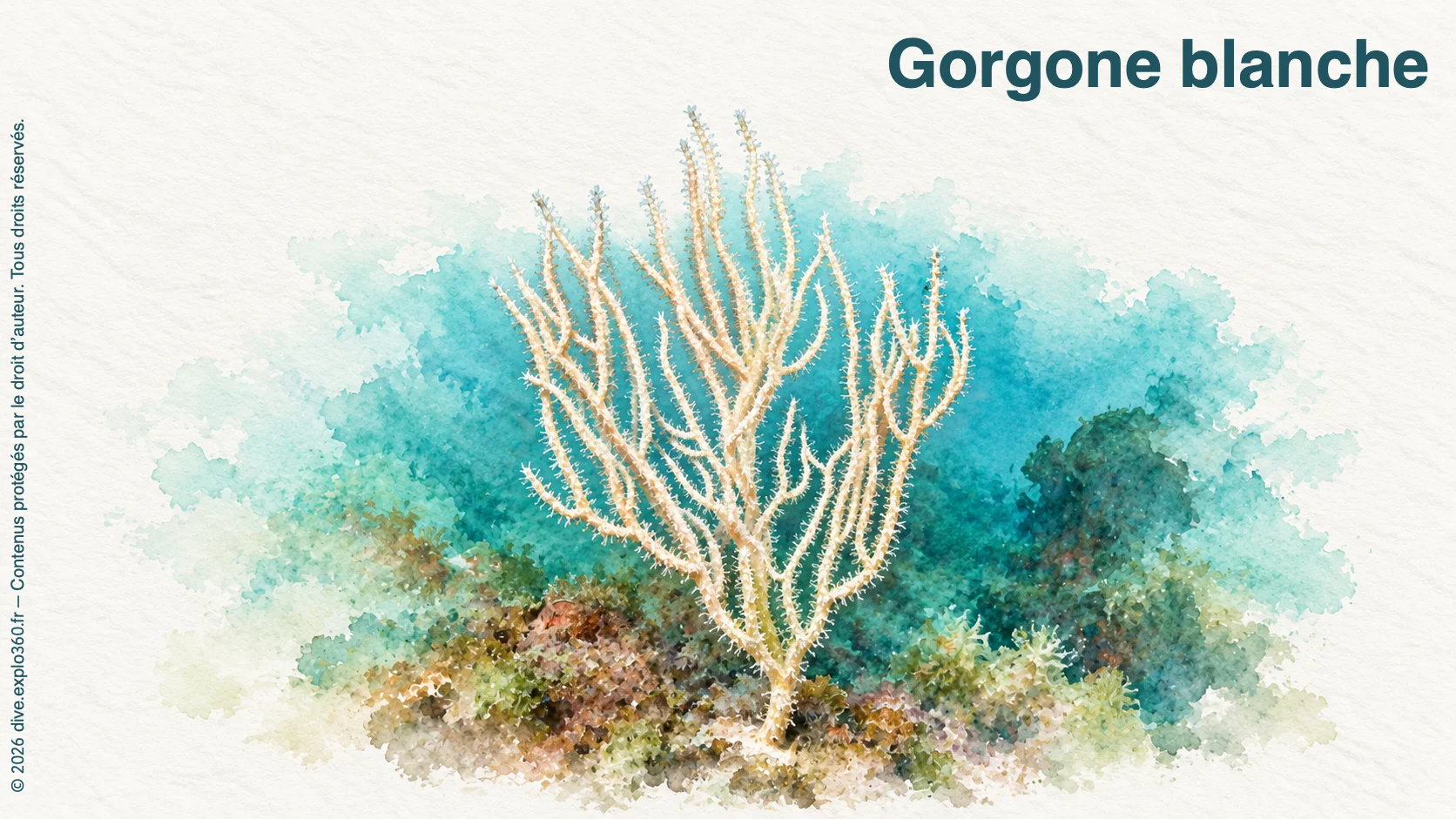
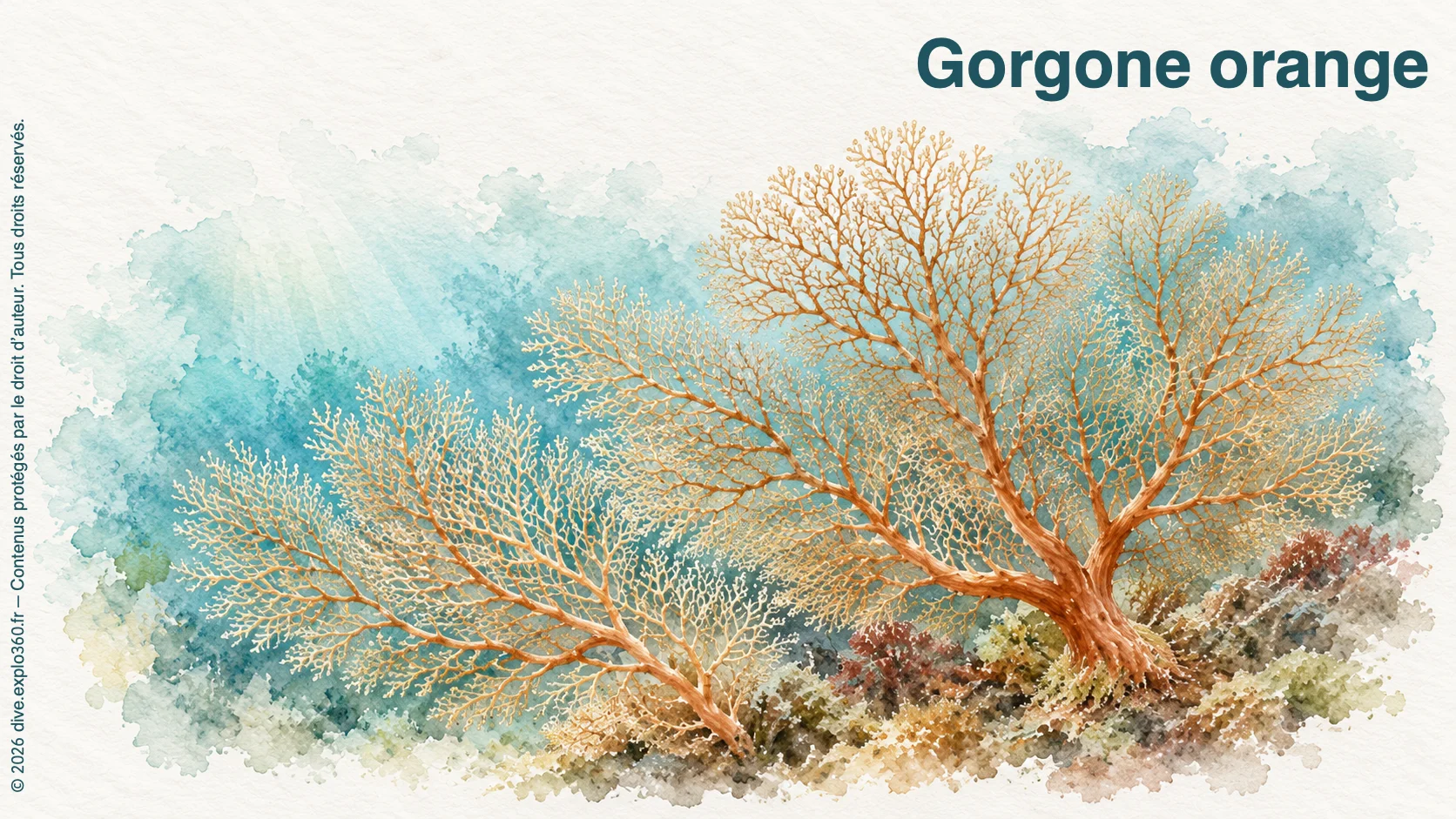
The fan of the purple gorgonian (Paramuricea clavata) stands out for its dense branching, most often spread in one plane. Red and purple dominate, but some branches or their tips may be yellow without being covered by another organism.
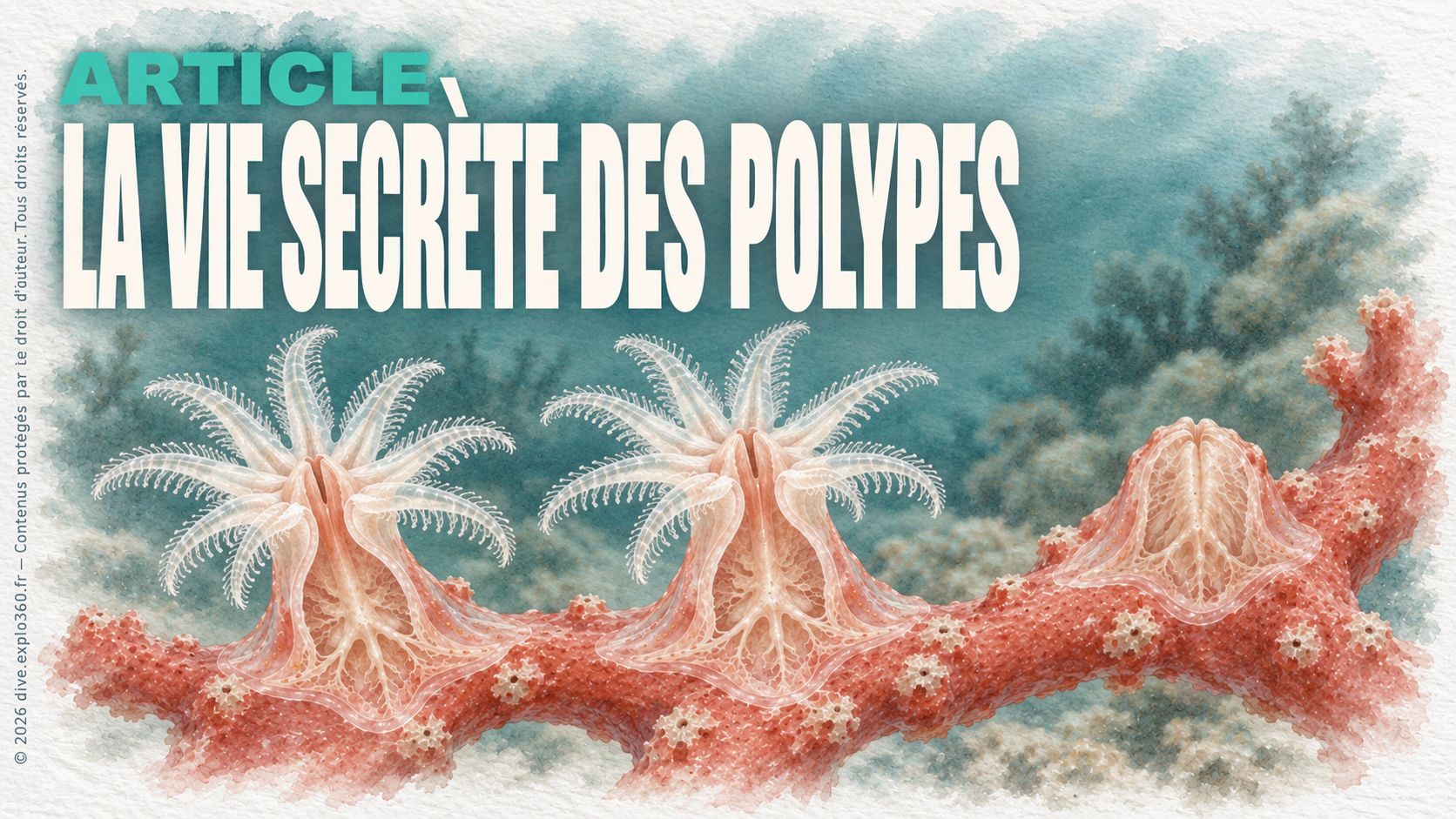
Branch relief also depends on the polyps, the small animals making up the colony. Extended, they make the framework bushy; retracted, they reveal its outlines more clearly.
WHERE DOES IT LIVE?
It is encountered on rocky substrates well exposed to currents, mainly in the Mediterranean. It attaches to vertical walls, overhangs or sloping areas, from a few metres down to several tens of metres deep.
WHAT DOES IT EAT?
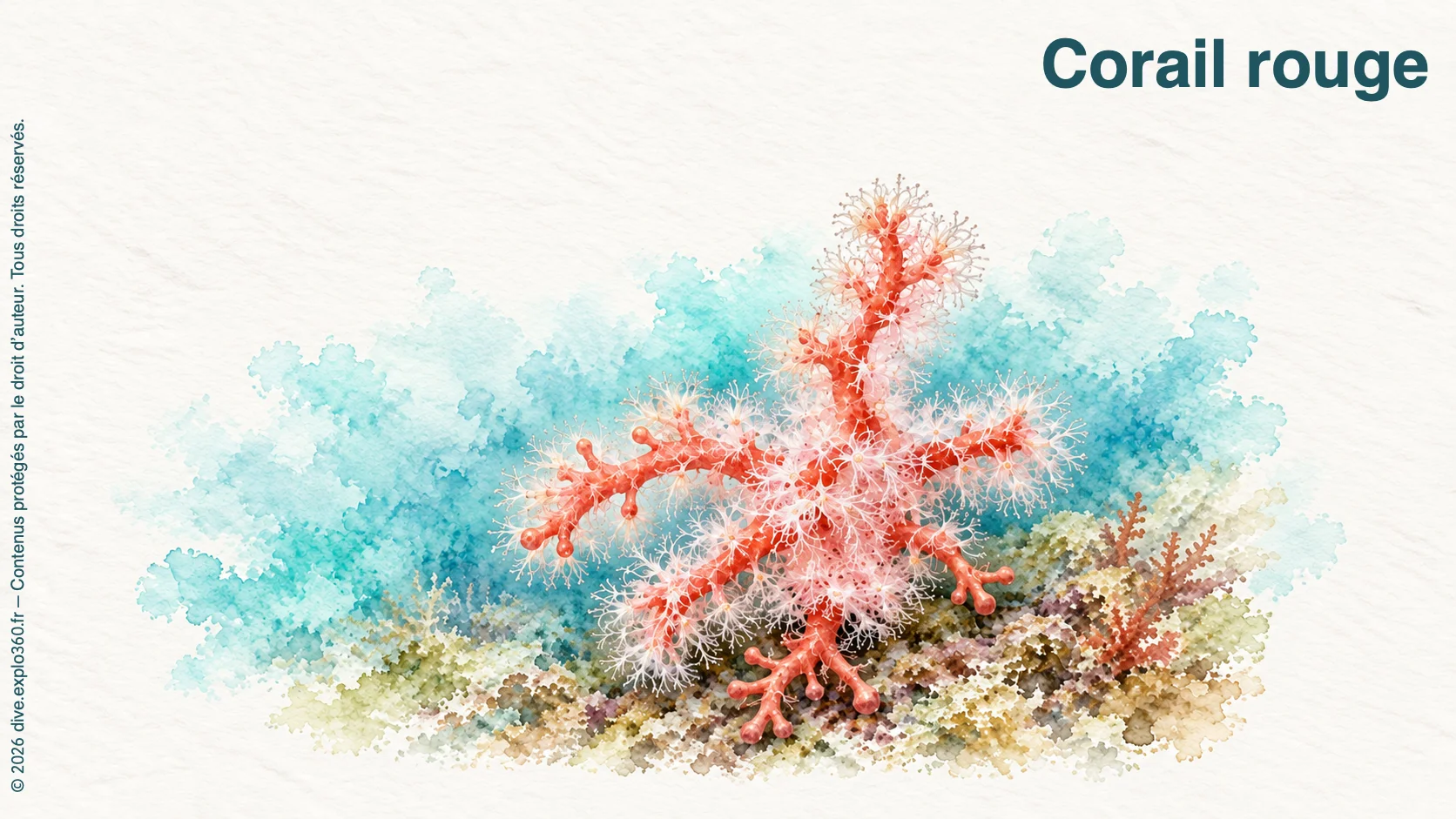
When the red gorgonian’s polyps open, their tentacles offer many capture points to the current. The colony takes plankton, including crustacean eggs and tiny larvae, together with suspended organic material. Meals depend on what passes within reach of the branches: food is neither evenly distributed through the water nor constantly abundant. Minute catches by many polyps provide a collective food supply renewed by the passing flow.
GO FURTHER WITH AMIGANSEAU
Unlock the full profile
Deepen your knowledge with the exclusive chapters and interactive resources included in an AMIGANSEAU licence.
- HOW DOES IT REPRODUCE?
- OUR OBSERVATIONS
- ARTICLE
Also included in the full profile
- Advanced navigation between description, ecological context, observations and behaviour
- Interactive food chain to explore the species’ feeding relationships
- Infographic and illustrated summary profile
- Additional photographic observations





 Understand the species