Habitat
 Depth
 Group
 Role
WHAT DOES IT LOOK LIKE?
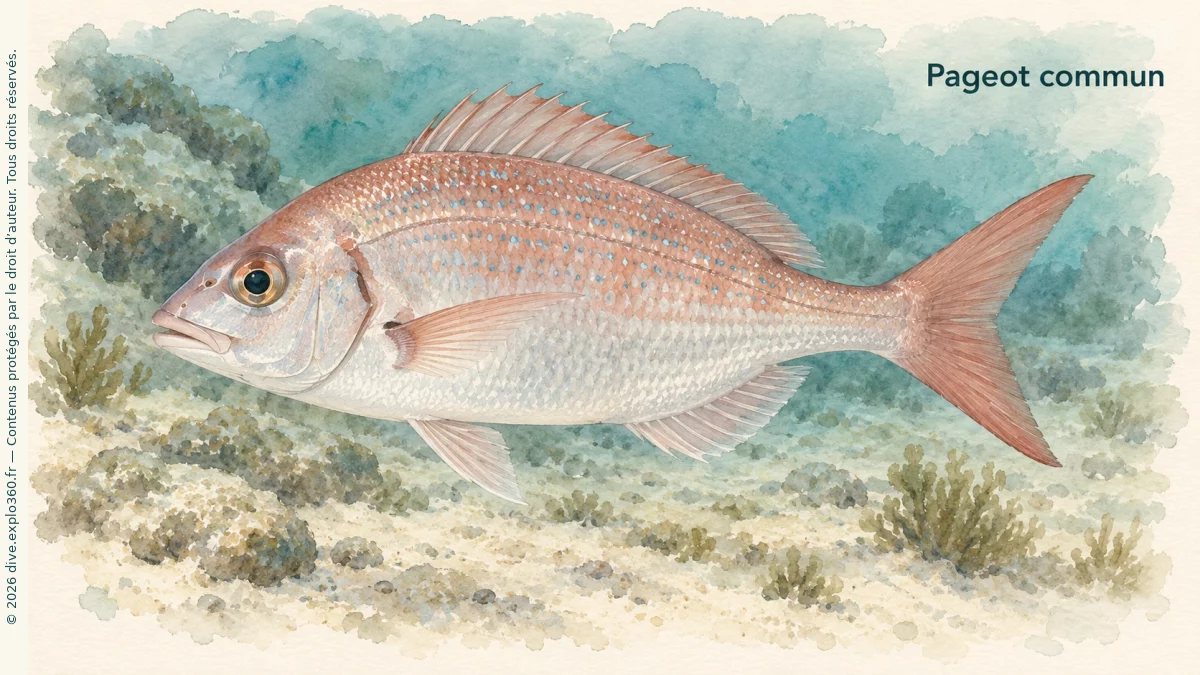
The common pandora has an oval, compressed body, an almost straight forehead and a pointed snout. The eye is noticeably shorter than the snout. Its pinkish silver colour may include small blue dots on the upper body, a red mark on the upper edge of the gill cover and reddish colouring at the pectoral base. The forked tail lacks the white tips of the red porgy. Common lengths are 15–30 centimetres, although larger individuals occur.
WHERE DOES IT LIVE?
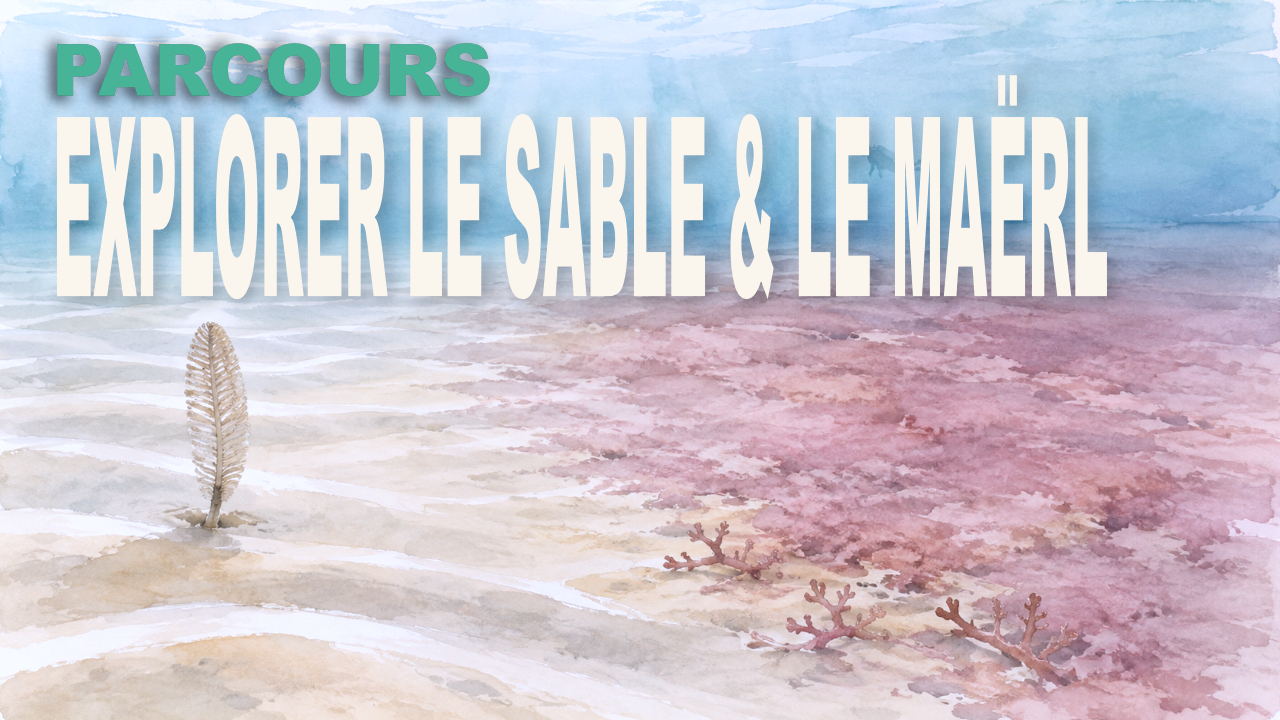
Habitats include rock, gravel, sand and mud, with an affinity for loose ground. It swims near the substrate without necessarily resting on it. It lives at depths of 5–200 metres in the Mediterranean and down to 300 metres in the Atlantic. Young fish generally occur closer to shore than adults, while deeper movement can take place during colder periods.
WHAT DOES IT EAT?
The diet is omnivorous with a substantial animal component. Worms, small crustaceans, molluscs and small fish are documented. Pointed front teeth and rows of posterior molars correspond to several ways of handling food. Benthic resources connect the fish with bottom communities, while movement allows it to inspect different surfaces. A fish tilting towards sediment may be searching for food, but that posture does not always reveal what is swallowed.
GO FURTHER WITH AMIGANSEAU
Unlock the full profile
Deepen your knowledge with the exclusive chapters and interactive resources included in an AMIGANSEAU licence.
- HOW DOES IT REPRODUCE?
- OUR OBSERVATIONS
- ARTICLE
Also included in the full profile
- Advanced navigation between description, ecological context, observations and behaviour
- Interactive food chain to explore the species’ feeding relationships