Habitat
 Depth
 Group
 Role
WHAT DOES IT LOOK LIKE?
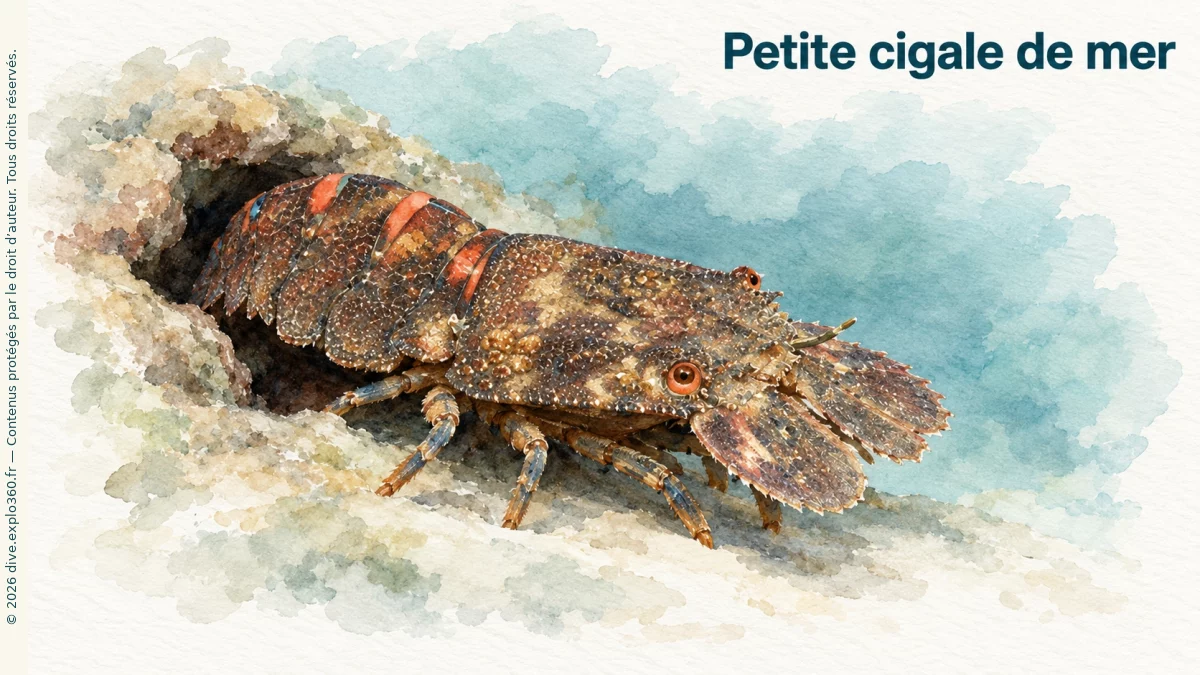
The lesser slipper lobster has a flattened, jointed, reddish-brown body reaching up to sixteen centimetres in total length. Its large antennae form rounded plates with notched edges. Widely spaced eyes lie on either side of the front of the body.
The shell bears several lengthwise ridges and small pale points. Three red bands cross the upper abdomen, and blue rings mark the legs. This combination is more useful for recognition than size alone.
WHERE DOES IT LIVE?
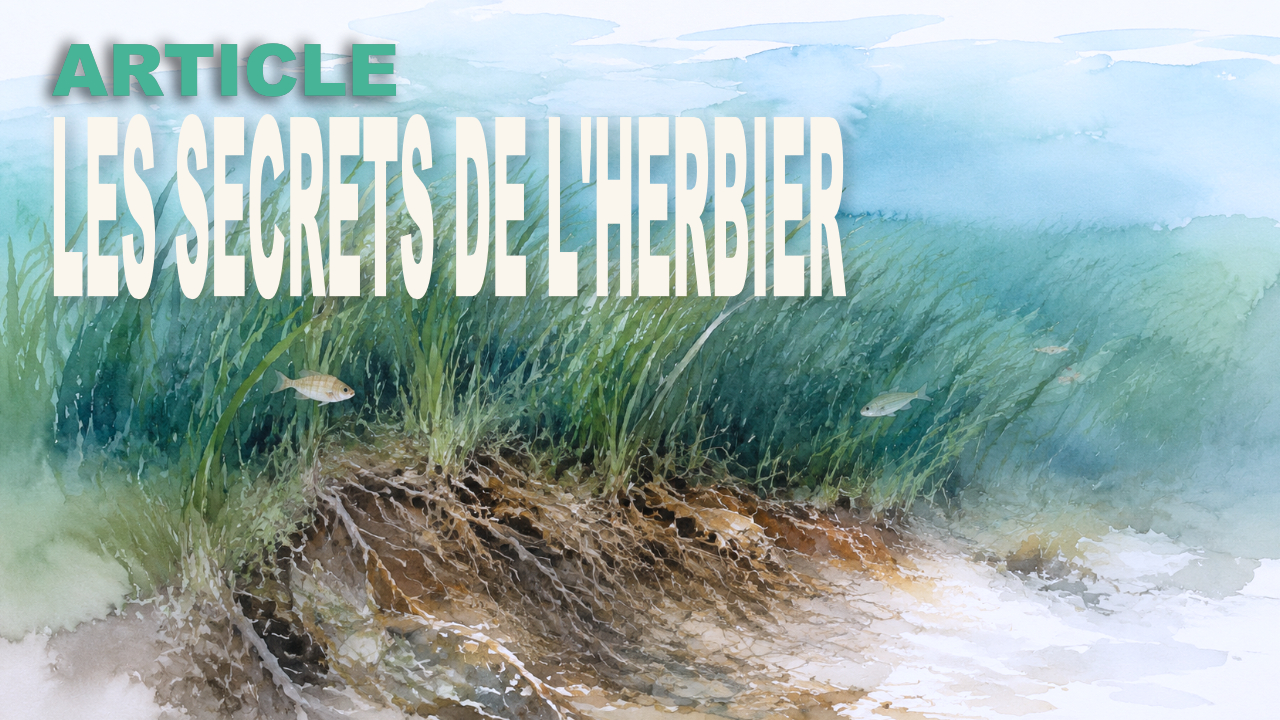
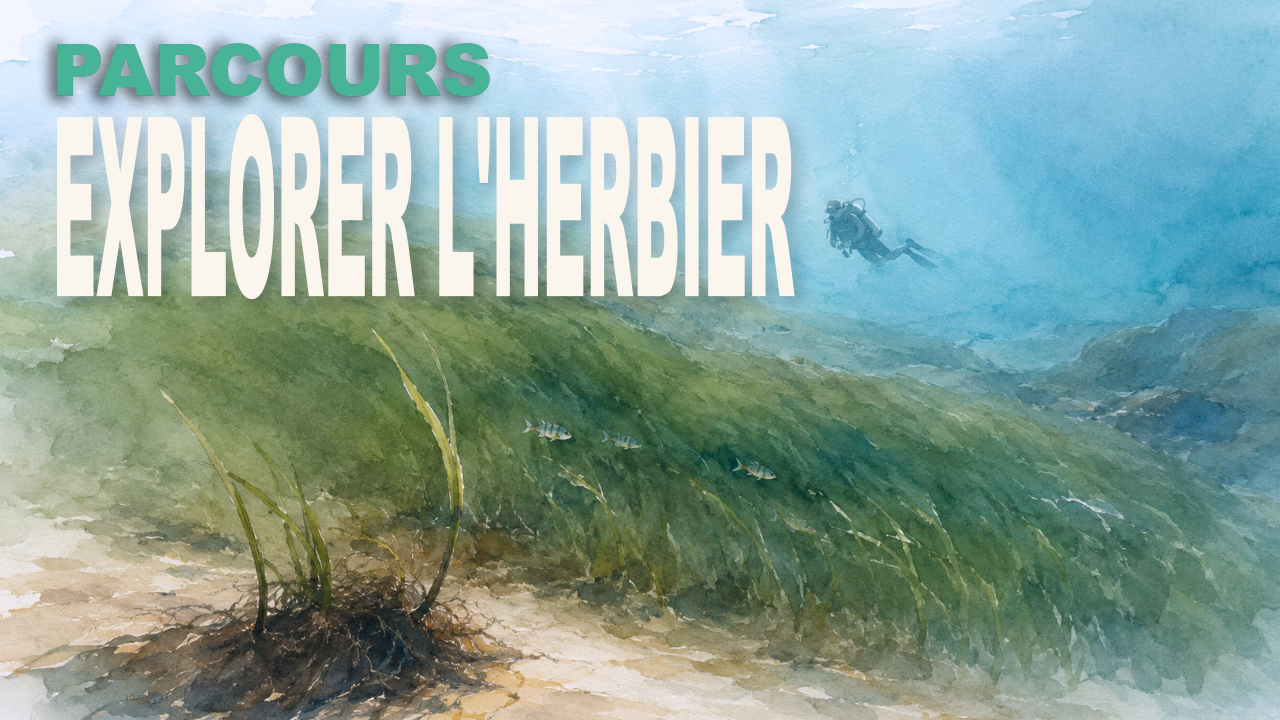
It hides in cavities on rocky seabeds and in caves. It also uses seagrass and bottoms containing shell fragments or other remains. Diving records range from a few metres to around fifty metres deep.
It occurs in the Mediterranean and eastern Atlantic. Activity is mainly nocturnal. A dive light or a direct approach can interrupt its movements and send it back into shelter.
WHAT DOES IT EAT?
It feeds on small molluscs and worms found on the seabed. These animals are prey, whereas seagrass plants form part of the habitat it moves through.
Available accounts describe its meals in less detail than those of the Mediterranean slipper lobster. It would therefore be misleading to assign it every hunting technique documented in its larger relative.
GO FURTHER WITH AMIGANSEAU
Unlock the full profile
Deepen your knowledge with the exclusive chapters and interactive resources included in an AMIGANSEAU licence.
- HOW DOES IT REPRODUCE?
- OUR OBSERVATIONS
- ARTICLE
Also included in the full profile
- Advanced navigation between description, ecological context, observations and behaviour
- Interactive food chain to explore the species’ feeding relationships