Habitat
 Depth
 Group
 Role
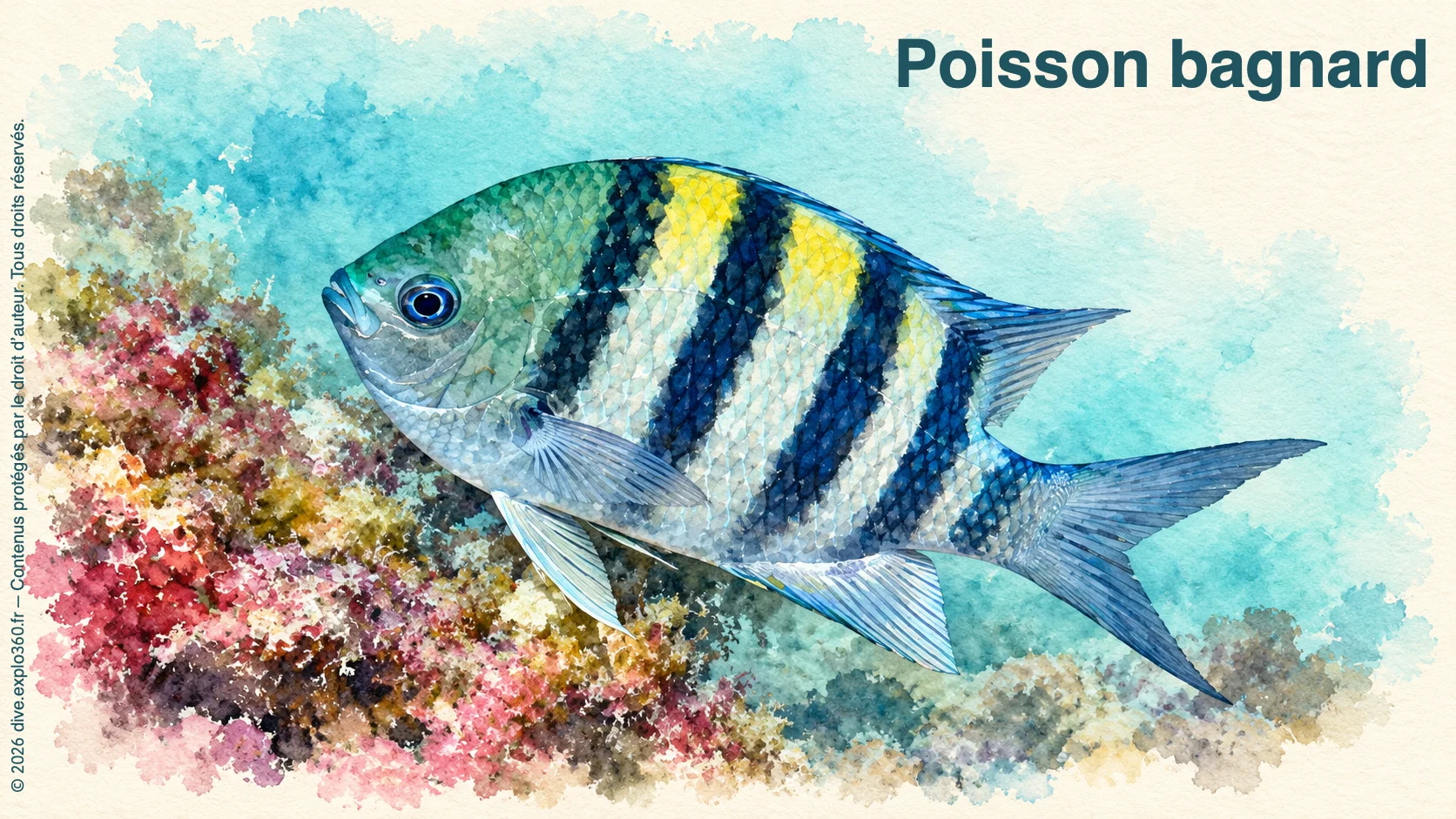
WHAT DOES IT LOOK LIKE?
Juveniles have a very elongated dark body with one continuous pale flank stripe. Adult markings change. Size depends strongly on age; the filmed juveniles cannot be measured.WHERE DOES IT LIVE?
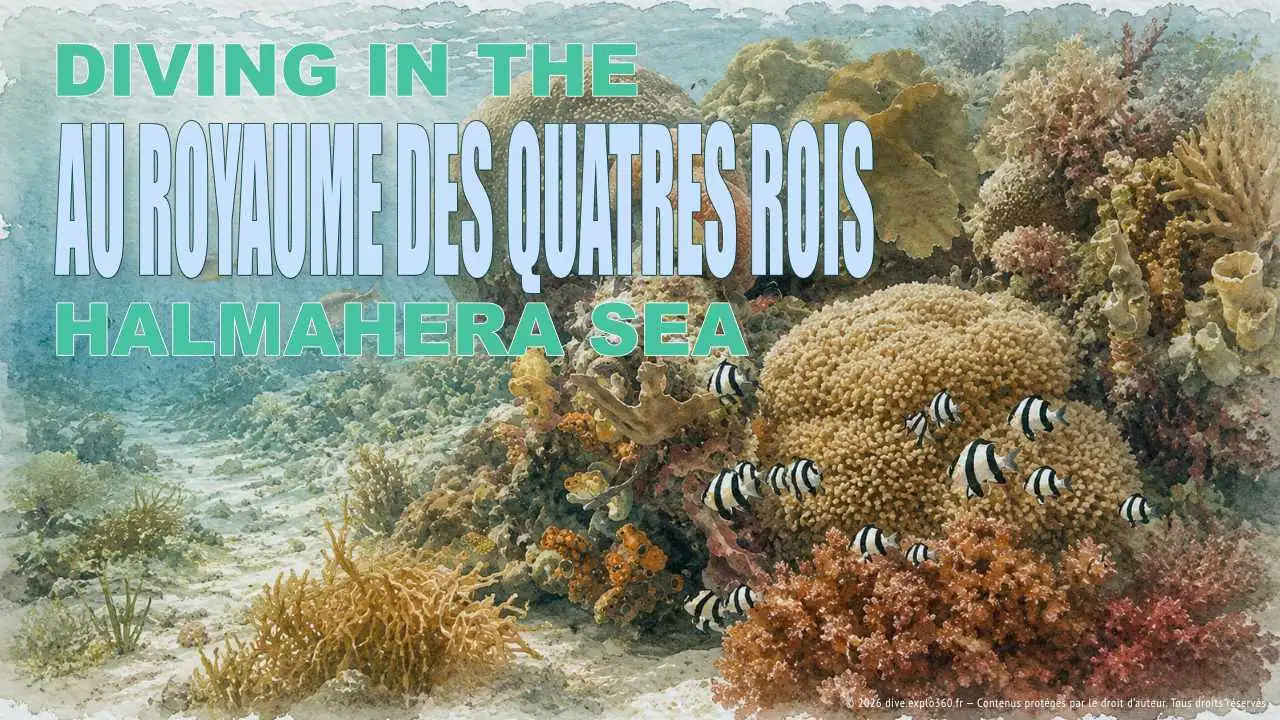
This western Pacific species uses tunnel networks in reefs. Juvenile groups remain associated with these refuges even when moving above the bottom.WHAT DOES IT EAT?
Juveniles leave shelter to forage. The consulted references do not establish a particular guide-linked prey; no individual food link is invented.GO FURTHER WITH AMIGANSEAU
Unlock the full profile
Deepen your knowledge with the exclusive chapters and interactive resources included in an AMIGANSEAU licence.
- HOW DOES IT REPRODUCE?
- OUR OBSERVATIONS
Also included in the full profile
- Advanced navigation between description, ecological context, observations and behaviour
- Interactive food chain to explore the species’ feeding relationships
- Infographic and illustrated summary profile