


Partners and information

Contact us

Verification code

Grey reef sharkProtected

Distribution : Maldives and tropical Indian Ocean. Also found in the Red Sea and tropical Pacific.

On the quays of the Seychelles, identifying sharks can become a detective’s task. Some reach the market gutted, beheaded or missing several fins. How can similar-looking species be distinguished under such conditions? In 2023, a survey of artisanal catches recorded 1,211 grey reef sharks, accounting for almost three in ten of all sharks and rays documented. These landings concern an animal long familiar to local fishermen, yet recognising it can depend on a particular detail of the tail.

Images being acquired · Your video or photos here

Habitat of Grey reef shark Habitat
Open water, Coral reef
Depth range of Grey reef shark Depth
0-1000 m
Biological group of Grey reef shark Group
Ecological role of Grey reef shark Role
Predator

Size

About 1.5–2 m; up to 2.55 m

Good to know

This species is legally protected in the Maldives. Observe from a distance without feeding, chasing or contact. Follow site guidance and leave a clear route.

WHAT DOES IT LOOK LIKE?

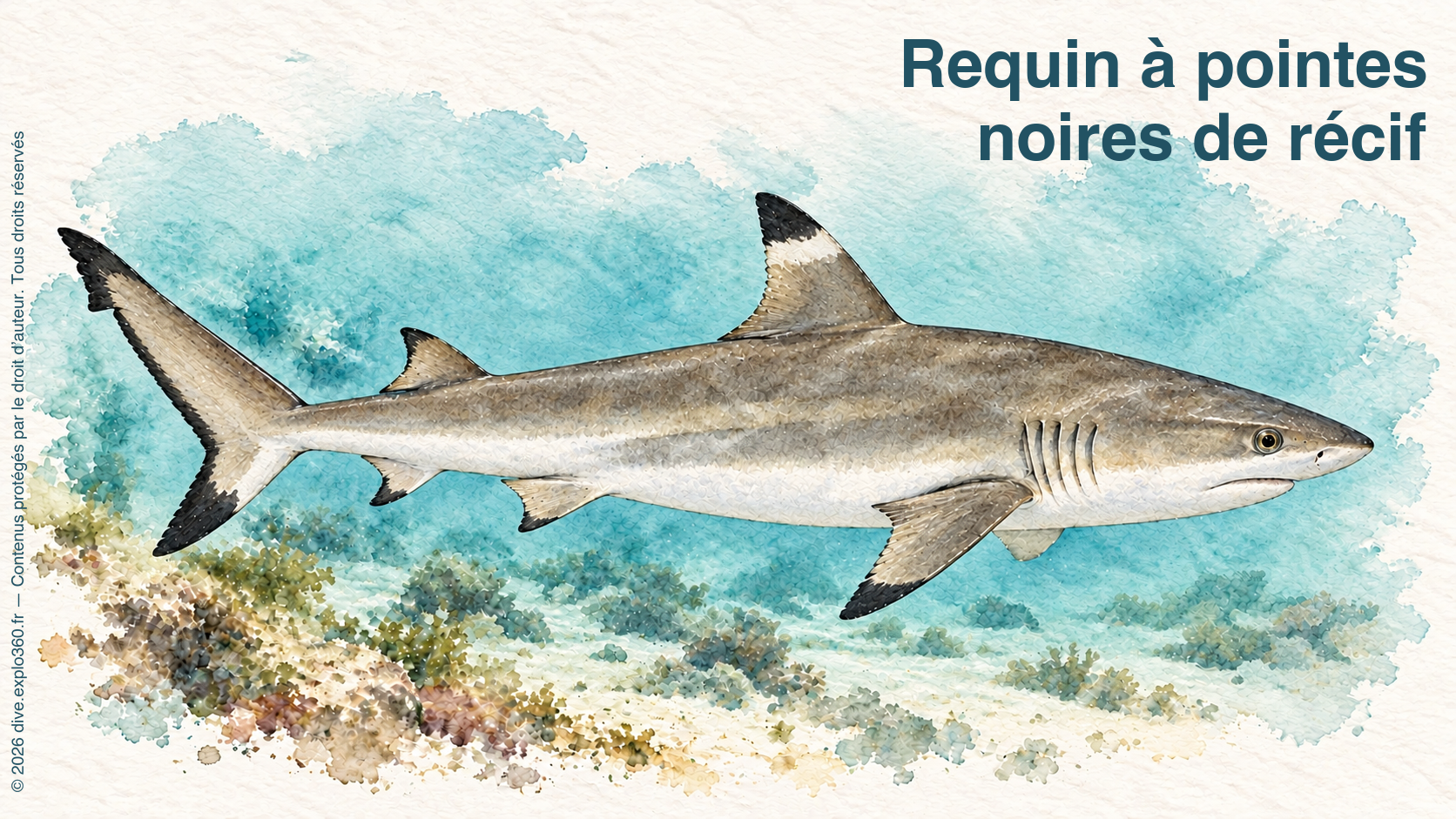
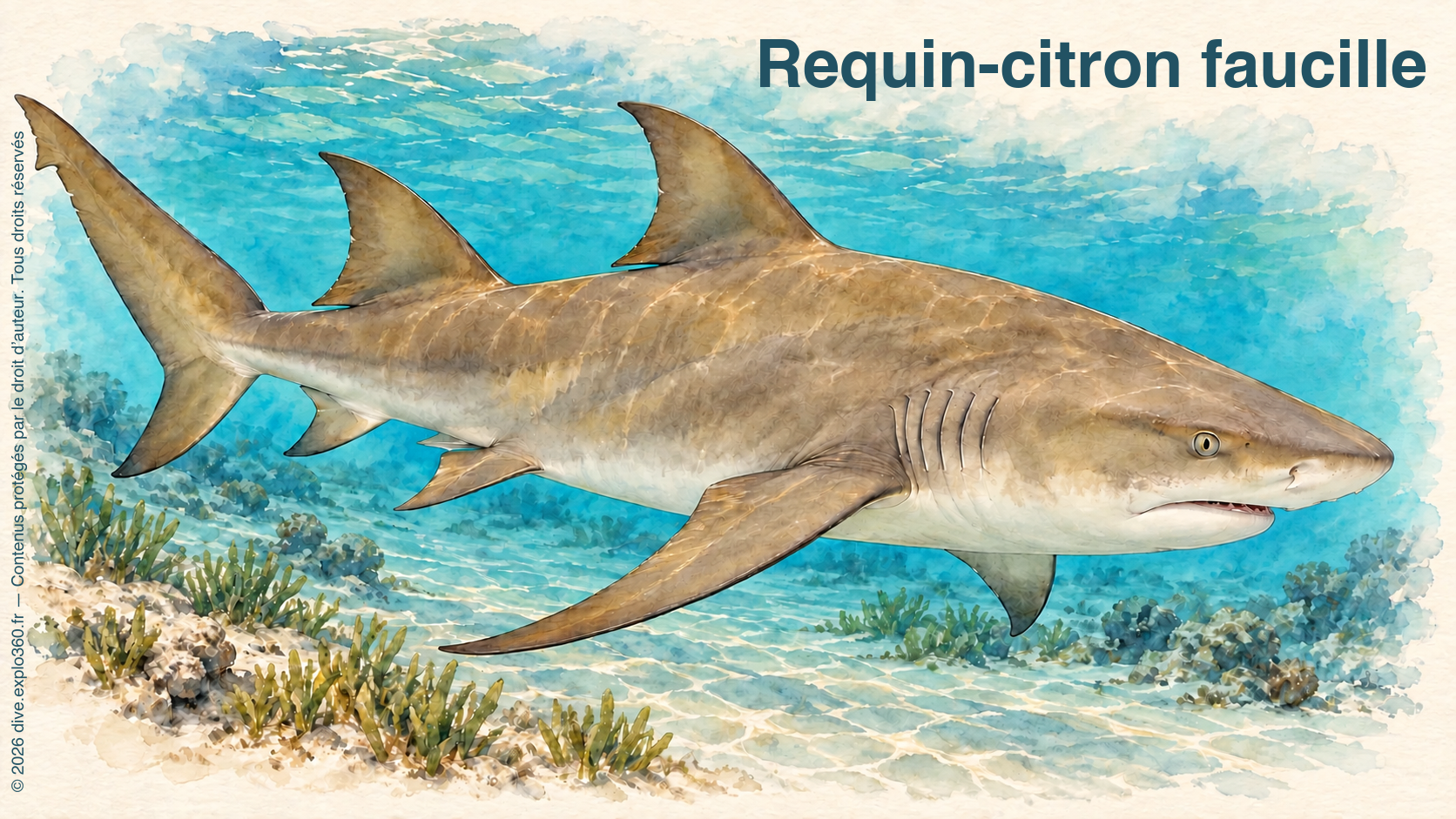
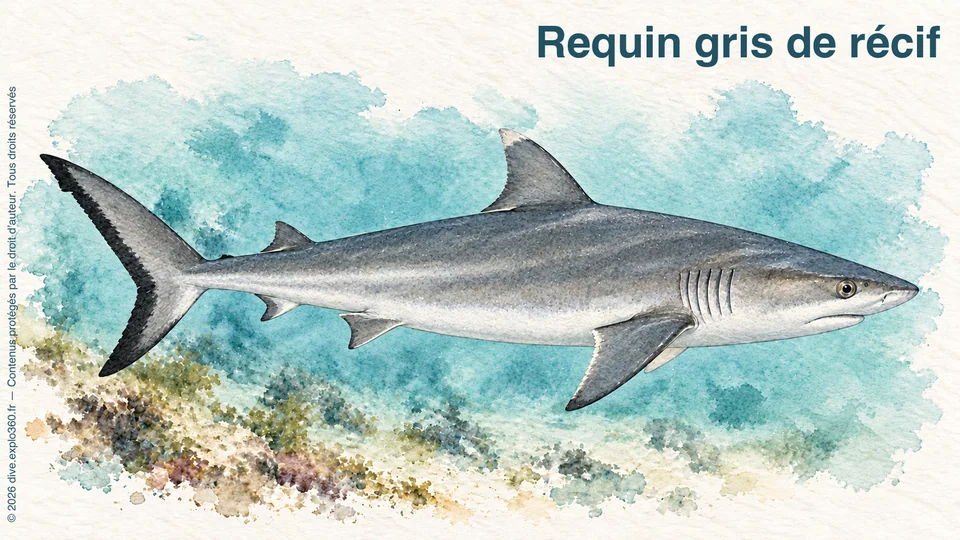
The black tail border provides a more precise feature than the grey colouring alone of the grey reef shark (Carcharhinus amblyrhynchos). Its belly is pale, its side fins curved and pointed. The first back fin may have a narrow pale edge. Its length often falls between one and a half and two metres.

WHERE DOES IT LIVE?

It swims around reefs, slopes and channels. It occurs in the Maldives and other warm marine regions. Current-swept passages are particularly important. Groups may gather around the same reef sector.

Its range includes the Red Sea and Indo-Pacific. It lives from the surface to about 280 metres, with some records from deeper water. Deeper records exist. Use of particular areas varies with location and conditions.

WHAT DOES IT EAT?

Night brings strong hunting activity in the grey reef shark. Fish supply most food, supplemented by cephalopods such as squid and octopuses, and crustaceans. Individuals gathering by day can disperse to hunt at night.

GO FURTHER WITH AMIGANSEAU

Unlock the full profile

Deepen your knowledge with the exclusive chapters and interactive resources included in an AMIGANSEAU licence.

Choose my licence
  • HOW DOES IT REPRODUCE?
  • OUR OBSERVATIONS
  • ARTICLE

Also included in the full profile

  • Advanced navigation between description, ecological context, observations and behaviour
  • Interactive food chain to explore the species’ feeding relationships
An active licence gives access to enriched profiles and AMIGANSEAU exploration tools.
Grey reef shark

Understand the species

What is this species’ ecological role?

AMIGANSEAU Explorer Premium

Access enriched species profiles with advanced content (audio, infographics and detailed articles).

Explore all species easily through a single interface.

Enjoy a smooth, fast learning experience suited to every level.

🔒 The full profile is available with a paid subscription only.

Discover licences

POURSUIVRE L’EXPLORATION

Explore further

ArticleMASTERS OF BUOYANCYRead the article →ArticleDo sharks sleep?Read the article →