Partners and information

Contact us

Verification code

Small-spotted catshark

Distribution : Mediterranean · Atlantic Ocean

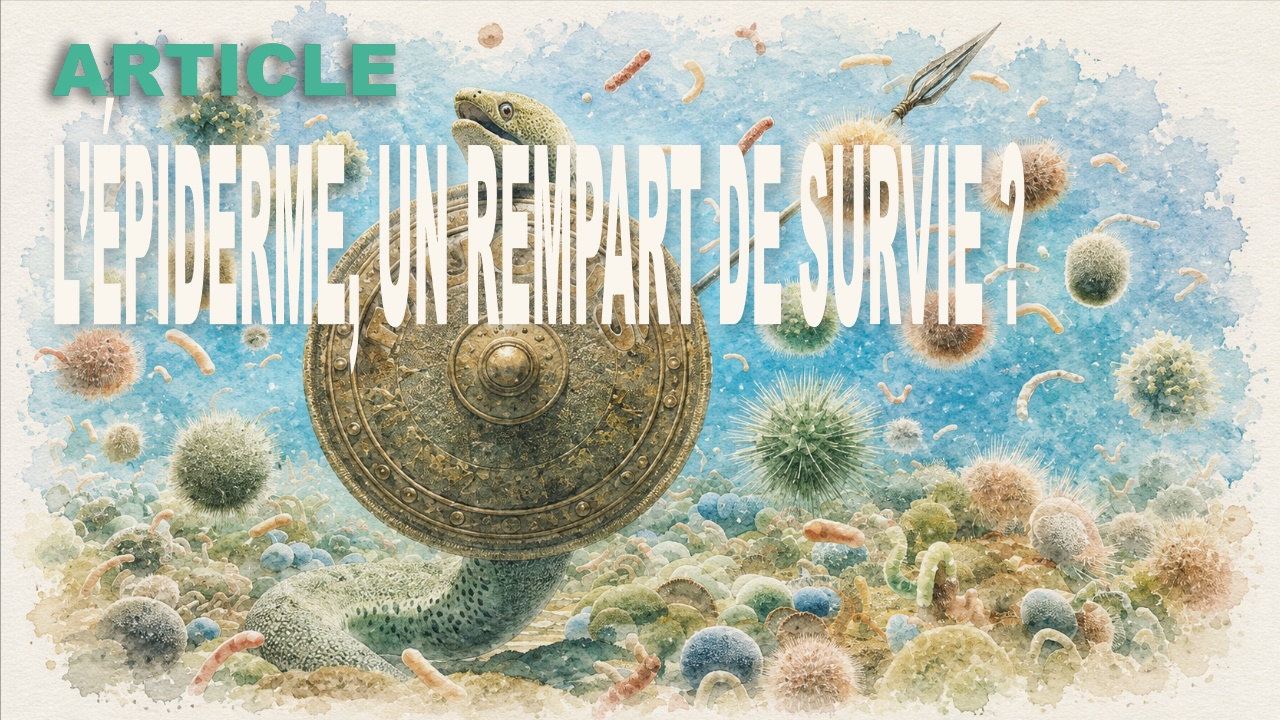
Wood polishing once relied on materials rarely encountered in modern workshops. Among them was the skin of the small-spotted catshark. An account published in 1877, drawing on descriptions by the pharmacist Nicolas-Jean-Baptiste-Gaston Guibourt, mentions its small, tightly packed hard scales and their use as an abrasive. It also points to the confusion surrounding commercial names such as sharkskin, dogfish skin and shagreen. These terms did not necessarily identify the same species or uses. Catshark skin was particularly associated with polishing, whereas the decorative coverings of weapon grips could come from other cartilaginous fishes.

Habitat of Small-spotted catshark Habitat
Sand, Gravel, Rocky habitat
Depth range of Small-spotted catshark Depth
1-400 m
Biological group of Small-spotted catshark Group
Ecological role of Small-spotted catshark Role
Predator

Average size

60 cm

WHAT DOES IT LOOK LIKE?

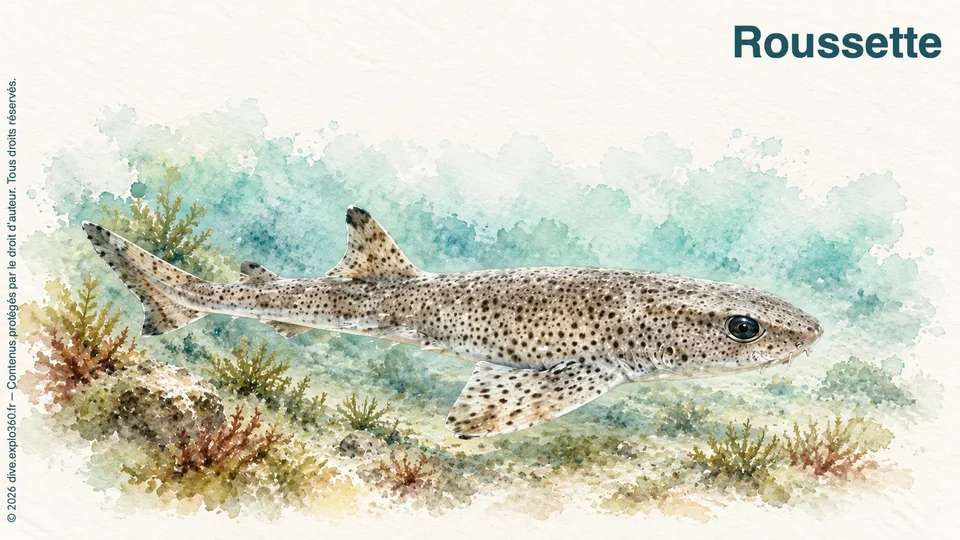
Close-set little spots mark the beige to reddish brown back of the small-spotted catshark (Scyliorhinus canicula). The contrast continues with the pale belly of this elongated, slender shark.

The head is rounded at the front, with the mouth underneath. The nasal flaps, the small folds over the nostrils beneath the snout, meet in the middle.

WHERE DOES IT LIVE?

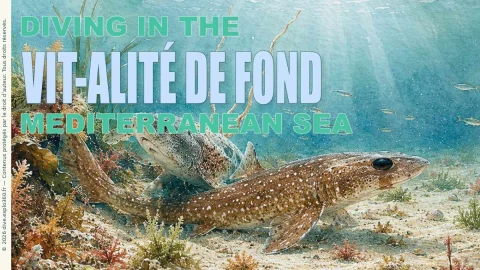
It lives on soft seabeds such as sand, mud or gravel, from the coast down to several hundred metres deep. During the day, it often rests on the bottom, sometimes motionless.

WHAT DOES IT EAT?

The small-spotted catshark’s nocturnal meals combine several kinds of seabed animals. Crabs, shrimps and Norway lobsters are among the crustaceans; molluscs include gastropods, bivalves and young cuttlefish. Polychaete worms and small fish are eaten too. The range includes shell-protected animals and mobile soft-bodied prey. Night movements offer access to foraging activity, while a fish resting by day may simply be inactive. The known menu is more detailed than the account of every detection and capture sequence.

GO FURTHER WITH AMIGANSEAU

Unlock the full profile

Deepen your knowledge with the exclusive chapters and interactive resources included in an AMIGANSEAU licence.

Choose my licence
  • HOW DOES IT REPRODUCE?
  • OUR OBSERVATIONS
  • ARTICLE

Also included in the full profile

  • Advanced navigation between description, ecological context, observations and behaviour
  • Interactive food chain to explore the species’ feeding relationships
  • Infographic and illustrated summary profile
  • Additional photographic observations
An active licence gives access to enriched profiles and AMIGANSEAU exploration tools.
Small-spotted catshark

Understand the species

What is this species’ ecological role?

AMIGANSEAU Explorer Premium

Access enriched species profiles with advanced content (audio, infographics and detailed articles).

Explore all species easily through a single interface.

Enjoy a smooth, fast learning experience suited to every level.

🔒 The full profile is available with a paid subscription only.

Discover licences

POURSUIVRE L’EXPLORATION

Articles related to this species

ArticleHow a fish’s skin protects itRead the article →ArticleMASTERS OF BUOYANCYRead the article →ArticleNaturalist diving and marine biologyRead the article →