Habitat
 Depth
 Group
 Role
 Average size
WHAT DOES IT LOOK LIKE?
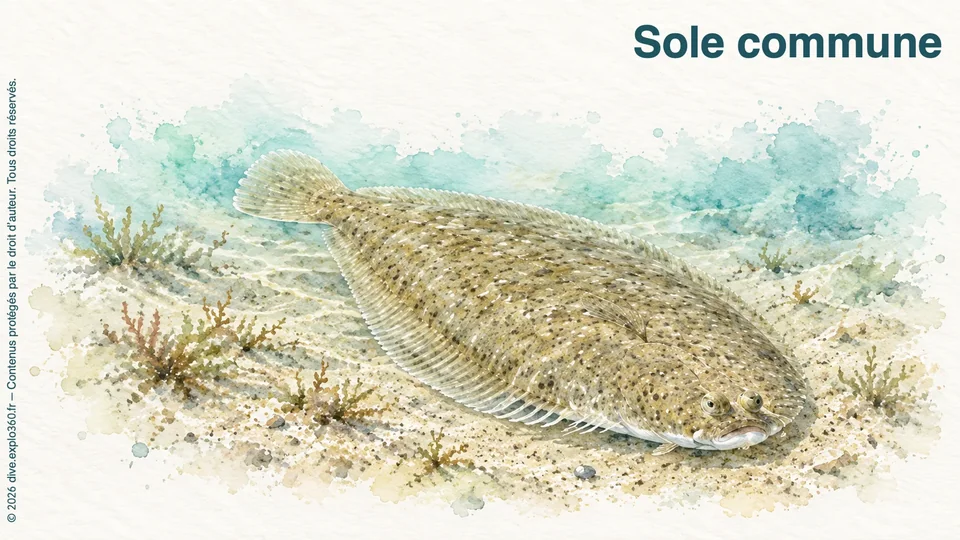
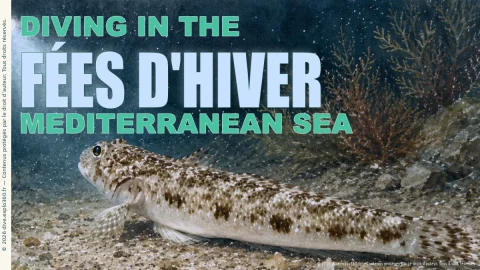
A dark patch on the little fin behind the head adds detail to the Dover sole (Solea solea). It lies towards the upper rear of this pectoral fin, the side fin close to the head.
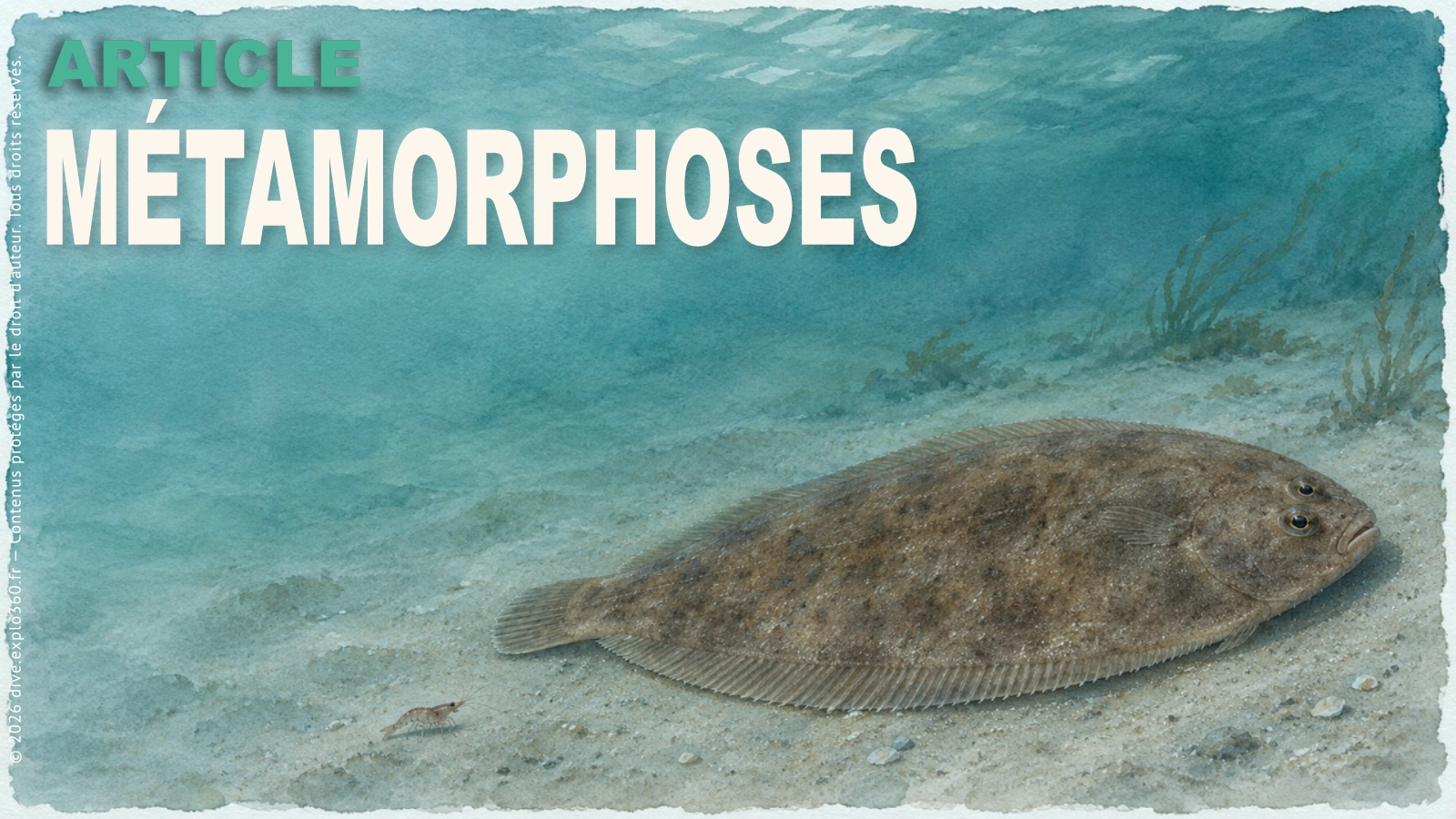
The body is a flattened brown to grey, mottled oval, with both eyes on one side. A rounded snout, a small curved mouth and often a dark fringe at the tail tip complete the outline.
WHERE DOES IT LIVE?
It lives on soft seabeds, mainly sand or mud, where it can partly bury itself for concealment. It occurs from shallow water down to several tens of metres.
WHAT DOES IT EAT?
The common sole searches for food using smell and tactile contact around the snout. Sensory papillae help locate small seabed animals, then the mouth takes them. Meals include worms, crustaceans and molluscs. Activity is mainly nocturnal, when movement close to sediment can represent food searching. Hidden prey need not be visible to be detected. Capture itself is often subtle, occurring against the seabed beneath the front of the body.
GO FURTHER WITH AMIGANSEAU
Unlock the full profile
Deepen your knowledge with the exclusive chapters and interactive resources included in an AMIGANSEAU licence.
- HOW DOES IT REPRODUCE?
- ARTICLE
Also included in the full profile
- Advanced navigation between description, ecological context, observations and behaviour
- Interactive food chain to explore the species’ feeding relationships
- Infographic and illustrated summary profile
 Understand the species