ABOUT THIS LEARNING PATH
Journey into maerl and sand
PrerequisitesNo prior knowledge required
Duration35–40 minutes
PublicAdults (18+)
Learning objectives
- Understand the ecological importance of maerl beds
- Discover the hidden life of sandy seabeds
- Observe how these habitats support distinctive biodiversity
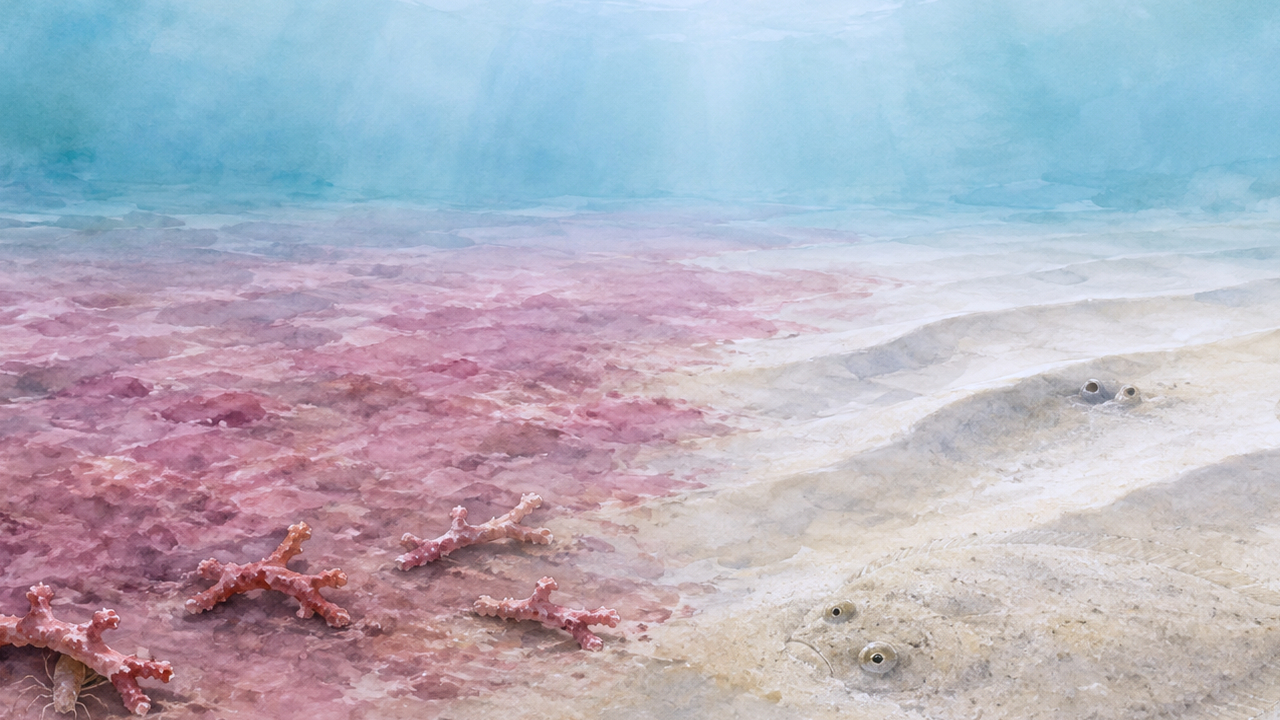
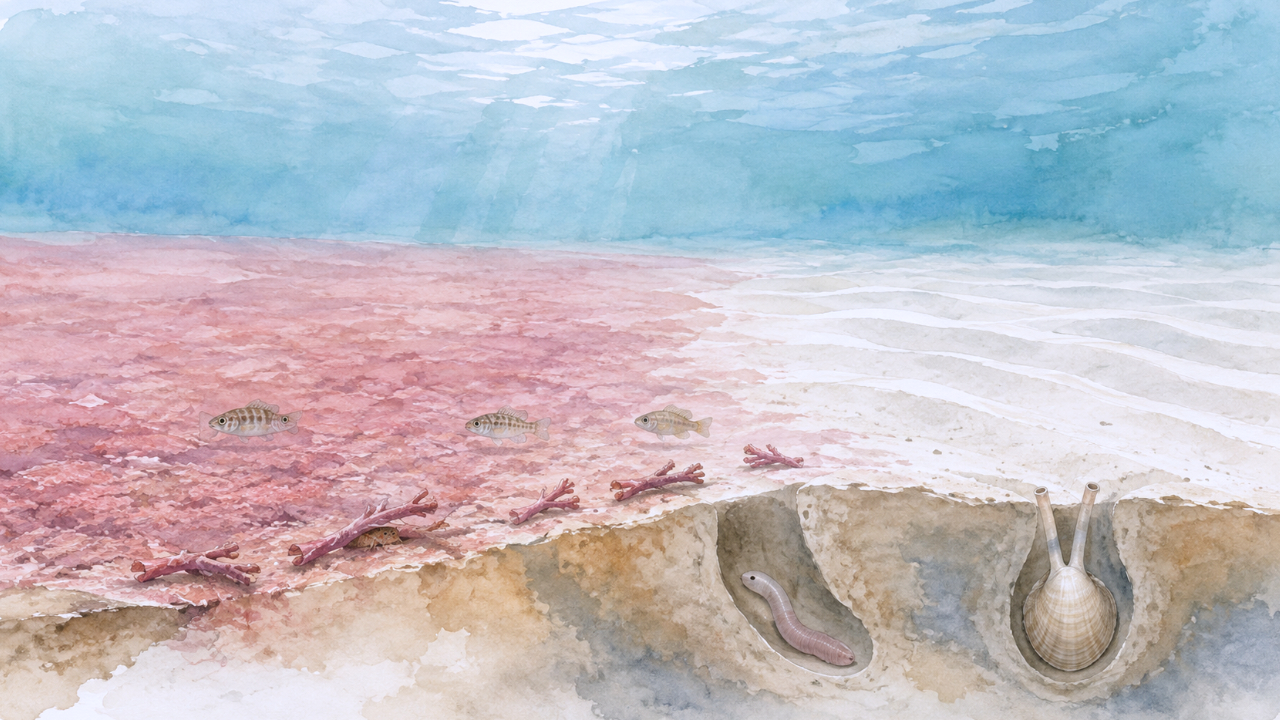
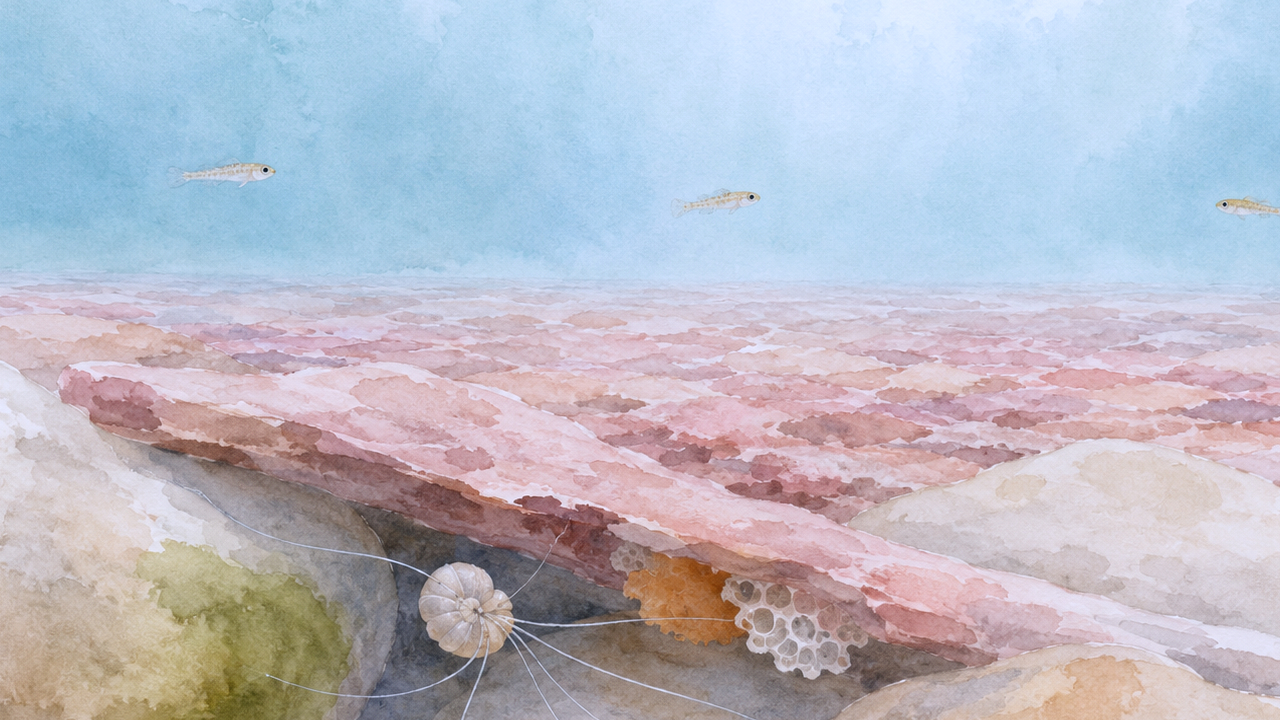
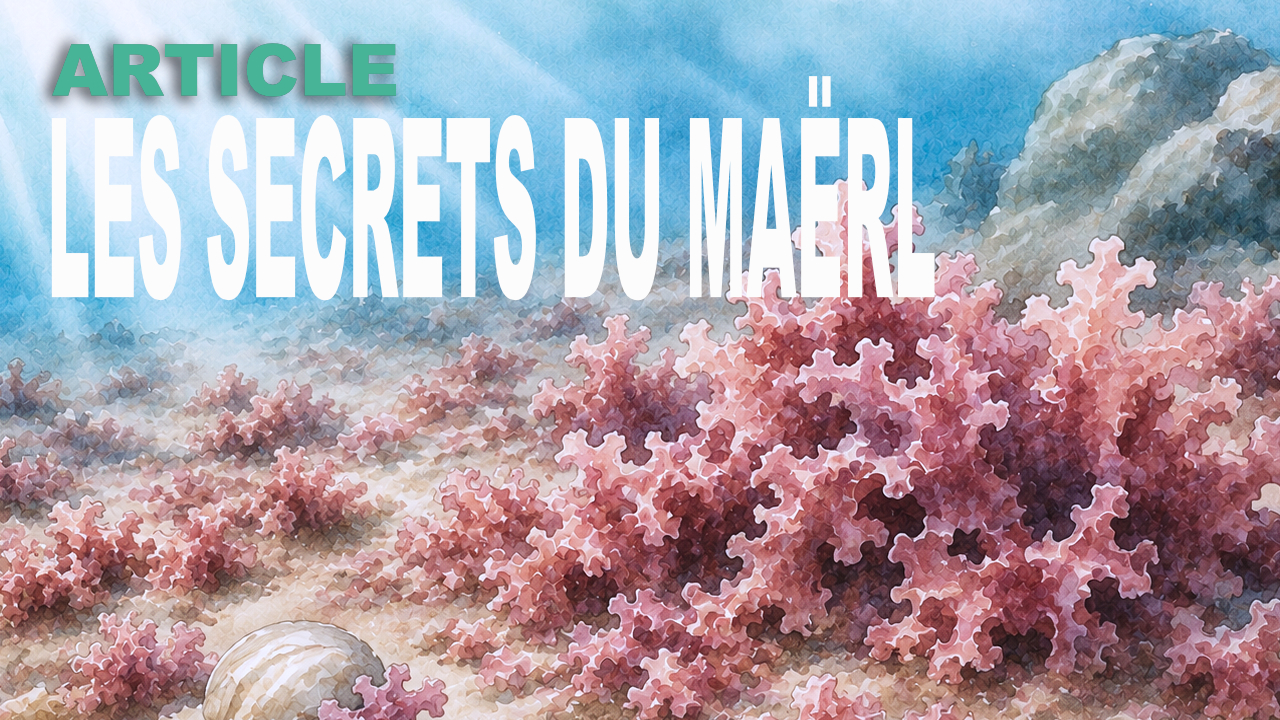
This learning path highlights two often overlooked environments: maerl, made up of free-living calcareous algae that accumulate on the seabed to form beds, and sand, which supports many species adapted to an unstable environment despite its uniform appearance. Discover the richness of these ecosystems, their essential role as shelter, nurseries and breeding grounds for many marine organisms, and the threats they face.


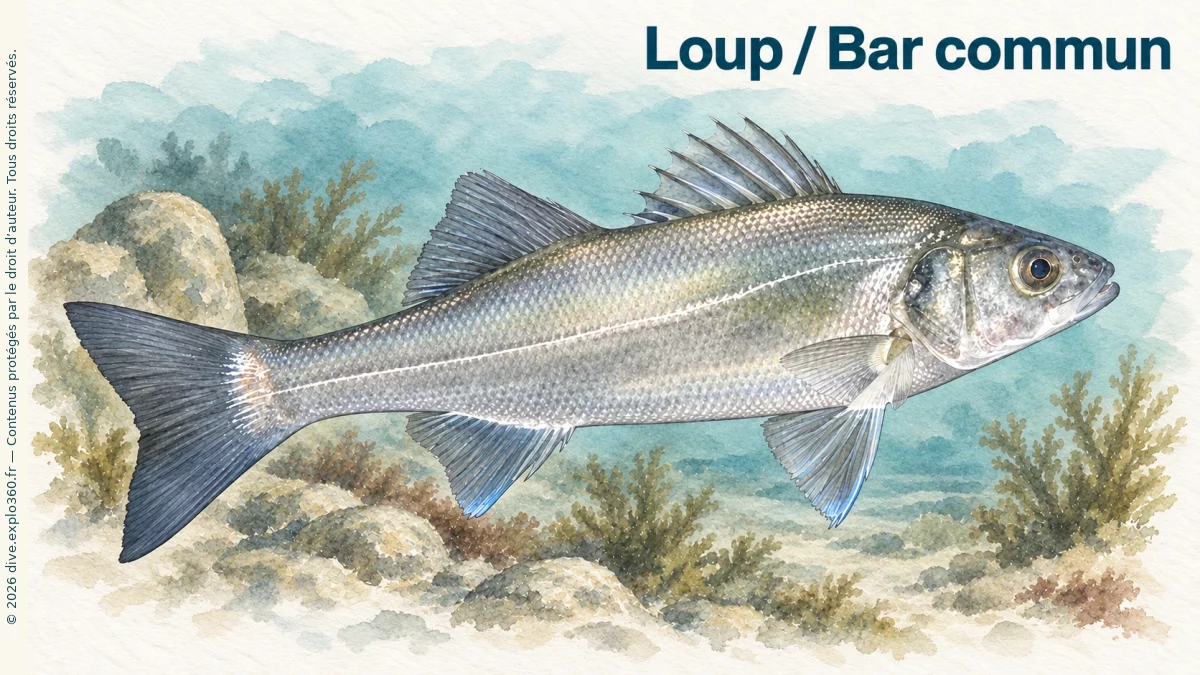 European seabass
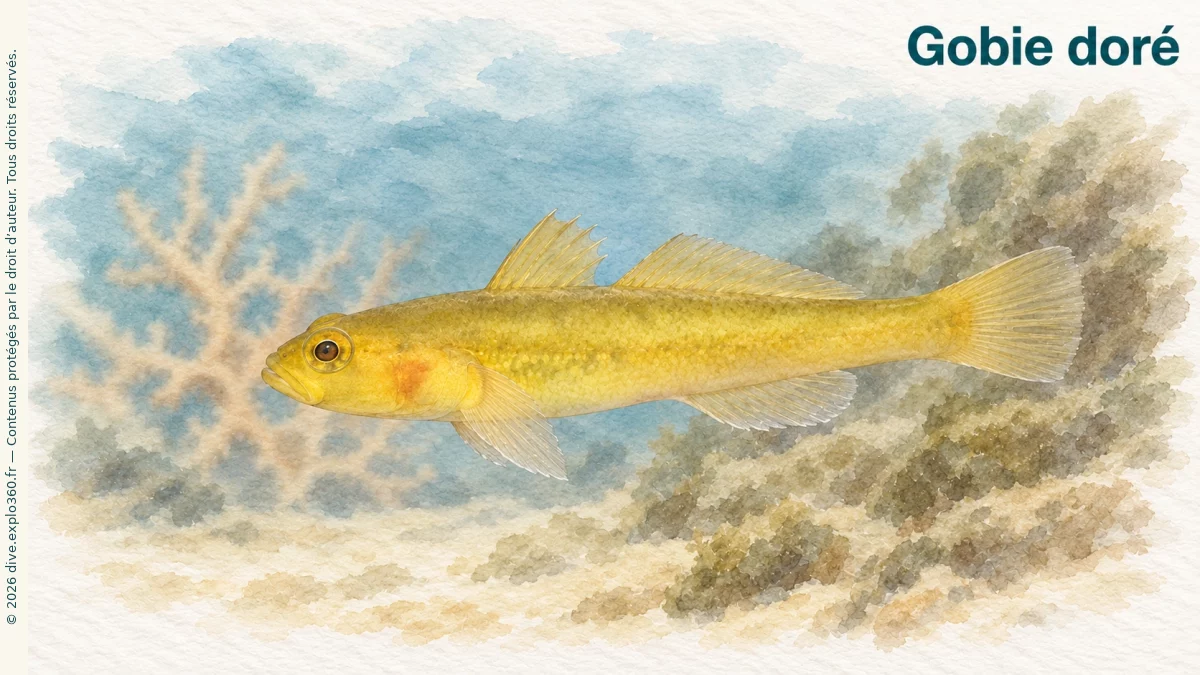 Golden goby
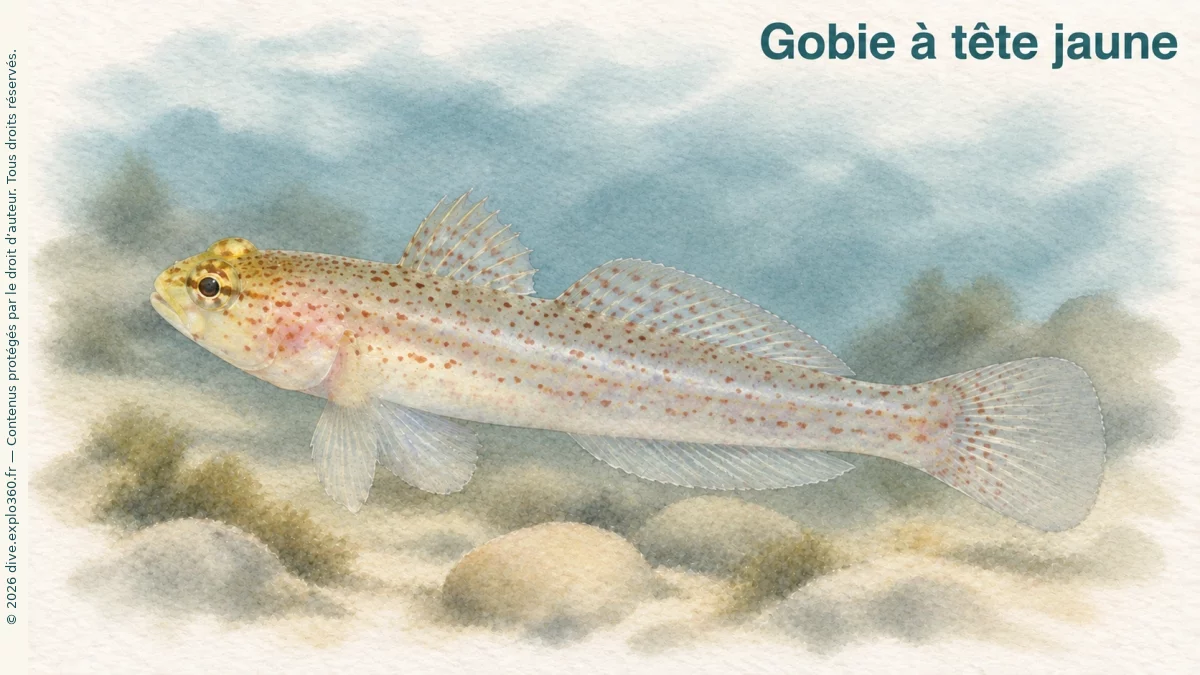 Yellow-headed goby
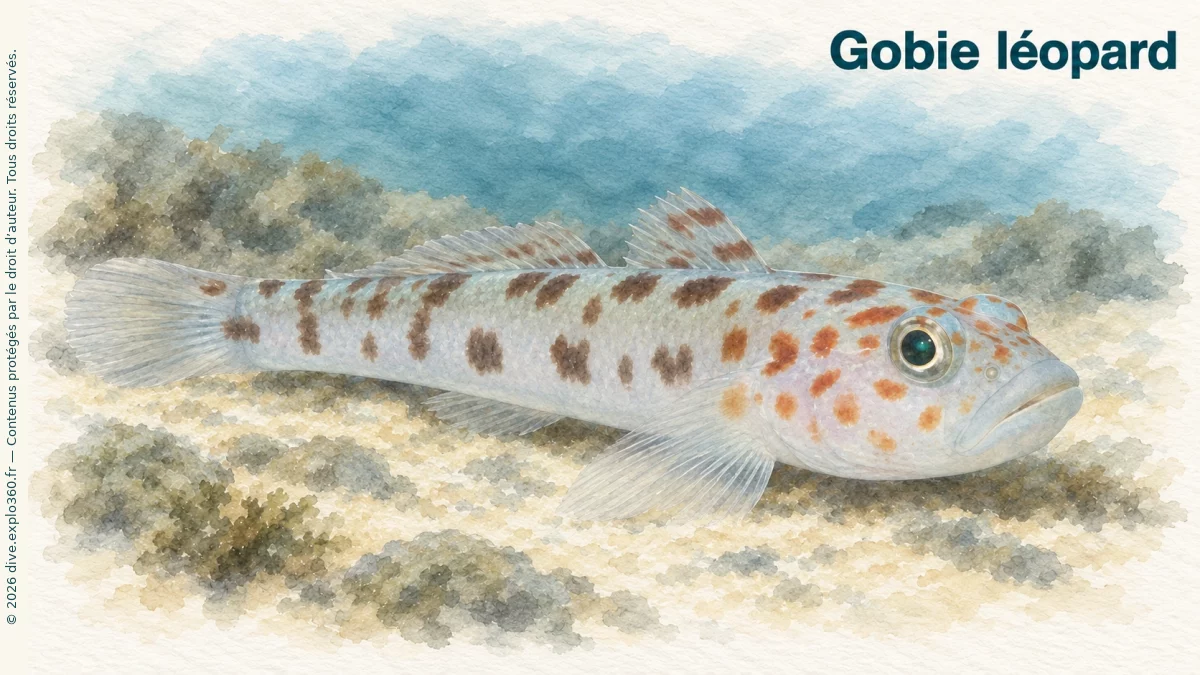 Leopard-spotted goby
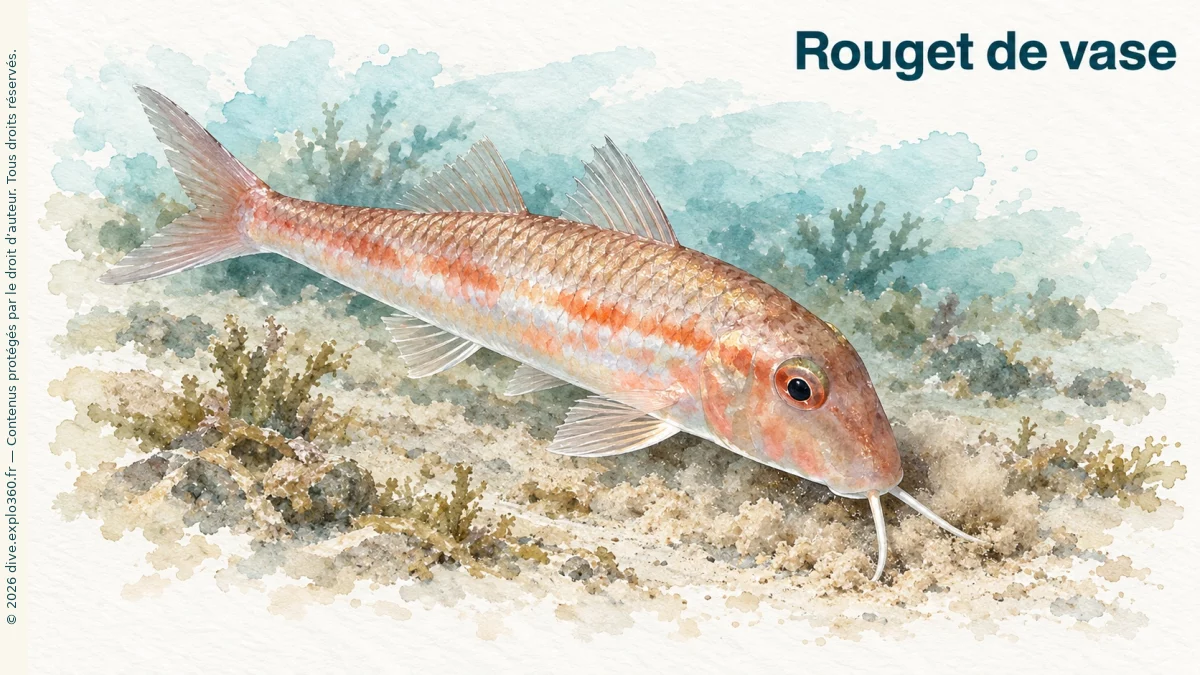 Red mullet
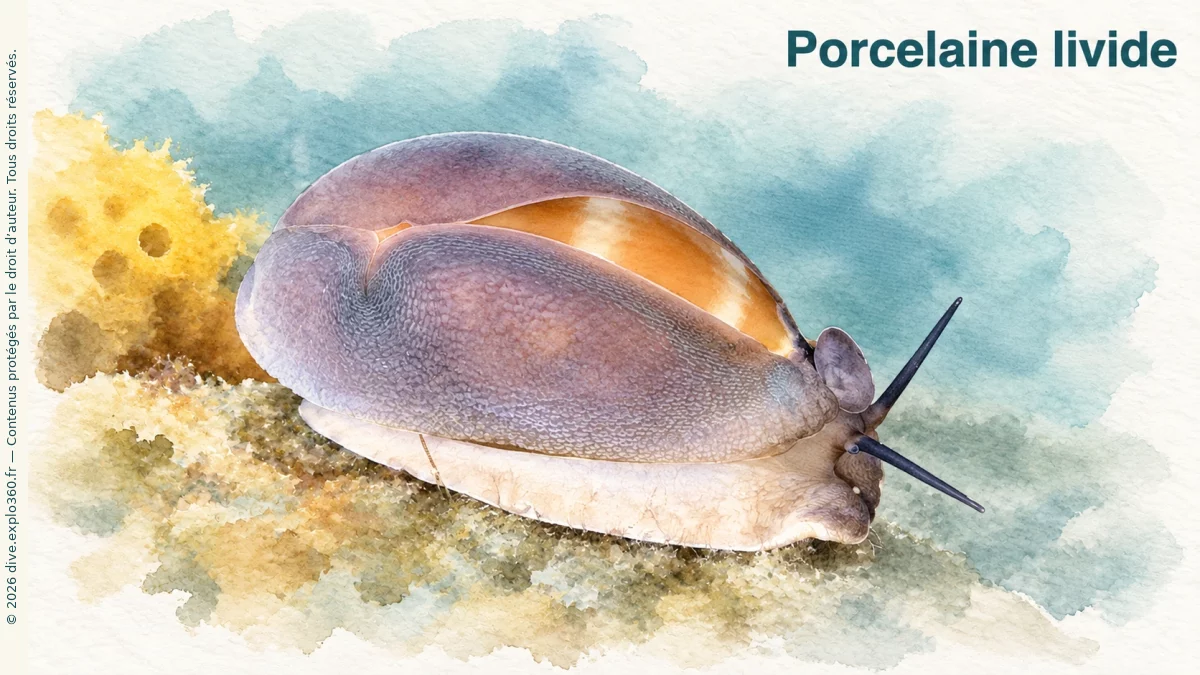 Lurid cowrie
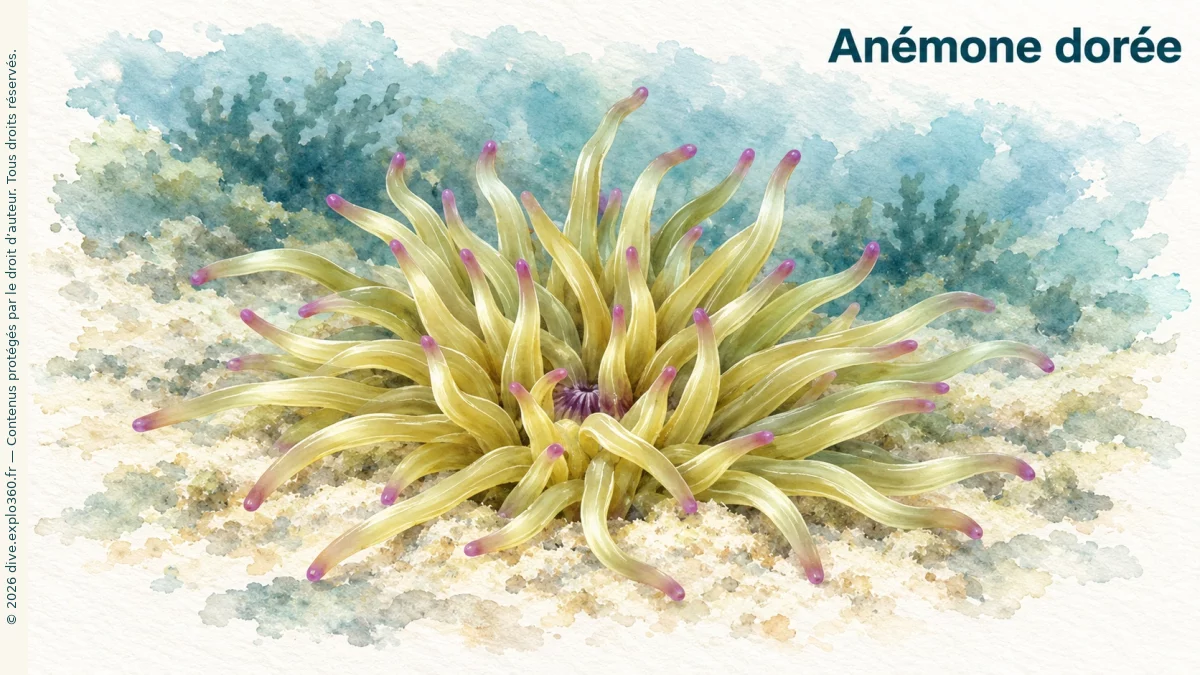 Golden anemone
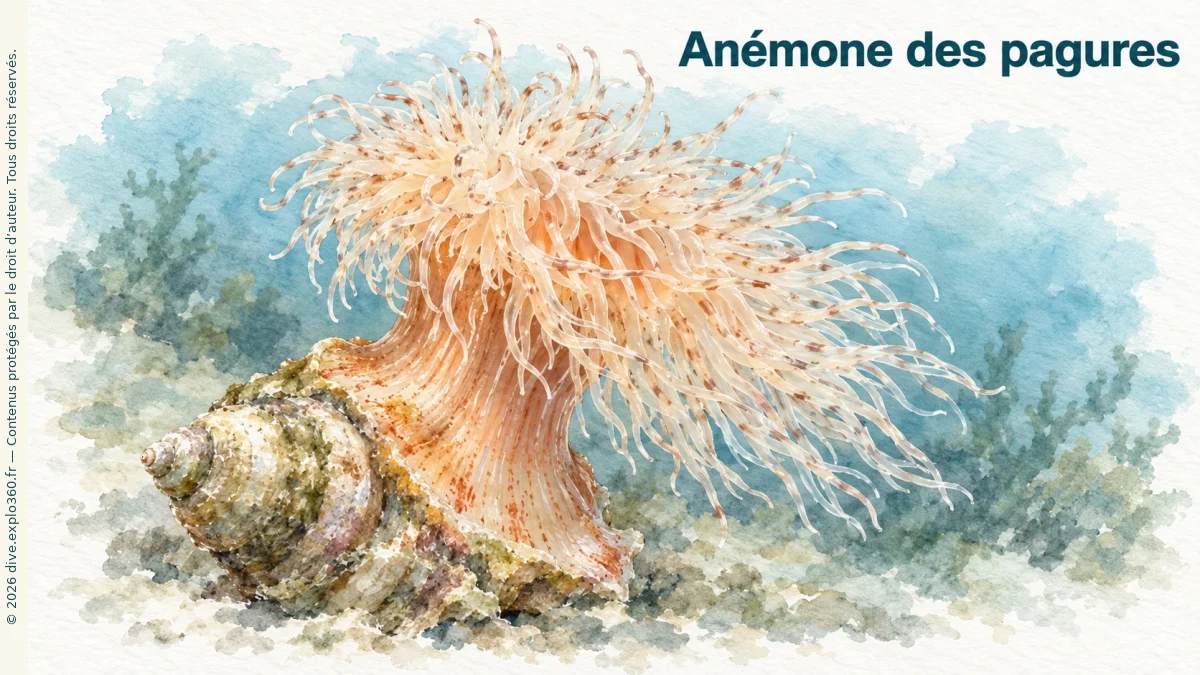 Hermit anemone
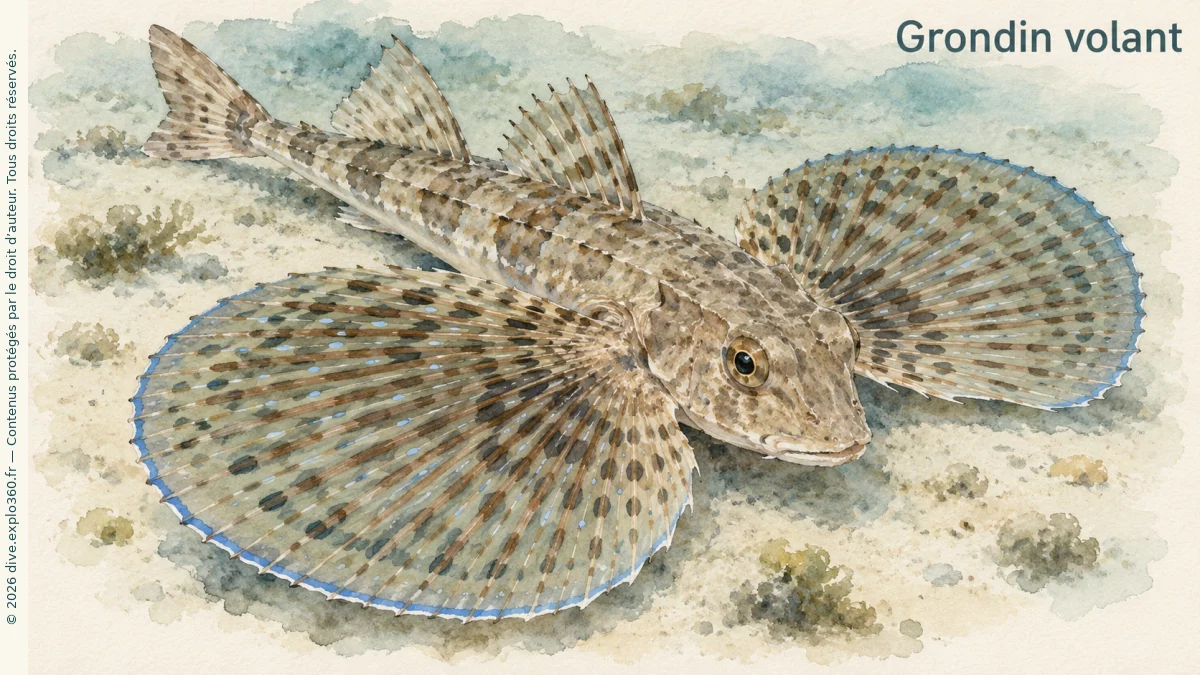 Flying gurnard
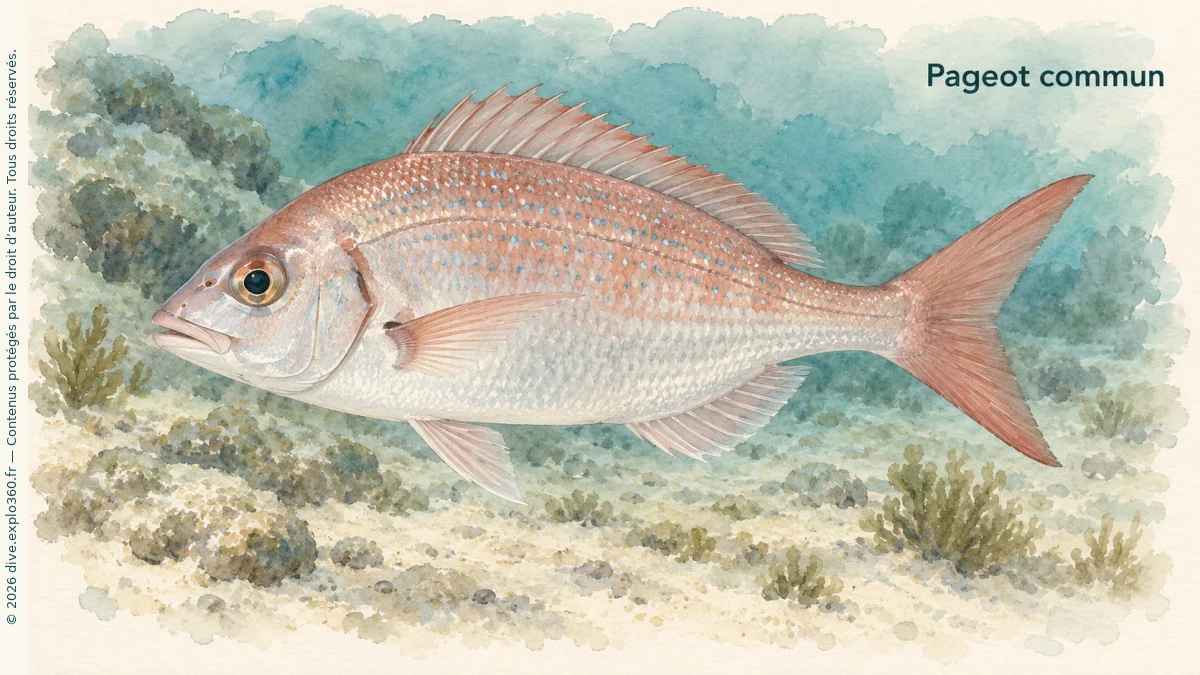 Common pandora
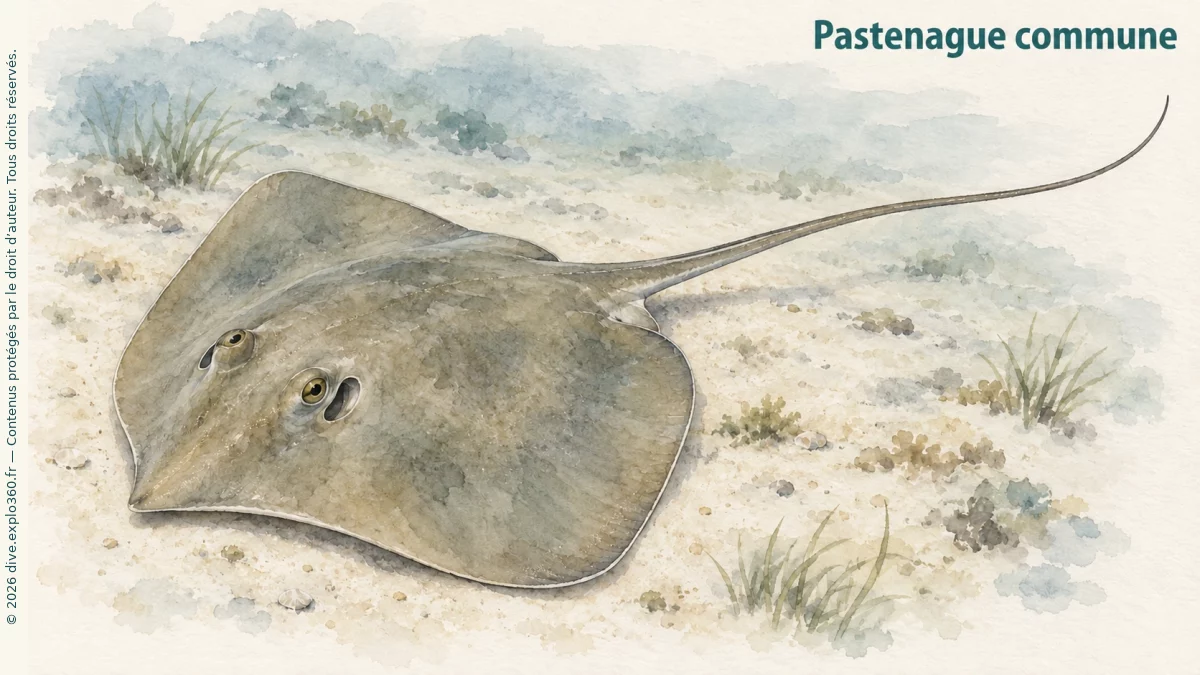 Common stingray
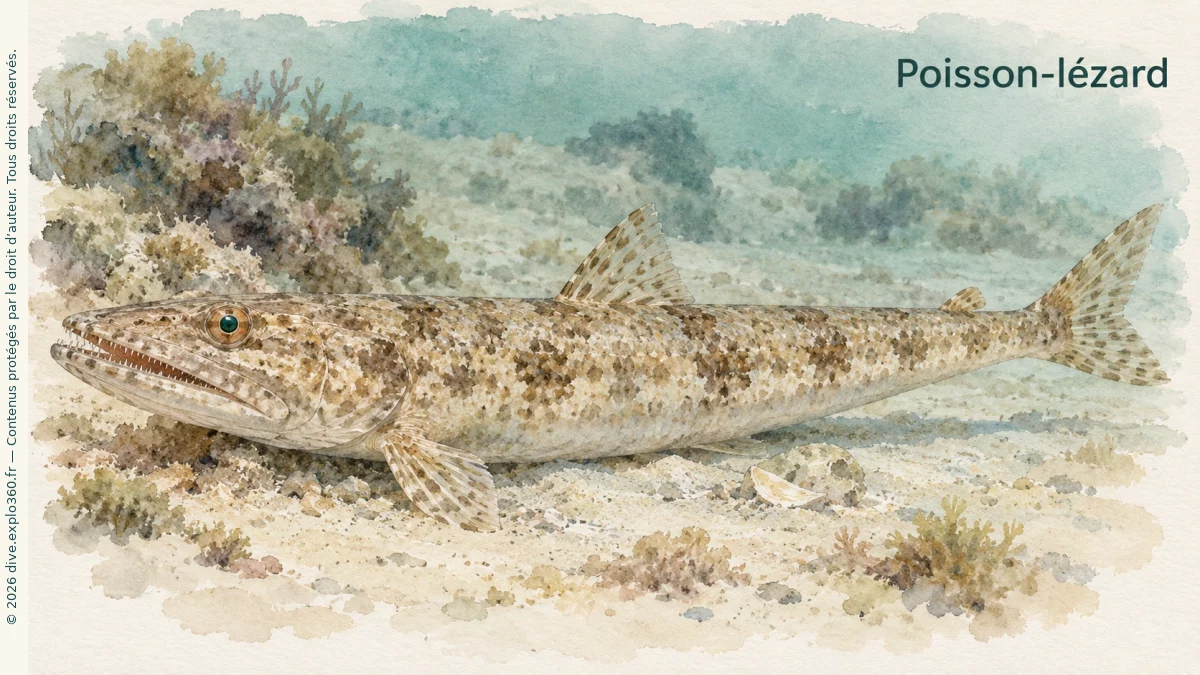 Atlantic lizardfish
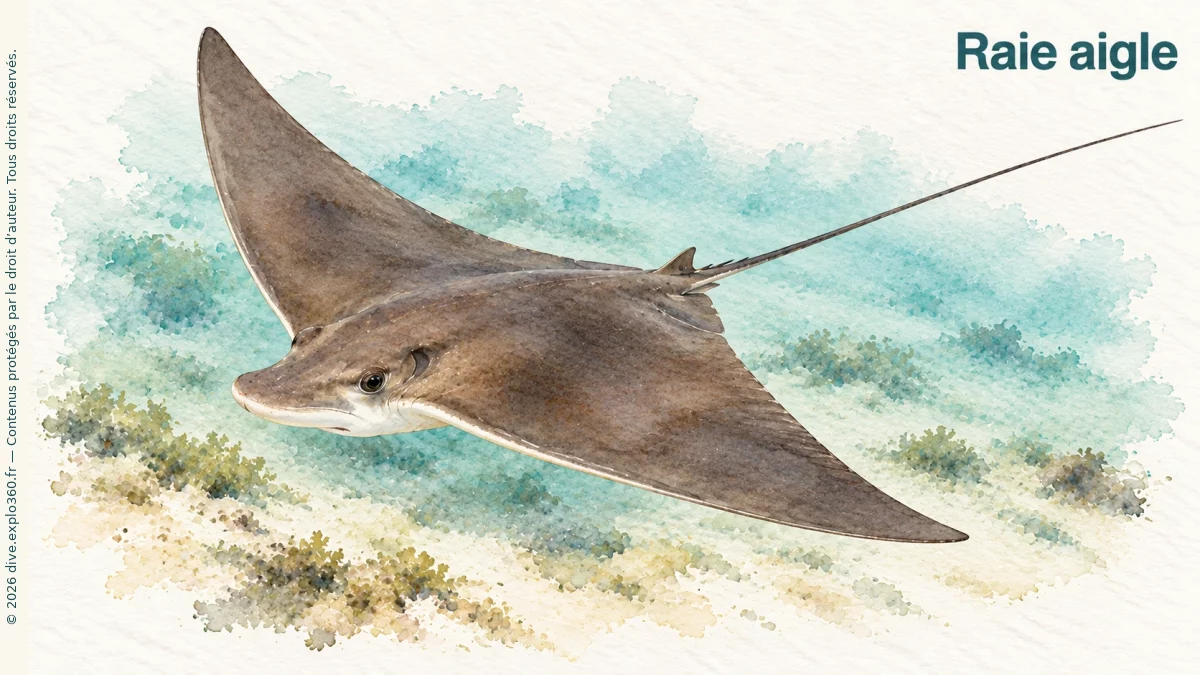 Common eagle ray
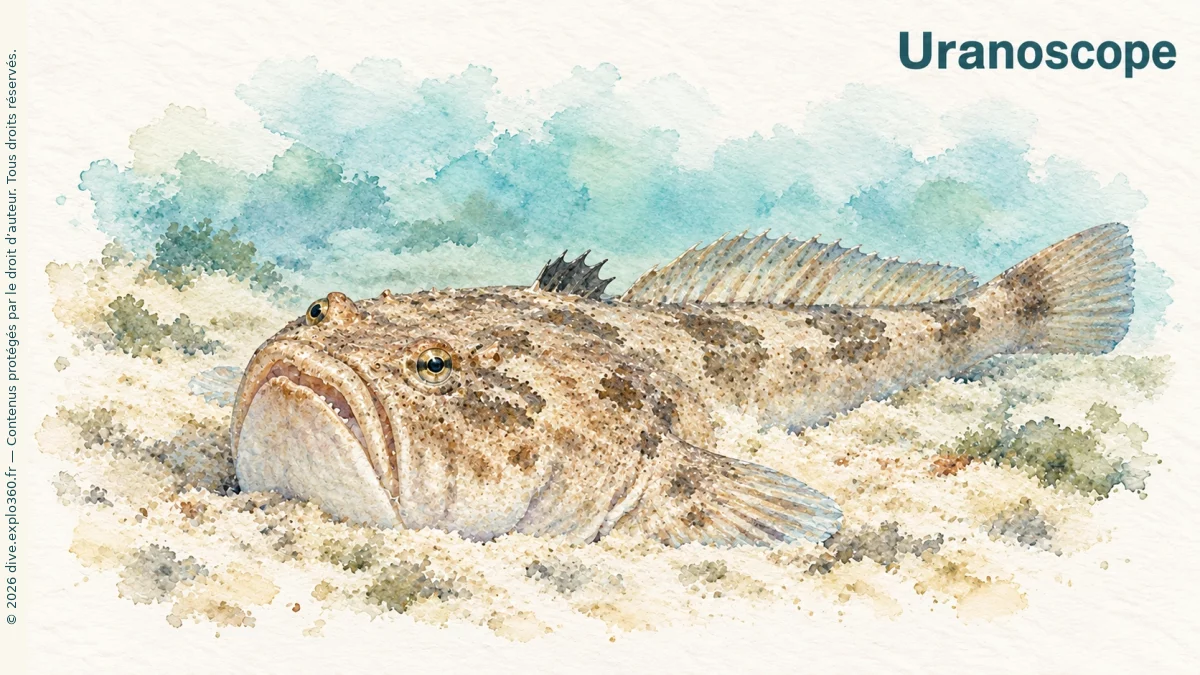 Atlantic stargazer
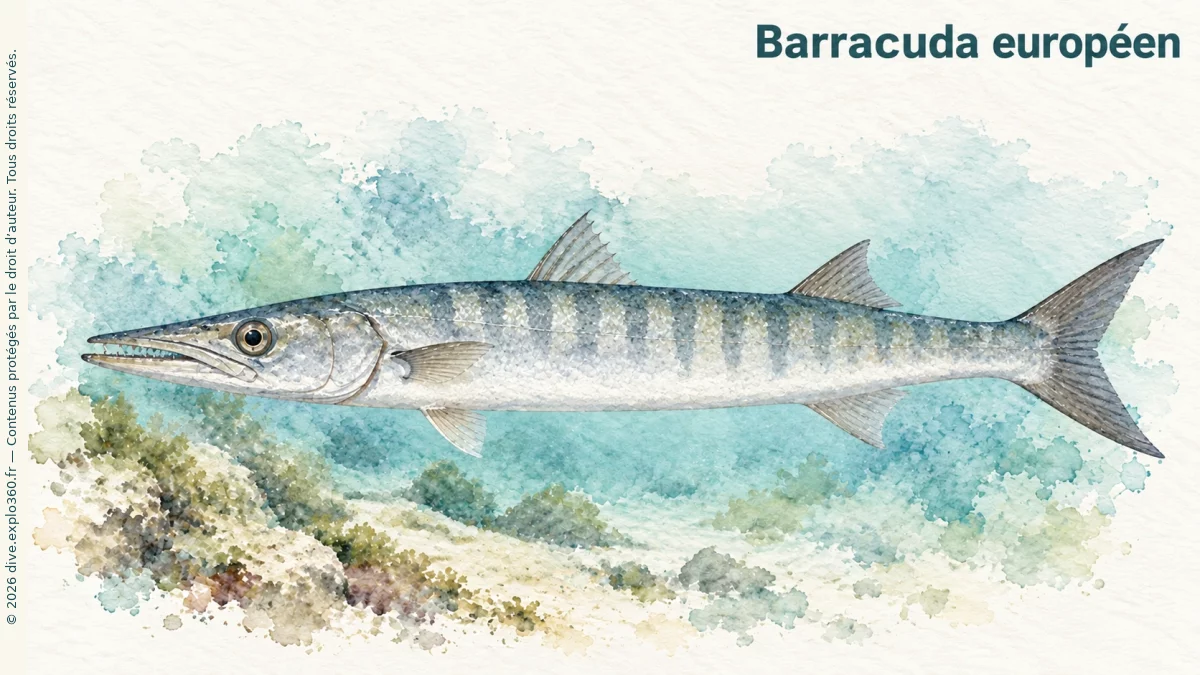 European barracuda
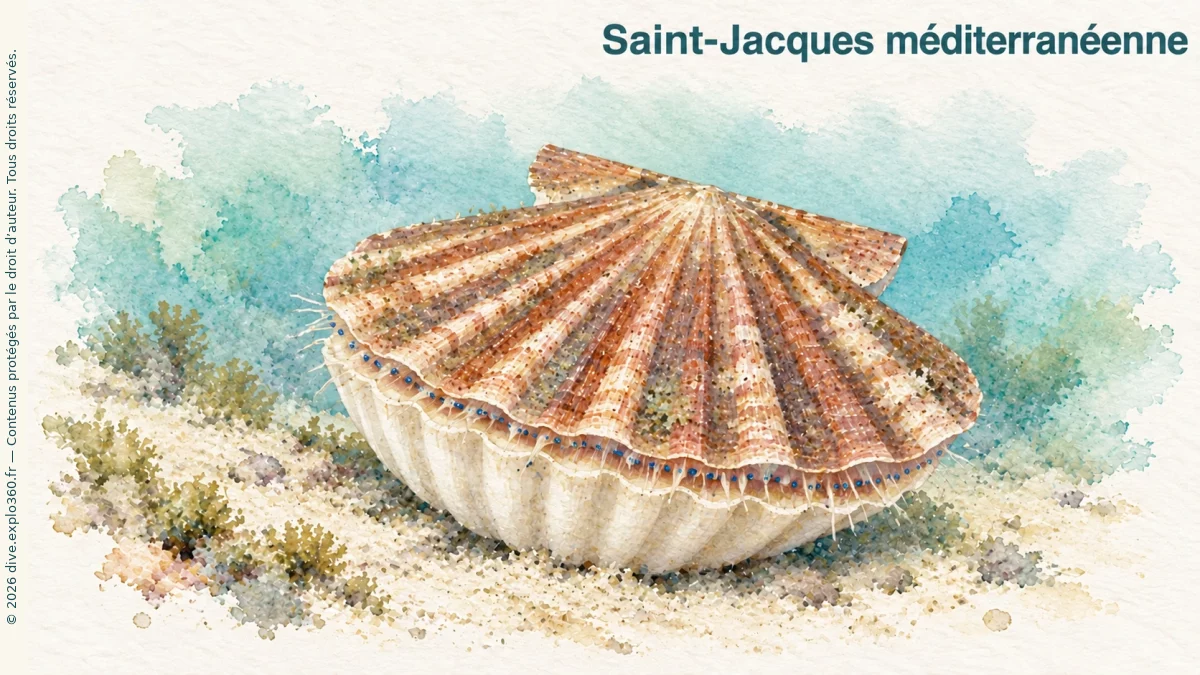 Mediterranean scallop
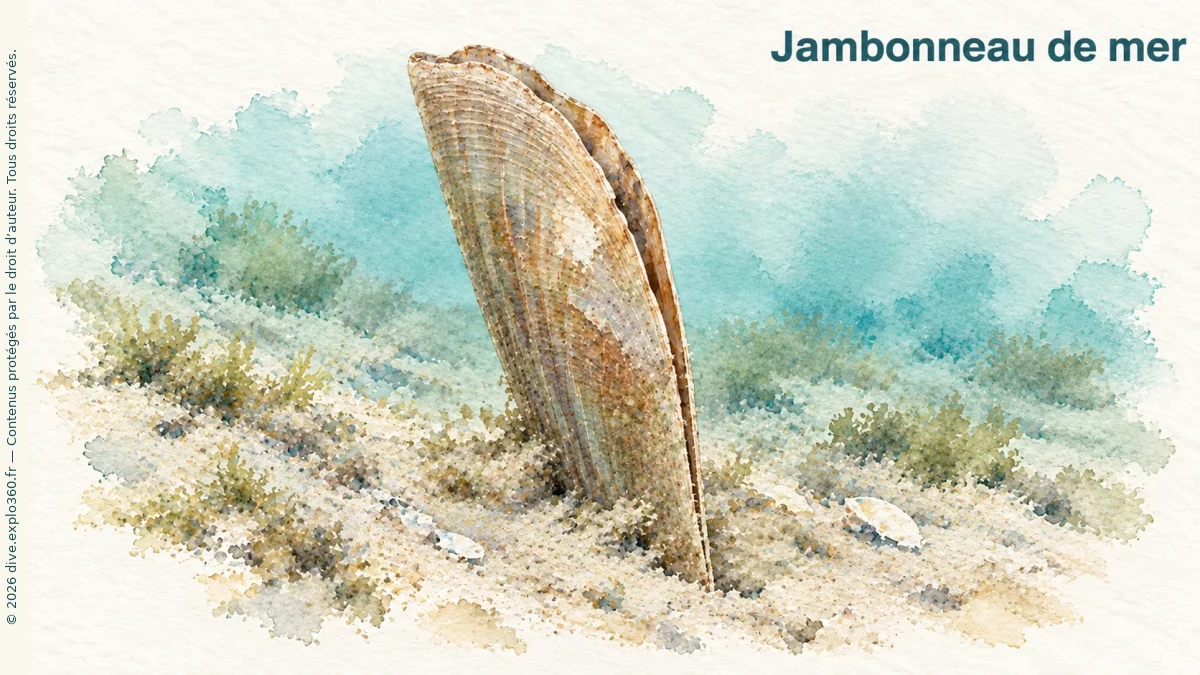 Brittle pen shell
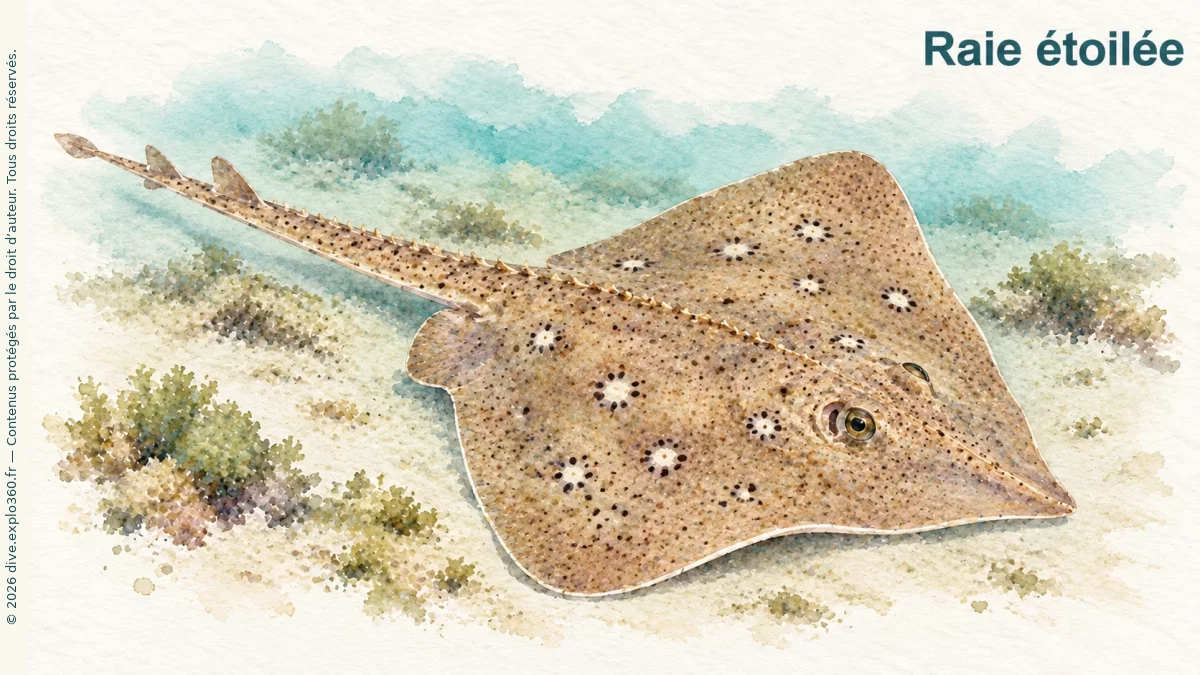 Mediterranean starry skate
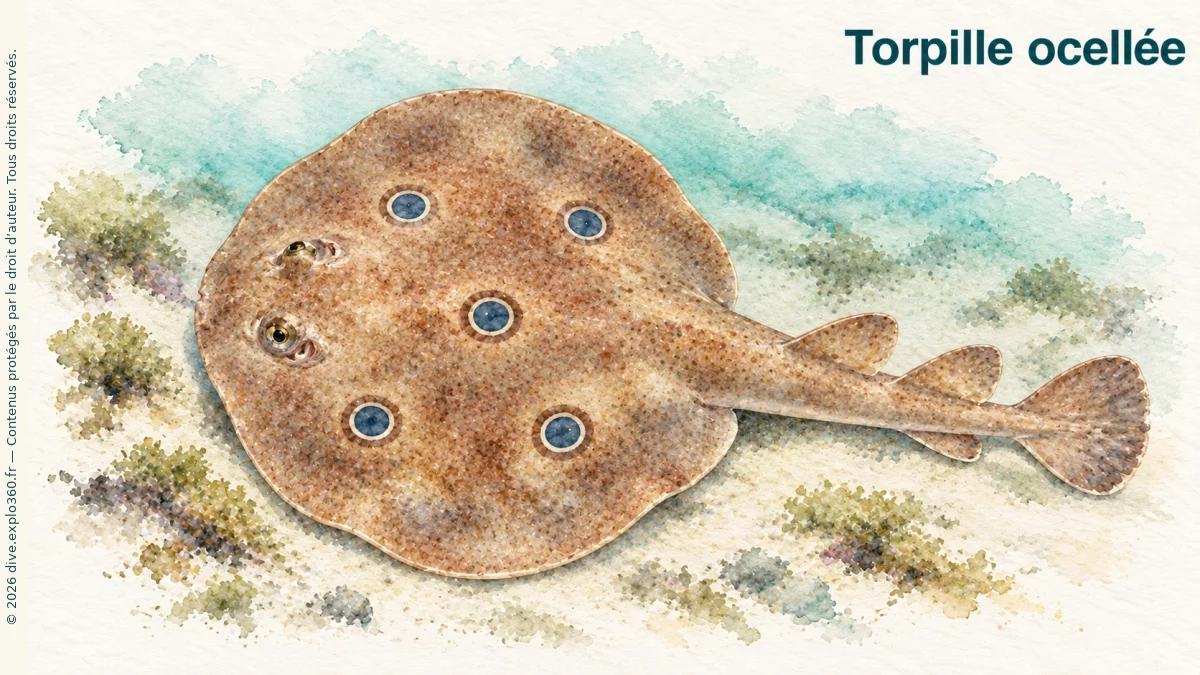 Common torpedo
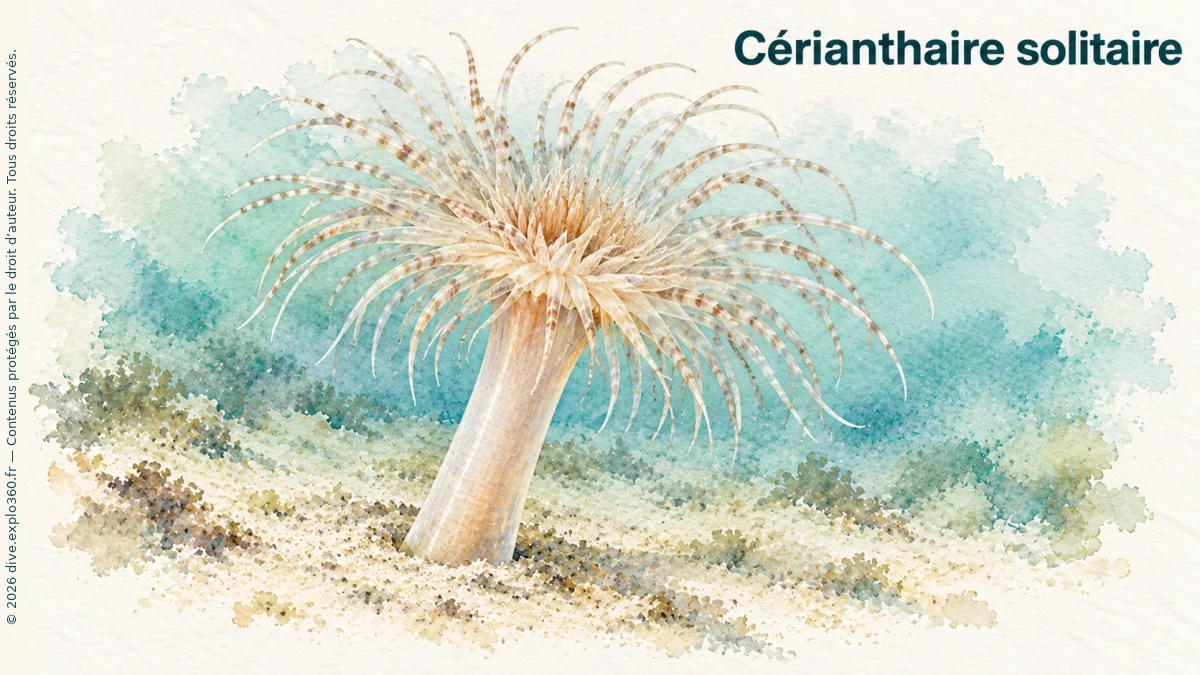 Solitary tube anemone
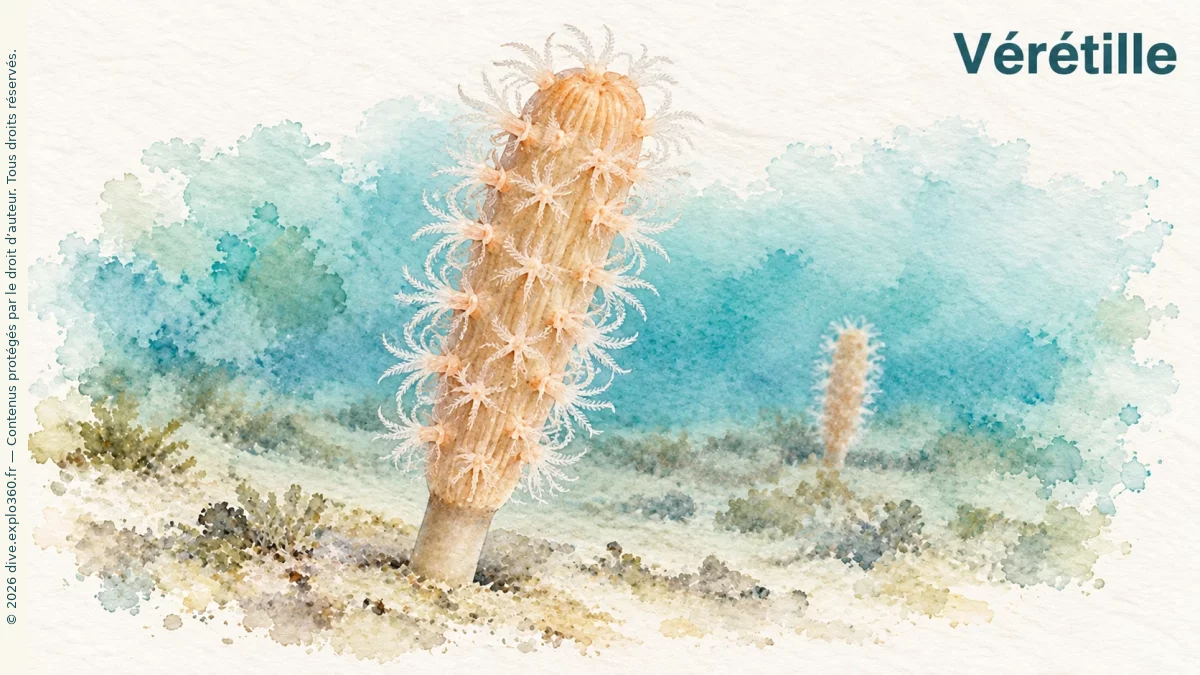 Cylindrical sea pen
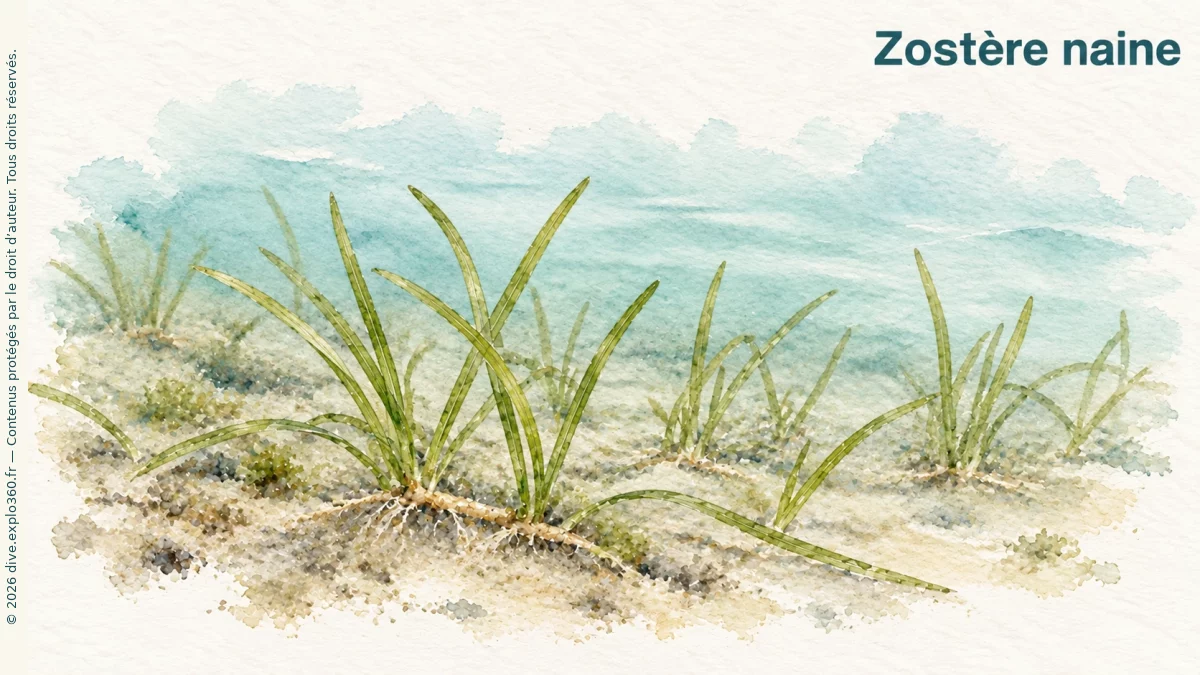 Dwarf eelgrass
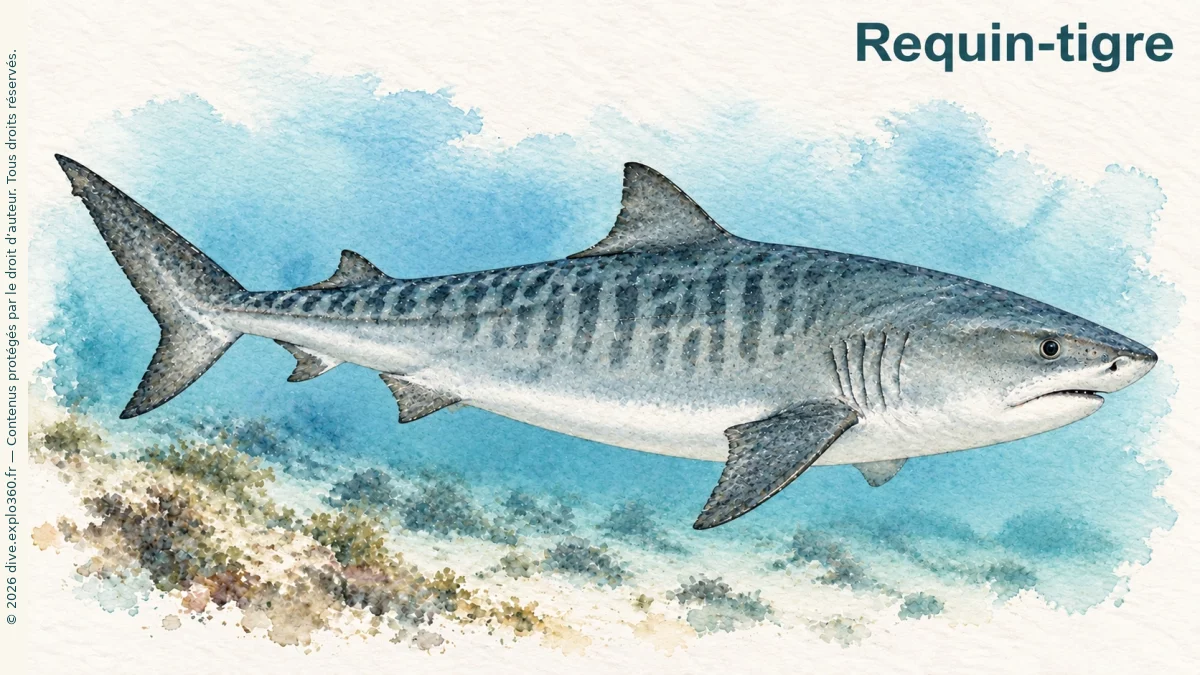 Tiger shark