
DIVE.EXPLO360.FR
1 / 16

ABOUT THIS LEARNING PATH

Journey into maerl and sand

PrerequisitesNo prior knowledge required
Duration35–40 minutes
PublicAdults

Learning objectives

  • Understand the ecological importance of maerl beds
  • Discover the hidden life of sandy seabeds
  • Observe how these habitats support distinctive biodiversity

This learning path highlights two often overlooked environments: maerl, made up of free-living calcareous algae that accumulate on the seabed to form beds, and sand, which supports many species adapted to an unstable environment despite its uniform appearance. Discover the richness of these ecosystems, their essential role as shelter, nurseries and breeding grounds for many marine organisms, and the threats they face.
STEP 2

THE SECRETS OF SAND

INTRODUCTION

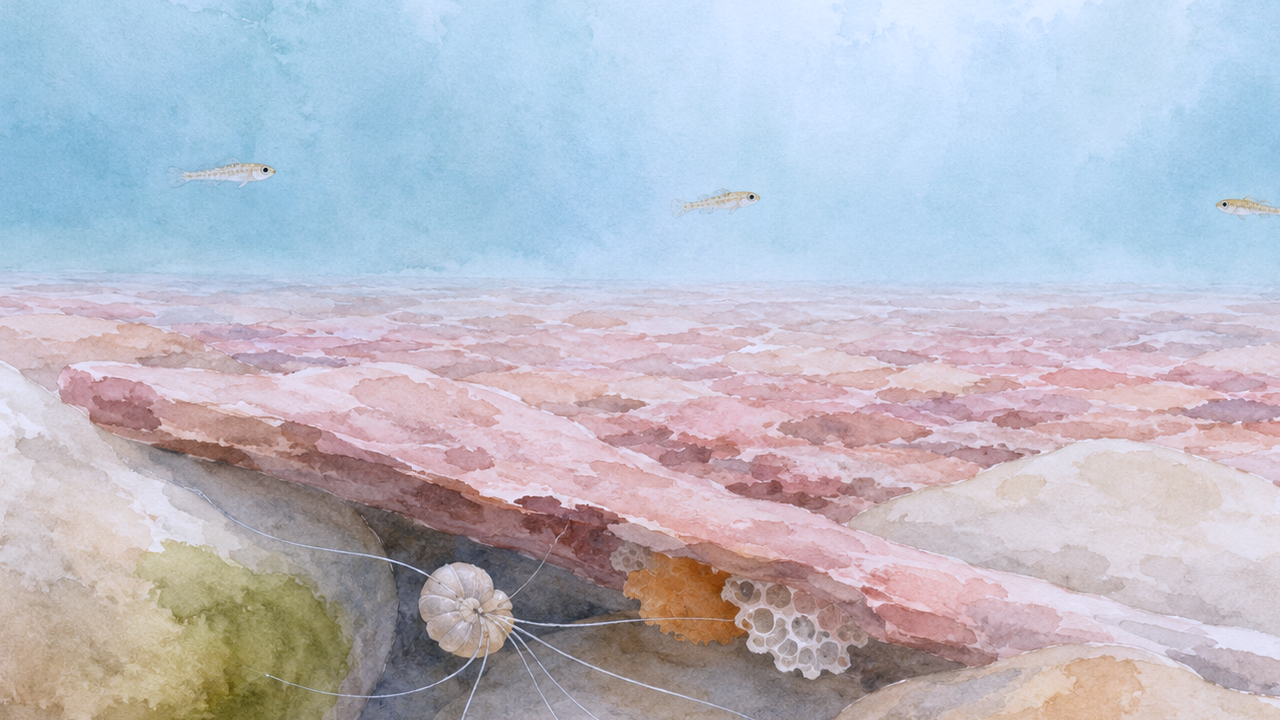
Hidden gardens among the grains

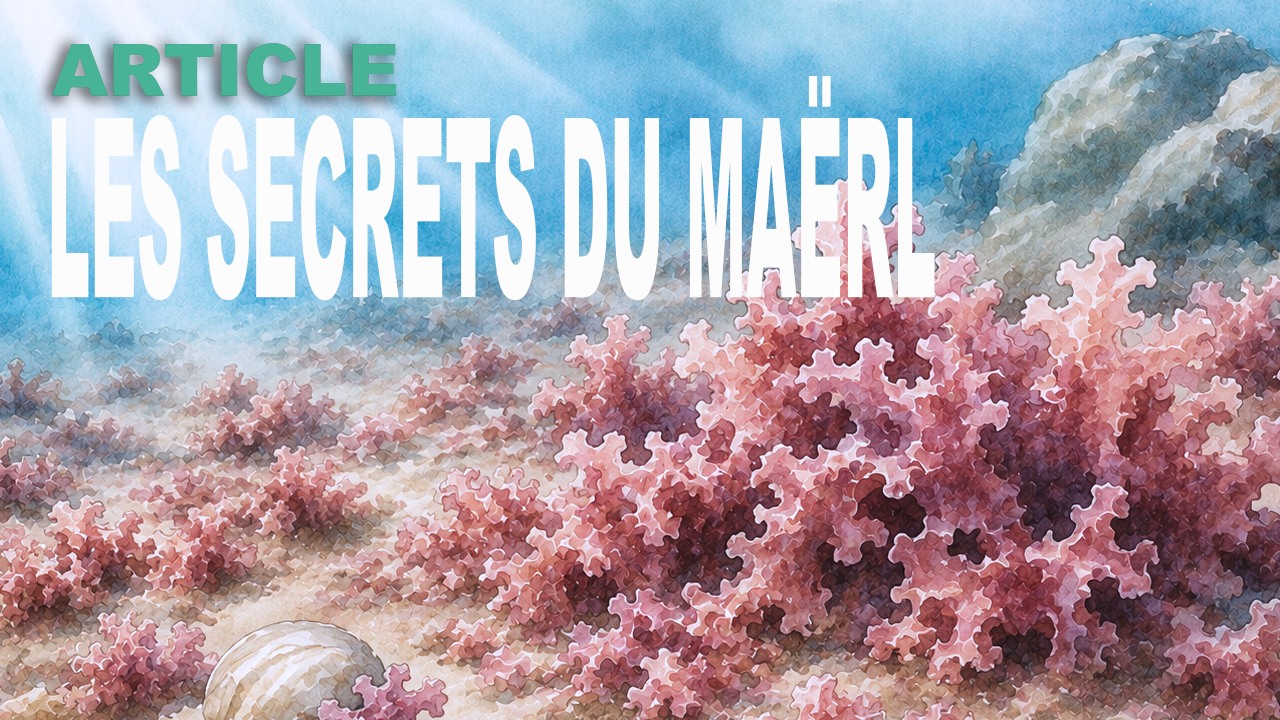
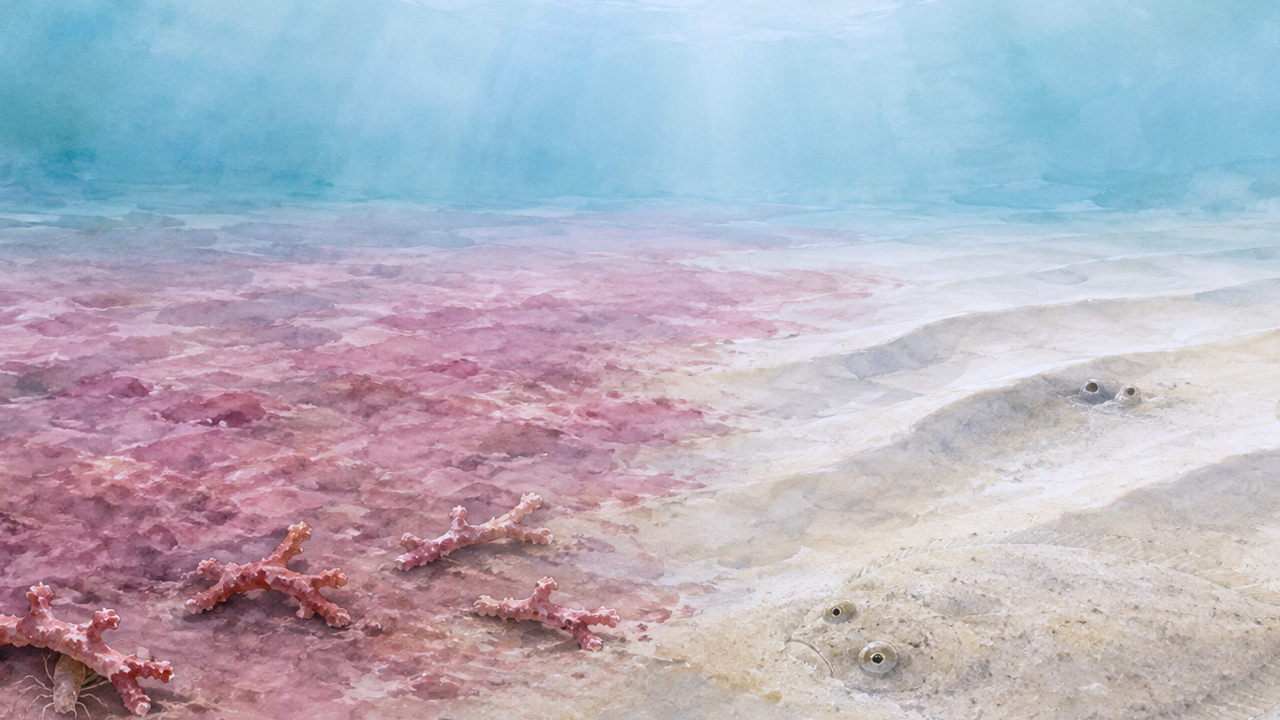
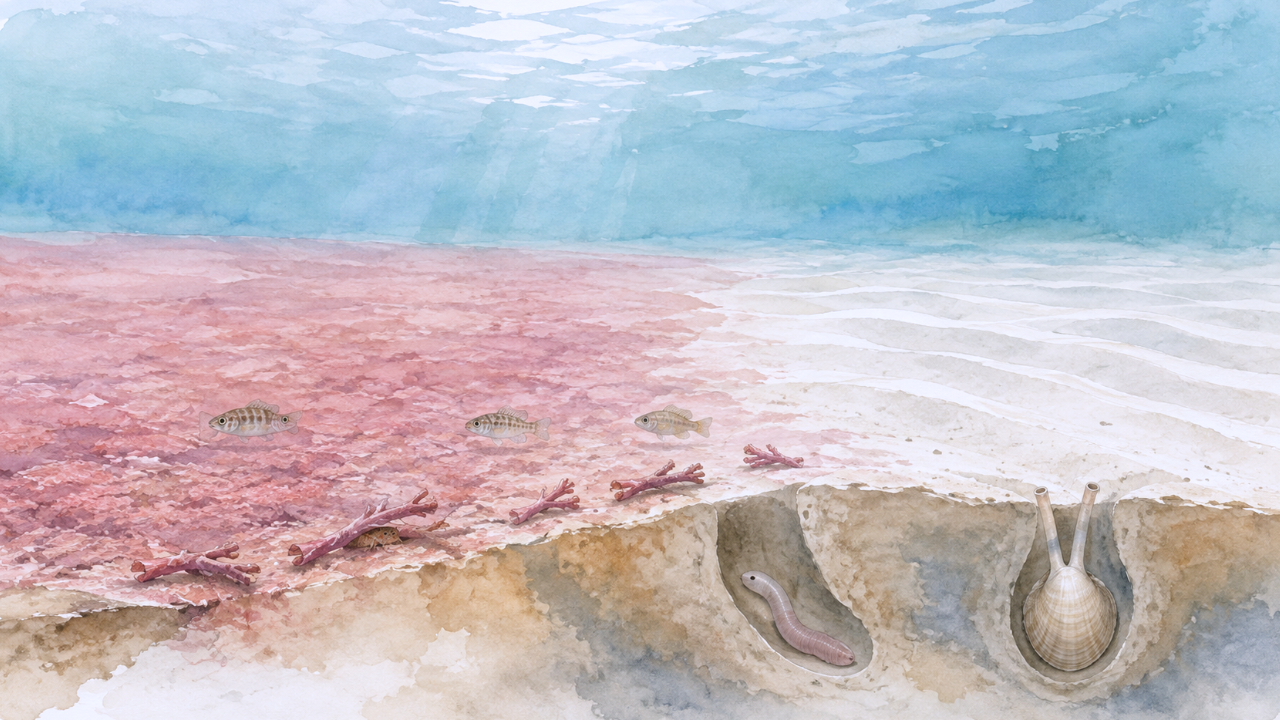
A discreet treasure lies in the depths: maerl. Free-living calcareous algae accumulate grain by grain in pink and purple carpets, weaving living beds over centuries that support unsuspected biodiversity. Nearby, sand may seem no more than a shifting, featureless marine desert. Yet beneath its unstable surface, worms, shellfish and fish find refuge, burrowing and disappearing like shadows. Two discreet worlds, mineral and plant, united by their silence but essential to the balance of the sea.

Hidden gardens among the grains
© dive.explo360.fr — All rights reserved. Reproduction without permission is prohibited.

LEARNING PANEL

Sand and maerl: living, fragile seabeds

Beneath the apparent simplicity of sand and maerl lies a world teeming with life. These environments, often seen as inert, play a crucial role in maintaining marine ecological balance. Maerl, made up of free-living calcareous algae, forms a complex habitat offering shelter and breeding grounds for many marine species. Sandy sediments shelter burrowing and microscopic organisms that contribute to seabed fertility and nutrient recycling. The slow growth of maerl and the fragility of these habitats make their preservation essential to the biodiversity and health of Mediterranean ecosystems.

Living, fragile seabeds
© dive.explo360.fr — All rights reserved. Reproduction without permission is prohibited.

LEARNING PANEL

More than just sand and maerl

Beyond shifting sand and maerl beds are other worlds easily missed by a hurried glance. Microalgae, sponges, bryozoans and foraminifera* live in the gaps, weaving the web of marine life on a tiny scale. These often overlooked microscopic or colonial organisms contribute to sediment fertility and the formation of structures, and provide nursery areas** and food for many species. Sand, maerl and the almost invisible world around them all share their space with countless tiny, indispensable living things.

*Foraminifera are very small, single-celled marine organisms, often with a calcareous shell pierced by tiny holes. Through these holes, they extend fine arm-like structures called pseudopodia, which allow them to move and capture food.

**A nursery is an area where young fish or other organisms find abundant shelter and food, allowing them to grow before moving into adult habitats.

Sand and maerl
© dive.explo360.fr — All rights reserved. Reproduction without permission is prohibited.
🔒

CONTINUE THE LEARNING PATH

THE SECRETS OF MAERL

This step and the following steps are reserved for holders of an active AMIGANSEAU licence.

Discover licences
The learning path resumes automatically after you sign in.
🔒

CONTINUE THE LEARNING PATH

4K video: Submerged landscapes

This step and the following steps are reserved for holders of an active AMIGANSEAU licence.

Discover licences
The learning path resumes automatically after you sign in.
🔒

CONTINUE THE LEARNING PATH

Characteristic inhabitants of sand and maerl

This step and the following steps are reserved for holders of an active AMIGANSEAU licence.

Discover licences
The learning path resumes automatically after you sign in.
🔒

CONTINUE THE LEARNING PATH

Maerl guide

This step and the following steps are reserved for holders of an active AMIGANSEAU licence.

Discover licences
The learning path resumes automatically after you sign in.
🔒

CONTINUE THE LEARNING PATH

Large Feather Hydroid guide

This step and the following steps are reserved for holders of an active AMIGANSEAU licence.

Discover licences
The learning path resumes automatically after you sign in.
🔒

CONTINUE THE LEARNING PATH

Midway quiz: sand and maerl

This step and the following steps are reserved for holders of an active AMIGANSEAU licence.

Discover licences
The learning path resumes automatically after you sign in.
🔒

CONTINUE THE LEARNING PATH

Sea Pen guide

This step and the following steps are reserved for holders of an active AMIGANSEAU licence.

Discover licences
The learning path resumes automatically after you sign in.
🔒

CONTINUE THE LEARNING PATH

Sea Hare guide

This step and the following steps are reserved for holders of an active AMIGANSEAU licence.

Discover licences
The learning path resumes automatically after you sign in.
🔒

CONTINUE THE LEARNING PATH

Small-spotted Catshark guide

This step and the following steps are reserved for holders of an active AMIGANSEAU licence.

Discover licences
The learning path resumes automatically after you sign in.
🔒

CONTINUE THE LEARNING PATH

Final quiz: sand and maerl

This step and the following steps are reserved for holders of an active AMIGANSEAU licence.

Discover licences
The learning path resumes automatically after you sign in.
🔒

CONTINUE THE LEARNING PATH

Key points about sand and maerl

This step and the following steps are reserved for holders of an active AMIGANSEAU licence.

Discover licences
The learning path resumes automatically after you sign in.

POURSUIVRE L’EXPLORATION

Articles related to this learning path

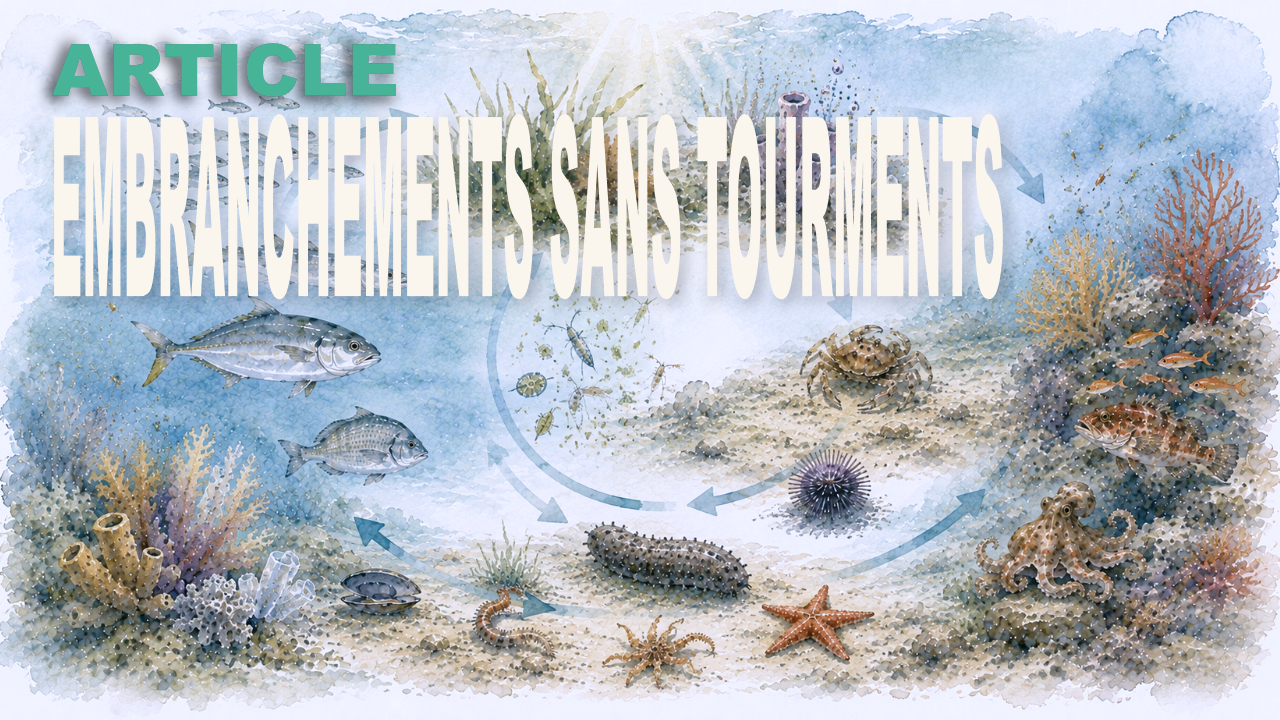
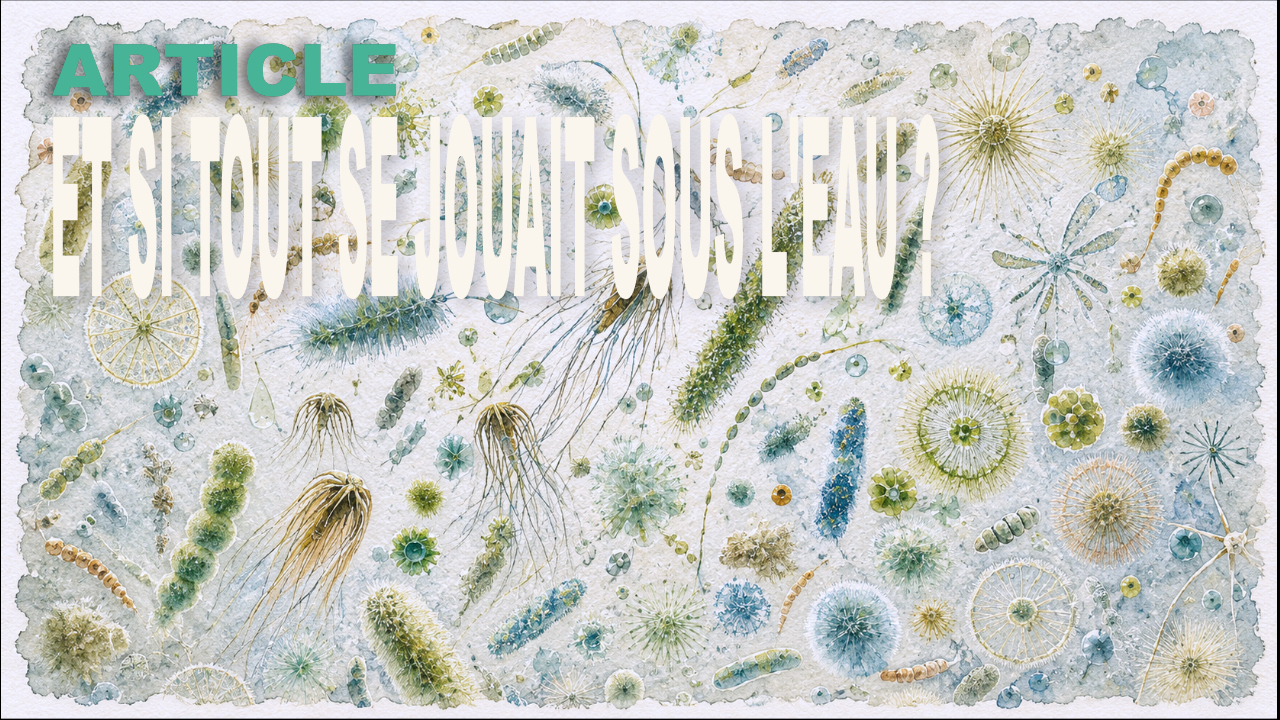
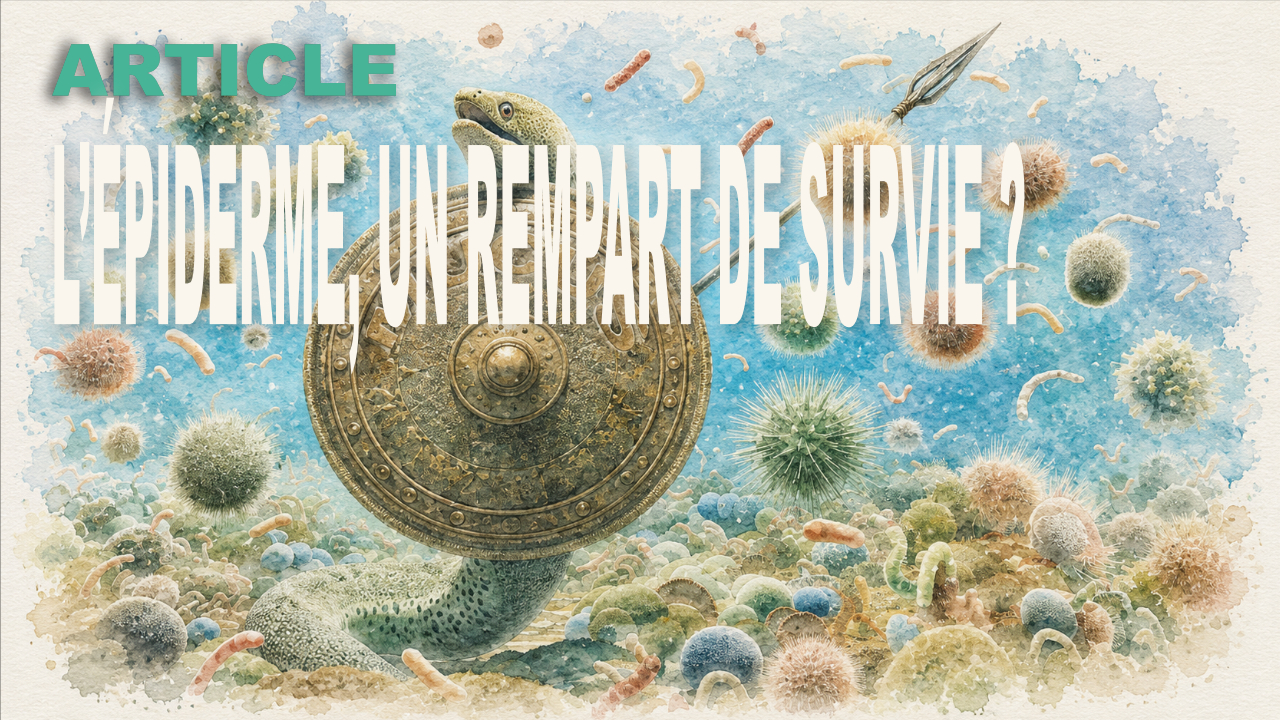
ArticlePHYLA WITHOUT THE FUSSRead the article →ArticleWHAT IF IT ALL HAPPENED UNDERWATER?Read the article →ArticleTHE EPIDERMIS: A SHIELD FOR SURVIVAL?Read the article →ArticleTHE ARTISTS OF INVISIBILITY!Read the article →ArticleMASTERS OF BUOYANCYRead the article →ArticleTHE SECRETS OF MAERLRead the article →

Continue exploring marine environments

Each learning path connects observations with knowledge. Find a species in the guides, explore a topic in the articles or return to the videos to observe habitats before reinforcing what you have learned with the games.