Partners and information

Contact us

Verification code

Understand marine biodiversity and underwater environments

What is hidden in the sand, around a wreck or among the algae? Dive.Explo360 articles build on your underwater observations to help you understand marine habitats, species’ ways of life and their relationships within ecosystems.

Develop your knowledge of marine life while diving: discover the features of different environments, learn to observe their inhabitants and connect your discoveries with the marine species guides and the dive videos. These readings accompany divers and anyone curious about underwater life, before or after exploring.

Your marine region: Mediterranean. Choose a marine region, then search for a subject or filter articles by category and topic. Each publication shows its availability and access conditions.

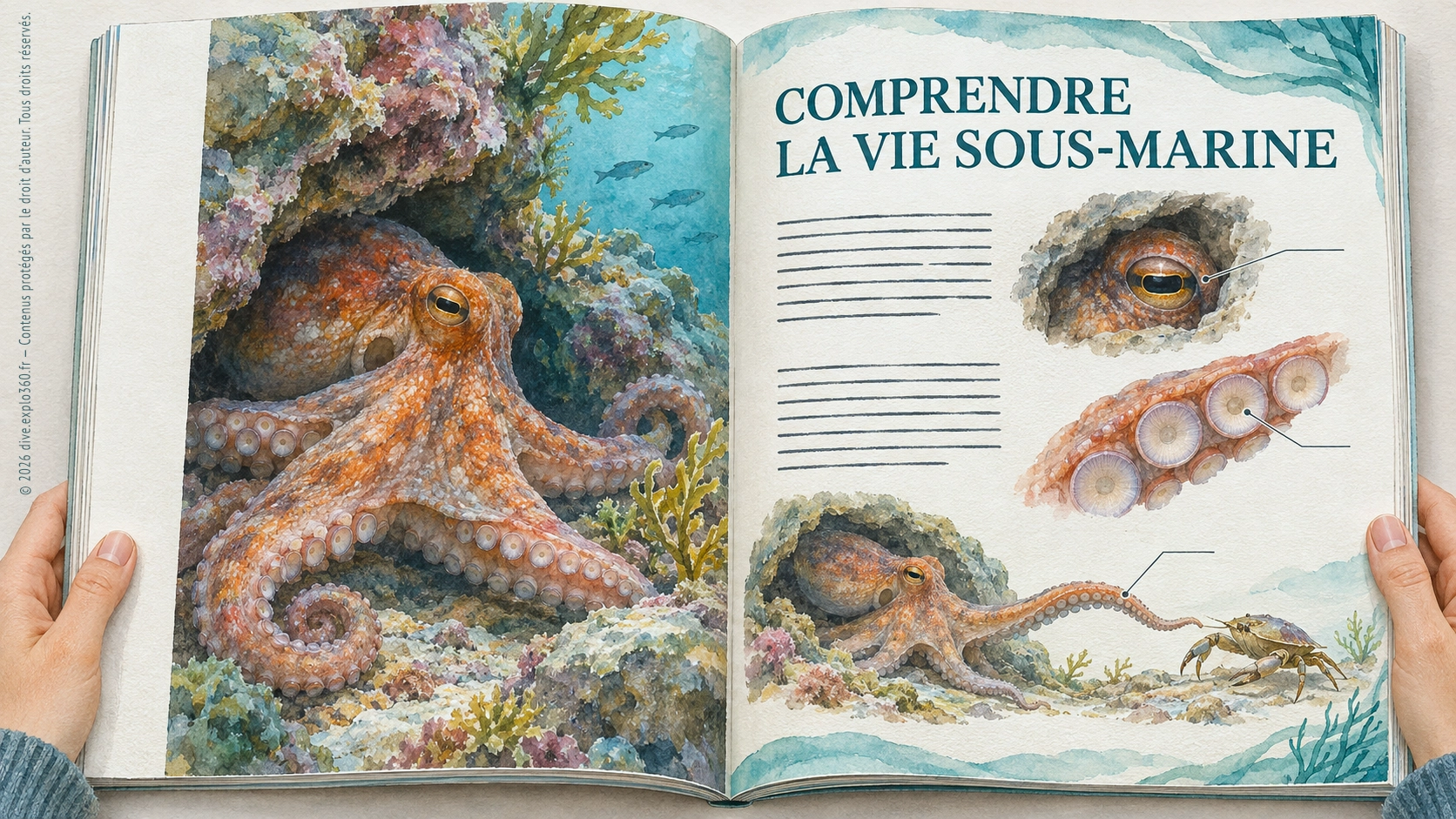
An open marine life magazine showing an octopus, its eye and its suckers.

33 articles

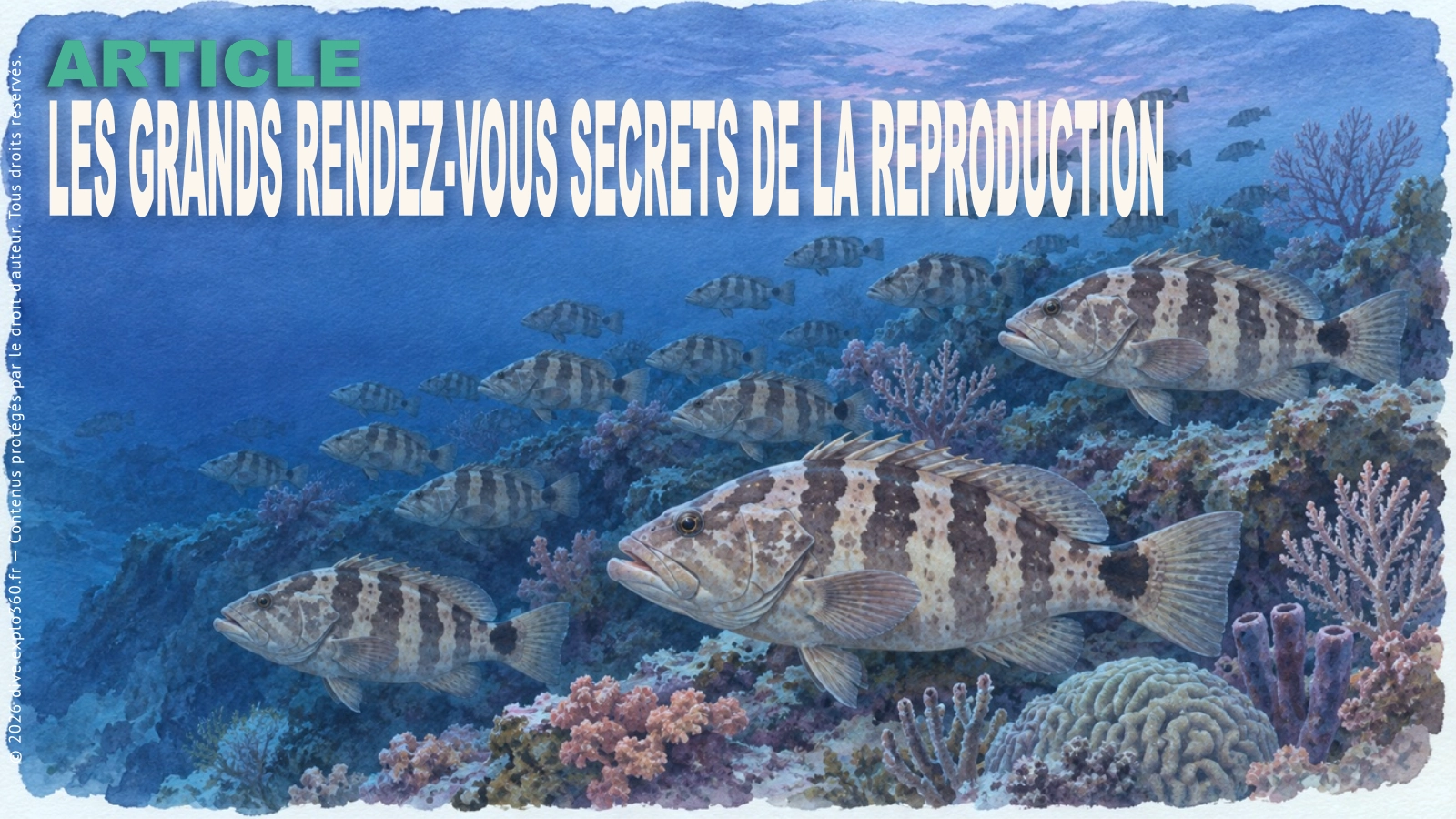
Nassau groupers (Epinephelus striatus) converge above a Caribbean reef.Available1/3 public · licence required for the rest

Way of life · Behaviour

The secret gatherings behind marine spawning

For months the fish live scattered across the reef. Then some leave their usual territories. Others approach from different directions, sometimes after travelling many kilometres. Soon hundreds or even thousands have converged on the same place. And there they wait. Are they waiting for a change in light, a lunar phase, or the current that will carry their eggs? How do animals that have spent months apart turn up at the same place at nearly the same time?

Read the article
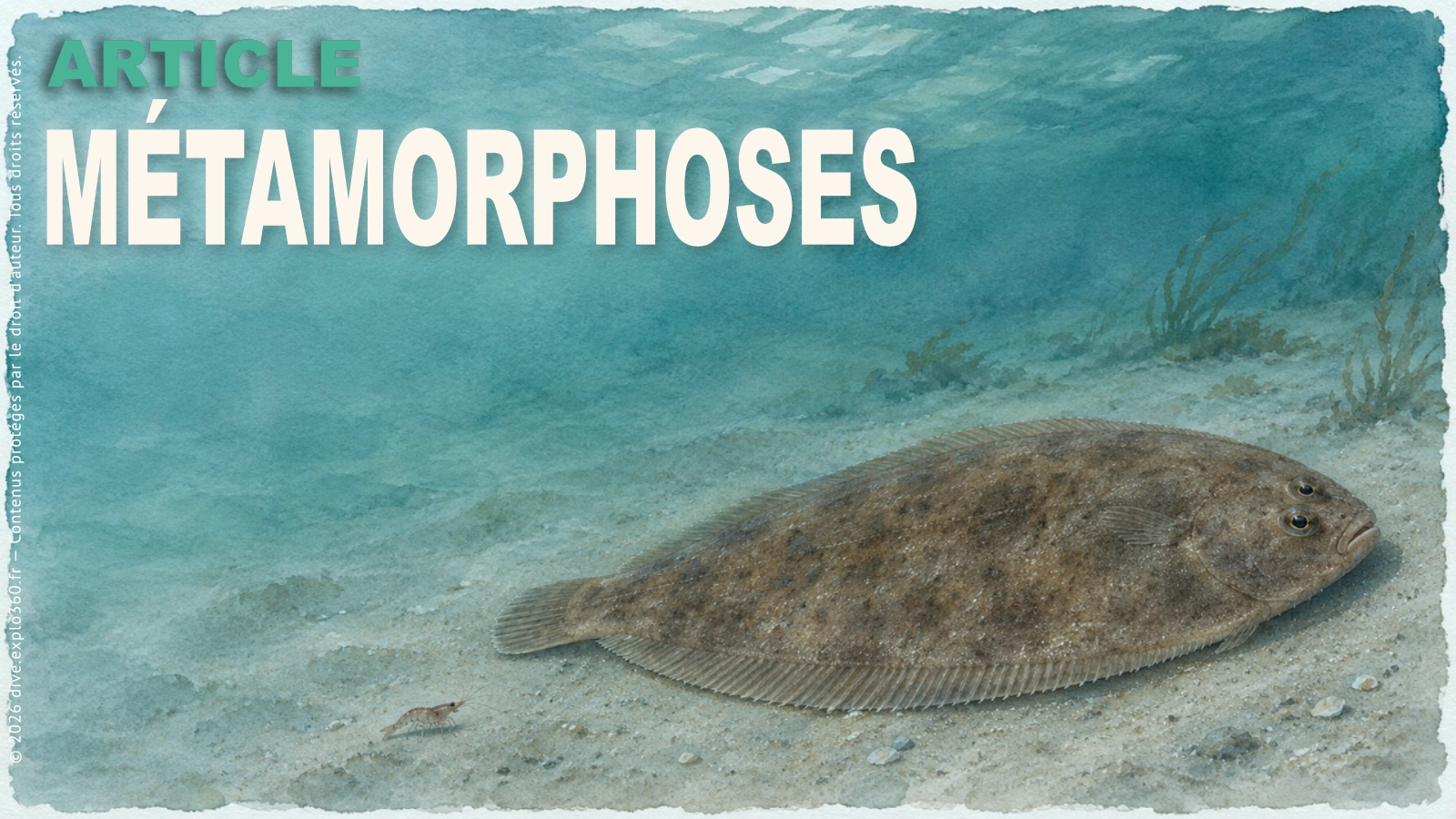
A common sole (Solea solea) on the sand, both eyes facing the water.Available1/3 public · licence required for the rest

Anatomy · Science

Metamorphosis: when growing up means changing shape

An eye is moving from one side to the other. Slowly, a young fish’s skull changes until both eyes are on the same side. Elsewhere, a transparent leaf-like creature crosses the Atlantic. It has yet to take on the shape of an eel. Beneath the rocks, a tiny sea squirt larva is about to resorb its tail and spend the rest of its life attached to a surface. These animals are growing. Their bodies may change so deeply on the way to adulthood that one stage scarcely resembles the next. How does an animal keep living while its anatomy changes around it?

Read the article
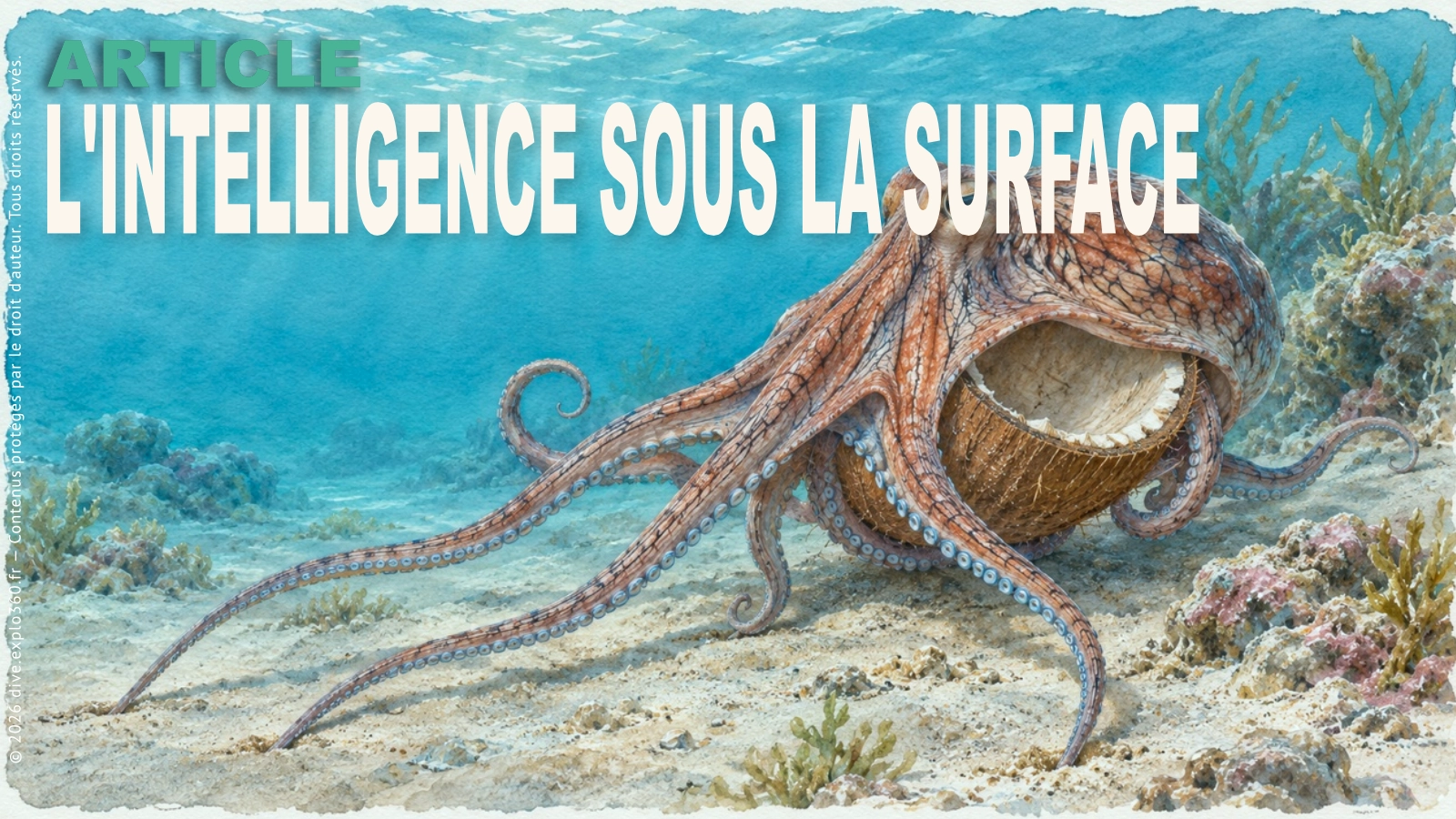
A veined octopus (Amphioctopus marginatus) carries a shell across the sand.AvailableFree access

Way of life · Behaviour

Intelligence beneath the surface: learning, remembering and solving problems

A crab is trapped in a jar. An octopus can see it through the glass but cannot seize it. In the Red Sea, a grouper breaks off a chase and goes to find a moray. On an Indonesian seabed, another octopus carries shells that will only shelter it after it stops. What does an animal do when force alone cannot get it past an obstacle?

Read the article
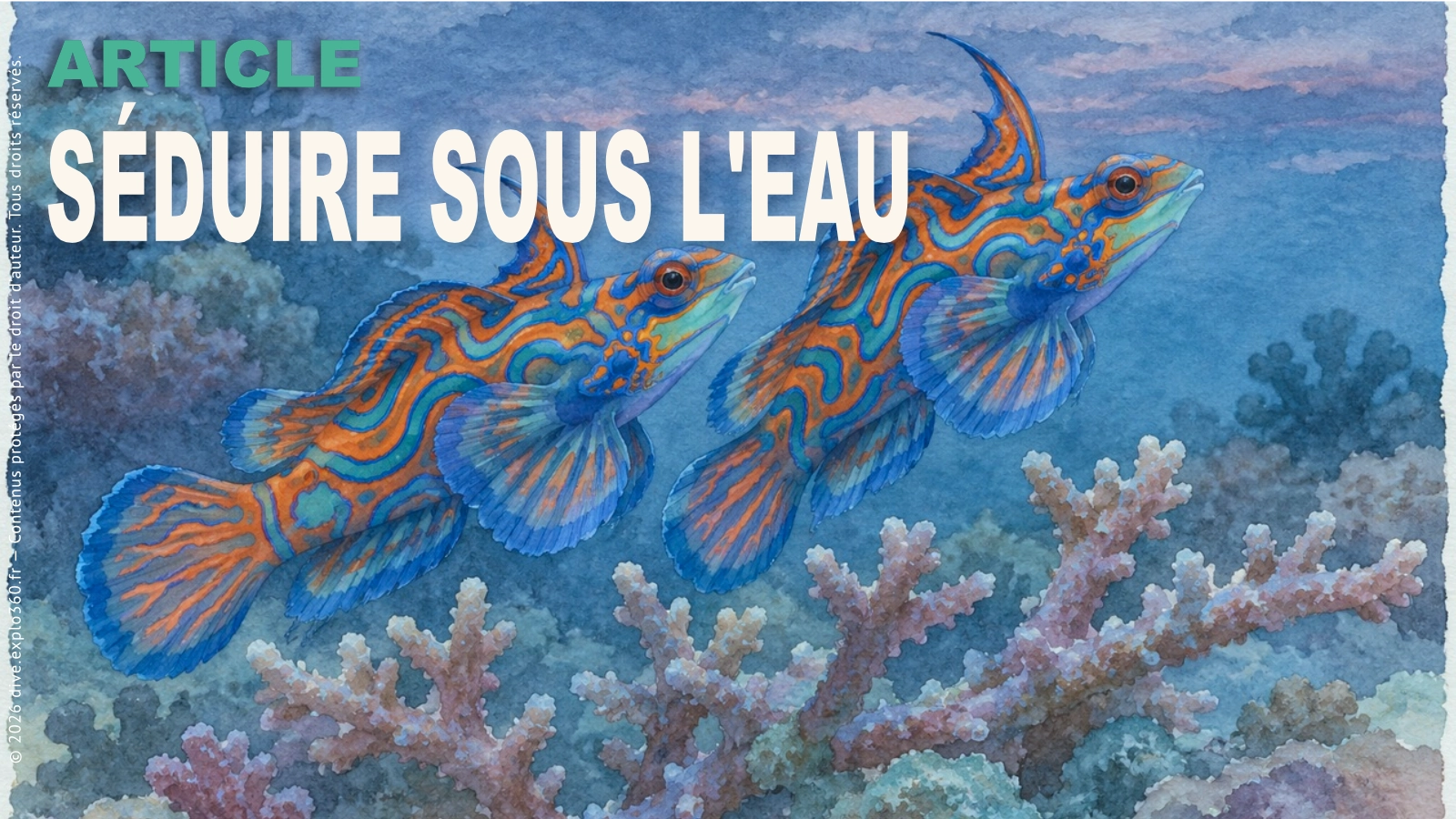
Two mandarinfish (Synchiropus splendidus) begin to rise above the reef.Available1/3 public · licence required for the rest

Way of life · Behaviour

Courtship underwater: displays, rivals and mate choice

A fish changes colour in seconds. A female approaches, pauses, then vanishes among the rocks. Elsewhere, two males face off while a third waits for an opening. Beneath the surface, reproduction can look like a meeting or a duel. Among all those dances, colours and displays of strength, who gets to choose?

Read the article
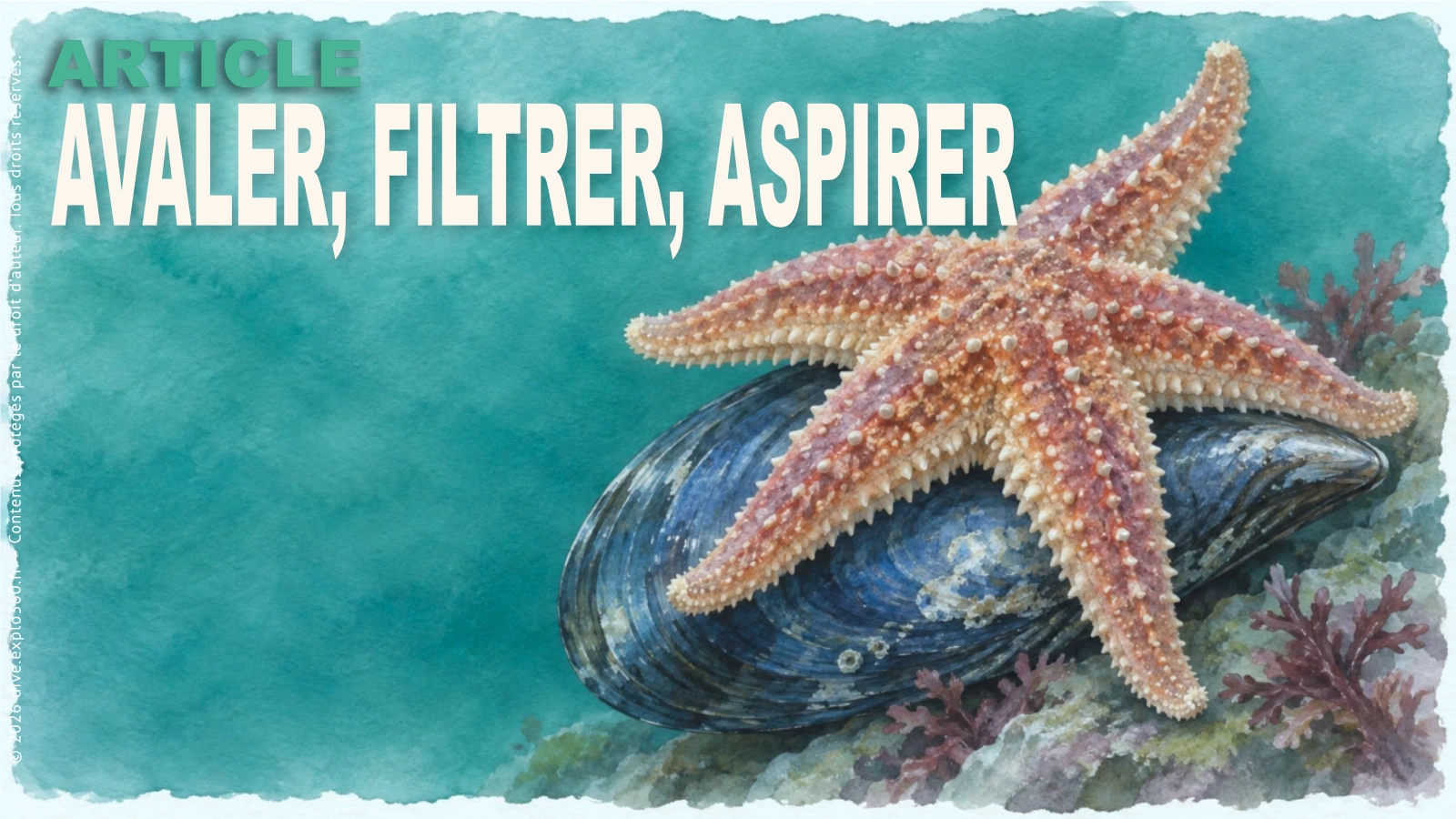
A sea star over a mussel.Available1/3 public · licence required for the rest

Way of life · Natural history

Swallow, filter, suck in: surprising ways to feed

The mussel is firmly shut, yet its predator is about to begin digestion without swallowing it. A few metres away, a crustacean vanishes into a mouth that opens almost too fast to see. Nearby, a creature with no obvious head gathers invisible particles. Each meal begins with a different way of getting at the food.

Read the article
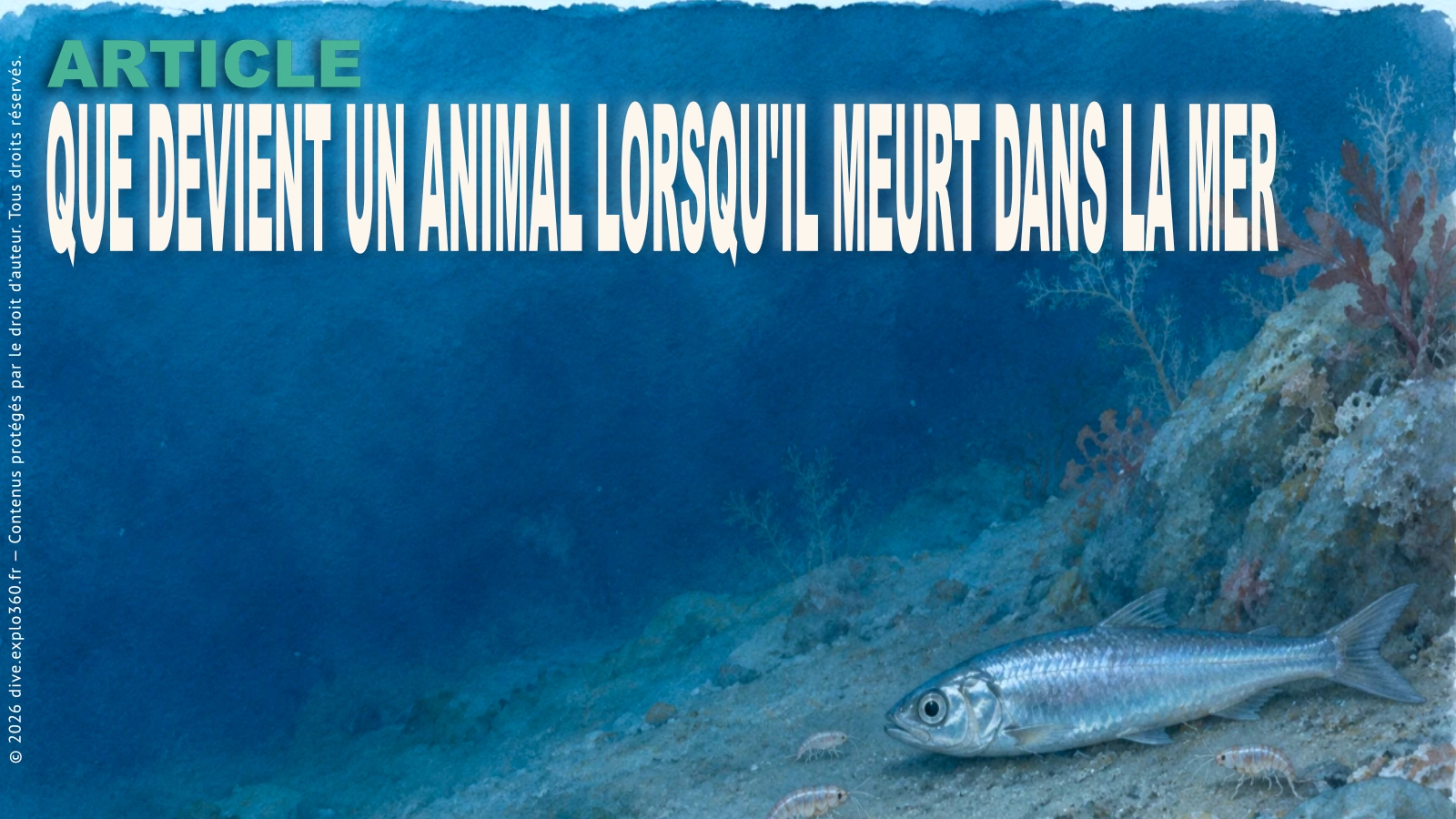
A motionless fish on the seabed.Available1/3 public · licence required for the rest

Way of life · Natural history

What happens when an animal dies in the sea?

A fish disappears into darkness, but its story does not end with its last movement. Something on the seabed is already drawing other animals. The first arrivals may not feed on the body itself. Long after its bones have vanished, some of the fish may still be circulating in the sea.

Read the article
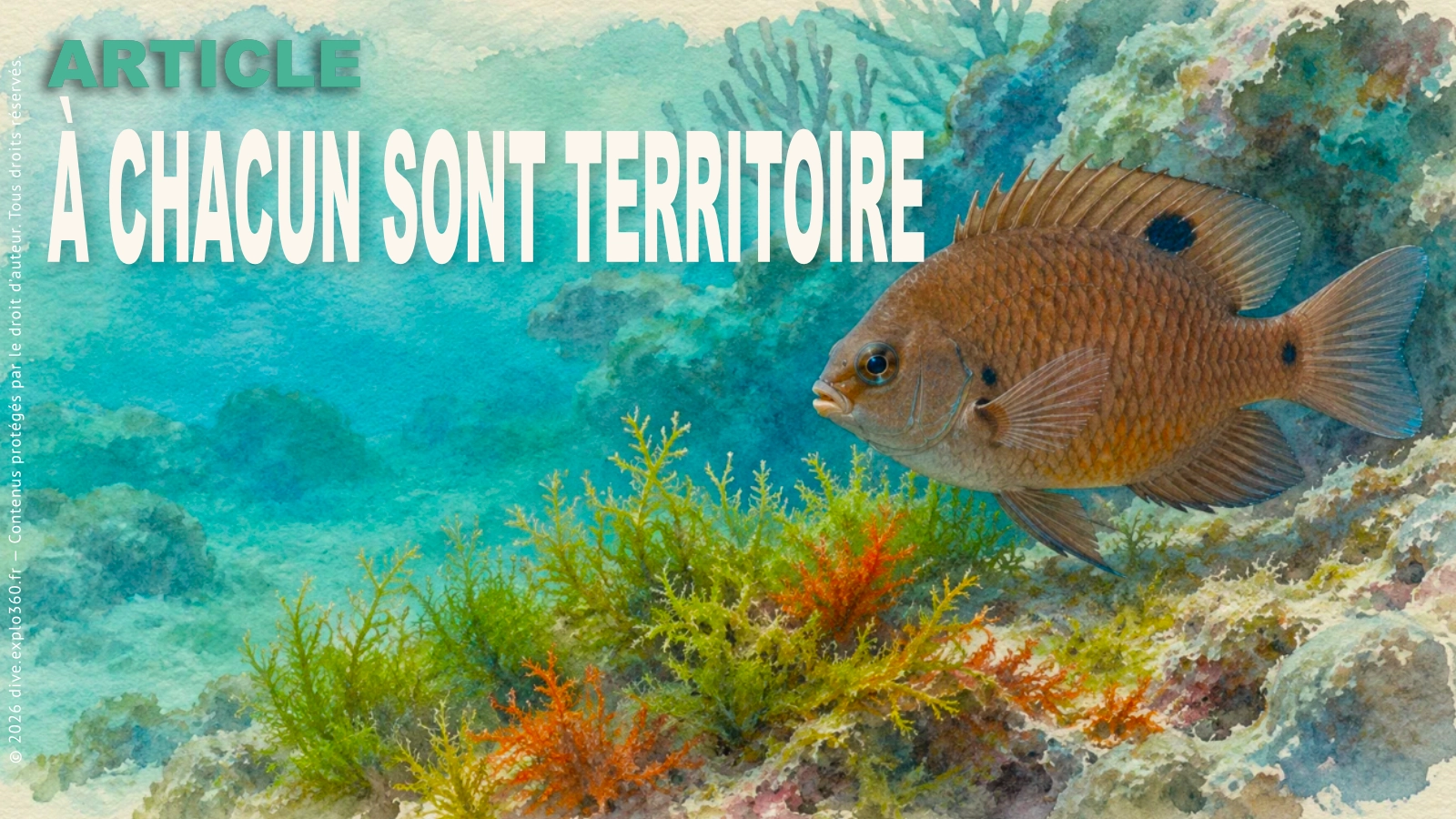
A damselfish above a Caribbean reef.Available1/3 public · licence required for the rest

Way of life · Natural history

To each its territory: conflict beneath the waves

A fish only a few centimetres long charges an opponent three times its size. A flick of the tail, a chase, and the intruder retreats. Elsewhere, the struggle over a territory can cost an entire group its shelter. Underwater, a rock, a crevice or an anemone can matter far more than the next meal.

Read the article
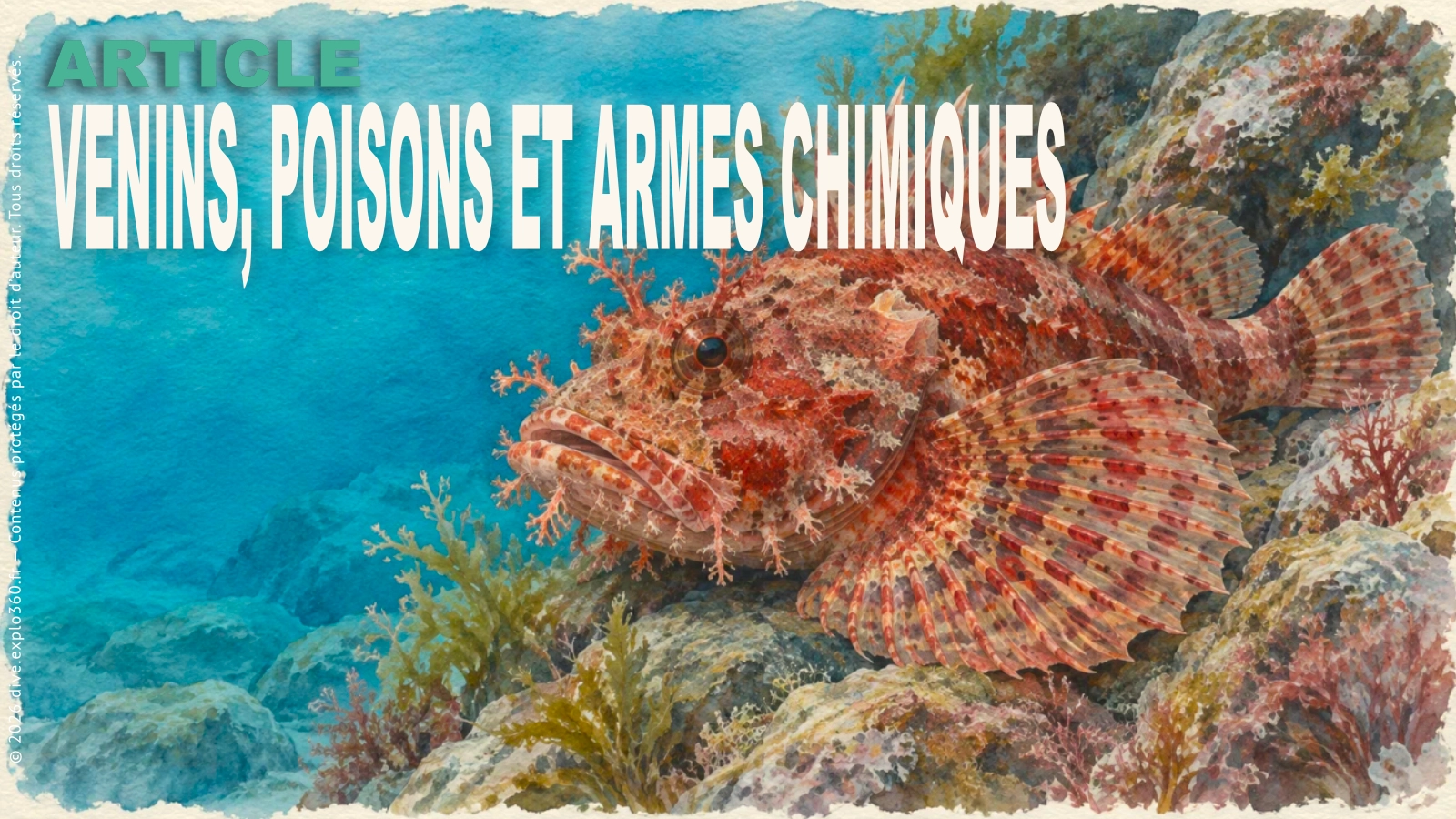
A red scorpionfish on a rocky Mediterranean seabed.Available1/3 public · licence required for the rest

Way of life · Natural history

Venoms, poisons and chemical weapons: the invisible battle

A scorpionfish lies motionless among the rocks. A brightly coloured nudibranch crosses the reef. An anemone’s tentacles sway in the current. Follow these animals and see how their defences and hunting methods change the behaviour of the creatures they encounter.

Read the article
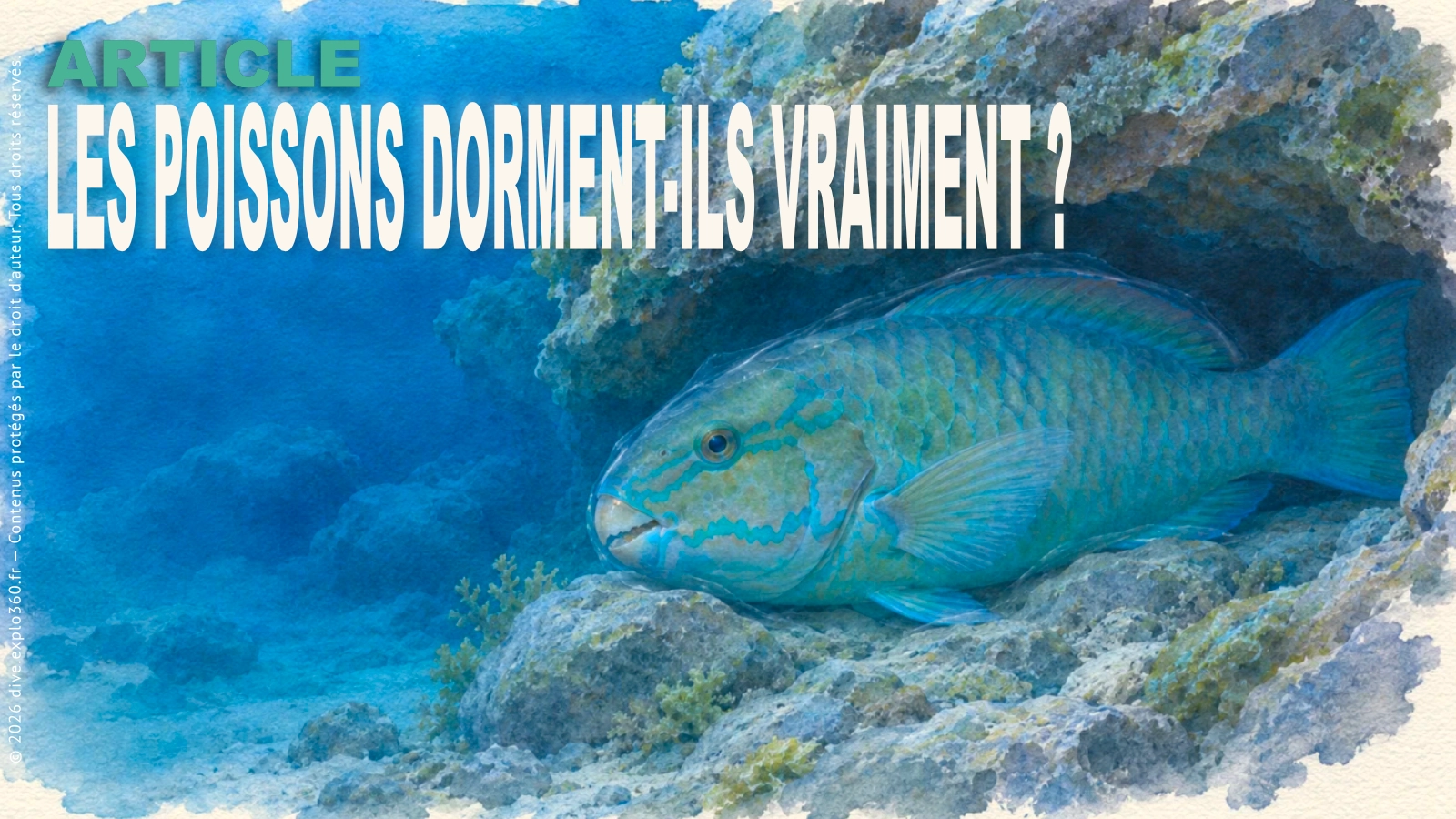
A parrotfish resting in a reef cavity.Available1/3 public · licence required for the rest

Way of life · Natural history

Do Fish Really Sleep?

A fish disappears inside a transparent cocoon. Sharks lie motionless on the seabed. In a tiny zebrafish’s brain, waves of activity appear at night. What actually happens when the sea seems to fall asleep?

Read the article
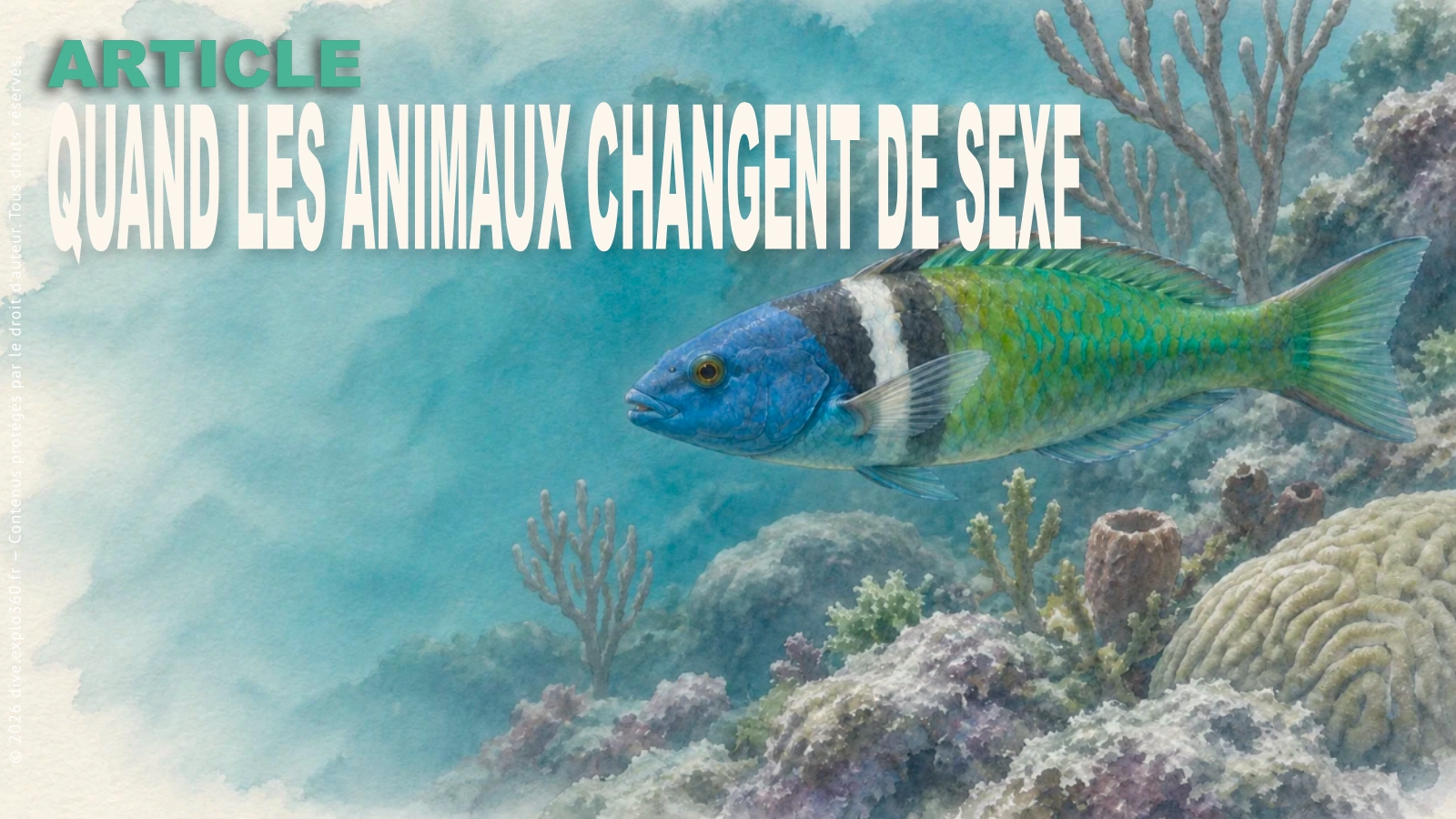
A terminal-phase bluehead wrasse on a Caribbean reef.Available1/3 public · licence required for the rest

Way of life · Natural history

When Animals Change Sex

A male becomes a female. A female takes the place of a missing male. A small goby can go through the change more than once. In some fish, reproductive sex can change during adult life. How can the disappearance of a single fish set off changes that reach all the way to the reproductive organs?

Read the article
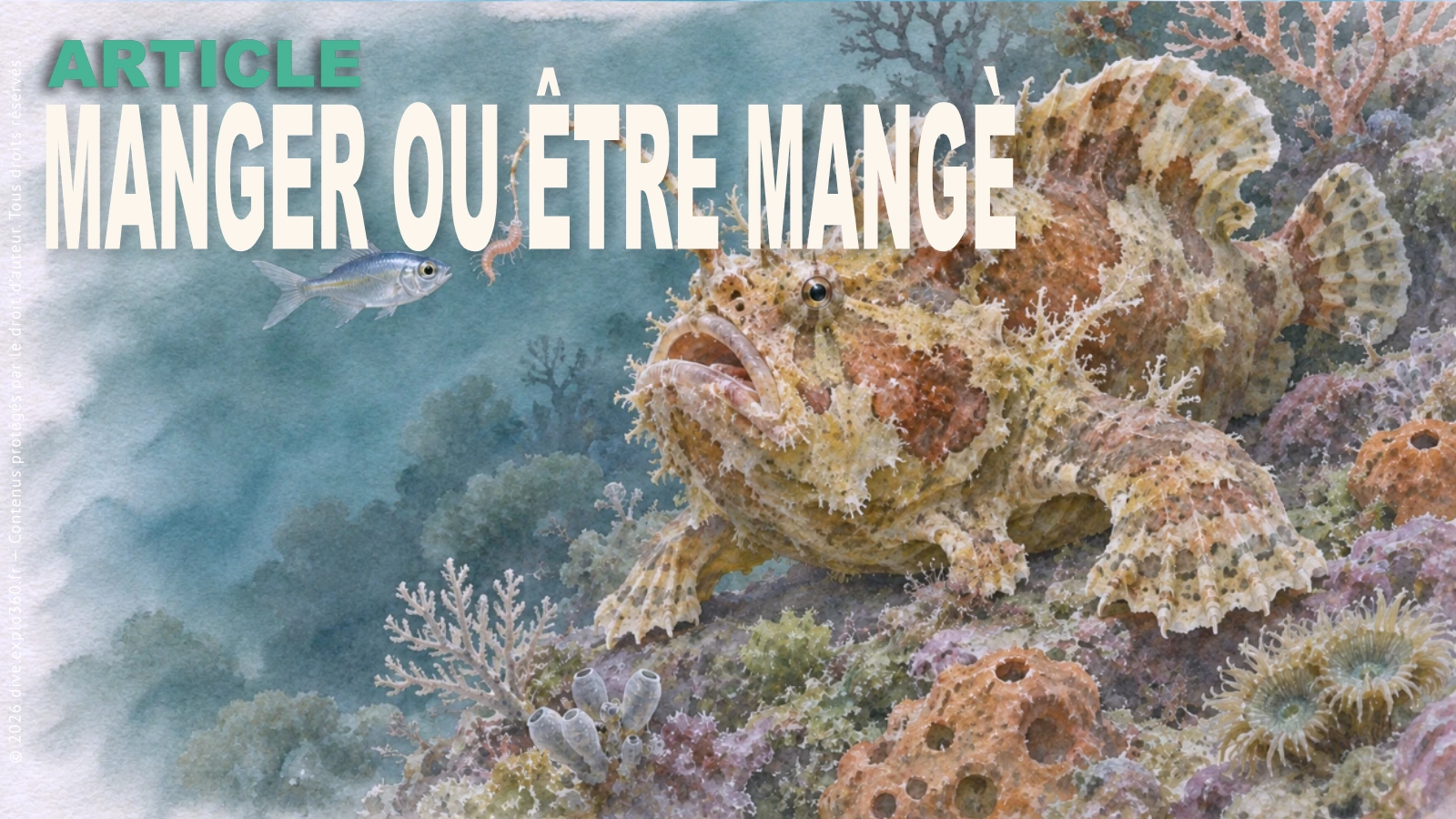
A camouflaged frogfish faces a small fish on the reef.AvailableFree access

Way of life · Natural history

Eat or Be Eaten: Hunting Strategies Underwater

In the ocean, a moment’s hesitation can cost a meal or a life. Some predators rely on speed, others on stillness, venom or cooperation. The most dangerous hunter may be the one you never see coming.

Read the article
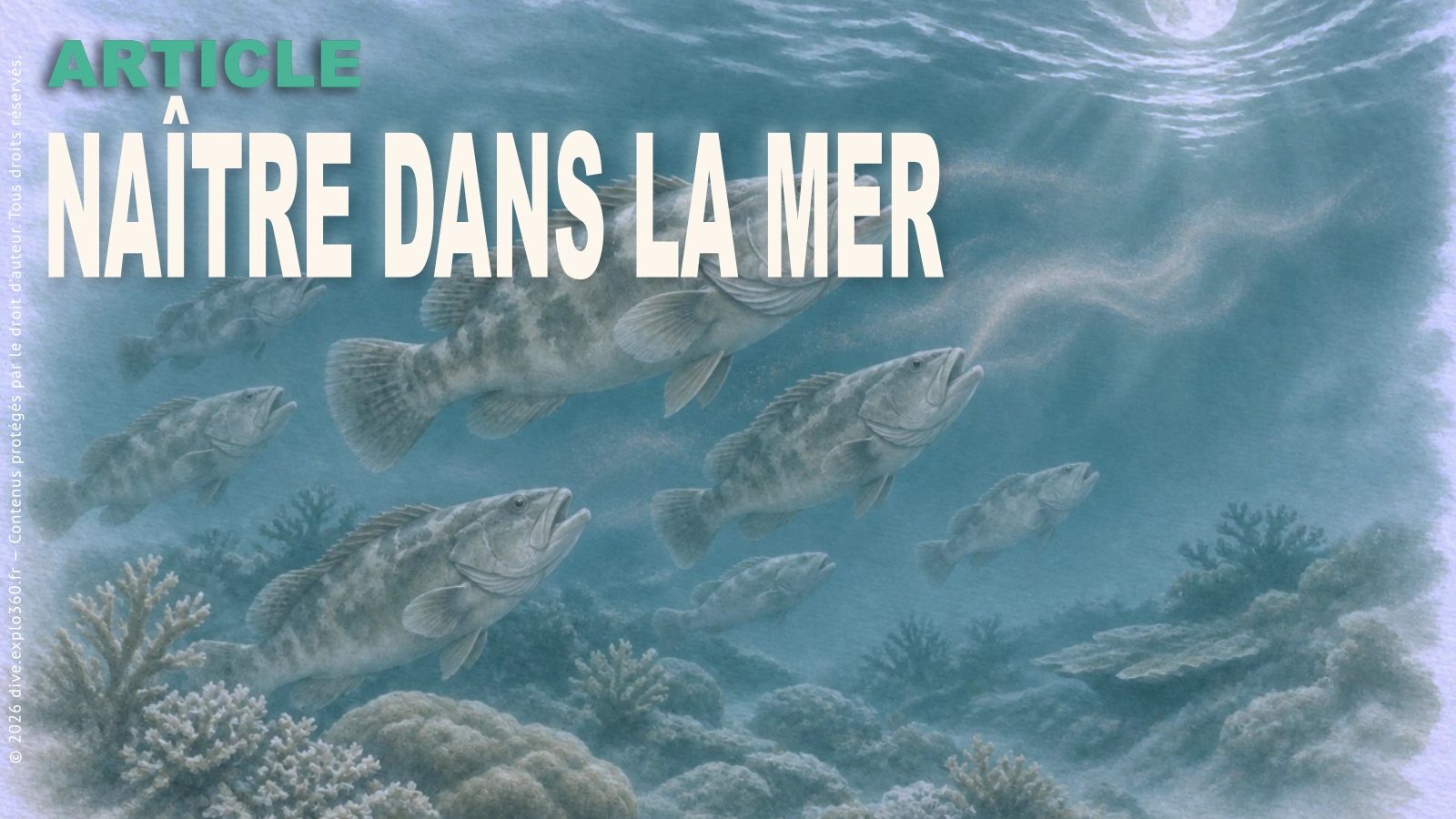
Fish gathering over a reef in moonlight.Available1/3 public · licence required for the rest

Way of life · Natural history

Born in the Sea: The Perils of Early Life

An egg surrendered to the currents, a transparent larva adrift in open water, a tiny fish searching for shelter. In the ocean, birth often begins a race for survival. Some species release millions of offspring into the sea, while others spend weeks protecting a handful. Why do these strategies differ so much? It begins on a full-moon night above a tropical reef. Dozens of fish leave their usual territories and gather near a channel. They circle, speed up and move closer to the surface. Several suddenly surge upwards together. A pale cloud spreads and vanishes into the current. Hundreds of thousands of reproductive cells can be released in seconds. Many fertilised eggs fail to survive their first day. Some are eaten before the embryo has finished its first divisions. Others drift into water where development cannot continue. A few escape. They still face a period when they have almost no defences. They must find food before their reserves run out. Reef fish must eventually find habitat they have never seen. How does an animal only millimetres long complete such a journey? Why did its parents let it go?

Read the article
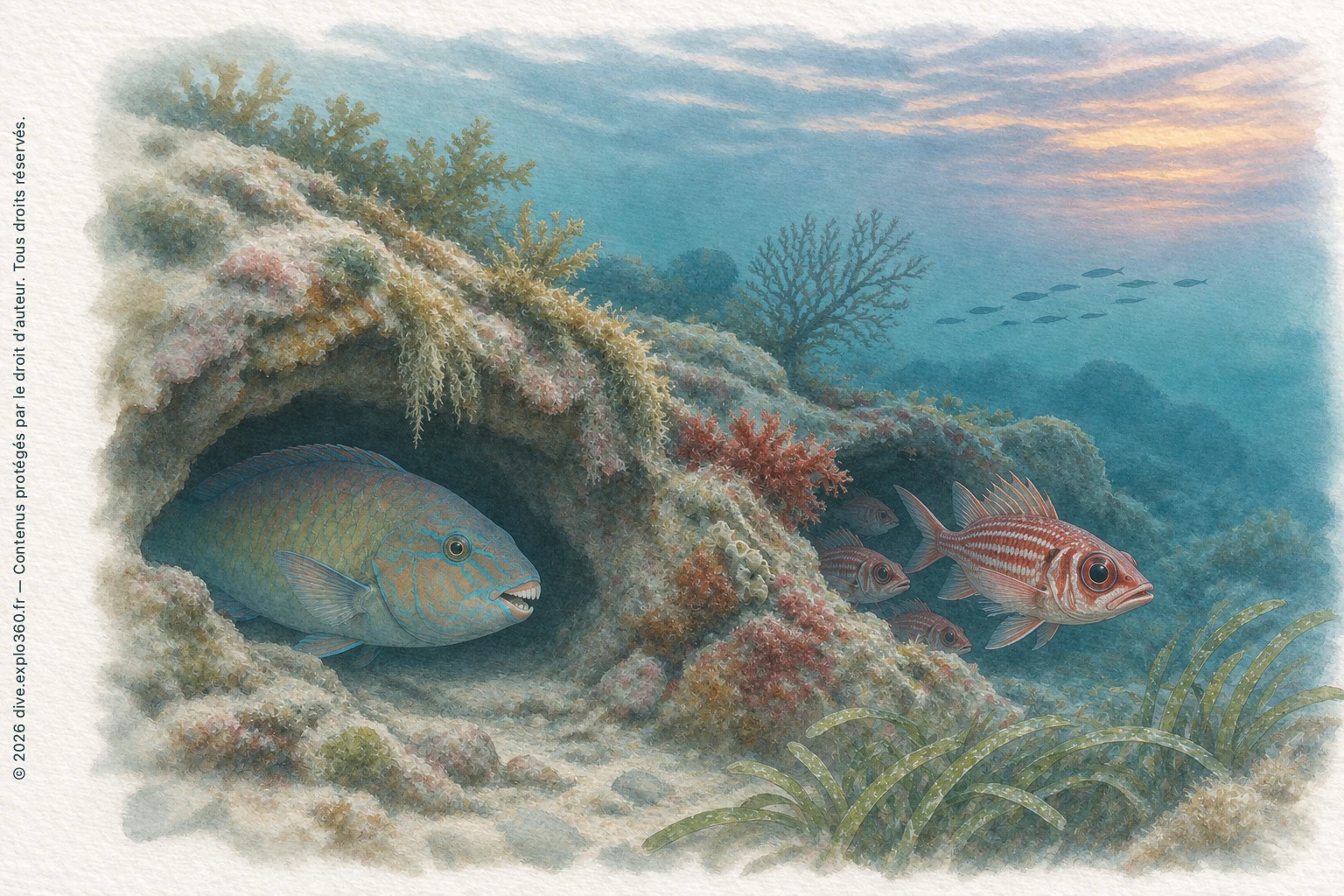
A parrotfish in shelter and squirrelfish on a reef at dusk.Available1/3 public · licence required for the rest

Ecology · Natural history

When the Sea Comes Alive at Night

At dusk, the sea changes rhythm. On reefs, fish that spent the day in the open return to shelter. Others leave the crevices where they spent the day. Farther offshore, a much larger movement begins as billions of tiny animals rise from the depths towards surface waters. Night changes the conditions for life throughout the sea. Light gradually fades, predator–prey relationships shift, and animals that spent the day at different depths can now meet. Some of these changes are visible on a night dive. Others unfold over hundreds of metres, far beyond the diver's view.

Read the article
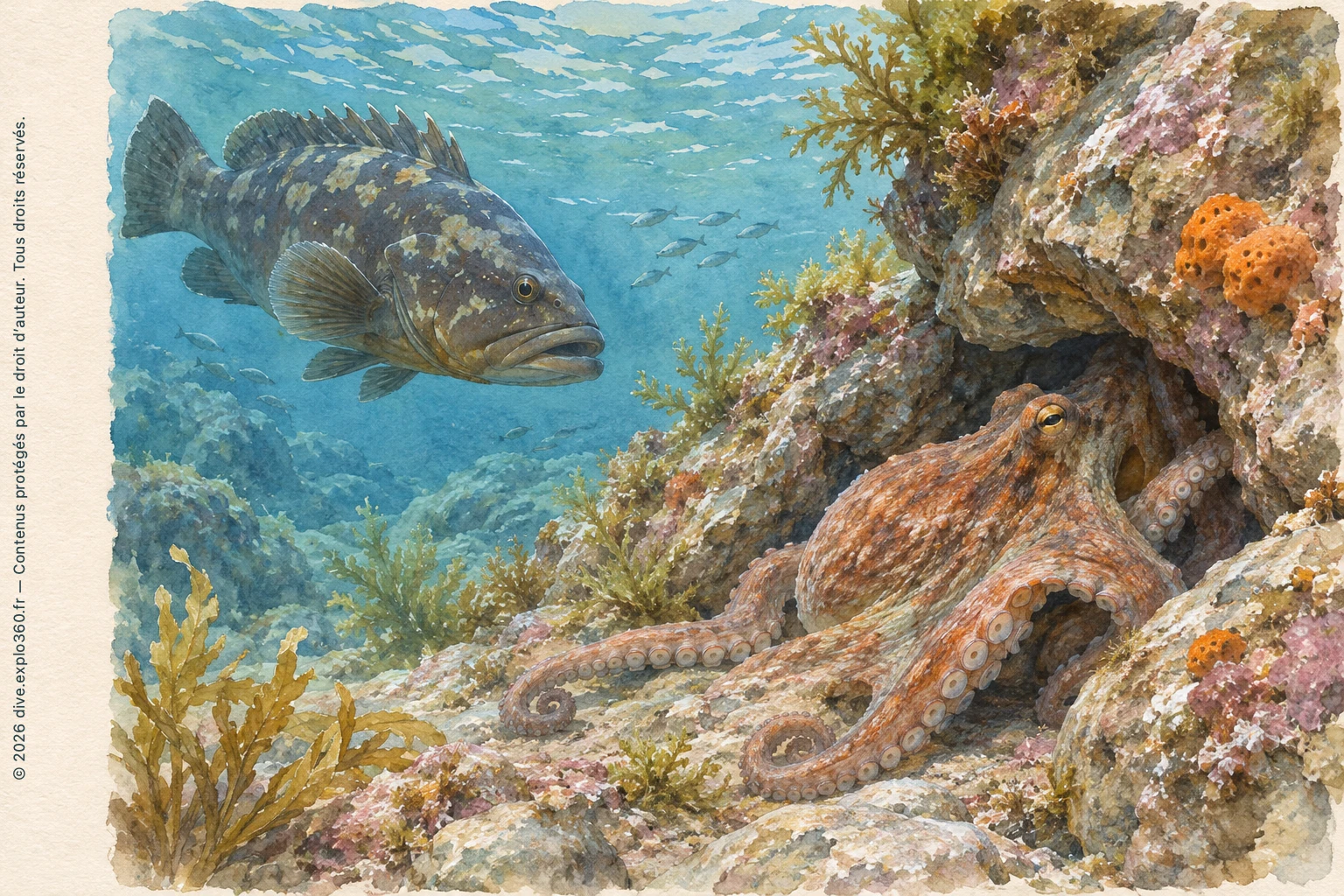
A grouper approaches an octopus at a rocky crevice.Available1/3 public · licence required for the rest

Anatomy · Natural history

Losing an Organ and Rebuilding It

A fish bites a sea star's arm. A predator grabs an octopus as it tries to squeeze between the rocks. A sea cucumber, unable to flee quickly, expels some of its internal organs when threatened. Survival can be decided in moments. An animal may escape its attacker, but it is now missing an arm, part of a limb or an entire organ. Such a loss has lasting consequences for most animals. Some marine species, however, can reconstruct complex parts of their bodies and sometimes regain the functions they lost. How does a living body replace what is gone? Why can some animals rebuild an intestine while others cannot replace an amputated limb? How can a fragment of a sea star sometimes become a new individual? The answers begin with several biological processes that are easy to confuse.

Read the article
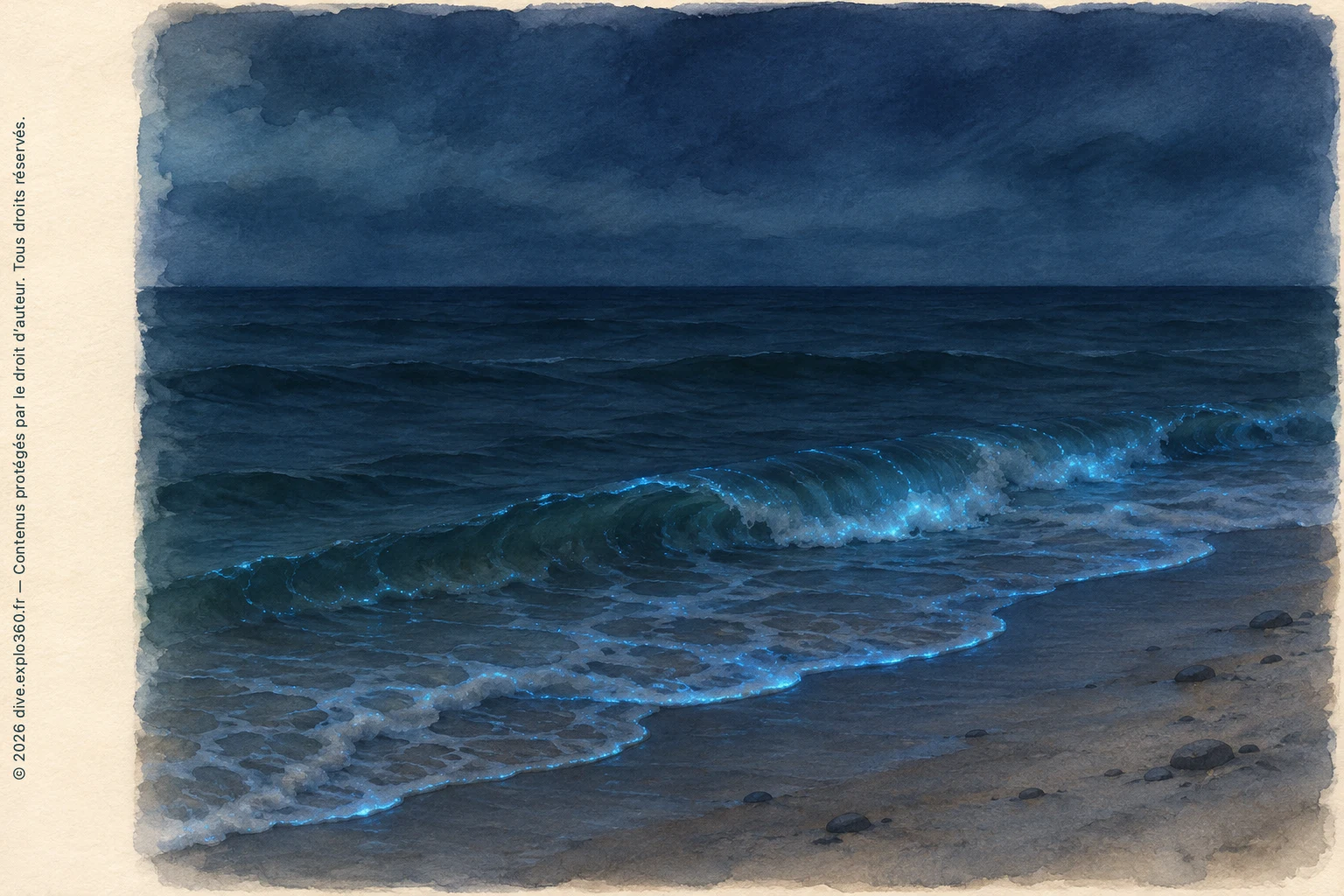
A blue glowing wave breaking on a beach at night.Available1/3 public · licence required for the rest

Ecology · Natural history

Who Turns on the Light Underwater?

Night has fallen. A wave breaks and leaves a trail of blue light across the sea surface. A few seconds later, it fades. Another wave comes in and the sparks return. There is no lamp, no cable and no reflection from the Moon. Living organisms make the light. Some are too small to see individually with the naked eye. Farther down, beyond the reach of sunlight, other lights appear. Some draw in prey, others help an animal escape. Some animals even light up to become harder to see. How do they make light? Why do some flash for a fraction of a second while others maintain a glow? How can shining help an animal hide? The answers begin inside the organisms themselves.

Read the article
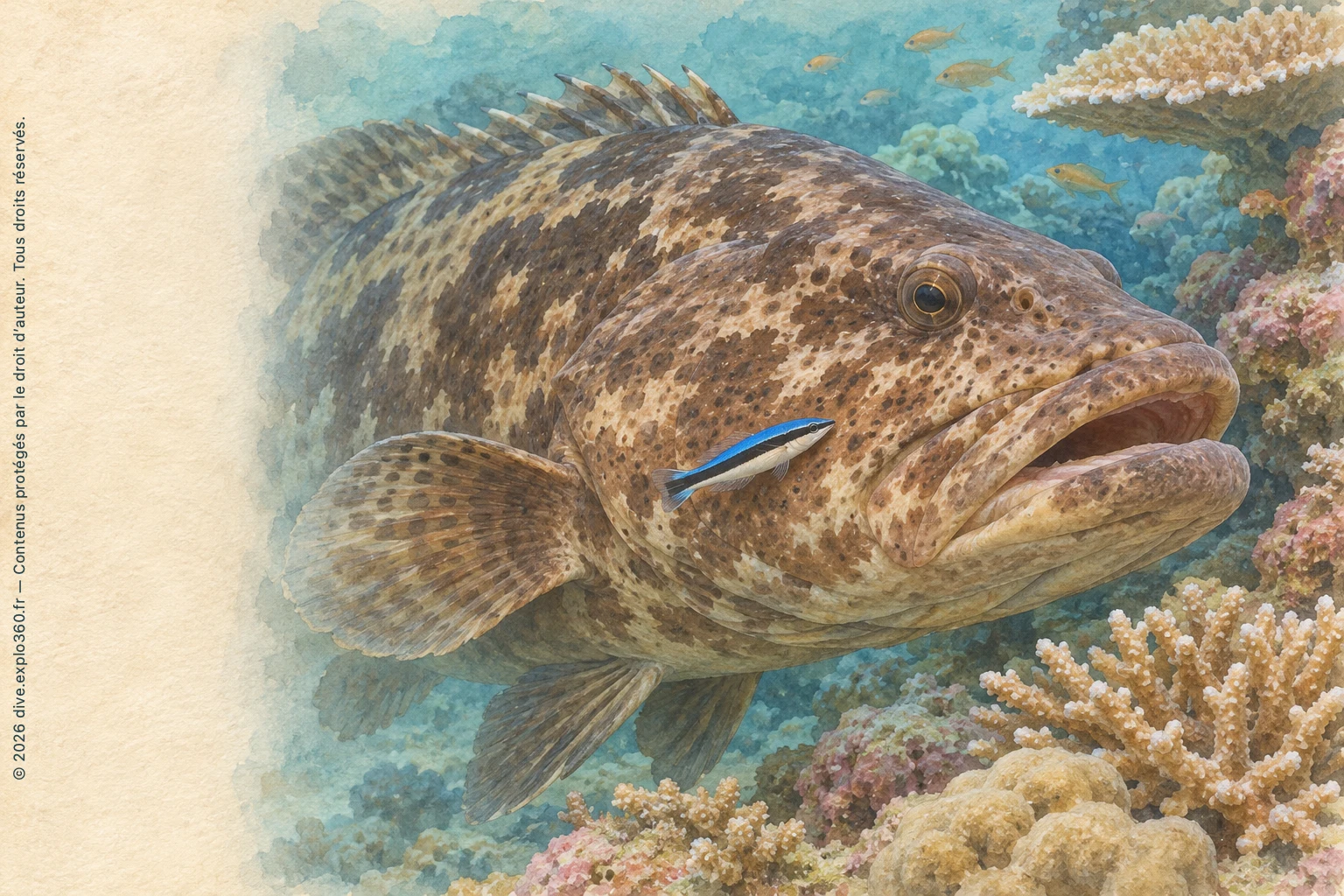
A striped wrasse approaches the head of a stationary grouper.Available1/3 public · licence required for the rest

Ecology · Natural history

Who Helps Whom in the Sea?

On an Indian Ocean reef, a grouper approaches a small fish striped in blue and black. It slows, holds still and opens its mouth a little. The small fish moves closer. Many fish its size would flee. A grouper can swallow much larger prey. Yet this visitor approaches the jaws, examines the giant’s head and gets to work. Moments later, the grouper swims away. The small fish is already waiting for its next visitor. What happened? Why did the predator tolerate a potential prey animal so close to its mouth? Marine animals depend on other species for food, protection, shelter or transport. Some associations benefit both partners. Others involve exploitation, and appearances can be misleading.

Read the article
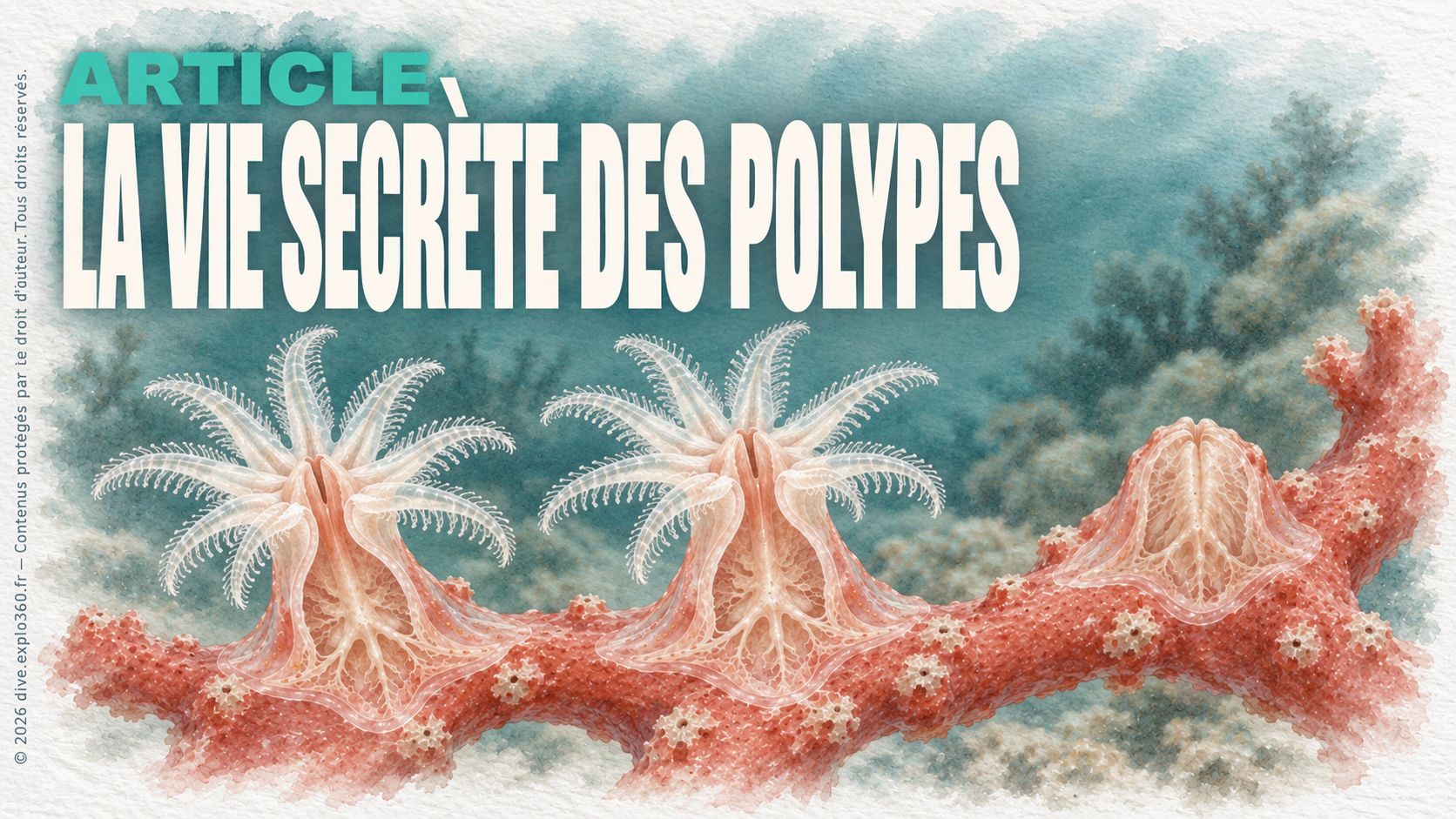
White polyps of red coral (Corallium rubrum) connected along a branch.Available1/3 public · licence required for the rest

Anatomy · Science

The Hidden Life of Polyps: How Does a Colony Work?

A sea fan spreads its polyps into the current. Nearby, the small white crowns of red coral stand out against a branch. Each mouth can catch a meal, but the animals carrying those mouths stay connected. Looking at these connections changes how we understand a colony.

Read the article
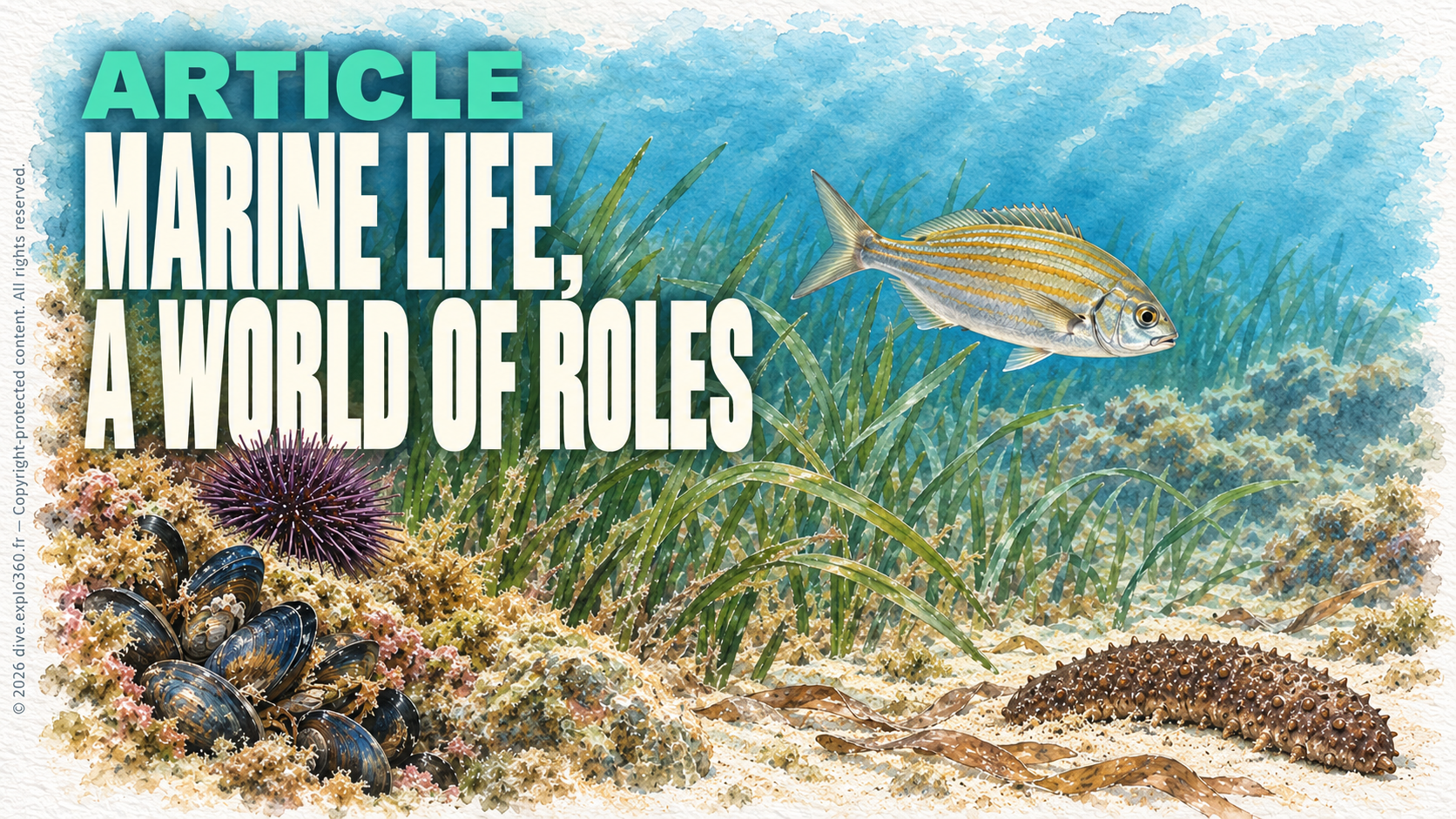
Mediterranean seagrass and rocky seabed with organisms whose functions are connected.AvailableFree access

Ecology · Natural history

Marine Life, a World of Roles

In a meadow, on a reef or offshore, organisms feed, grow and change their surroundings. Understanding their roles connects these observations and helps explain how marine life works. The illustrated examples are Mediterranean; the mechanisms discussed apply across the seas.

Read the article
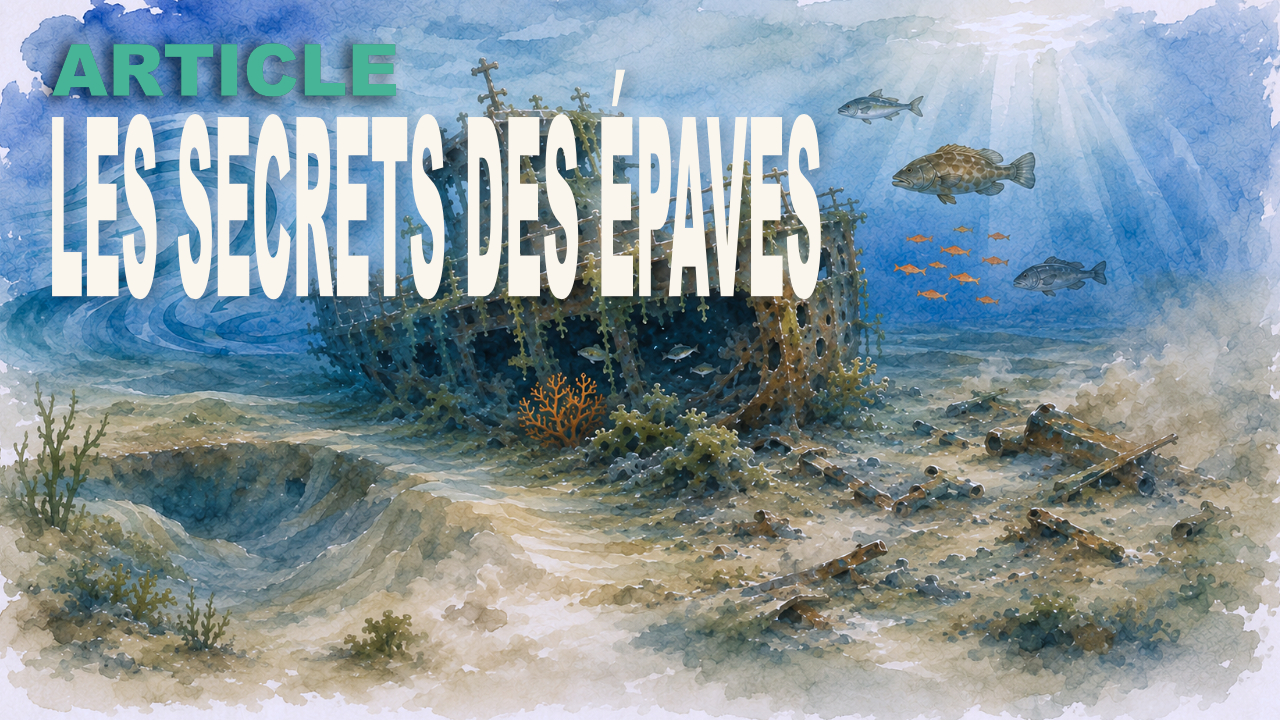
A wreck colonised by marine life in the MediterraneanAvailable1/3 public · licence required for the rest

Ecology · Environment

THE SECRETS OF SHIPWRECKS

When a ship sinks, its maritime story ends, but another begins. Resting on sand, maerl, rock or sometimes against a seagrass meadow, its structure introduces hard surfaces, height, cavities and shade into the underwater landscape.

Read the article
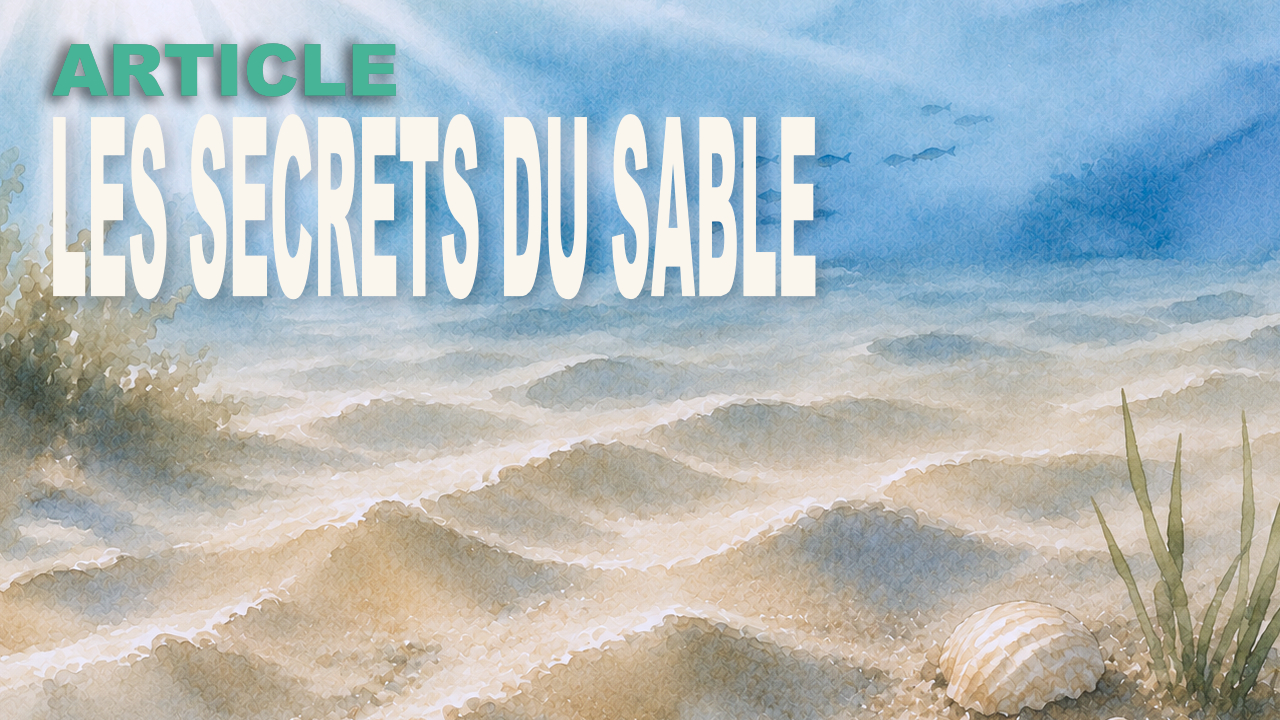
THE SECRETS OF SANDAvailableFree access

Biotope · Environment

THE SECRETS OF SAND

A sandy seabed is never truly still or deserted. Waves and currents continually move the grains, draw ripples and erase tracks, while much of its life remains buried or inconspicuous. Imprints, burrows, shells and movements of sediment then become clues to the organisms inhabiting this environment.

Read the article
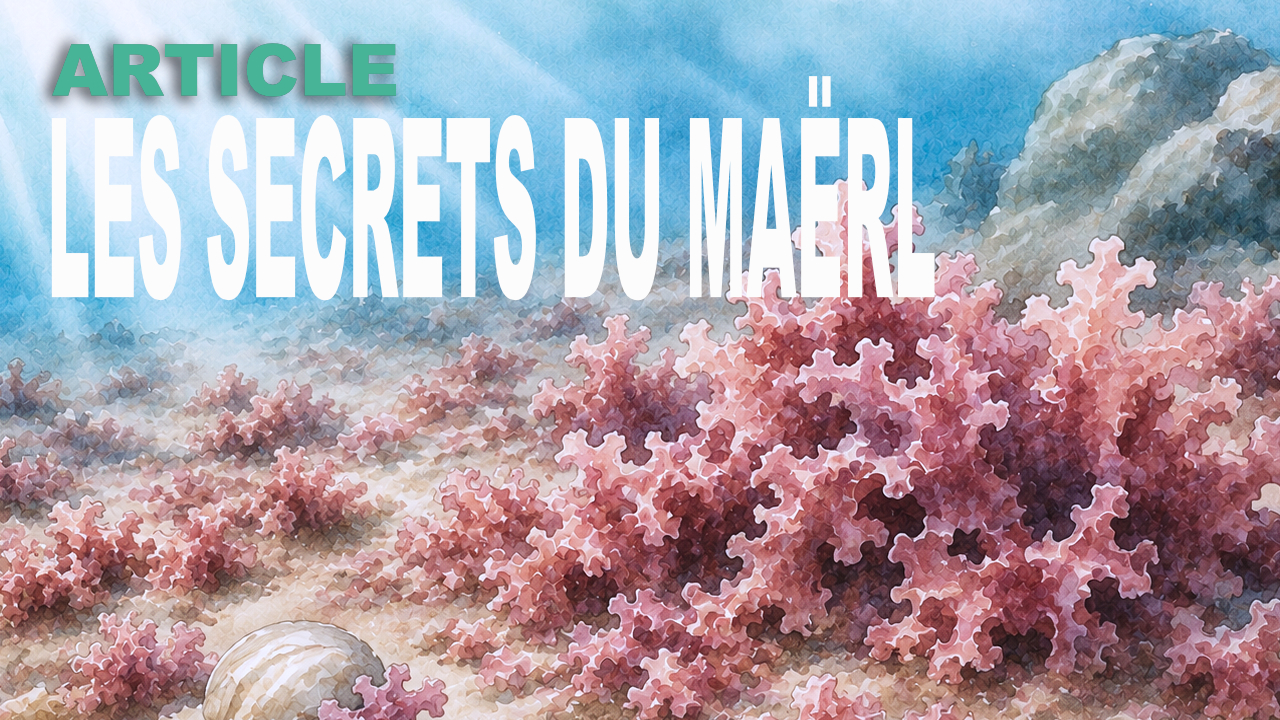
THE SECRETS OF MAERLAvailable1/3 public · licence required for the rest

Biotope · Environment

THE SECRETS OF MAERL

Maerl is a distinctive habitat, slowly built by calcareous red algae living freely on the seabed. As they grow, their branches intertwine and form a complex carpet with an abundance of shelters, gaps and refuges. This fragile architecture thus supports remarkable biodiversity.

Read the article
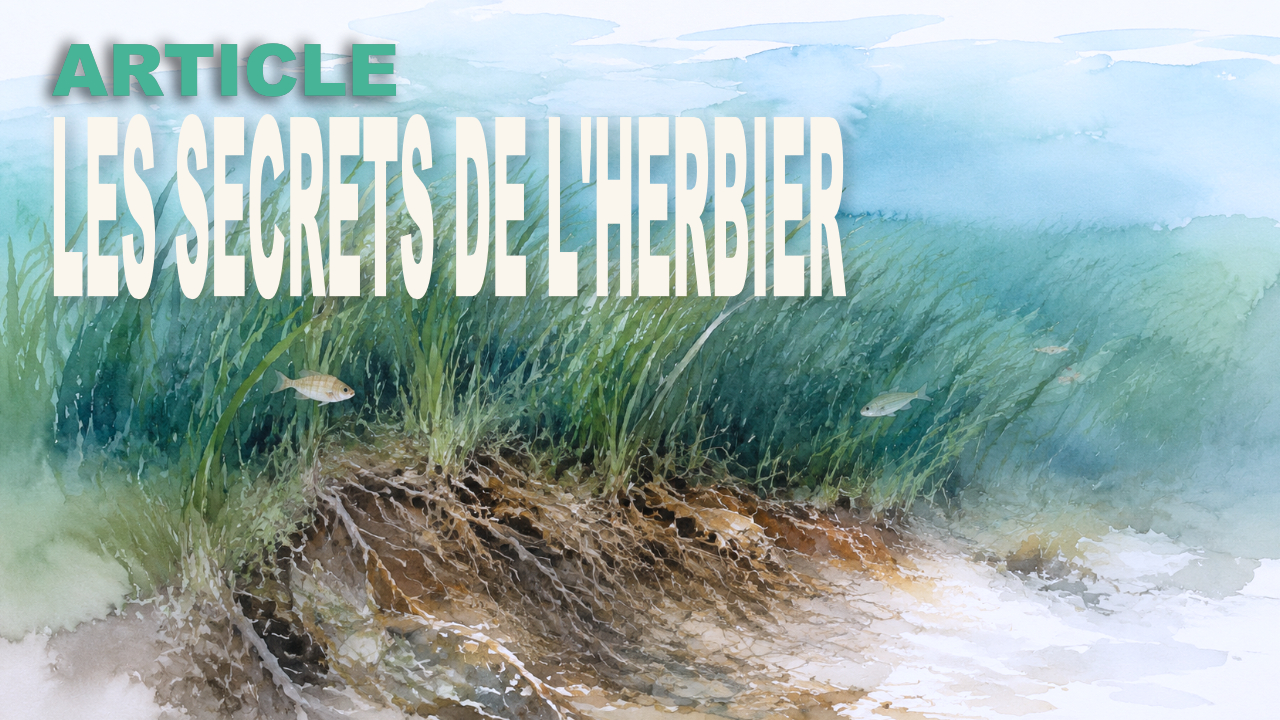
THE SECRETS OF THE SEAGRASS MEADOWAvailable1/3 public · licence required for the rest

Biotope · Environment

THE SECRETS OF THE SEAGRASS MEADOW

Beneath the surface, some meadows are centuries old. Posidonia is neither an alga nor mere underwater scenery. It is a true flowering plant that slowly builds one of the Mediterranean's most important ecosystems. An oxygen producer, refuge, nursery, carbon trap and seabed stabiliser: an entire world is organised around it. Understanding the meadow means learning to look differently at a landscape that divers sometimes think they already know.

Read the article
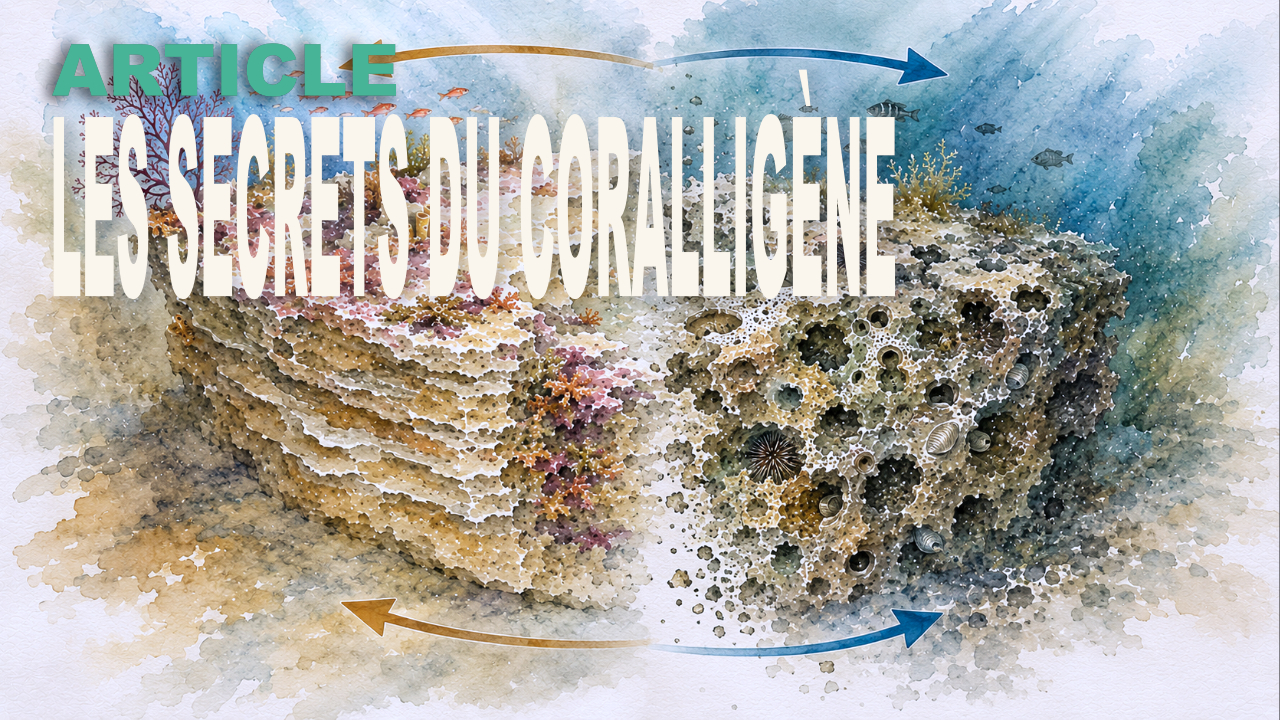
THE SECRETS OF CORALLIGENOUS HABITATSAvailable1/3 public · licence required for the rest

Biotope · Environment

THE SECRETS OF CORALLIGENOUS HABITATS

In the dim light of the Mediterranean, one of its richest ecosystems develops millimetre by millimetre: the coralligenous habitat. Towering walls or sculpted platforms, these landscapes result from centuries, sometimes millennia, of construction, erosion and interactions among organisms. Let us explore how this living structure works to understand how it begins, grows and supports exceptional biodiversity.

Read the article
PHYLA WITHOUT THE FUSSAvailable1/3 public · licence required for the rest

Miscellaneous · Natural history

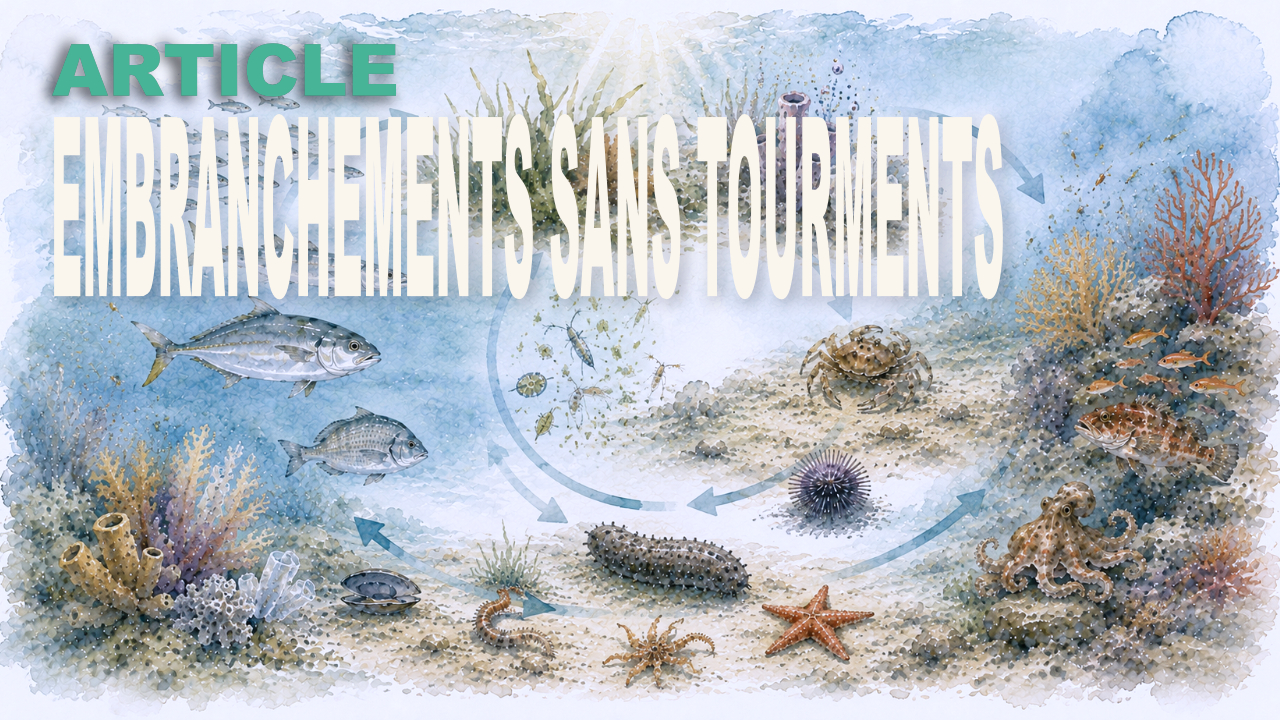
PHYLA WITHOUT THE FUSS

We have all experienced that awkward moment—to put it mildly—in marine biology diving training: the list of phyla. Strange names, an evolutionary timeline and a table we learn without understanding… then immediately forget. What if we stopped treating it like a badly digested biology lesson?

Read the article
THE ARTISTS OF INVISIBILITY!Available1/3 public · licence required for the rest

Anatomy · Behaviour

THE ARTISTS OF INVISIBILITY!

In the clear, sunlit waters of the Mediterranean, marine life is in constant competition. Predation is an ever-present threat, and fish have developed different strategies to escape predators or, conversely, become formidable ambush hunters. Camouflage plays a key role among these strategies. From changing colour to adopting patterns that disrupt visual perception, Mediterranean fish use sophisticated techniques that exploit not only their own biological abilities but also the limits of their predators’ vision.

Read the article
WHAT IF IT ALL HAPPENED UNDERWATER?Available1/3 public · licence required for the rest

Ecology · Science

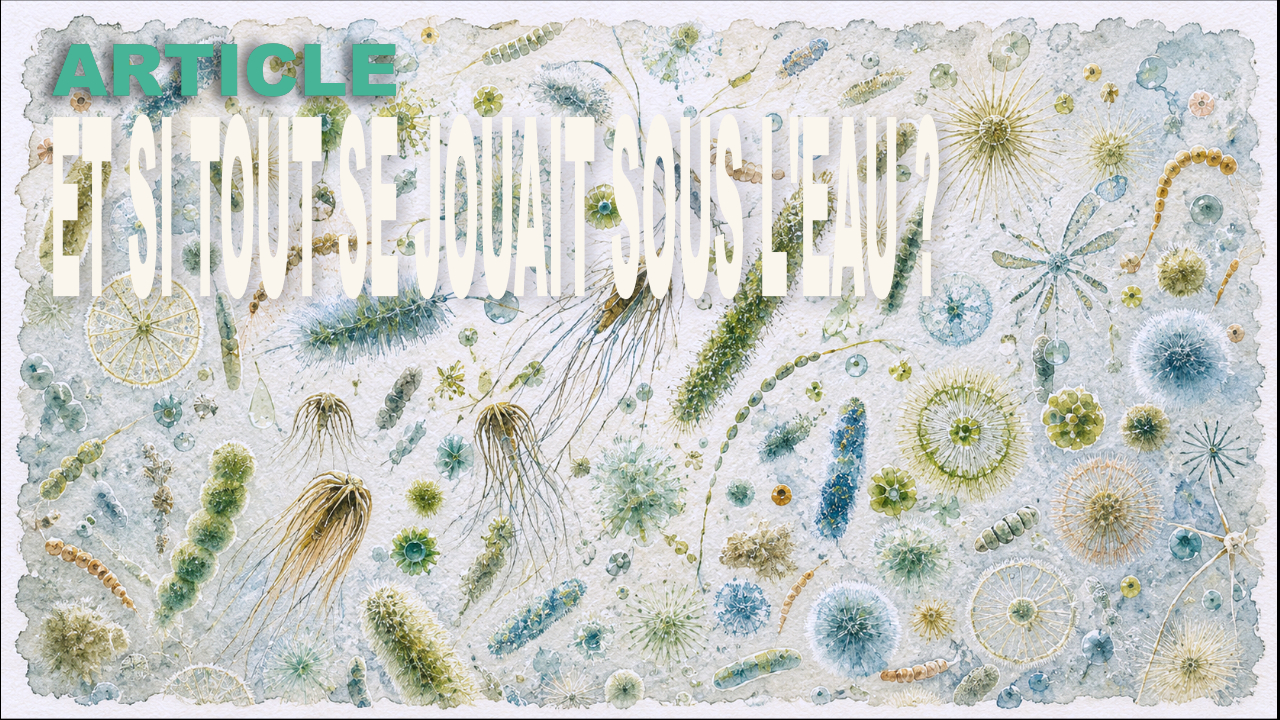
WHAT IF IT ALL HAPPENED UNDERWATER?

You are on a boat, somewhere between Port-Cros and Porquerolles. Close your eyes for a moment and imagine: beneath your feet, an entire world breathes, struggles, survives and dances. The Mediterranean waters, gentle and soothing at the surface, conceal a vast mechanism, a loop of life in which every organism, from the tiniest microbe to the largest predator, plays an essential part in this underwater symphony.

Read the article
SCHOOLS OF FISHAvailableFree access

Way of life · Behaviour

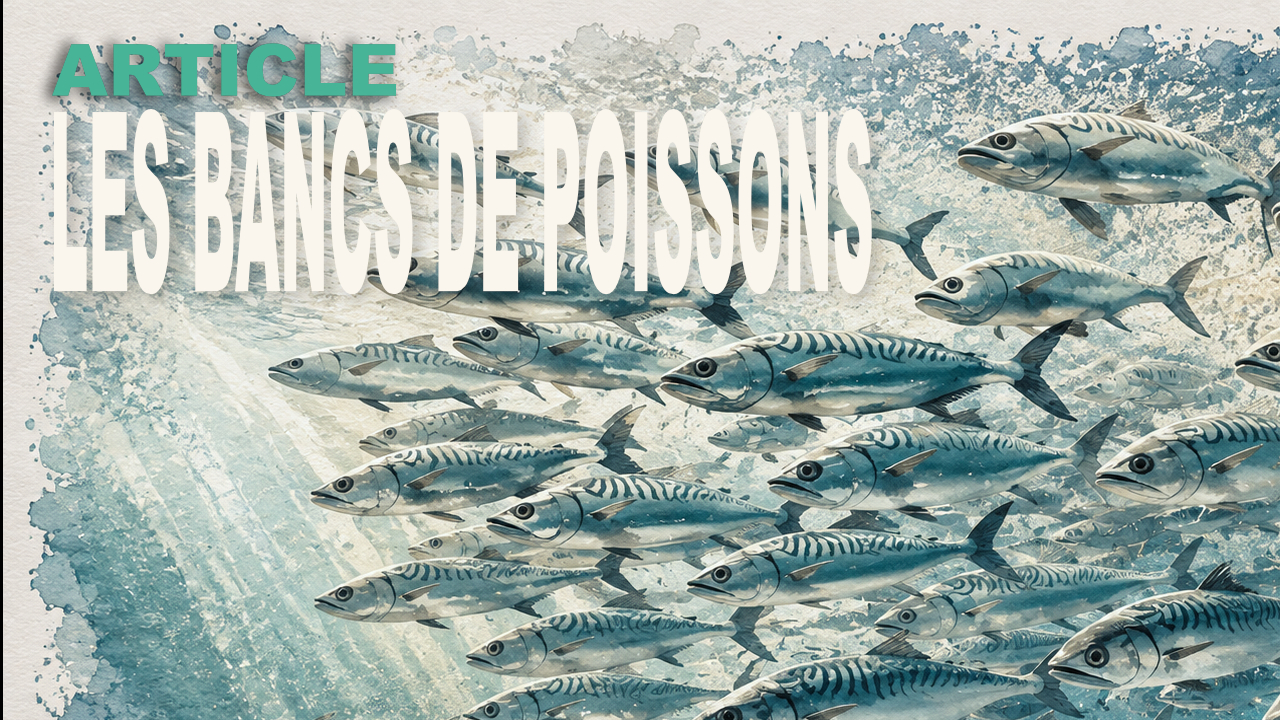
SCHOOLS OF FISH

A school of fish is a gathering of individuals of the same species swimming together in a synchronised, coordinated way, forming a dynamic and harmonious unit. This social strategy relies on constant communication between fish, using visual and sensory signals to maintain cohesion.

Read the article
THE EPIDERMIS: A SHIELD FOR SURVIVAL?Available1/3 public · licence required for the rest

Anatomy · Science

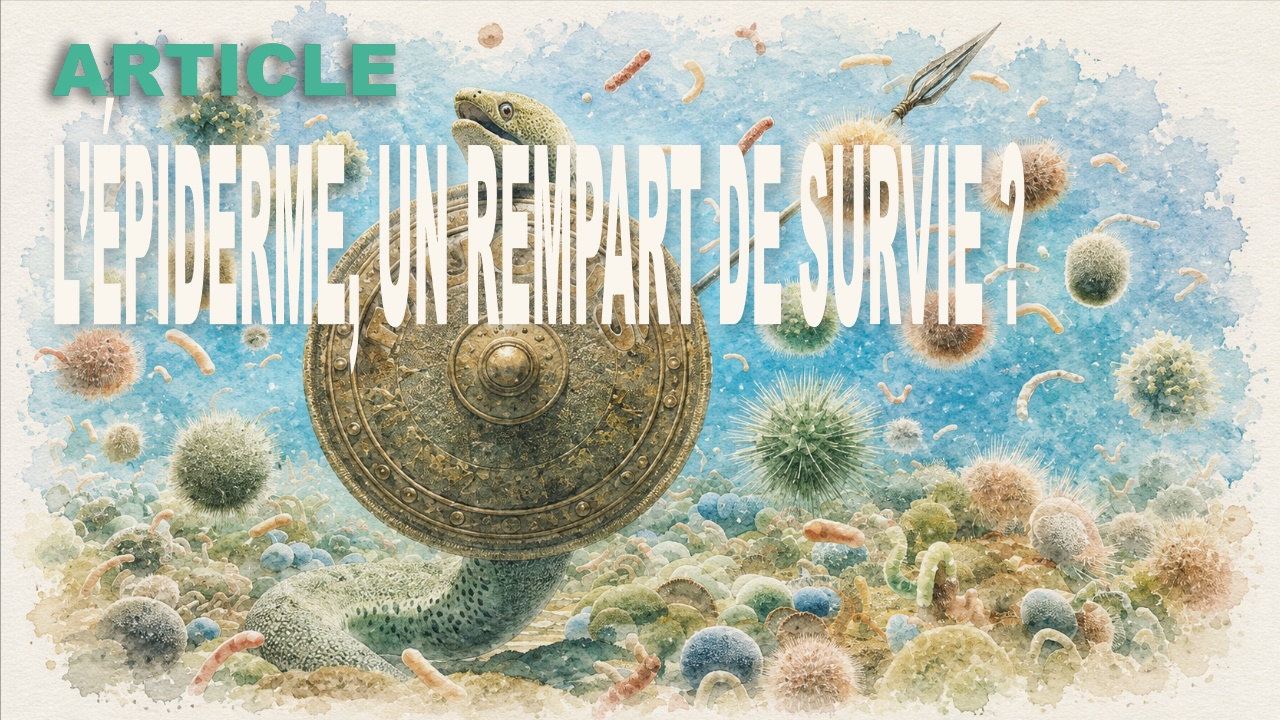
THE EPIDERMIS: A SHIELD FOR SURVIVAL?

The Mediterranean teems with astonishing fish, each with unique adaptations to its environment. Their skin, far more than a simple covering, plays an essential role in protection, communication and survival. Discover how this natural barrier reveals the complexity and beauty of Mediterranean species.

Read the article
MASTERS OF BUOYANCYAvailable1/3 public · licence required for the rest

Anatomy · Science

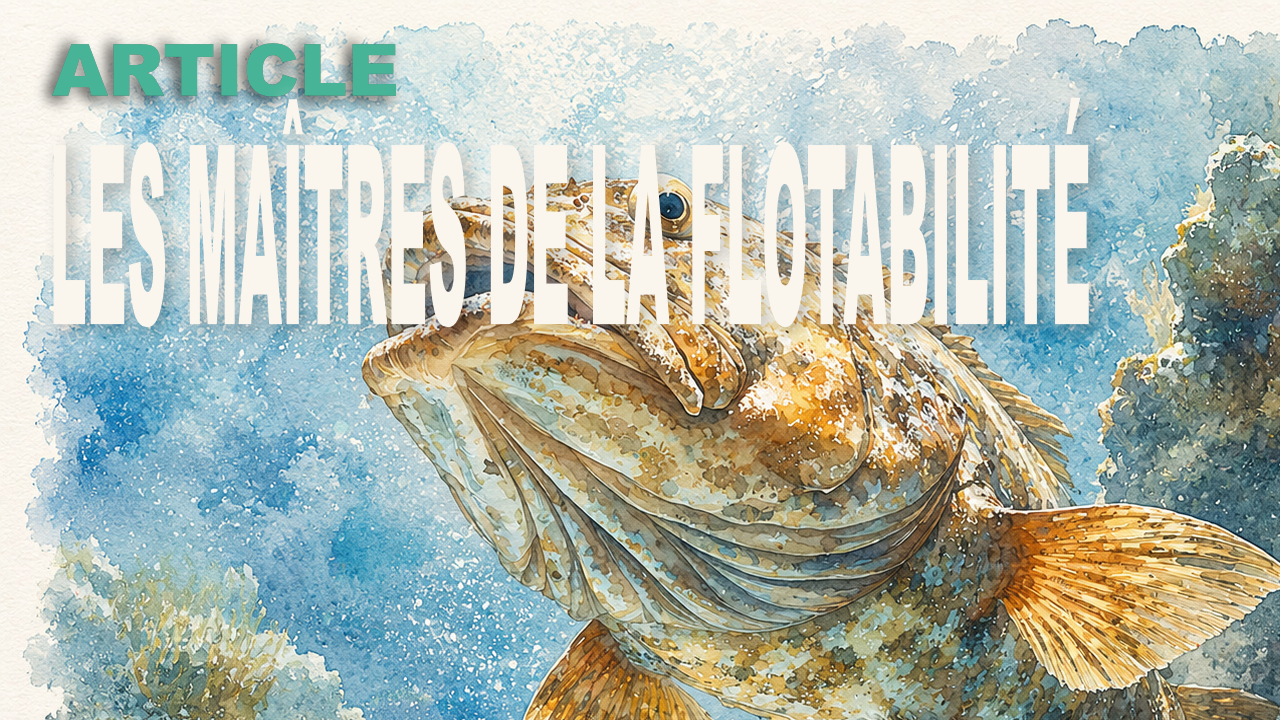
MASTERS OF BUOYANCY

In the crystal-clear waters of the Mediterranean, where marine life has adapted to a wide range of conditions, the swim bladder plays an essential role for many bony fish. Often compared to an ‘internal air pocket’, this organ allows them to control their buoyancy with great precision. But what happens to those without one? How do these fish compensate for the absence of this physiological advantage?

Read the article
The senses of fishAvailable1/3 public · licence required for the rest

Anatomy · Science

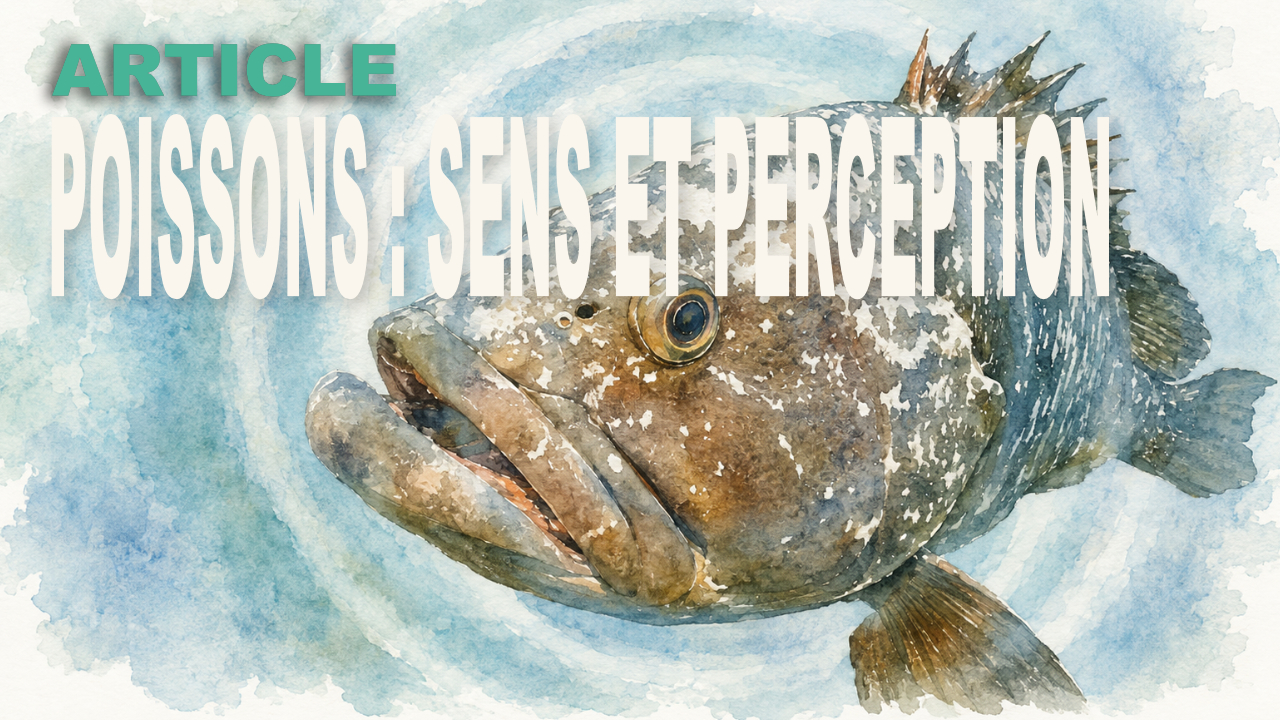
FISH: SENSES AND PERCEPTION

Like humans, fish possess a complex range of senses that allows them to navigate, feed, reproduce and avoid predators in their aquatic environment.

Read the article
How does the lateral line in fish work?Available1/3 public · licence required for the rest

Anatomy · Science

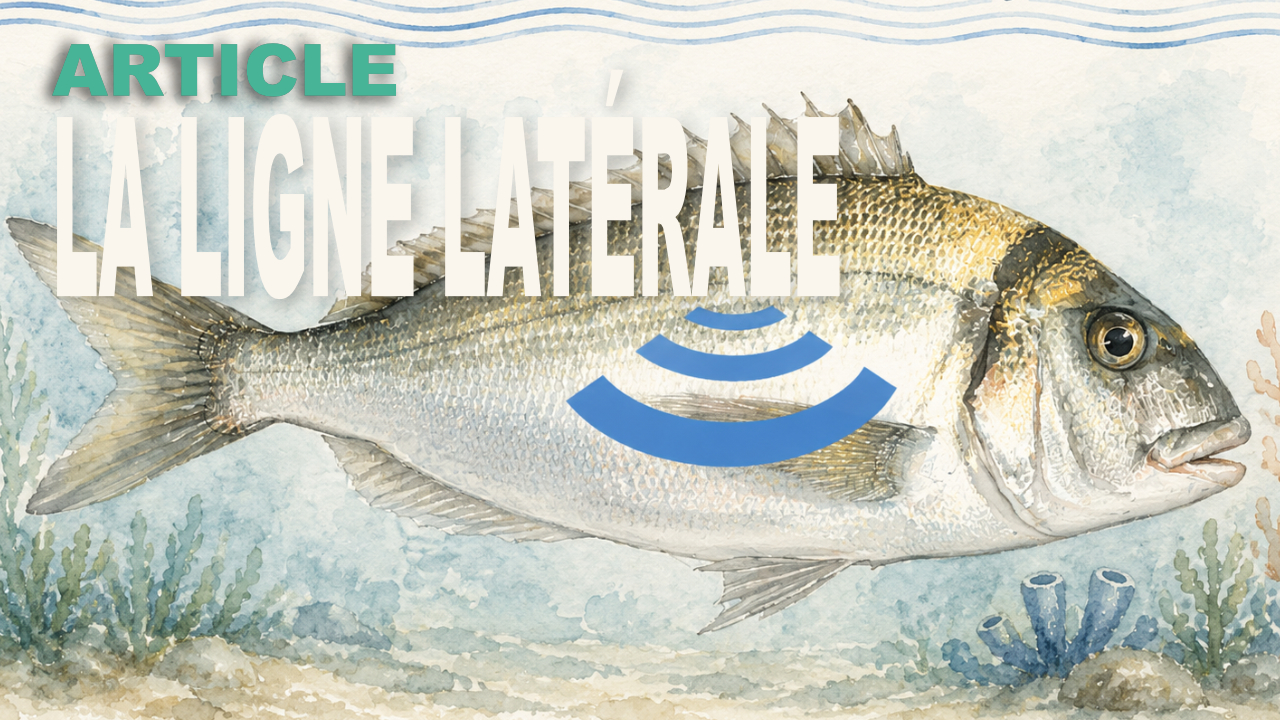
THE LATERAL LINE: THE SIXTH SENSE OF FISH!

The lateral line is a crucial sixth sense in fish, allowing them to detect movements and vibrations in the water. This sixth sense complements sight, hearing, smell, touch and taste.

Read the article
What is fish vision like?Available1/3 public · licence required for the rest

Anatomy · Science

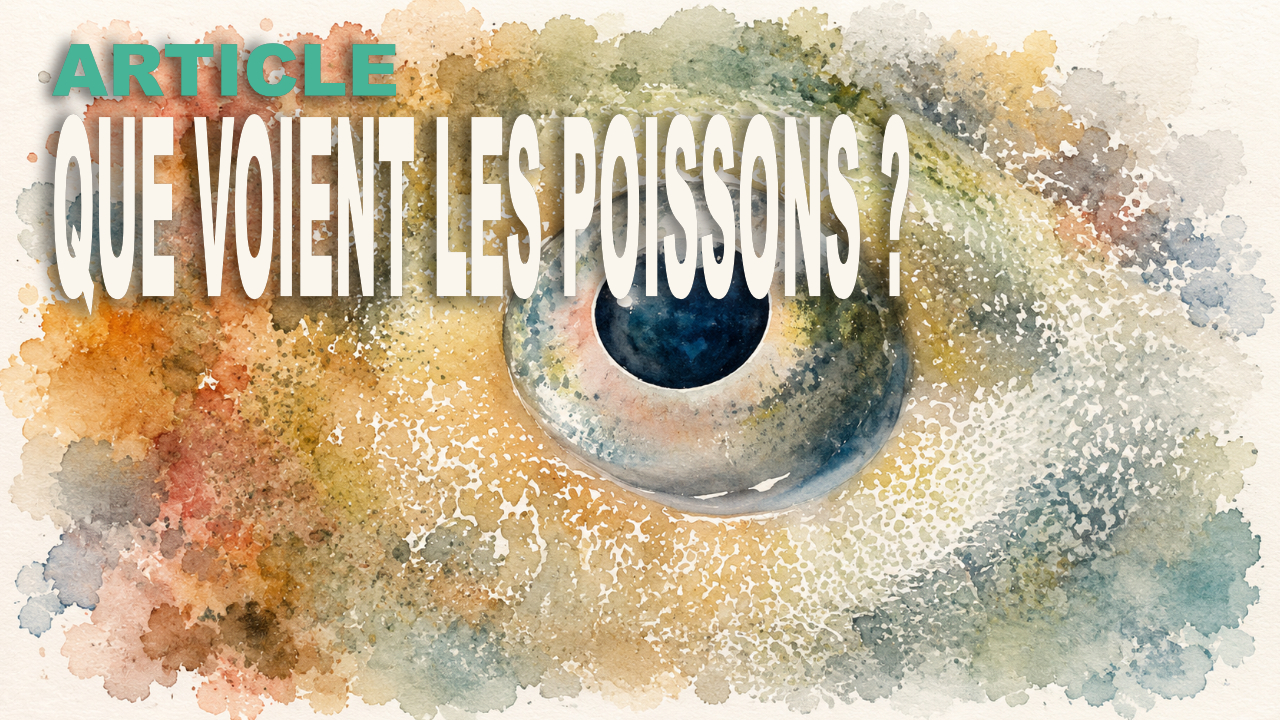
WHAT DO FISH SEE?

Fish vision is highly developed. They use it to feed, reproduce, hunt and escape predators. Yet vision alone is nothing without their other senses, such as hearing, smell, touch, taste and the lateral line.

Read the article
A naturalist diver and a marine biologist diverAvailableFree access

Miscellaneous · Technique

NATURALIST DIVER vs BIOLOGY DIVER

Scuba diving offers a unique window onto the mysterious world of the seas and oceans. Beyond the simple pleasure of immersion, however, some divers develop a more specific approach by taking an interest in marine life and ecosystems.

Read the article