What triggers a sting
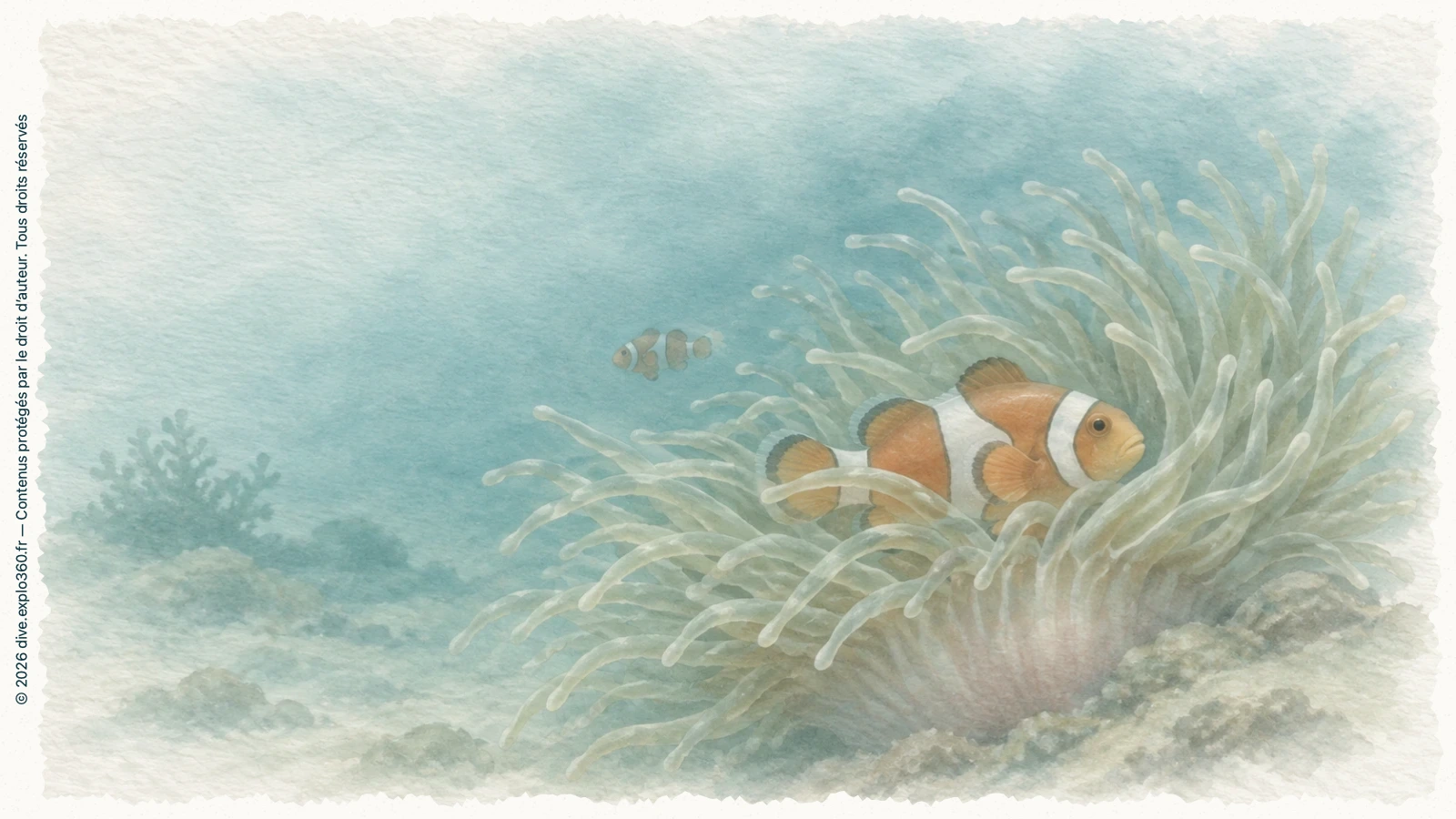
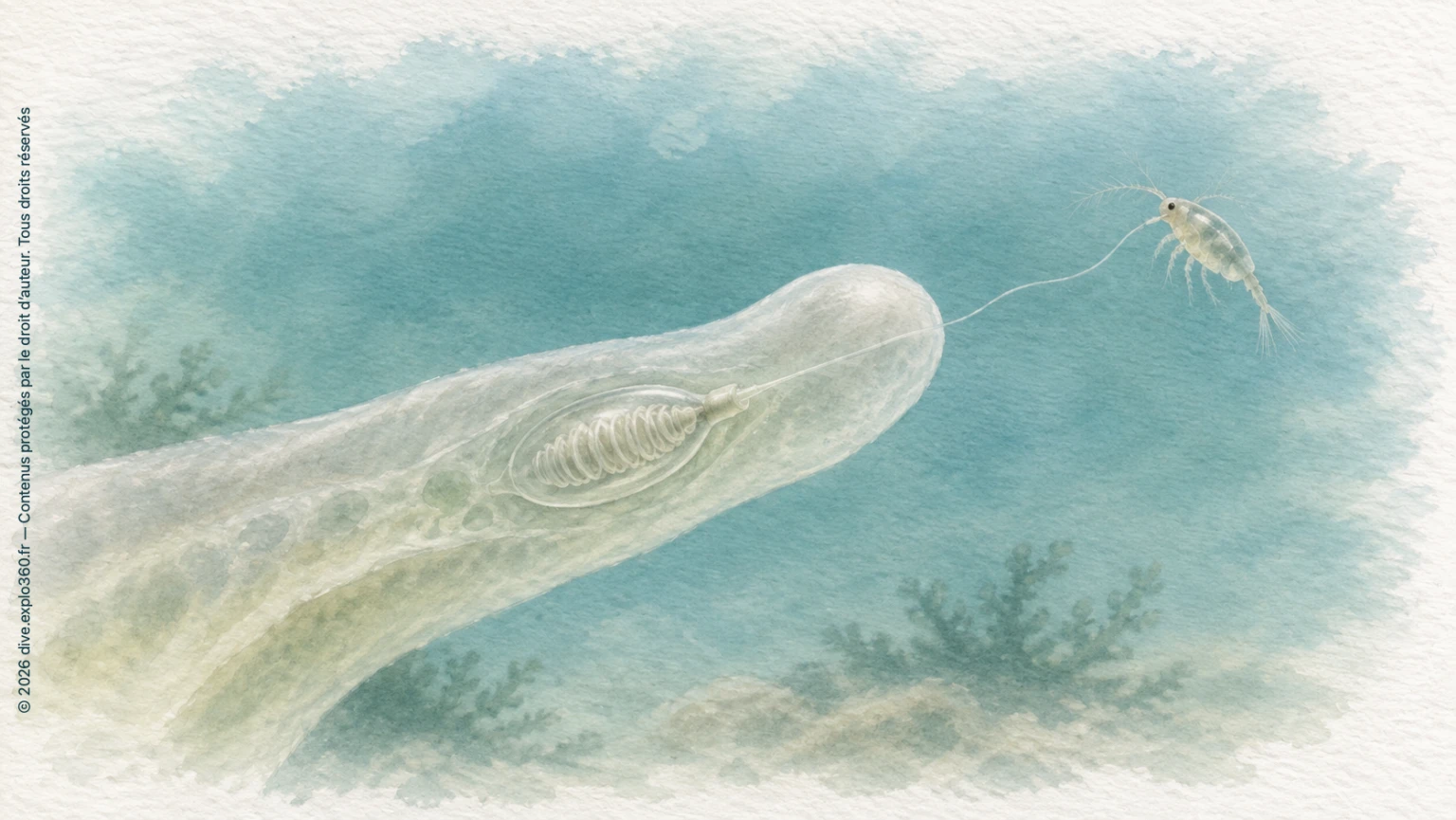
An anemone’s tentacles carry stinging cells. Each can fire a capsule called a nematocyst. Touch and chemical cues can trigger it to release a thread that helps immobilise prey.
Protection can act before the sting
Researchers found low levels of sugars called sialic acids in the skin mucus of some clownfish. These sugars can help trigger a sting, so lower levels may make the stinging cells less likely to fire.
Finding a refuge
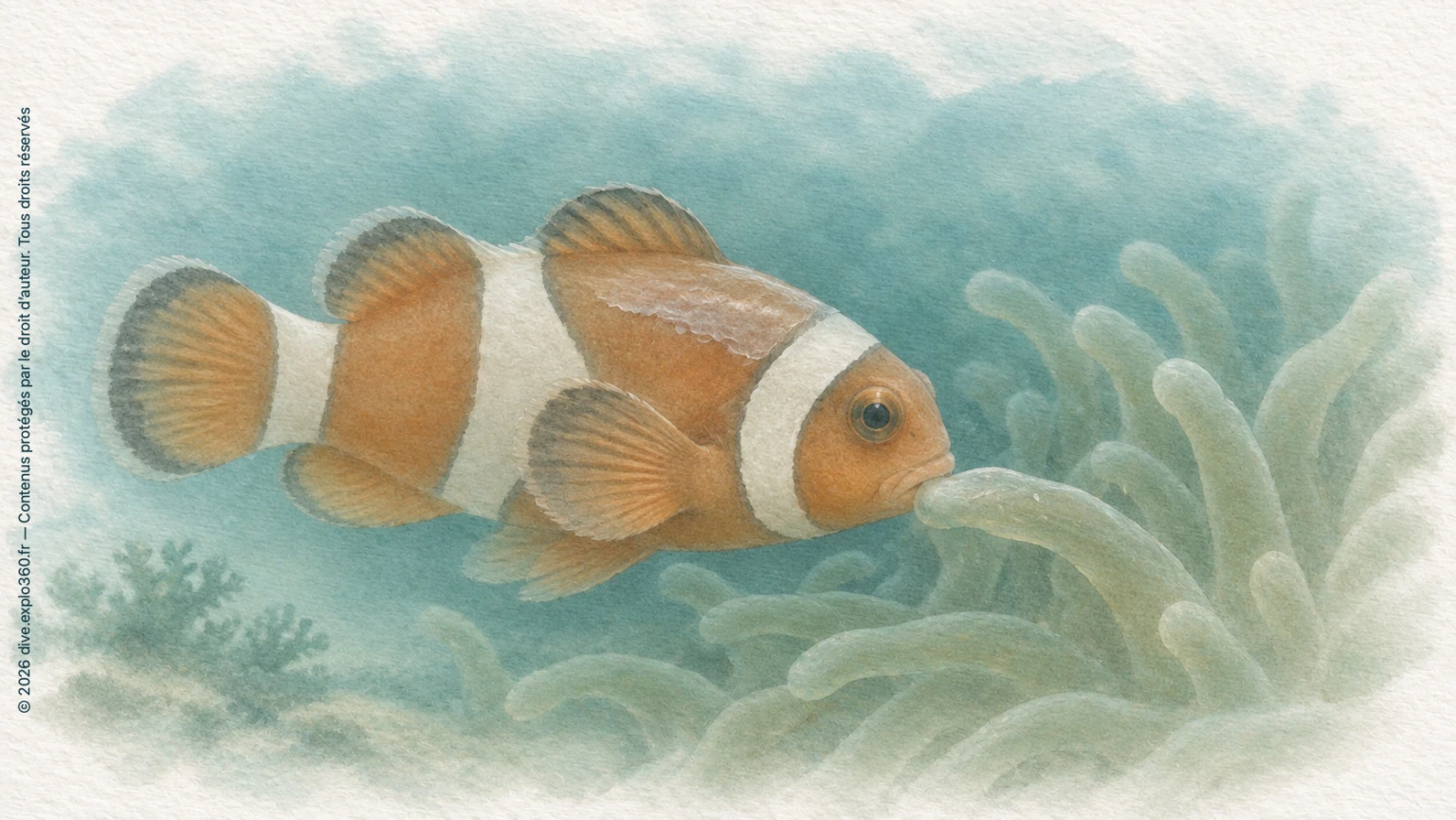
A young clownfish may begin with brief brushes against the tentacles. How long it takes to settle depends on the fish, the anemone and the fish’s previous experience.
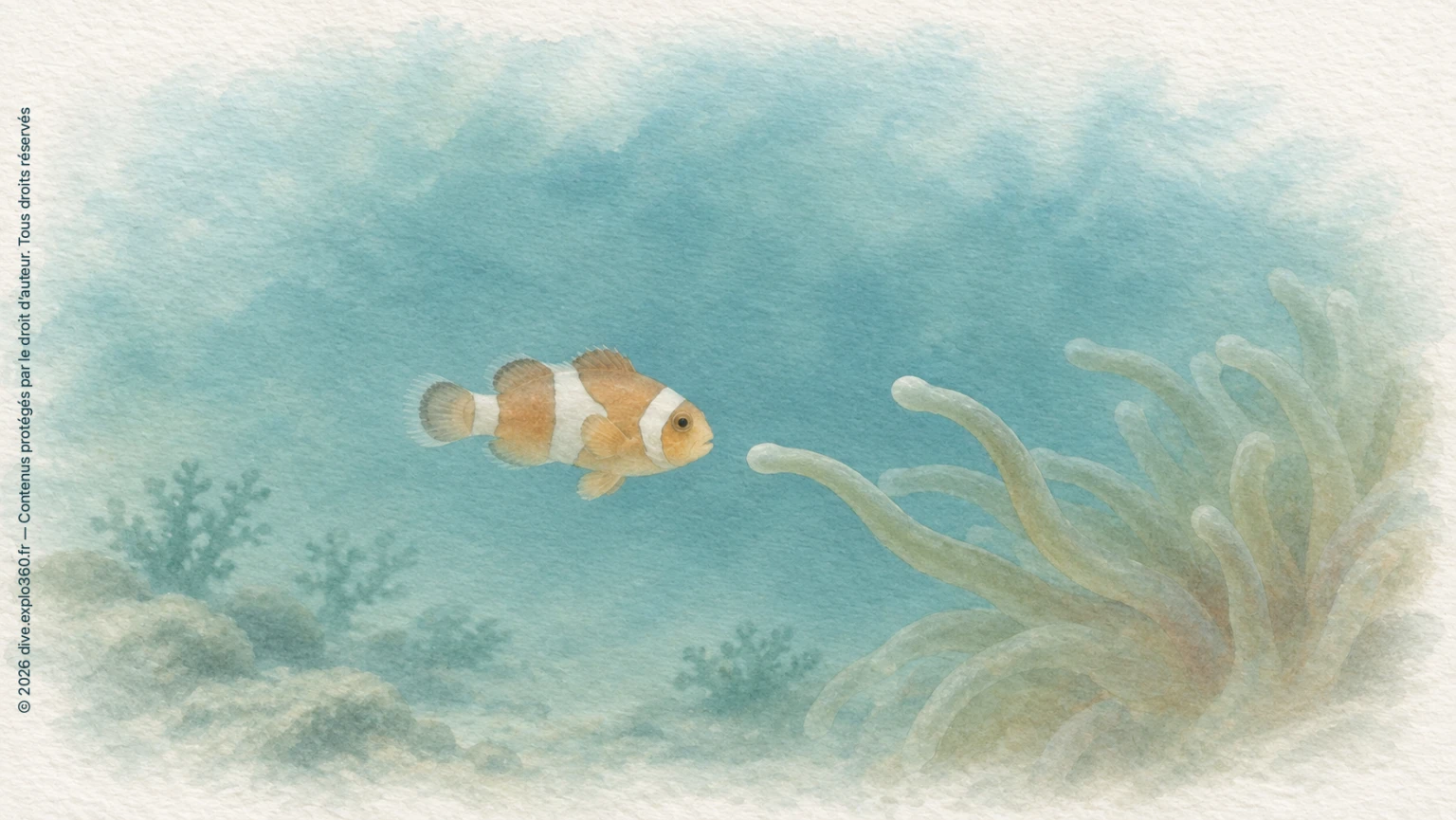
A suitable anemone
A clownfish can live with certain species of anemone. The same fish can react differently when it meets a species outside its usual set of hosts.
GO FURTHER WITH AMIGANSEAU
Continue reading
Discover full species guides, in-depth content and interactive tools available with your licence.
Dive.Explo360 is an independent, self-funded nonprofit. Every licence helps us create new content, improve our teaching tools and keep some of our resources free and ad-free.
Choose a licence that suits your needs for personal, educational or professional use.
Open-access resources remain available without a subscription.