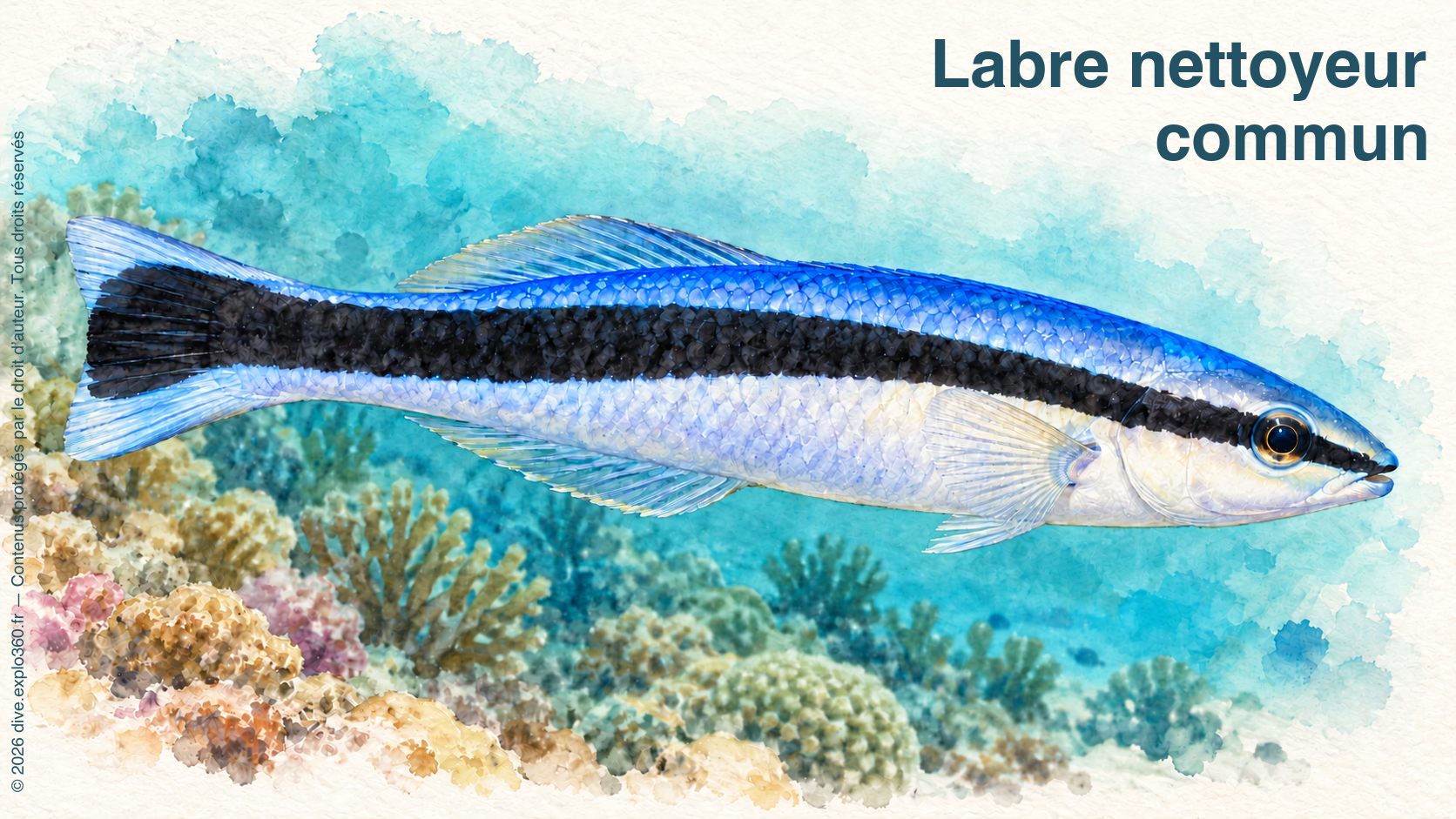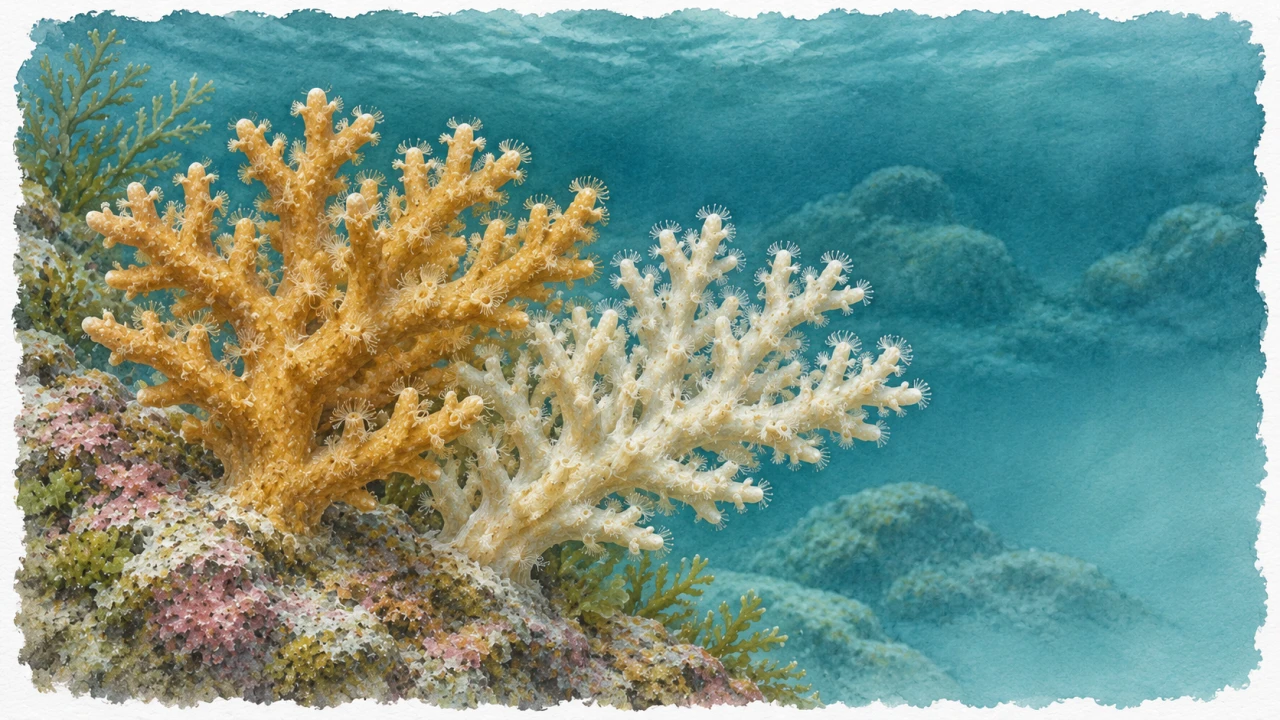
Sunlight does not stop at the surface
Some sunlight reflects off the surface, and some enters the water, where it weakens with depth. How far it travels depends partly on its wavelength. Two bands matter here. UVA spans 315 to 400 nanometres and UVB spans 280 to 315 nanometres. UVB is particularly effective at causing certain types of DNA damage. UVA can also cause damage, including through oxidative reactions.
Water absorbs and scatters UV. Dissolved substances and suspended particles affect how far it travels. Dissolved organic matter can screen out UV close to the surface. Some wavelengths travel much farther through clear tropical water. The first metres of the exposed reefs are therefore a particularly bright environment. A fish crossing a reef flat at noon can receive a higher dose than one tucked into a crevice a short distance away.
The depth, time, season and behaviour change this exposure. Fish that spend much of their time near the surface face repeated exposure.
A shield of pigments beneath the scales
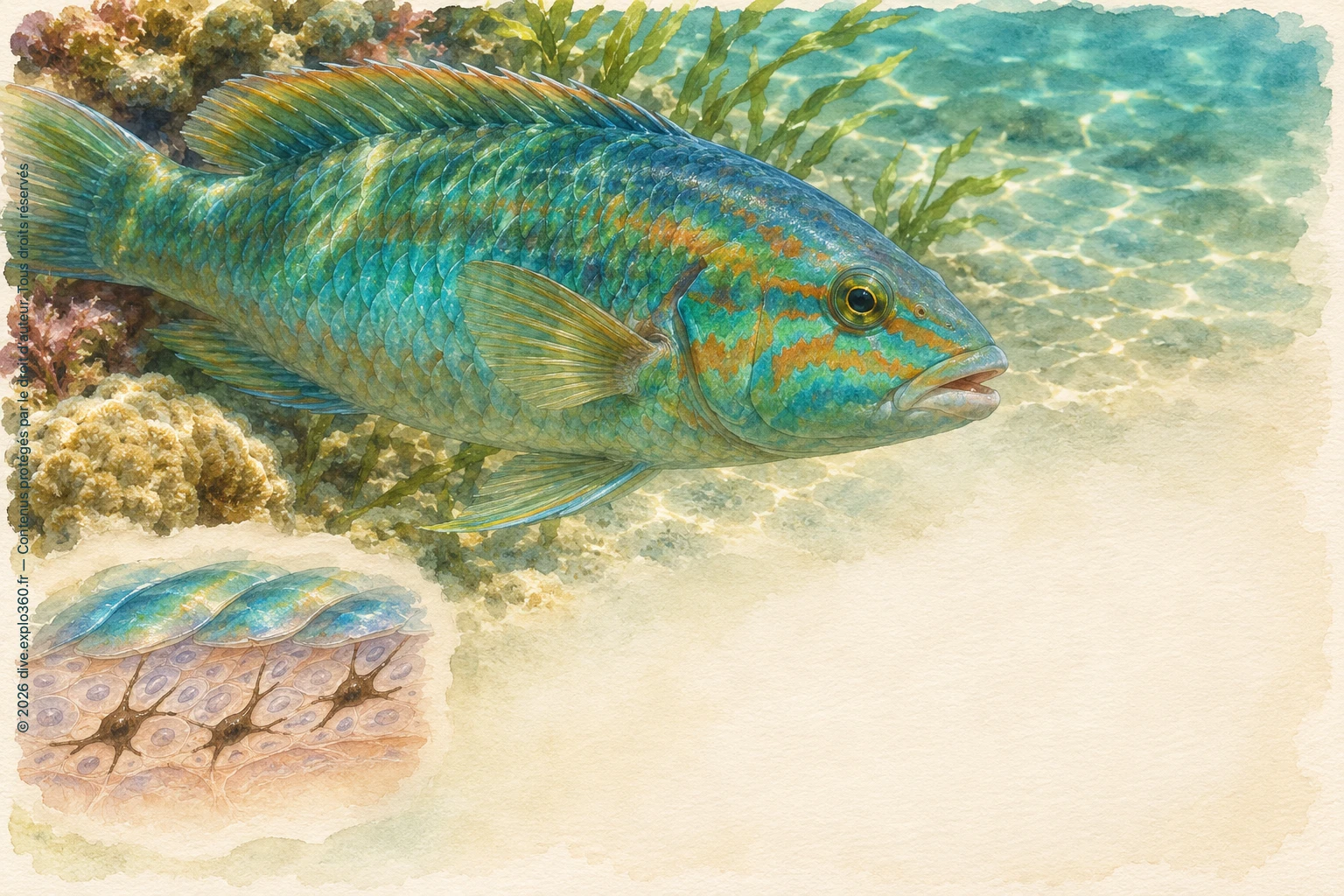
Some of the same pigments that give a fish its colour also absorb light its neighbours cannot see. Their skin contains several types of pigment cells called chromatophores. Some contain melanin, a pigment capable of absorbing part of the ultraviolet radiation. Melanin absorbs some ultraviolet radiation before it reaches sensitive structures within cells. Melanin helps protect the skin alongside other mechanisms.
The shade of a fish’s skin gives only a rough idea of what it contains. Species differ in how much pigment they have, where it occurs in their tissues and which other protective substances they carry. Visible colour alone cannot tell us how well a fish resists UV damage.
Other pigments, including certain carotenoids, are involved in colouring and can help protect against oxidative stress, but how much protection they provide against light damage depends on where they occur, their concentration and the fish species. Scales and the outer layers of tissue add another barrier. They can absorb or block some radiation before it reaches deeper cells, without providing complete protection.
The protection a fish gets depends on how these layers and compounds work together. In some reef fish, much of the UV filtering happens in a thin film over the skin.
The sunscreen fish carry on their skin
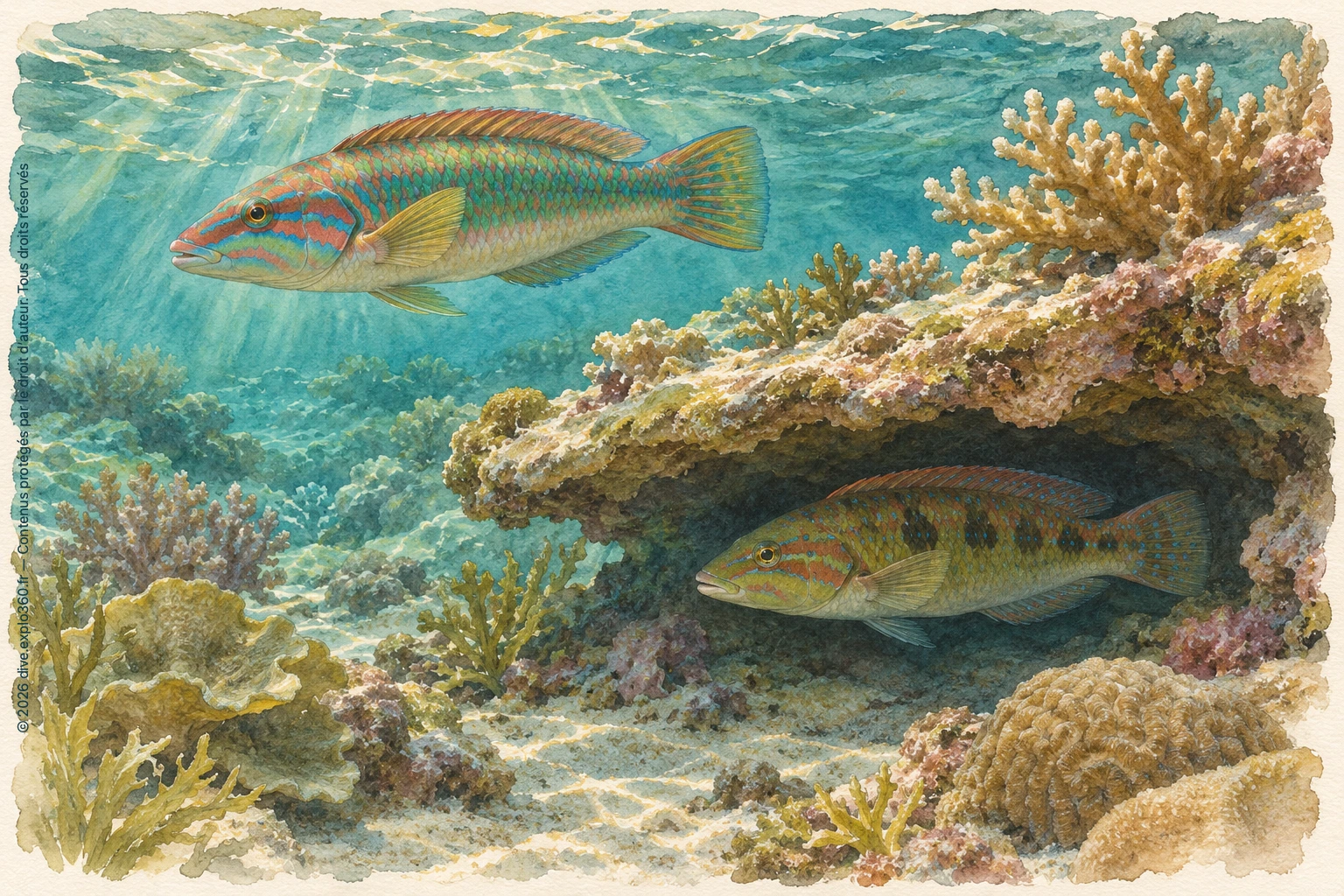
The wrasse’s flank glints as it turns above the reef. A thin film of mucus covers its skin. The film is where the fish’s tissues meet the surrounding water. It helps protect the body surface, plays a role in interactions with microorganisms and helps maintain tissue integrity. In several reef fish, it also contains molecules capable of absorbing ultraviolet radiation.
These include mycosporine-like amino acids, often abbreviated as MAAs. These compounds absorb particular UV wavelengths before they reach the tissues underneath. These molecules act as a natural sunscreen. The composition of the mucus and how well it filters UV vary by species. MAAs are widespread in various marine organisms, including algae, cyanobacteria and invertebrates.
Fish can accumulate these molecules from their diet. A compound in the fish’s mucus may have reached it through several meals, starting with a much smaller organism. The mucus thus becomes a chemical barrier against solar radiation, fed in part by molecules acquired in the environment. How much UV this layer absorbs varies widely between species.
That variation can show up as differences in DNA damage in the skin.
Two fish under the same light
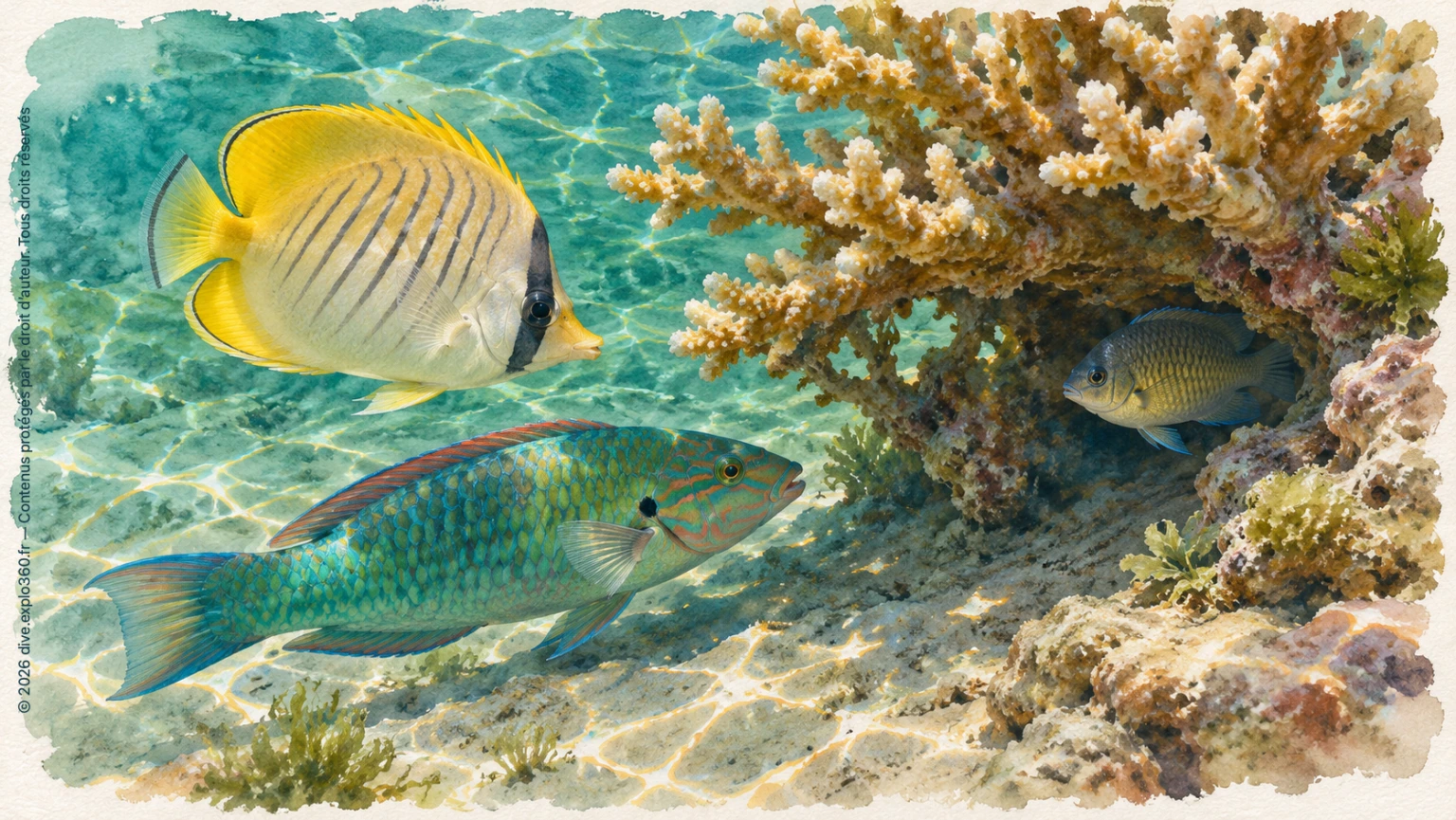
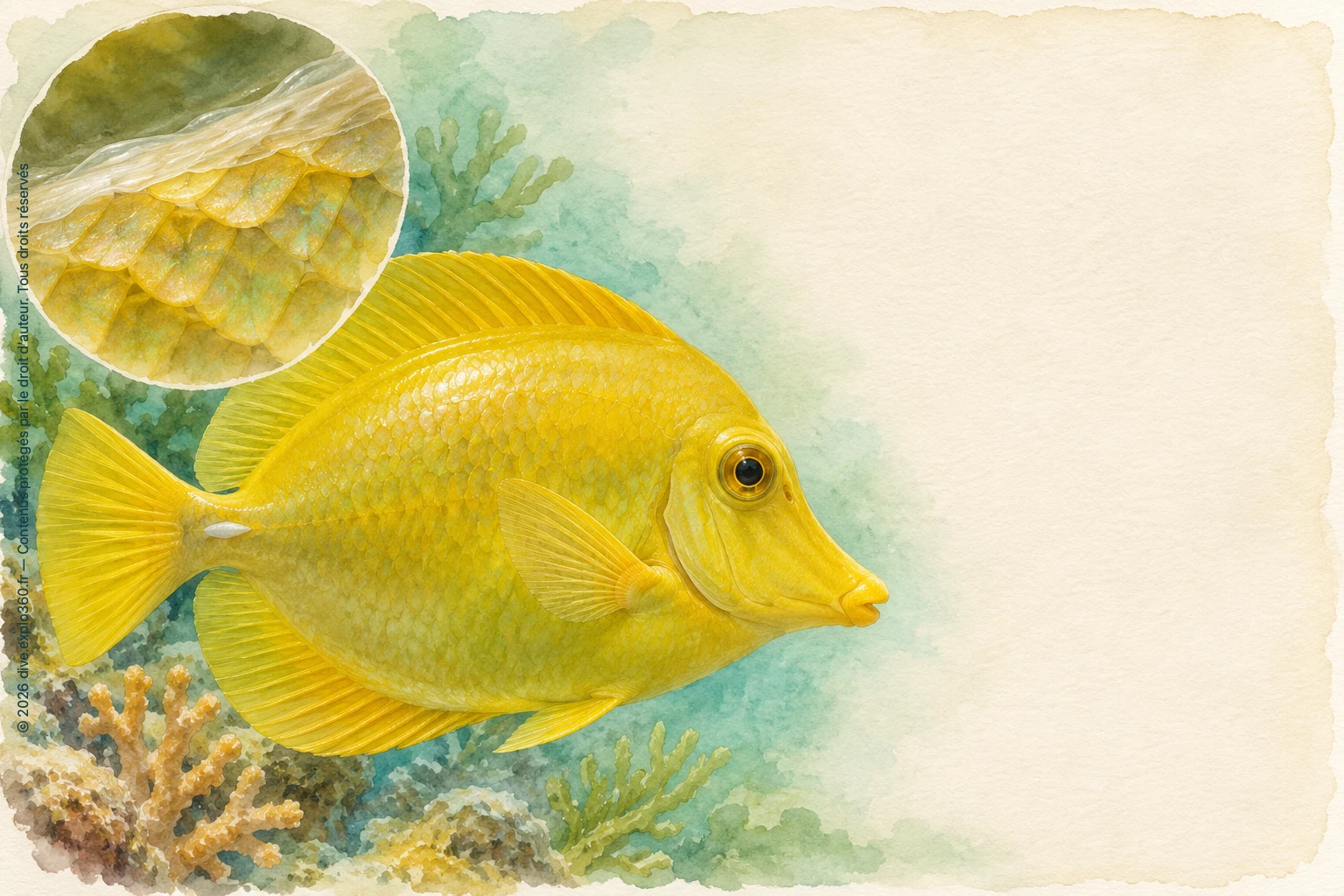
The moon wrasse (Thalassoma lunare) and the Ambon damselfish (Pomacentrus amboinensis) both live on Indo-Pacific reefs. Yet their mucus does not have the same optical properties. In the moon wrasse, the mucus absorbs substantial amounts of ultraviolet radiation. In Pomacentrus amboinensis, its absorption may be much lower. The difference shows that the two species’ mucus behaves differently. The damselfish can still have some protection.
In experiments involving an hour of intense UV exposure, fish with more UV-absorbent mucus developed fewer DNA lesions in their skin. The researchers measured pyrimidine dimers, lesions that form when UV links neighbouring bases in DNA. The relationship was clear: the more the mucus absorbed the radiation, the less damage researchers measured. The protection of the moon wrasse remained relatively high under the conditions studied.
In the Ambon damselfish, the mucus could become more absorbent soon after exposure. This fish has the ability to modify the protective properties of its body surface. The same wavelengths that can damage the skin carry information about the fish itself.
Explore the same world