The sun feeds the invisible: a flow begins
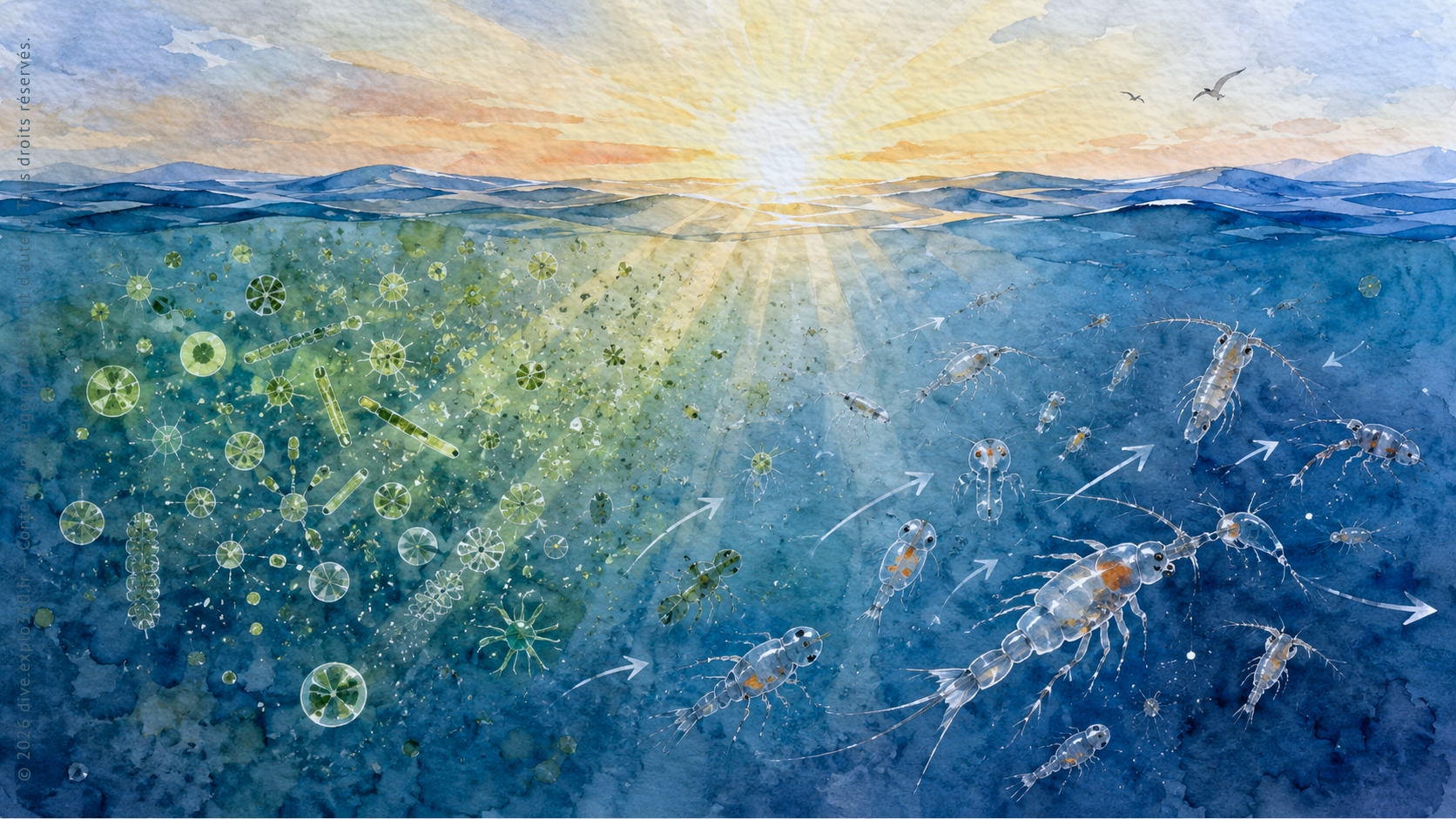
In sunlit waters, photosynthetic phytoplankton use light energy to make organic matter from carbon dioxide and water, with mineral nutrients supporting growth. Some also feed on other organisms.
Zooplankton, including small crustaceans, consume part of that production. Other material enters the pool of organic debris or is broken down by microbes.
A change of scale: from zooplankton to sardines
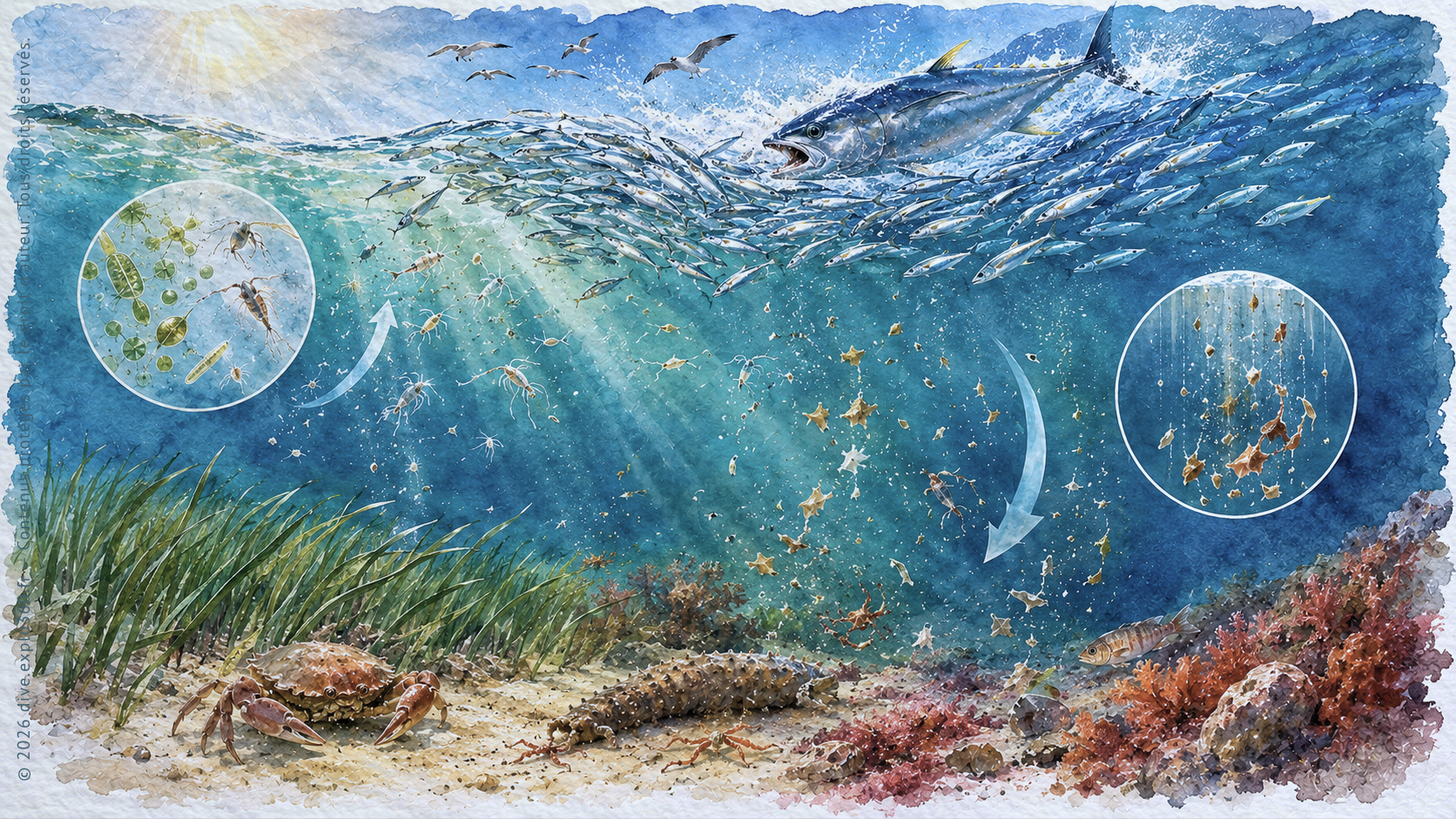
The European pilchard (Sardina pilchardus) transfers material from plankton to the predators that eat it. The plankton it consumes can change as it grows or as food availability shifts. The diagram traces one of several possible routes.
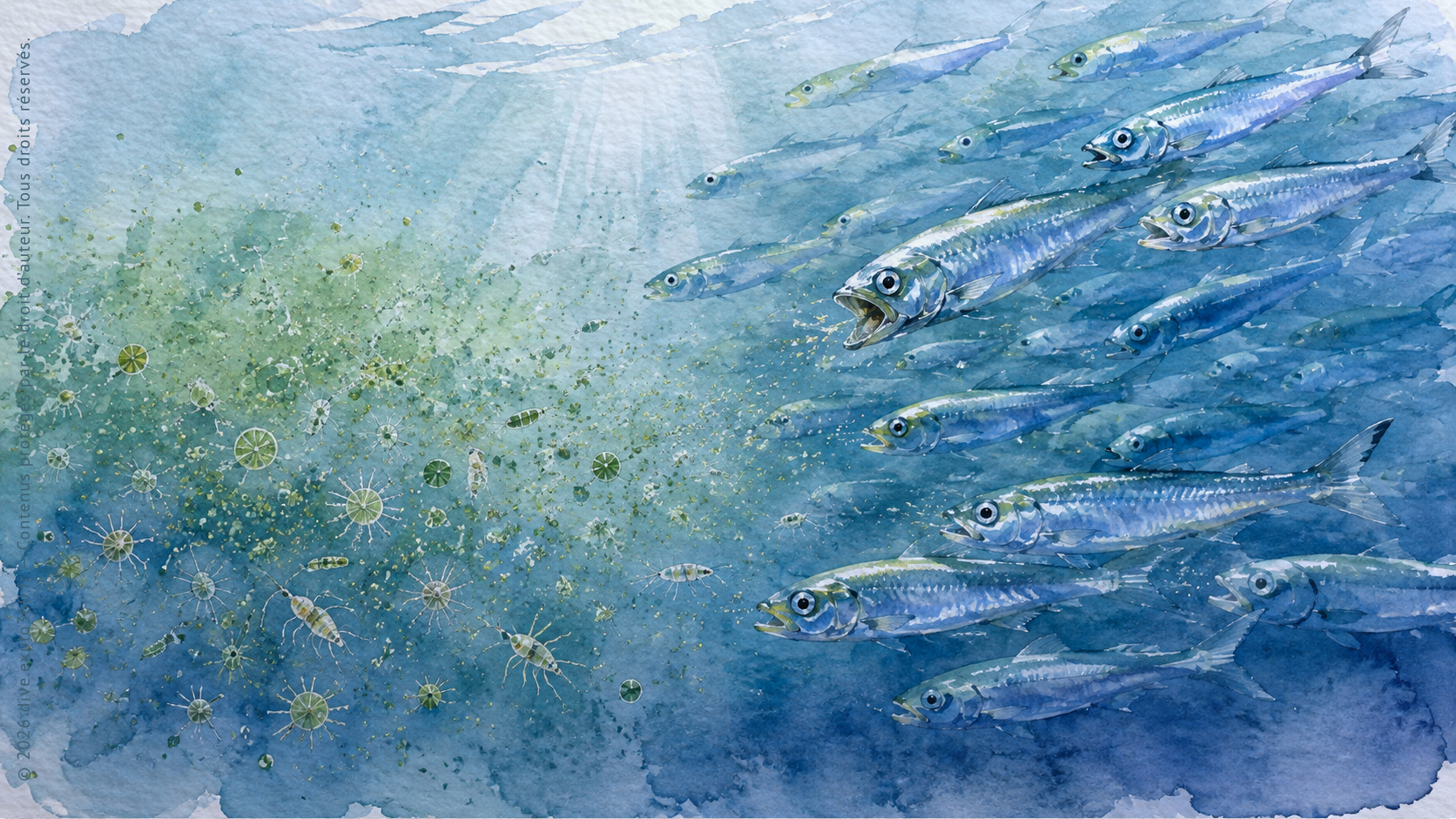
From sardines to tuna
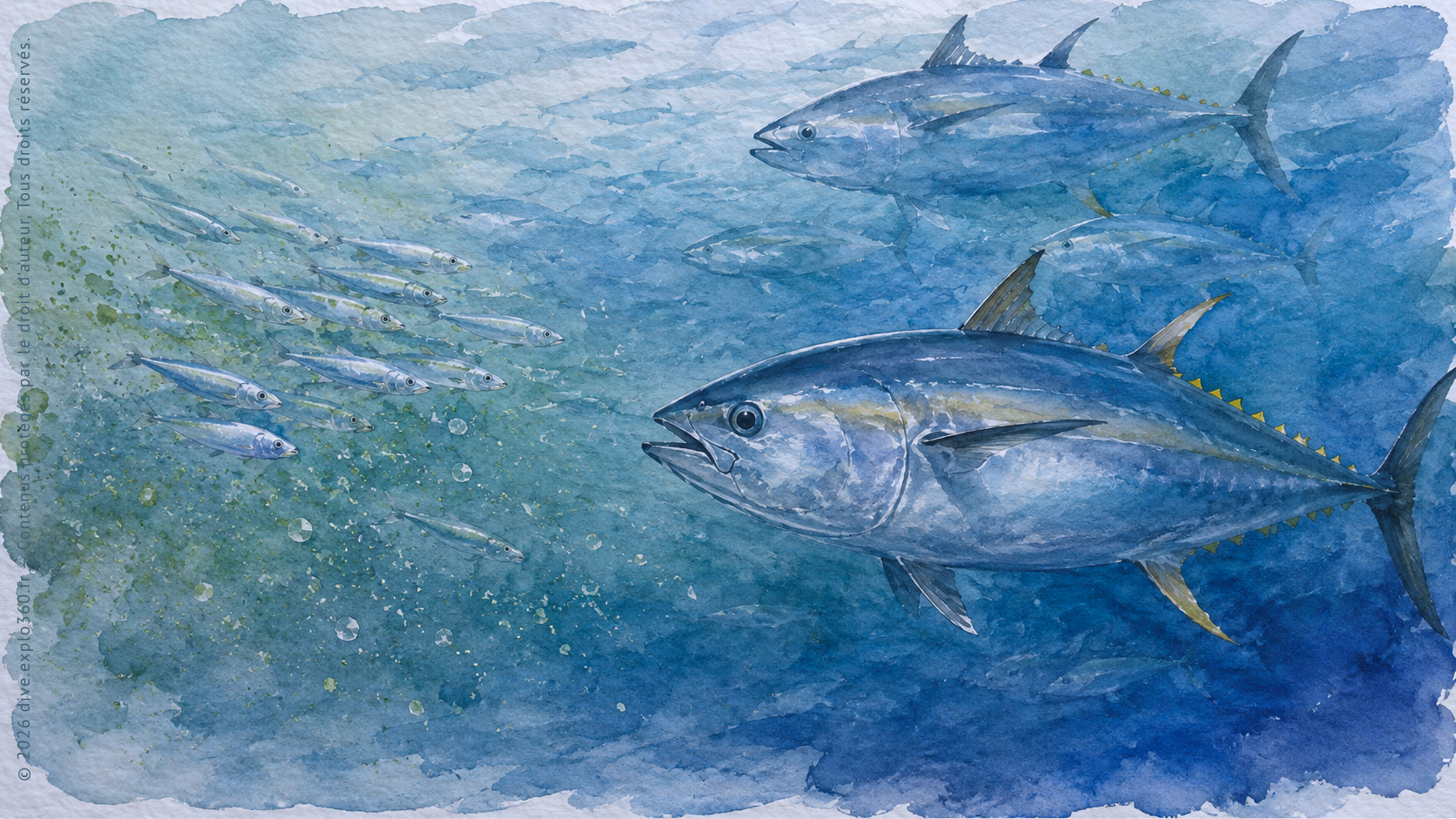
The Atlantic bluefin tuna (Thunnus thynnus) can eat pilchards and other prey, receiving some of the matter and energy they contain. At each transfer, part of the energy is used in living processes and eventually dissipates as heat. It is not all passed to the next predator.
GO FURTHER WITH AMIGANSEAU
Continue reading
Discover full species guides, in-depth content and interactive tools available with your licence.
Dive.Explo360 is an independent, self-funded nonprofit. Every licence helps us create new content, improve our teaching tools and keep some of our resources free and ad-free.
Choose a licence that suits your needs for personal, educational or professional use.
Open-access resources remain available without a subscription.
Explore the same world
Explore further
Habitats
Species guides
 Species guidesEuropean AnchovyDiscover →
 Species guidesSea cucumberDiscover →
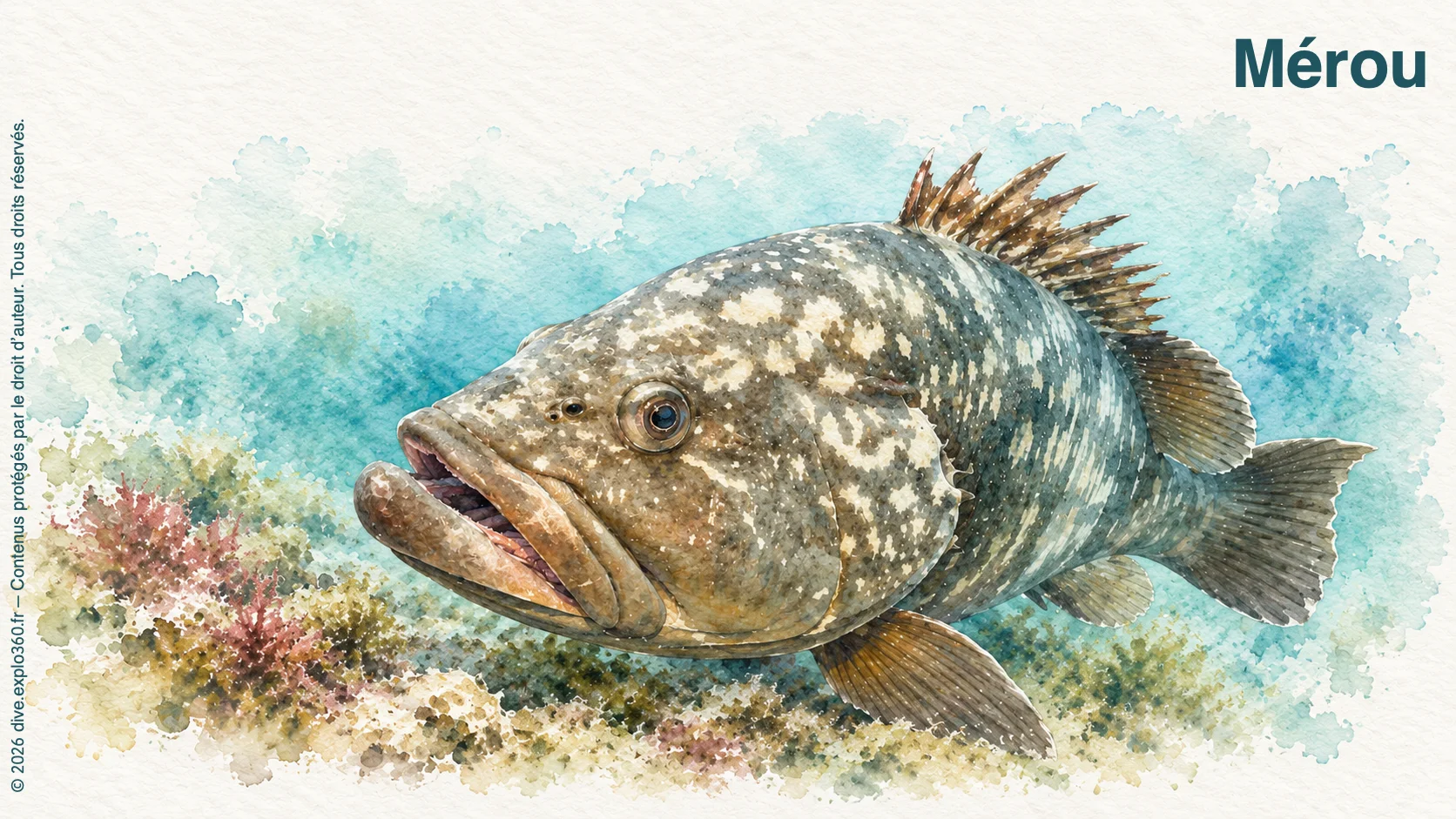 Species guidesDusky grouperDiscover →
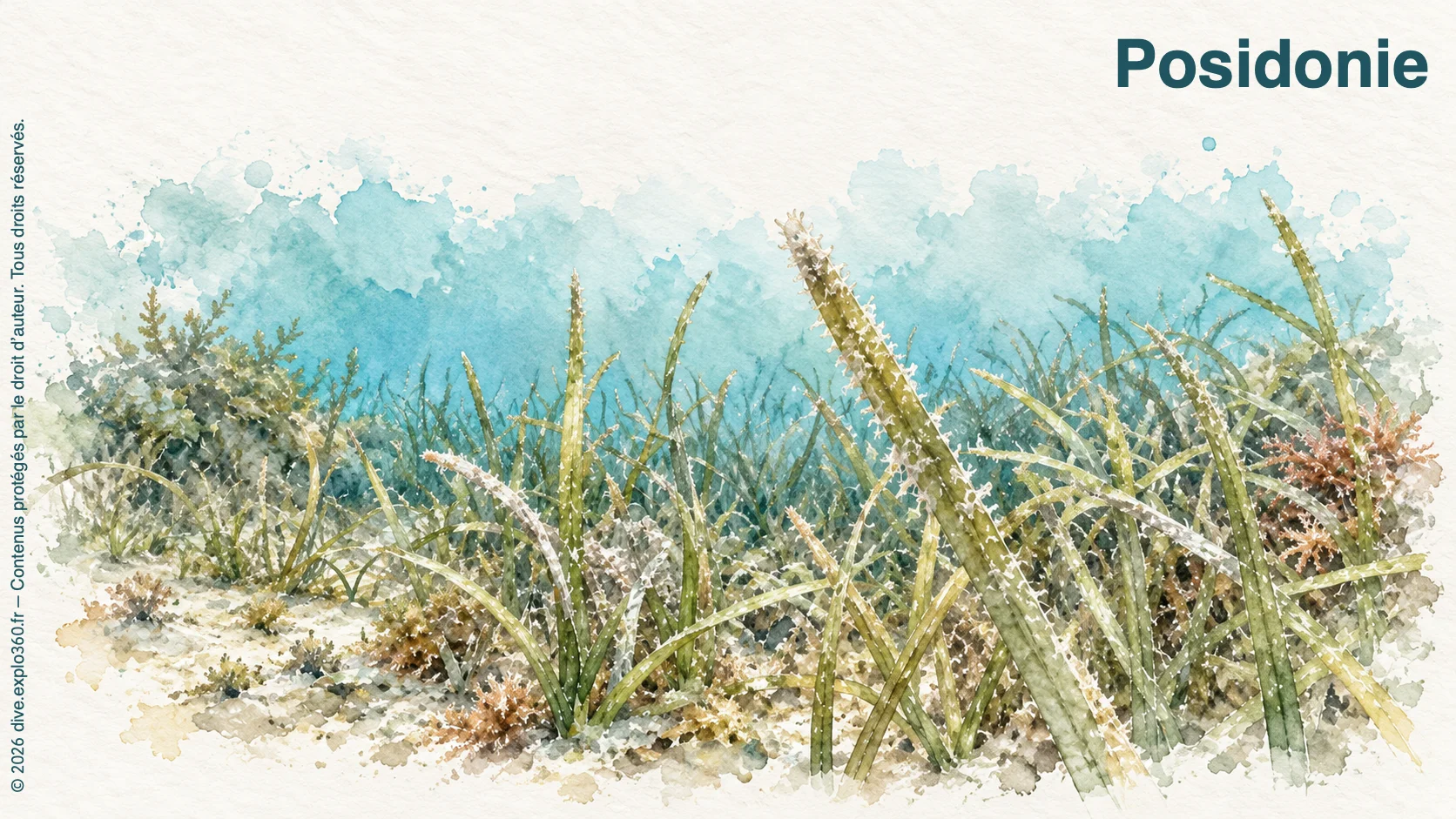 Species guidesNeptune grassDiscover →
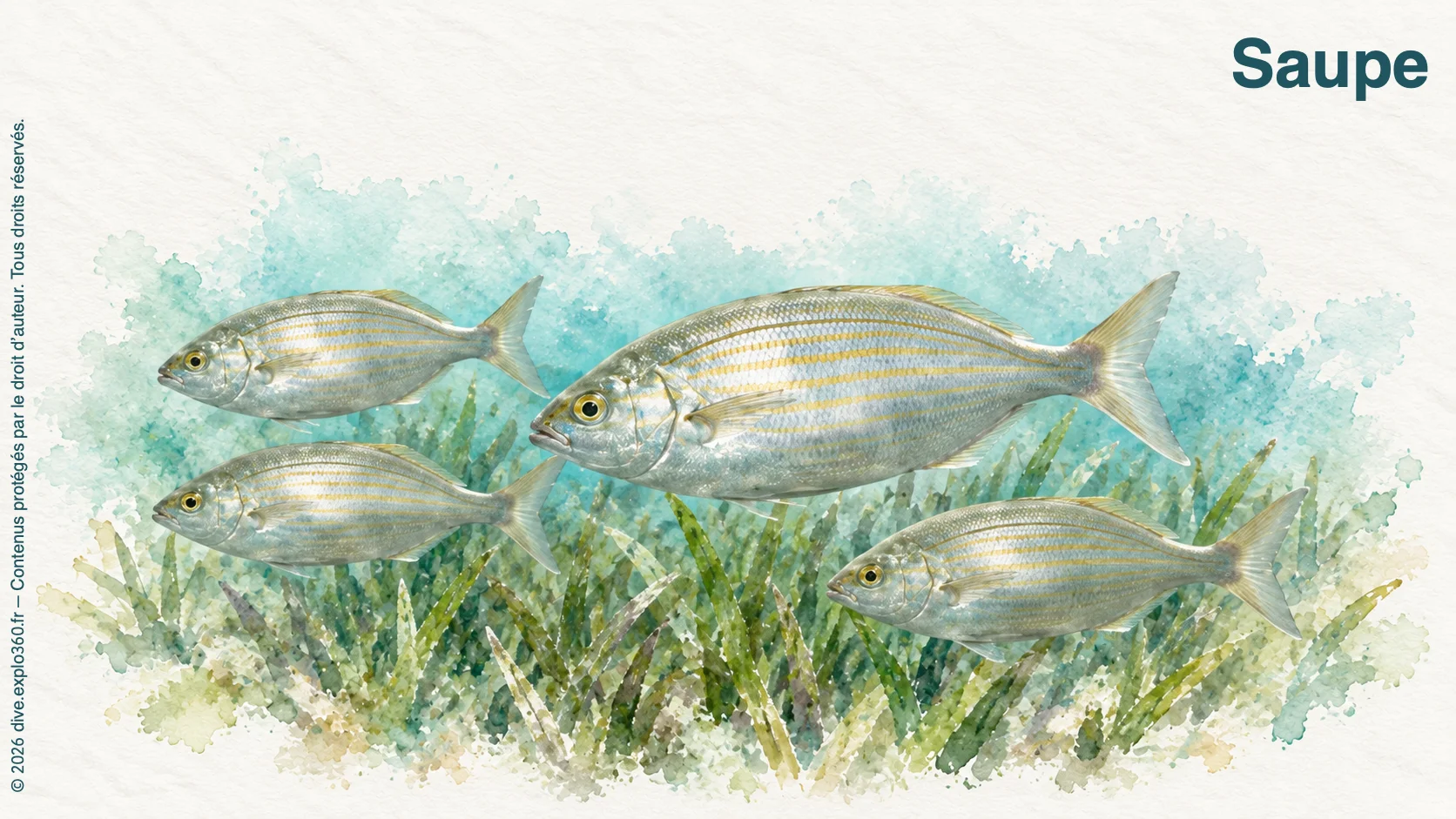 Species guidesSalema porgyDiscover →
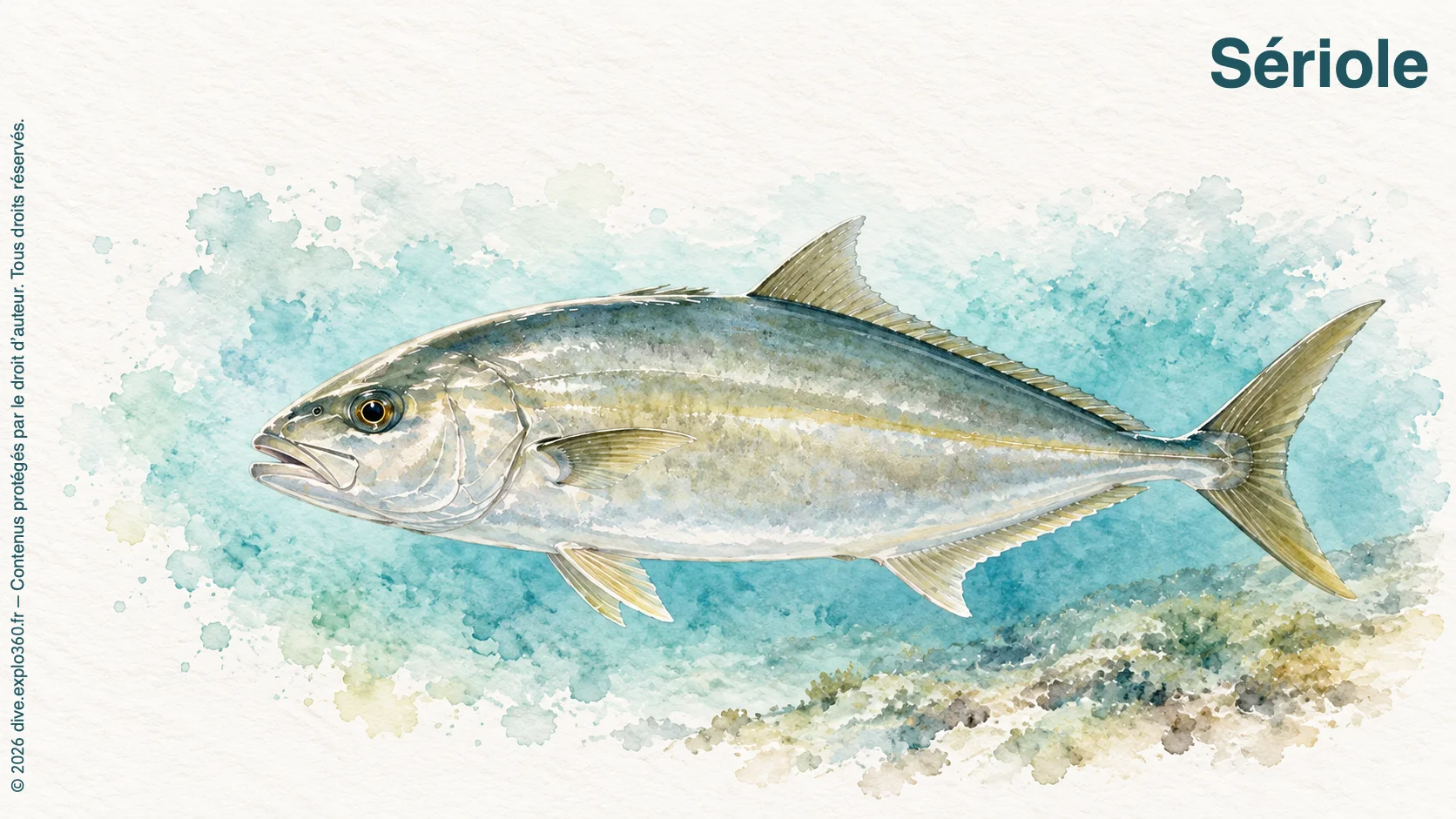 Species guidesGreater amberjackDiscover →
View the other 33 species guides
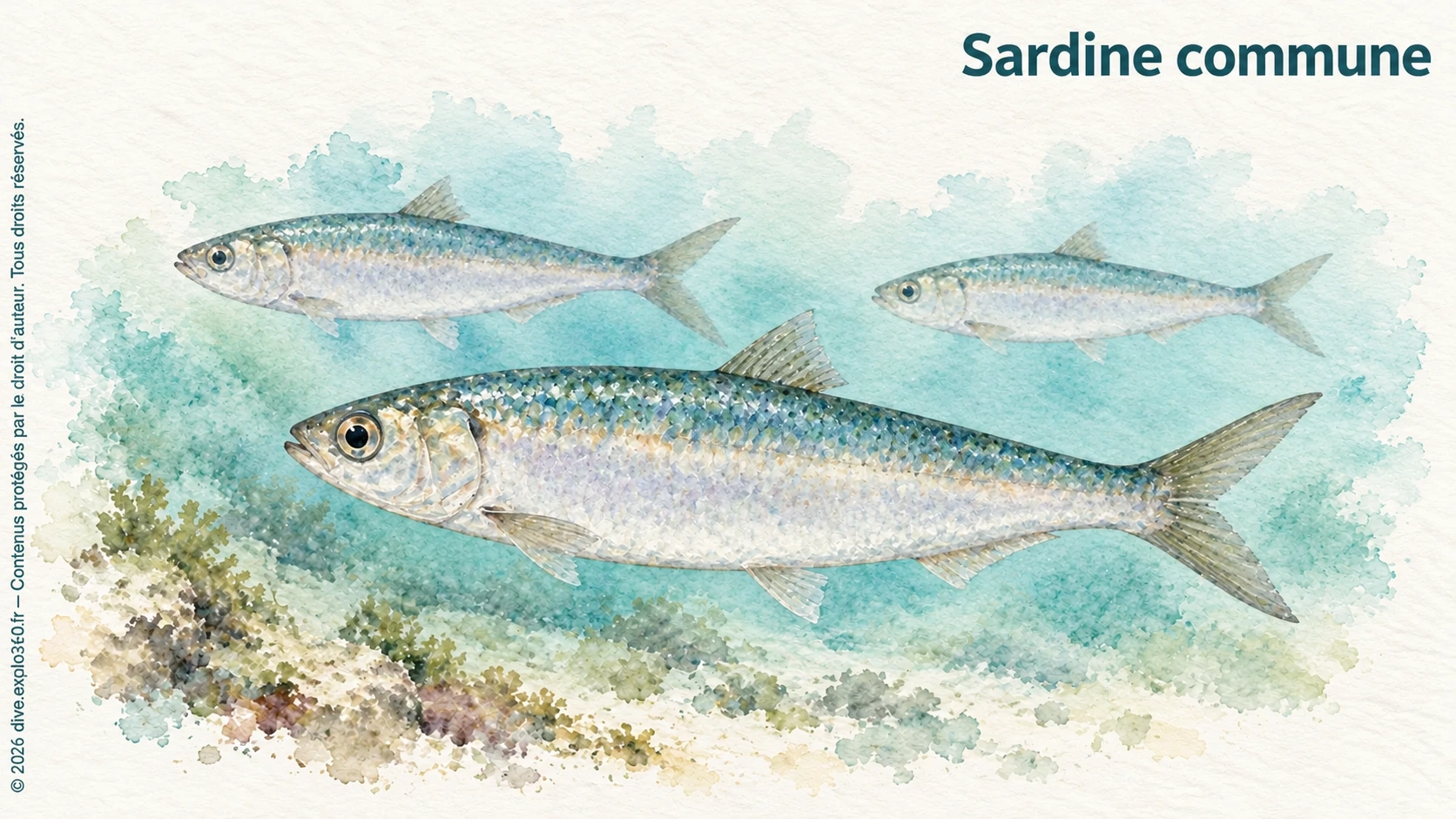 Species guidesEuropean sardineDiscover →
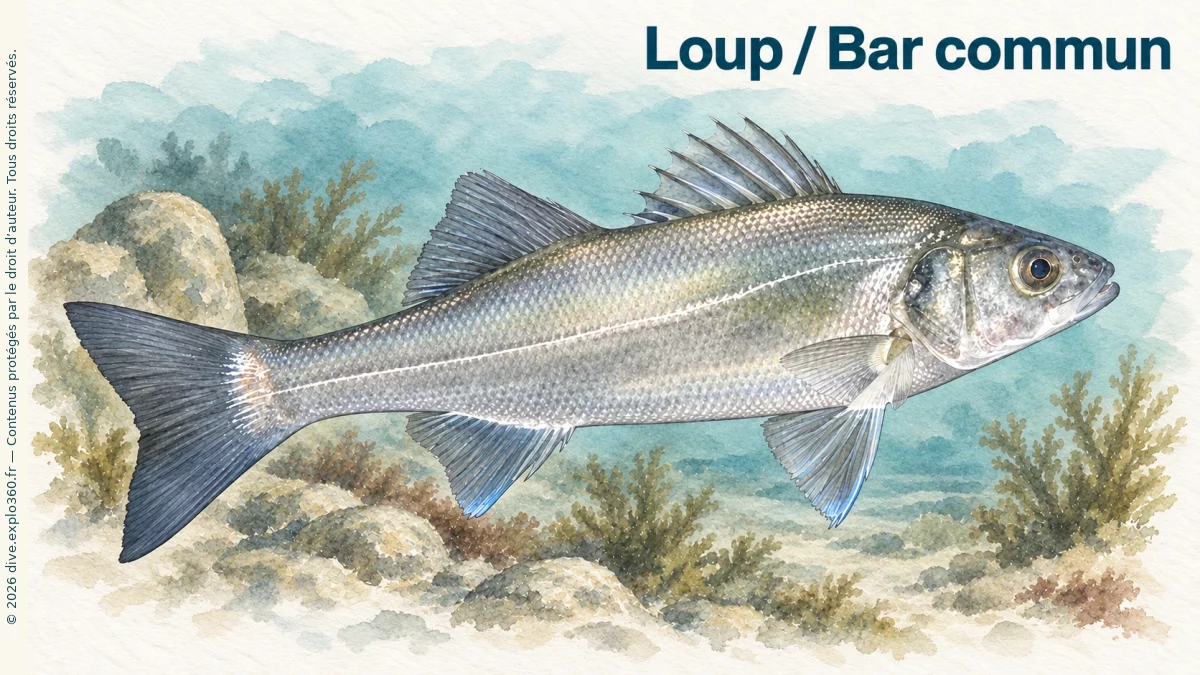 Species guidesEuropean seabassDiscover →
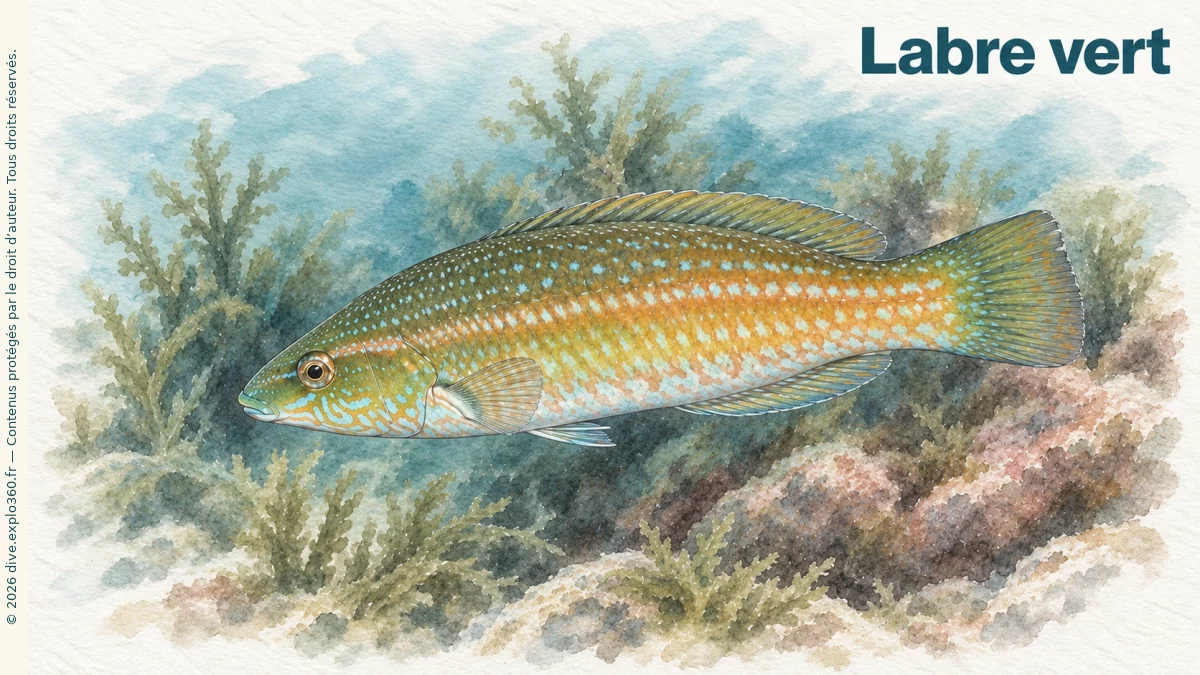 Species guidesGreen wrasseDiscover →
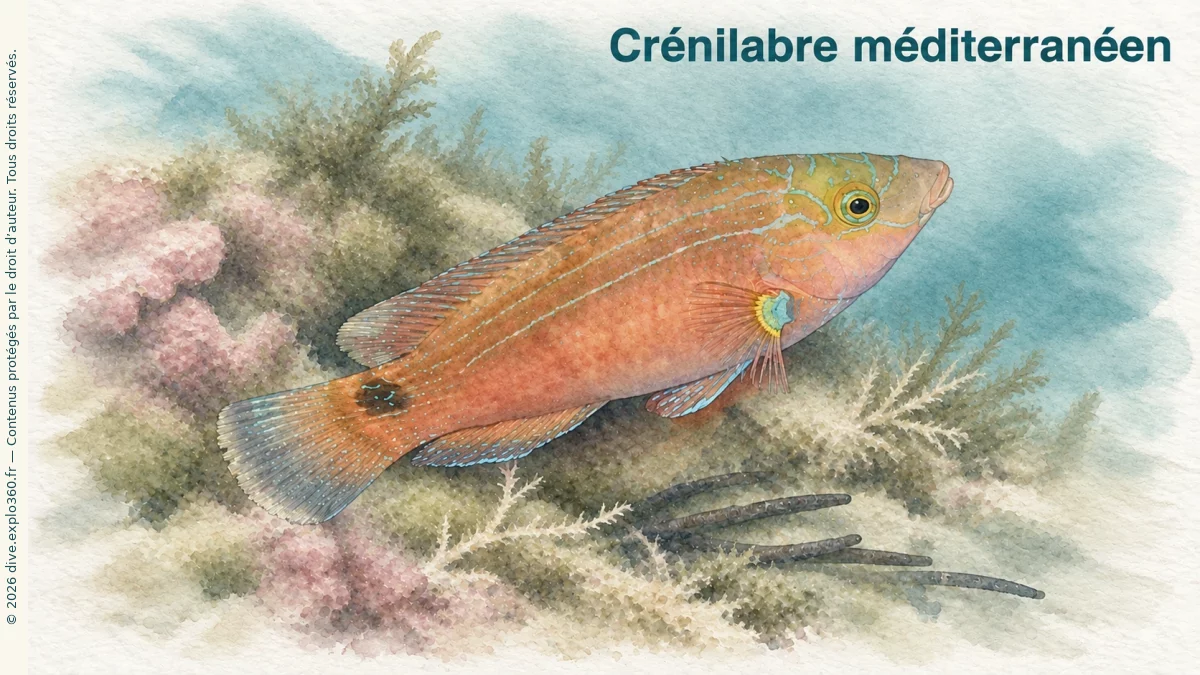 Species guidesAxillary wrasseDiscover →
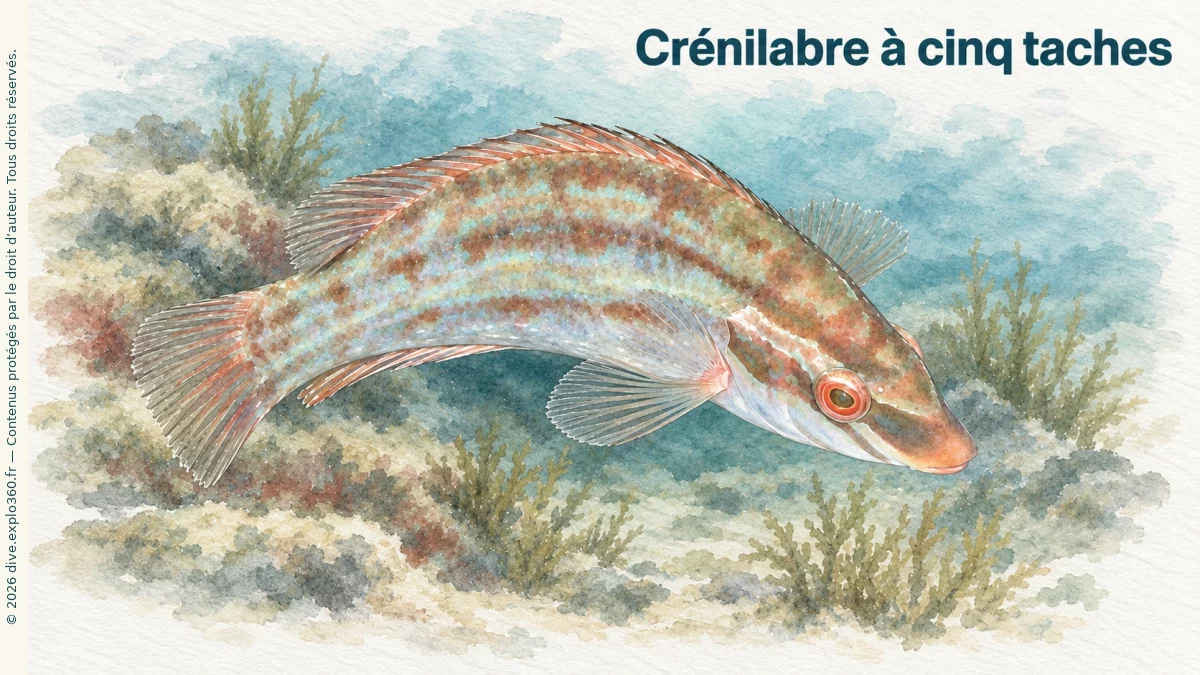 Species guidesFive-spotted wrasseDiscover →
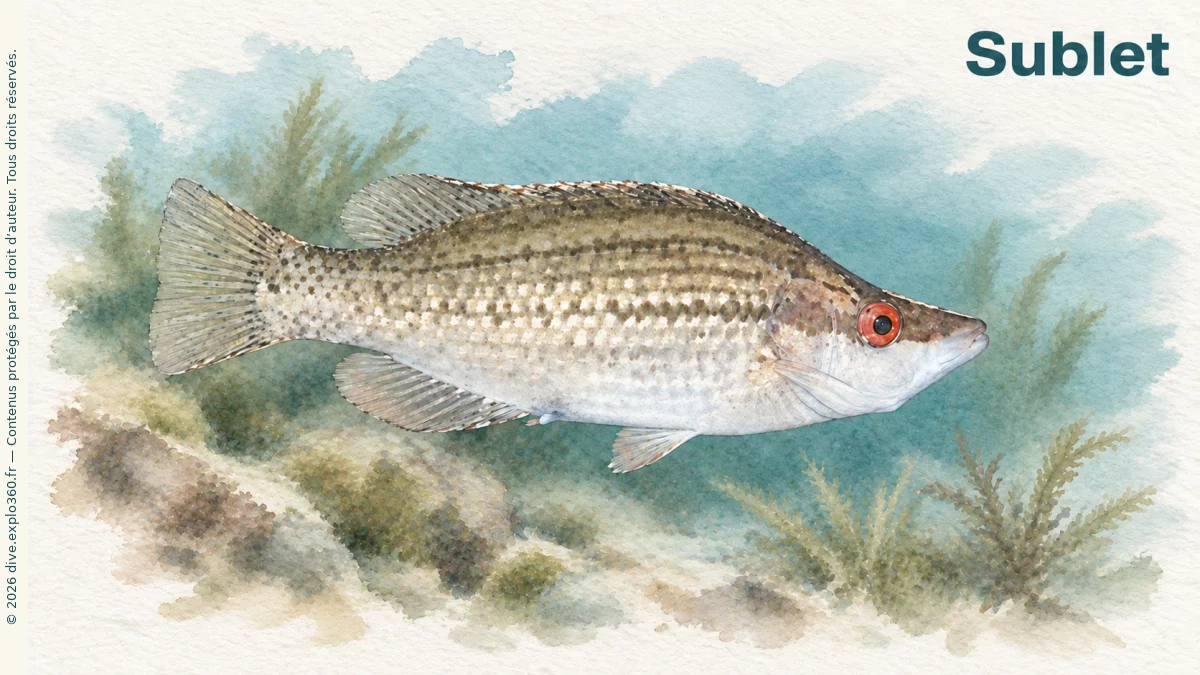 Species guidesLong-snouted wrasseDiscover →
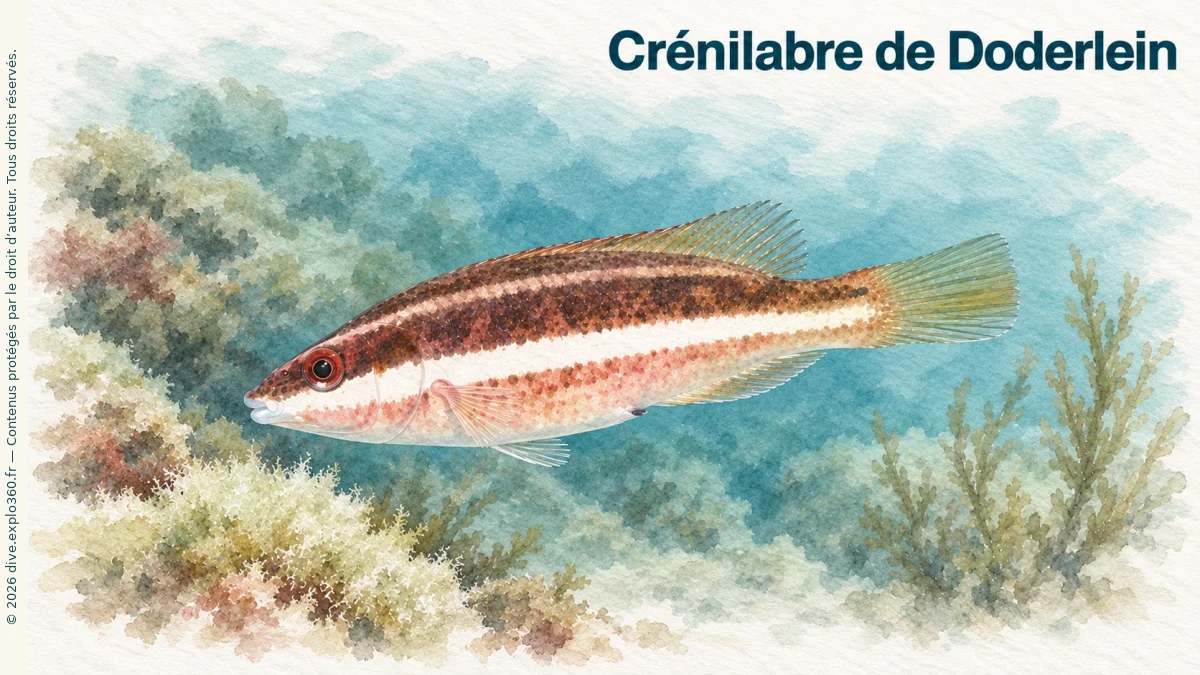 Species guidesLong-striped wrasseDiscover →
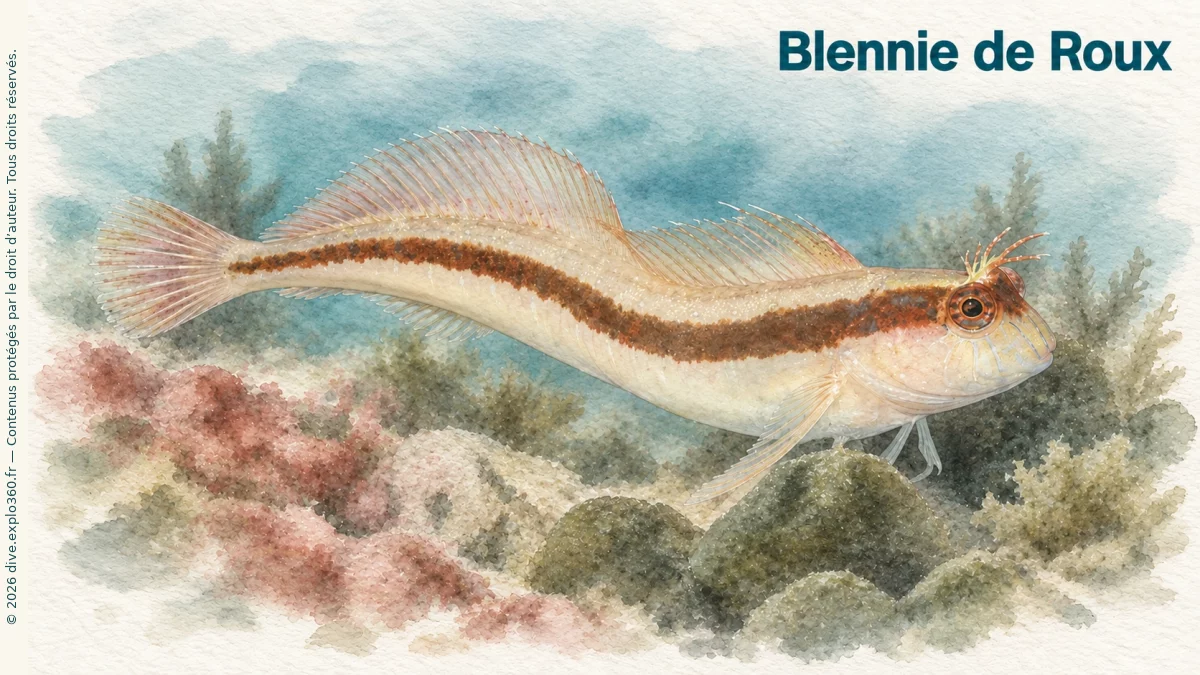 Species guidesLong-striped blennyDiscover →
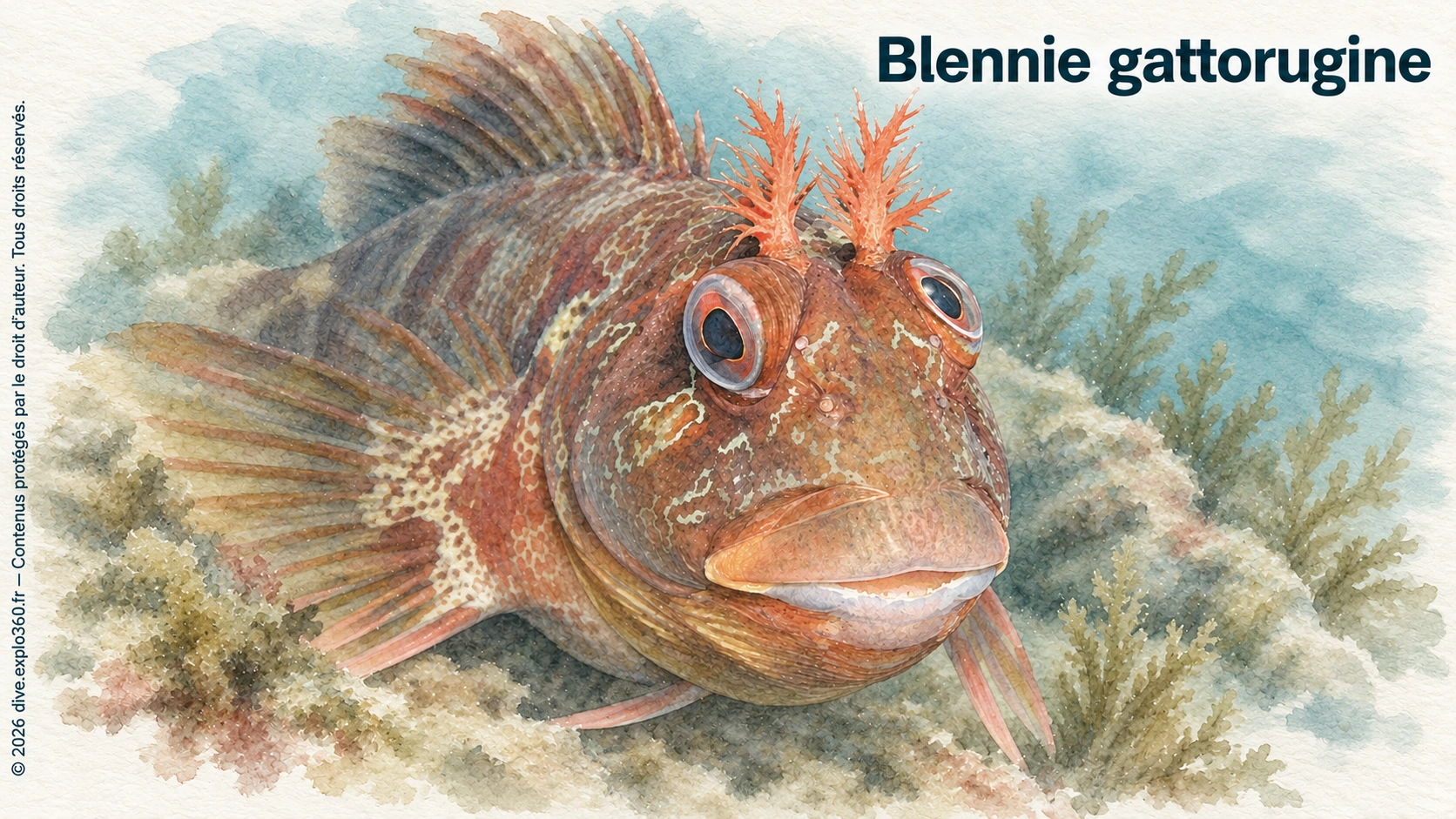 Species guidesTompot blennyDiscover →
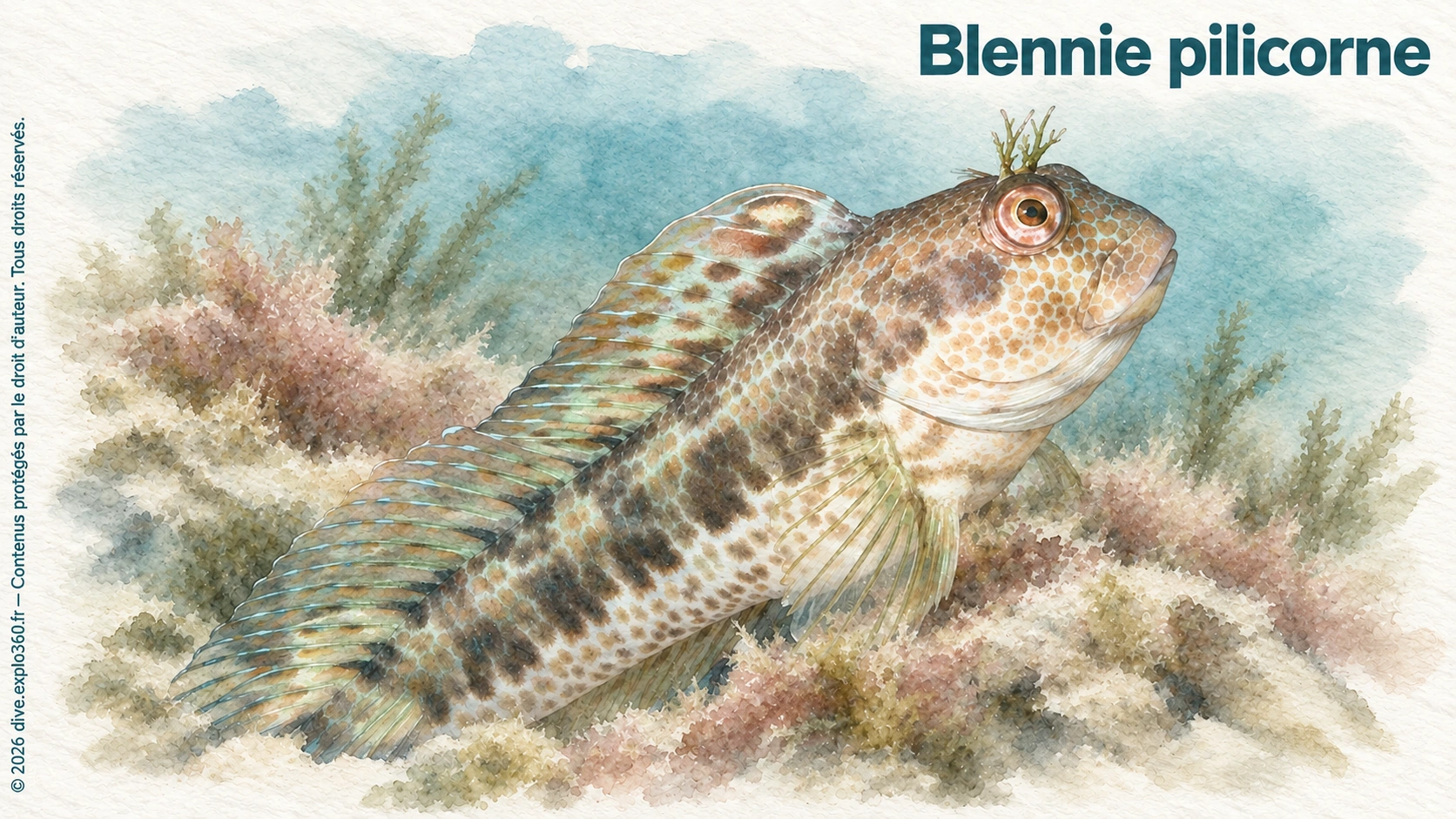 Species guidesRingneck blennyDiscover →
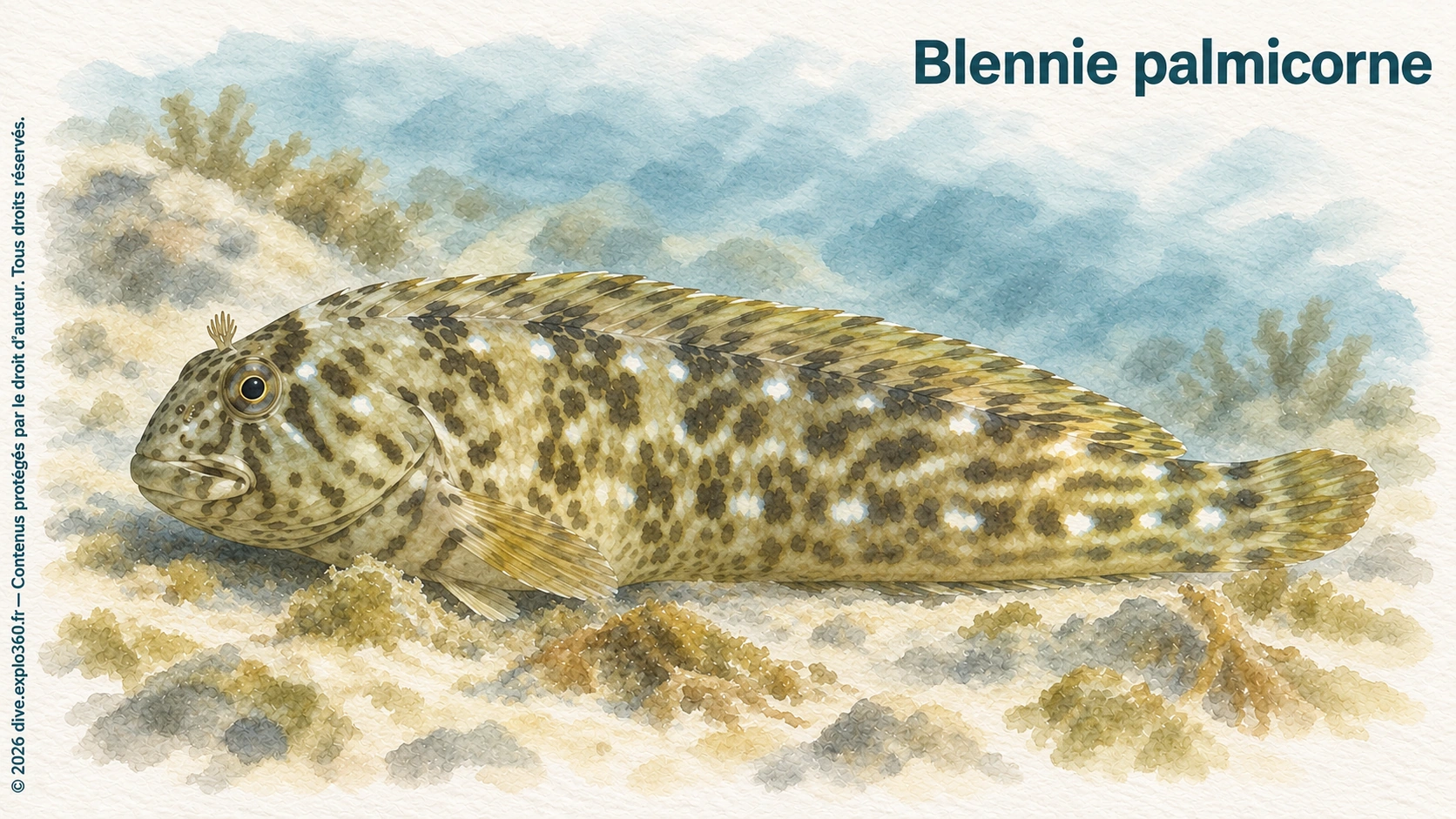 Species guidesRusty blennyDiscover →
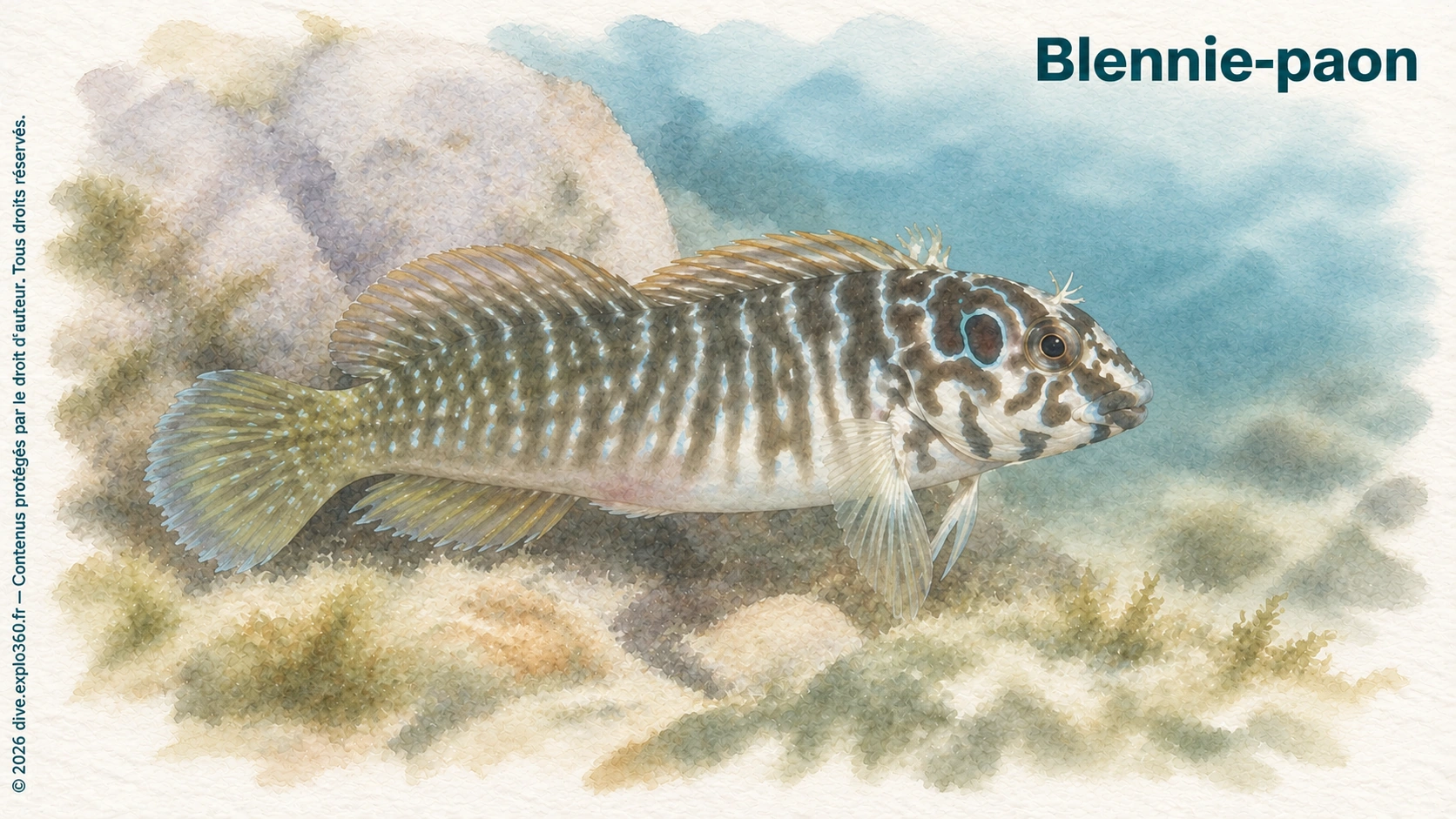 Species guidesPeacock blennyDiscover →
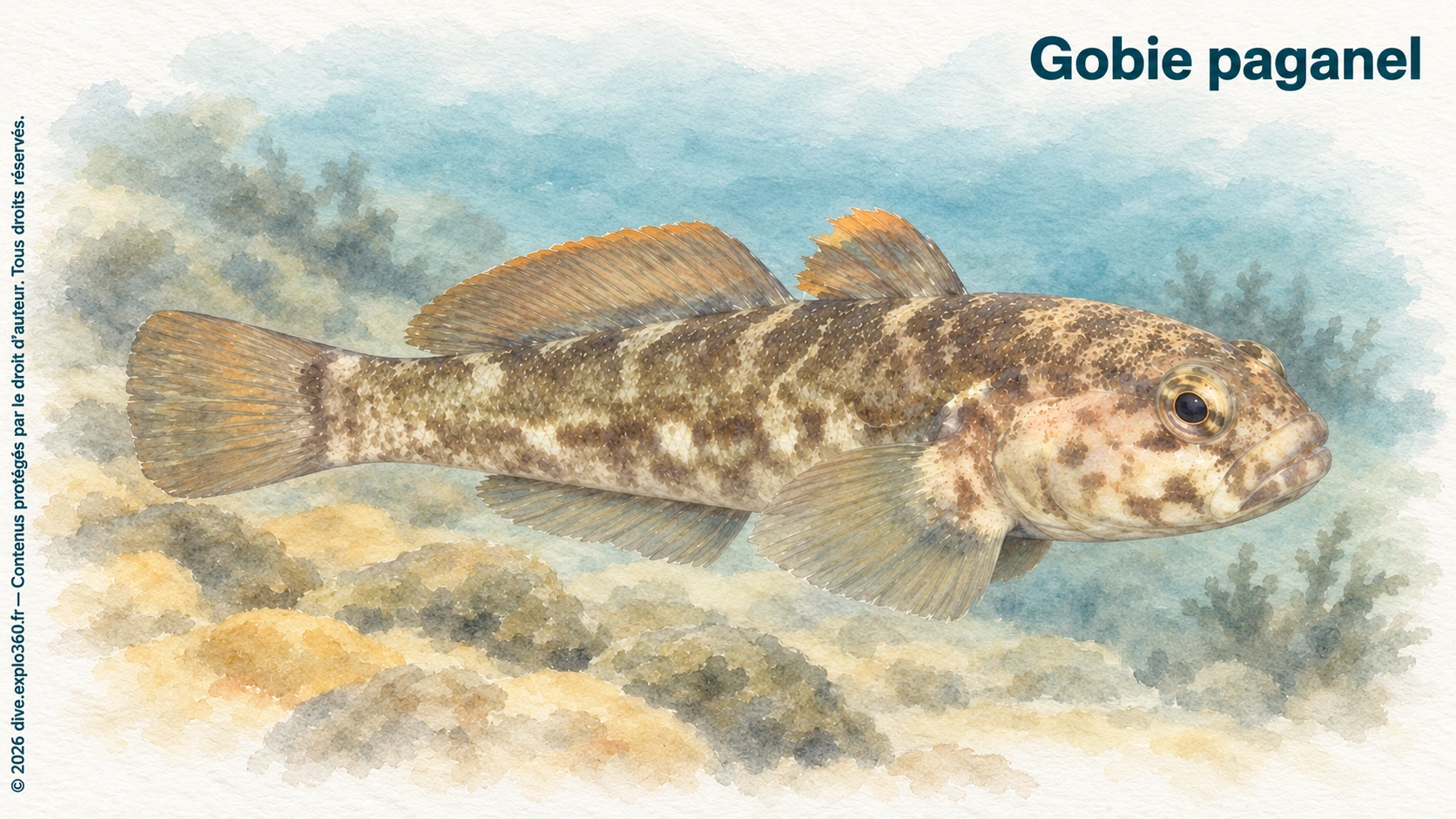 Species guidesRock gobyDiscover →
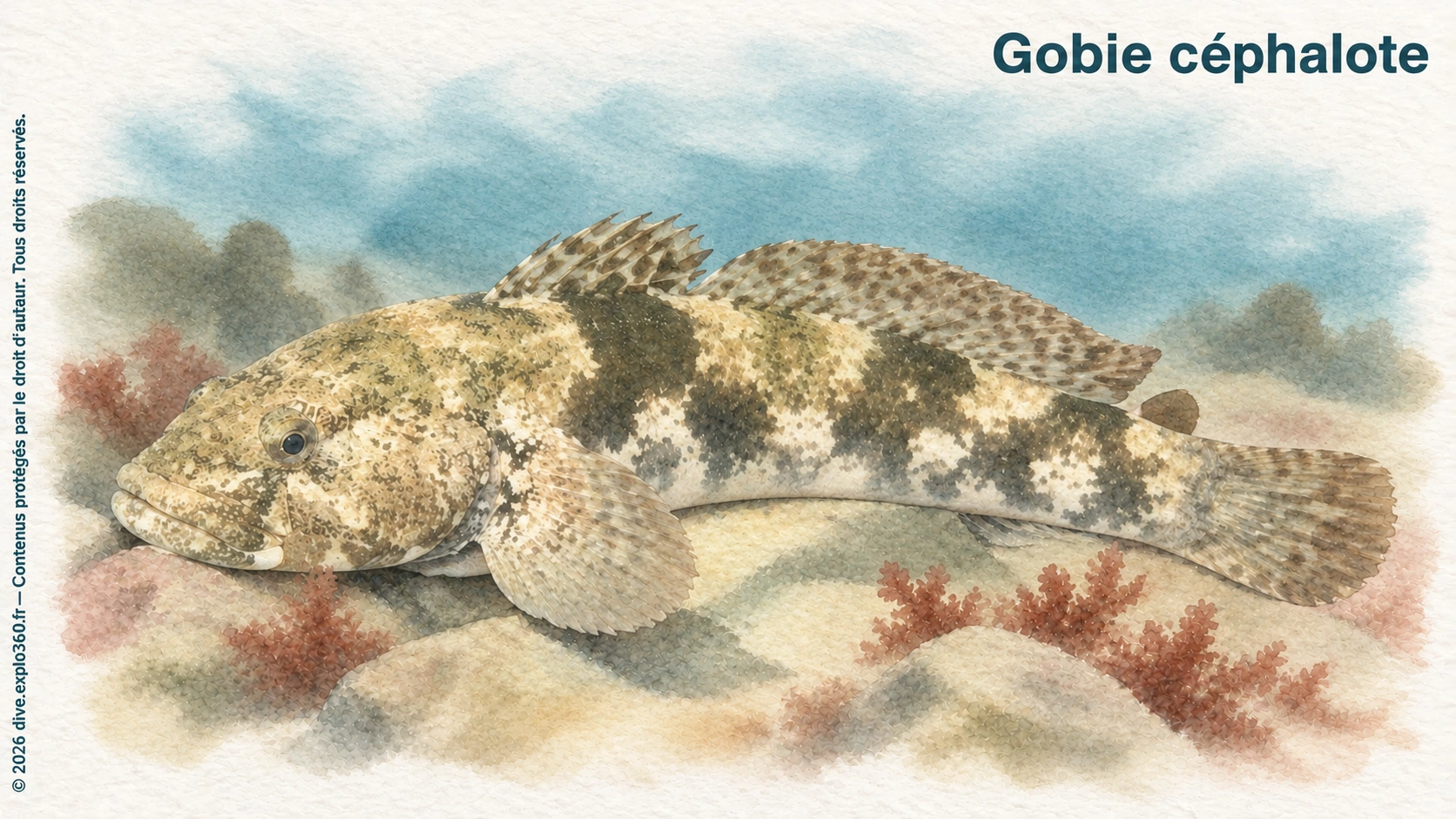 Species guidesGiant gobyDiscover →
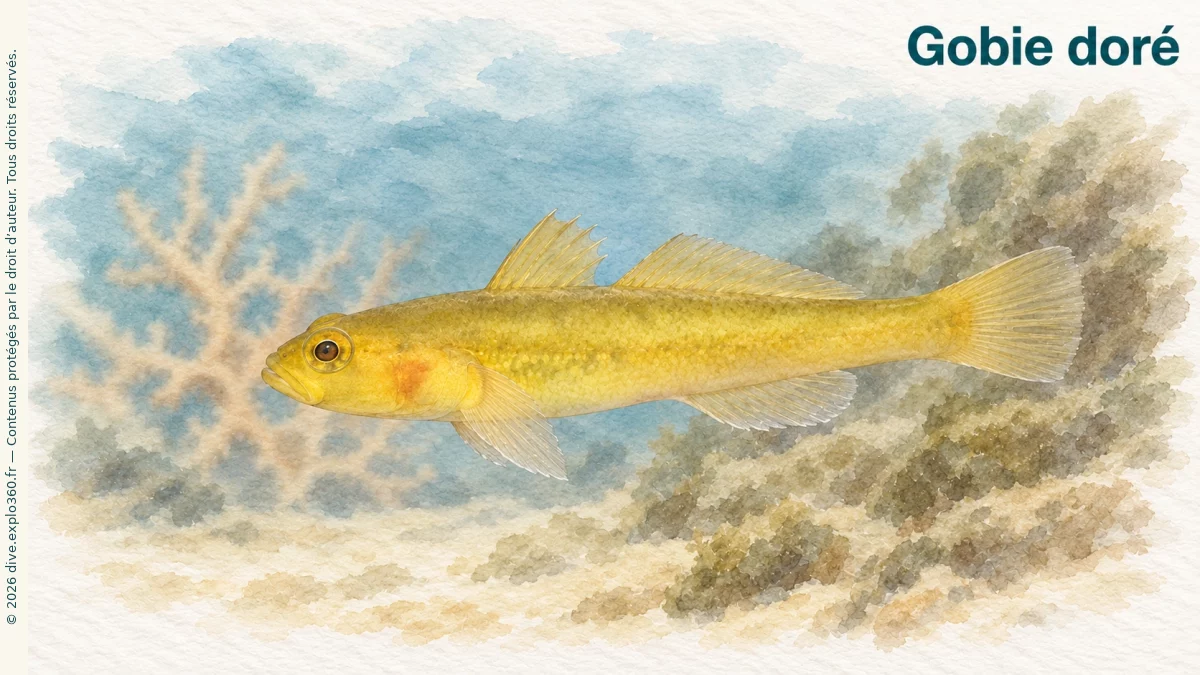 Species guidesGolden gobyDiscover →
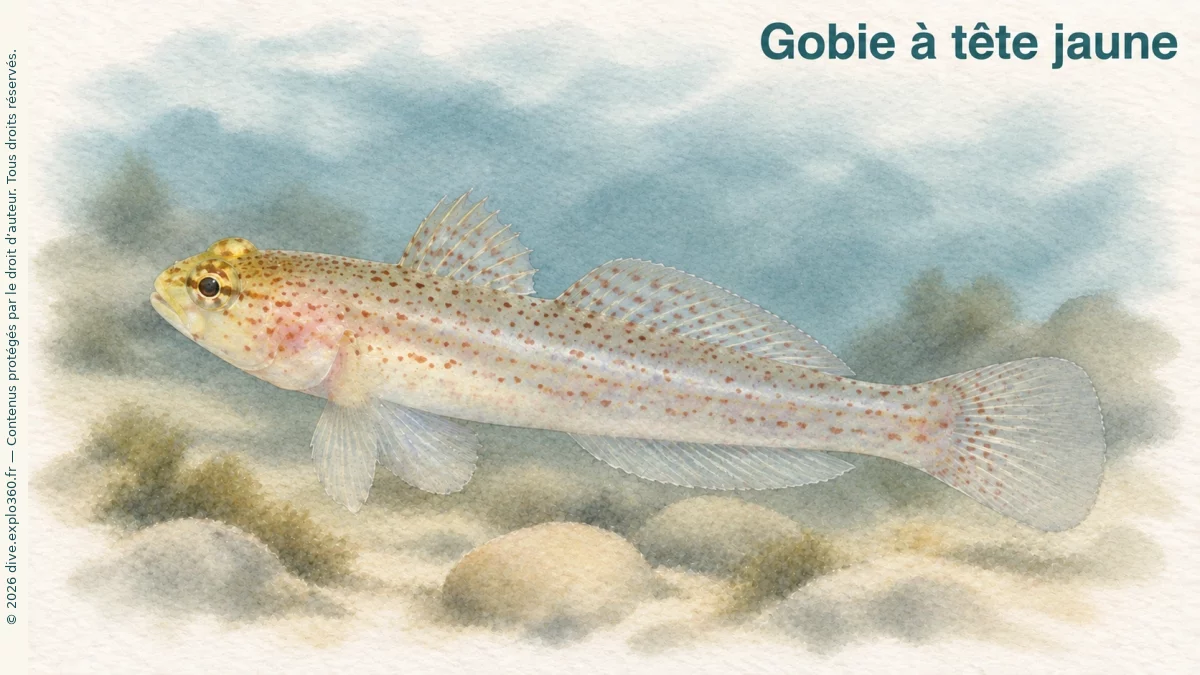 Species guidesYellow-headed gobyDiscover →
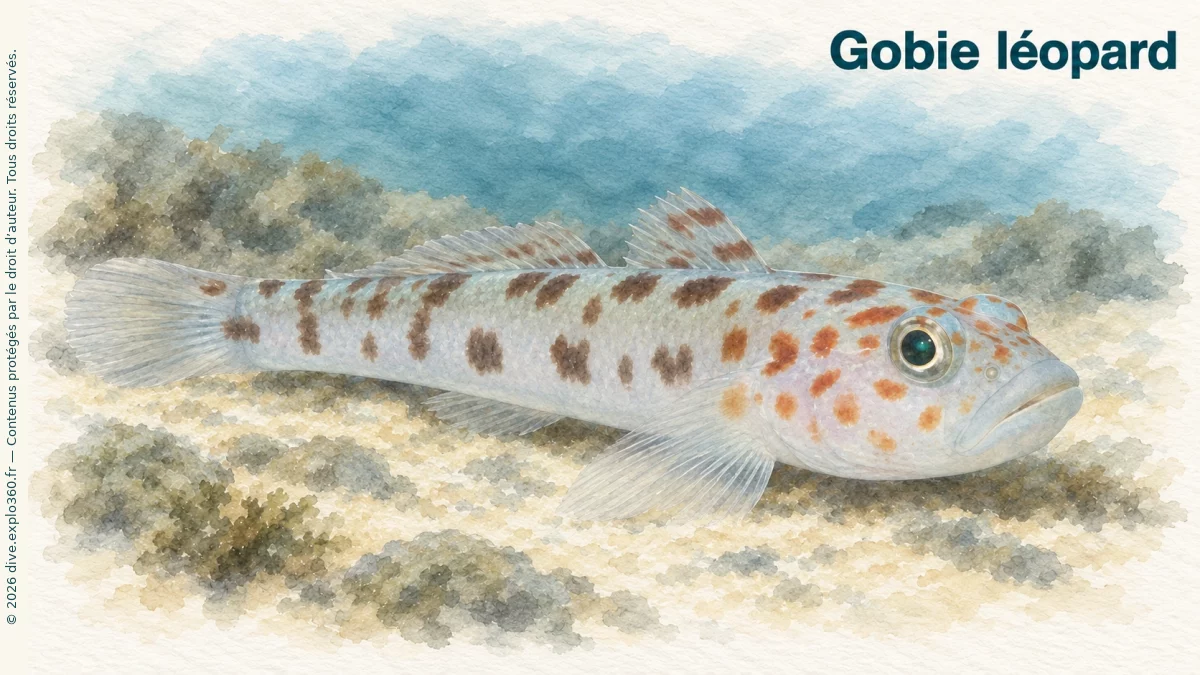 Species guidesLeopard-spotted gobyDiscover →
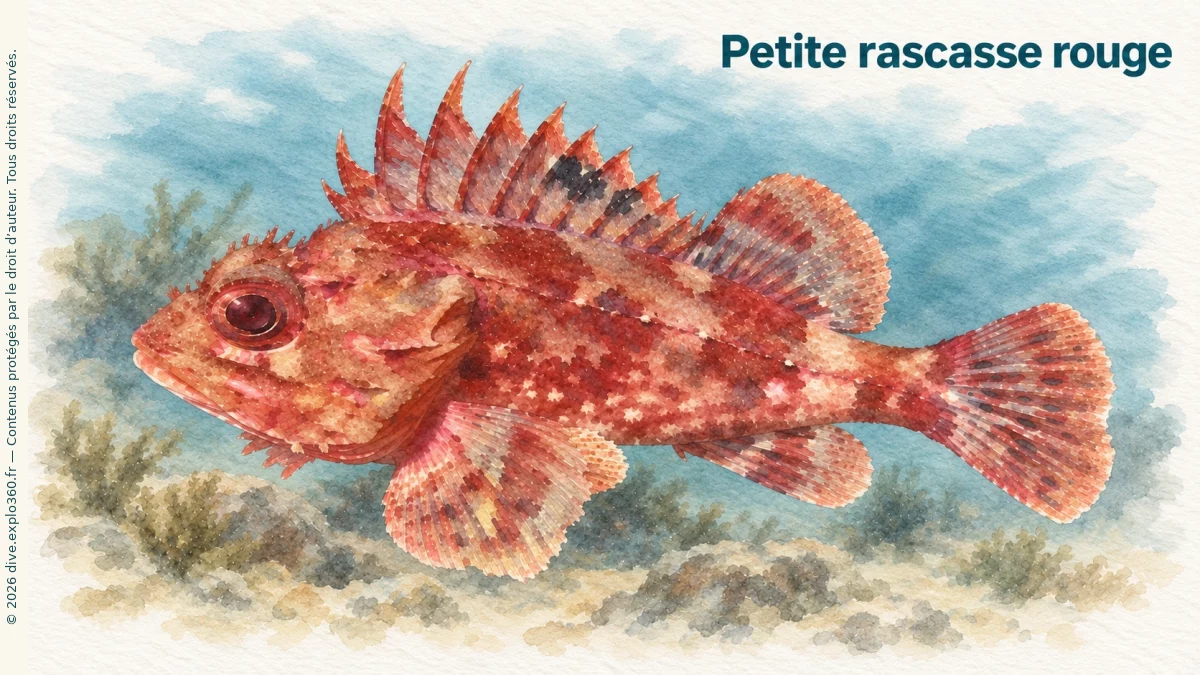 Species guidesSmall red scorpionfishDiscover →
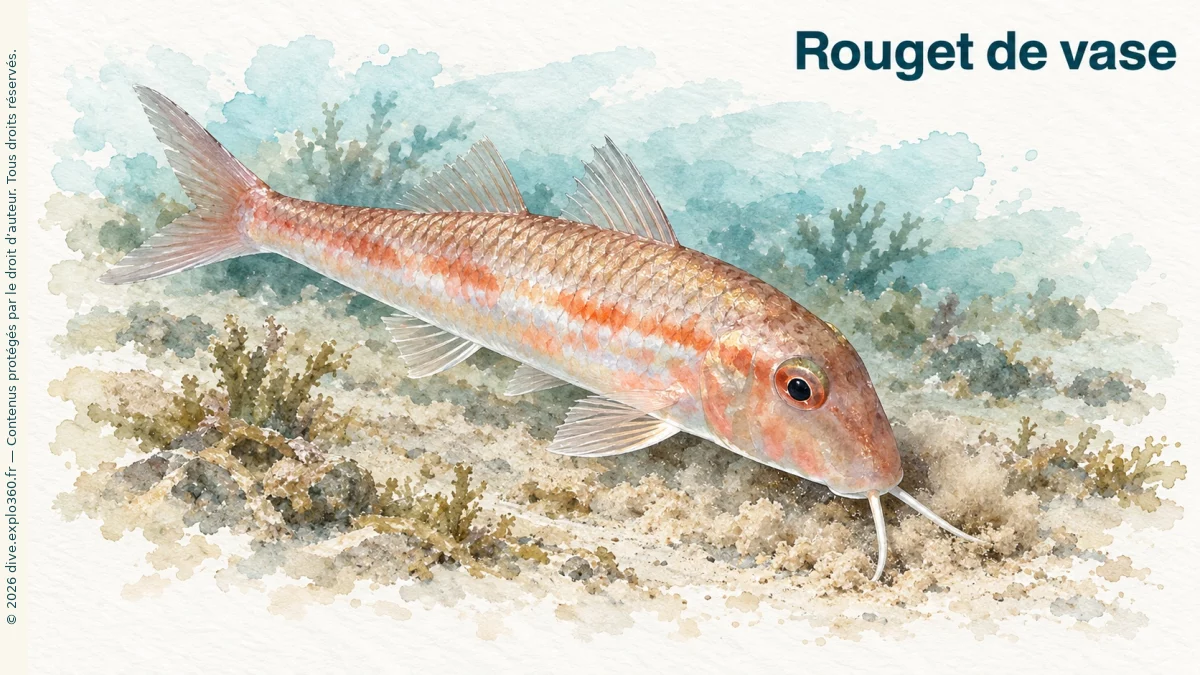 Species guidesRed mulletDiscover →
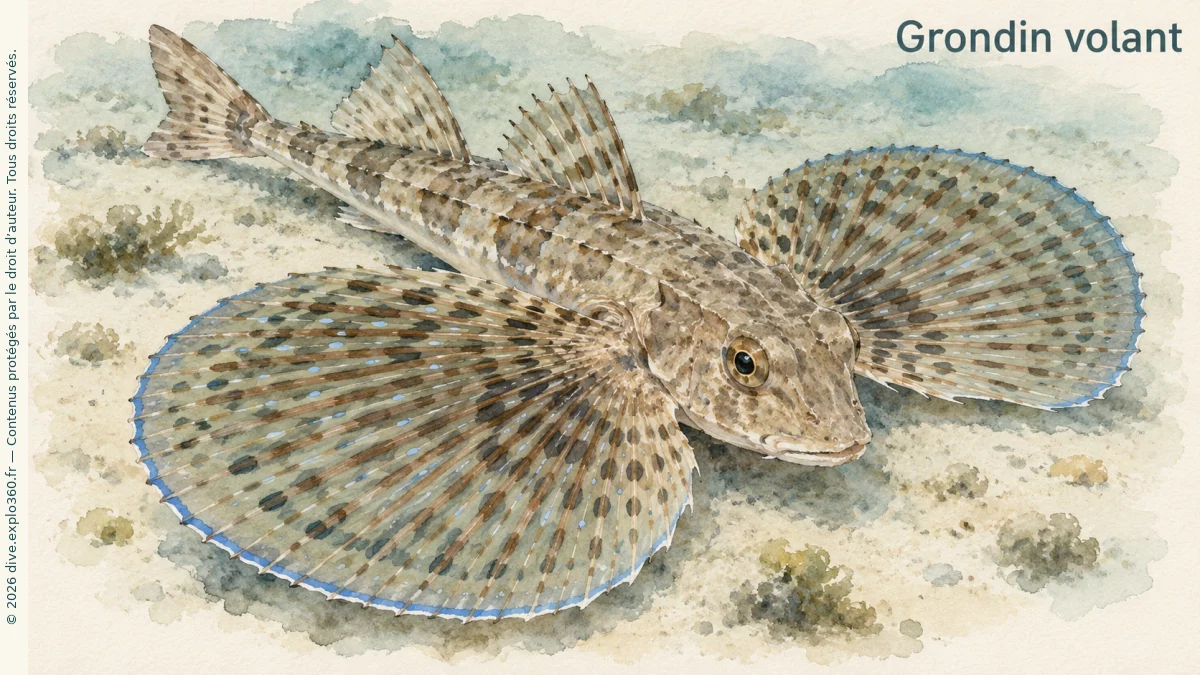 Species guidesFlying gurnardDiscover →
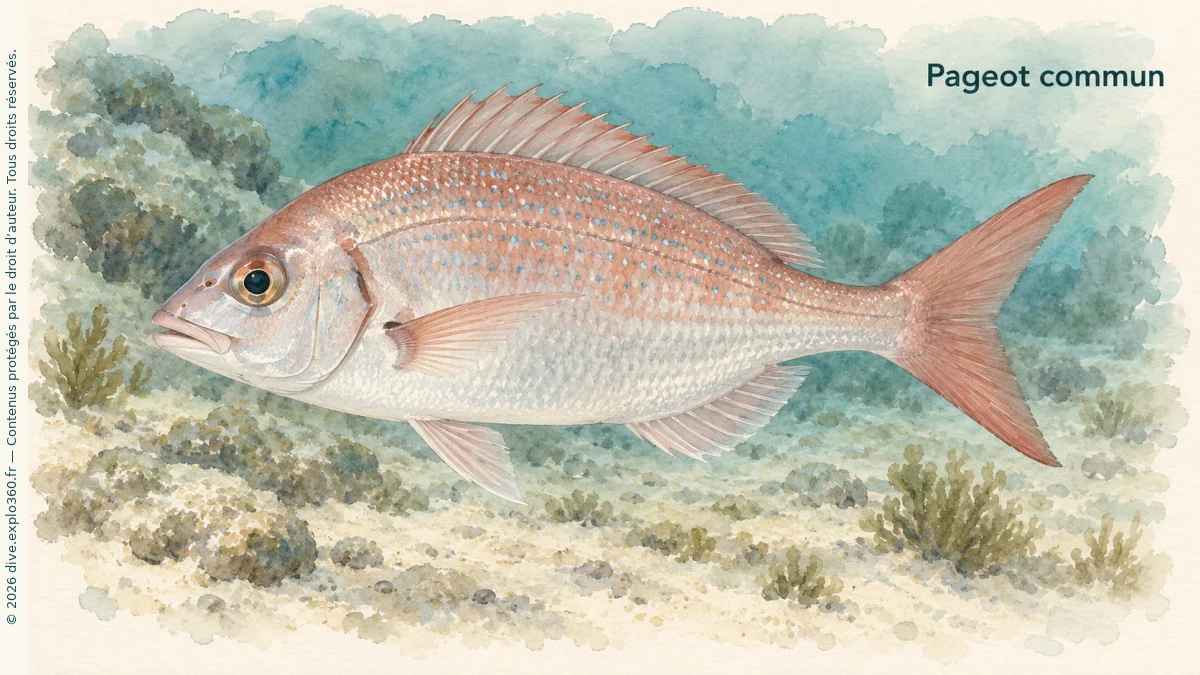 Species guidesCommon pandoraDiscover →
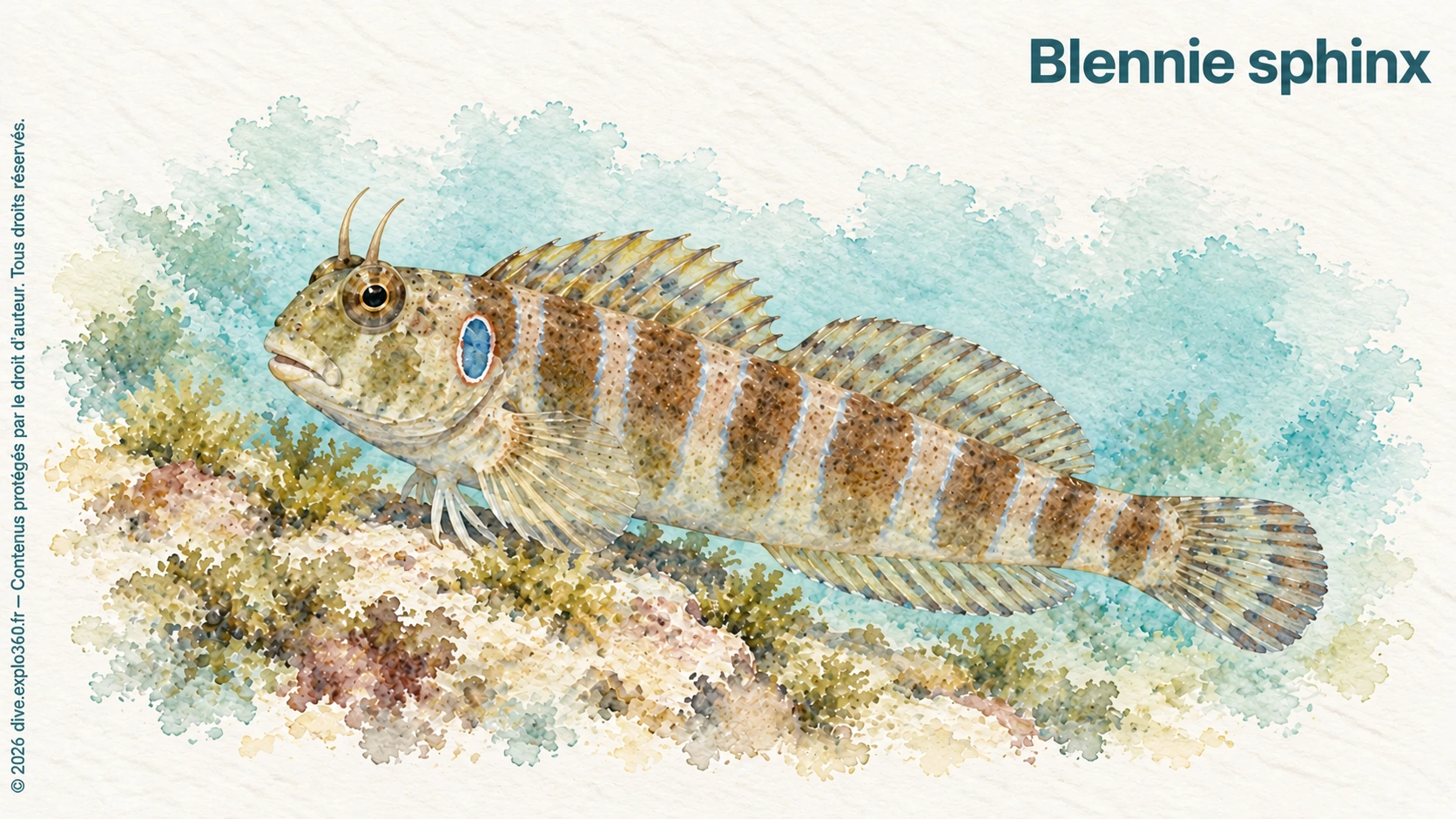 Species guidesSphinx blennyDiscover →
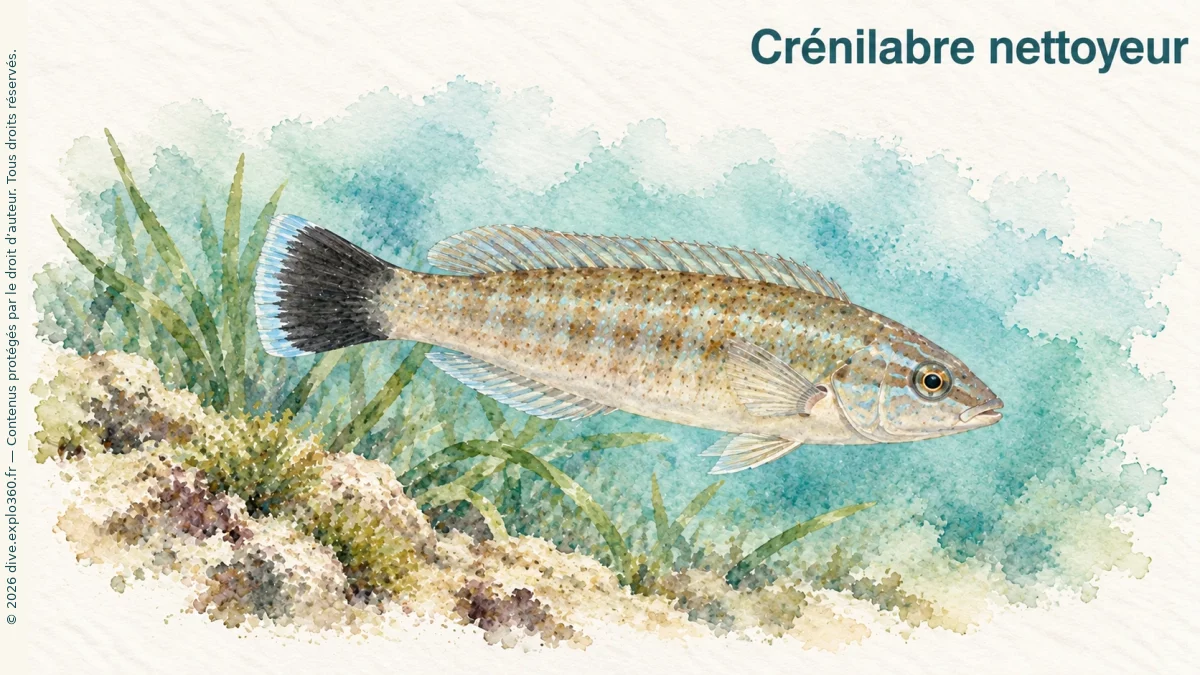 Species guidesBlack-tailed wrasseDiscover →
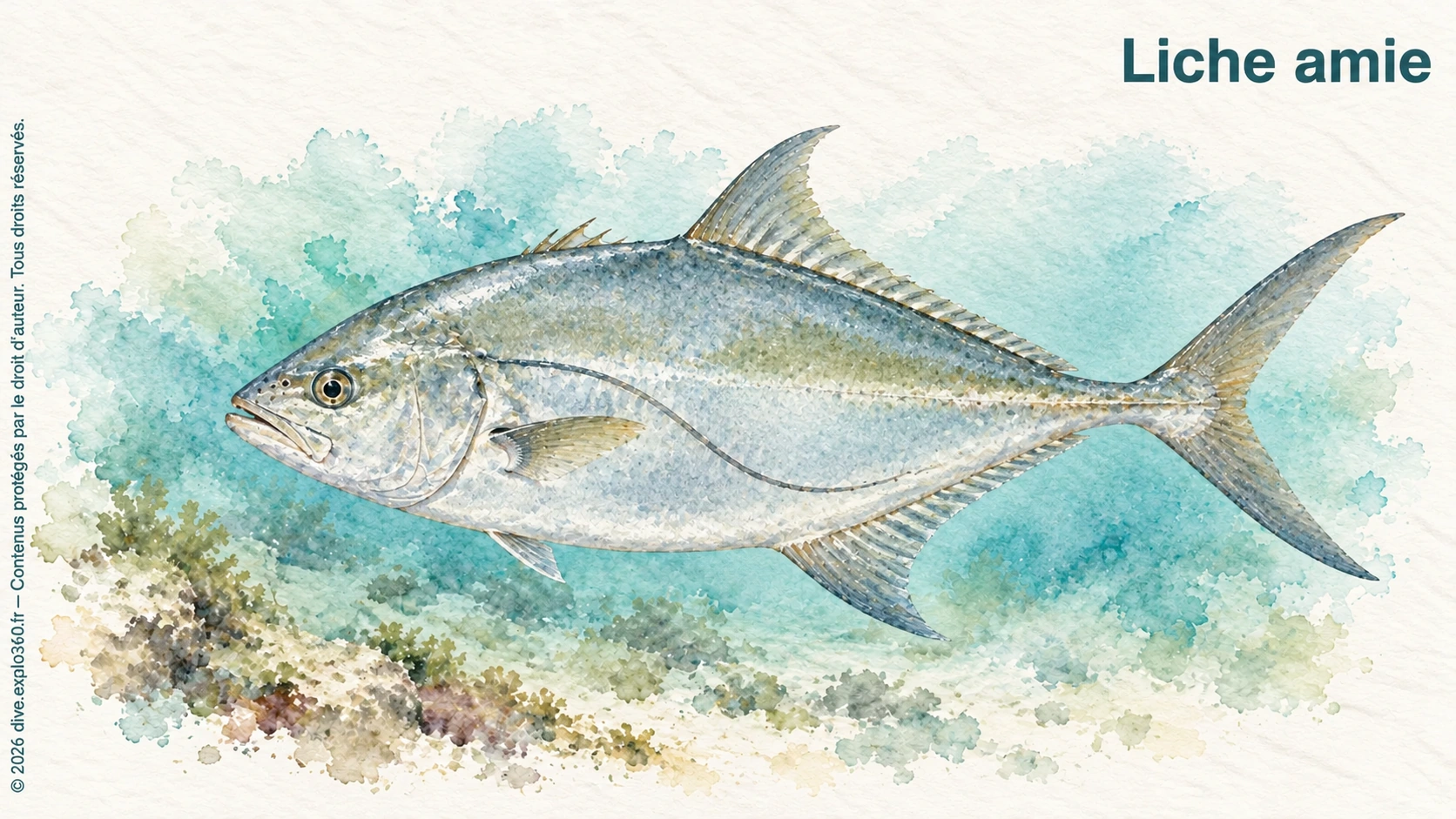 Species guidesLeerfishDiscover →
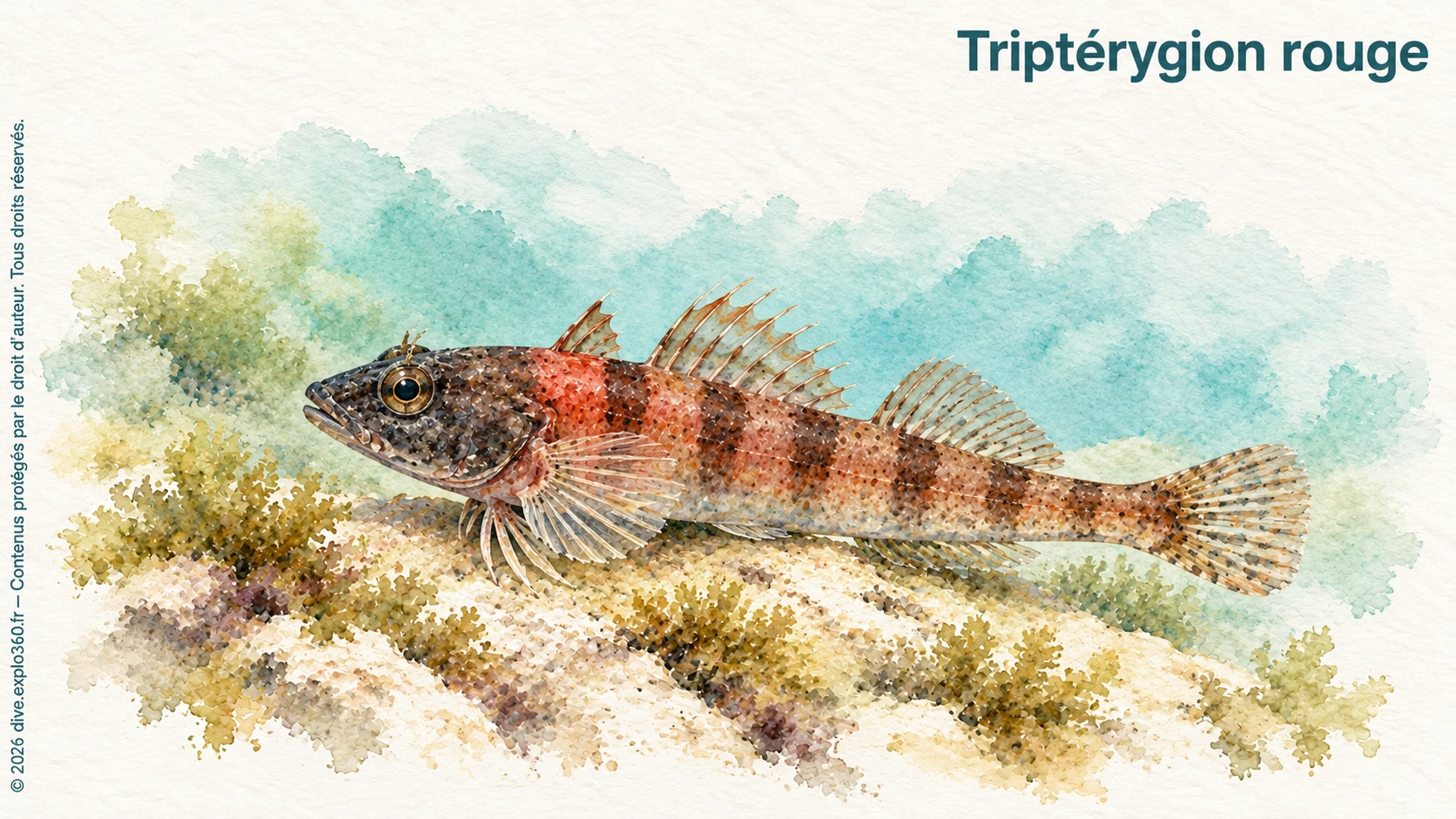 Species guidesRed-black triplefinDiscover →
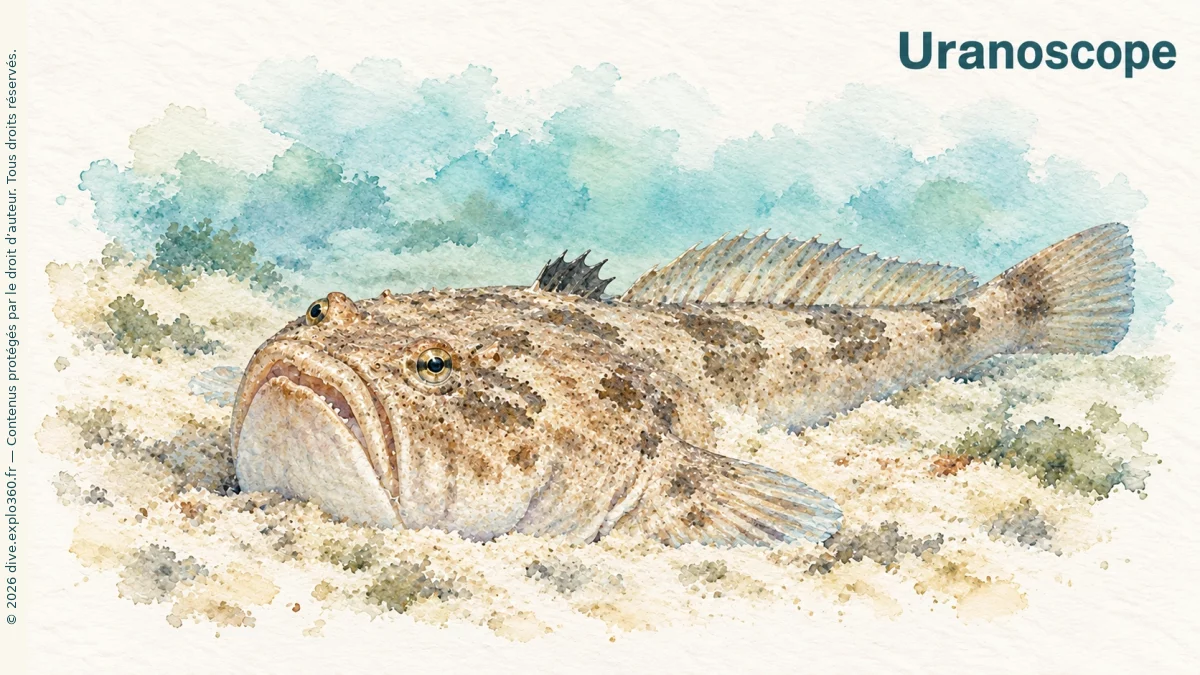 Species guidesAtlantic stargazerDiscover →
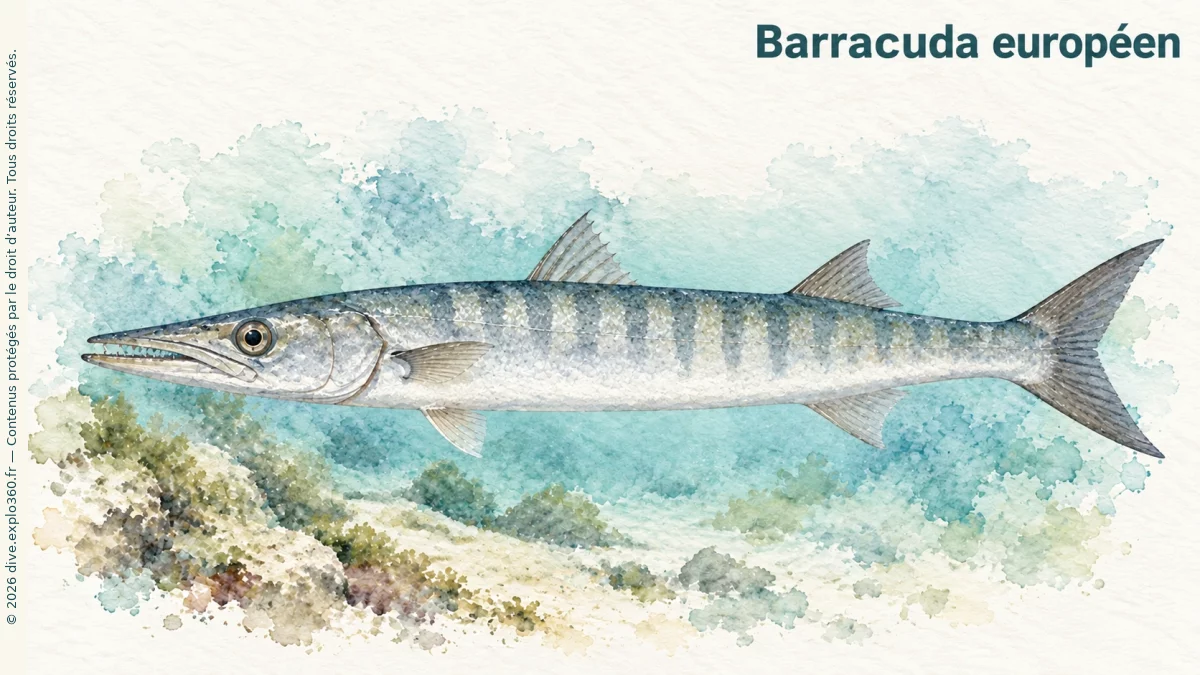 Species guidesEuropean barracudaDiscover →
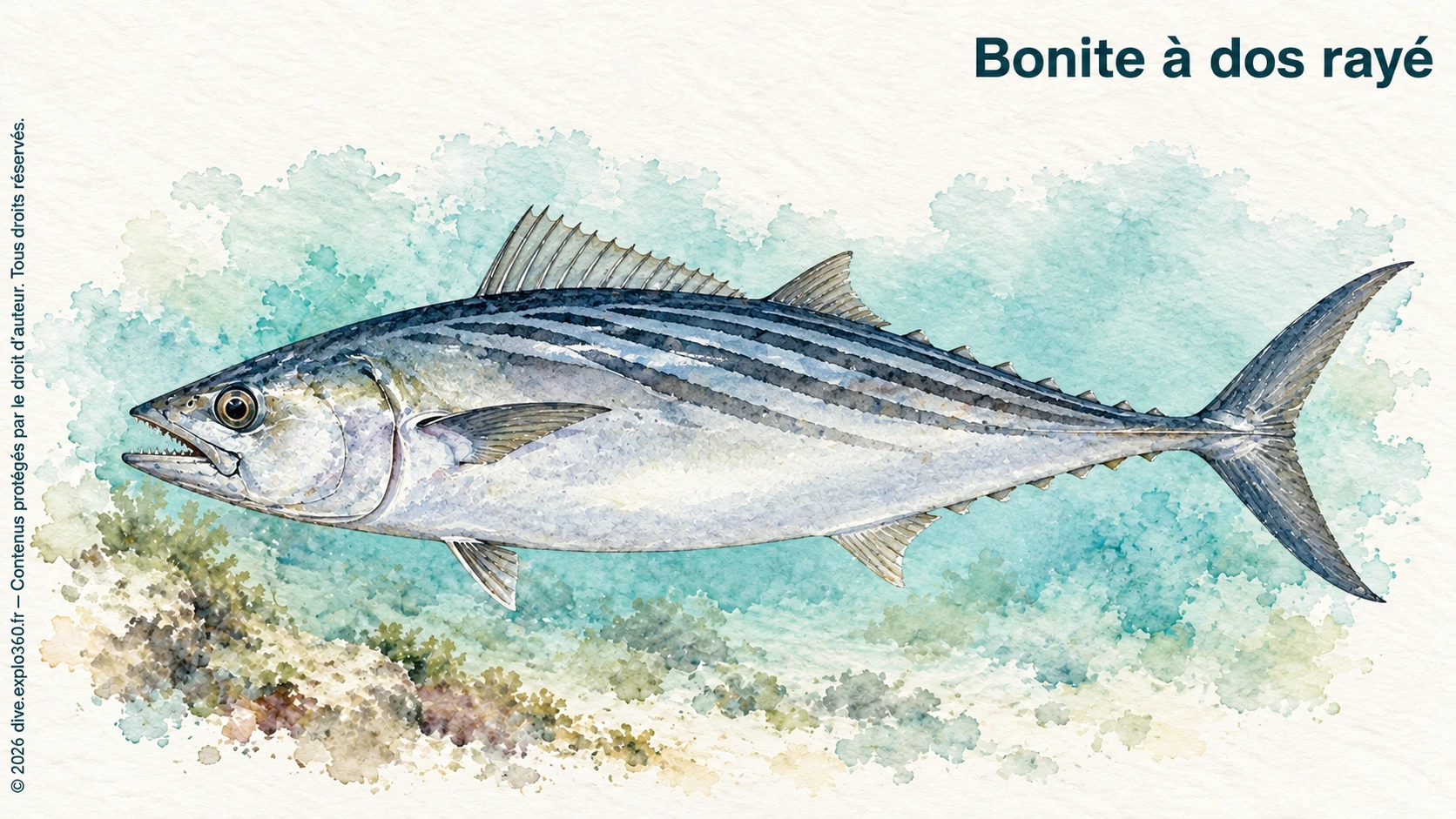 Species guidesAtlantic bonitoDiscover →
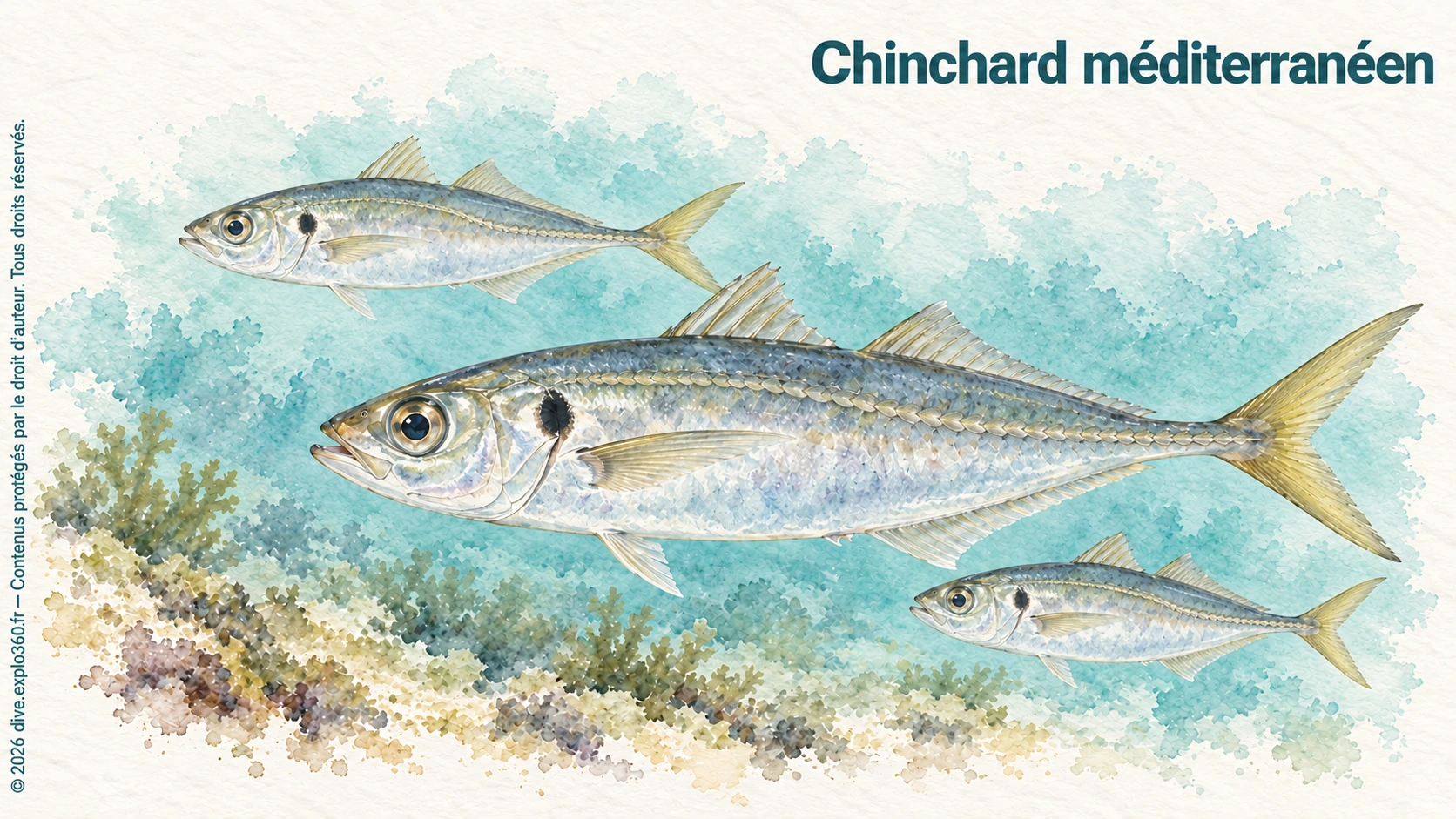 Species guidesMediterranean horse mackerelDiscover →
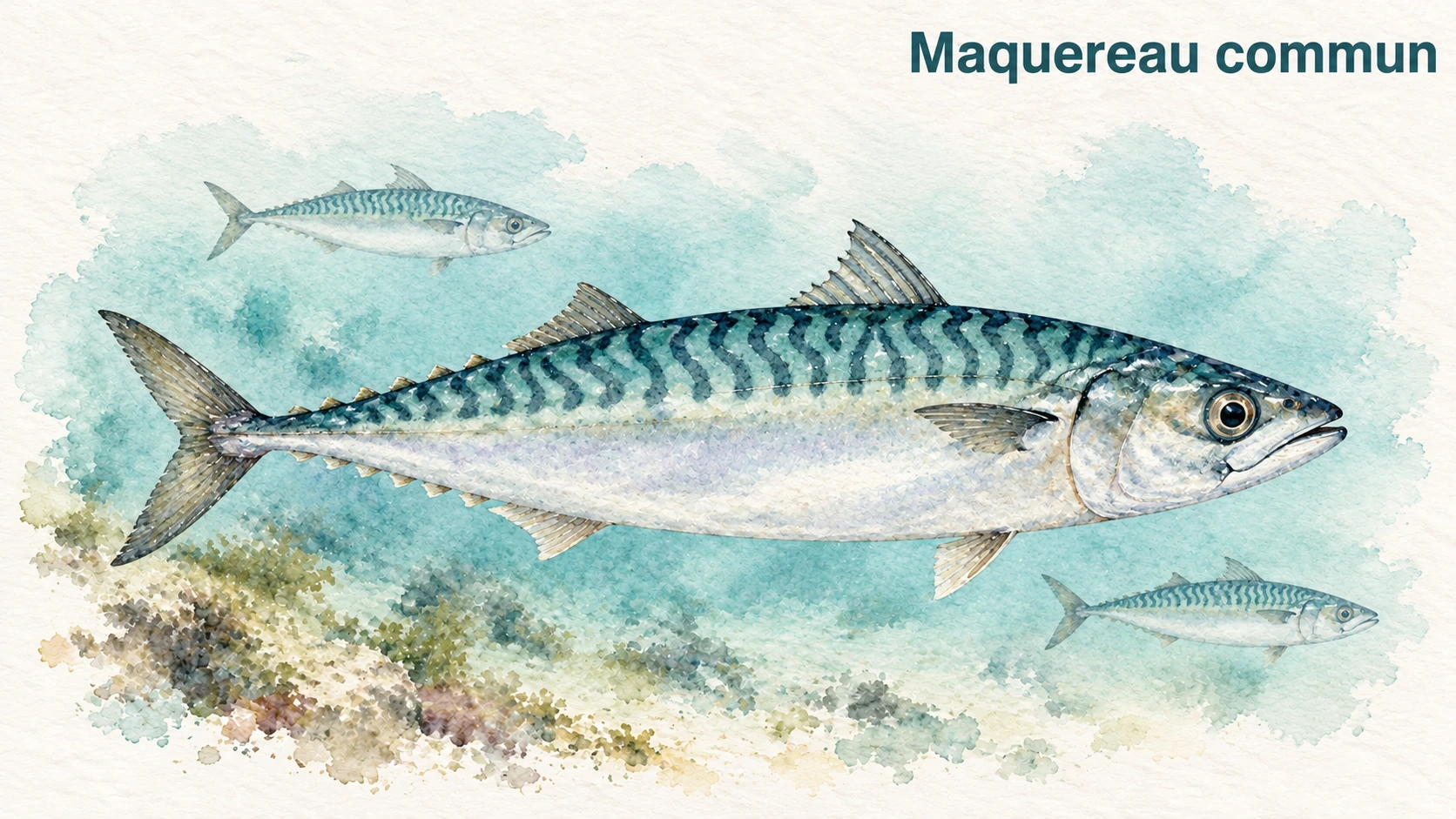 Species guidesAtlantic mackerelDiscover →
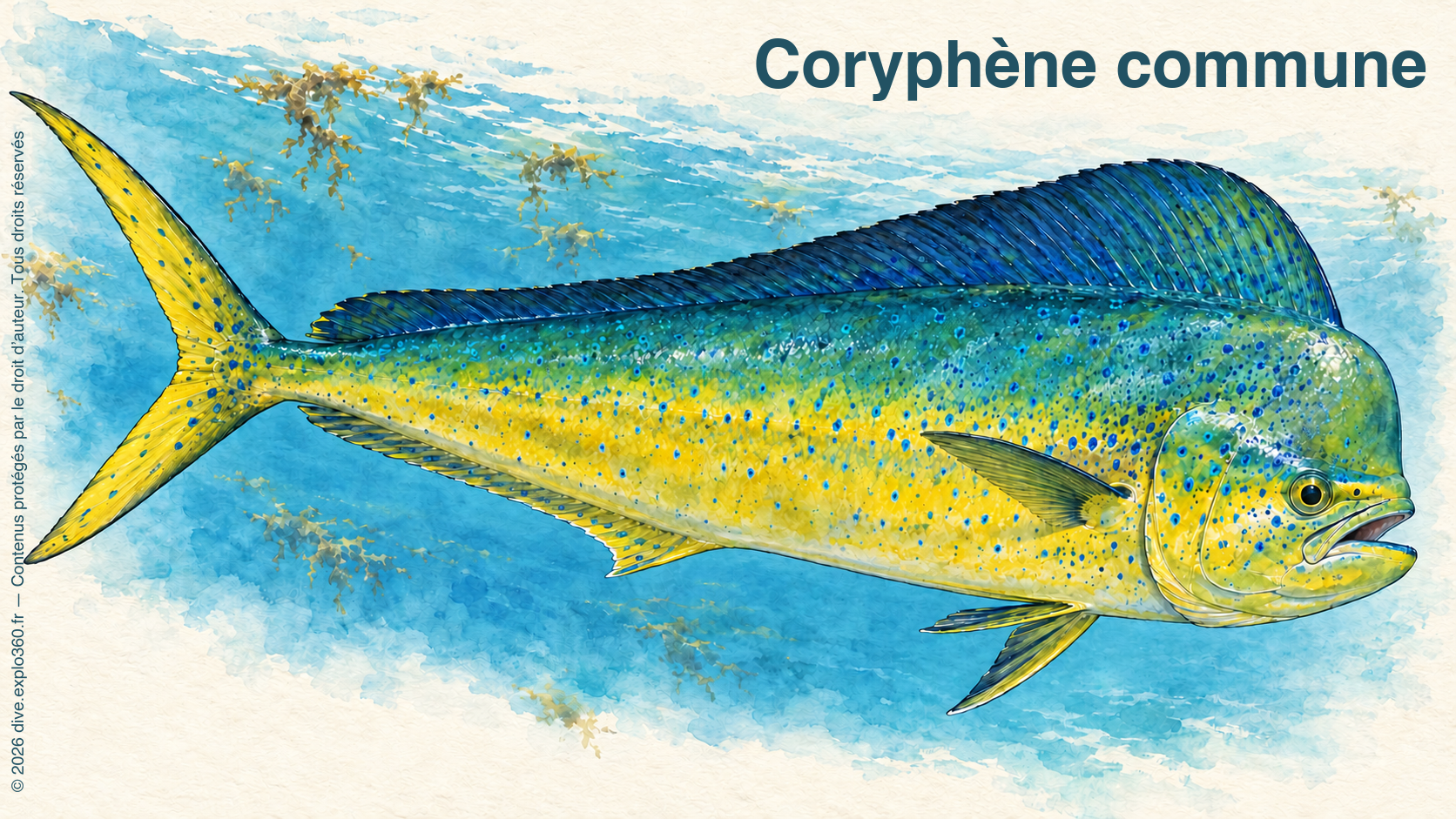 Species guidesCommon dolphinfishDiscover →
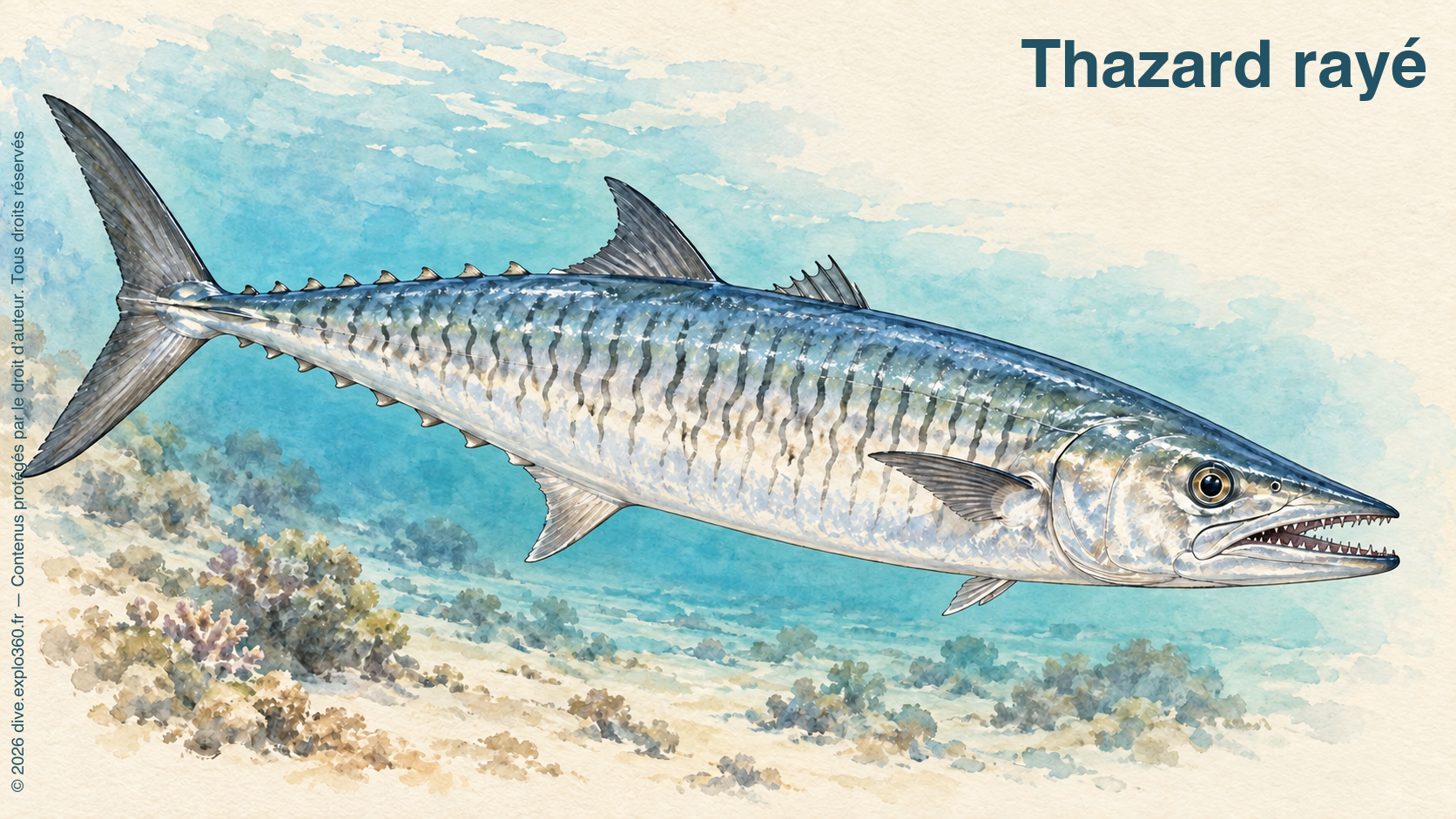 Species guidesNarrow-barred Spanish mackerelDiscover →
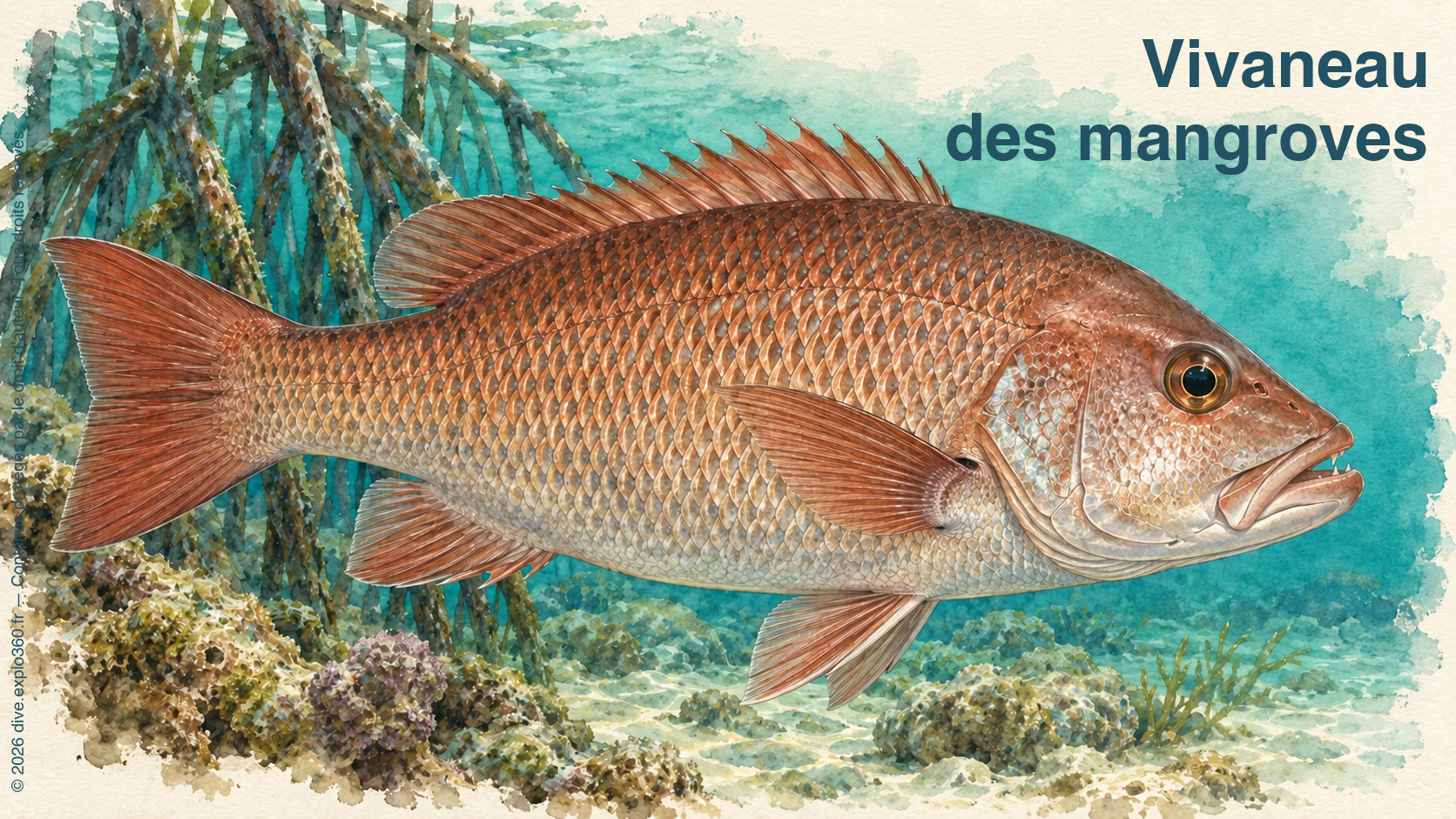 Species guidesMangrove red snapperDiscover →