


Where the seaside scent comes from
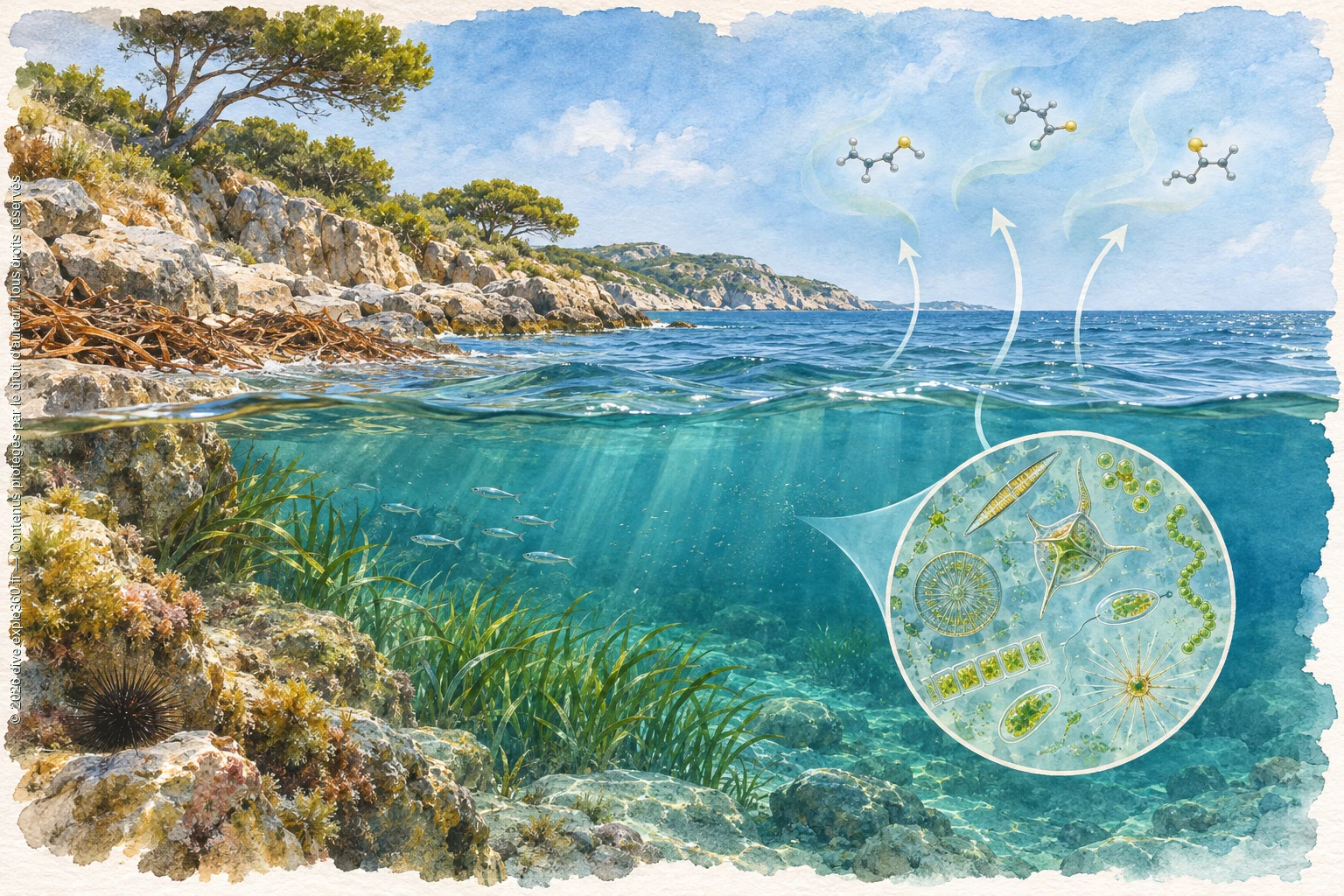
Salt has no smell! Part of the seaside scent comes from a substance called DMS. Tiny algae and marine microbes help produce it.
Many tiny algae make another substance, DMSP, which has several jobs in their cells, including helping them cope with their surroundings. Biological activity can turn it into DMS. Some DMS leaves the water and enters the air.
Seaweed and decaying material add other scents. The mixture changes with the season and the living things nearby. A smell you know well has some very tiny makers.
Following a broken trail
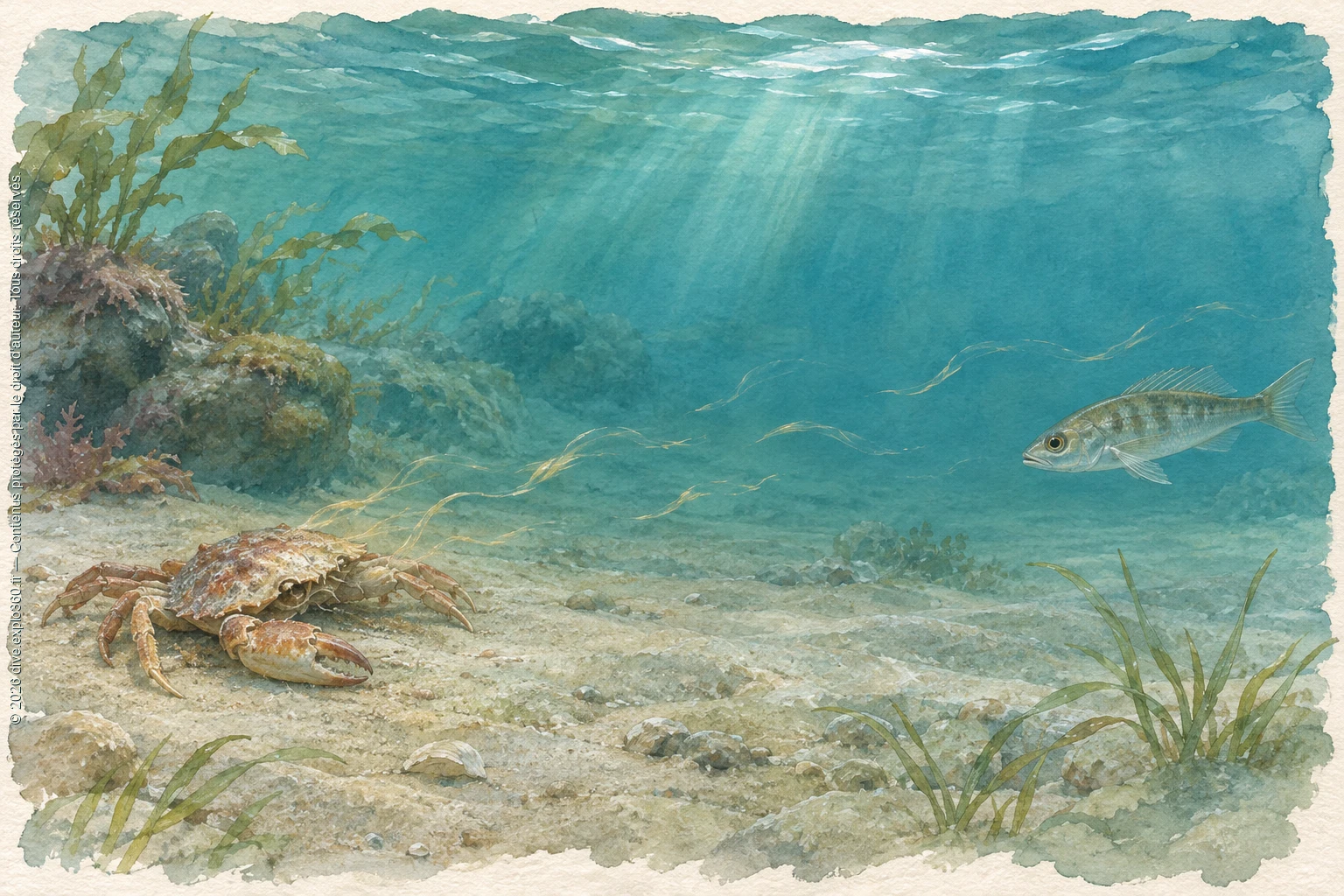
Our noses detect molecules carried in air. Many underwater animals detect substances carried in water instead.
An injured crab releases substances from its body. The current carries them away, stretching and mixing them into an uneven trail. Scientists call this an odour plume. It does not spread in a neat circle.
Do fish have noses?
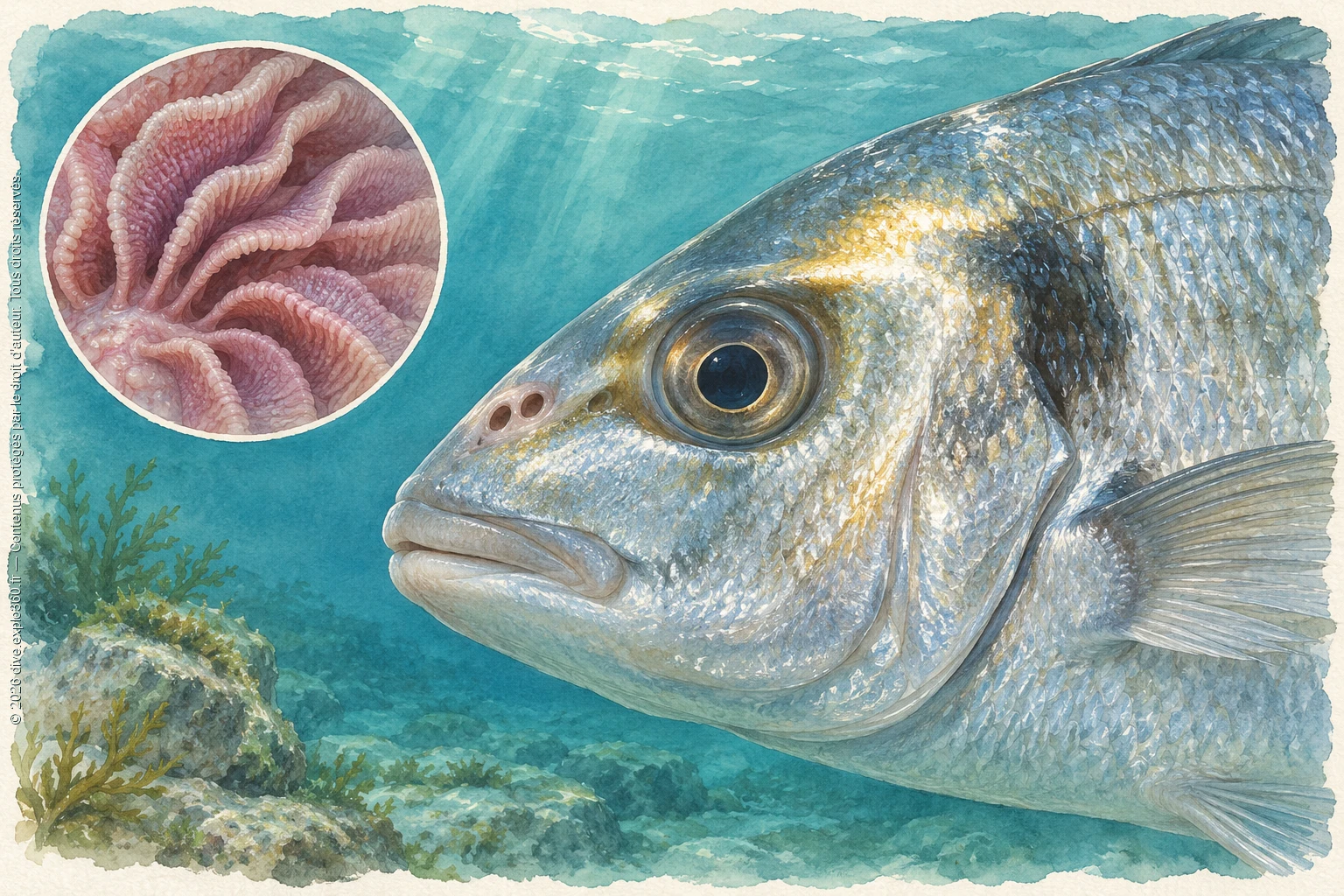
Many fish have little openings in front of their eyes: nostrils. In most bony fish, these are for smelling, not breathing, and do not open into the mouth.
Water reaches sensitive cells, often on folds of tissue. These cells detect certain molecules and send information to the brain.
Substances called amino acids can be clues to food. Other clues tell fish about neighbours, breeding or danger. Fish do not all detect the same things. A hunter in the dark may use different clues from one hunting by sight.
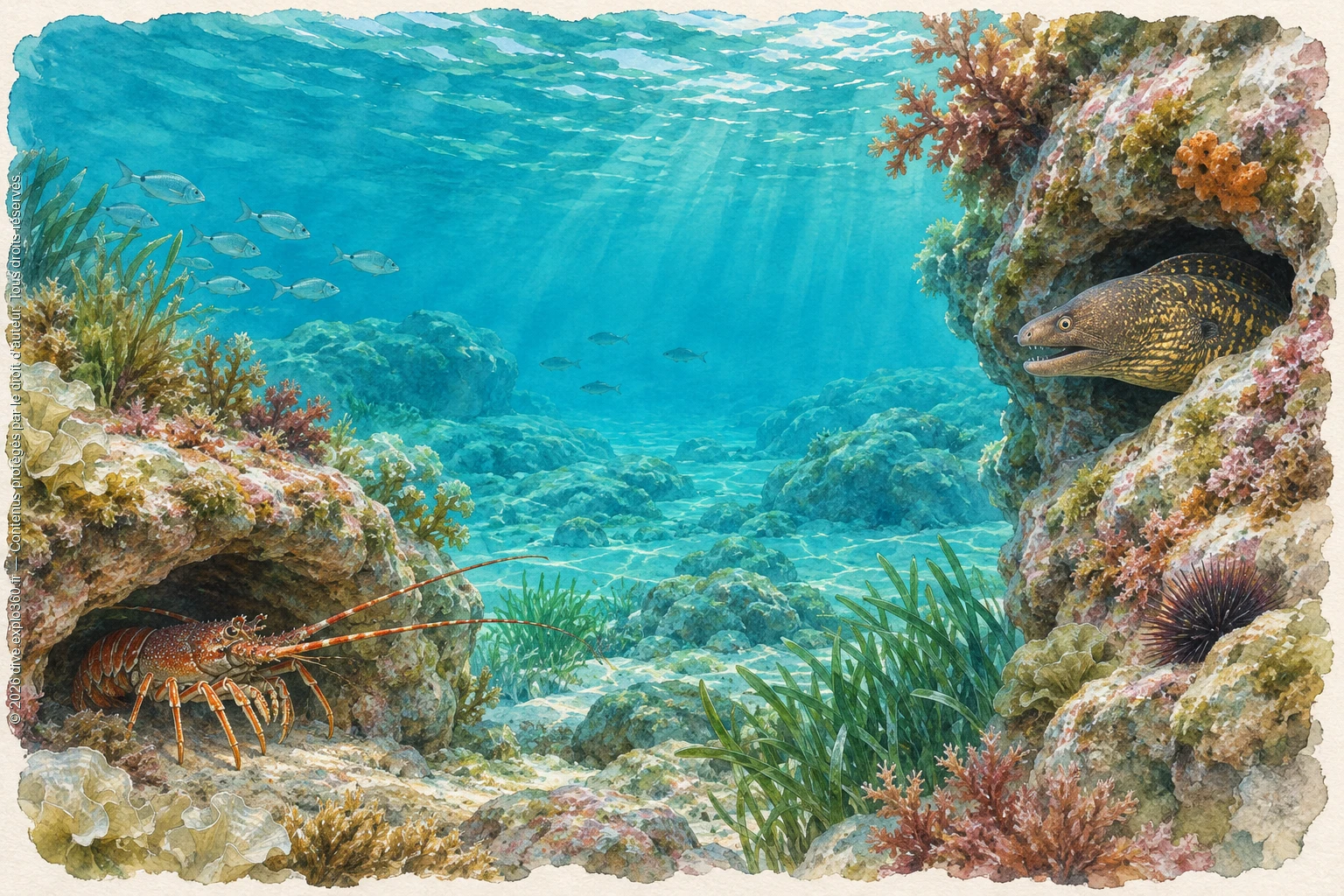
A moray follows hidden clues
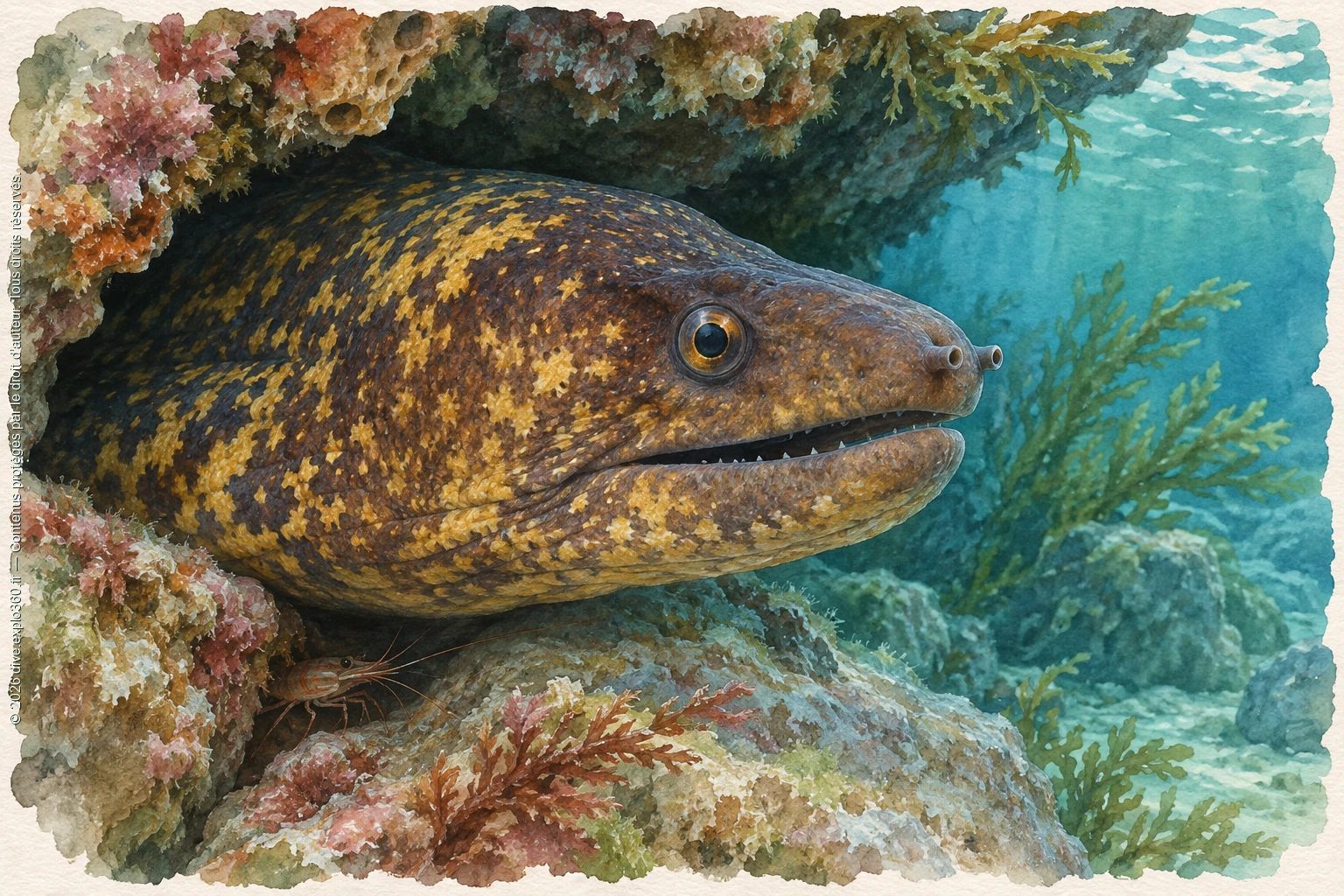
A Mediterranean moray, Muraena helena, has little tube-shaped nostrils on its snout. They help water reach its organs of smell.
A fish hiding in a dark crack may be invisible, but it still releases substances. These can help a moray search for a meal.
Morays use other senses too. Close up, sight and water movements can help. In Mediterranean and tropical seas, smell is useful when seeing is difficult.
Can a shark smell blood miles away?
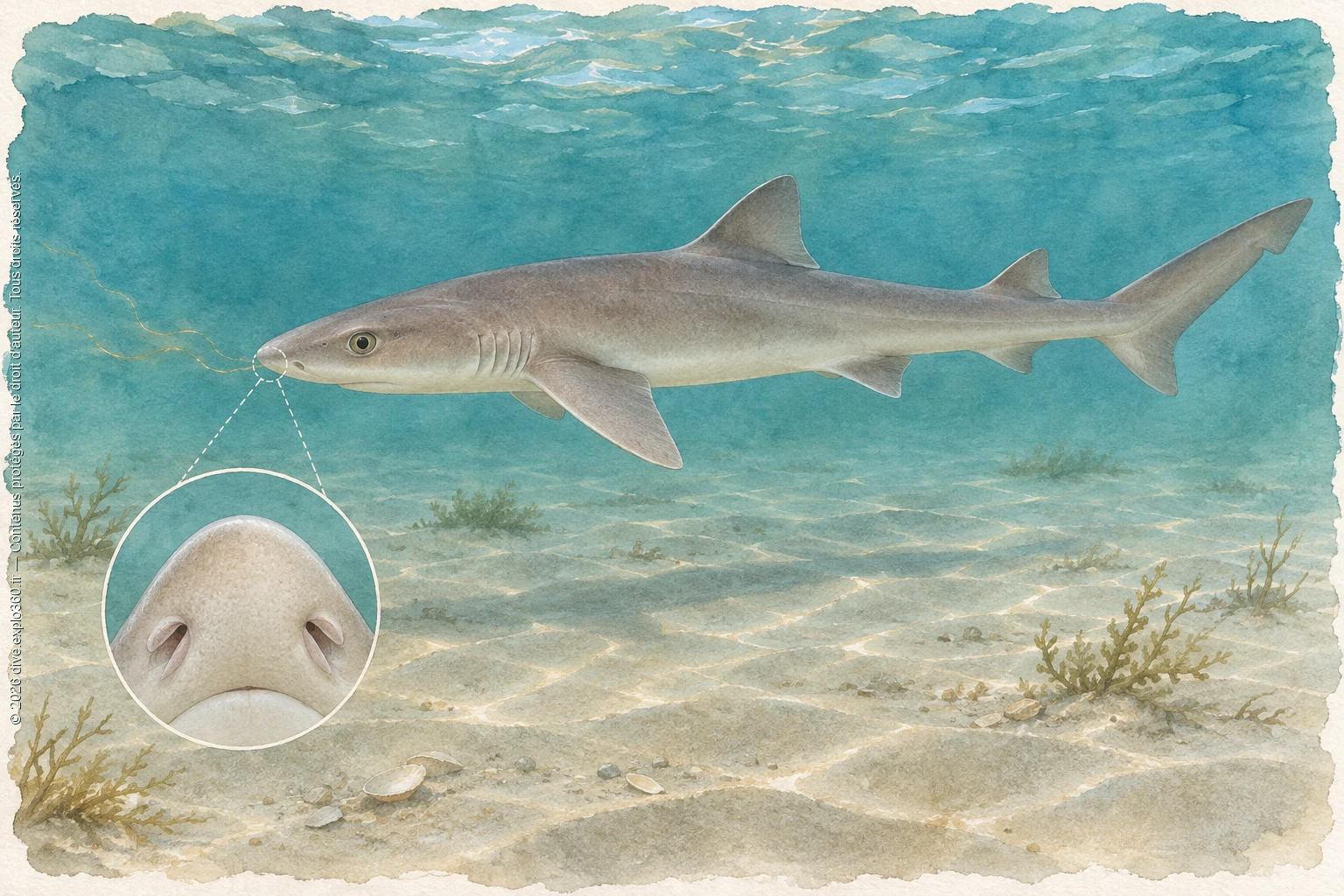
Can a shark smell a drop of blood from miles away? First, the substance has to reach its nostrils! Currents, mixing and the kind of shark all affect what it detects.
In 2010, scientists sent a scent to both nostrils of smooth dogfish, Mustelus canis, with a short delay. The sharks tended to turn towards the side reached first, even when the scent was stronger on the other side.
So the time of arrival can matter, not just the strength. Other tests show that the lateral line, which senses water movement, also helps sharks find the source.
A fresh sample with every flick
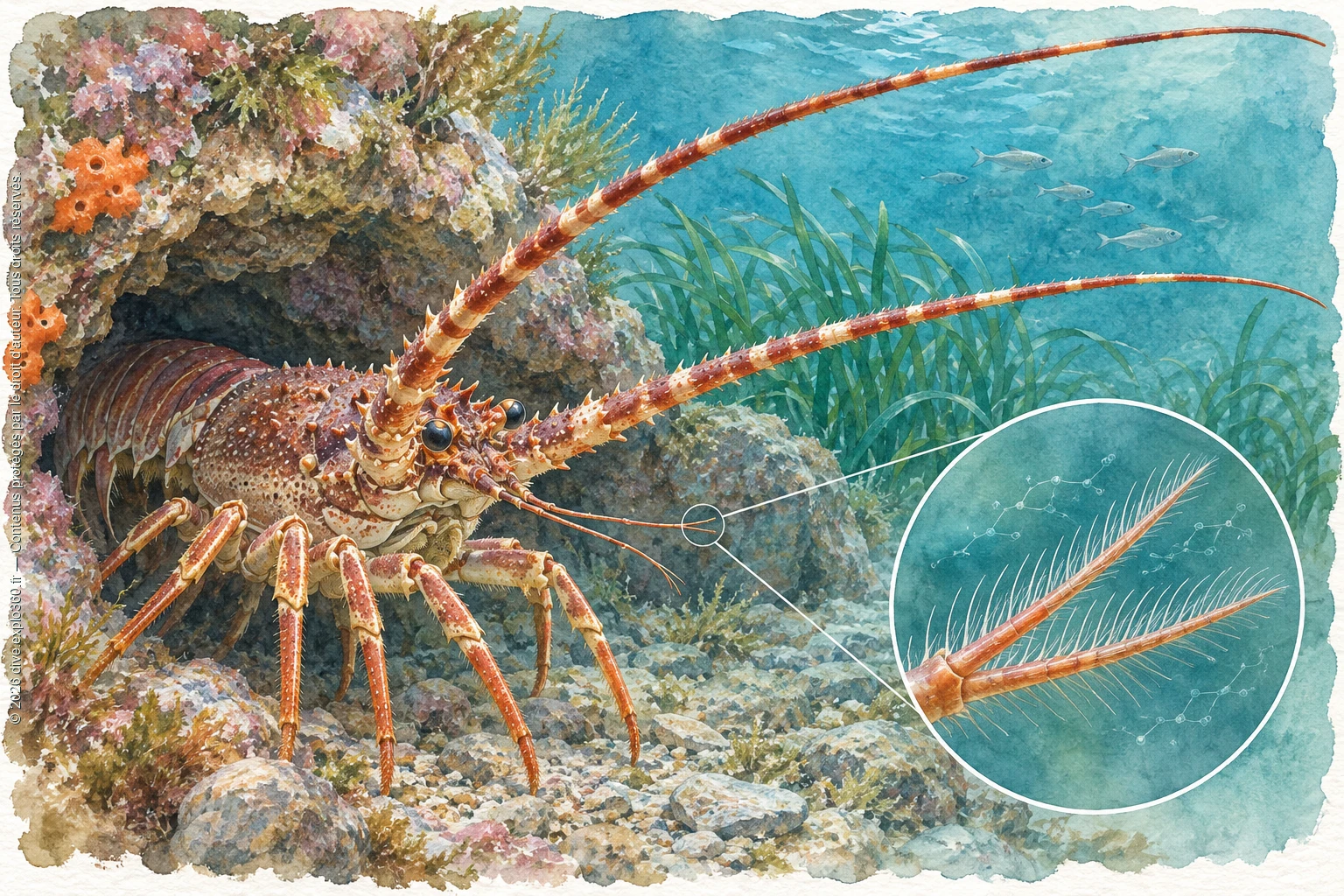
A European spiny lobster, Palinurus elephas, has long antennae. Closer to its face are shorter antennules, carrying fine sensors called aesthetascs.
The lobster flicks these antennules to bring fresh water to its sensors. It is a little like taking a sniff, although the organs work differently from ours.
Tests on the Caribbean spiny lobster, Panulirus argus, show that some nerve cells give information about the gaps between scent encounters. A lobster searching at night has more than its eyes to guide it.
GO FURTHER WITH AMIGANSEAU
Continue reading
Discover full species guides, in-depth content and interactive tools available with your licence.
Dive.Explo360 is an independent, self-funded nonprofit. Every licence helps us create new content, improve our teaching tools and keep some of our resources free and ad-free.
Choose a licence that suits your needs for personal, educational or professional use.
Open-access resources remain available without a subscription.