Where the seaside scent comes from
That seaside tang does not come from salt. Sodium chloride is odourless.
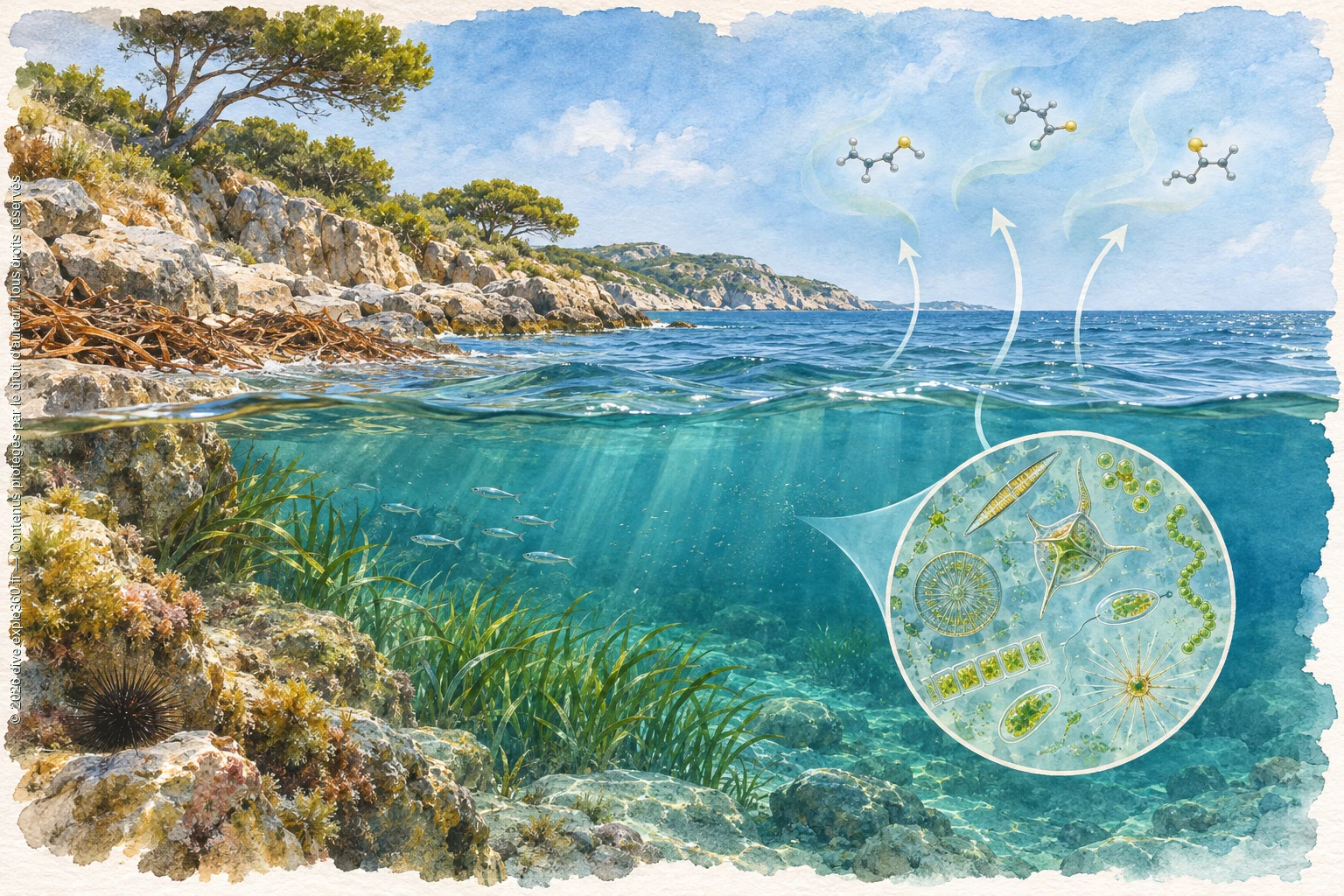
One ingredient is dimethyl sulphide, usually shortened to DMS. Its production involves phytoplankton and marine microbes, among other biological processes.
Many microscopic algae make a compound called dimethylsulphoniopropionate, or DMSP. It has several jobs inside their cells, including helping them cope with osmotic conditions. Once released into the water, it can be converted into DMS through biological activity.
Some of that DMS escapes into the air.
Other volatile compounds from seaweeds and decaying organic matter add to the scent. The blend changes with the season, the organisms present and local conditions.
Part of what we smell at the coast is therefore the work of life too small to see.
Following a broken trail
On land, airborne molecules reach receptors in our noses. Underwater, animals can detect chemicals carried to them in a liquid instead.
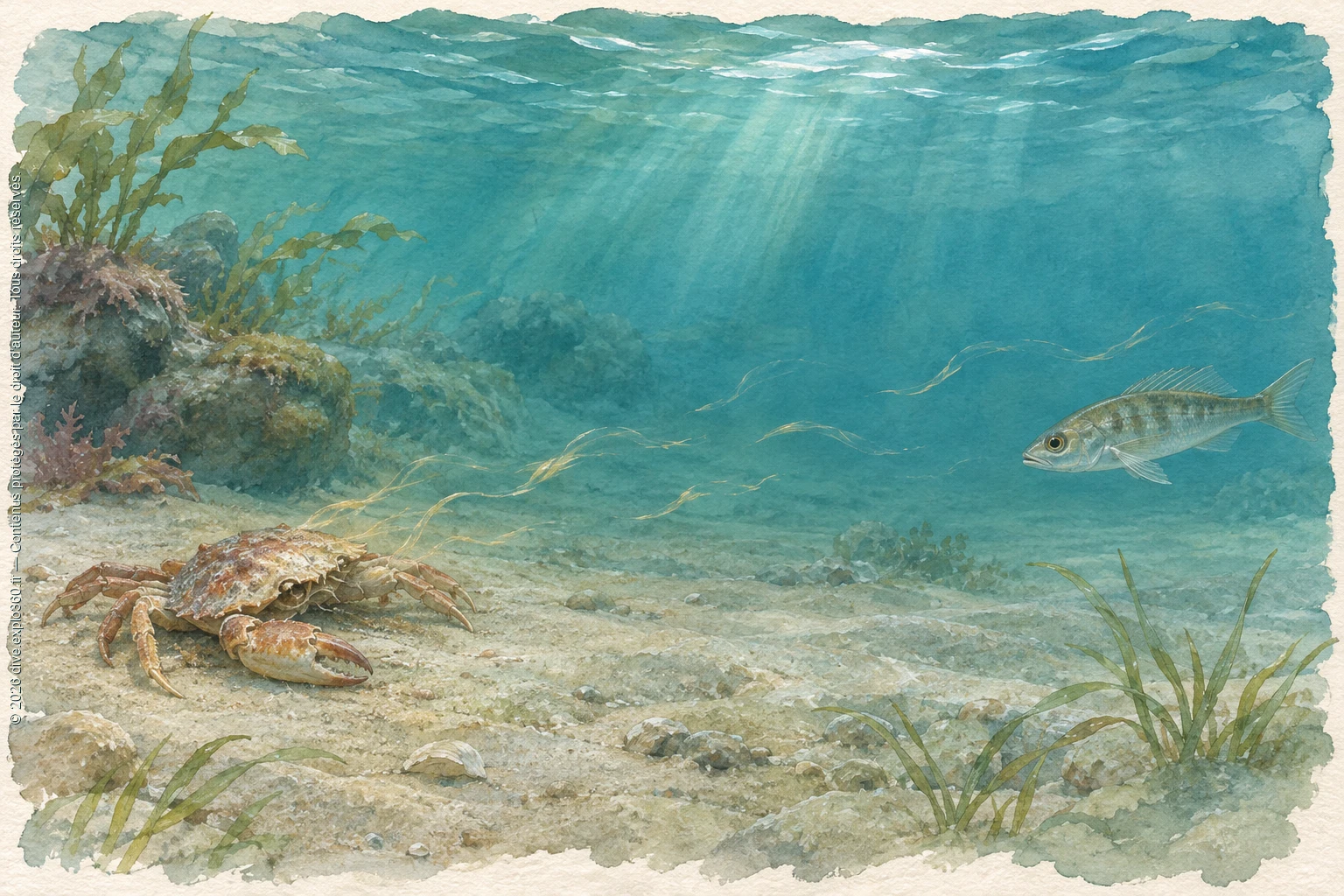
Picture a crab whose shell has just been broken. Amino acids and other organic compounds leak from its tissues and are carried away by the water.
They do not spread in neat circles. A current stretches the trail downstream, while turbulence breaks and mixes it into threads and patches of varying strength.
This trailing mixture is called an odour plume.
An animal downstream may meet the scent in bursts, with gaps between them. As it swims, it passes through patches containing more or fewer molecules from the source.
Following the trail means more than heading towards a stronger smell. The presence of a cue, the direction of the current and changes encountered along the way can all help locate its origin.
Do fish have noses?
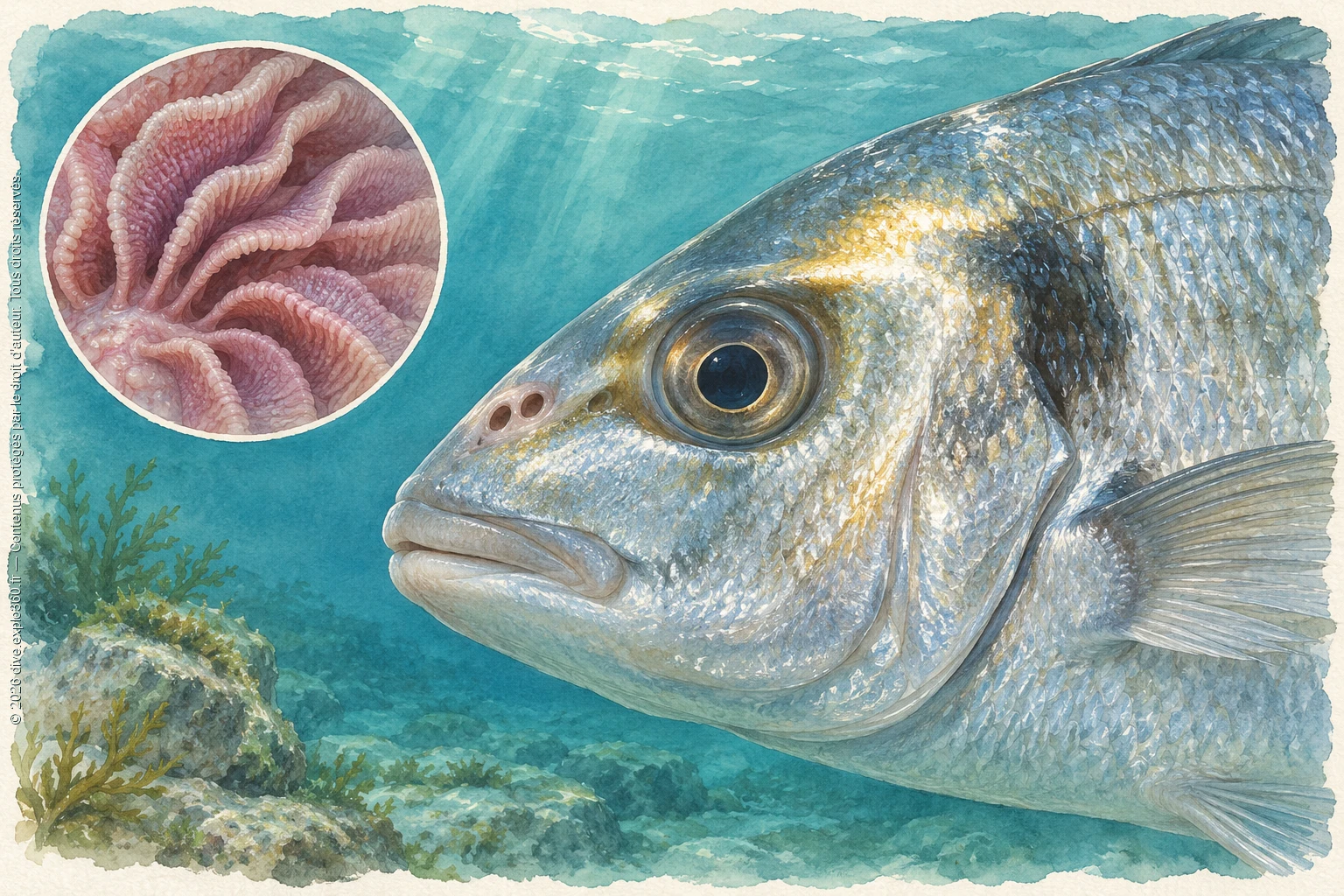
Look at the head of a fish and you can often spot small openings just in front of the eyes. These are its nostrils.
In most bony fish, they do not connect to the mouth or serve for breathing. Their chief role is smell.
Water reaches a cavity lined with sensory tissue. In many species, folds increase the area exposed to the water. Specialised cells detect certain molecules and send information to the brain.
A fish can pick up traces of prey, neighbours or its surroundings without seeing or touching their source.
Amino acids are important food clues for many species. Other substances provide information about breeding, habitat or danger.
Sensitivity varies with the fish’s anatomy, its receptors and the substance involved.
A fish that hunts by sight may use these clues differently from a nocturnal hunter searching among rocks.
The moray: a hunter guided by scent
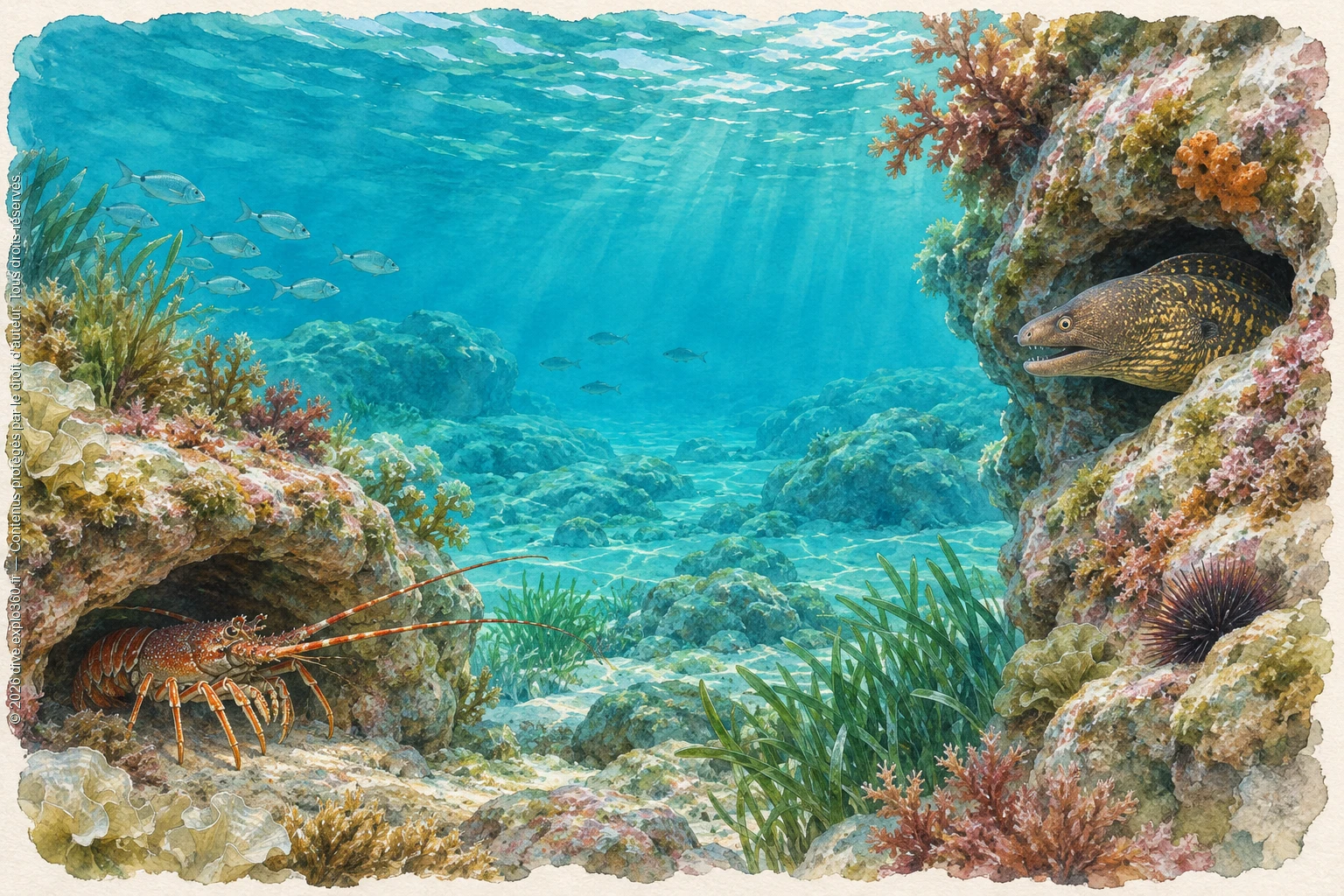
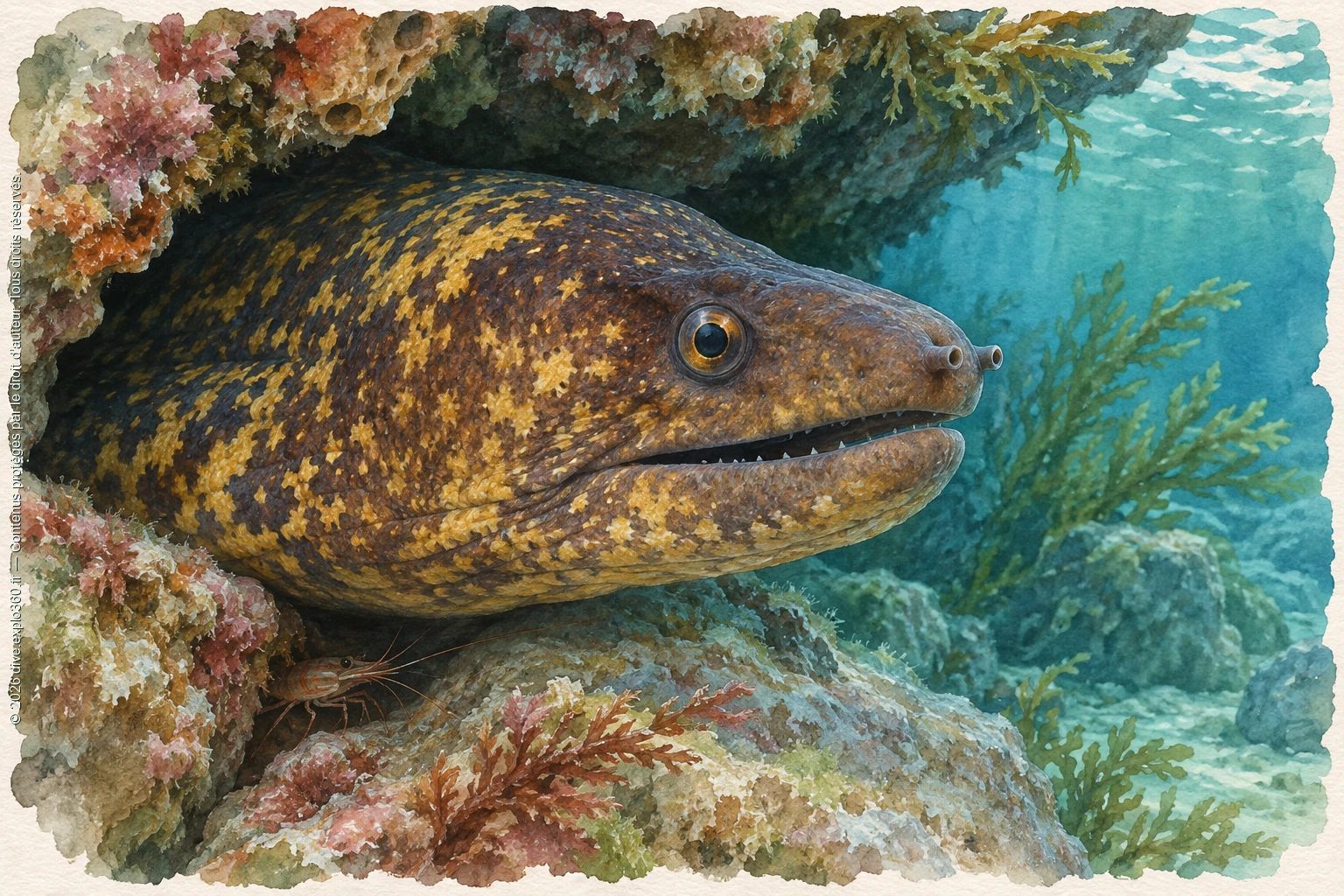
On the snout of a Mediterranean moray, Muraena helena, the front nostrils form small tubes. They are easy to notice in a close view of the head.
The tubes help water reach the organs of smell.
For a hunter searching rocky crevices, sometimes in darkness, chemical clues offer a way to find hidden prey.
A fish behind a stone or a crustacean deep in a crack can stay out of sight while still releasing detectable substances.
Smell works alongside other senses. Near the prey, sight and mechanical cues may help the moray locate and seize its meal.
From the Mediterranean to tropical reefs, morays show why a sense that works in poor visibility is so useful.
Can sharks really smell a drop of blood miles away?
Can a shark really smell one drop of blood from miles away? The familiar claim leaves out rather a lot.
What sharks actually do is more revealing.
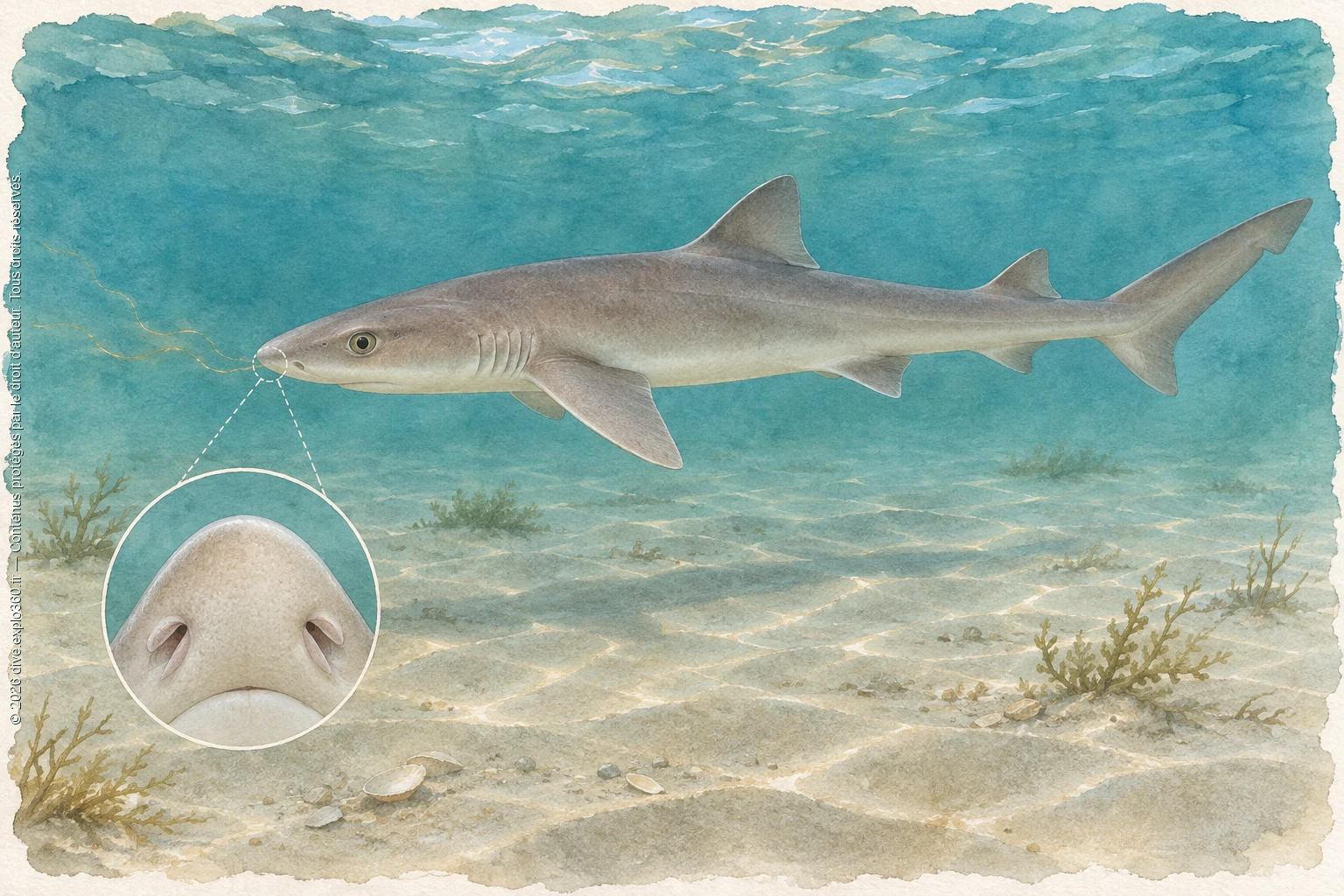
Their well-developed organs of smell can detect low concentrations of certain chemicals. But sensitivity differs between species and substances, while currents, dilution and turbulence affect how far a cue travels.
Nothing can be smelt before its molecules reach the nostrils.
In 2010, researchers tested smooth dogfish, Mustelus canis, by delivering a scent to the two nostrils with a small delay between them.
The sharks tended to turn towards the side reached first, even when the scent was stronger on the other side.
They were using arrival time, rather than simply choosing the stronger of two smells.
Other experiments show that the lateral line, which detects water movement, helps sharks pinpoint an odour source. Chemical and mechanical clues guide the search together.
In a trail continually broken up and reshaped by currents, that combination matters.
A fresh sample with every flick
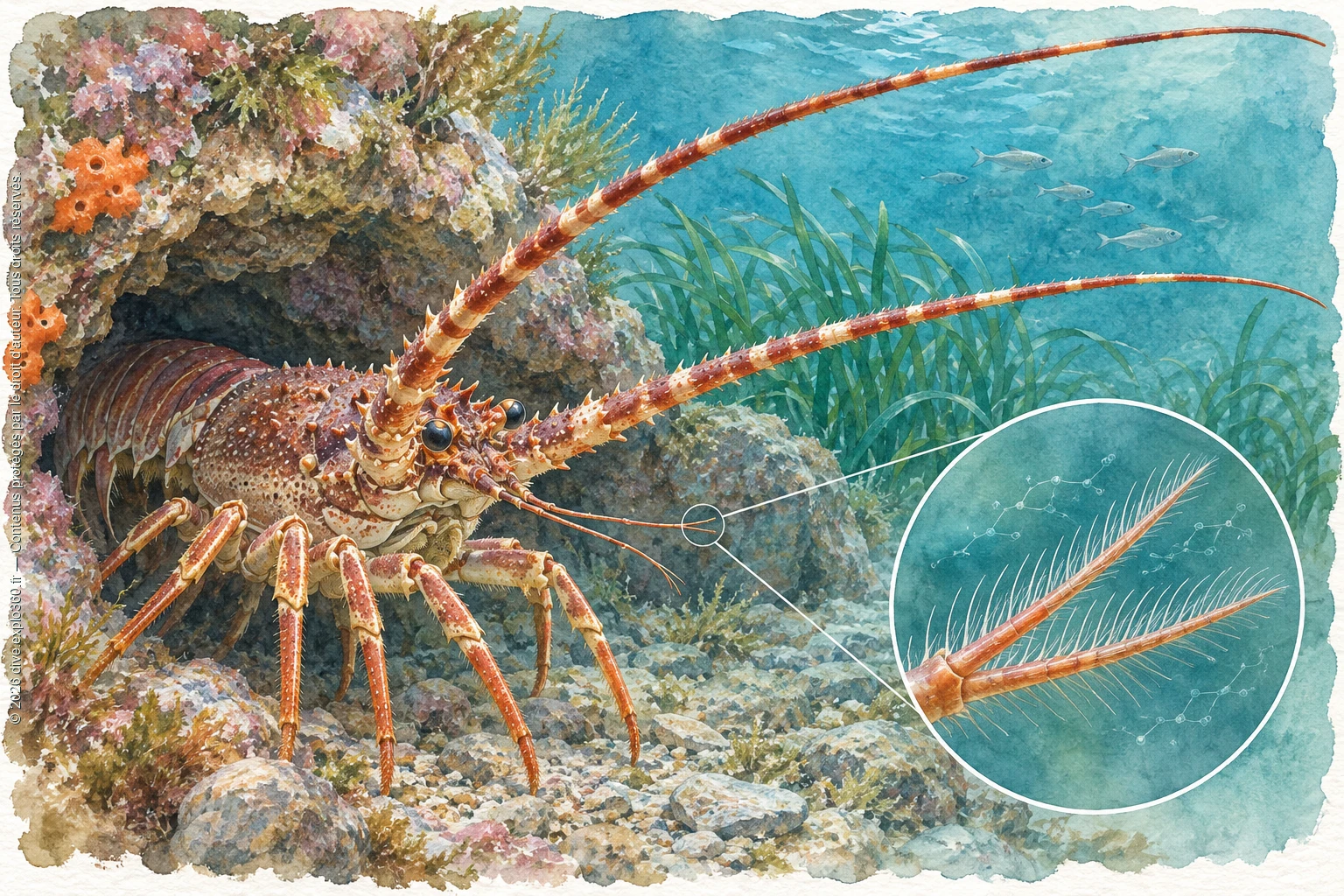
A European spiny lobster, Palinurus elephas, often rests at a shelter entrance with its long antennae projecting outside. Close to its head, much shorter appendages make small, quick movements.
These are the antennules.
They carry fine sensory structures called aesthetascs, specialised for detecting chemicals in water.
Each flick brings fresh water to the receptors, giving the lobster another sample of its surroundings.
It is a little like sniffing, although the organs and the way they work differ from ours.
Research on the Caribbean spiny lobster, Panulirus argus, has found that some olfactory nerve cells respond to the timing of successive scent encounters. The gaps between bursts can carry information about the plume.
A spiny lobster setting out at dusk therefore has much more than its eyes to guide it.
GO FURTHER WITH AMIGANSEAU
Continue reading
Discover full species guides, in-depth content and interactive tools available with your licence.
Dive.Explo360 is an independent, self-funded nonprofit. Every licence helps us create new content, improve our teaching tools and keep some of our resources free and ad-free.
Choose a licence that suits your needs for personal, educational or professional use.
Open-access resources remain available without a subscription.