Where the seaside scent comes from
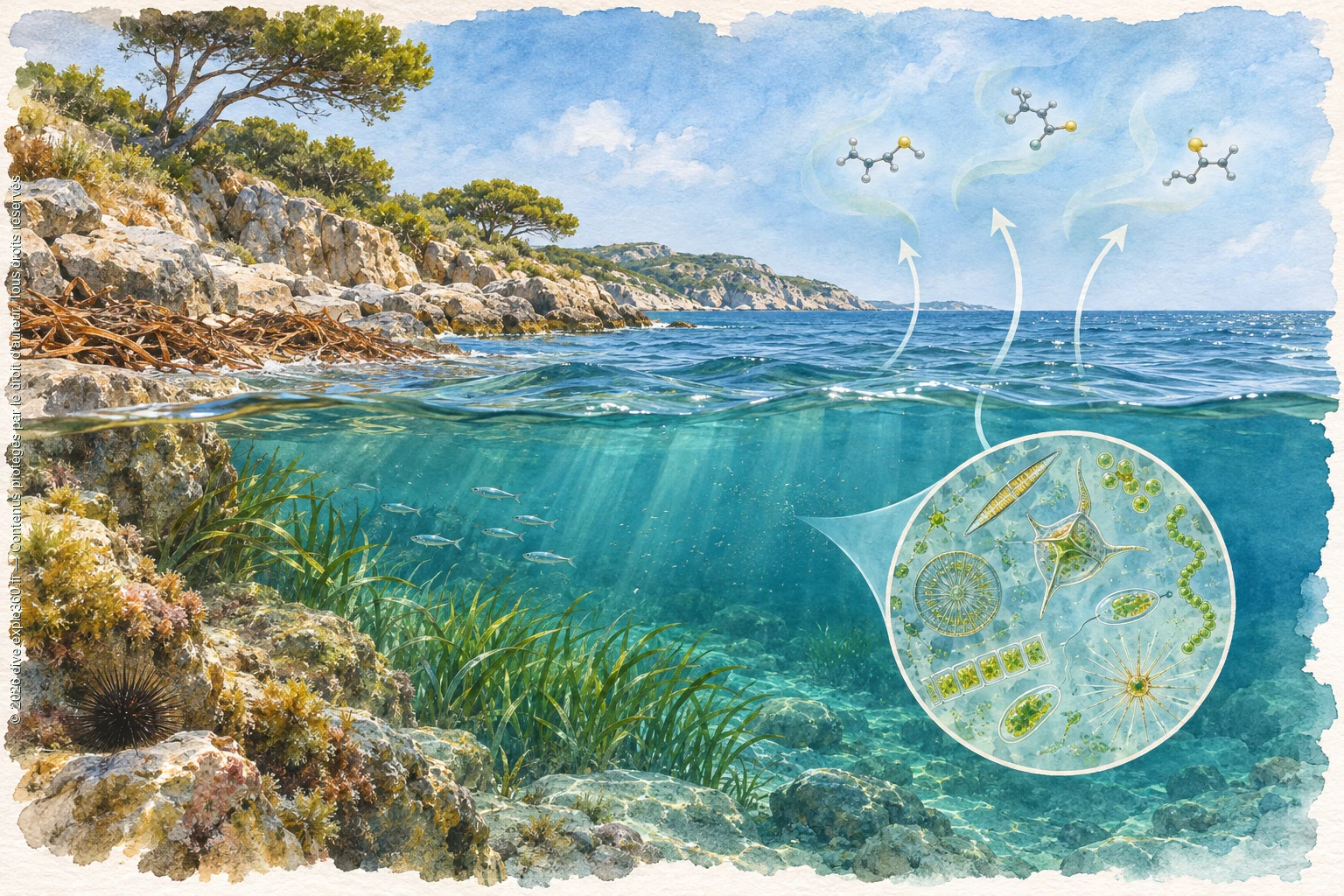
Sodium chloride is odourless. The sea’s familiar scent comes from a mixture that includes dimethyl sulphide, or DMS, produced through processes involving phytoplankton and microbes.
Many microscopic algae make dimethylsulphoniopropionate, or DMSP. Among its cellular roles is helping them cope with osmotic conditions. Once released into water, DMSP can be converted into DMS through biological activity. Some DMS then enters the atmosphere.
Seaweeds and decomposition add other volatile compounds. Season, species and local conditions change the blend. A familiar coastal smell partly reflects microscopic life.
Following a broken trail
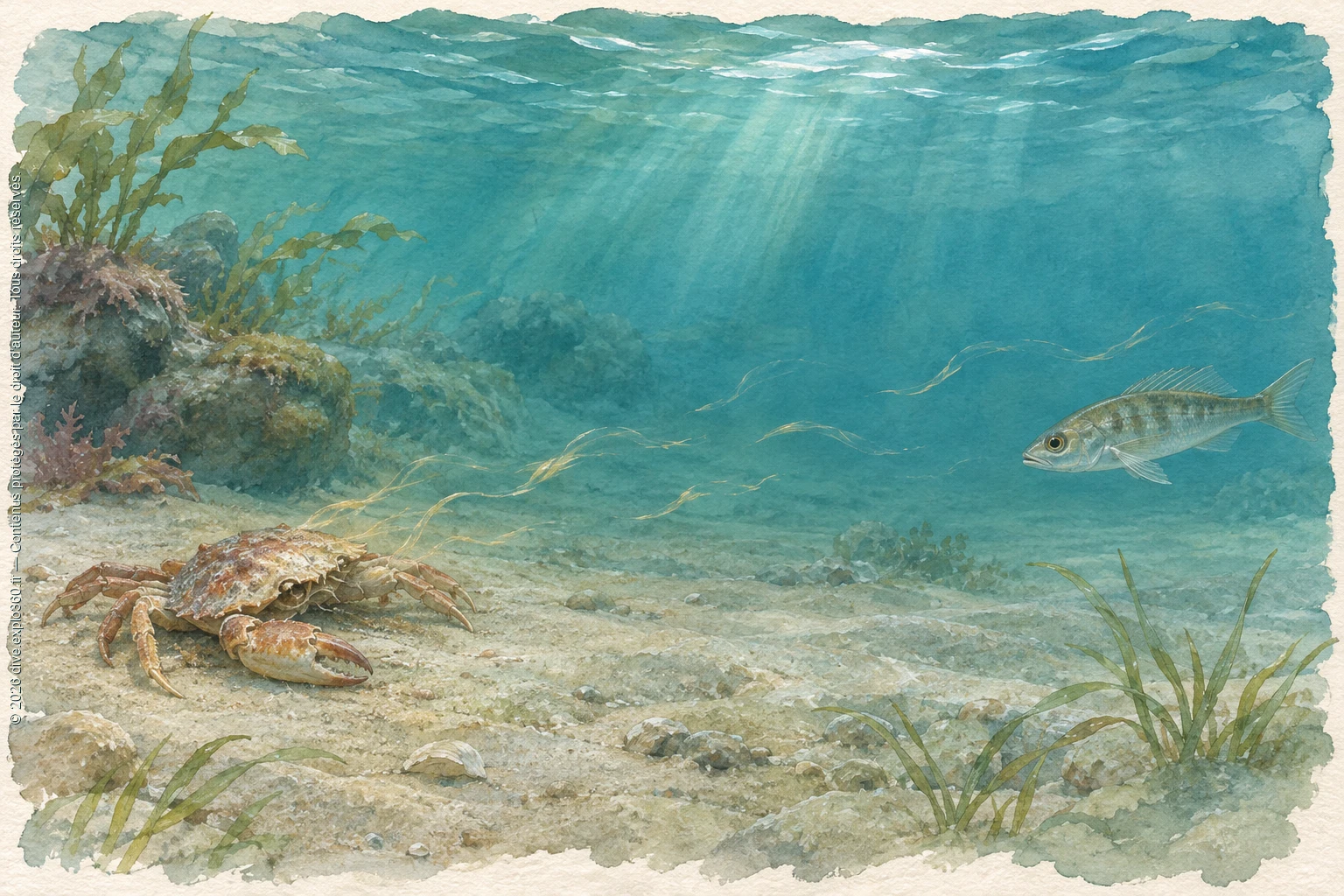
Whether in air or water, a chemical must reach a receptor to be detected. An injured crab releases amino acids and other organic compounds into the surrounding water.
Currents carry these substances downstream. Turbulence stretches and mixes them into threads and patches of different concentrations, rather than uniform expanding circles. The resulting trail is an odour plume.
Fish nostrils and chemical perception
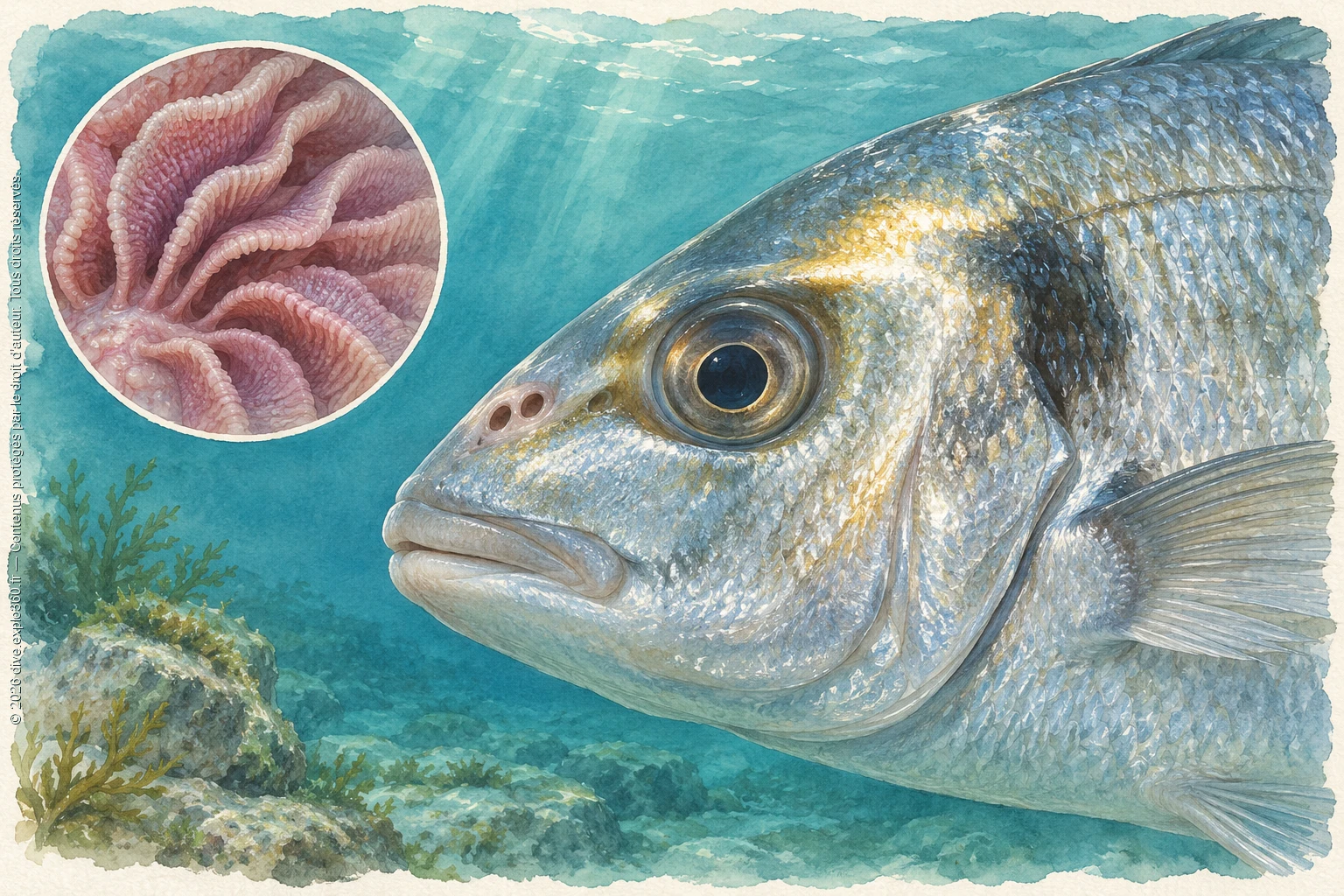
Small openings ahead of the eyes are a fish’s nostrils. In most bony fish, they neither connect to the mouth nor serve for breathing.
Water bathes sensory tissue, often folded to increase its exposed area. Specialised cells detect certain molecules and send information to the brain. The source need not be visible or in direct contact with the fish.
Amino acids provide feeding cues for many species. Other compounds indicate breeding state, neighbours, habitat or danger. Sensitivity depends on anatomy, receptors and the substance. A visual hunter need not use the same clues as a nocturnal predator.
How a Mediterranean moray uses smell
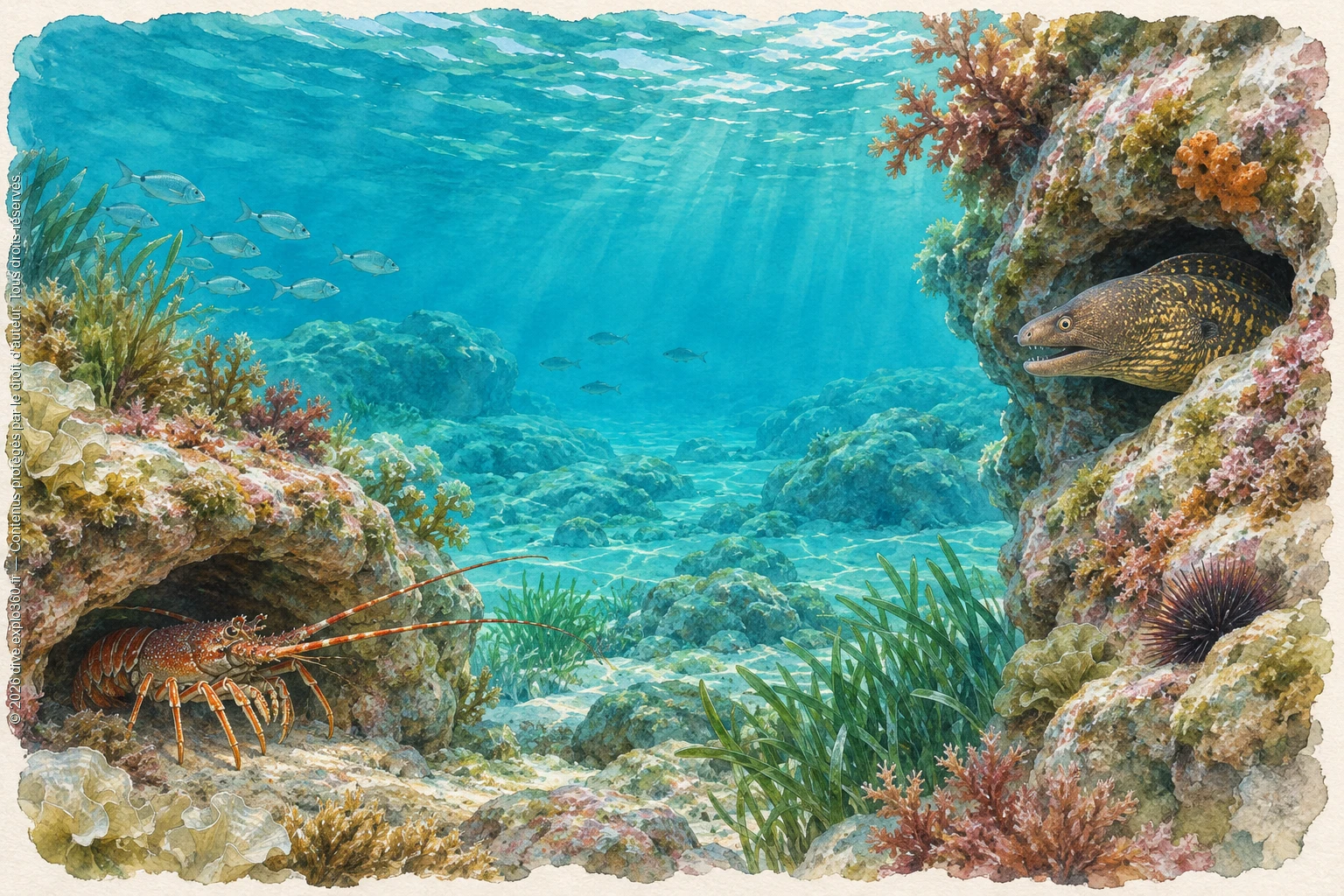
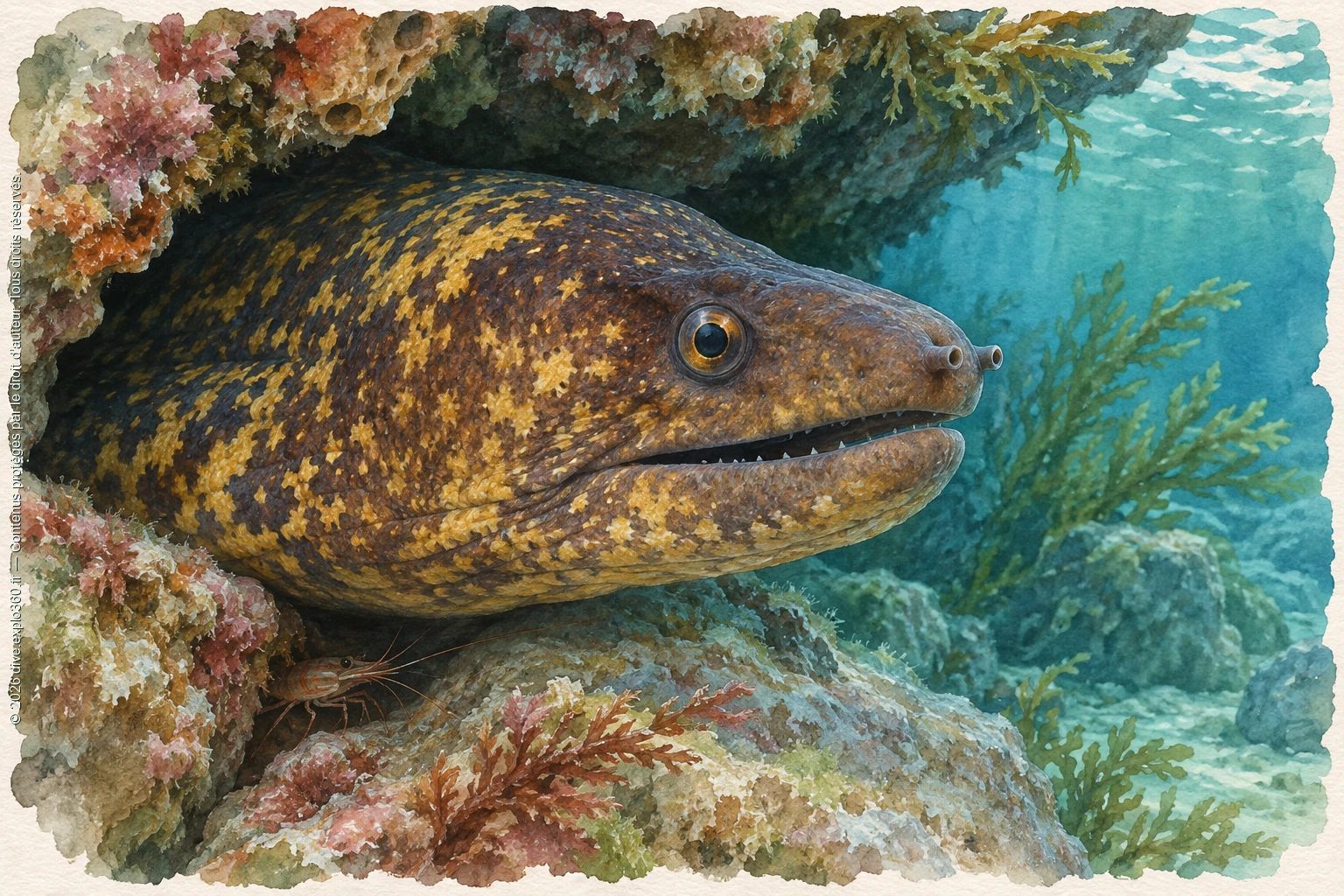
The Mediterranean moray, Muraena helena, has conspicuous tubular front nostrils. These help direct water to its organs of smell.
Chemical clues are valuable when searching rocky crevices, sometimes in darkness. Hidden prey may still release detectable substances.
Smell works with other senses. Sight and mechanical cues can contribute at close range. Morays in Mediterranean and tropical waters show why information beyond vision matters.
Sharks: concentration, arrival time and flow
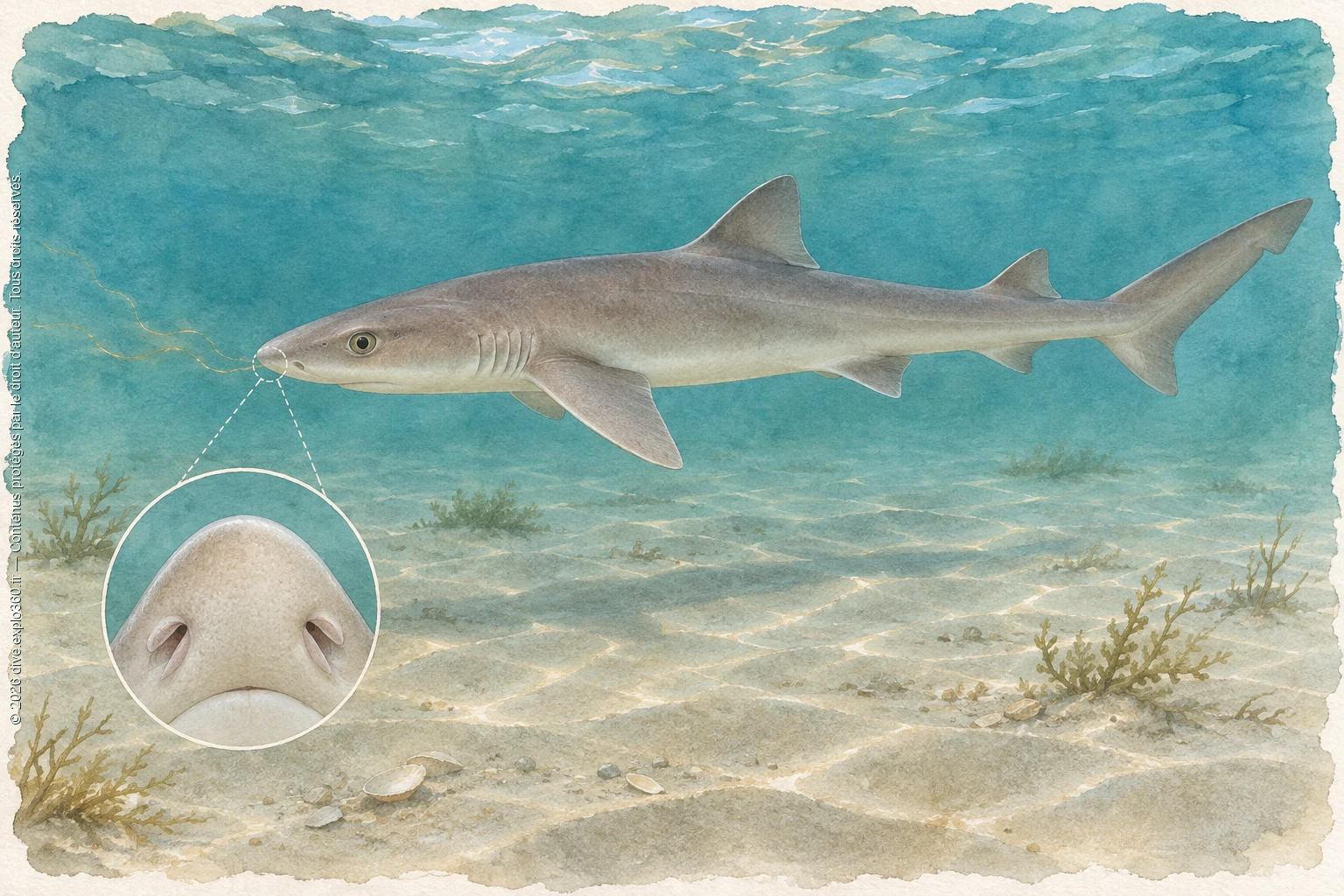
The story of a drop of blood detected miles away conceals important limits. Sharks detect low concentrations of some substances, but sensitivity varies with species and molecule. Currents, dilution and turbulence affect transport. Molecules must physically reach the nostrils.
In 2010, Gardiner and Atema delivered scent stimuli to the two nostrils of smooth dogfish, Mustelus canis, at different times. Sharks tended to turn towards the side reached first, even if the concentration was greater on the other side.
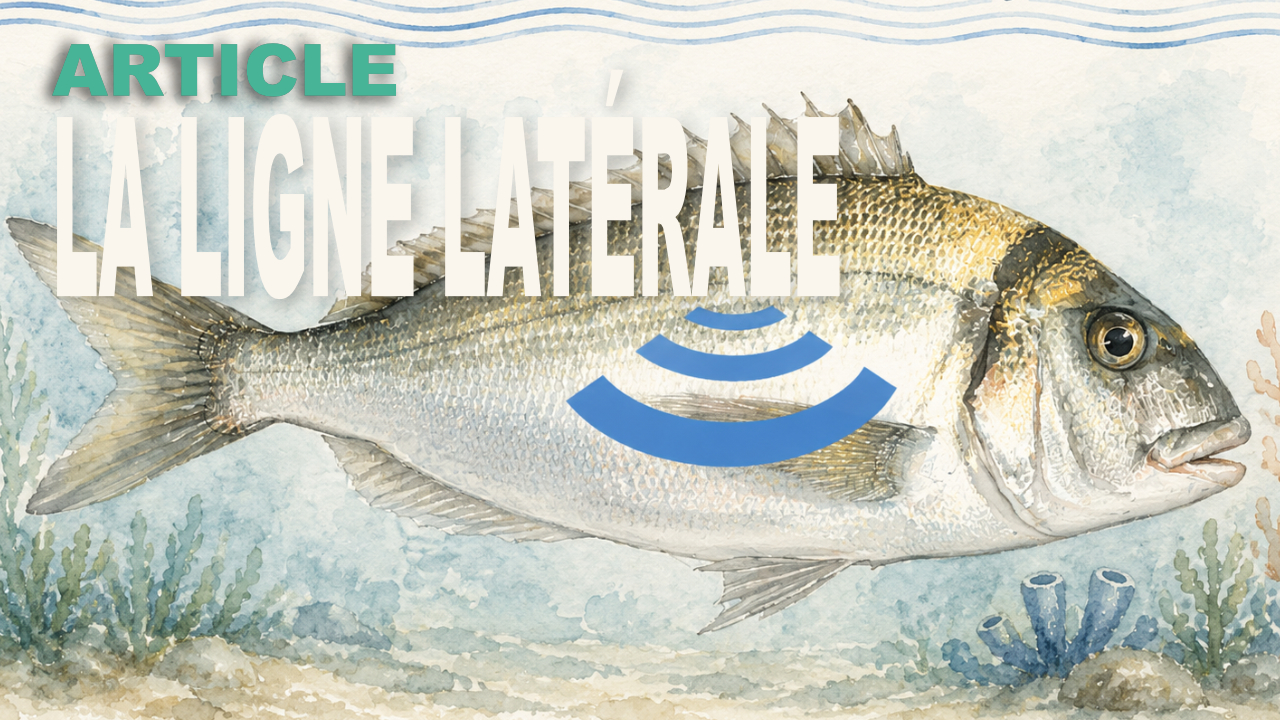
Arrival time therefore contributed beyond intensity alone. Other experiments show that the lateral line helps locate a source precisely. Chemical and mechanical information complement each other in an uneven, shifting plume.
A fresh sample with every flick
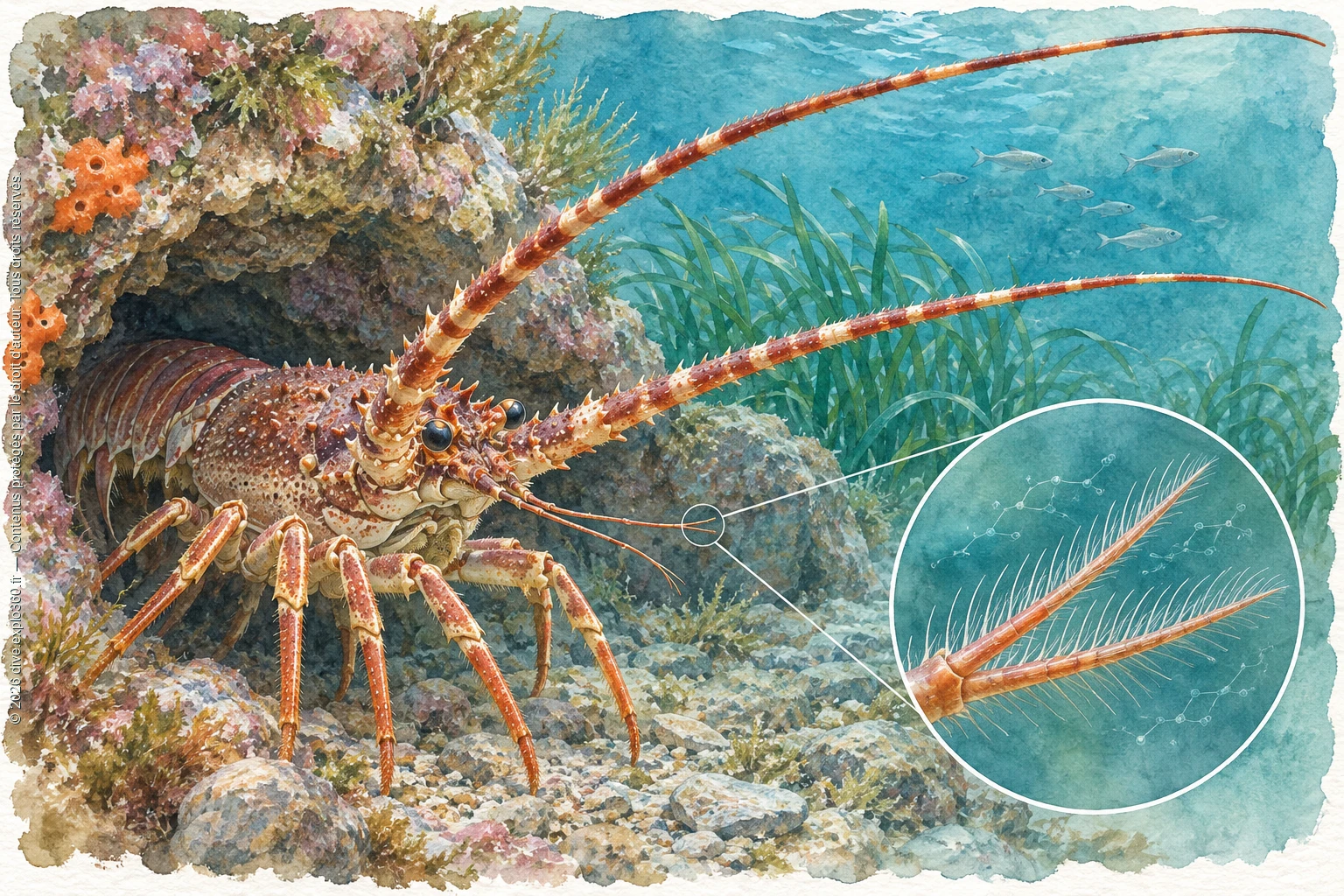
The European spiny lobster, Palinurus elephas, has short, mobile antennules as well as long antennae. The antennules carry aesthetascs, fine structures specialised for chemical detection.
Flicking replaces the water around the receptors, allowing fresh samples. The analogy with sniffing concerns renewed sensory input, rather than shared anatomy.
In the Caribbean spiny lobster, Panulirus argus, some olfactory nerve cells encode intervals between scent encounters. Timing within a broken plume can therefore supply information, alongside other clues, to a searching animal.
GO FURTHER WITH AMIGANSEAU
Continue reading
Discover full species guides, in-depth content and interactive tools available with your licence.
Dive.Explo360 is an independent, self-funded nonprofit. Every licence helps us create new content, improve our teaching tools and keep some of our resources free and ad-free.
Choose a licence that suits your needs for personal, educational or professional use.
Open-access resources remain available without a subscription.