A WORLD BUILT BY LIFE
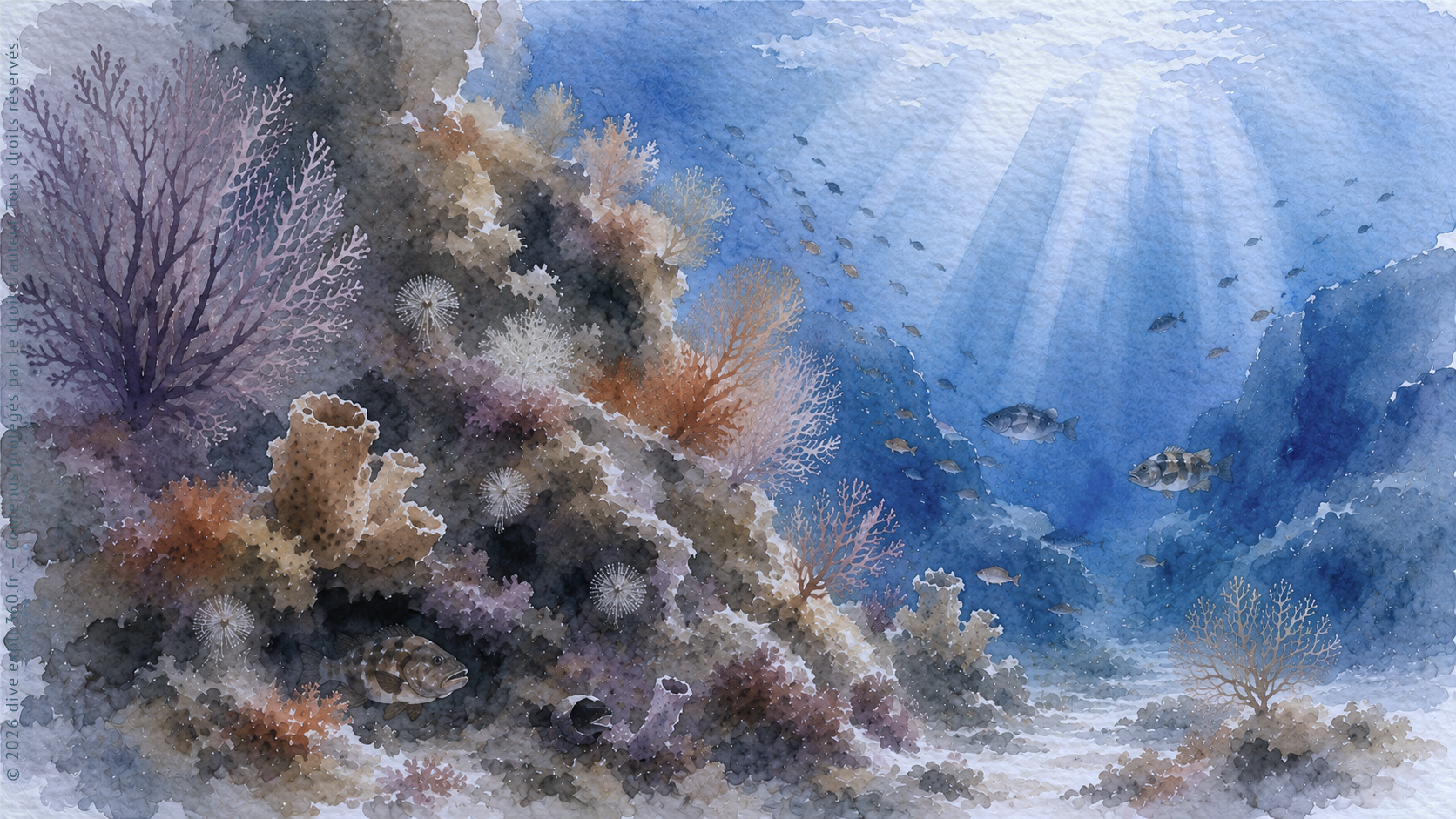
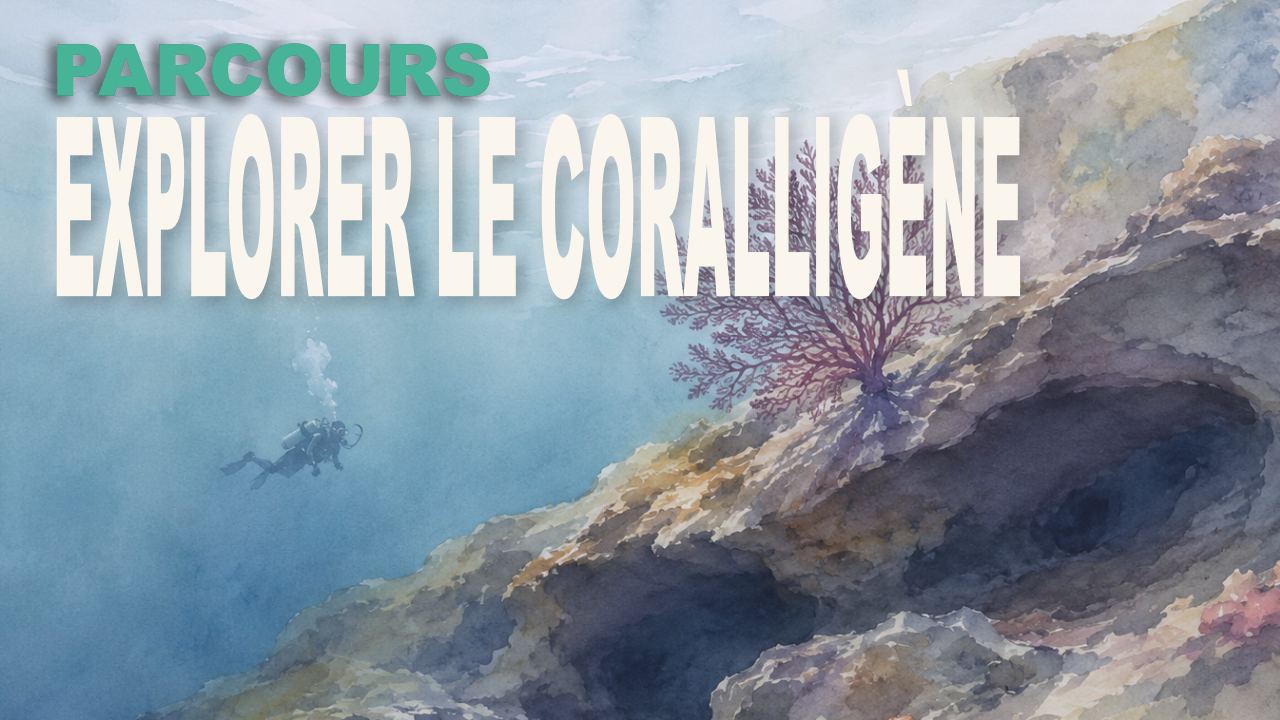
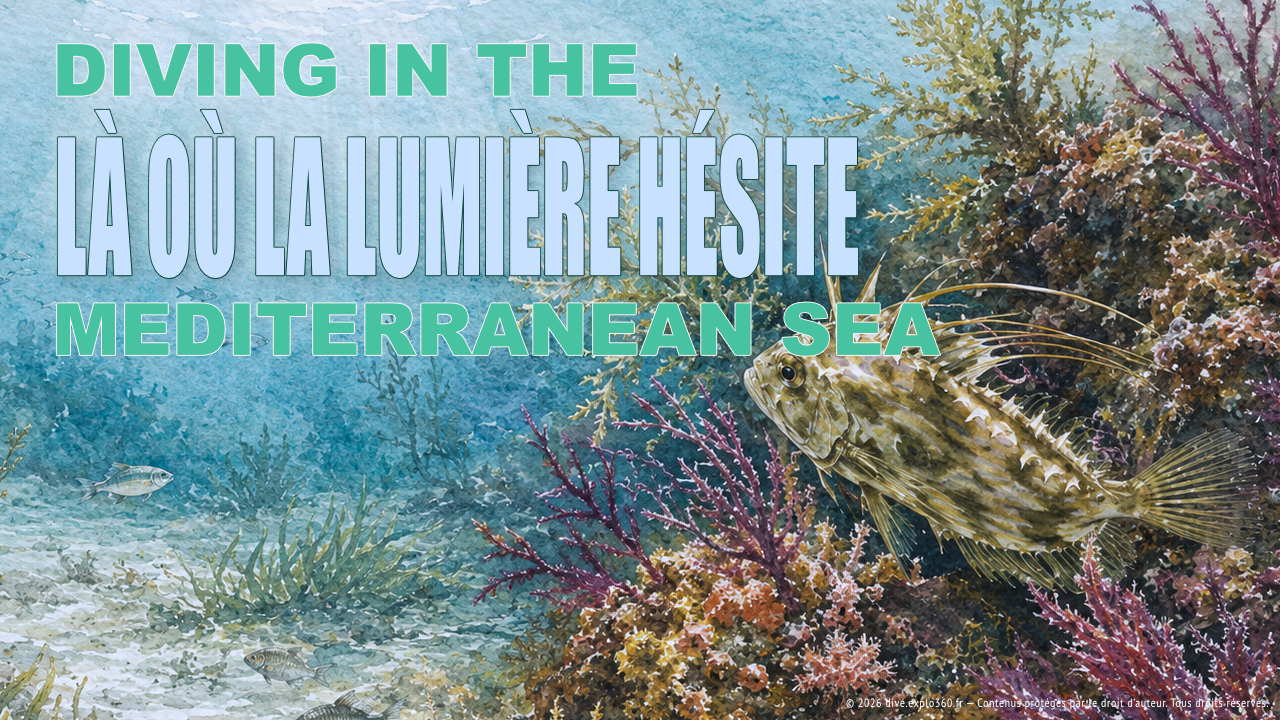
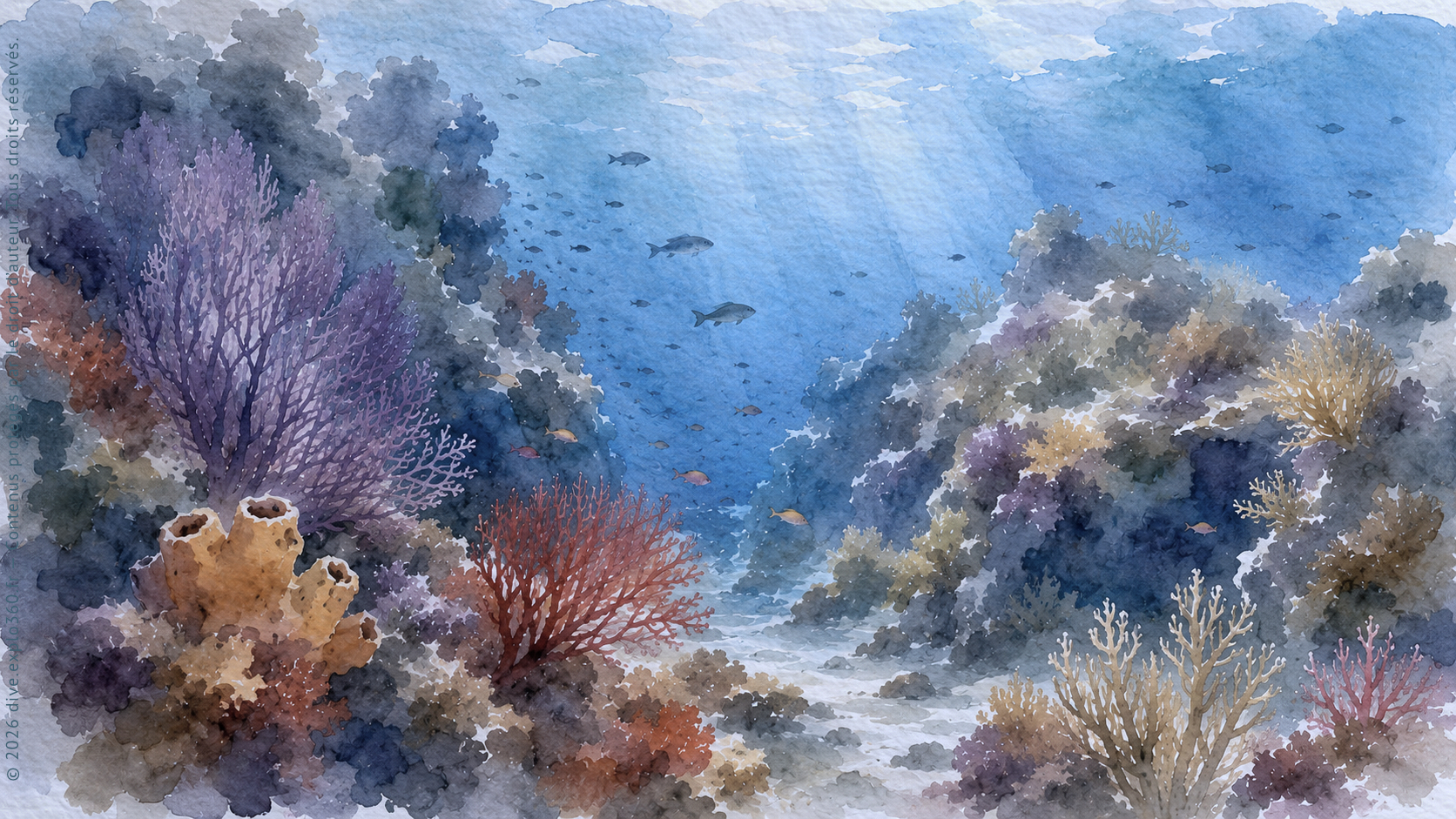
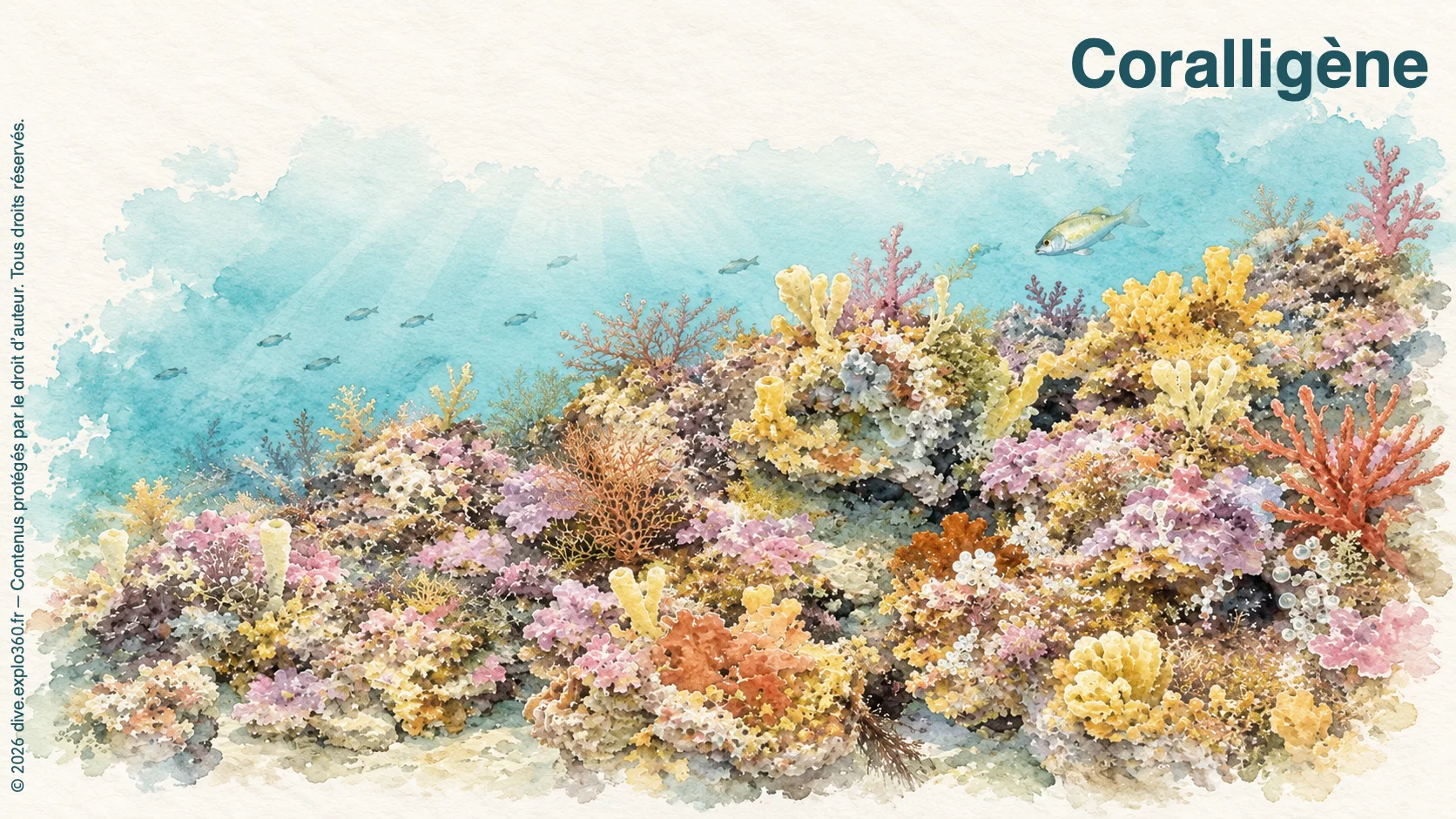
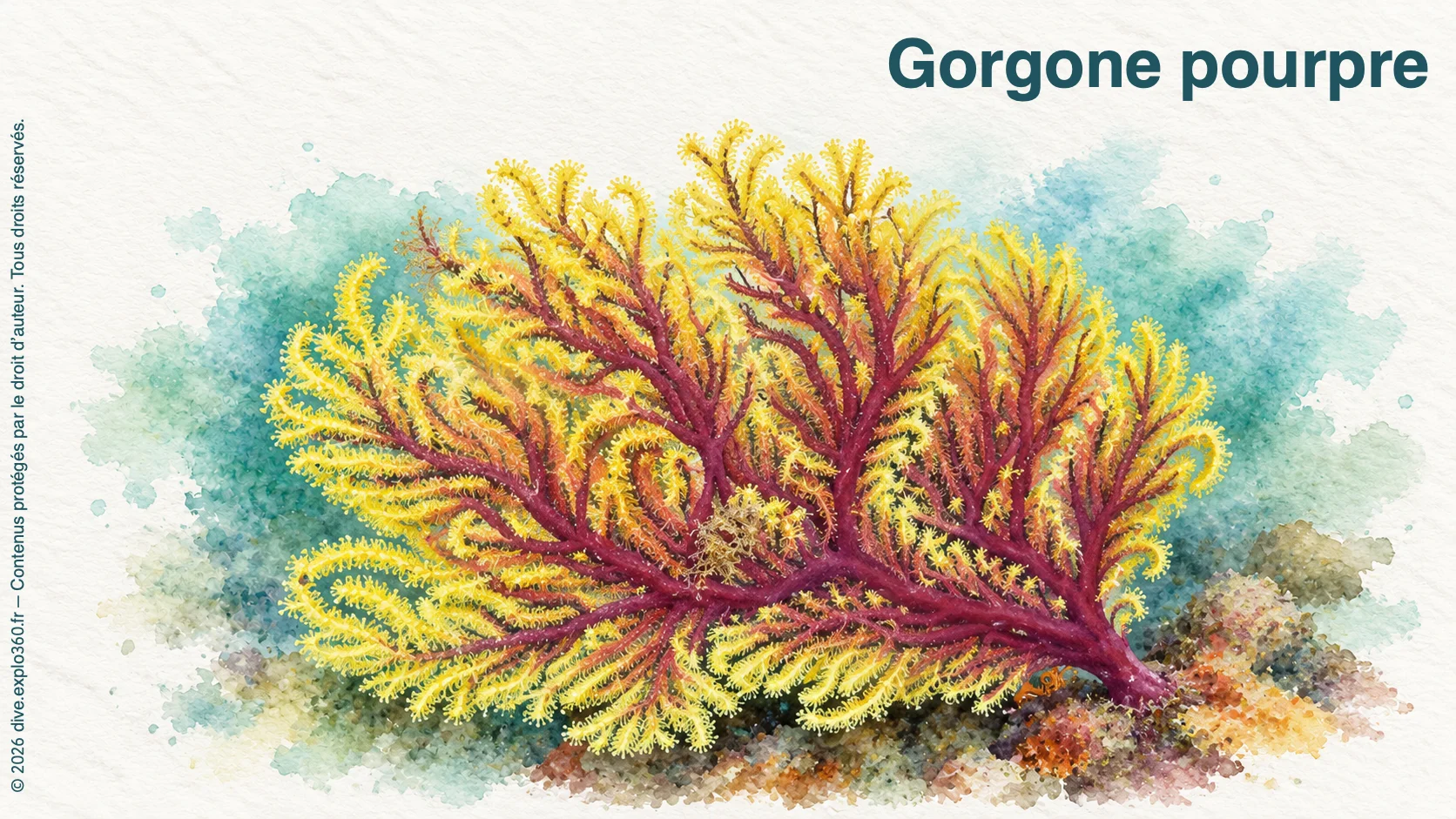
Sea fans rise from a wall covered in bright sponges and bryozoans. Fish and crustaceans can slip into its cavities. In the dim Mediterranean light, it all seems to grow on rock.
Look closely at what lies beneath the animals.
Part of the structure we see is built by living organisms, layer by layer, over centuries and sometimes millennia.
This is the coralligenous habitat.
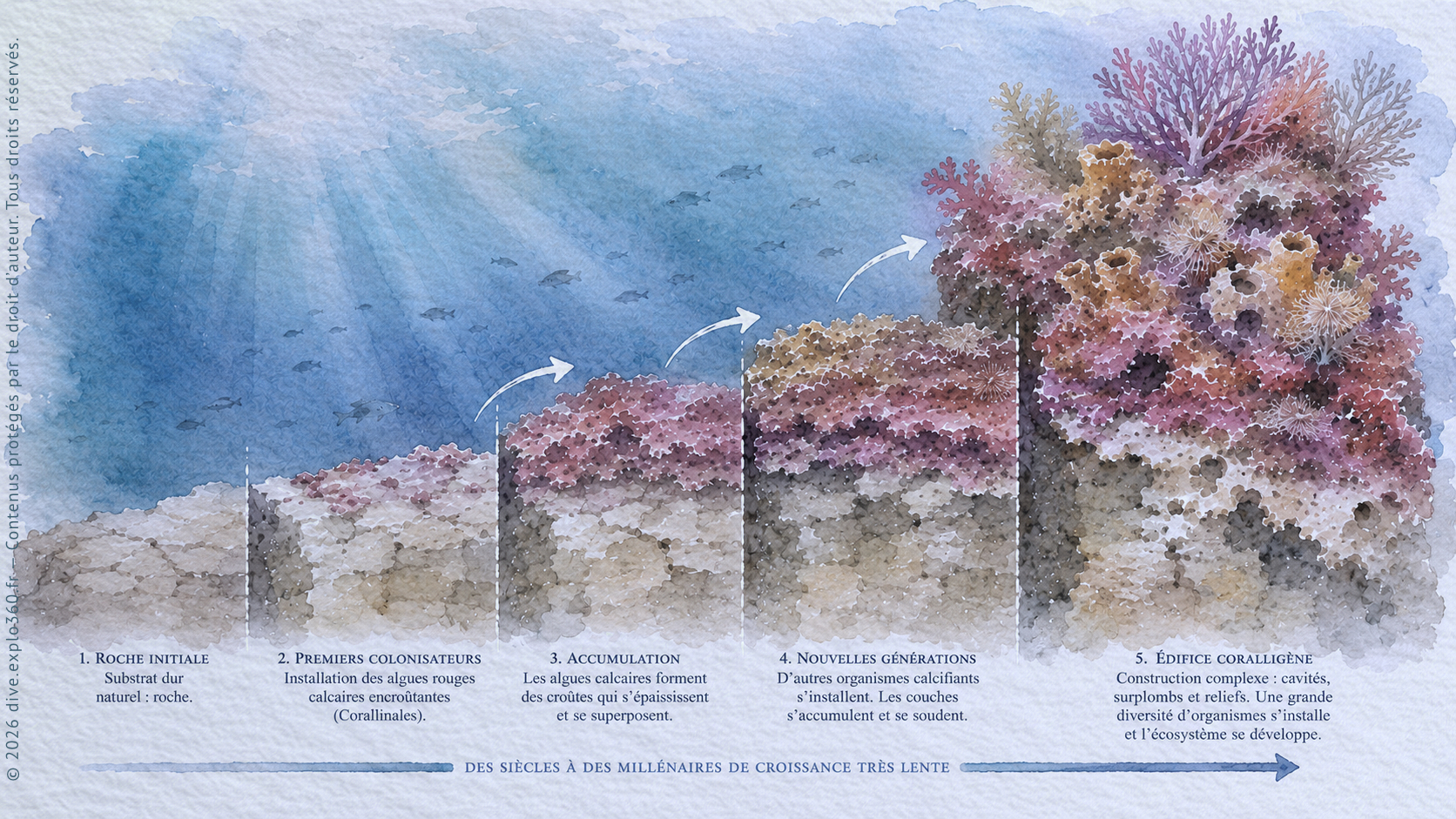
Its main builders are easy to overlook. Encrusting red algae deposit calcium carbonate in their tissues, forming hard crusts.
Accumulating generation after generation, they help build a complex mineral structure on which an extraordinary diversity of organisms settles.
The organisms you see are living on a structure that is still growing and changing around them.
BUILDING
Building organisms gradually add material to the formation.
STRENGTHENING
STARTING AGAIN
The coralligenous structure thus grows through successive accumulation.
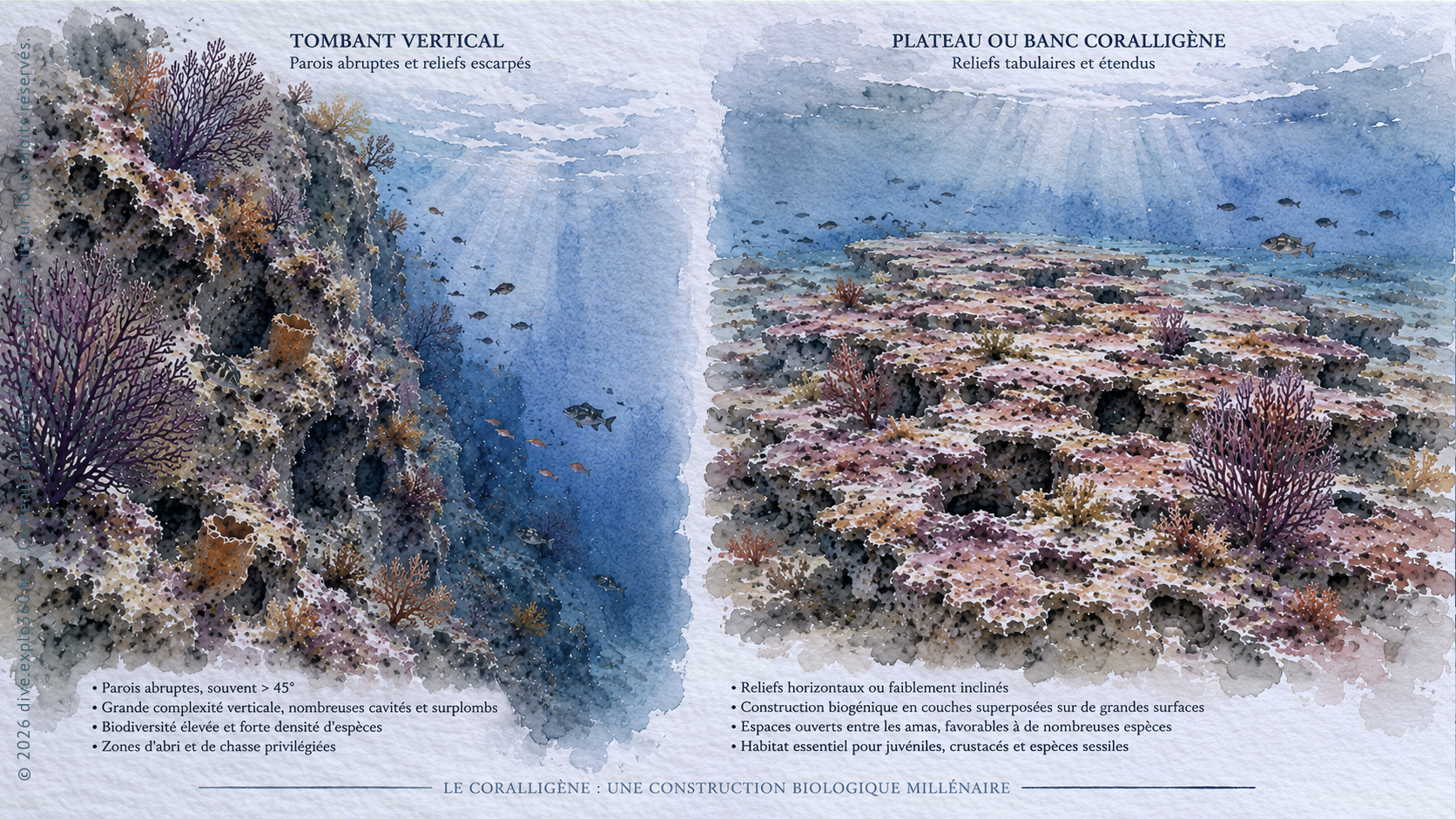
WALL CORALLIGENOUS HABITATS
Organisms can colonise walls, overhangs, cracks and cavities.
The structure becomes very complex.
Sea fans, sponges, bryozoans, sea squirts and other upright organisms then turn the formation into a truly three-dimensional landscape.
PLATFORM OR BANK CORALLIGENOUS HABITATS
Light and especially sedimentation do not act in exactly the same way as on a vertical wall.
The profile may be lower, irregular and broken into blocks, bumps, depressions and cavities.
But the principle remains the same: biological construction, slow growth and continual competition for space.
WHY SO MANY COLOURS?
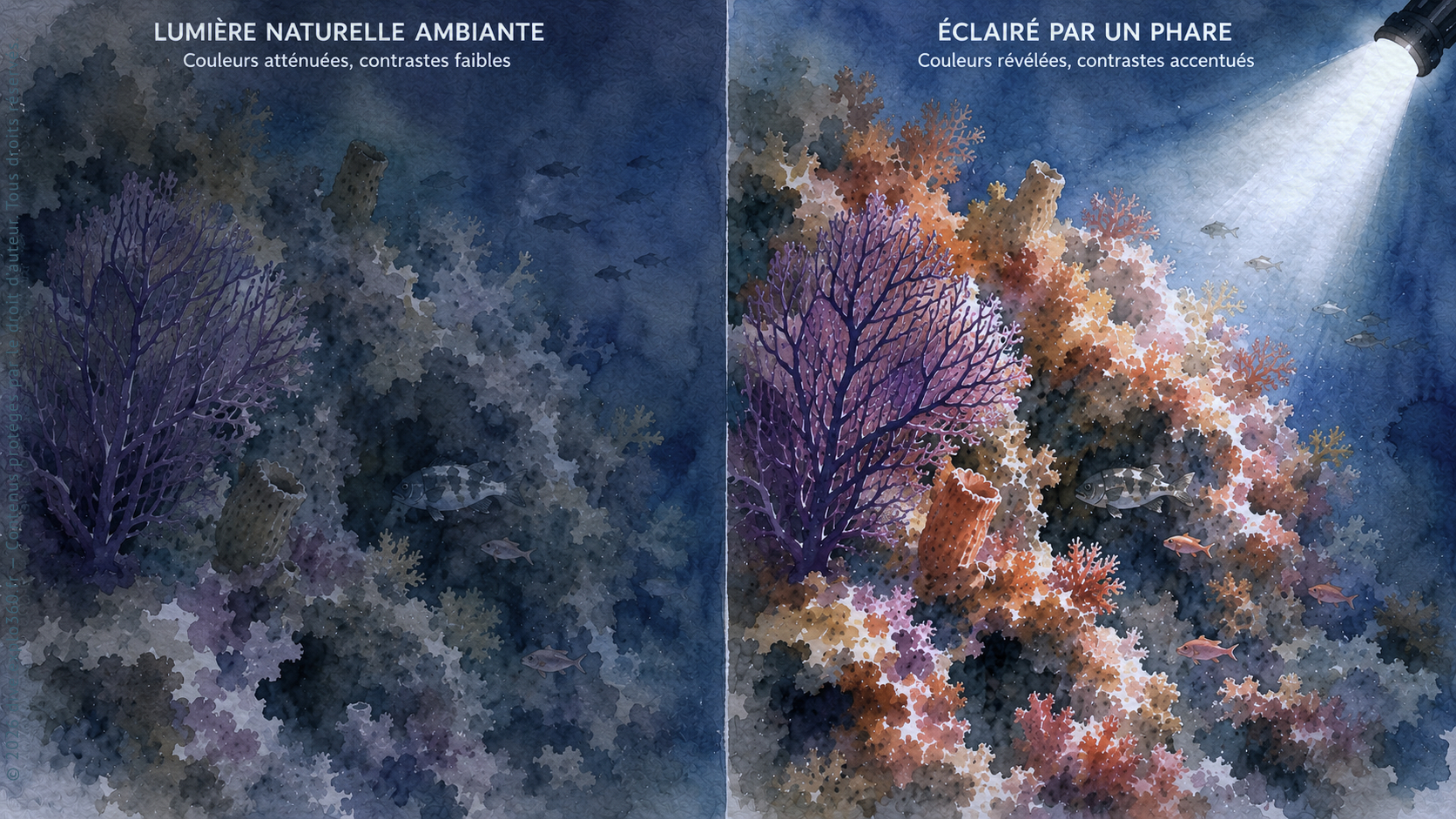
Red, orange, yellow, pink, purple… Coralligenous habitats are among the Mediterranean's most colourful landscapes, even though they develop in dim light.
The colours come from pigments. Some help algae harvest light for photosynthesis. In sponges, sea fans, sea squirts and bryozoans, pigments may protect cells or serve other biological functions.
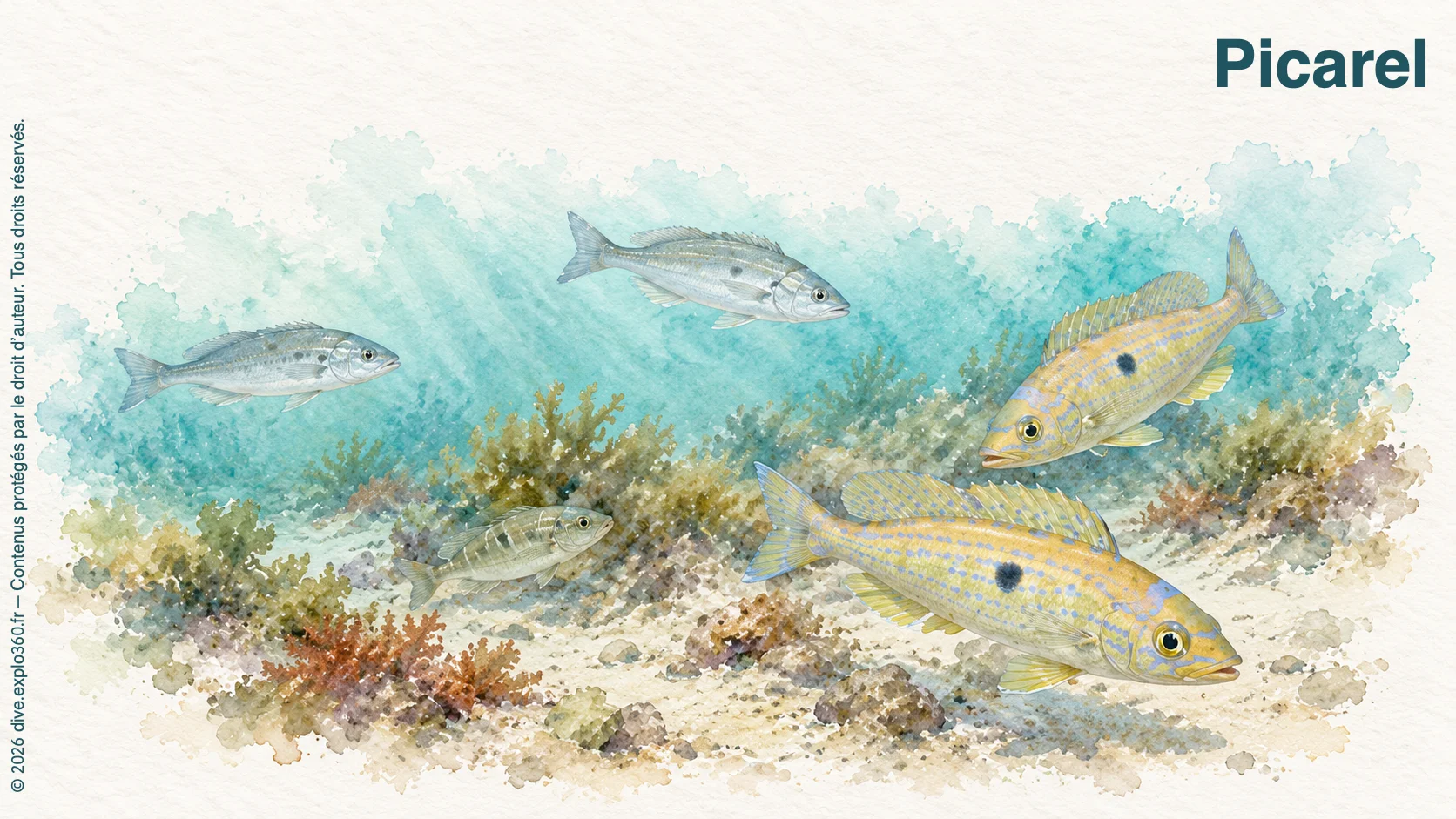
How a fish sees these colours depends on the species and on the light available.
At depth, reds and oranges are strongly attenuated and appear dark. A diver’s torch supplies those wavelengths again.
A sponge that looked dark in the ambient light can suddenly appear orange.
Explore the same world
Explore further
Species guides
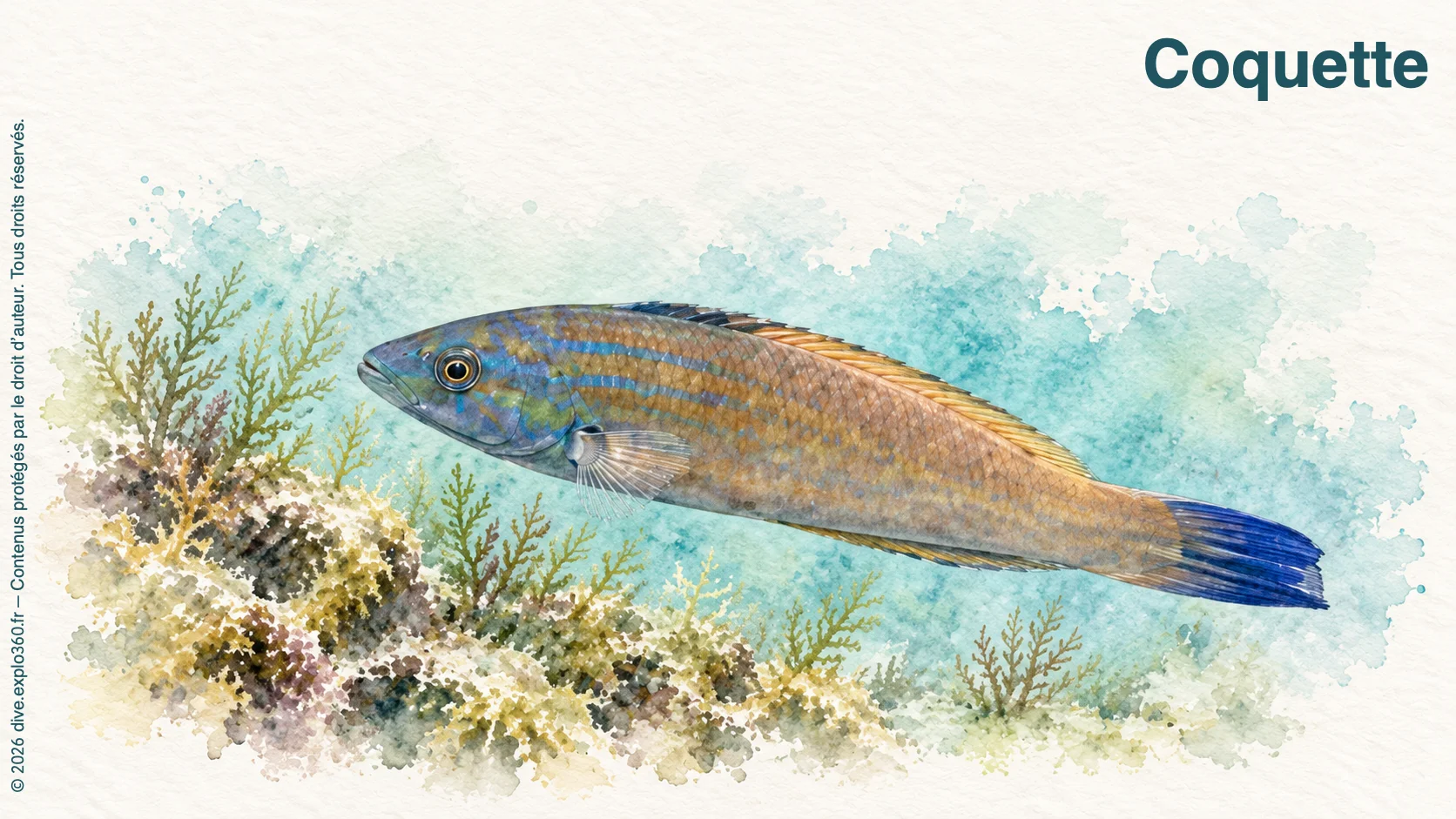 Species guidesCuckoo WrasseDiscover →
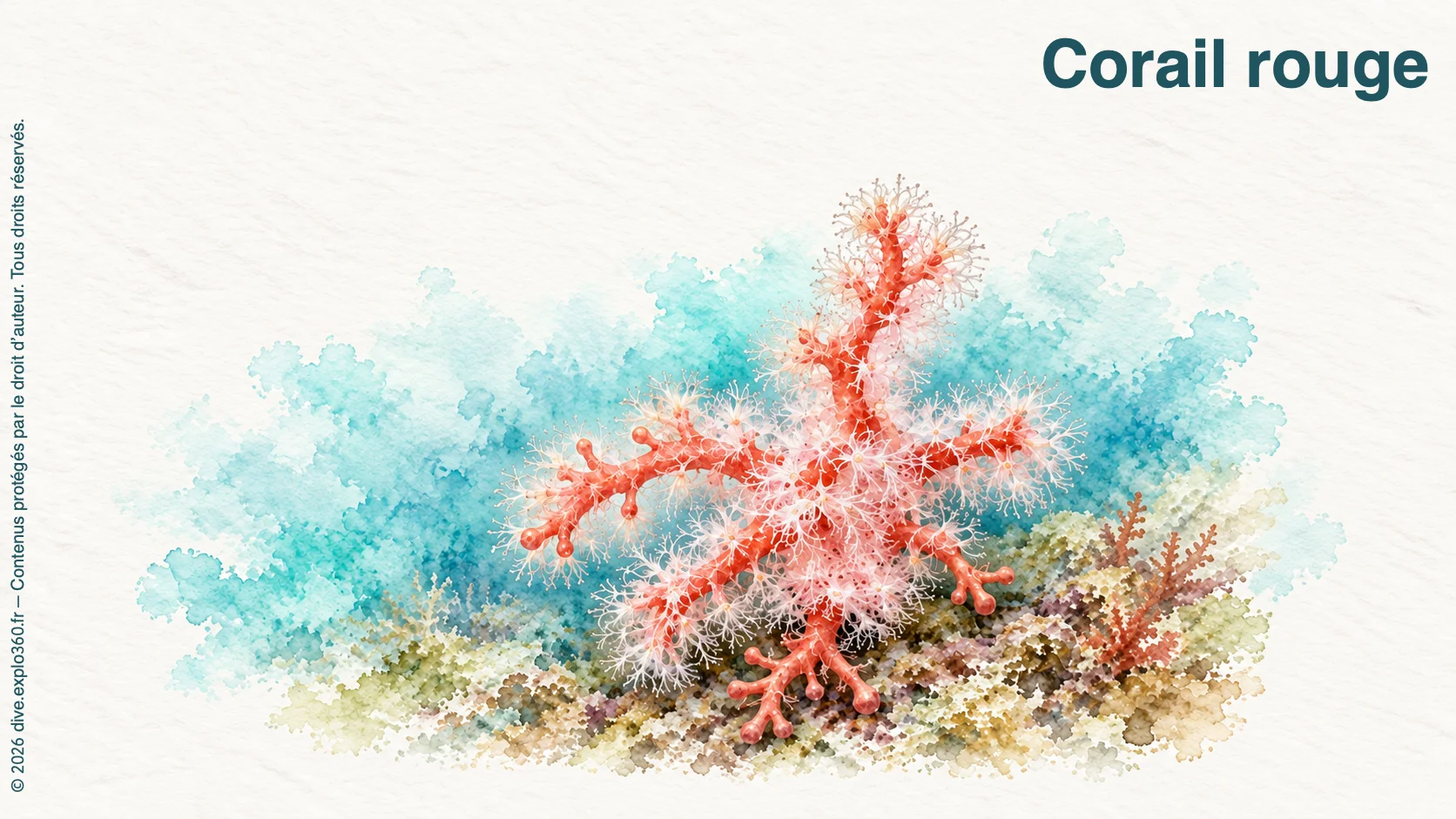 Species guidesRed CoralDiscover →
 Species guidesCoralligenous HabitatDiscover →
 Species guidesRed gorgonianDiscover →
 Species guidesPencil sea urchinDiscover →
 Species guidesPicarelDiscover →
View the other 24 species guides
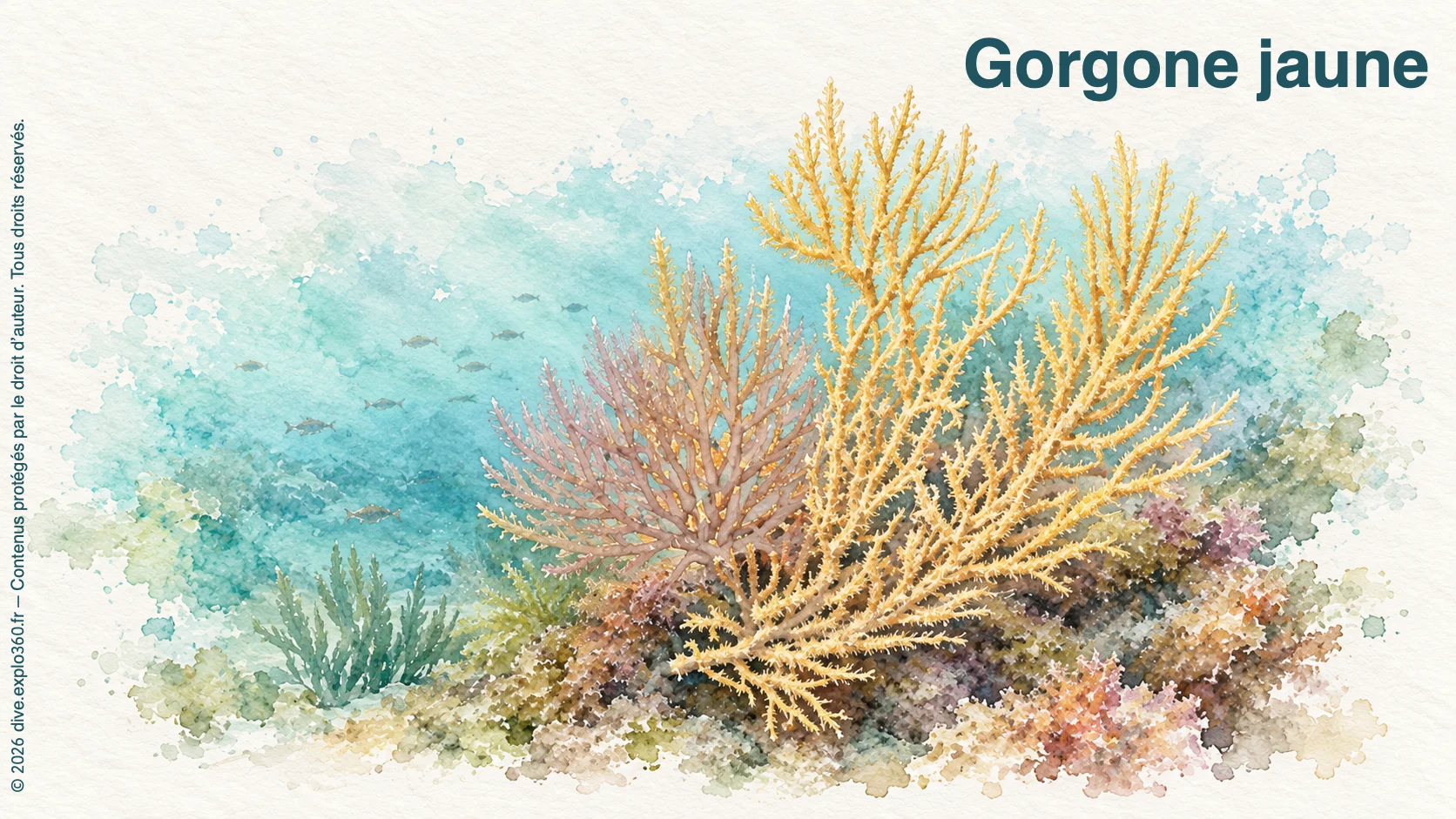 Species guidesYellow sea fanDiscover →
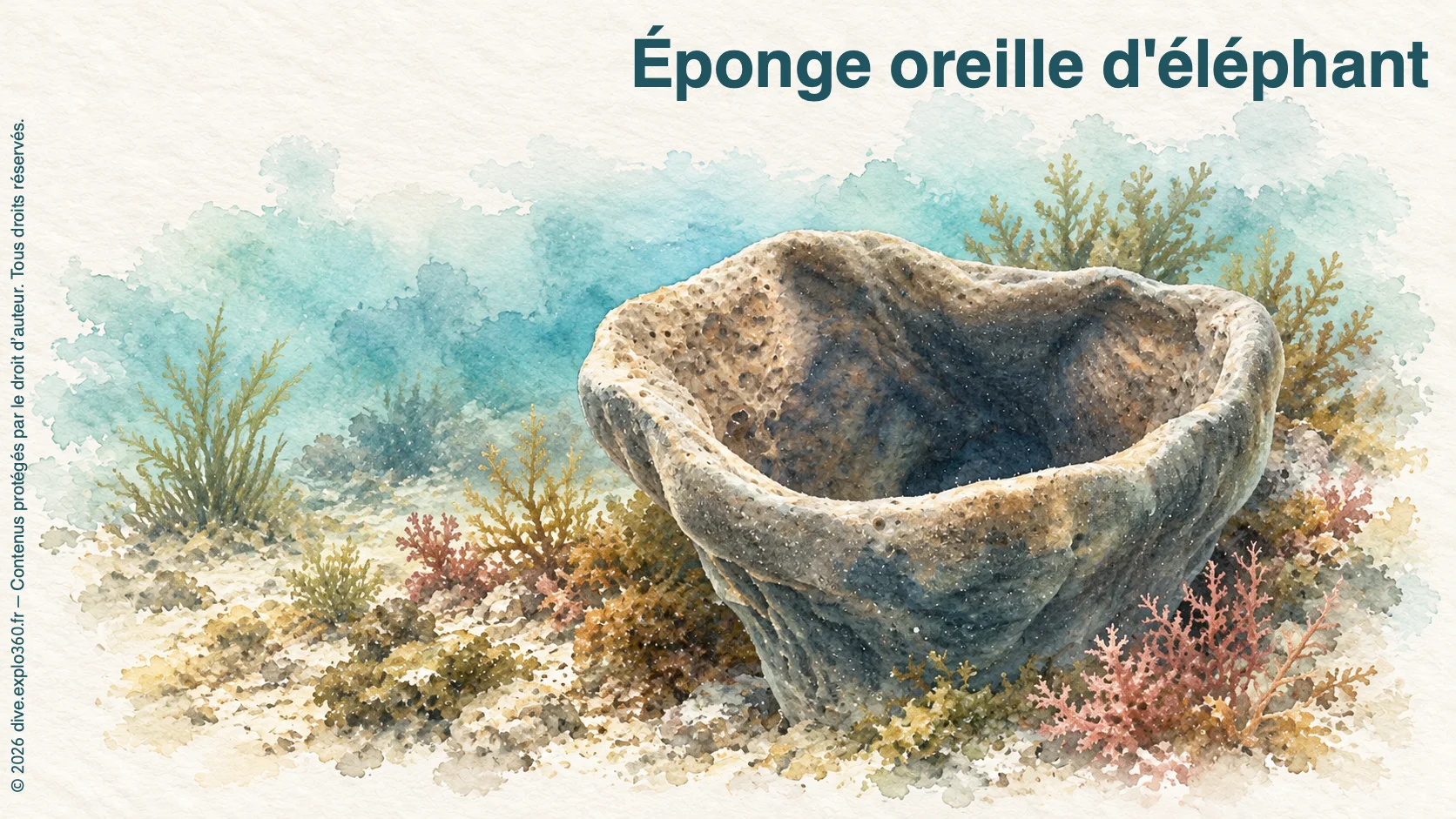 Species guidesElephant Ear SpongeDiscover →
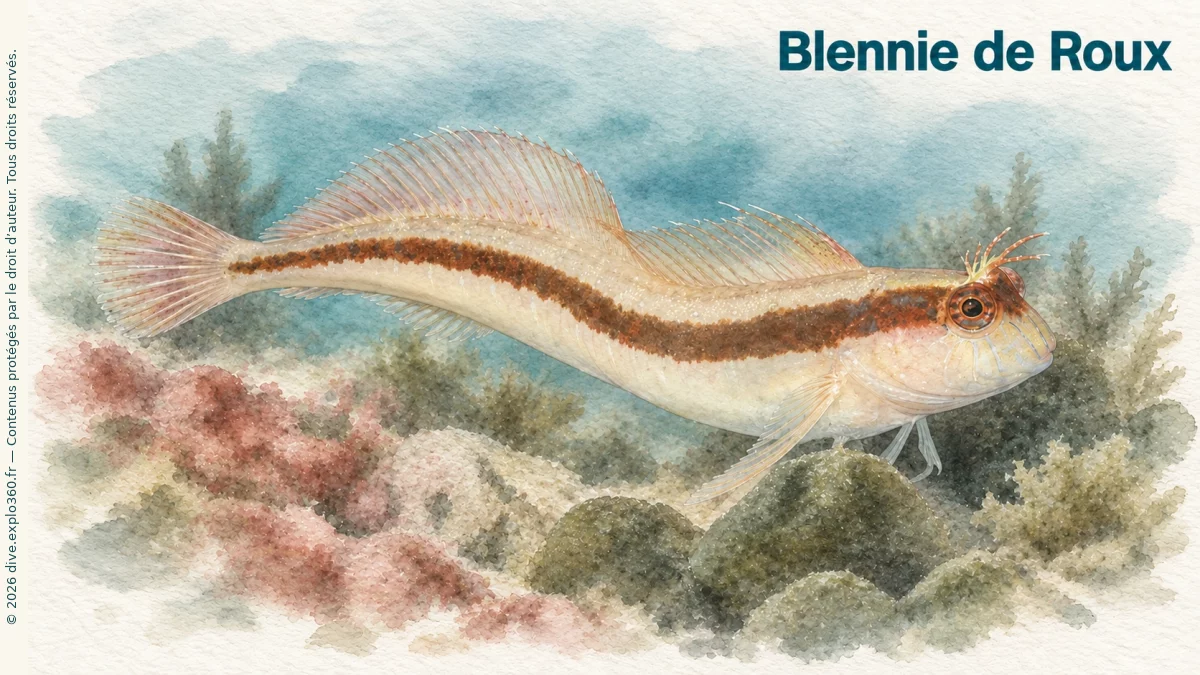 Species guidesLong-striped blennyDiscover →
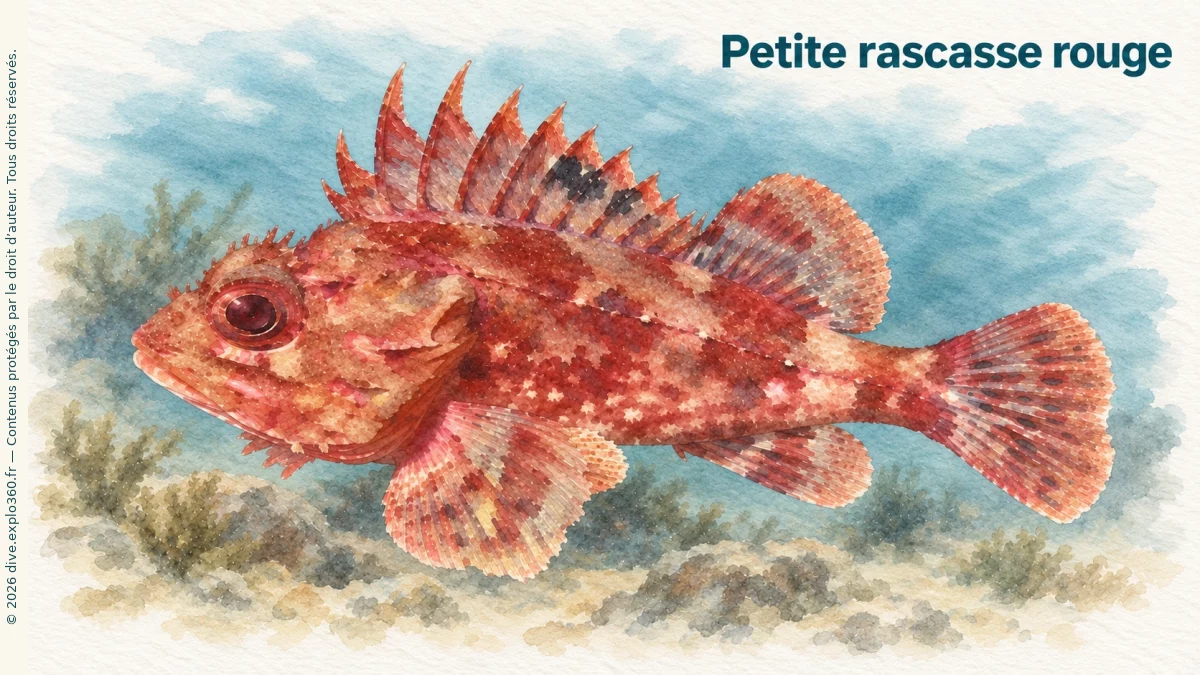 Species guidesSmall red scorpionfishDiscover →
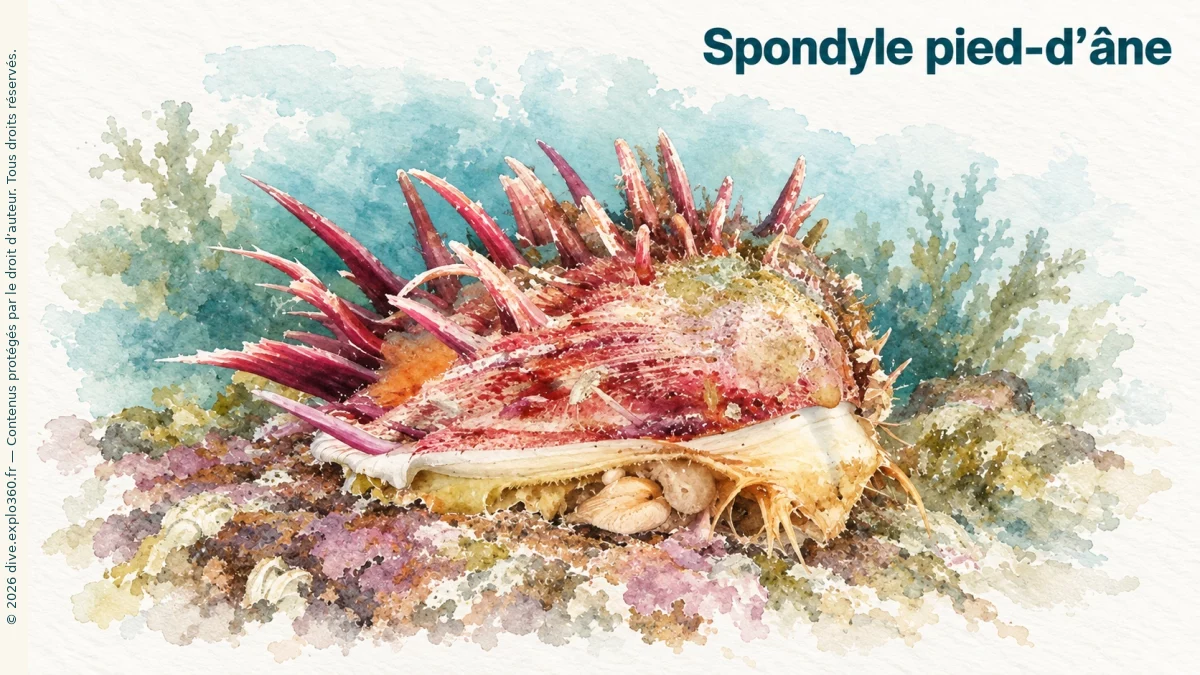 Species guidesEuropean thorny oysterDiscover →
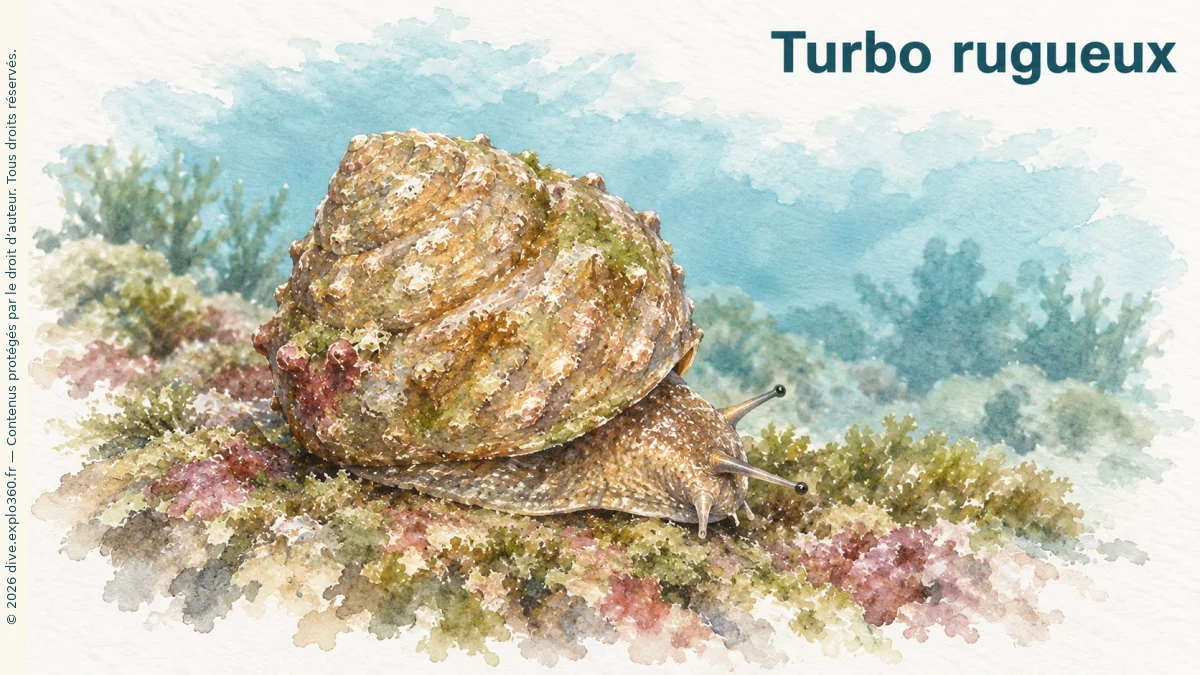 Species guidesRough turboDiscover →
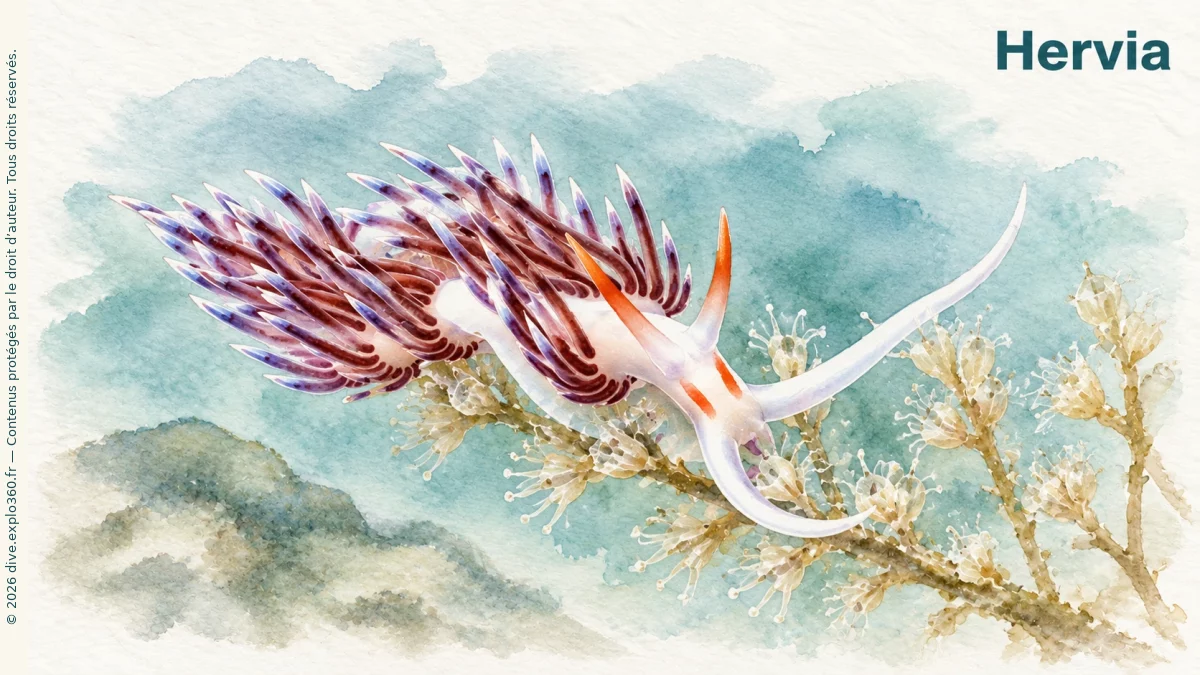 Species guidesPilgrim herviaDiscover →
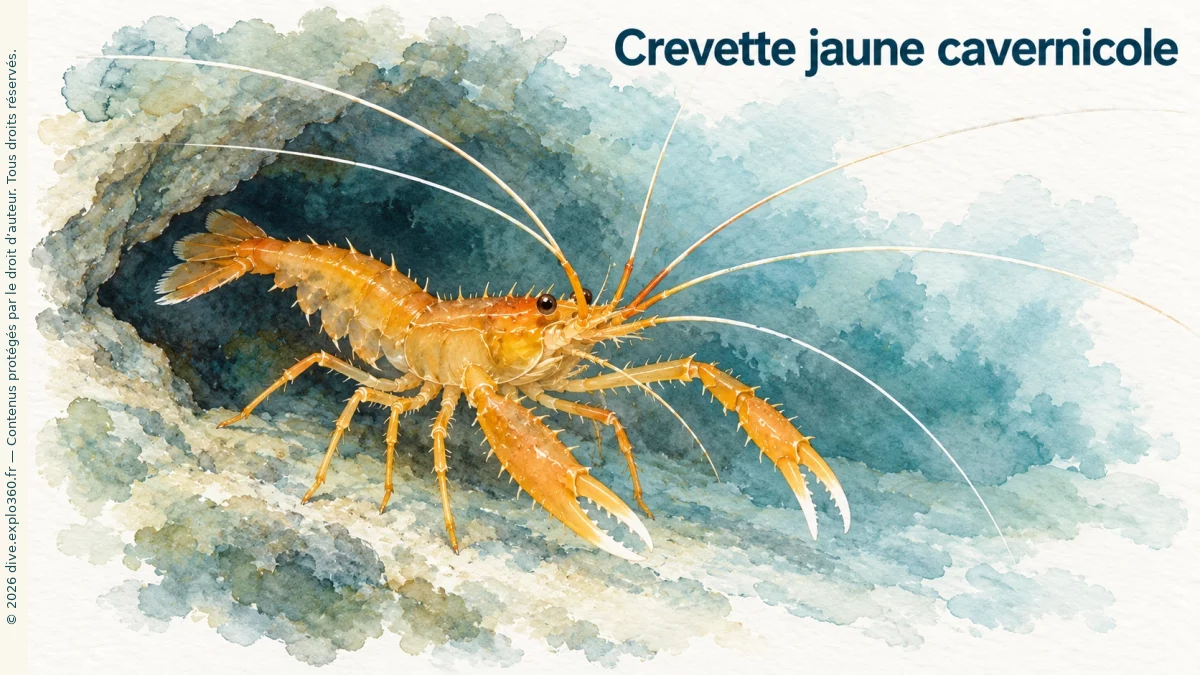 Species guidesSpiny golden shrimpDiscover →
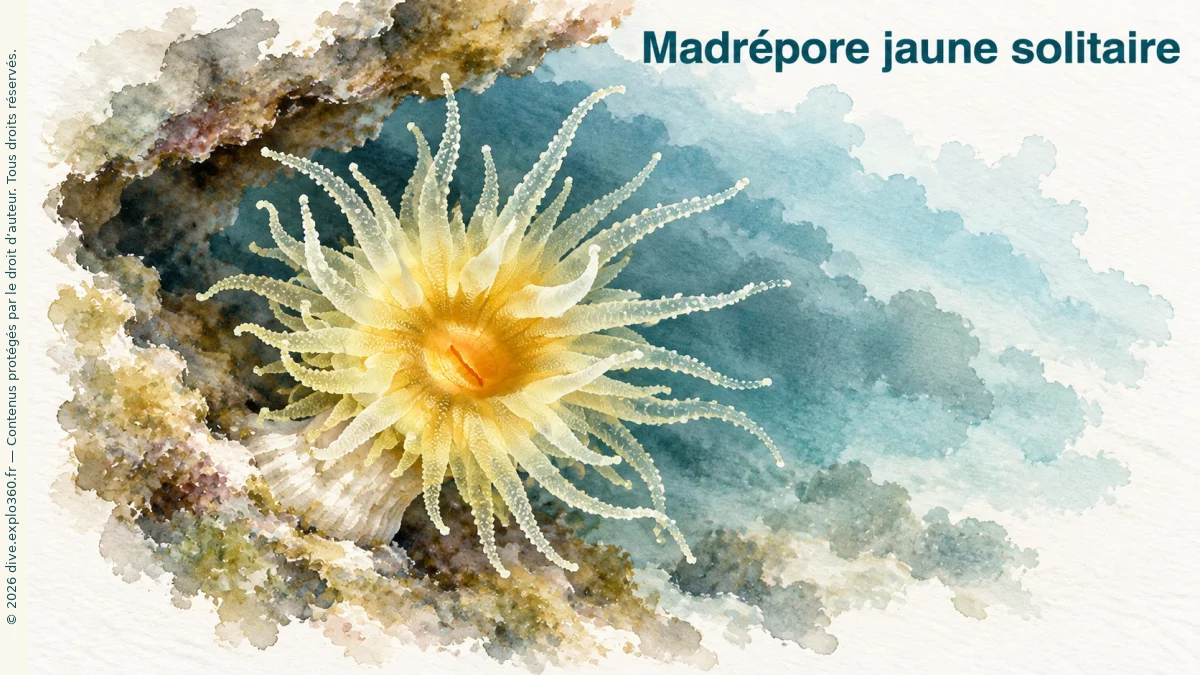 Species guidesYellow solitary coralDiscover →
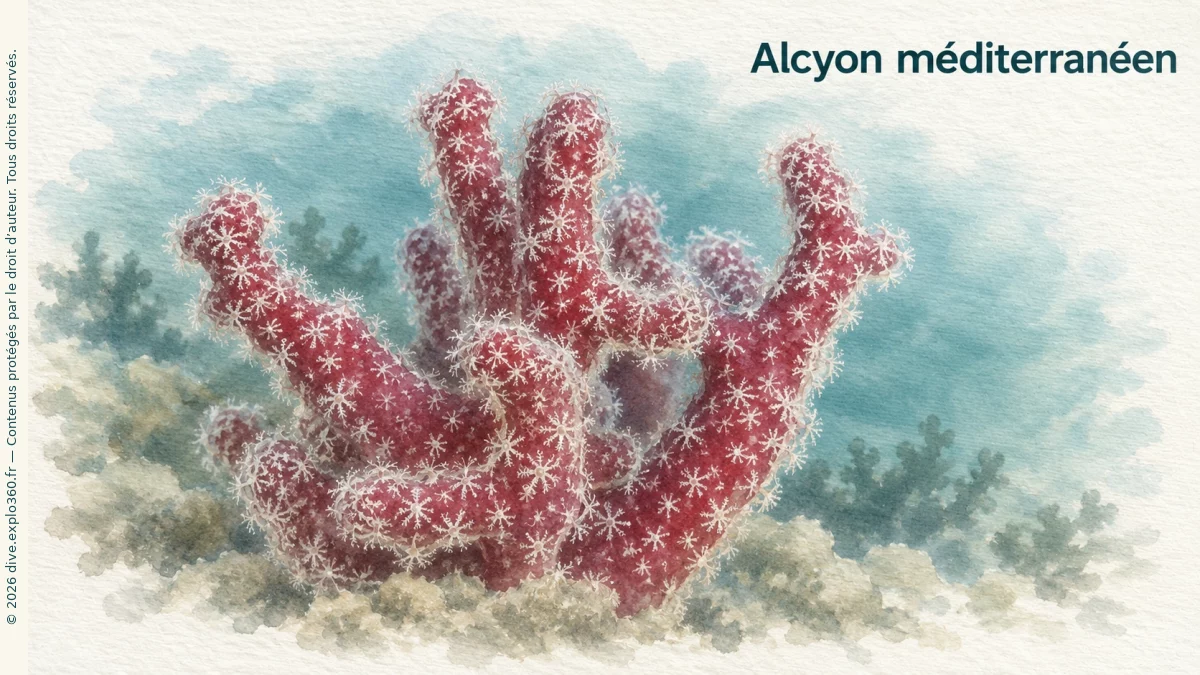 Species guidesMediterranean soft coralDiscover →
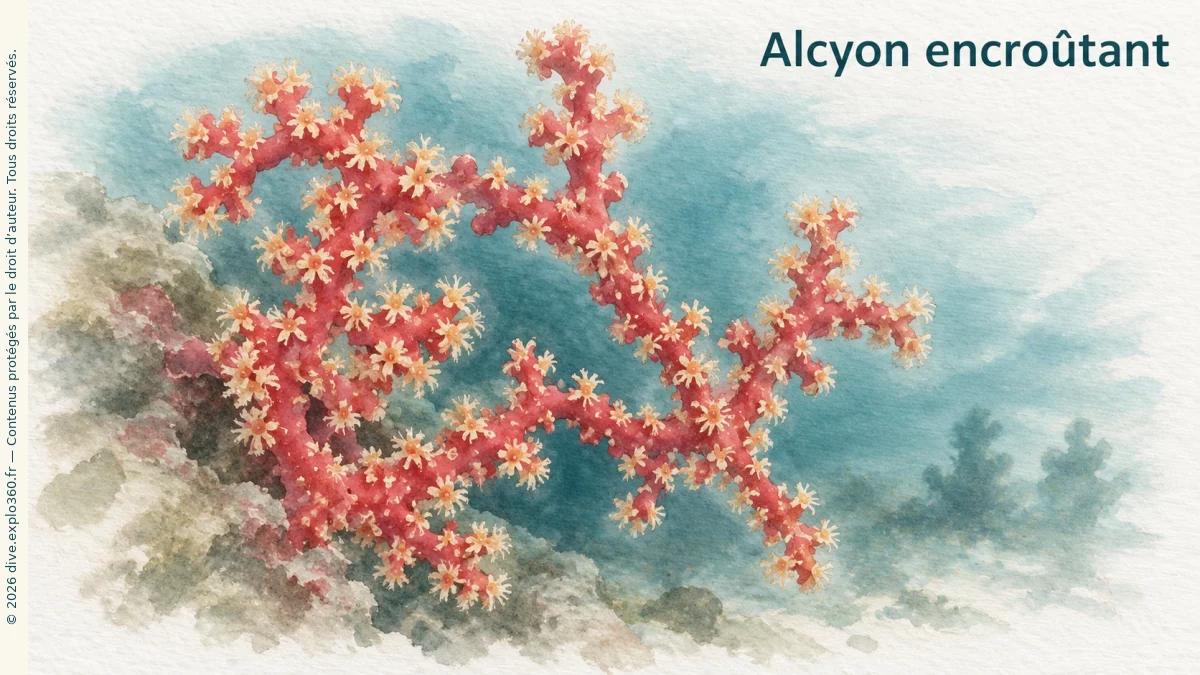 Species guidesEncrusting soft coralDiscover →
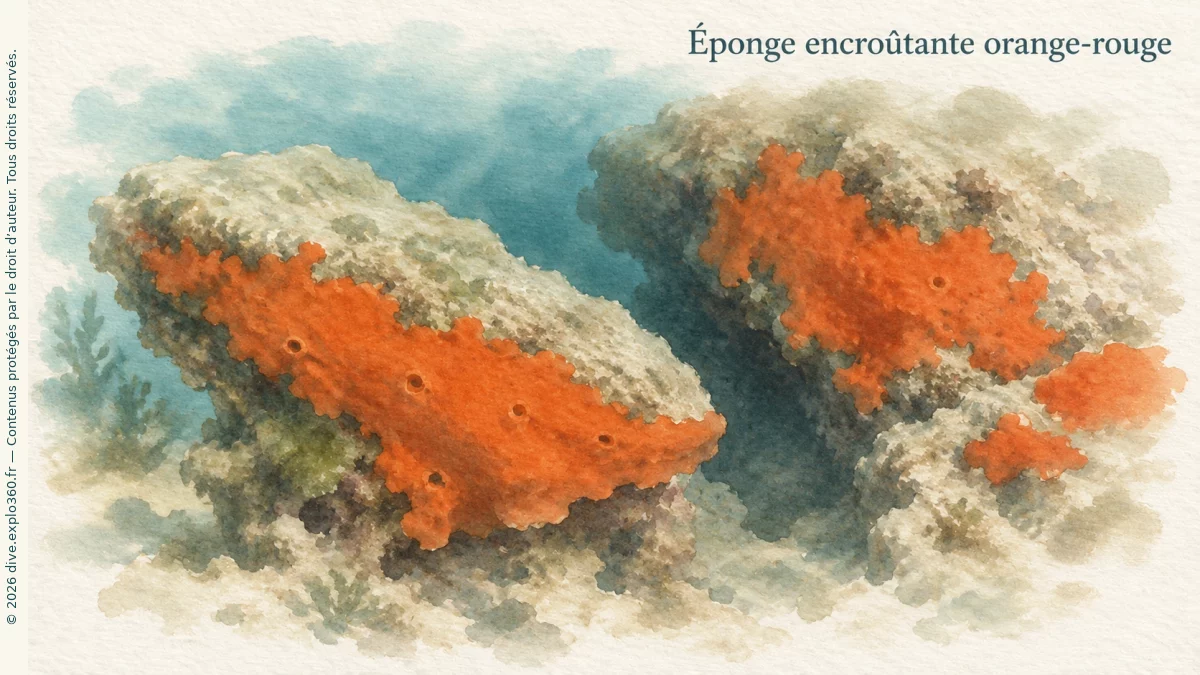 Species guidesOrange-red encrusting spongeDiscover →
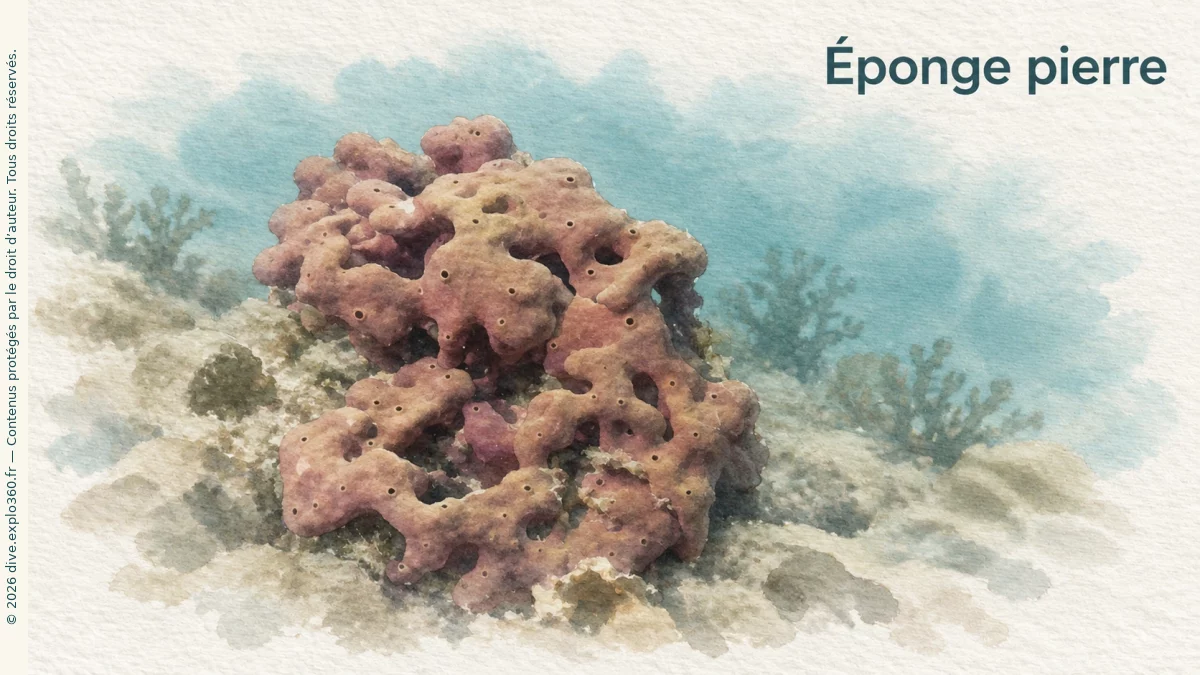 Species guidesStony spongeDiscover →
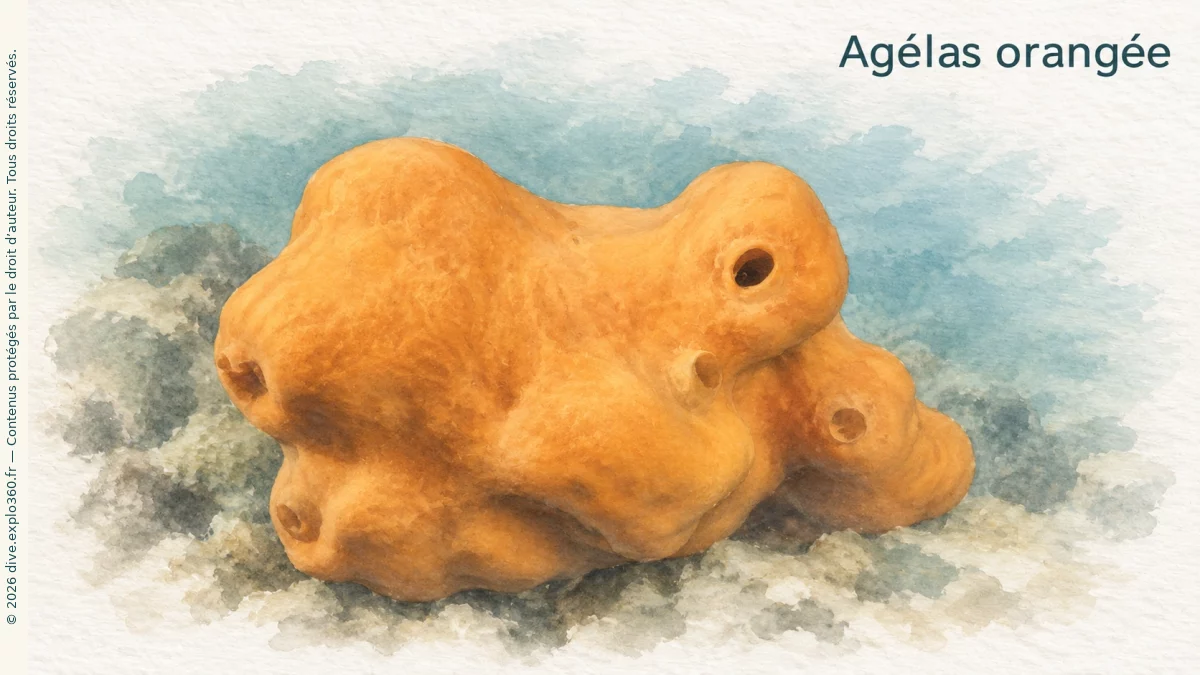 Species guidesOrange Agelas spongeDiscover →
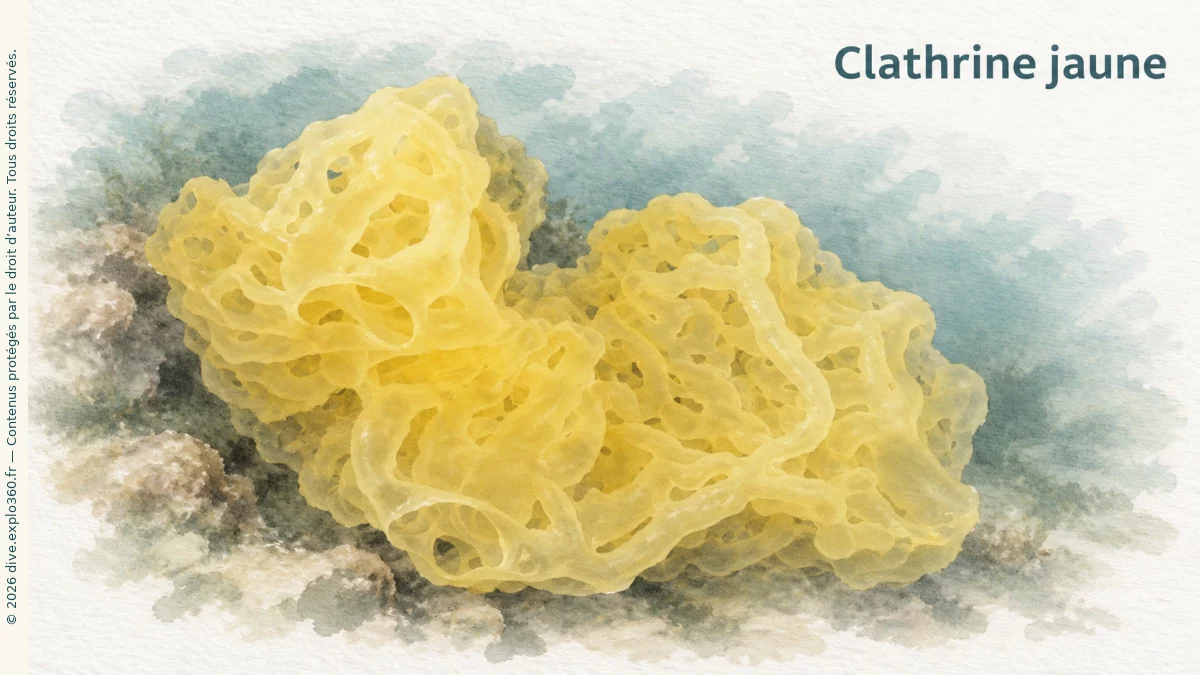 Species guidesYellow clathrinaDiscover →
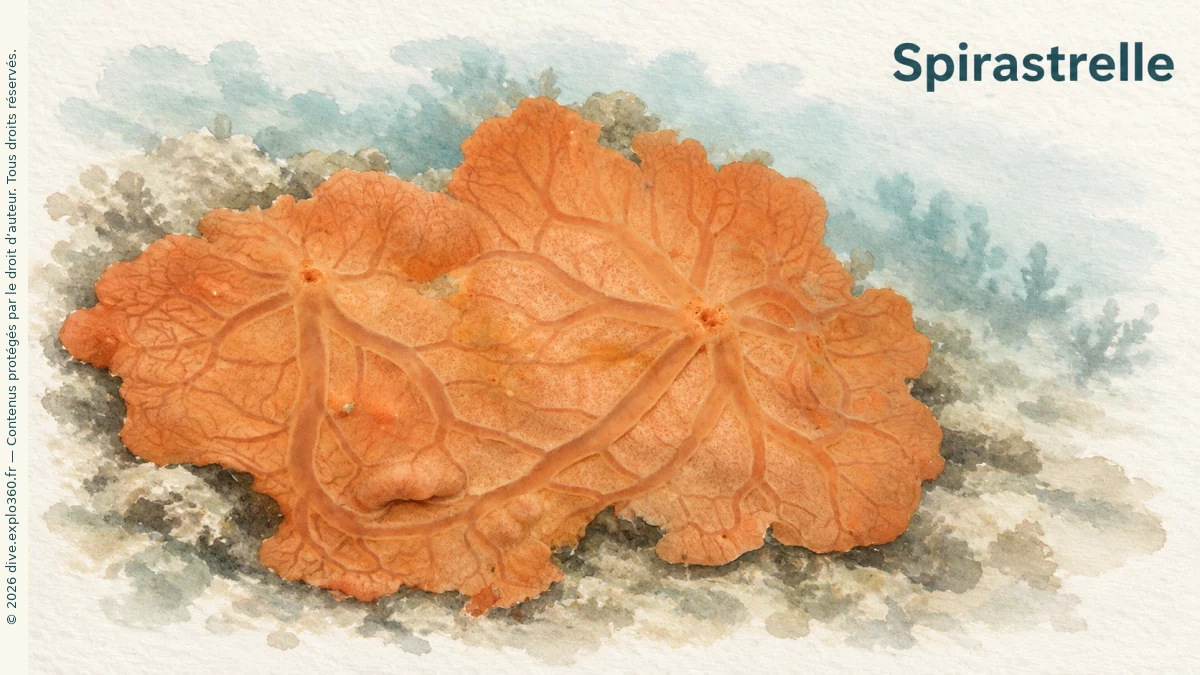 Species guidesOrange encrusting Spirastrella spongeDiscover →
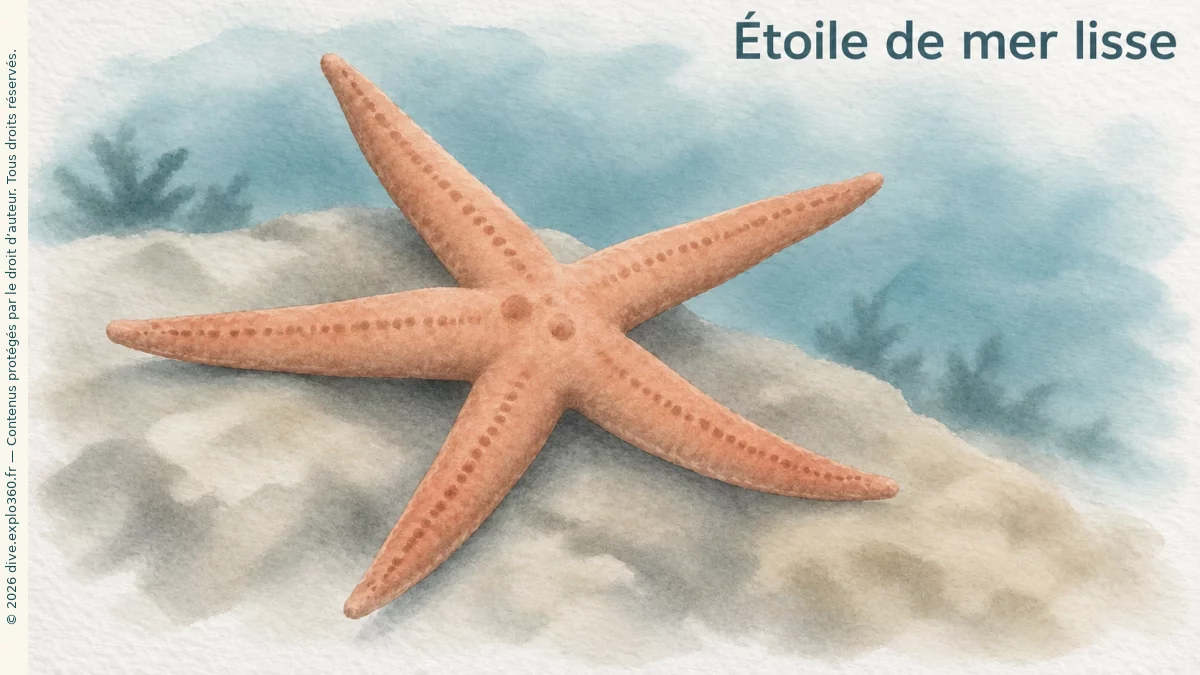 Species guidesSmooth starfishDiscover →
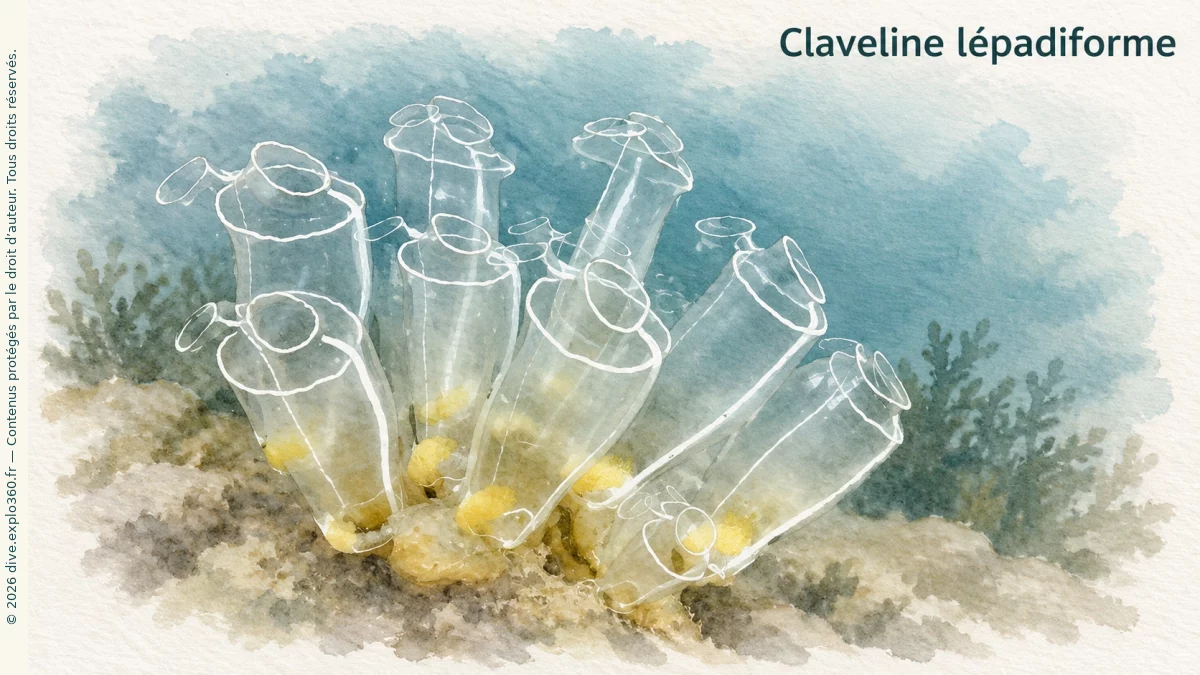 Species guidesLight-bulb sea squirtDiscover →
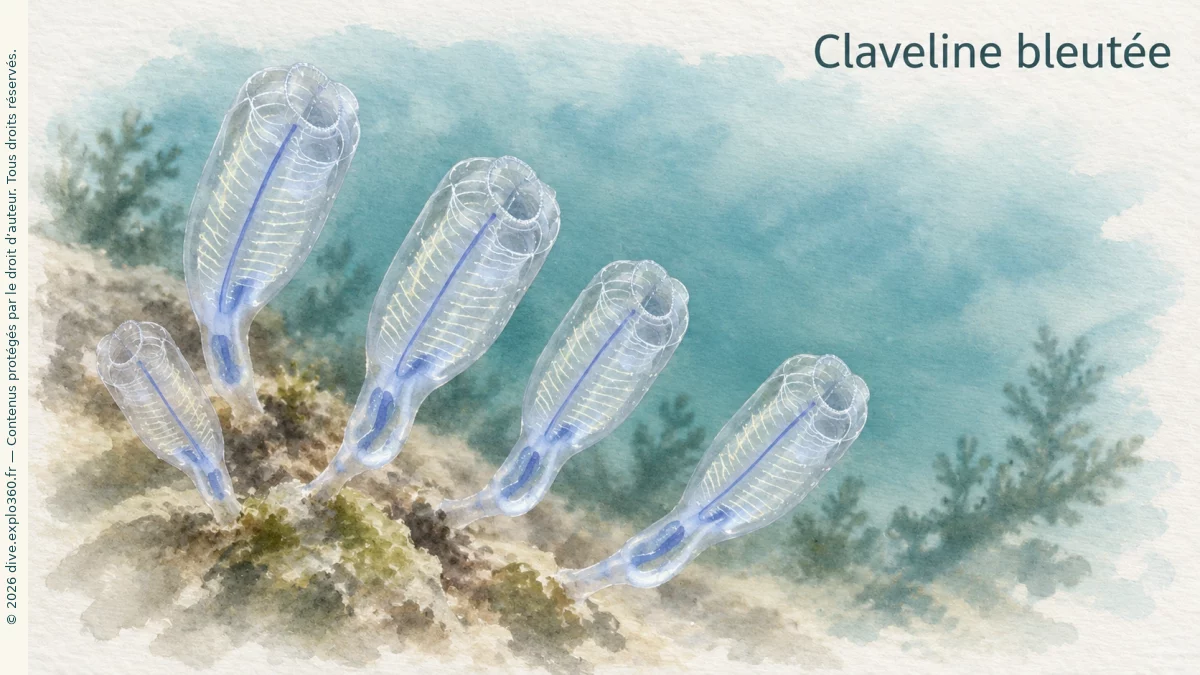 Species guidesBlue-tinted sea squirtDiscover →
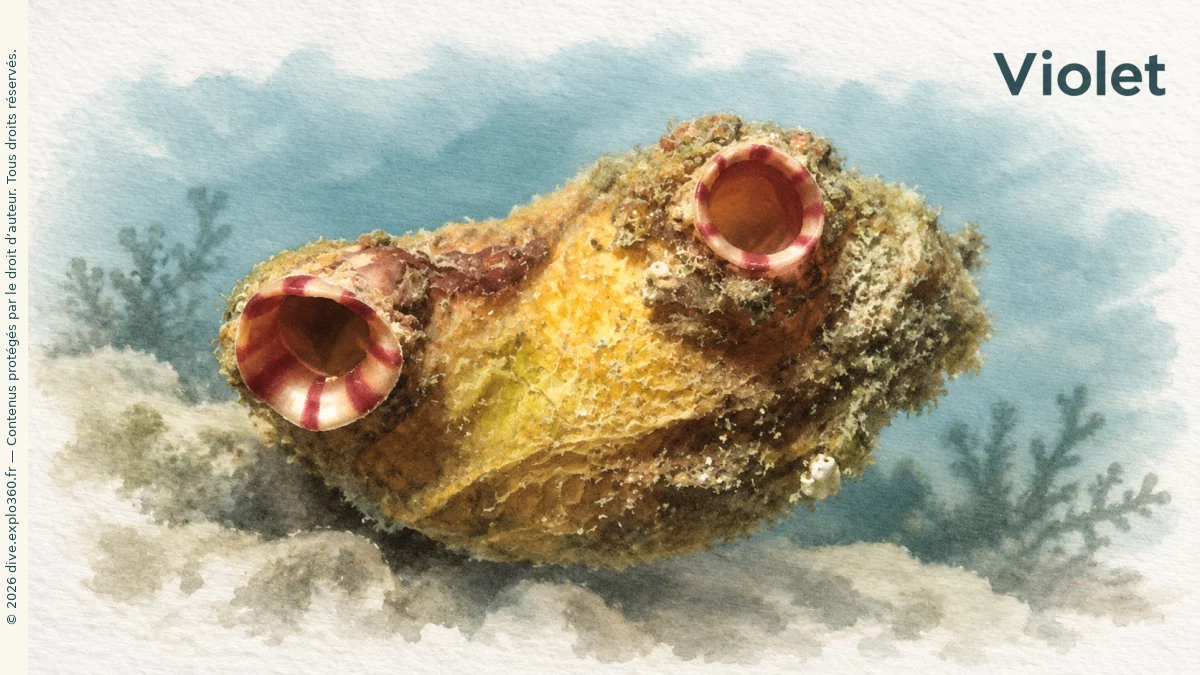 Species guidesViolet sea squirtDiscover →
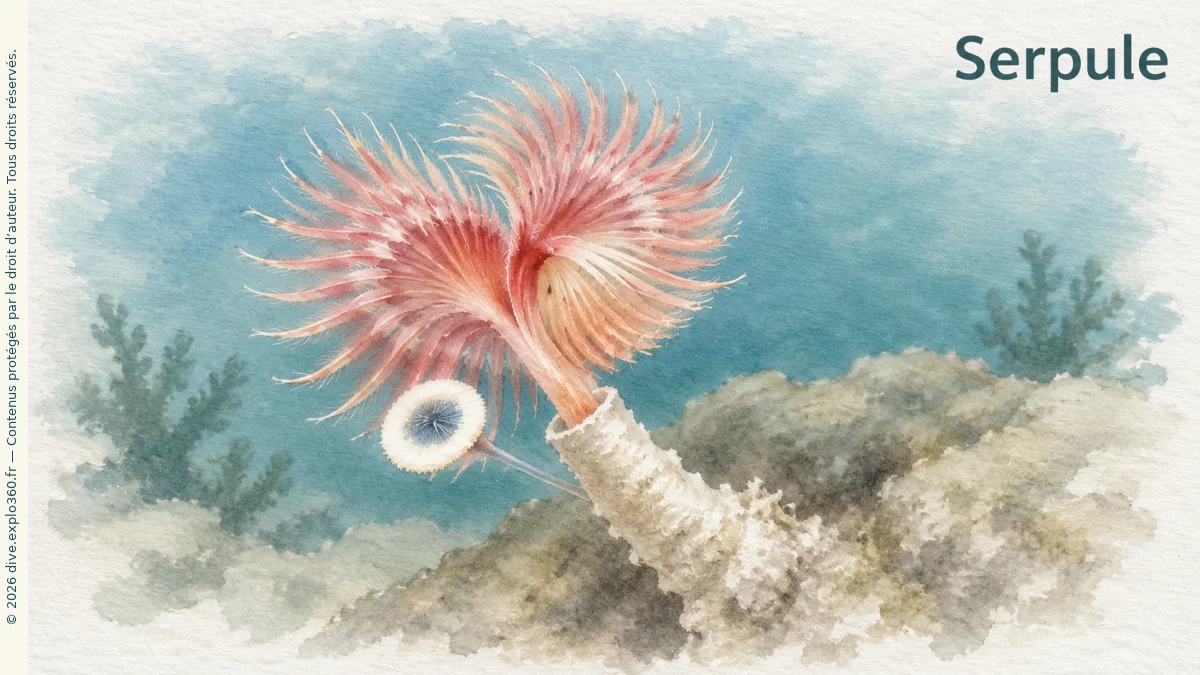 Species guidesRed tubewormDiscover →
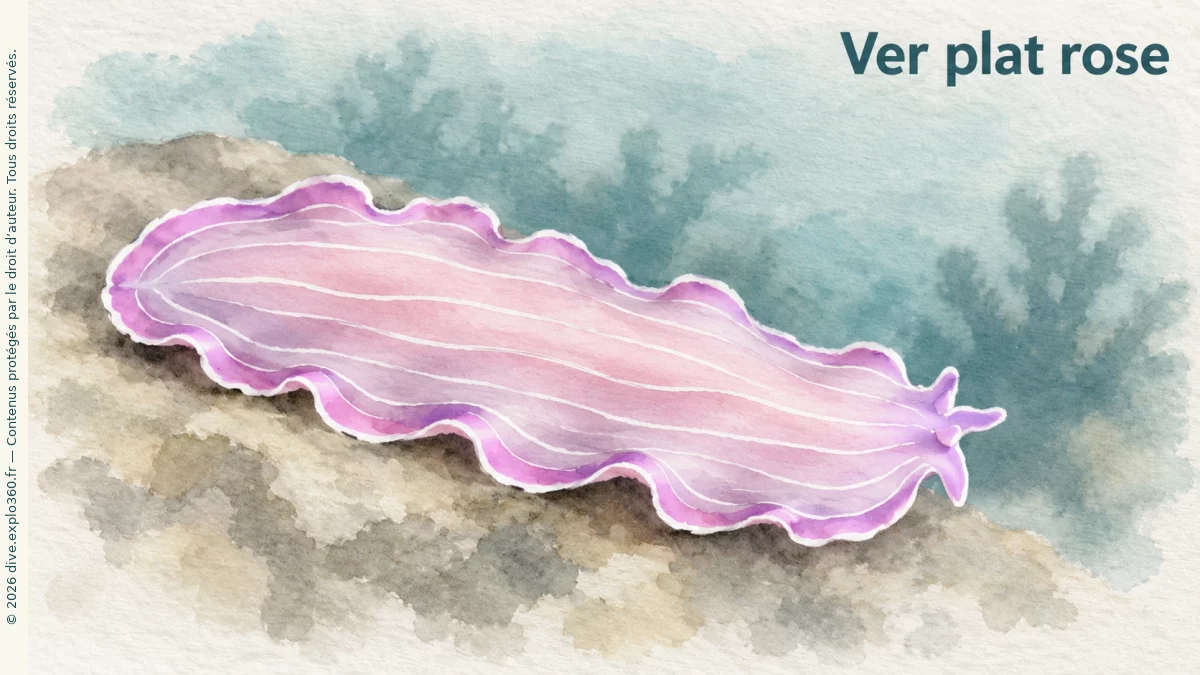 Species guidesPink flatwormDiscover →
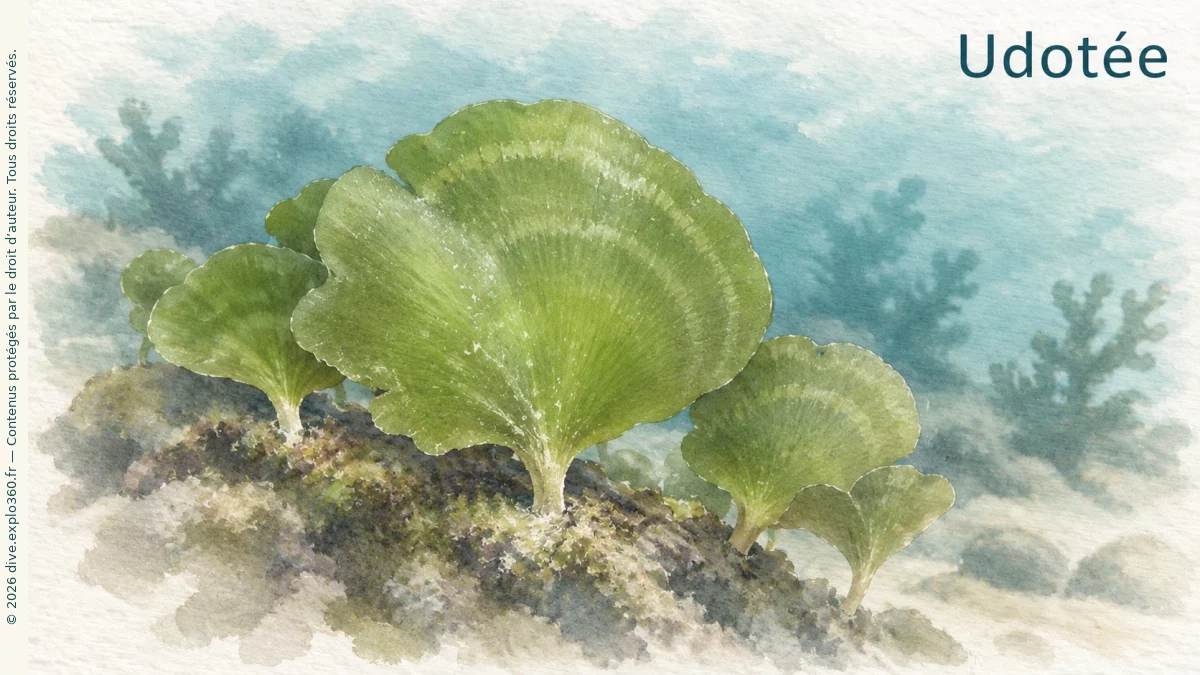 Species guidesUdoteaDiscover →
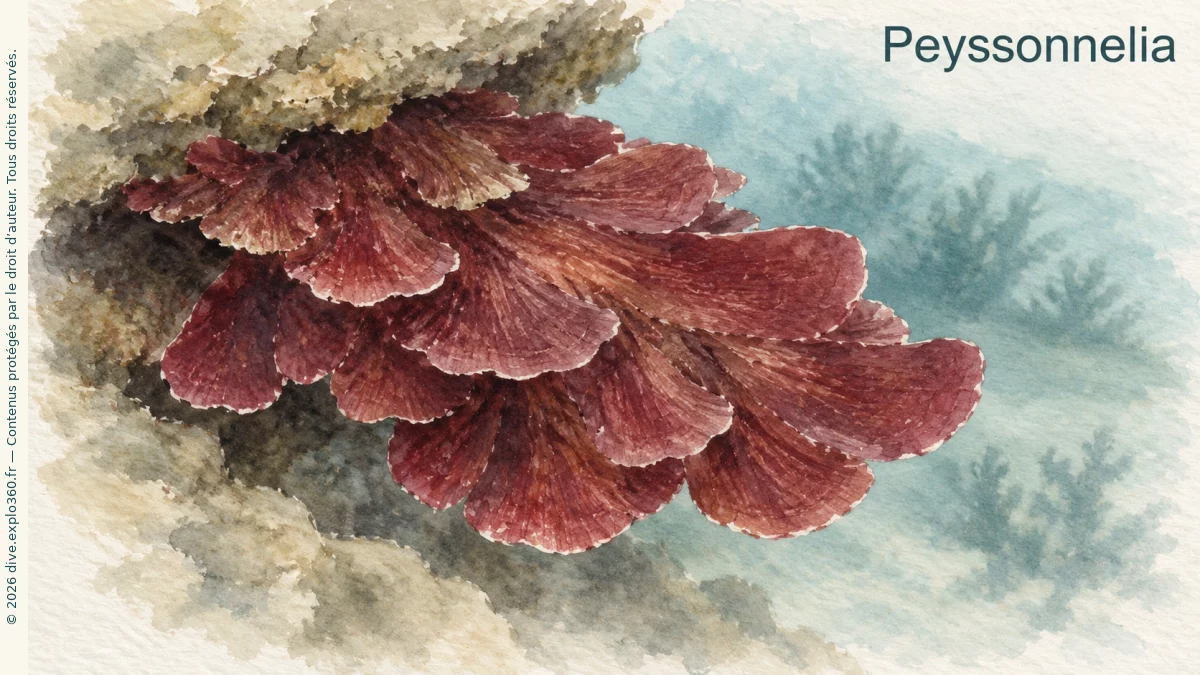 Species guidesPeyssonneliaDiscover →