What makes a soundscape?
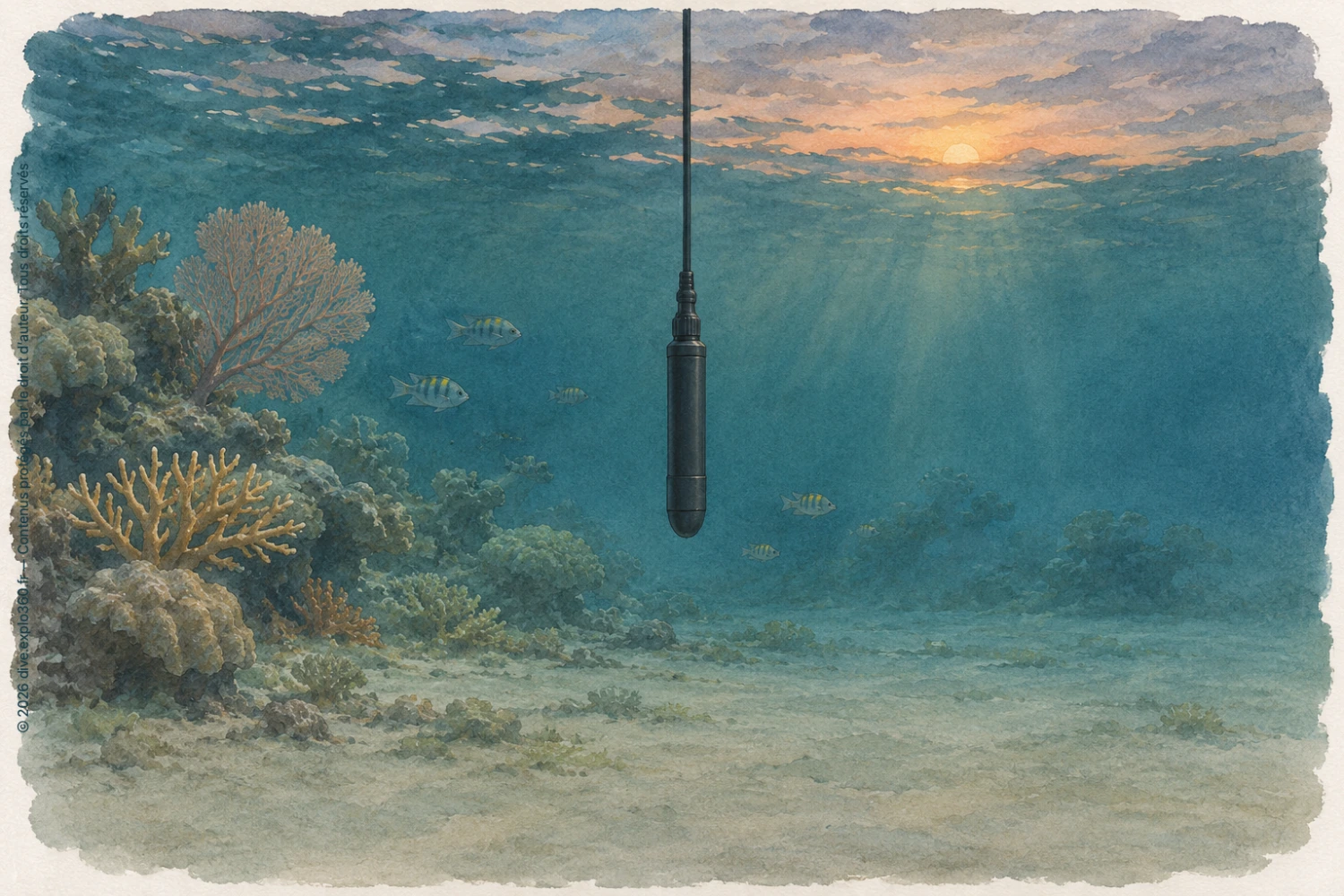
A hydrophone records sounds from several sources at once. Snapping shrimp produce brief impulses and fish may produce repeated calls. Swell, wind and boat traffic contribute to the same recording.
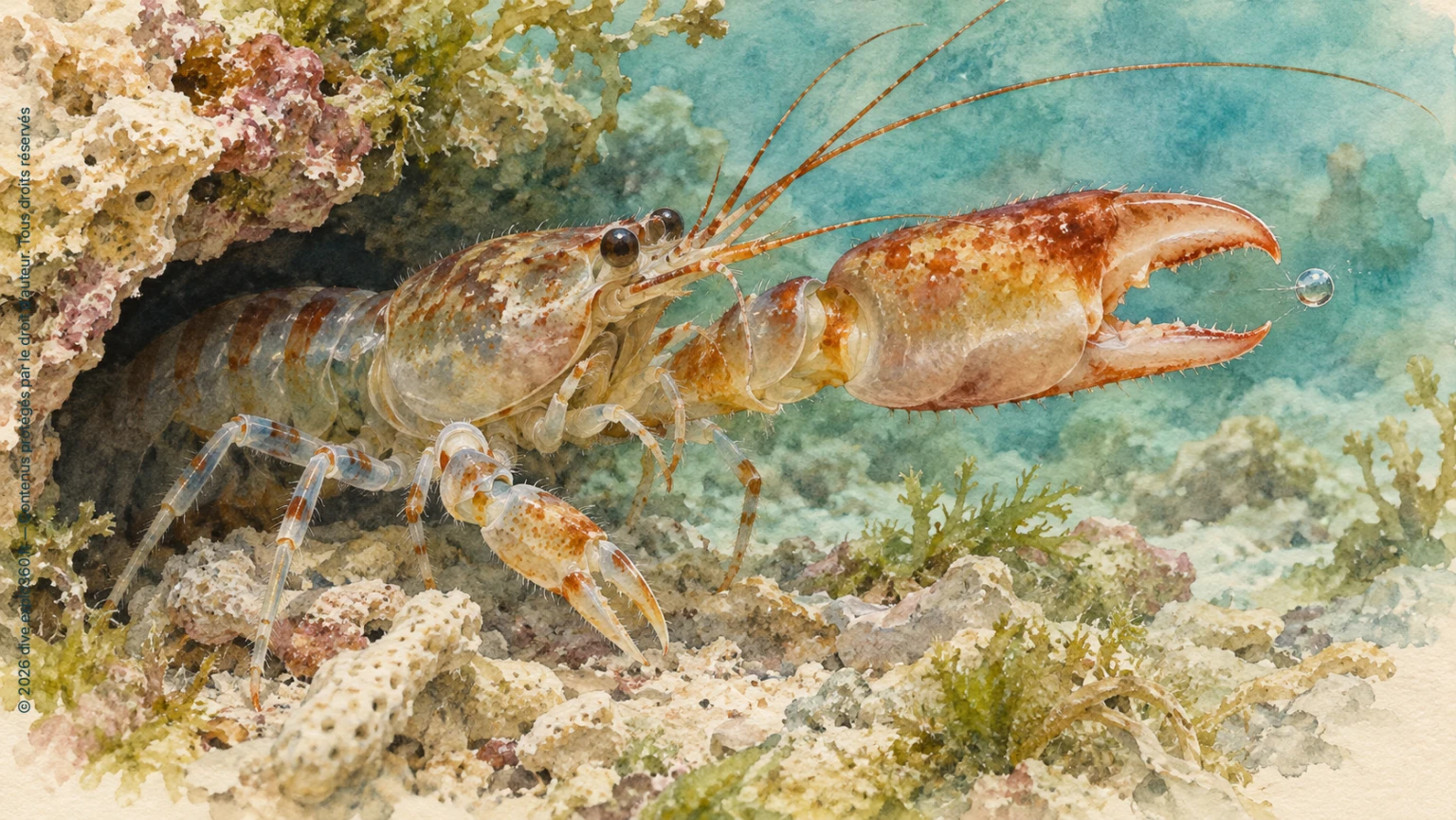
The snap of a shrimp
A snapping shrimp’s claw ejects a fast jet of water. Pressure drops in the jet and a vapour bubble forms through cavitation. Its collapse generates the sharp acoustic pulse.
Fish that make sounds
Some fish use specialised muscles to vibrate the swim bladder. Others produce sounds as hard structures move against one another. Different mechanisms give rise to different patterns of knocks, pulses and grunts.
Different sounds at different times
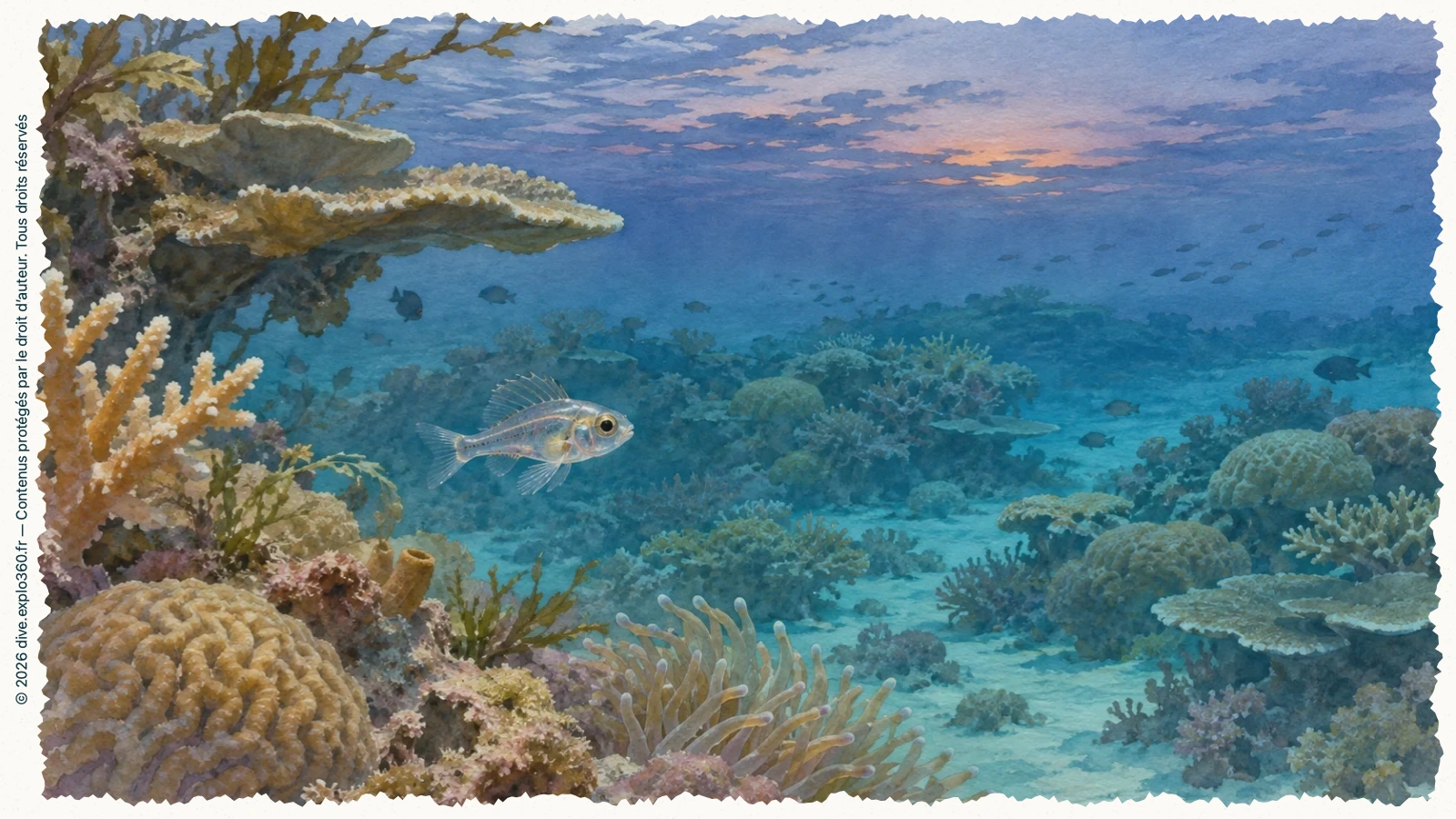
Fish choruses can rise sharply at dawn or dusk, and weather can mask biological sounds. Comparing recordings made at similar times and in similar conditions helps account for these effects.
From detection to orientation
A fish’s inner ear detects the particle motion produced by sound. Detecting that motion and finding the direction of its source are separate tasks, especially where waves reflect from the seabed or the surface.
GO FURTHER WITH AMIGANSEAU
Continue reading
Discover full species guides, in-depth content and interactive tools available with your licence.
Dive.Explo360 is an independent, self-funded nonprofit. Every licence helps us create new content, improve our teaching tools and keep some of our resources free and ad-free.
Choose a licence that suits your needs for personal, educational or professional use.
Open-access resources remain available without a subscription.
Explore the same world