


Understanding marine life: reading pathways
Discover marine biodiversity and deepen your understanding of marine biology through our themed reading pathways. Learning about habitats, feeding, behaviour, senses, anatomy and reproductive strategies helps you make sense of what you see underwater.
Each pathway brings together illustrated articles and infographics, arranged from basic to more complex concepts. There are four reading levels: primary school, middle school, high school and adult. Examples from the Mediterranean to tropical coral reefs help you compare species and understand how they live.
The dive videos are a starting point for observing marine environments. The species profiles help you identify what you see. Reading pathways connect those observations to explanations, and the educational games let you check what you have learned. Use the pathways for learning and teaching.

 © 2026 dive.explo360.fr — Copyright-protected content. All rights reserved.
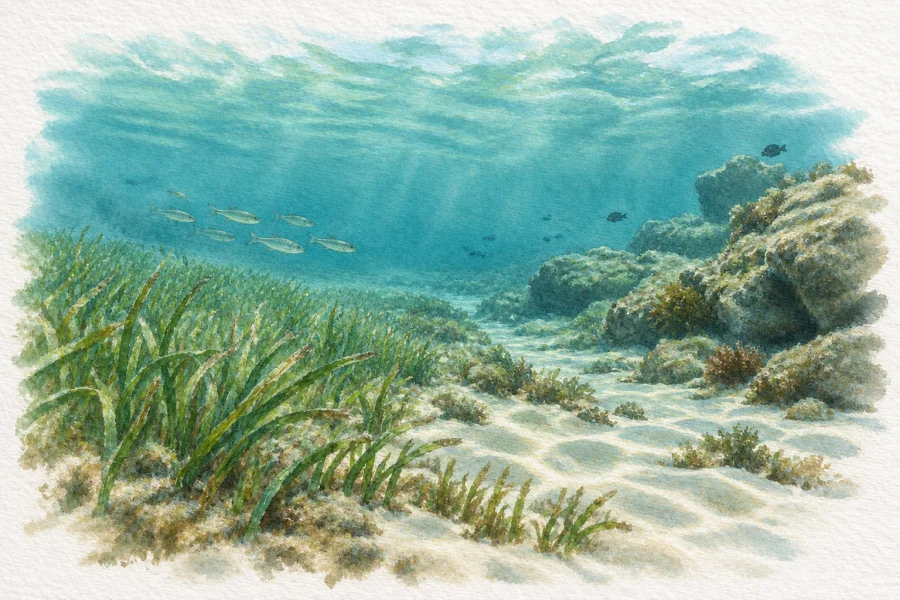
Marine habitats and seabed life
Compare seabed features and how they affect the distribution of organisms, from seagrass meadows to wrecks and coralligenous habitats.
 © 2026 dive.explo360.fr — Copyright-protected content. All rights reserved.
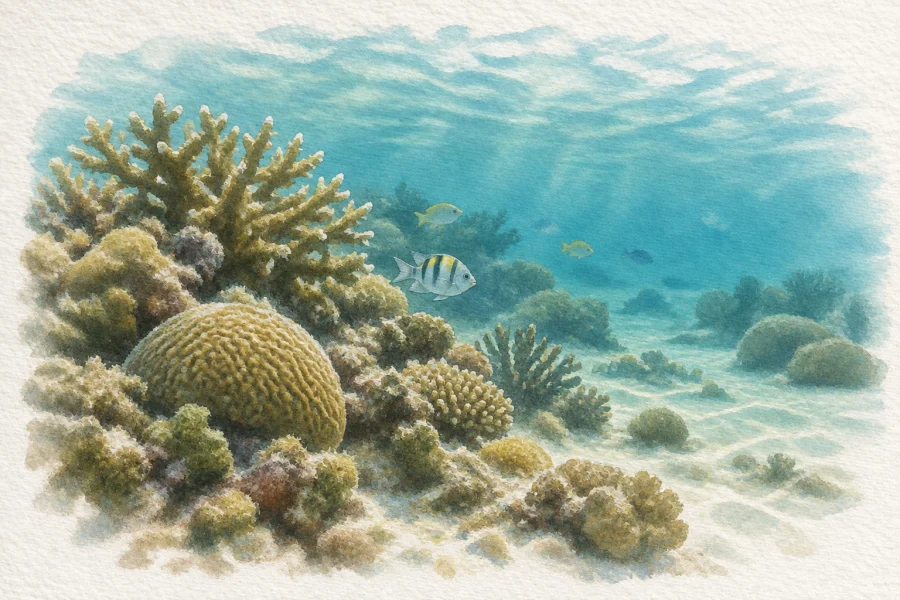
Reef ecology and diversity
Connect coral polyp biology with reef diversity, then examine the effects of warming on corals.
 © 2026 dive.explo360.fr — Copyright-protected content. All rights reserved.
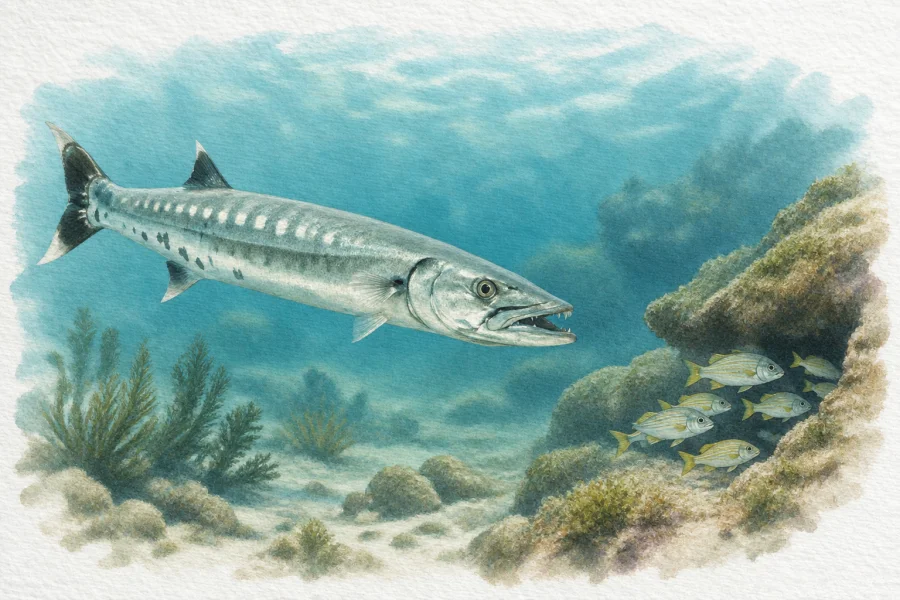
Feeding strategies and the movement of matter
Compare feeding strategies, then see how interactions between species affect what happens to matter in an ecosystem.
 © 2026 dive.explo360.fr — Copyright-protected content. All rights reserved.
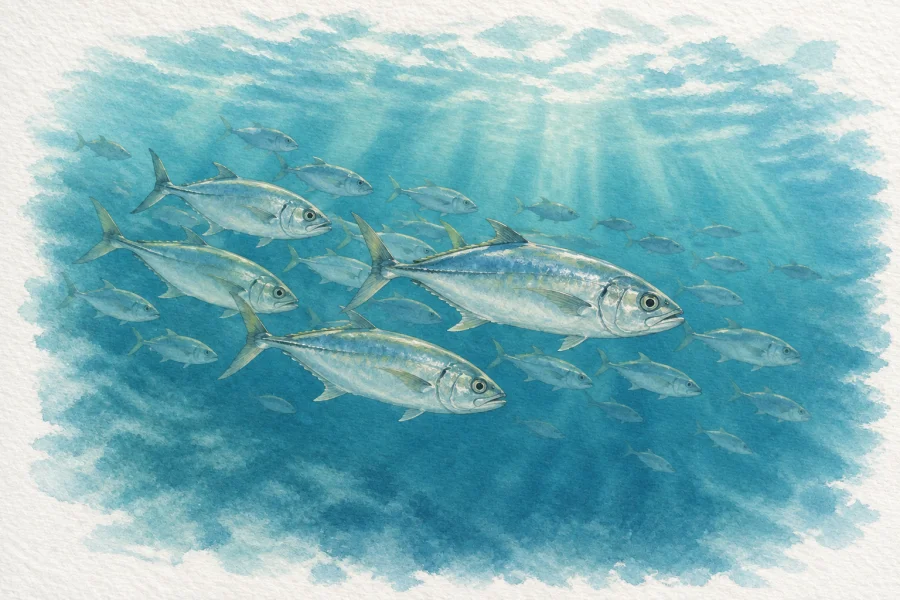
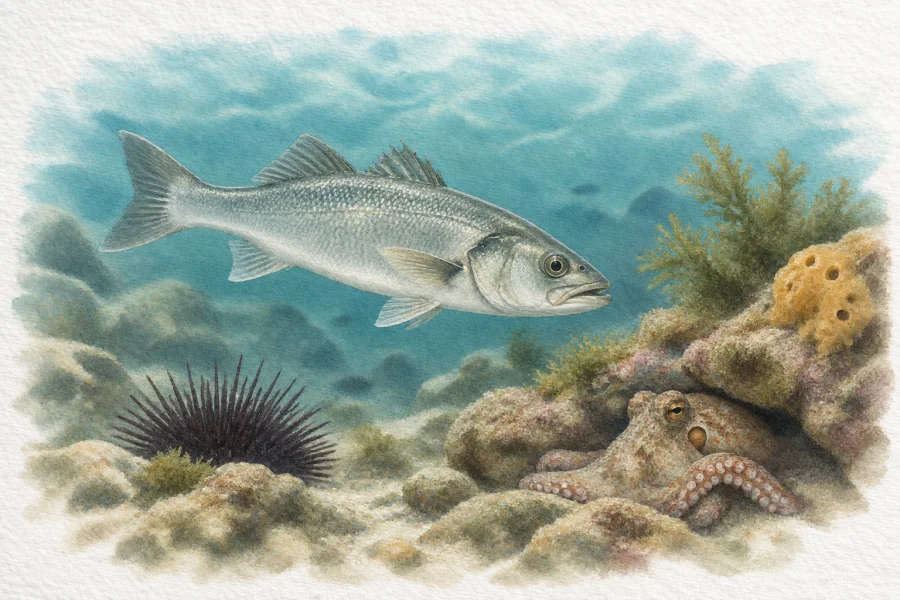
Sensation and behavioural strategies
Examine how sensory cues shape group behaviour, camouflage, rest and learning.
 © 2026 dive.explo360.fr — Copyright-protected content. All rights reserved.
Body plans, functions and adaptations
Connect the diversity of body plans with movement, respiration, defence and regeneration.
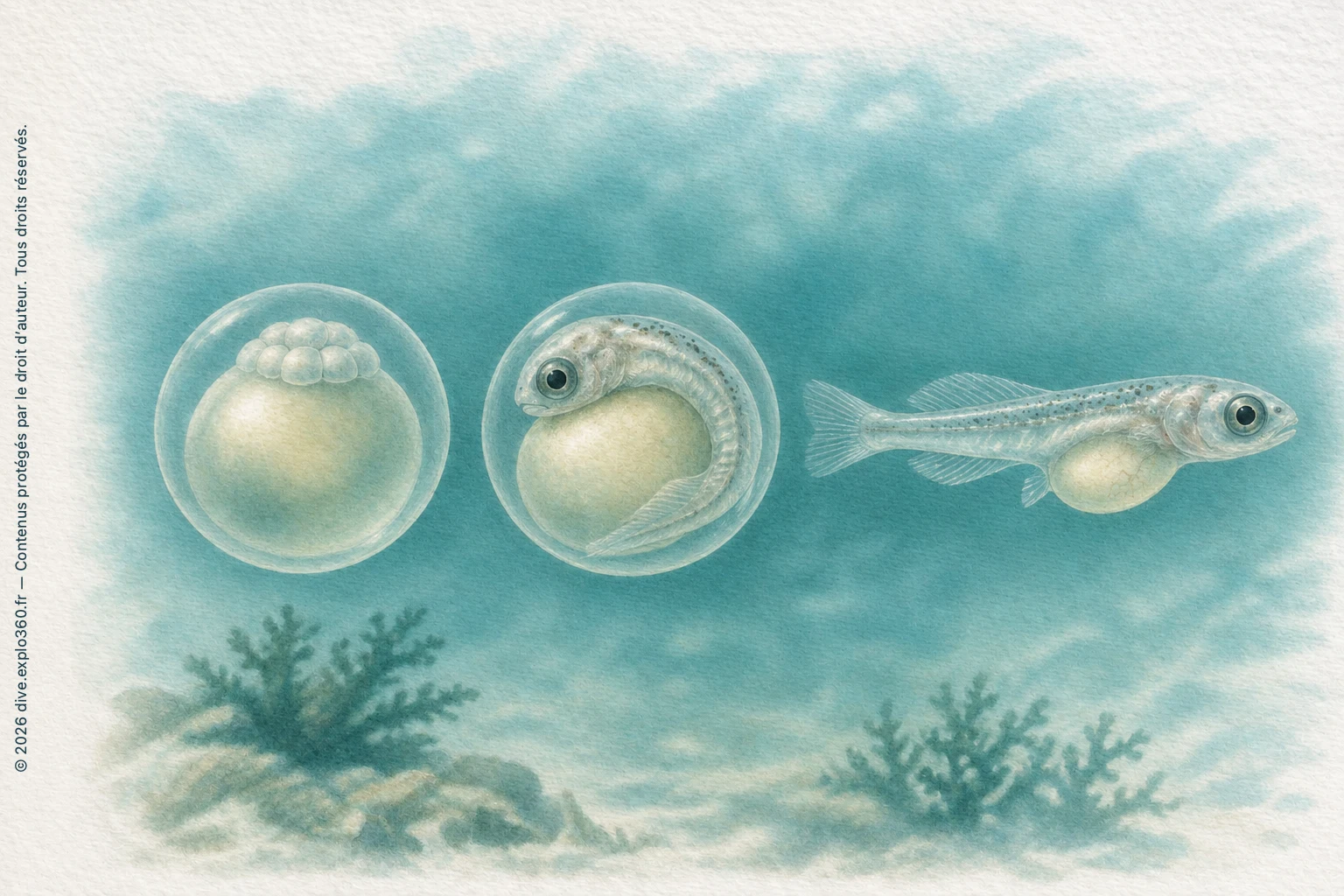
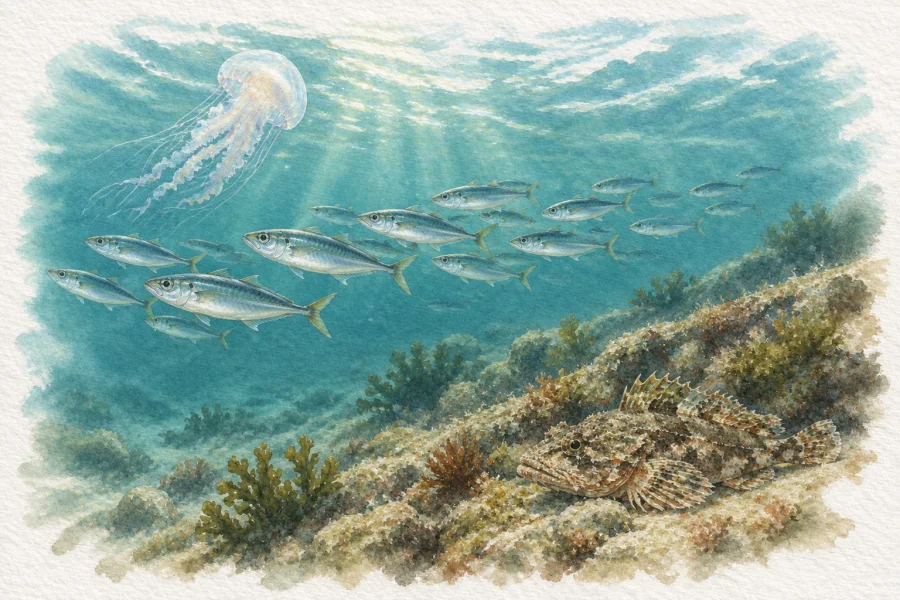
Development and reproductive strategies
Trace changes during development, then examine breeding behaviour and gatherings.
 © 2026 dive.explo360.fr — Copyright-protected content. All rights reserved.
From observation to interpretation
Distinguish what you observe from what you infer, then use the method to study manta ray movements and fish gatherings.