Partners and Dive.Explo360 explorers

Contact us

Verification code

Body plans, functions and adaptations

Connect the diversity of body plans with movement, respiration, defence and regeneration.

Reading pathways All articles
PHYLA WITHOUT THE FUSS Available1/3 public · licence required for the rest

Multiple marine regions

MediterraneanAtlantic

Miscellaneous · Natural history

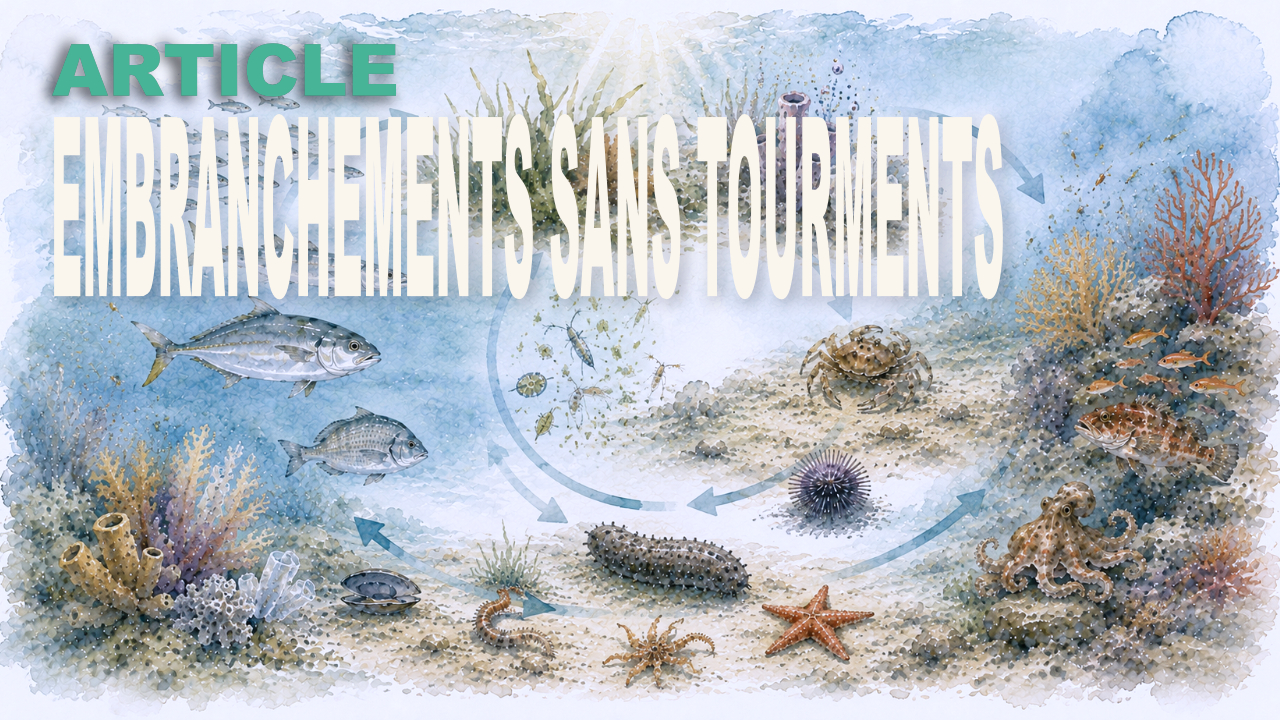
PHYLA WITHOUT THE FUSS

Sponges, sea stars and anemones have very different body plans. Classifying animals into phyla helps explain where those differences come from and which features they share. Another way to read the same habitat is to…
6–10 yearsUnavailable 11–14 years 15–17 years Adults (18+)
Getting startedPublic 2 min · Lic. 6 min 1 / 8 Read the article
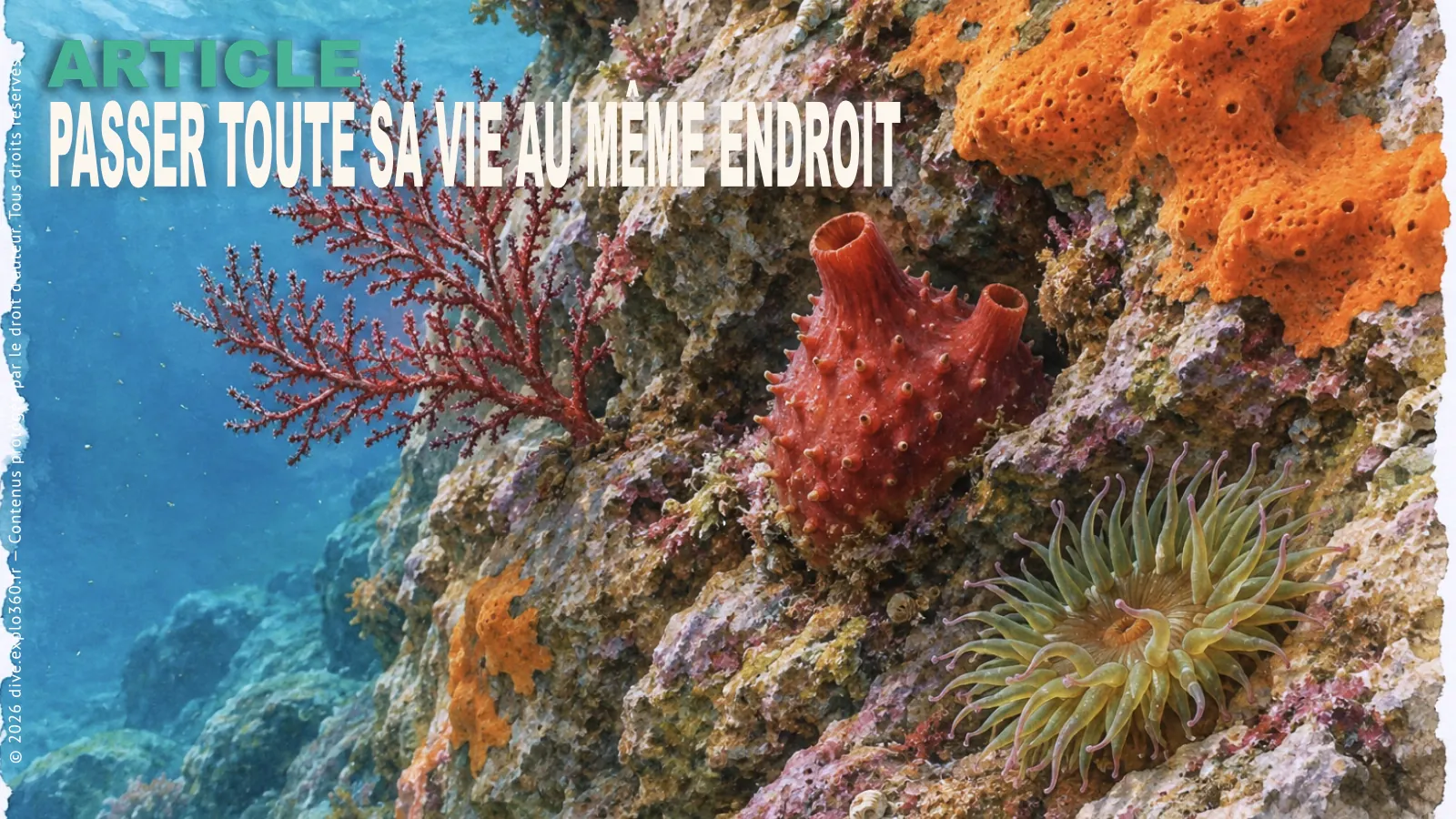
An illustration of attached animals on a Mediterranean wall. Different bodies and ways of life make staying put possible; being attached does not mean being inactive. Available1/3 public · licence required for the rest

Multiple marine regions

MediterraneanAtlantic

Way of life · Natural history

Life without leaving the rock

Staying attached does not mean doing nothing. On a Mediterranean wall, sponges, sea squirts, sea fans and anemones feed, breathe and reproduce without ranging across the seabed. Their sessile lives tie anatomy closely to…

6–10 years 11–14 years 15–17 years Adults (18+)
Going deeperPublic 5 min · Lic. 11 min 2 / 8 Read the article
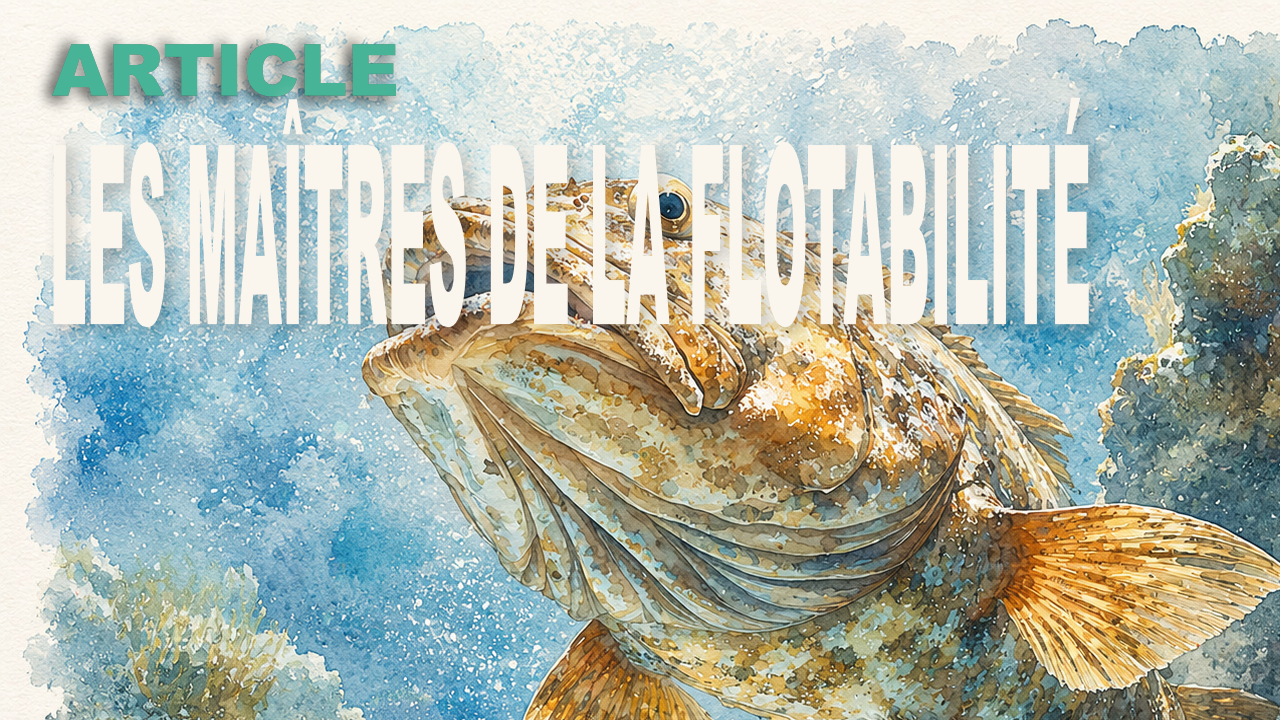
MASTERS OF BUOYANCY Available1/3 public · licence required for the rest

Multiple marine regions

MediterraneanAtlantic

Anatomy · Science

MASTERS OF BUOYANCY

Holding depth, rising and sinking all take control. A **swim bladder** lets many bony fish regulate buoyancy by adjusting an internal supply of gas. Sharks and some bony fish, including bottom dwellers and strong…

6–10 yearsUnavailable 11–14 years 15–17 years Adults (18+)
UnderstandingPublic 2 min · Lic. 6 min 3 / 8 Read the article
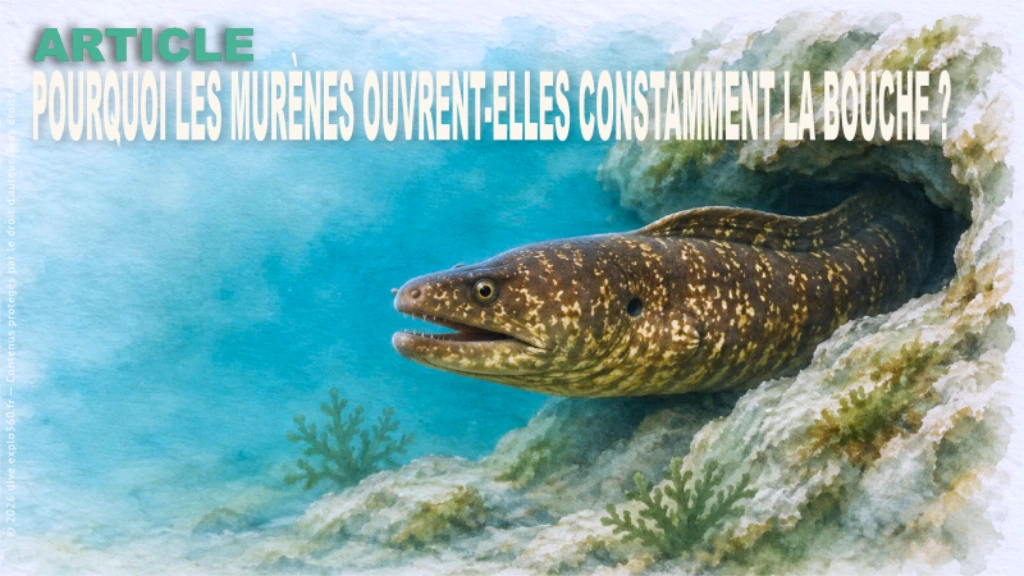
A moray with its mouth ajar in a reef crevice. Available1/3 public · licence required for the rest

Multiple marine regions

MediterraneanAtlantic

Way of life · Behaviour

Why do morays keep opening their mouths?

A moray can stay still in a crevice for a long time. Its jaws keep moving all the same. The mouth and throat pump water over the gills, and two small openings behind the head let it out again.

6–10 years 11–14 years 15–17 years Adults (18+)
UnderstandingPublic 1 min · Lic. 3 min 4 / 8 Read the article
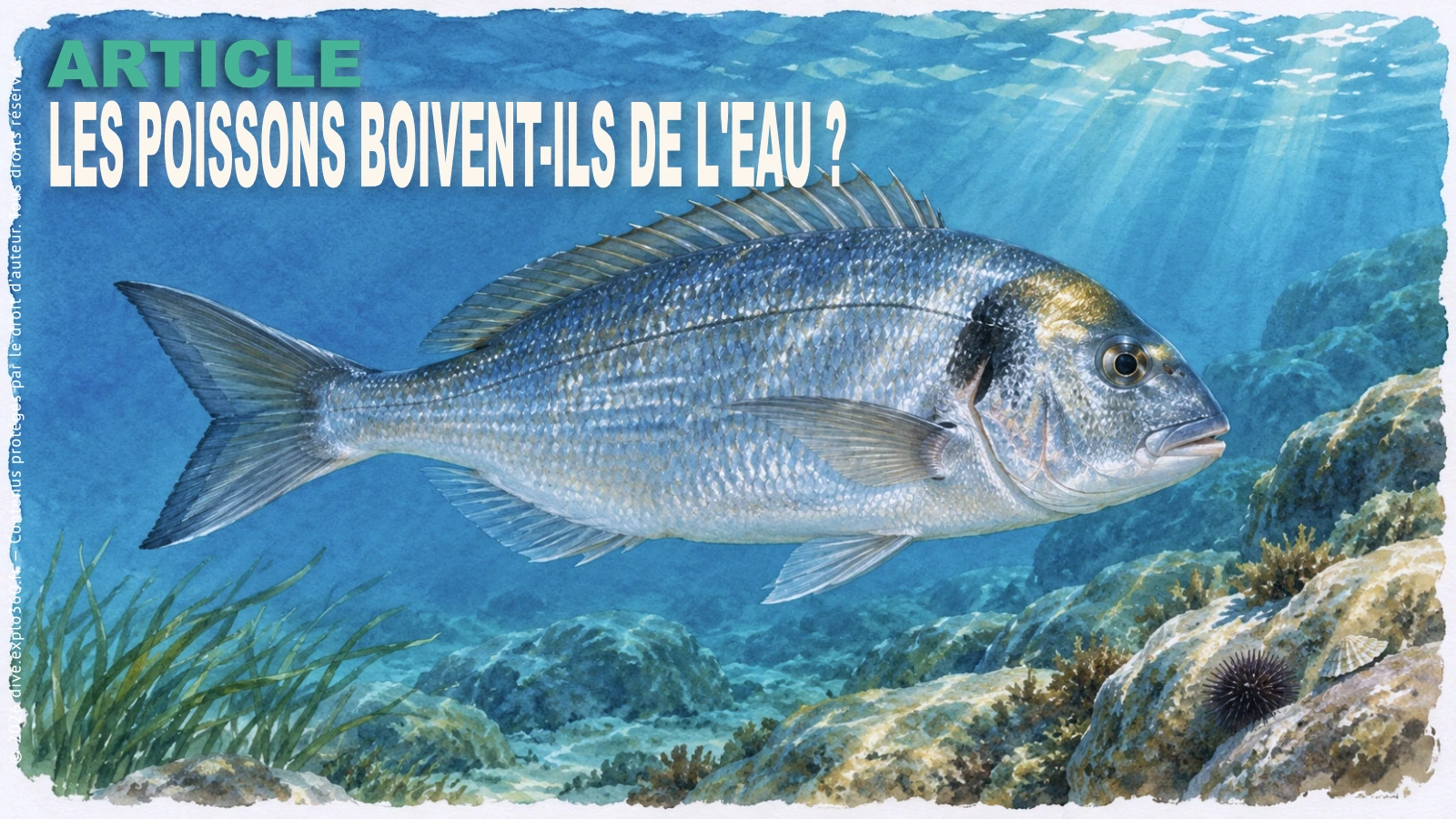
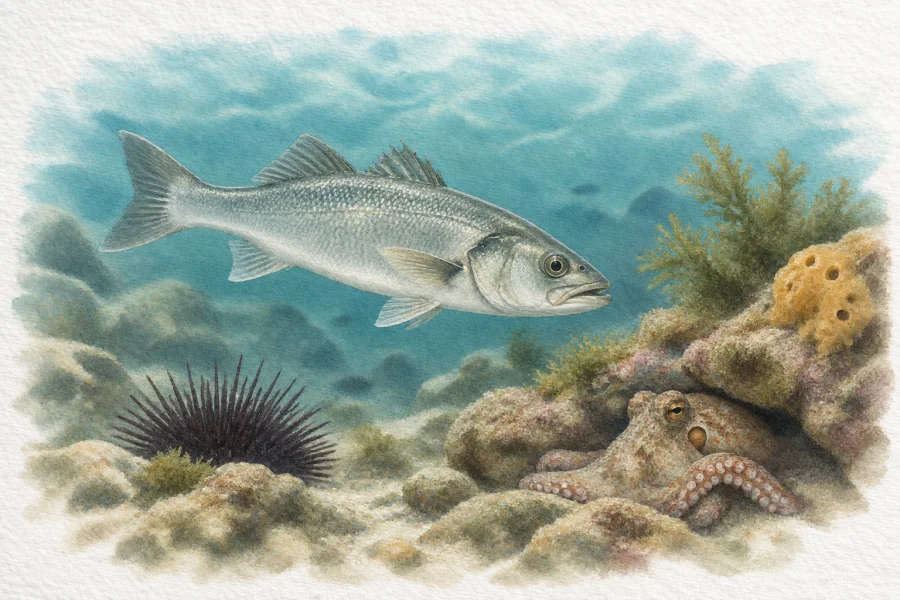
The seabream represents marine bony fish exposed to osmotic water loss. Available1/3 public · licence required for the rest

Multiple marine regions

MediterraneanAtlantic

Way of life · Natural history

Do fish drink water?

A sea bream swims through water saltier than its own body fluids. A trout lives in water much less concentrated than its blood. Across their thin gill surfaces, water tends to leave the sea bream and enter the trout.…

6–10 years 11–14 years 15–17 years Adults (18+)
Going deeperPublic 2 min · Lic. 5 min 5 / 8 Read the article
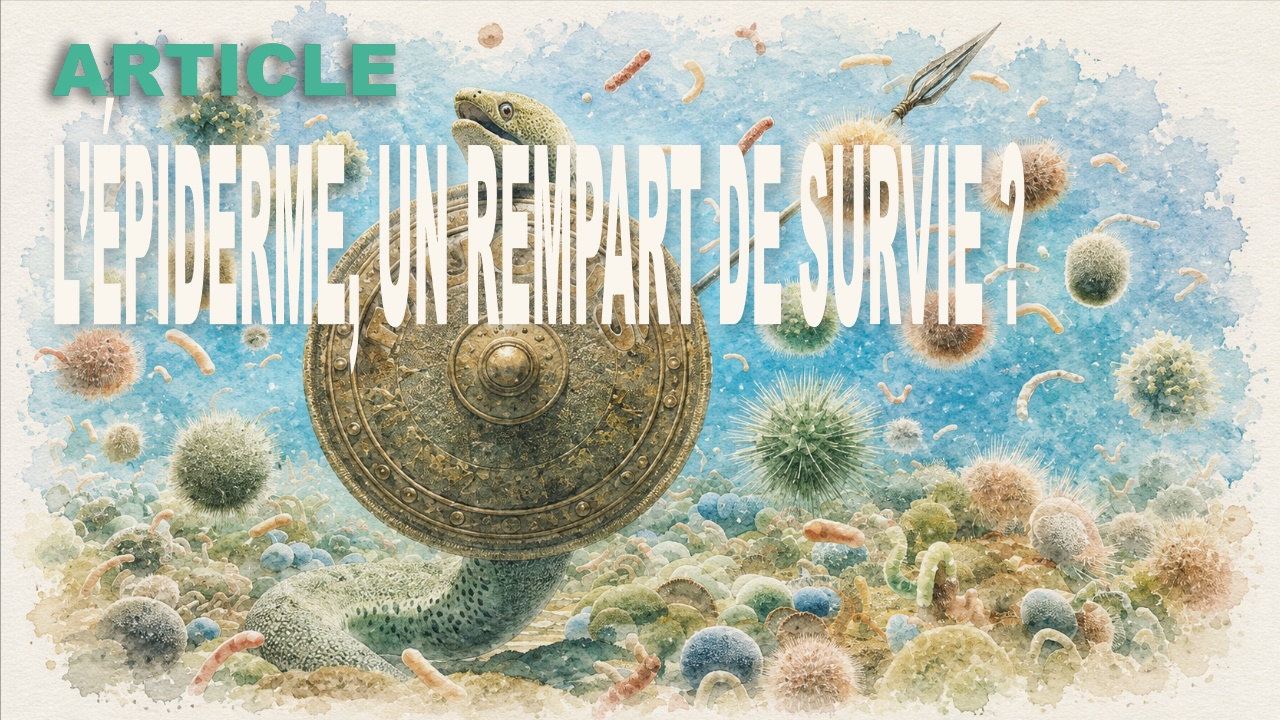
THE EPIDERMIS: A SHIELD FOR SURVIVAL? Available1/3 public · licence required for the rest

Article region: Mediterranean

Mediterranean

Anatomy · Science

How a fish’s skin protects it

A fish’s skin is where its tissues meet the water. Mucus can trap particles, scales can protect the body as it bends, and pigment or reflected light can change what another fish sees. The structures involved vary from…

6–10 yearsUnavailable 11–14 years 15–17 years Adults (18+)
UnderstandingPublic 3 min · Lic. 7 min 6 / 8 Read the article
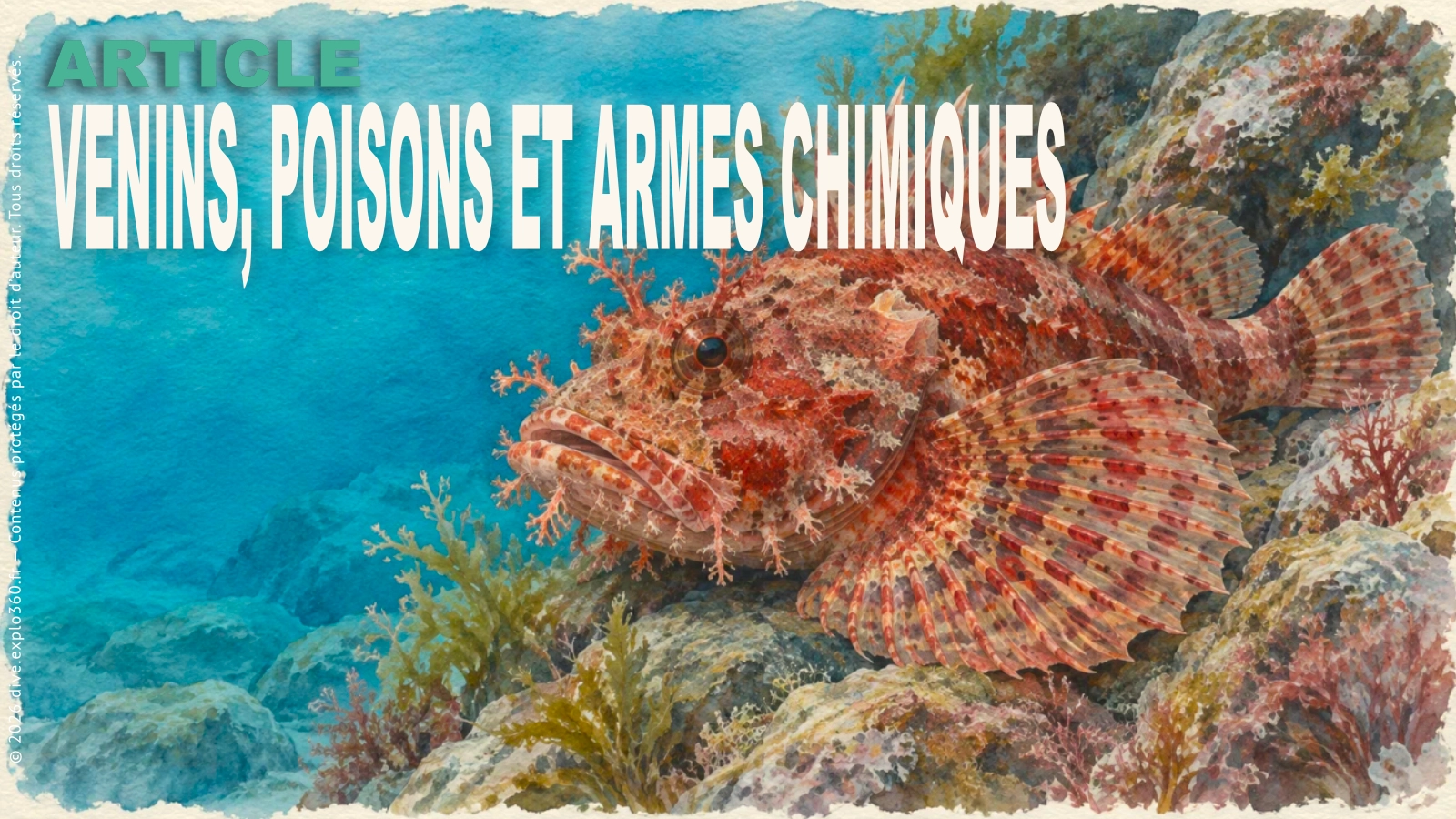
A red scorpionfish on a rocky Mediterranean seabed. Available1/3 public · licence required for the rest

Multiple marine regions

MediterraneanAtlantic

Way of life · Natural history

Venoms, poisons and chemical weapons: the invisible battle

A scorpionfish stays hidden until prey comes within reach. A brightly coloured nudibranch may be conspicuous enough to warn a predator away. An anemone can catch food without leaving its patch of seabed. To understand…

6–10 years 11–14 years 15–17 years Adults (18+)
Going deeperPublic 1 min · Lic. 3 min 7 / 8 Read the article
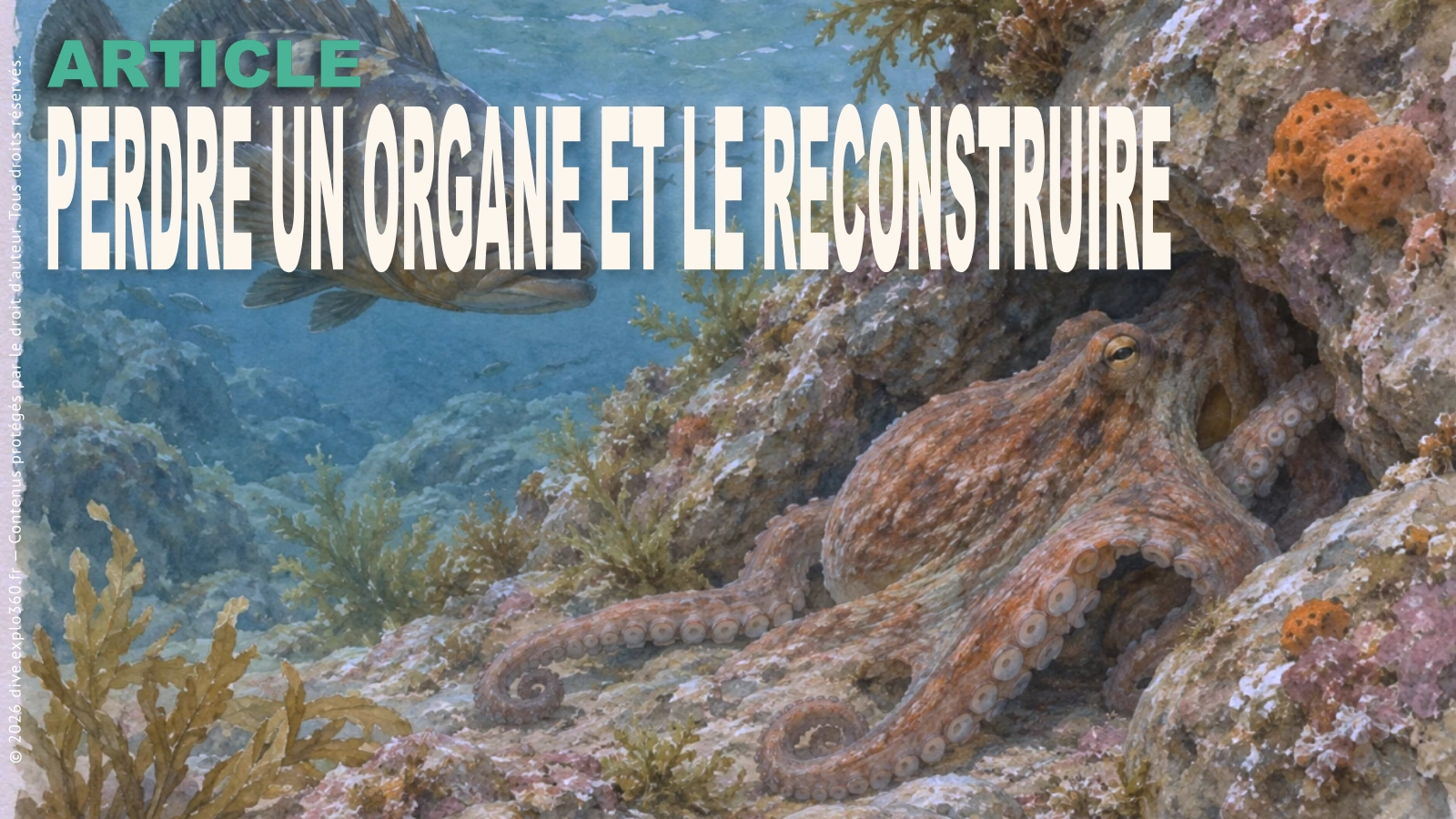
A grouper approaches an octopus at a rocky crevice. Available1/3 public · licence required for the rest

Multiple marine regions

MediterraneanAtlantic

Anatomy · Natural history

How marine animals regrow lost body parts

An injury can interrupt essential functions in seconds. For an animal that survives, the next challenge is to organise the remaining tissues into a body part that works.

6–10 years 11–14 years 15–17 years Adults (18+)
Going deeperPublic 2 min · Lic. 4 min 8 / 8 Read the article

8 articles · 45 min