Partners and Dive.Explo360 explorers

Contact us

Verification code

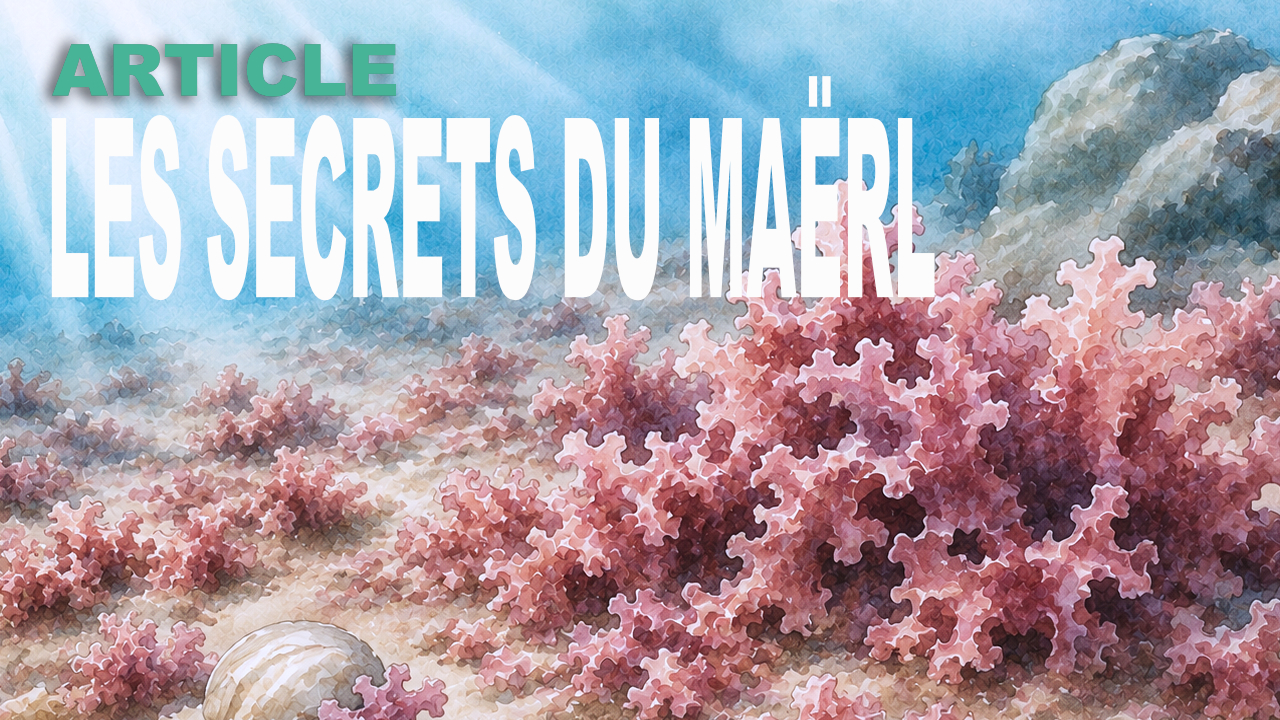
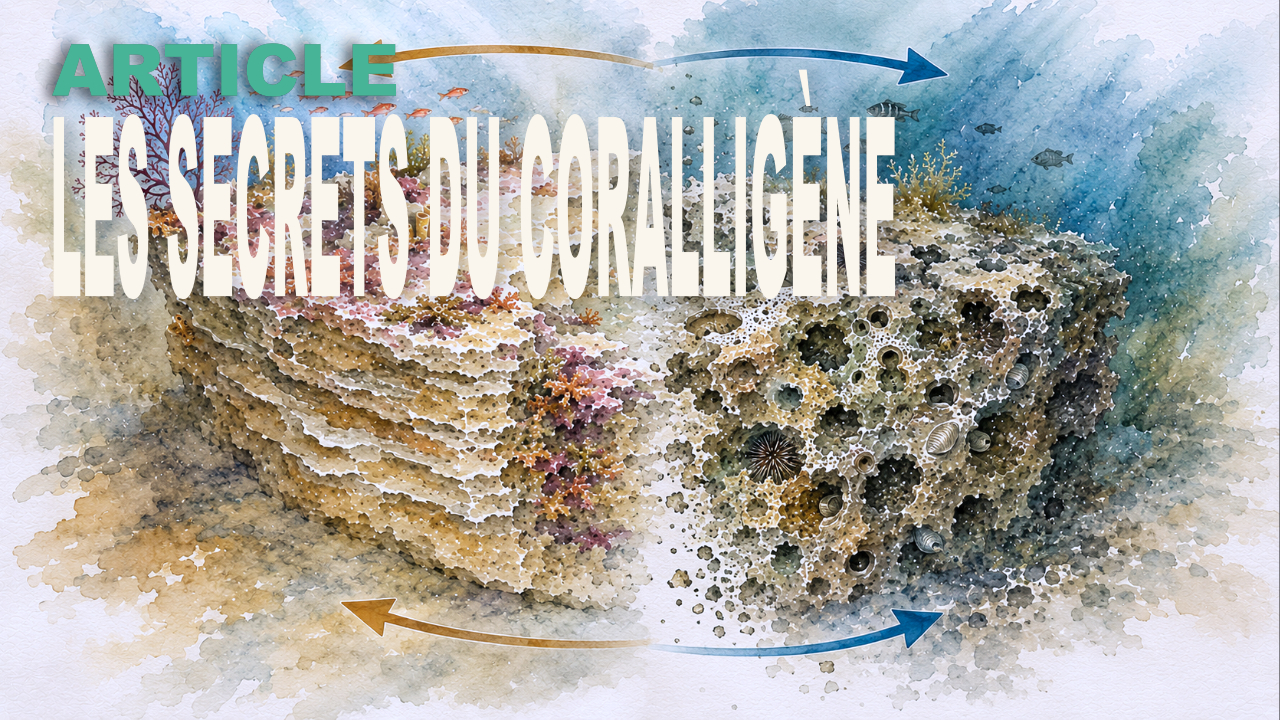
Habitats on the seabed

Compare sand, seagrass, maerl, coralligenous habitats and wrecks to learn which animals find shelter there.

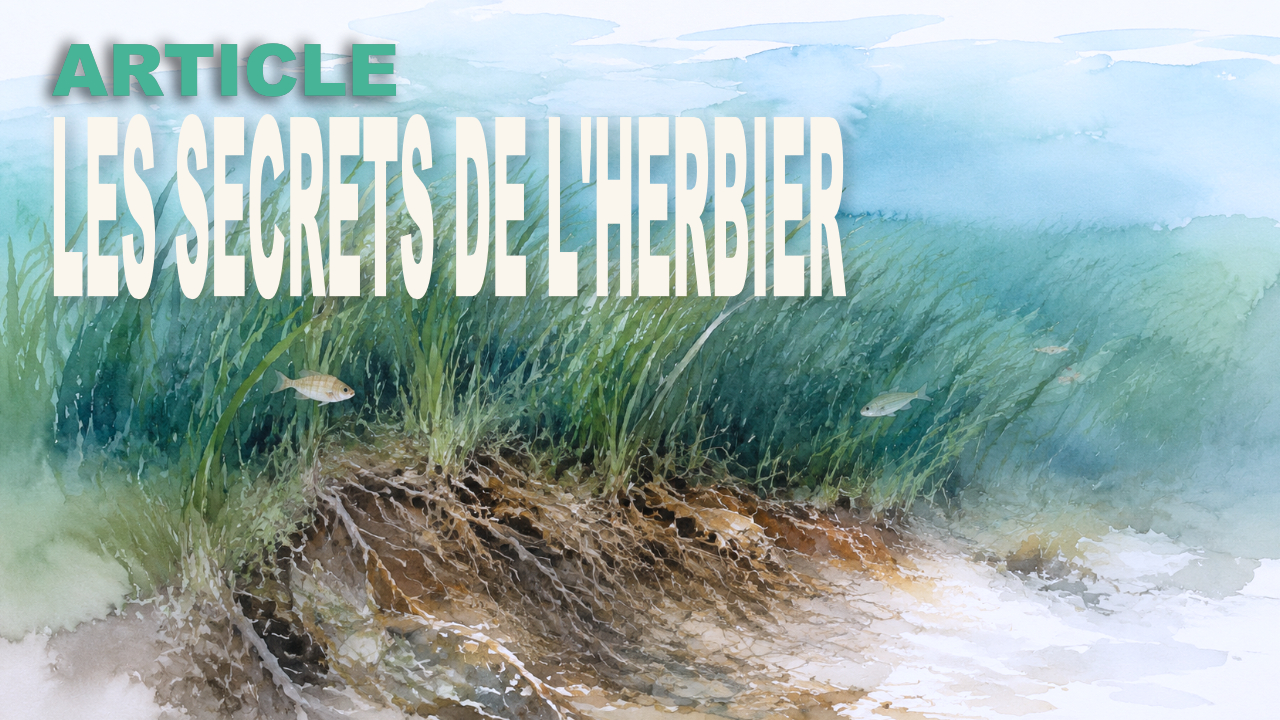
THE SECRETS OF THE SEAGRASS MEADOW Available1/3 public · licence required for the rest

Article region: Mediterranean

Mediterranean

Biotope · Environment

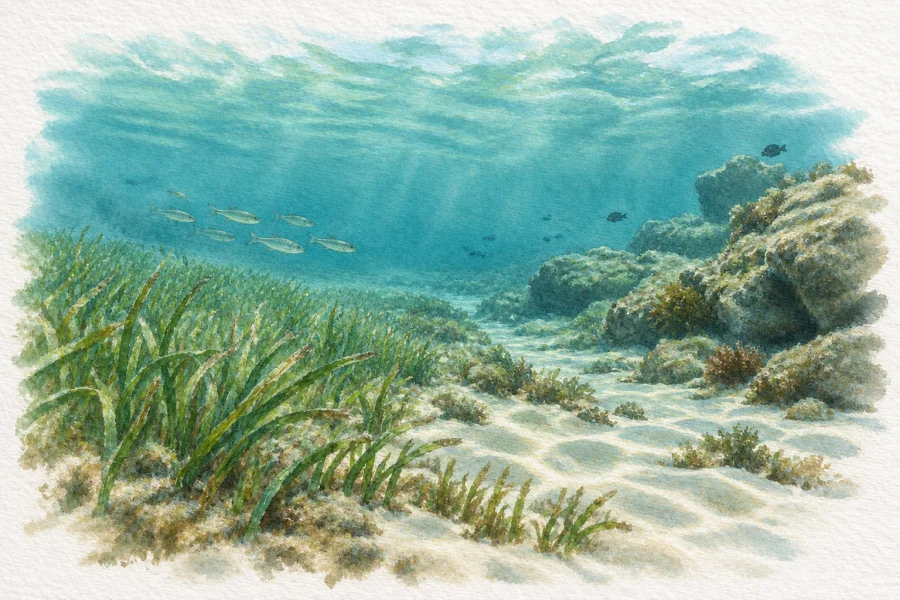
THE SECRETS OF THE SEAGRASS MEADOW

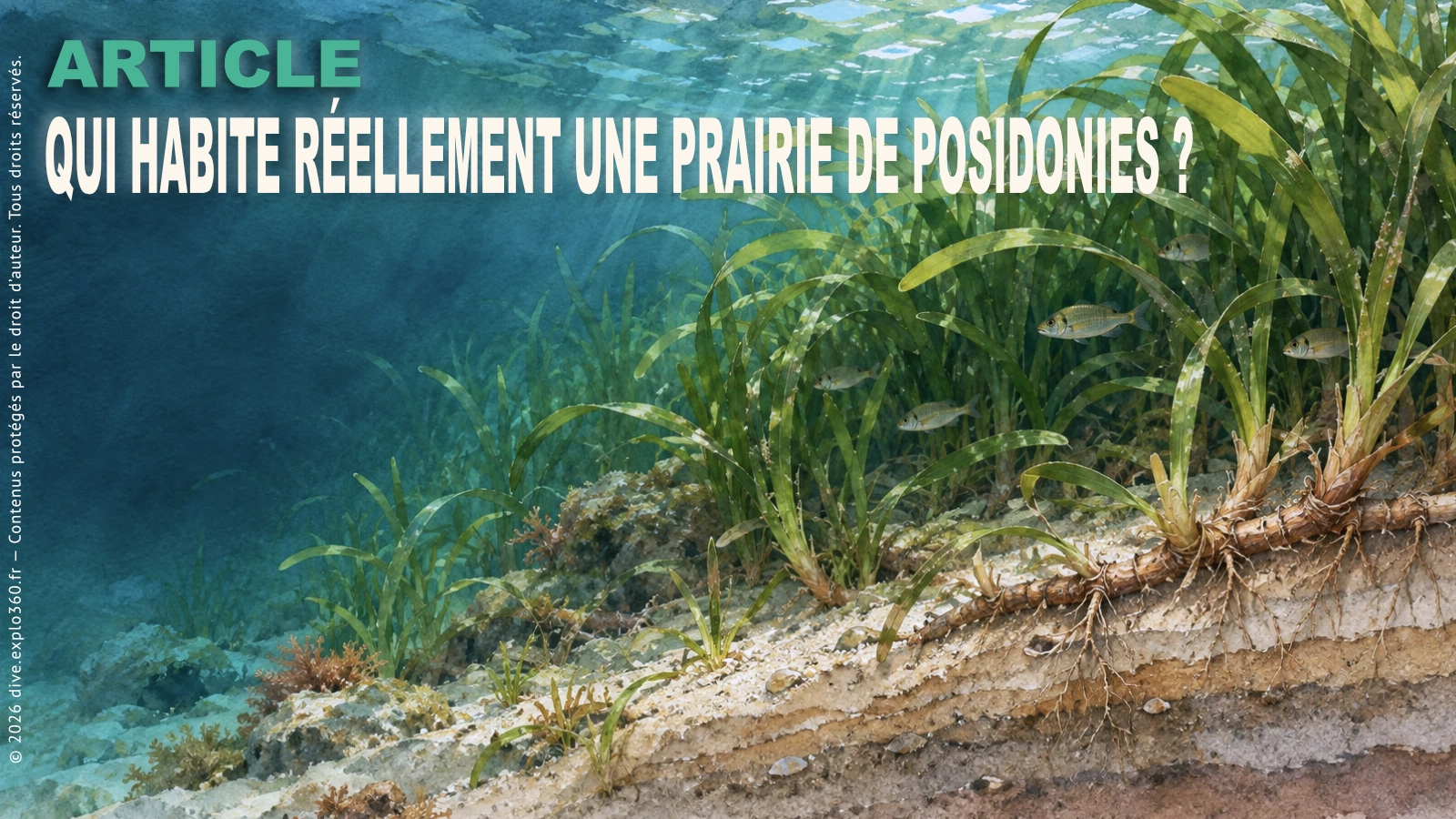
A Posidonia meadow begins with a flowering plant that spreads slowly along the seabed. Its leaves produce oxygen and shelter animals. Beneath them, roots and stems help hold sediment in place and build up a layer that…

6–10 years 11–14 years 15–17 years Adults (18+)
Getting startedPublic 4 min · Lic. 10 min 3 / 11 Read the article
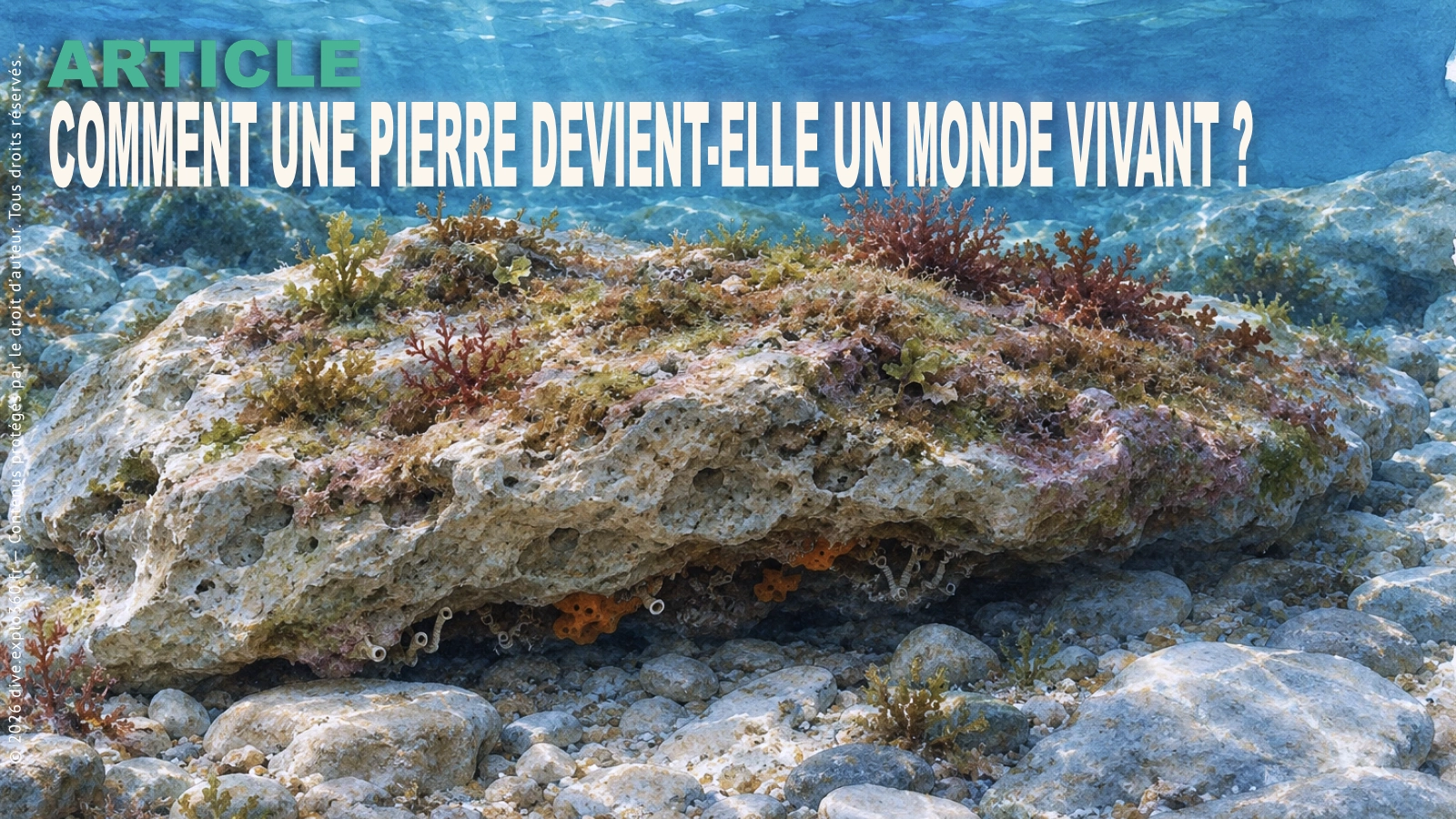
An illustration of a stone in place: algae grow on top and attached animals occupy the shaded gap below. This is not a survey or a fixed sequence of arrivals. Available1/3 public · licence required for the rest

Multiple marine regions

MediterraneanAtlantic

Biotope · Environment

How a bare stone becomes a world of life

A Mediterranean stone can carry a miniature landscape. Algae grow on top, while sponges, tube worms, bryozoans and sea squirts occupy the shade beneath. How did so much life reach a bare piece of rock? The first arrivals…

6–10 years 11–14 years 15–17 years Adults (18+)
UnderstandingPublic 4 min · Lic. 9 min 6 / 11 Read the article
An illustration of swell over a Mediterranean rocky seabed. Sediment rises while rock features offer local shelter. This is not a survey of a particular storm. Available1/3 public · licence required for the rest

Multiple marine regions

MediterraneanAtlantic

Biotope · Environment

What happens underwater during a storm?

Waves crash ashore, but what happens below? Sand rises in clouds, seaweed bends and pebbles roll. Fish seek shelter while attached animals must withstand the surge. A storm can destroy a home, uncover a meal or clear…

6–10 years 11–14 years 15–17 years Adults (18+)
UnderstandingPublic 5 min · Lic. 12 min 7 / 11 Read the article
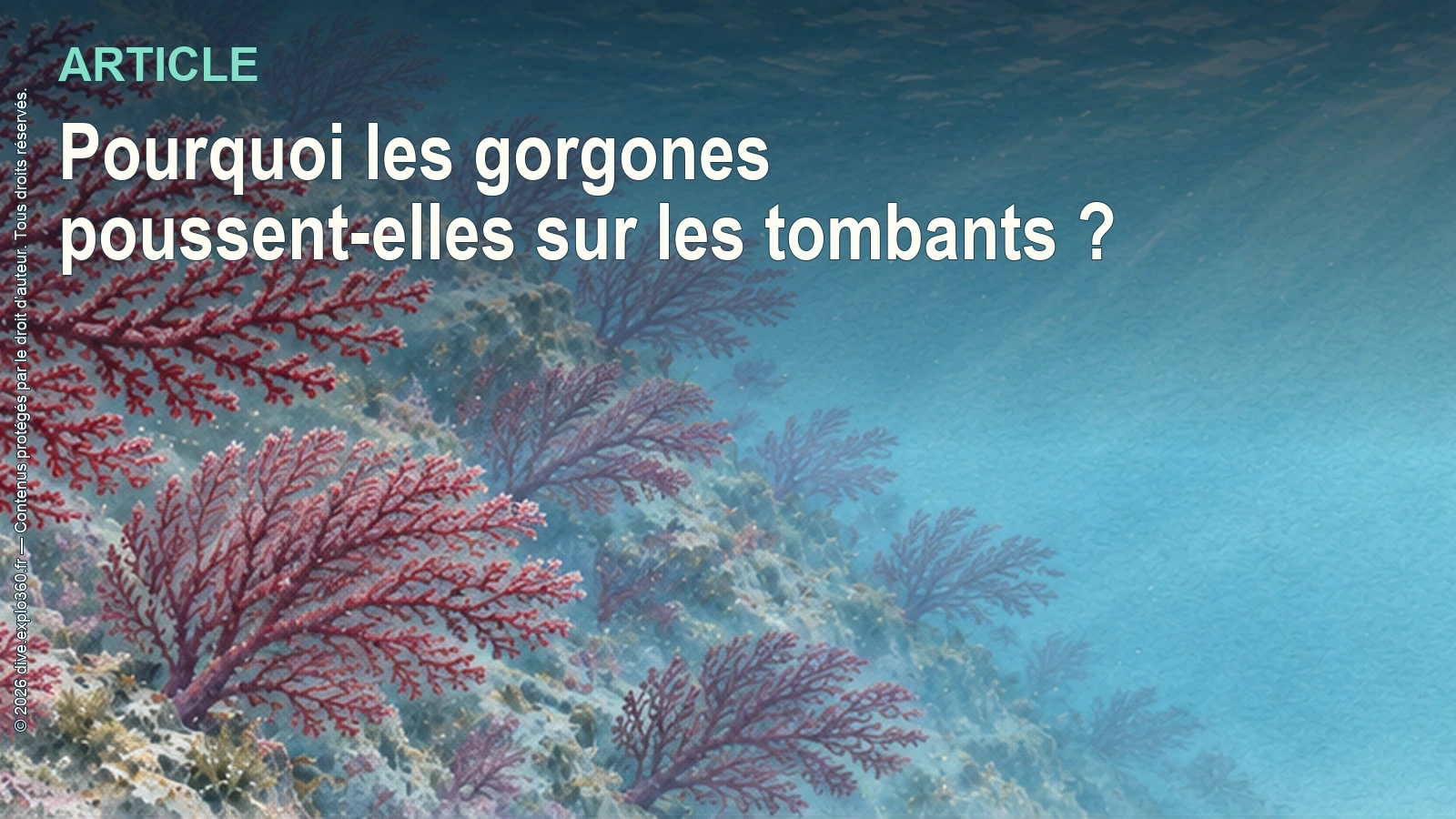
Red sea fans growing on a rocky Mediterranean cliff. Available1/3 public · licence required for the rest

Article region: Mediterranean

Mediterranean

Biotope · Natural history

Why do sea fans grow on underwater cliffs?

Follow a diver along a Mediterranean rock wall. Purple fans jut out from the cliff, and some face a different way where the rock turns. Sea fans stay fixed in place, so the water has to bring their food to them.

6–10 years 11–14 years 15–17 years Adults (18+)
UnderstandingPublic 2 min · Lic. 5 min 8 / 11 Read the article
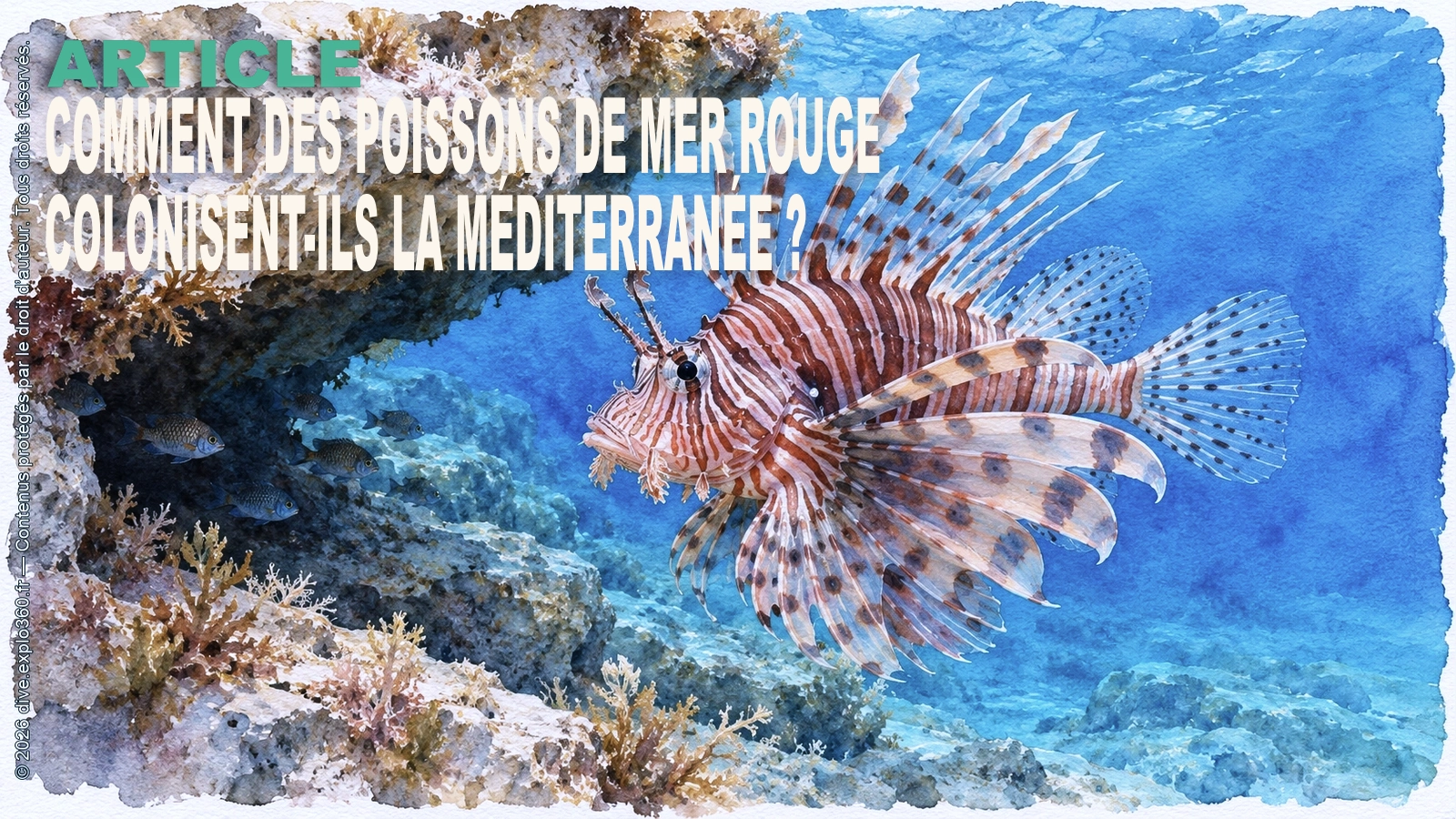
Underwater scene. Striped lionfish beneath a rocky overhang. Available1/3 public · licence required for the rest

Multiple marine regions

MediterraneanRed Sea

Biotope · Environment

How do fish from the Red Sea colonise the Mediterranean?

Off Cyprus, a lionfish spreads its fins as it creeps towards a smaller fish. Its ancestors came through the Suez Canal. Rabbitfish and cornetfish took the same route. Why did some of these newcomers become common while…

6–10 years 11–14 years 15–17 years Adults (18+)
UnderstandingPublic 3 min · Lic. 5 min 10 / 11 Read the article
A wreck colonised by marine life in the Mediterranean Available1/3 public · licence required for the rest

Multiple marine regions

MediterraneanAtlantic

Ecology · Environment

THE SECRETS OF SHIPWRECKS

On a flat stretch of sand, a sunken ship can rise like a wall. On rock, it adds more crevices to a seabed that already has them. A wreck can settle on sand, on maerl beds made up of small pieces of calcareous algae, on…

6–10 years 11–14 years 15–17 years Adults (18+)
UnderstandingPublic 3 min · Lic. 6 min 11 / 11 Read the article