Partners and Dive.Explo360 explorers

Contact us

Verification code

Marine habitats and seabed life

Compare seabed features and how they affect the distribution of organisms, from seagrass meadows to wrecks and coralligenous habitats.

THE SECRETS OF MAERL Available1/3 public · licence required for the rest

Multiple marine regions

MediterraneanAtlantic

Biotope · Environment

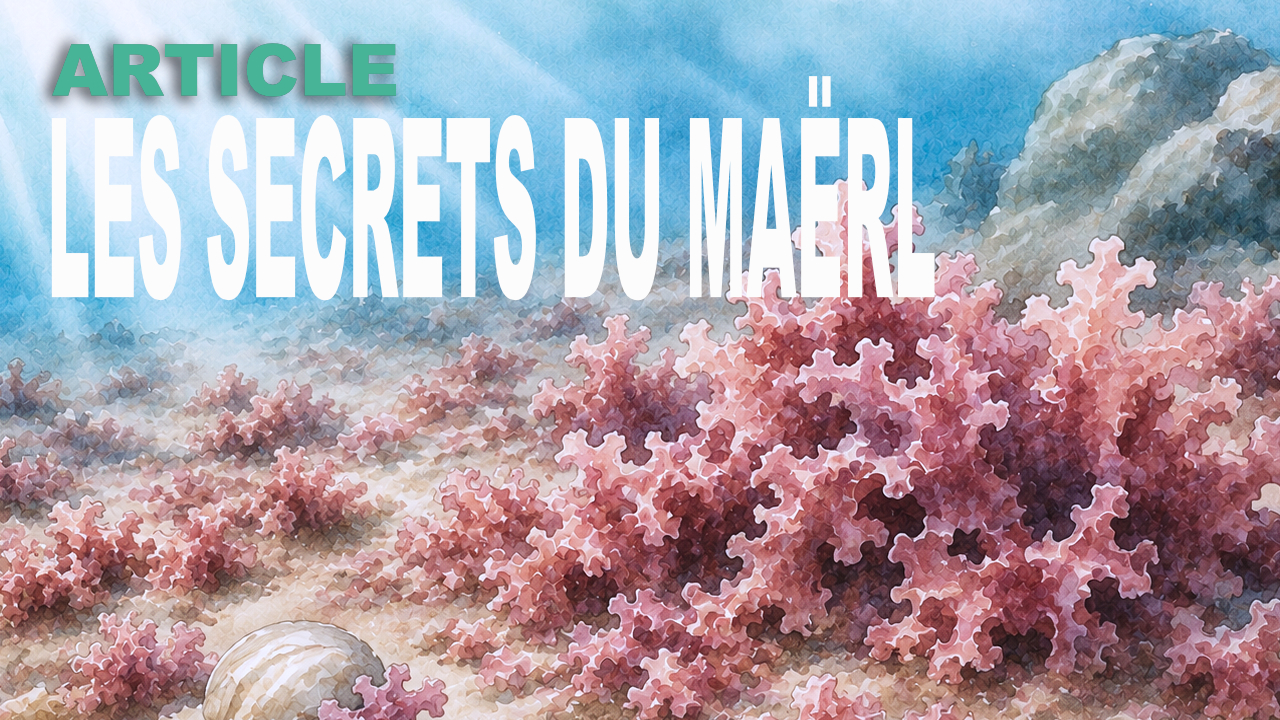
THE SECRETS OF MAERL

A maerl bed takes shape as unattached red algae grow and accumulate on soft sediment. Their rigid branches create surfaces and shelters that a flat seabed offers in fewer forms. The same loose structure that provides…

6–10 years 11–14 years 15–17 years Adults (18+)
UnderstandingPublic 2 min · Lic. 5 min 2 / 11 Read the article
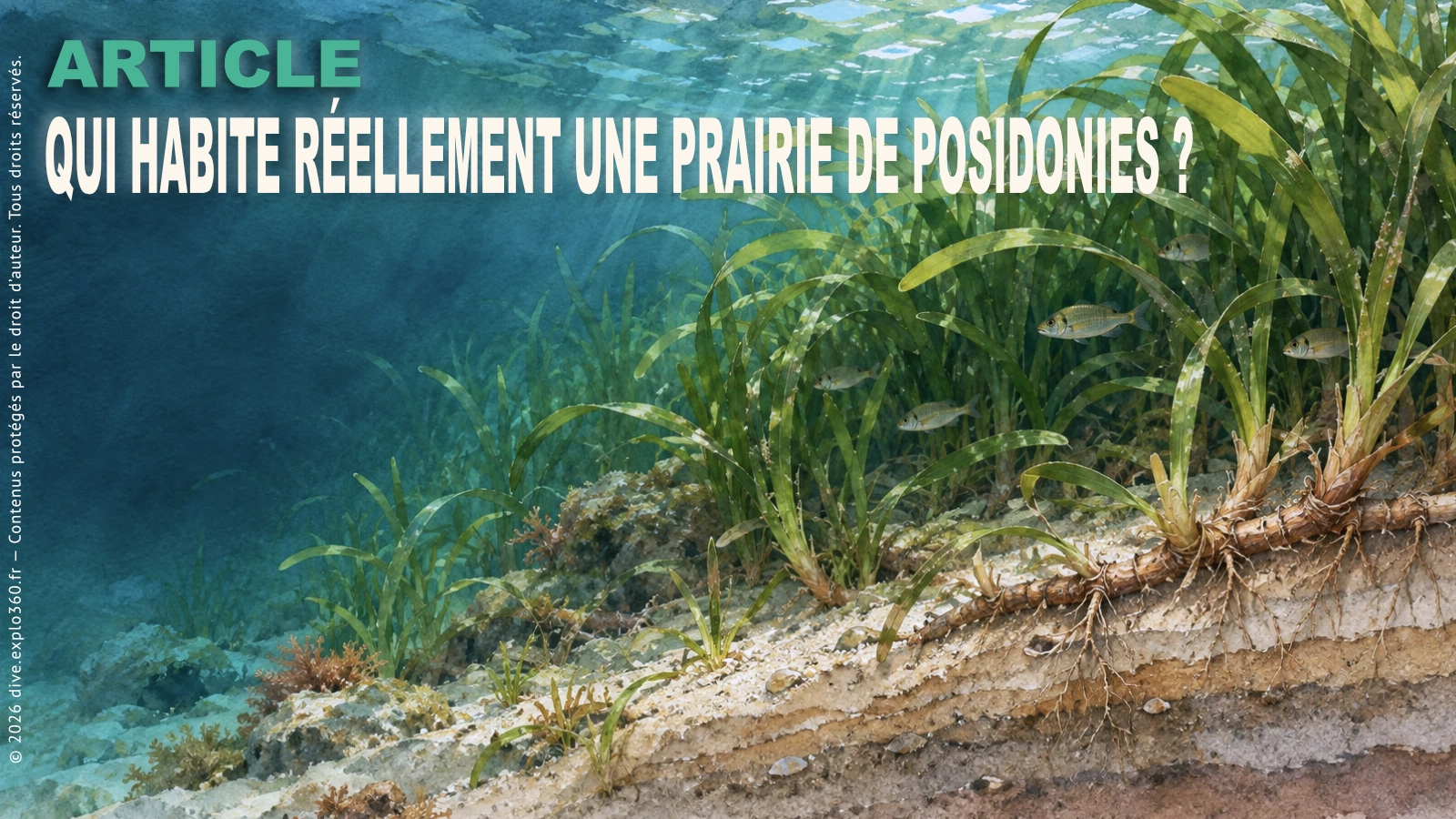
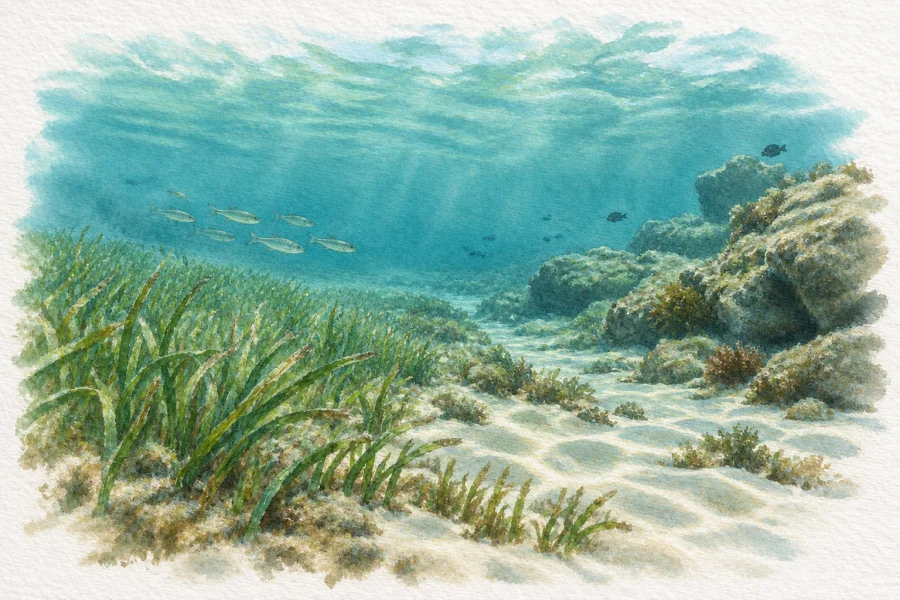
A submerged Posidonia meadow with irregular patches, sandy gaps and a small fish above the leaves. Available1/3 public · licence required for the rest

Article region: Mediterranean

Mediterranean

Biotope · Environment

Who really lives in a Posidonia meadow?

Fish over the canopy reveal one part of a Posidonia meadow. Farther down, leaves, rhizomes and the layer of plant tissue and sediment called the matte offer different conditions. In this Mediterranean flowering plant,…

6–10 years 11–14 years 15–17 years Adults (18+)
Going deeperPublic 1 min · Lic. 3 min 4 / 11 Read the article
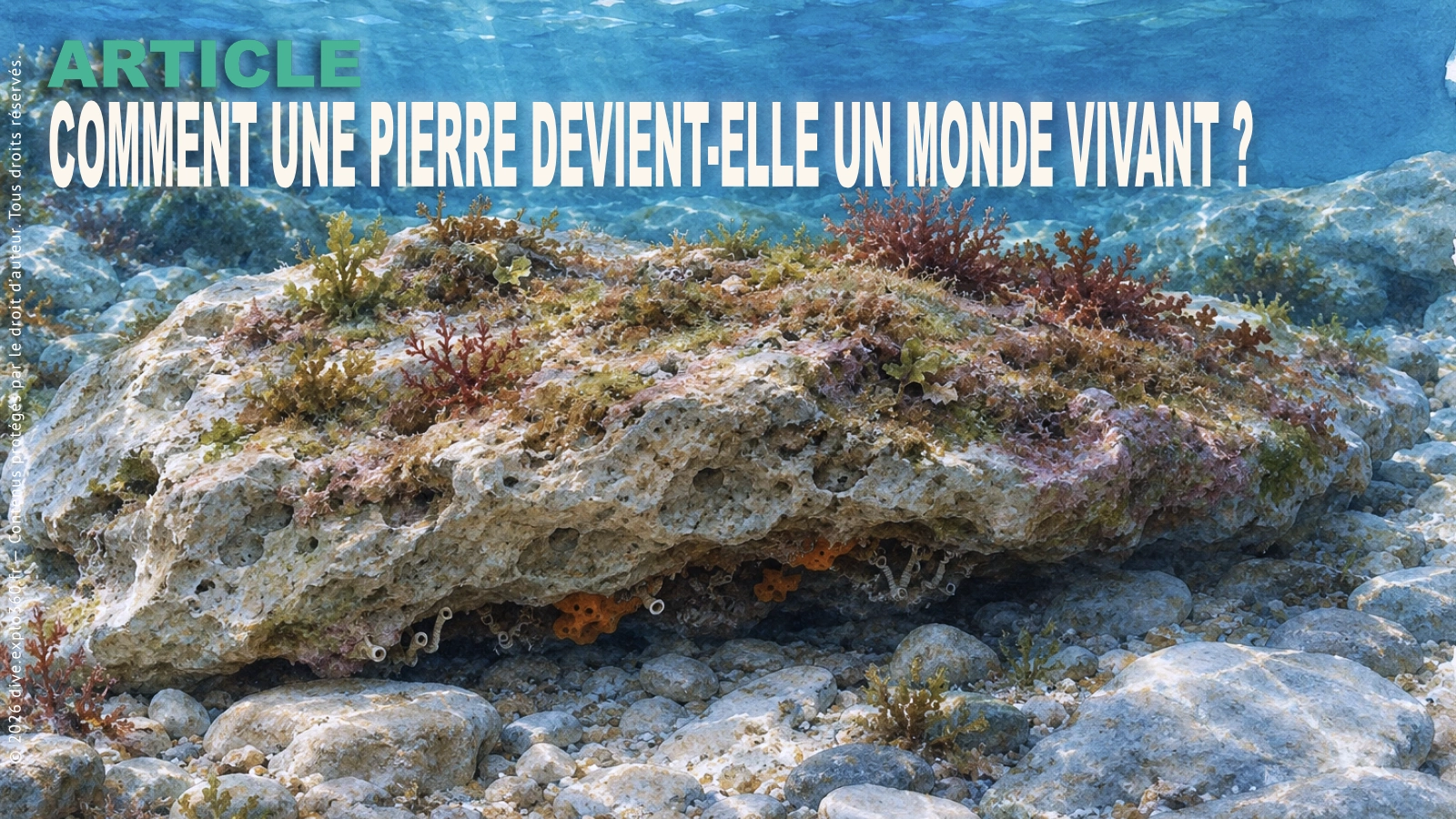
An illustration of a stone in place: algae grow on top and attached animals occupy the shaded gap below. This is not a survey or a fixed sequence of arrivals. Available1/3 public · licence required for the rest

Multiple marine regions

MediterraneanAtlantic

Biotope · Environment

How a bare stone becomes a world of life

On a Mediterranean stone, a few centimetres can separate sunlit algae from sponges and other attached animals in shade. This miniature landscape has a history: arrivals alter the surface, neighbours compete, and some…

6–10 years 11–14 years 15–17 years Adults (18+)
Going deeperPublic 3 min · Lic. 7 min 6 / 11 Read the article
An illustration of swell over a Mediterranean rocky seabed. Sediment rises while rock features offer local shelter. This is not a survey of a particular storm. Available1/3 public · licence required for the rest

Multiple marine regions

MediterraneanAtlantic

Biotope · Environment

What happens underwater during a storm?

A storm’s most obvious force is at the surface. Below, its energy sets water moving, lifts sediment and tests the attachment of plants and animals. Fish may shelter or move away; fixed colonies face forces they cannot…

6–10 years 11–14 years 15–17 years Adults (18+)
Going deeperPublic 4 min · Lic. 9 min 7 / 11 Read the article
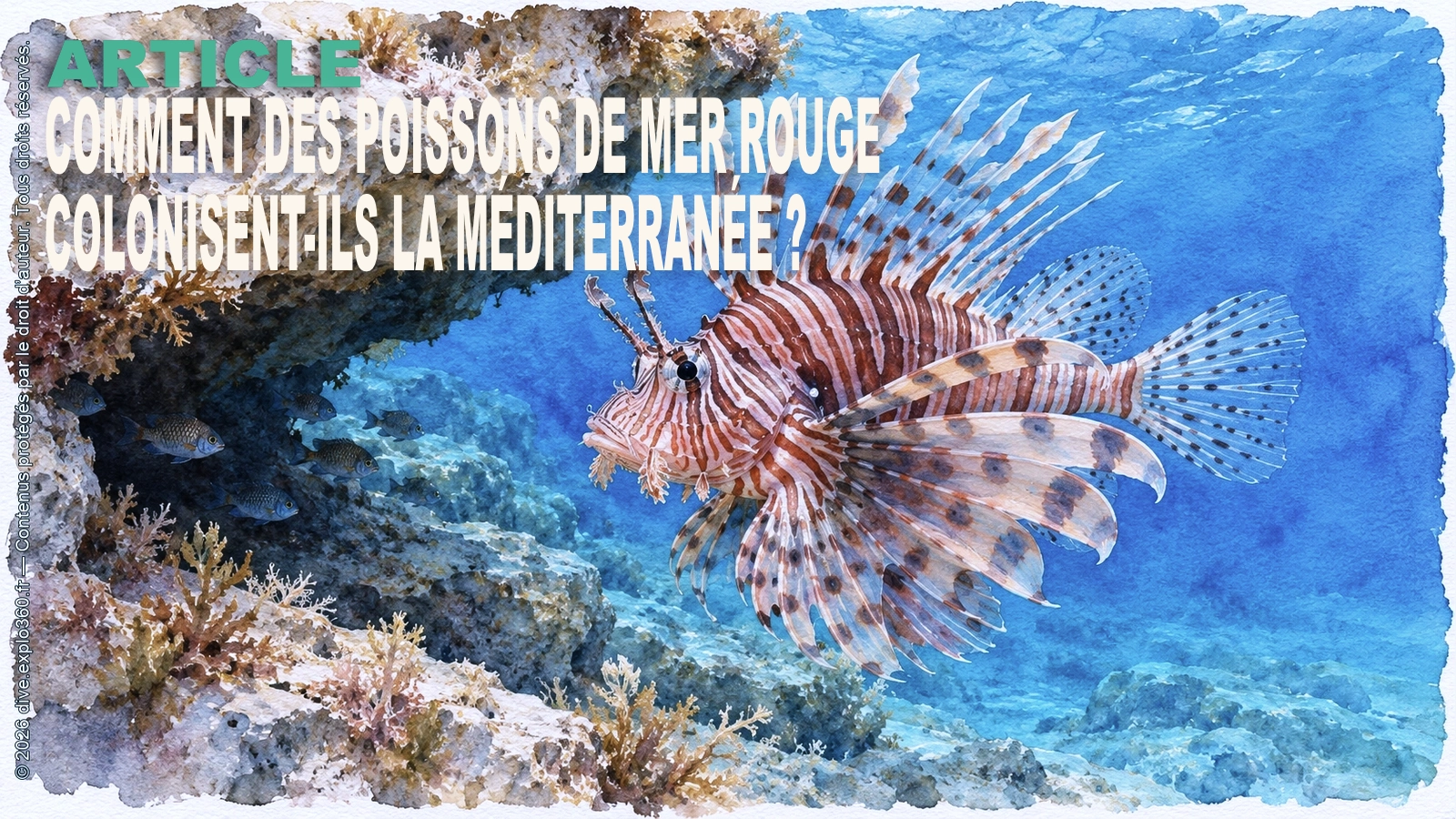
Underwater scene. Striped lionfish beneath a rocky overhang. Available1/3 public · licence required for the rest

Multiple marine regions

MediterraneanRed Sea

Biotope · Environment

How do fish from the Red Sea colonise the Mediterranean?

A lionfish off Cyprus spreads its pectoral fins as it approaches its prey. Its ancestors crossed into the Mediterranean through the Suez Canal, as did rabbitfish, cornetfish and pufferfish. Each species’ history shows…

6–10 years 11–14 years 15–17 years Adults (18+)
Going deeperPublic 2 min · Lic. 4 min 10 / 11 Read the article
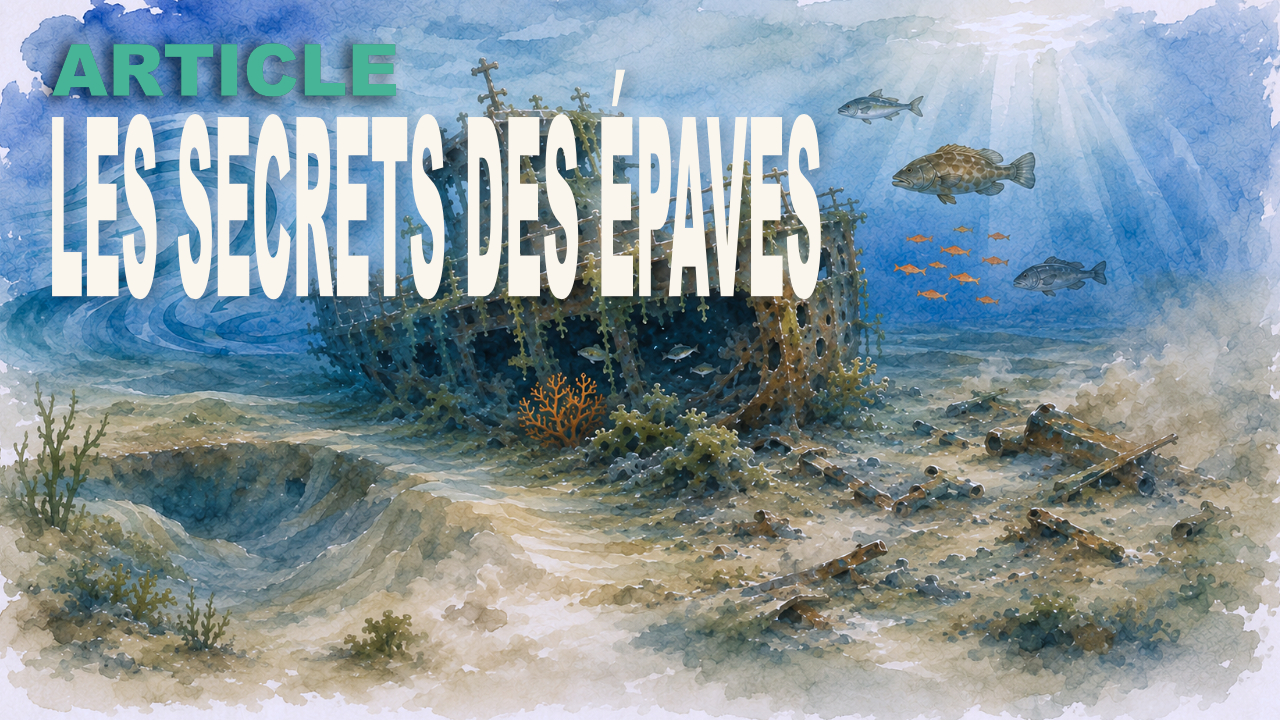
A wreck colonised by marine life in the Mediterranean Available1/3 public · licence required for the rest

Multiple marine regions

MediterraneanAtlantic

Ecology · Environment

THE SECRETS OF SHIPWRECKS

A wreck adds height, hard surfaces, cavities and shade to whatever habitat was there before. A ship on sand or maerl can change the shape of the seabed considerably. On rock or near a seagrass meadow, the same structure…

6–10 years 11–14 years 15–17 years Adults (18+)
UnderstandingPublic 3 min · Lic. 6 min 11 / 11 Read the article