Partners and Dive.Explo360 explorers

Contact us

Verification code

Development and reproductive strategies

Trace changes during development, then examine breeding behaviour and gatherings.

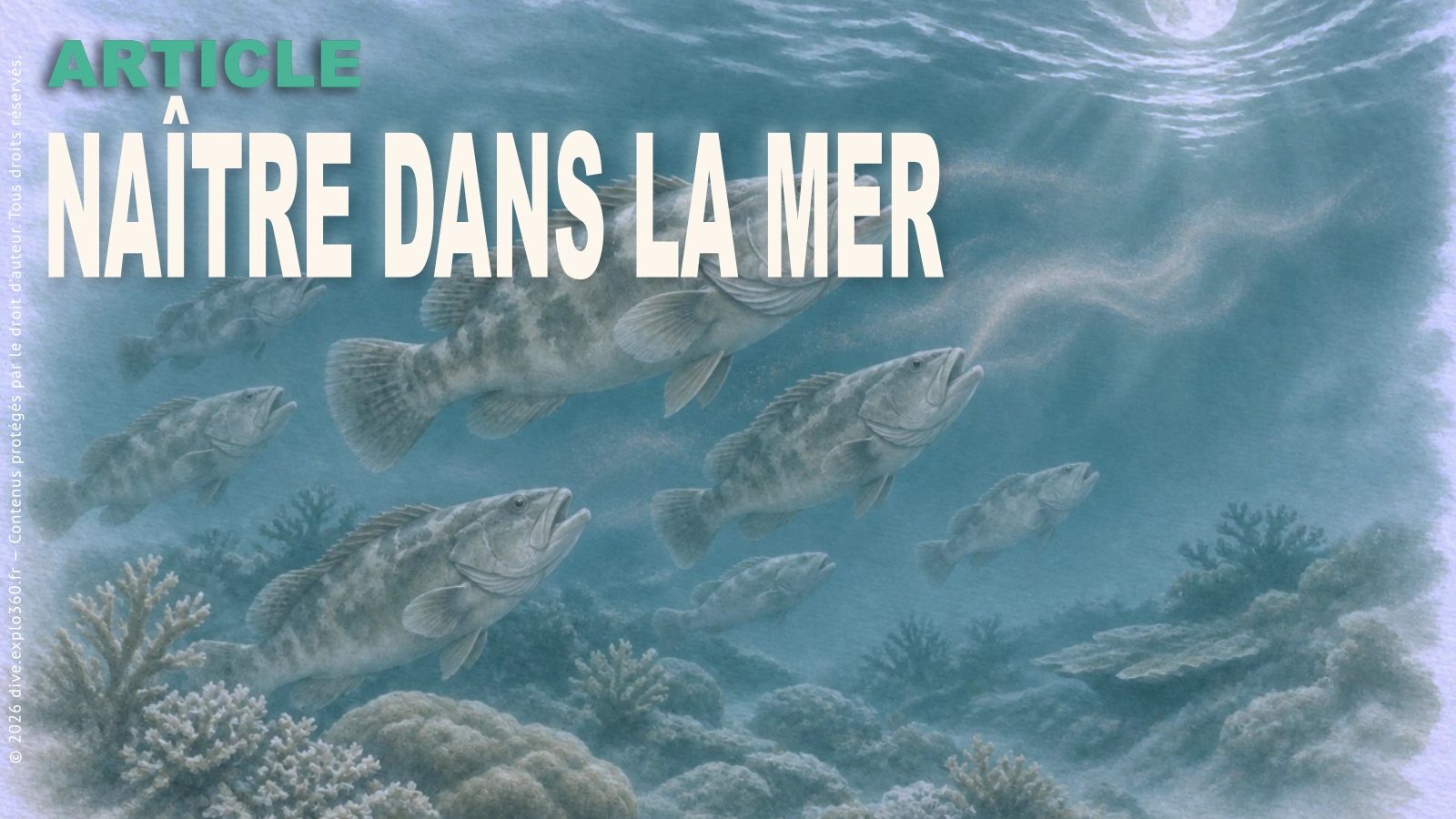
Fish gathering over a reef in moonlight. Available1/3 public · licence required for the rest

Multiple marine regions

MediterraneanAtlantic

Way of life · Natural history

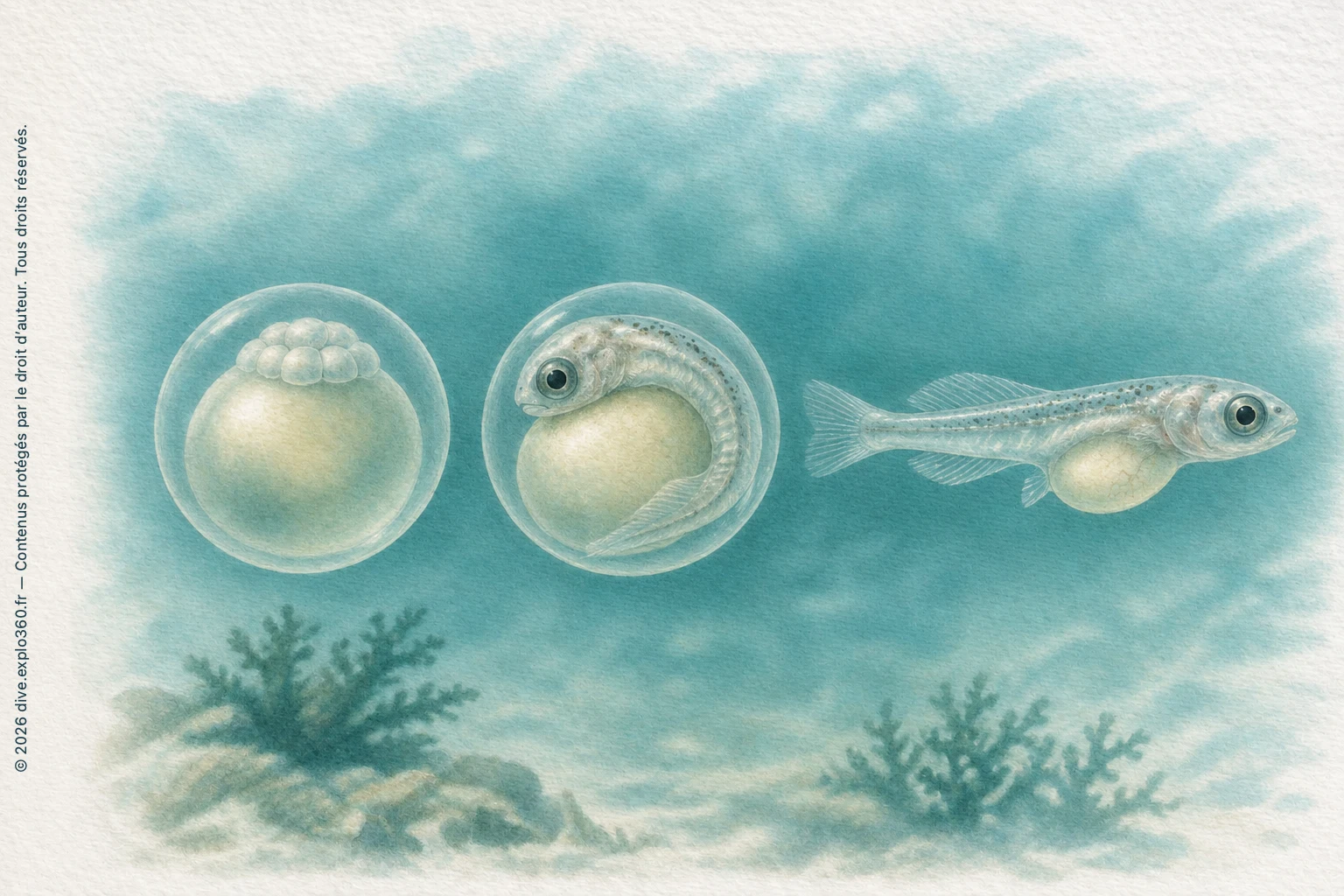
Born in the Sea: The Perils of Early Life

Some marine animals disperse large numbers of eggs. Others invest more in each offspring. How the embryos develop, where currents carry them and when larvae find their first prey can all shape the odds of survival.
6–10 years 11–14 years 15–17 years Adults (18+)
Getting startedPublic 2 min · Lic. 5 min 1 / 6 Read the article
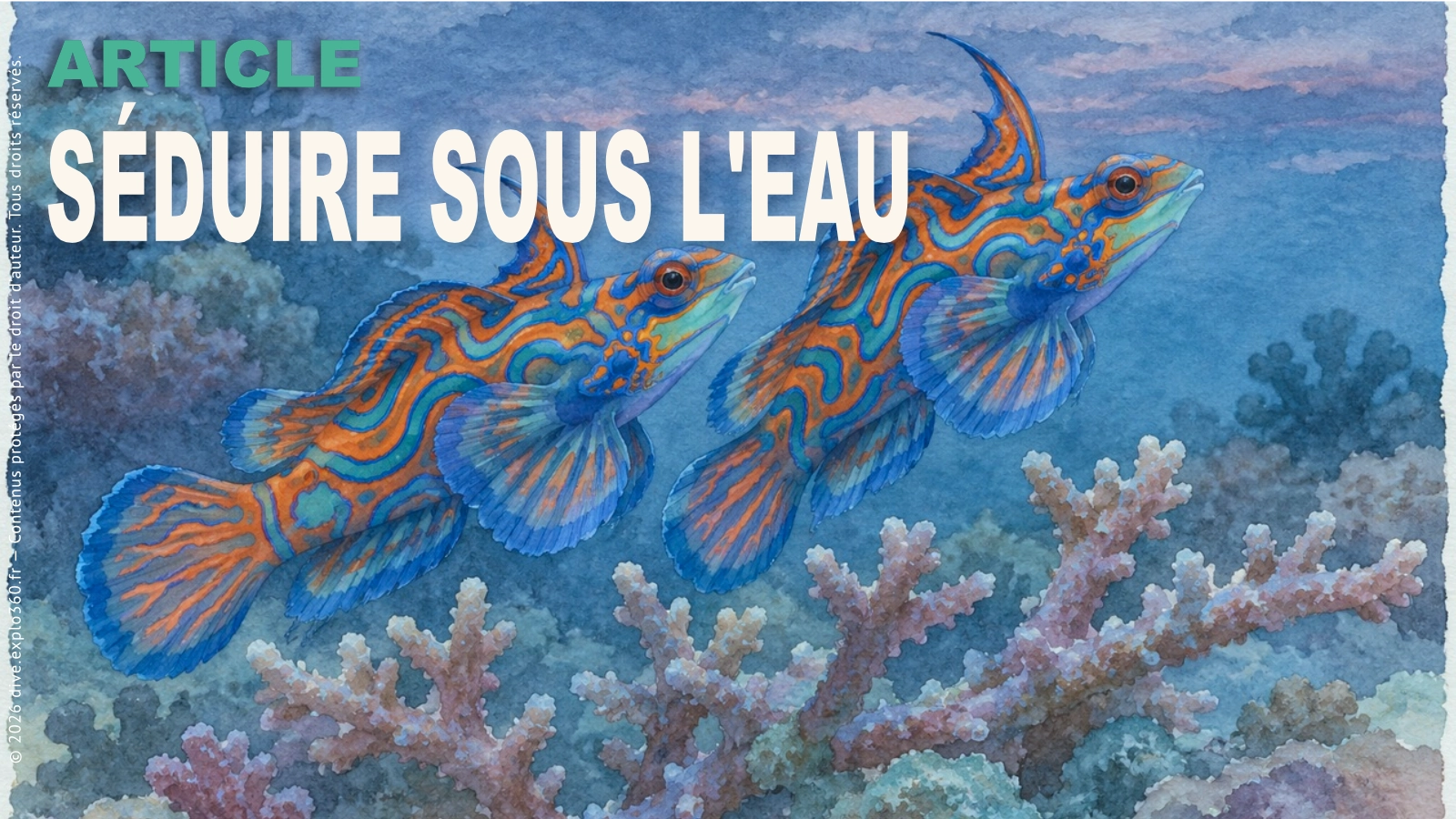
Two mandarinfish (Synchiropus splendidus) begin to rise above the reef. Available1/3 public · licence required for the rest

Multiple marine regions

MediterraneanAtlantic

Way of life · Behaviour

Underwater courtship and sexual selection

Two mandarinfish rise together to spawn. At a wrasse nest, rivals can approach while eggs are being laid. Who breeds with whom matters, and what happens after mating can still affect which eggs are fertilised and by…

6–10 years 11–14 years 15–17 years Adults (18+)
UnderstandingPublic 2 min · Lic. 4 min 2 / 6 Read the article
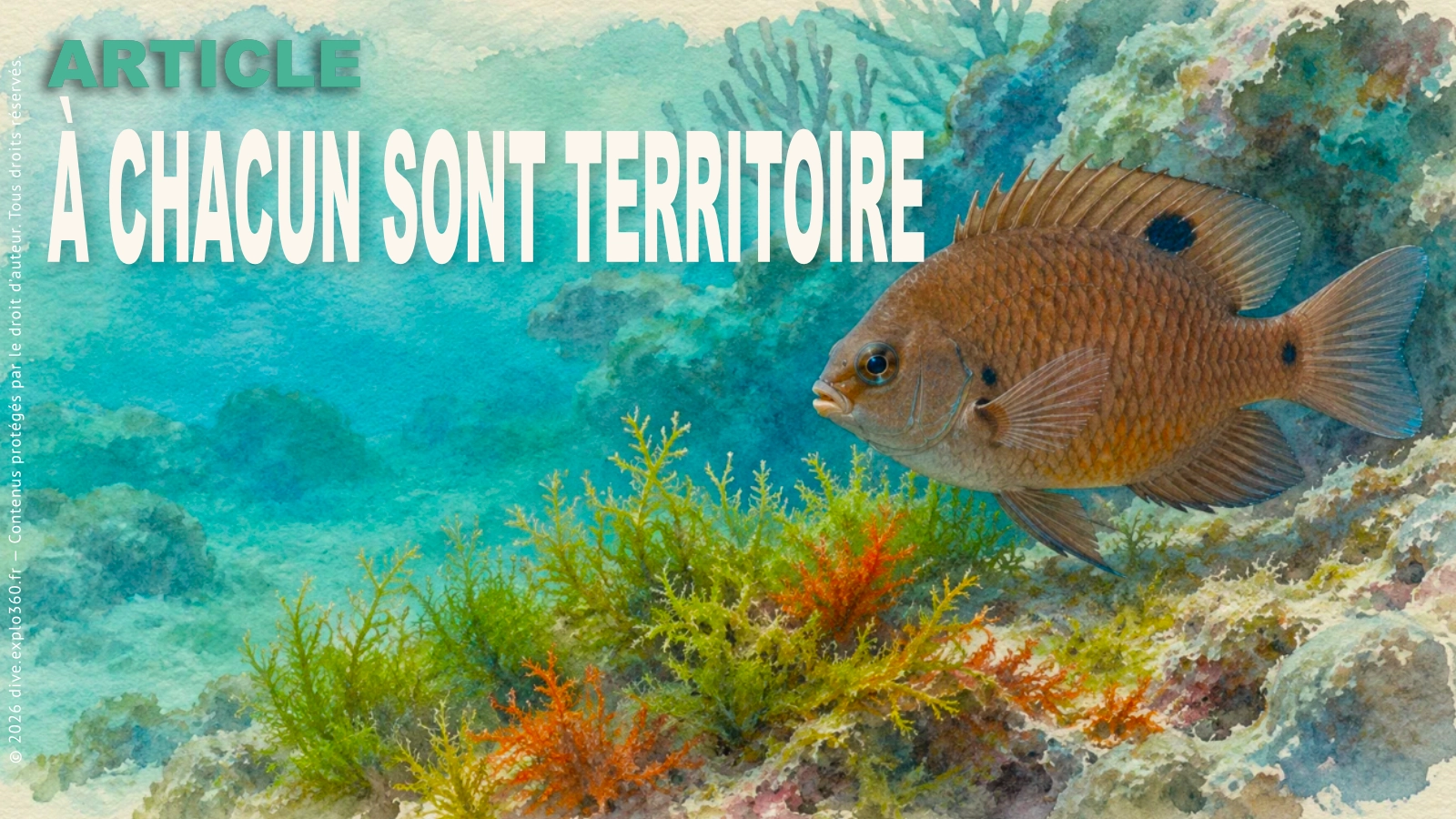
A damselfish above a Caribbean reef. Available1/3 public · licence required for the rest

Multiple marine regions

MediterraneanAtlantic

Way of life · Natural history

Why reef fish defend territories

An algal garden feeds a damselfish. A rock holds eggs only while they develop. An anemone can shelter a group of clownfish for much longer. The value of each resource helps explain how fish defend it.

6–10 years 11–14 years 15–17 years Adults (18+)
UnderstandingPublic 1 min · Lic. 3 min 3 / 6 Read the article
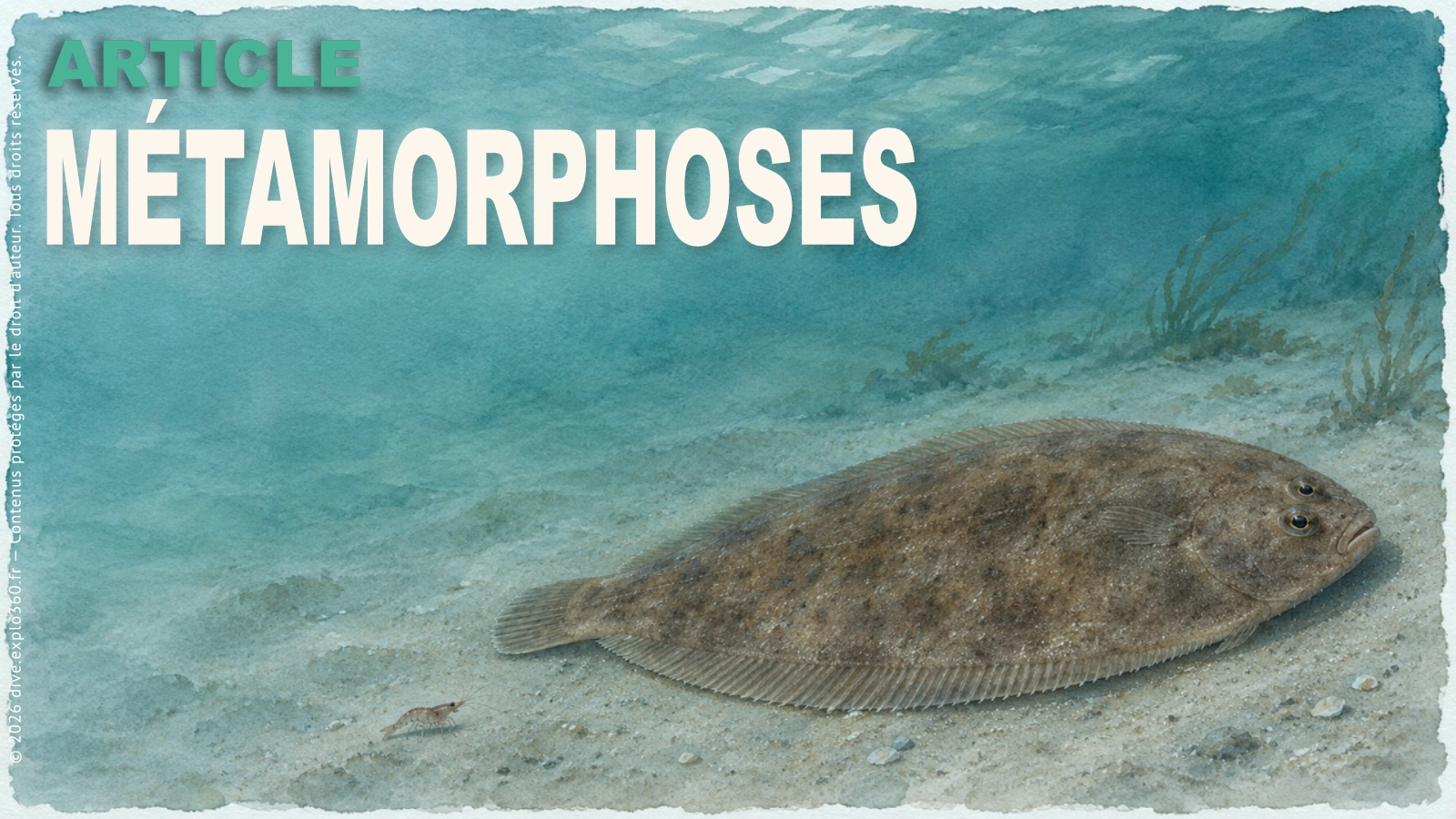
A common sole (Solea solea) on the sand, both eyes facing the water. Available1/3 public · licence required for the rest

Multiple marine regions

MediterraneanAtlantic

Anatomy · Science

Metamorphosis, from tissue remodelling to a change of habitat

Metamorphosis can carry an animal into a new habitat or change how it feeds. These five examples show how the body is remodelled along the way.

6–10 years 11–14 years 15–17 years Adults (18+)
Going deeperPublic 2 min · Lic. 3 min 4 / 6 Read the article
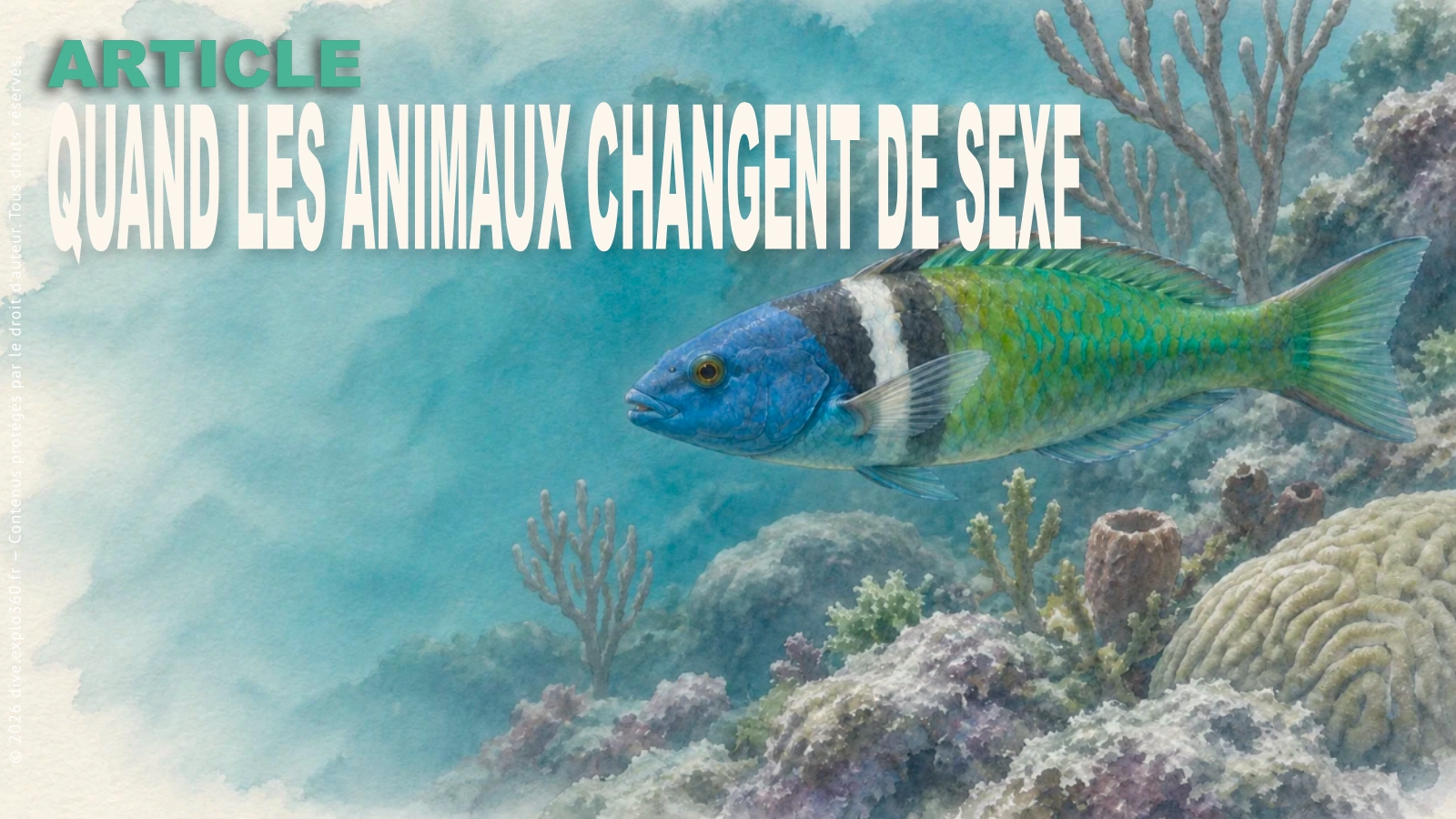
A terminal-phase bluehead wrasse on a Caribbean reef. Available1/3 public · licence required for the rest

Multiple marine regions

MediterraneanAtlantic

Way of life · Natural history

When Animals Change Sex

The loss of a dominant fish can change how another behaves within minutes. Its reproductive organs may take far longer to change. Four reef fish show how social cues, tissue remodelling and the advantages of size can…

6–10 yearsUnavailable 11–14 years 15–17 years Adults (18+)
Going deeperPublic 2 min · Lic. 4 min 5 / 6 Read the article
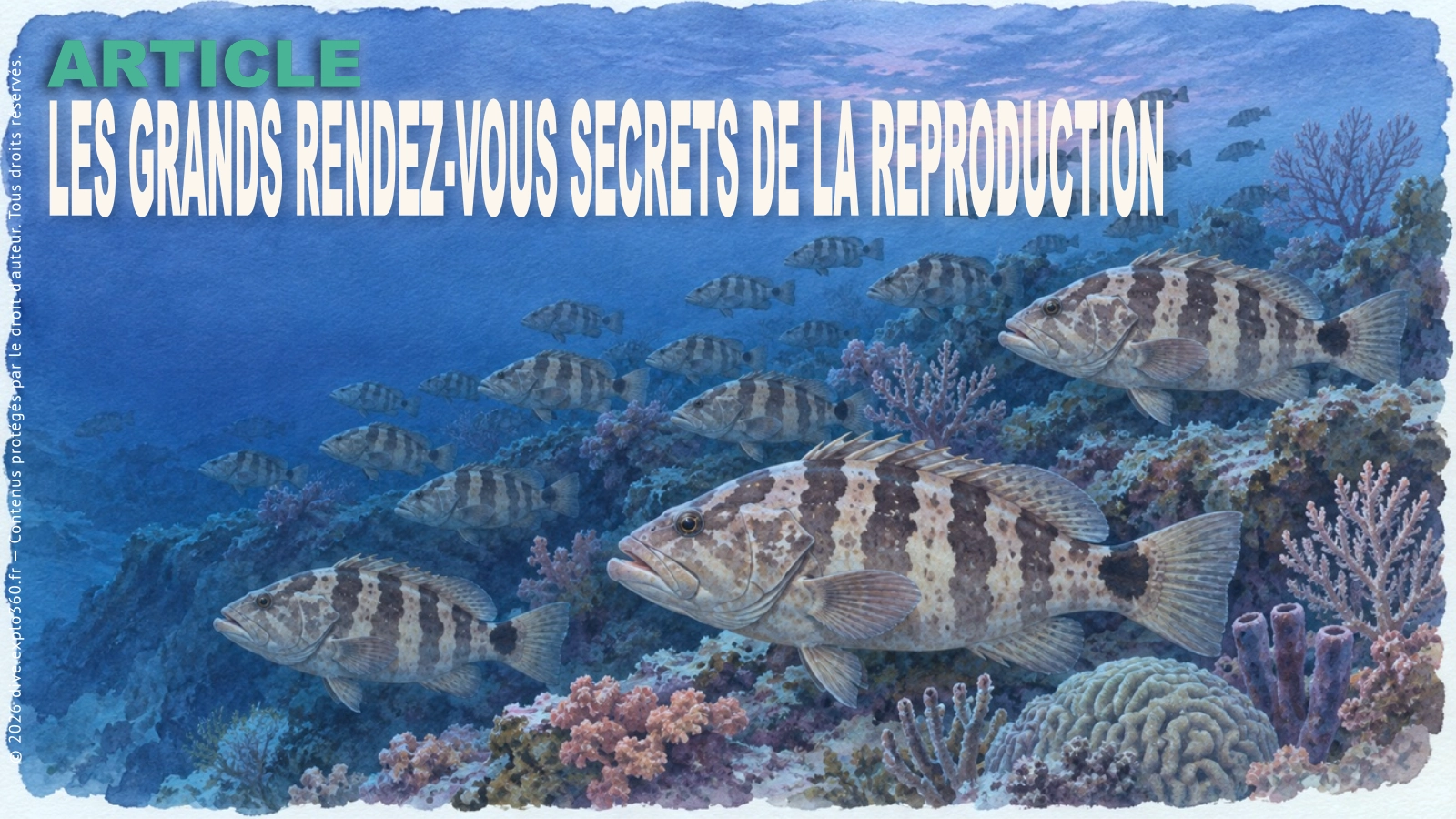
Nassau groupers (Epinephelus striatus) converge above a Caribbean reef. Available1/3 public · licence required for the rest

Multiple marine regions

Red SeaRaja Ampat

Way of life · Behaviour

Spawning gatherings, from lunar timing to fertilisation

Nassau groupers migrate to spawning sites, while corals release gametes from fixed colonies. In both cases, synchronisation can favour external fertilisation. Water movement then helps determine where eggs and larvae go.

6–10 years 11–14 years 15–17 years Adults (18+)
Going deeperPublic 1 min · Lic. 3 min 6 / 6 Read the article