Partners and Dive.Explo360 explorers

Contact us

Verification code

From observation to interpretation

Distinguish what you observe from what you infer, then use the method to study manta ray movements and fish gatherings.

A naturalist diver and a marine biologist diver Available1/3 public · licence required for the rest

Multiple marine regions

MediterraneanAtlantic

Miscellaneous · Technique

Naturalist diving and marine biology

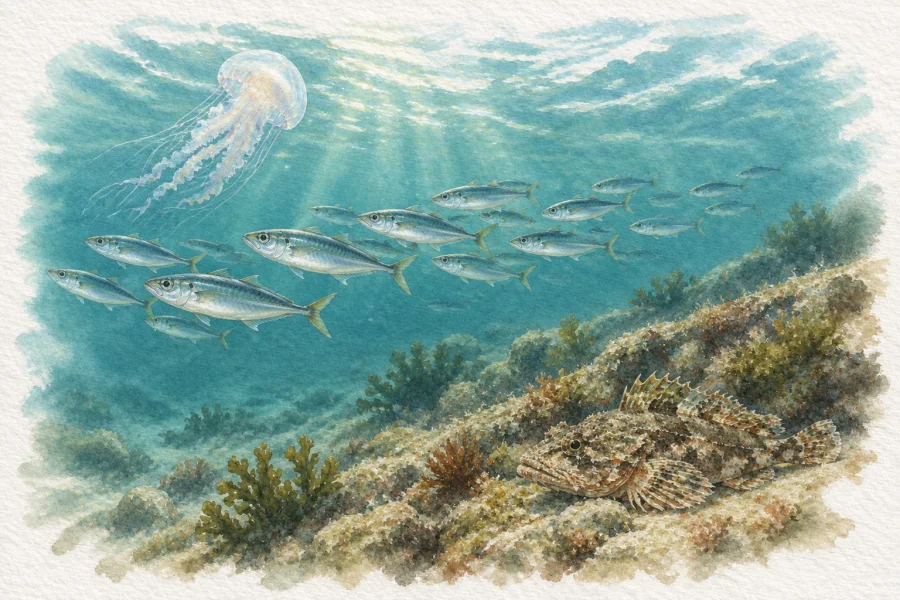
Some divers return from an underwater landscape with questions about the species they saw, the behaviour they noticed and the habitat they explored. **Naturalist diving** and **diving focused on marine biology** share…
6–10 yearsUnavailable 11–14 years 15–17 years Adults (18+)
Getting startedPublic 2 min · Lic. 3 min 1 / 4 Read the article
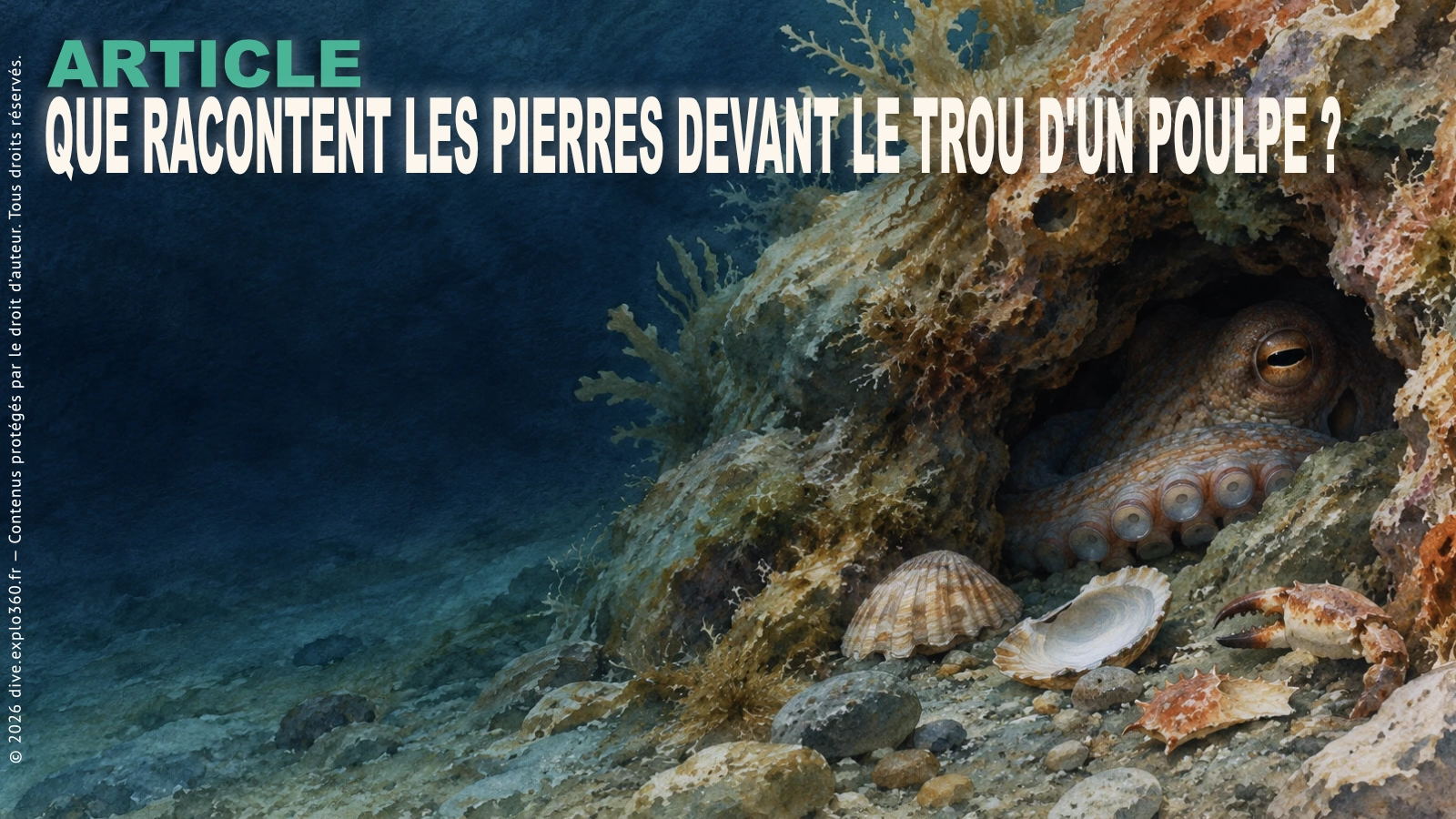
An eye peers from a rocky den beside scattered shells and pebbles. Available1/3 public · licence required for the rest

Article region: Mediterranean

Mediterranean

Way of life · Behaviour

What do the stones outside an octopus den tell us?

Pebbles, bivalve shells and fragments of crab outside a crevice can point to a common octopus den. Their position gives clues about feeding and excavation. To establish whether an octopus is still there, look for…

6–10 years 11–14 years 15–17 years Adults (18+)
Going deeperPublic 2 min · Lic. 3 min 2 / 4 Read the article
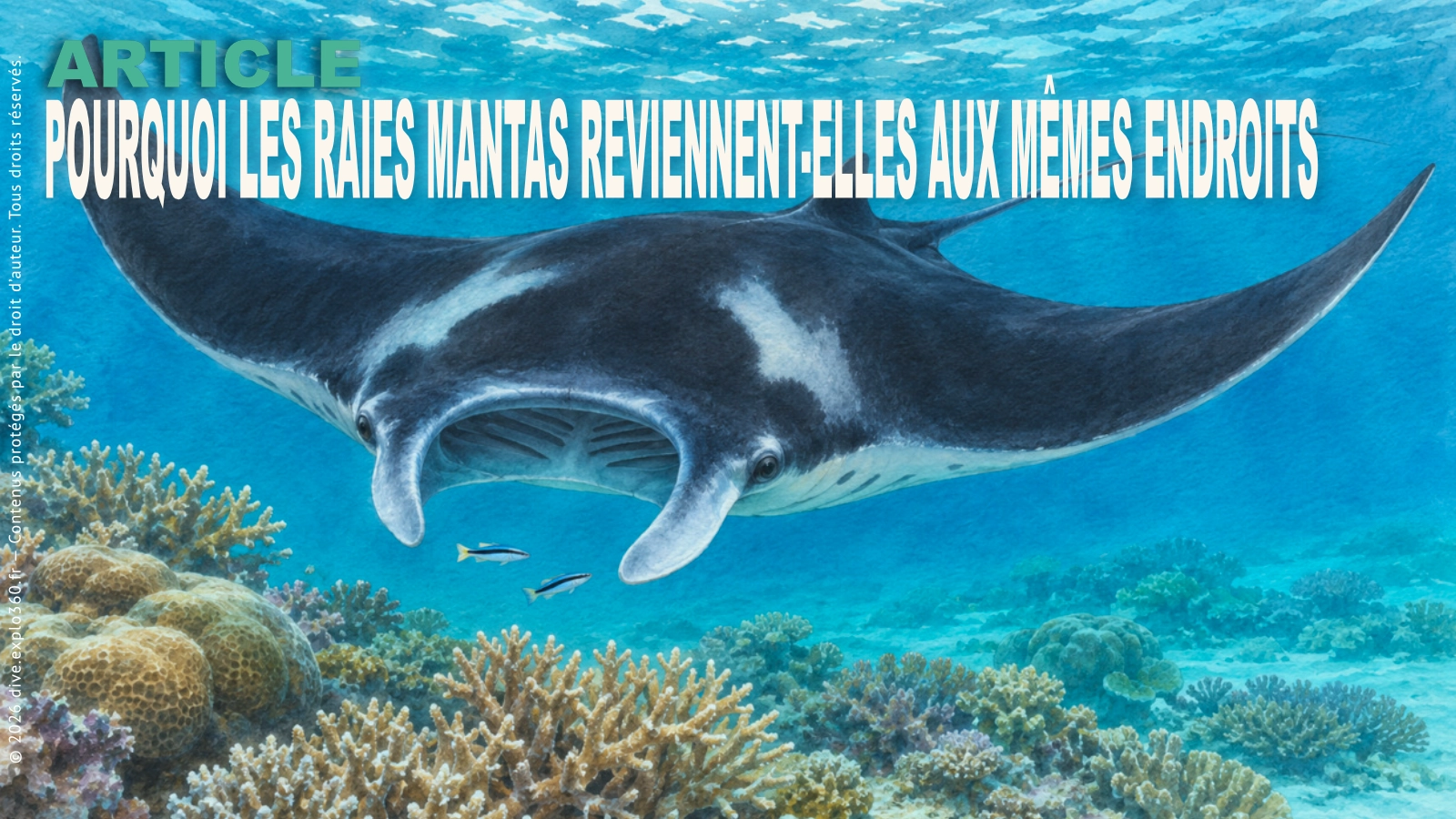
Reef manta ray above a coral reef in a Maldivian atoll. Available1/3 public · licence required for the rest

Article region: Maldives

Maldives

Way of life · Behaviour

Why do manta rays return to the same places?

One reef outcrop gives a manta access to cleaner fish. A bay nearby holds food when the tide is right. In the Maldives, photo identification and acoustic tracking reveal how individuals return to these different habitats…

6–10 years 11–14 years 15–17 years Adults (18+)
UnderstandingPublic 1 min · Lic. 2 min 3 / 4 Read the article