Partners and Dive.Explo360 explorers

Contact us

Verification code

Fish senses and behaviour

Connect what fish sense with how they move, hide and live in groups. Discover how they rest and learn.

Reading pathways All articles
What is fish vision like? Available1/3 public · licence required for the rest

Multiple marine regions

MediterraneanAtlantic

Anatomy · Science

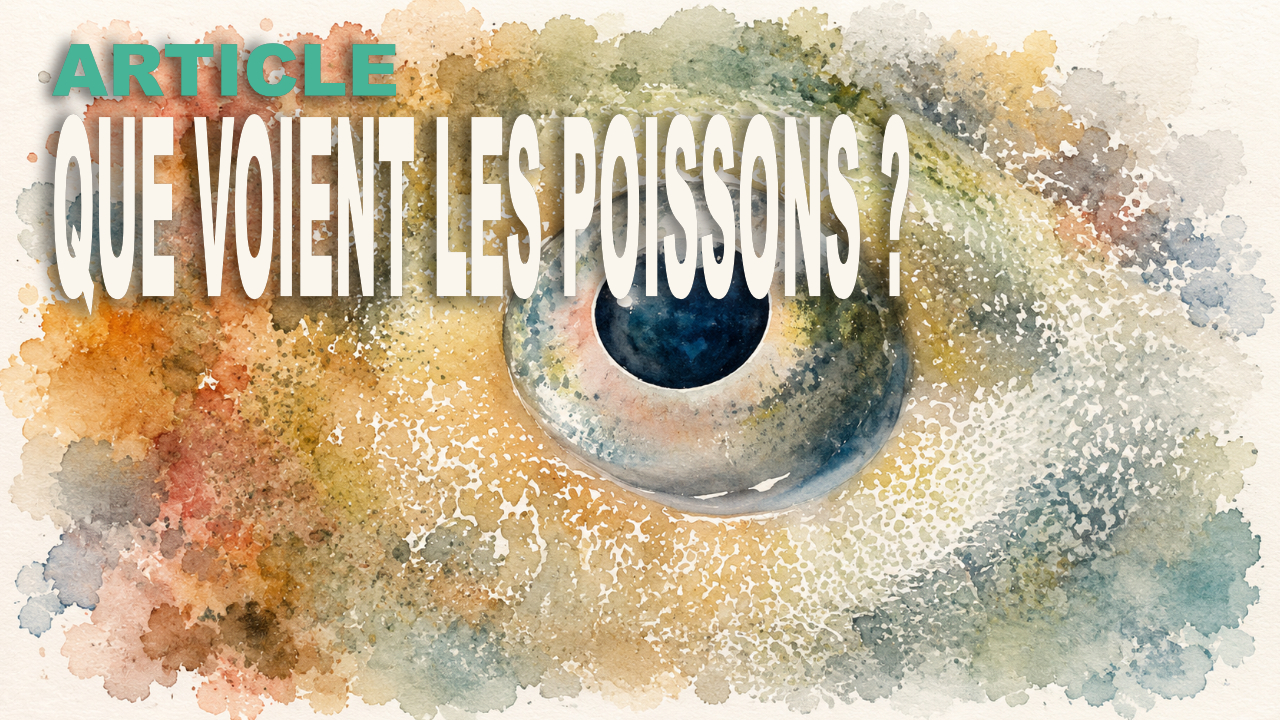
WHAT DO FISH SEE?

A fish can use its eyes to find food or spot another fish coming towards it. As it swims deeper or into cloudy water, the colours and shapes it can see may change. Sounds, smells and movements picked up by its lateral…
6–10 yearsUnavailable 11–14 years 15–17 years Adults (18+)
Getting startedPublic 2 min · Lic. 4 min 1 / 16 Read the article
The senses of fish Available1/3 public · licence required for the rest

Multiple marine regions

MediterraneanAtlantic

Anatomy · Science

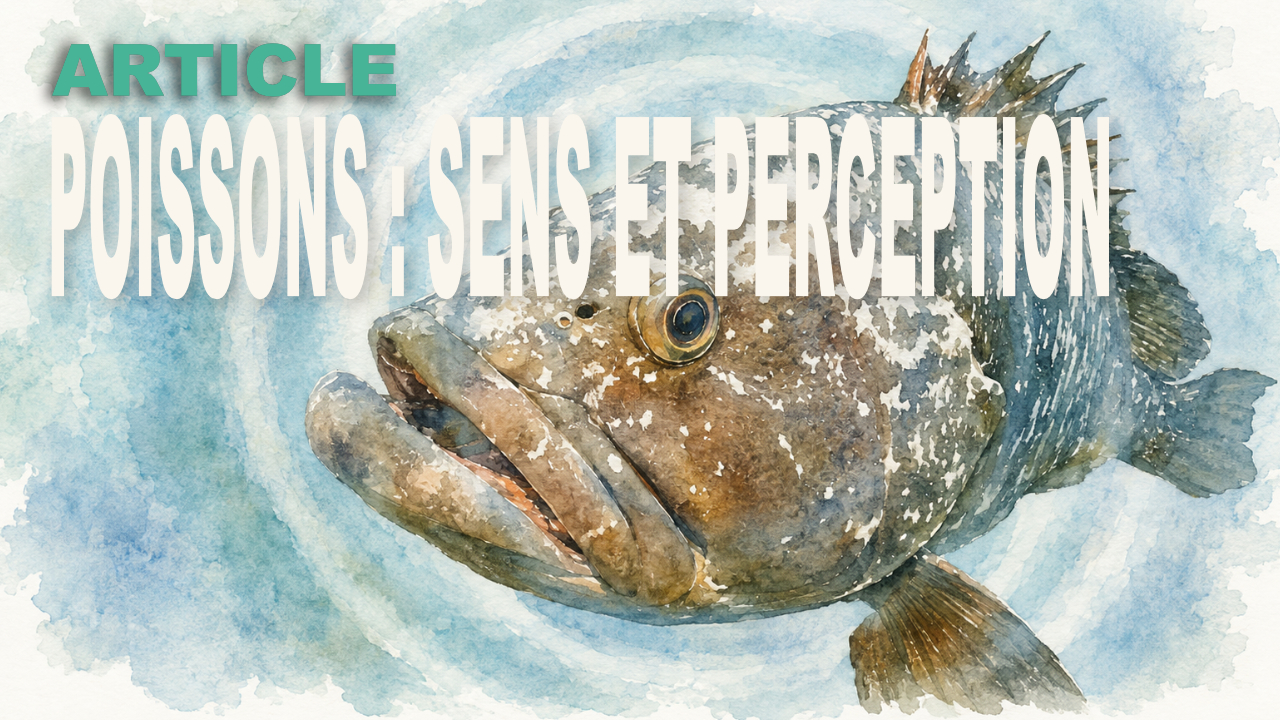
How fish sense the world around them

A fish can follow its neighbours even when the water gets cloudy. It can use sight, hearing, smell, taste and touch, and it has another way to sense what’s nearby. Its lateral line picks up movements in the water.

6–10 yearsUnavailable 11–14 years 15–17 years Adults (18+)
UnderstandingPublic 2 min · Lic. 4 min 2 / 16 Read the article
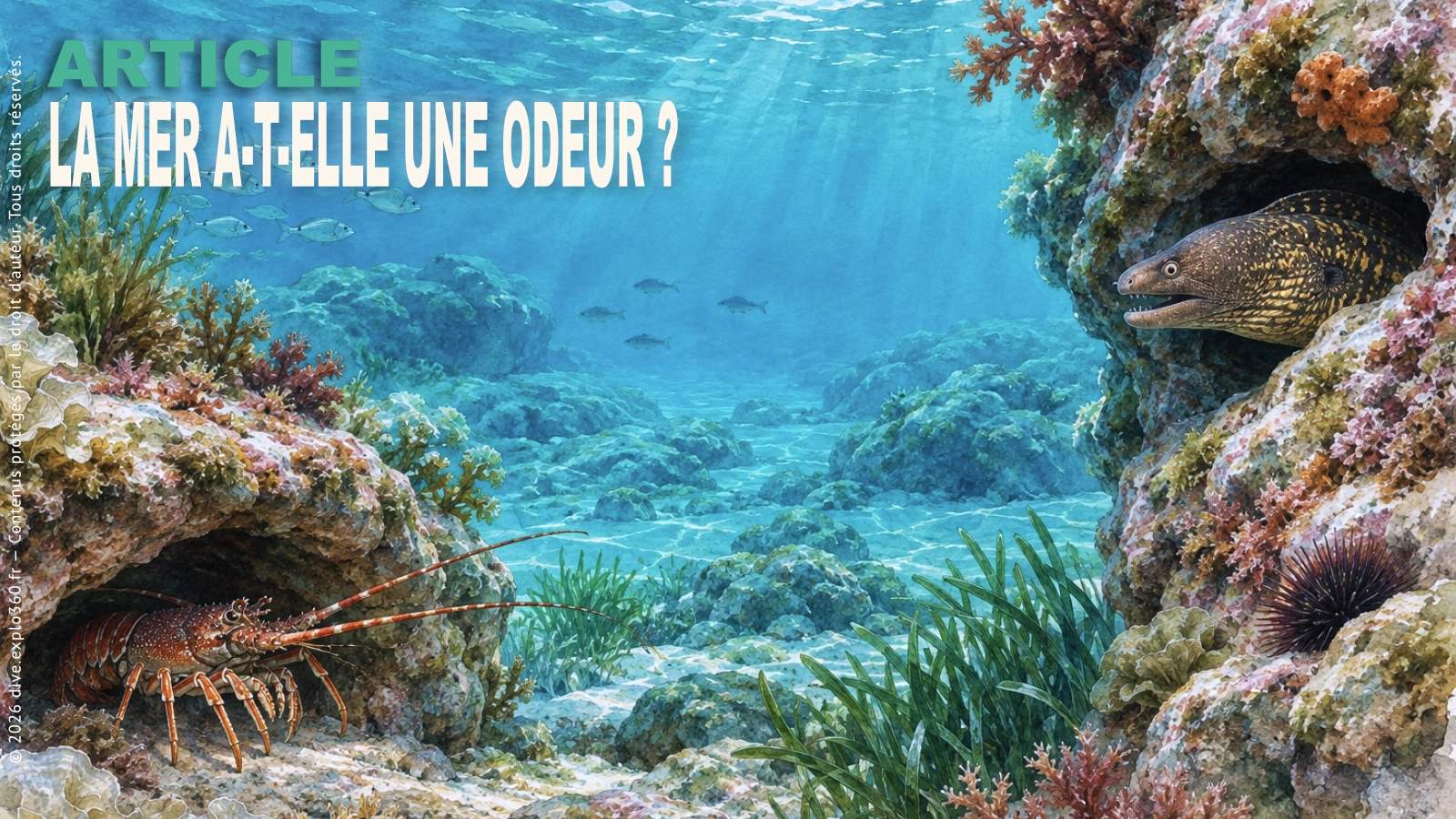
A moray and a European spiny lobster among Mediterranean rocks. Chemical clues are invisible here; the animals’ positions alone do not show which senses they are using. Available1/3 public · licence required for the rest

Multiple marine regions

MediterraneanAtlantic

Way of life · Behaviour

The hidden world of scent beneath the sea

The scent of seaweed can announce the coast before the sea comes into view. Underwater, living things leave chemical traces too. To many animals, those traces can mean food, danger, a partner or a place to live. Beyond…

6–10 years 11–14 years 15–17 years Adults (18+)
UnderstandingPublic 6 min · Lic. 12 min 3 / 16 Read the article
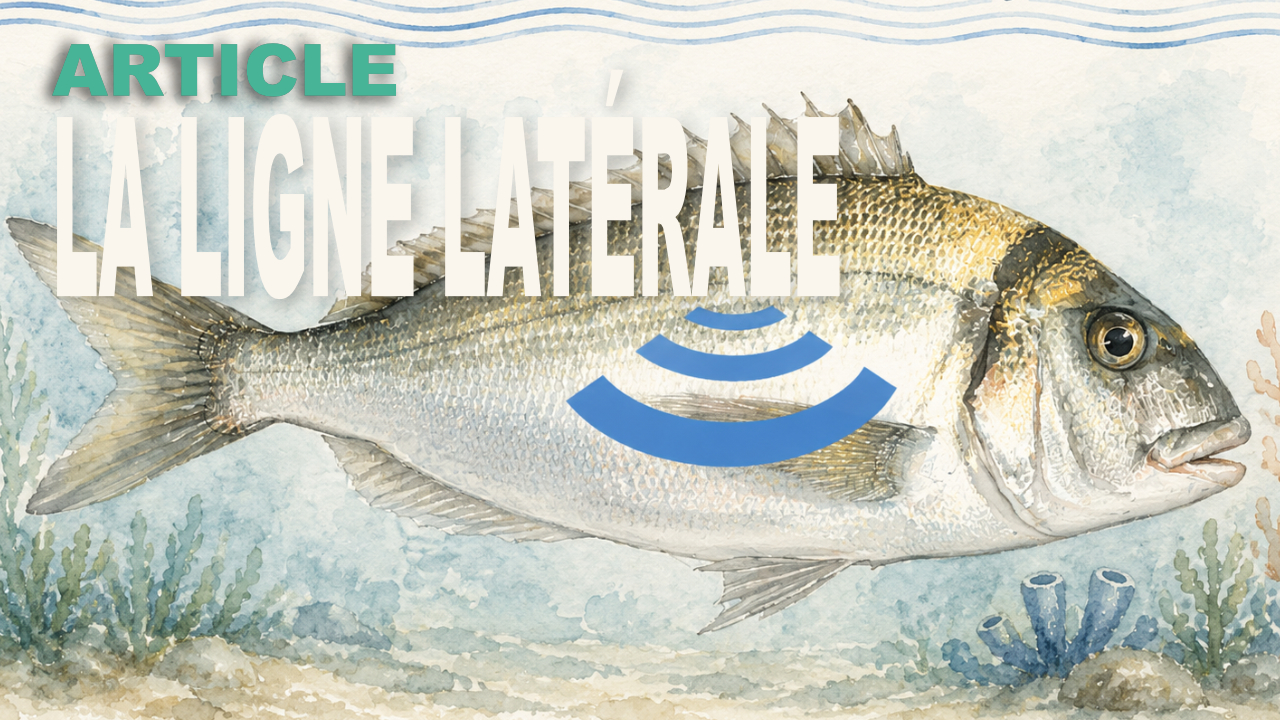
How does the lateral line in fish work? Available1/3 public · licence required for the rest

Multiple marine regions

MediterraneanAtlantic

Anatomy · Science

The lateral line, a fish’s sixth sense

When a fish swims past or water sweeps around a rock, it changes the flow nearby. Fish can feel those changes with a system called the lateral line. It gives them another clue alongside sight, hearing, smell, taste and…

6–10 yearsUnavailable 11–14 years 15–17 years Adults (18+)
UnderstandingPublic 2 min · Lic. 3 min 4 / 16 Read the article
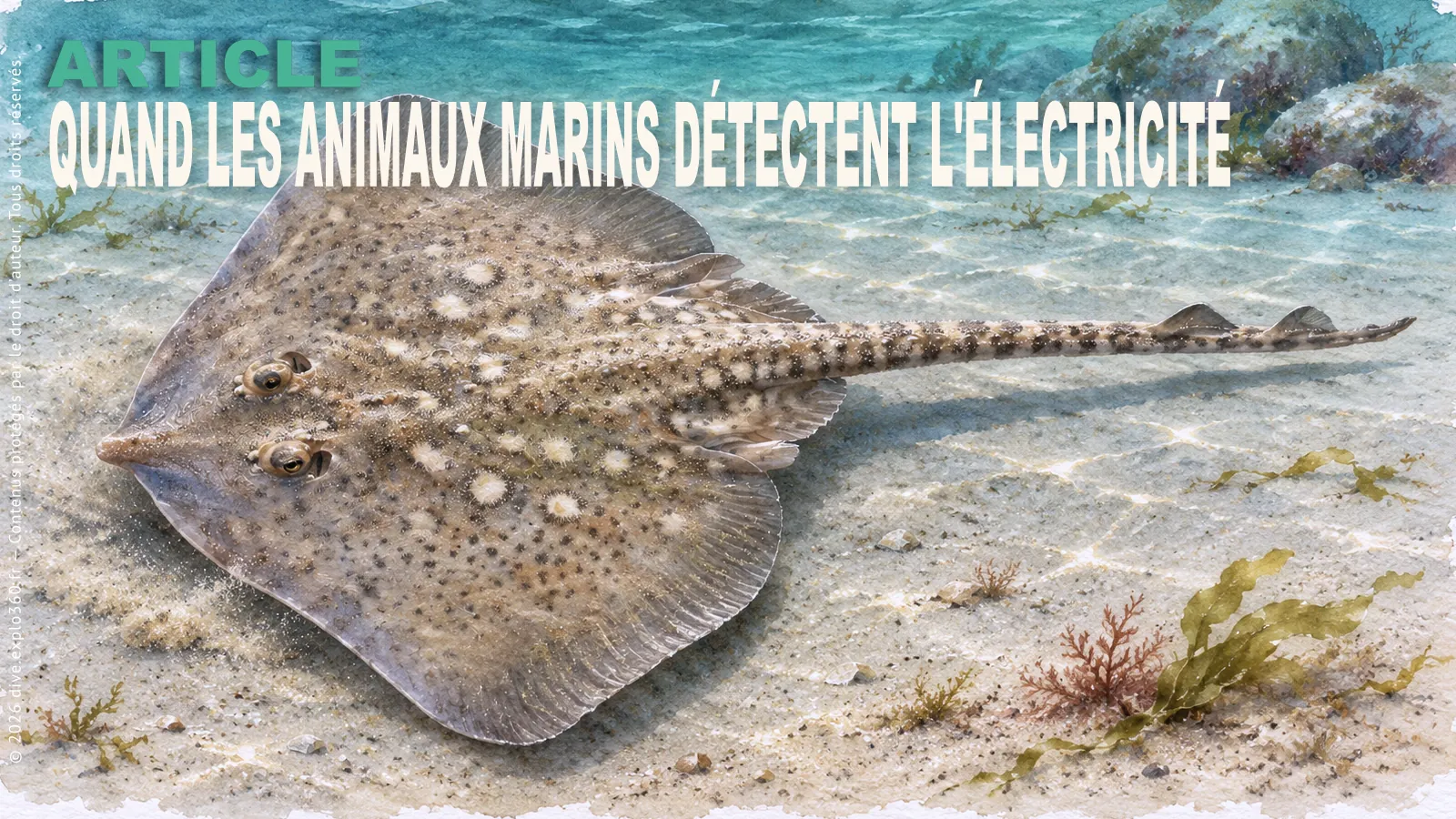
A thornback ray above Mediterranean sand. Fields from buried animals may help it search, but observation alone cannot identify which sense it is using. Available1/3 public · licence required for the rest

Multiple marine regions

MediterraneanAtlantic

Anatomy · Science

The hidden electric world of sharks and rays

A ray glides over a Mediterranean sandbank, turns and uncovers a hidden meal. How did it know where to look? Smells and vibrations may help, but sharks and rays have another sense: electroreception. They detect the weak…

6–10 years 11–14 years 15–17 years Adults (18+)
UnderstandingPublic 5 min · Lic. 11 min 5 / 16 Read the article
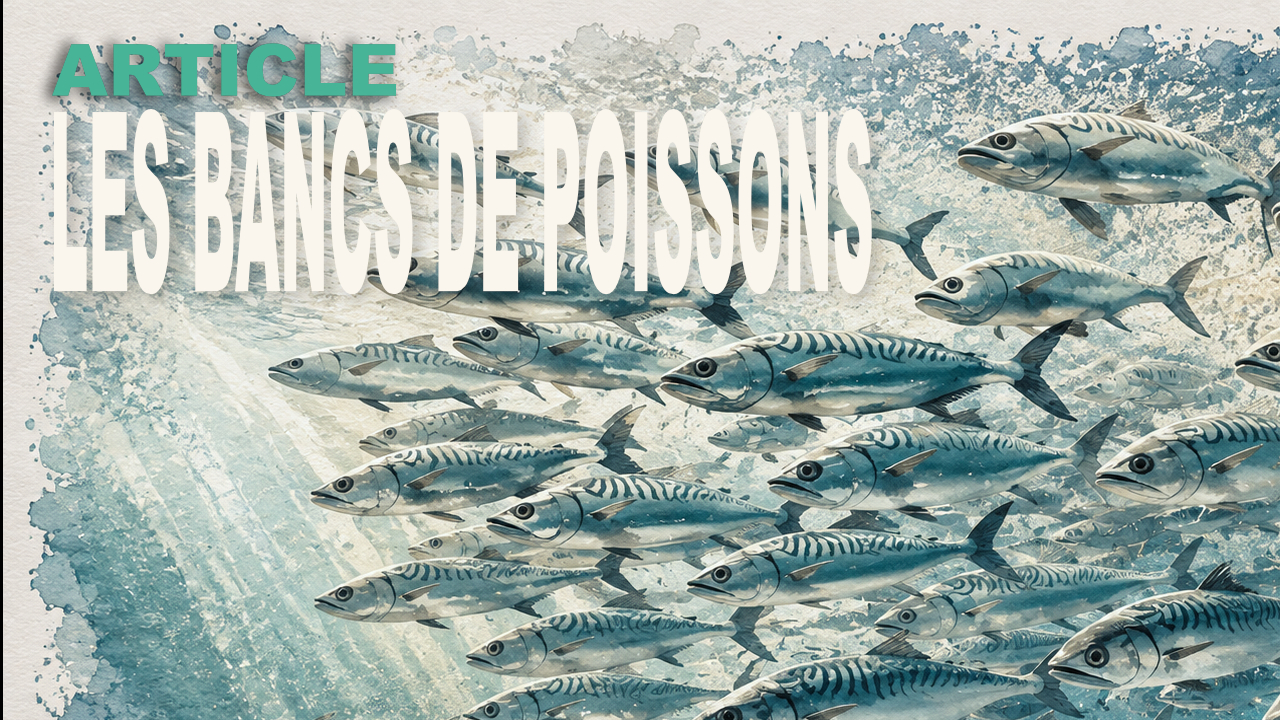
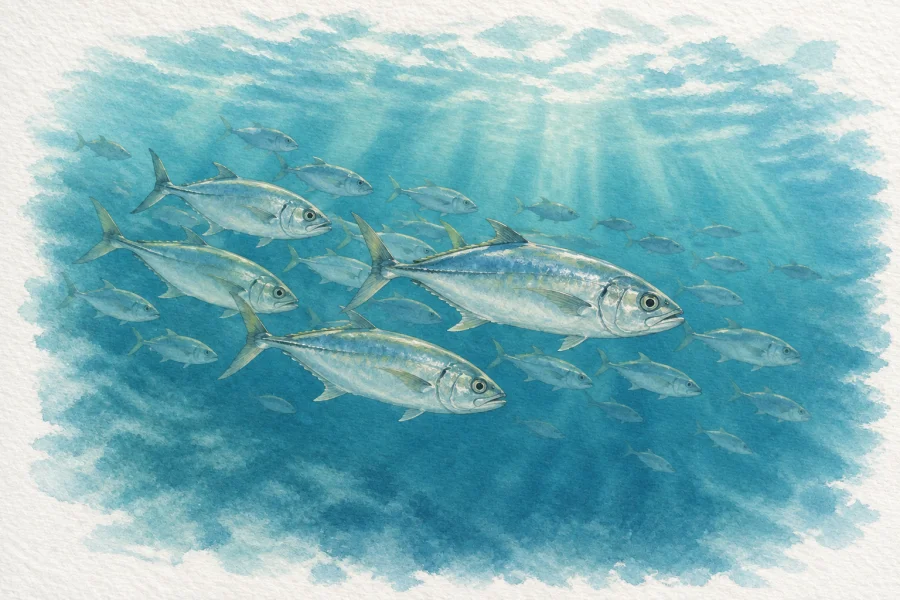
A school of fish forms a compact ball. AvailableFree access

Multiple marine regions

MediterraneanAtlantic

Way of life · Behaviour

SCHOOLS OF FISH

A school is a group of fish that swim together and coordinate their movements. The whole group can change shape or turn in moments. Each fish helps keep the school together by reacting to the fish swimming near it.

6–10 years 11–14 years 15–17 years Adults (18+)
Understanding7 min 6 / 16 Read the article
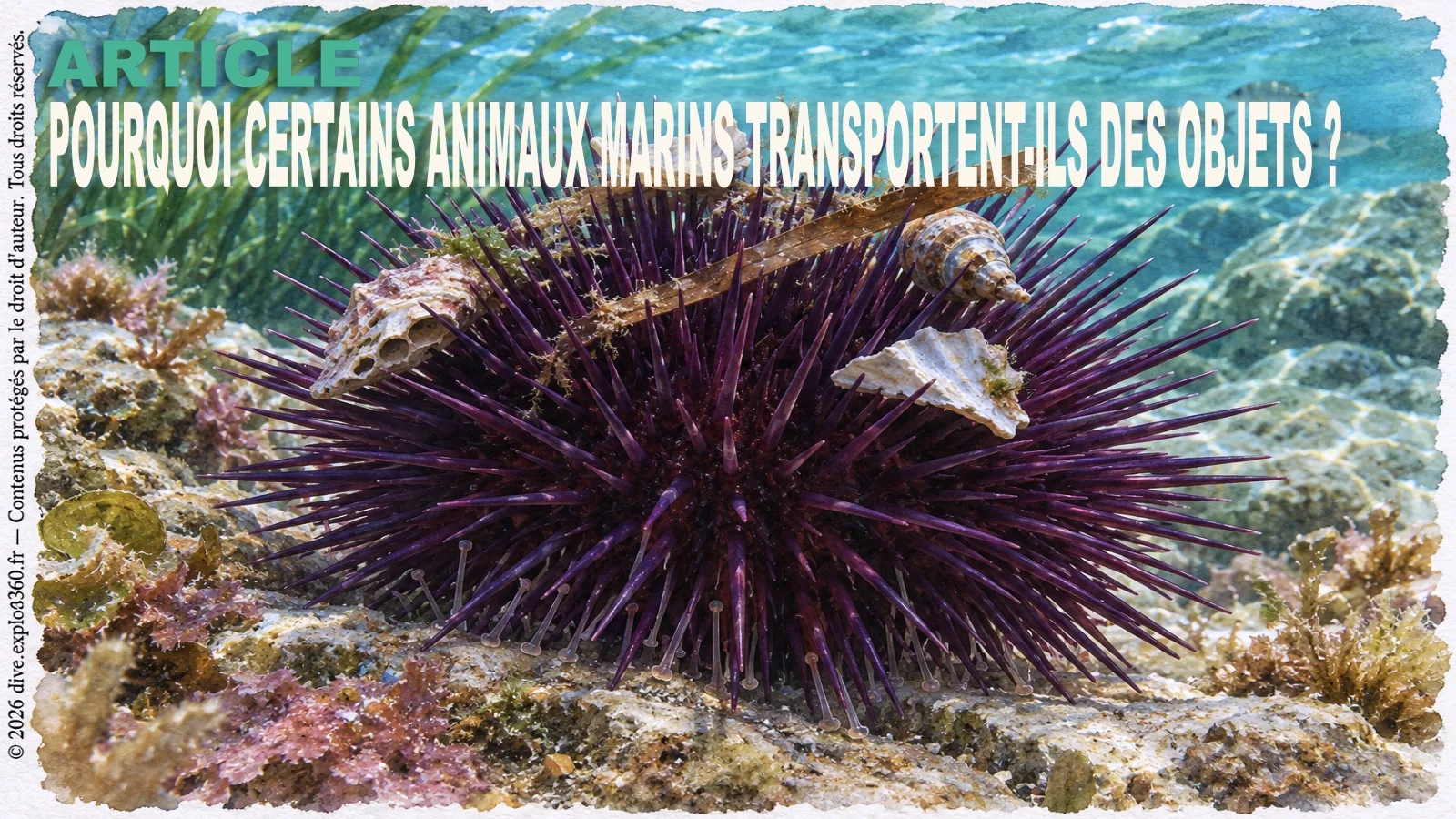
An illustration of a purple sea urchin, Paracentrotus lividus, actively collecting and holding a covering. One still image cannot establish its purpose. Available1/3 public · licence required for the rest

Multiple marine regions

MediterraneanAtlantic

Way of life · Behaviour

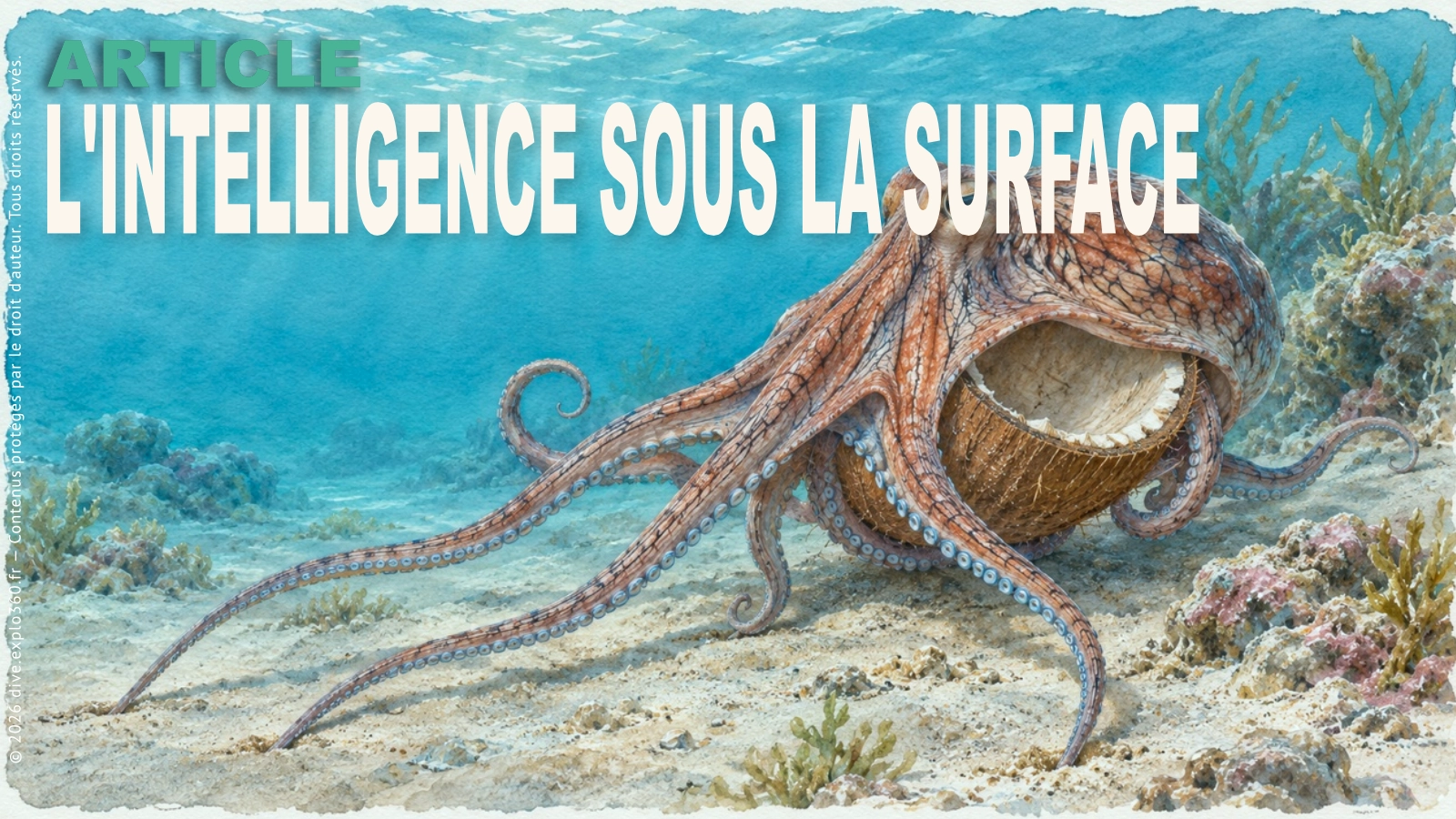
Shells, sponges and borrowed shelters

An urchin wears shells, a crab hides beneath a sponge and an octopus carries coconut halves. Each uses something found nearby, but for a different reason. A disguise, a defence and a shelter are not the same thing. Watch…

6–10 years 11–14 years 15–17 years Adults (18+)
UnderstandingPublic 4 min · Lic. 10 min 8 / 16 Read the article
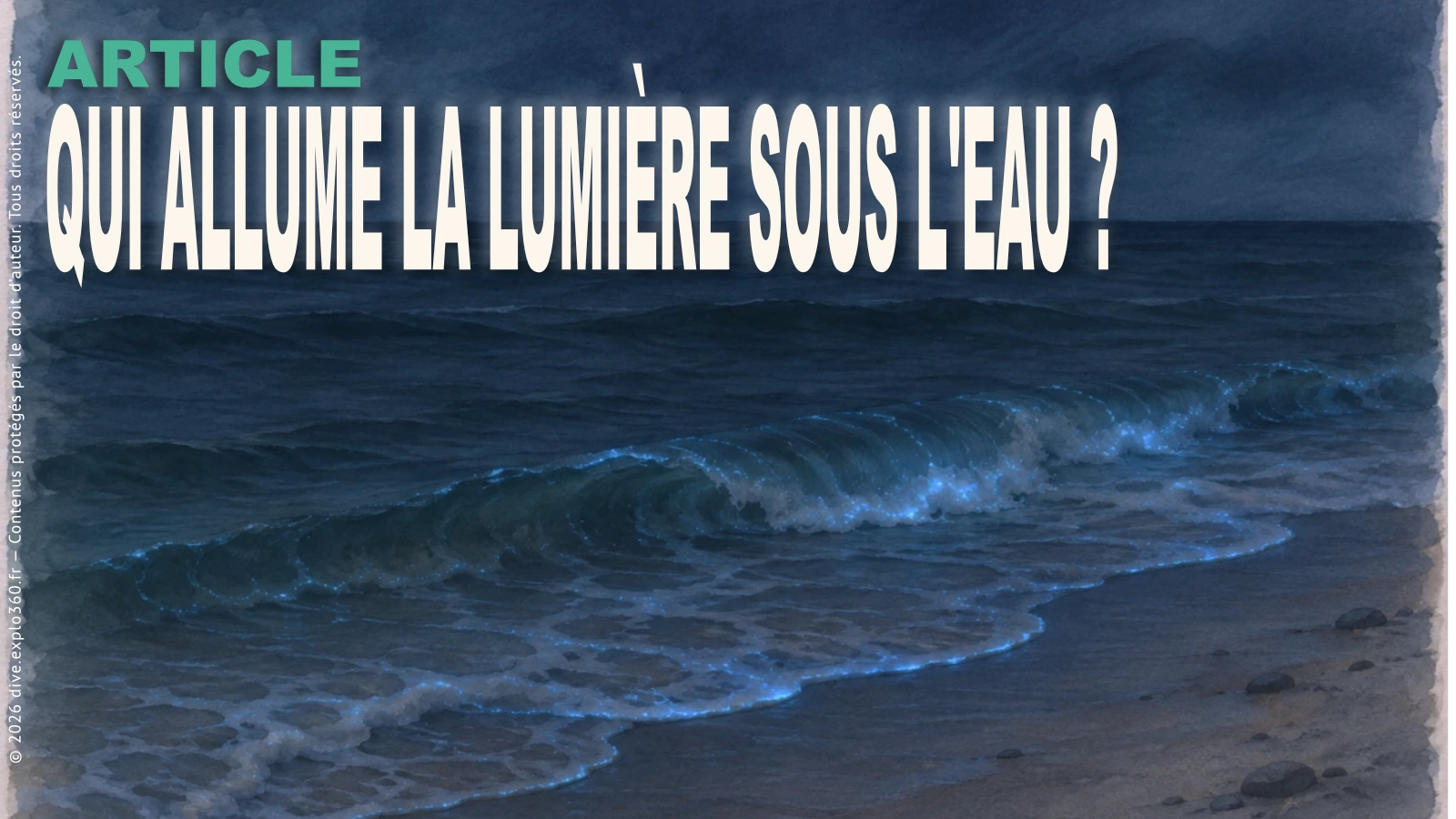
A blue glowing wave breaking on a beach at night. Available1/3 public · licence required for the rest

Multiple marine regions

MediterraneanAtlantic

Ecology · Natural history

Who Turns on the Light Underwater?

A wave can light up for a moment as it breaks. Its flashes may come from living things too small to see on their own. Deeper down, a glow can bring a meal closer or make a fish harder to spot.

6–10 years 11–14 years 15–17 years Adults (18+)
UnderstandingPublic 3 min · Lic. 4 min 9 / 16 Read the article
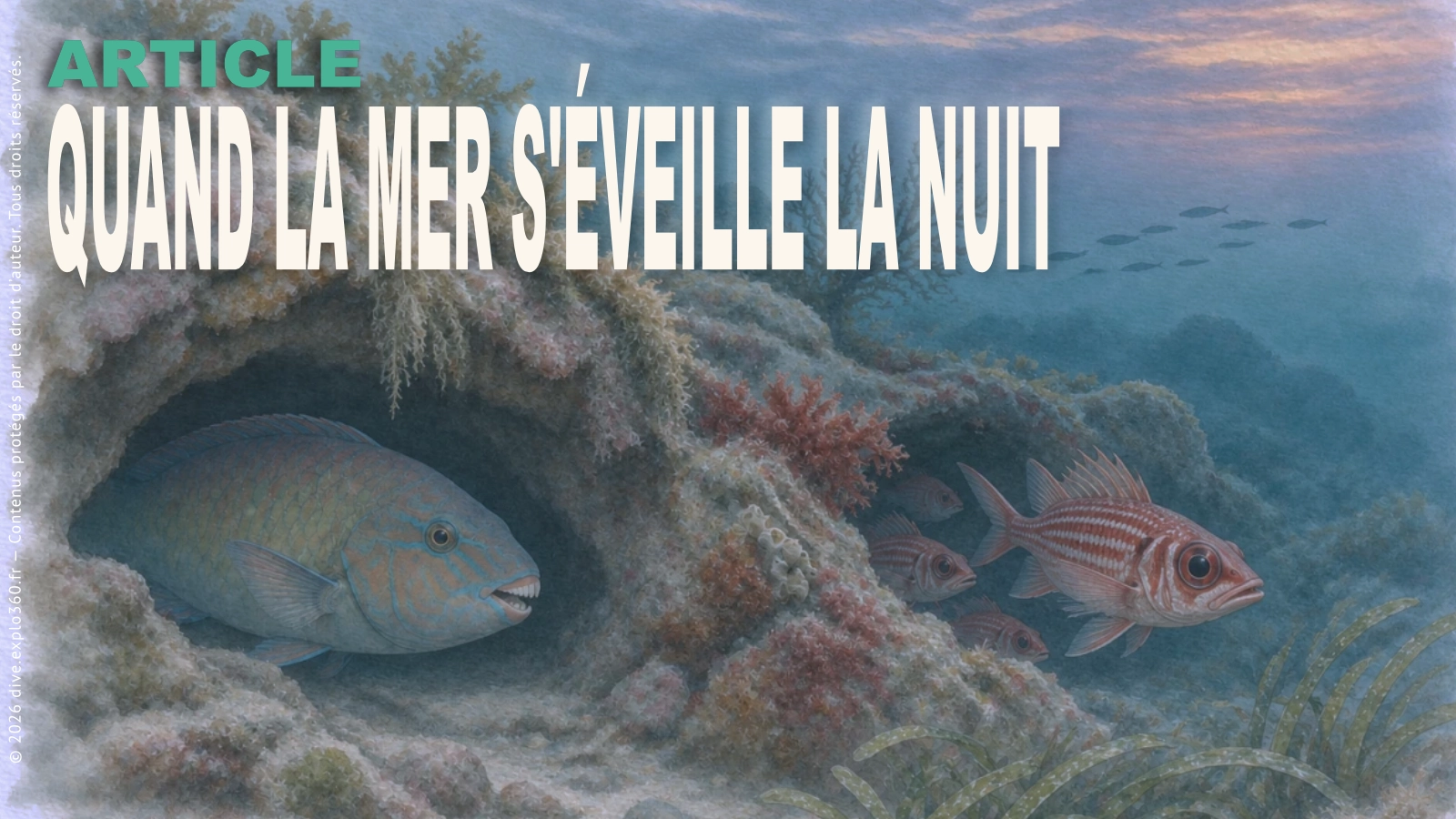
A parrotfish in shelter and squirrelfish on a reef at dusk. Available1/3 public · licence required for the rest

Multiple marine regions

MediterraneanAtlantic

Ecology · Natural history

When the Sea Comes Alive at Night

A parrotfish is settling down just as a squirrelfish comes out to feed. Out beyond the reef, darkness brings a different kind of change. Tiny animals that spent the day deep in the water begin to swim up.

6–10 years 11–14 years 15–17 years Adults (18+)
UnderstandingPublic 3 min · Lic. 5 min 10 / 16 Read the article
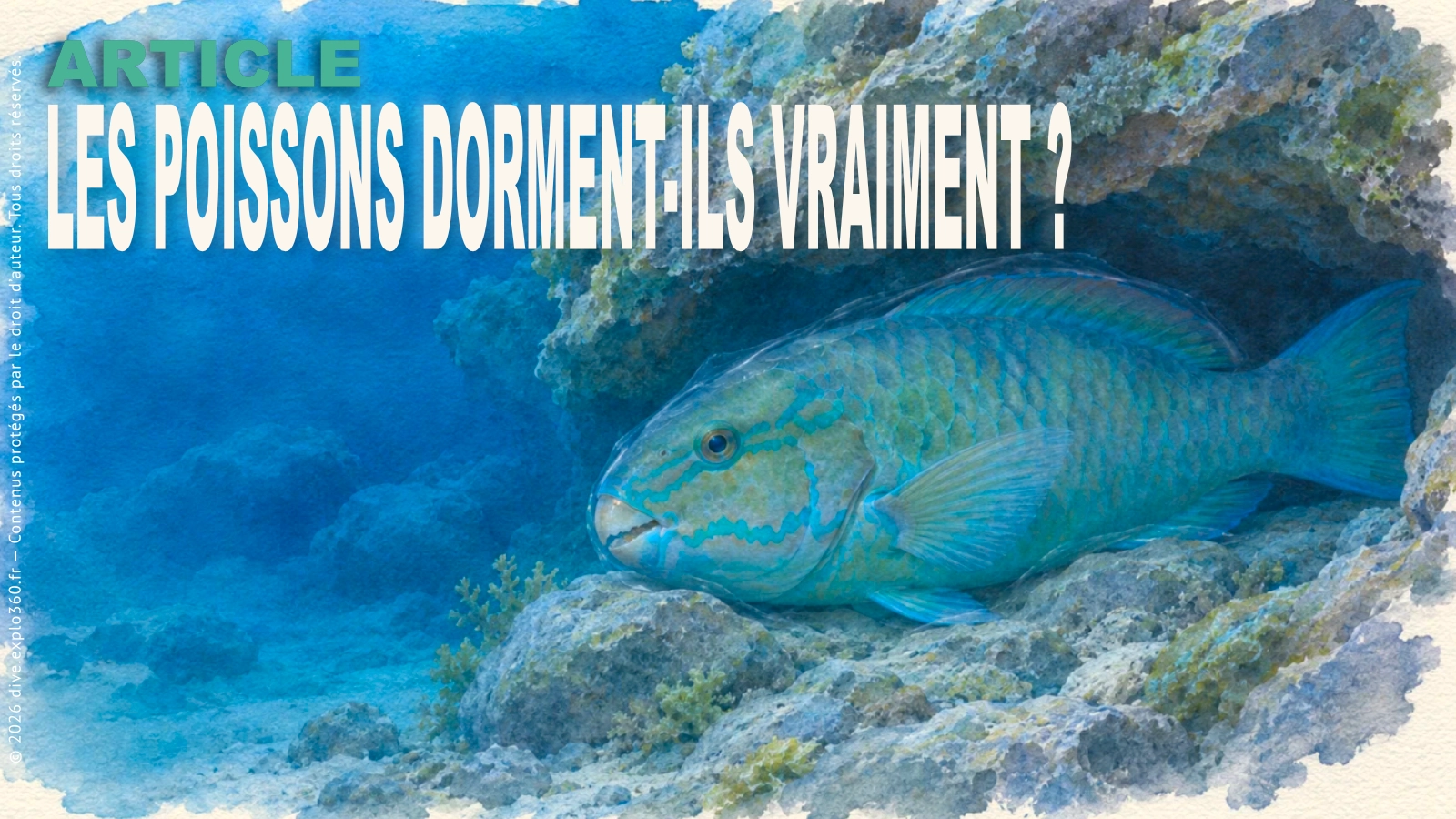
A parrotfish resting in a reef cavity. Available1/3 public · licence required for the rest

Multiple marine regions

MediterraneanAtlantic

Way of life · Natural history

Do Fish Really Sleep?

A parrotfish settles inside a cocoon of mucus. Three sharks lie still beneath a ledge. What would tell you whether they were asleep?

6–10 years 11–14 years 15–17 years Adults (18+)
UnderstandingPublic 2 min · Lic. 5 min 11 / 16 Read the article
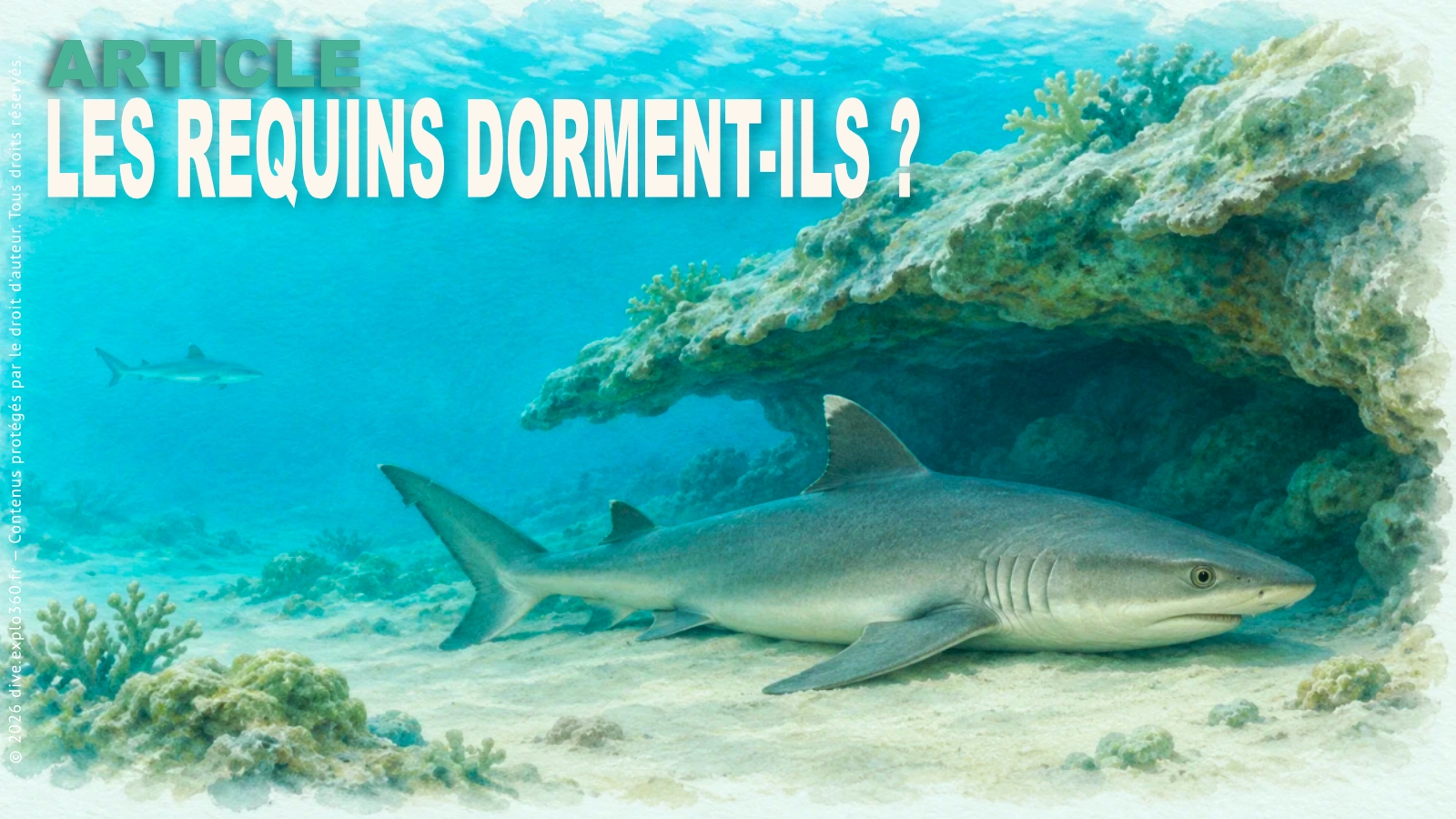
Shark resting beneath a reef ledge. Available1/3 public · licence required for the rest

Multiple marine regions

MediterraneanAtlantic

Way of life · Behaviour

Do sharks sleep?

A shark on the seabed may look asleep, even with its eyes open. But it could be wide awake. To tell the difference, researchers check how readily it reacts to a disturbance.

6–10 years 11–14 years 15–17 years Adults (18+)
UnderstandingPublic 1 min · Lic. 3 min 12 / 16 Read the article
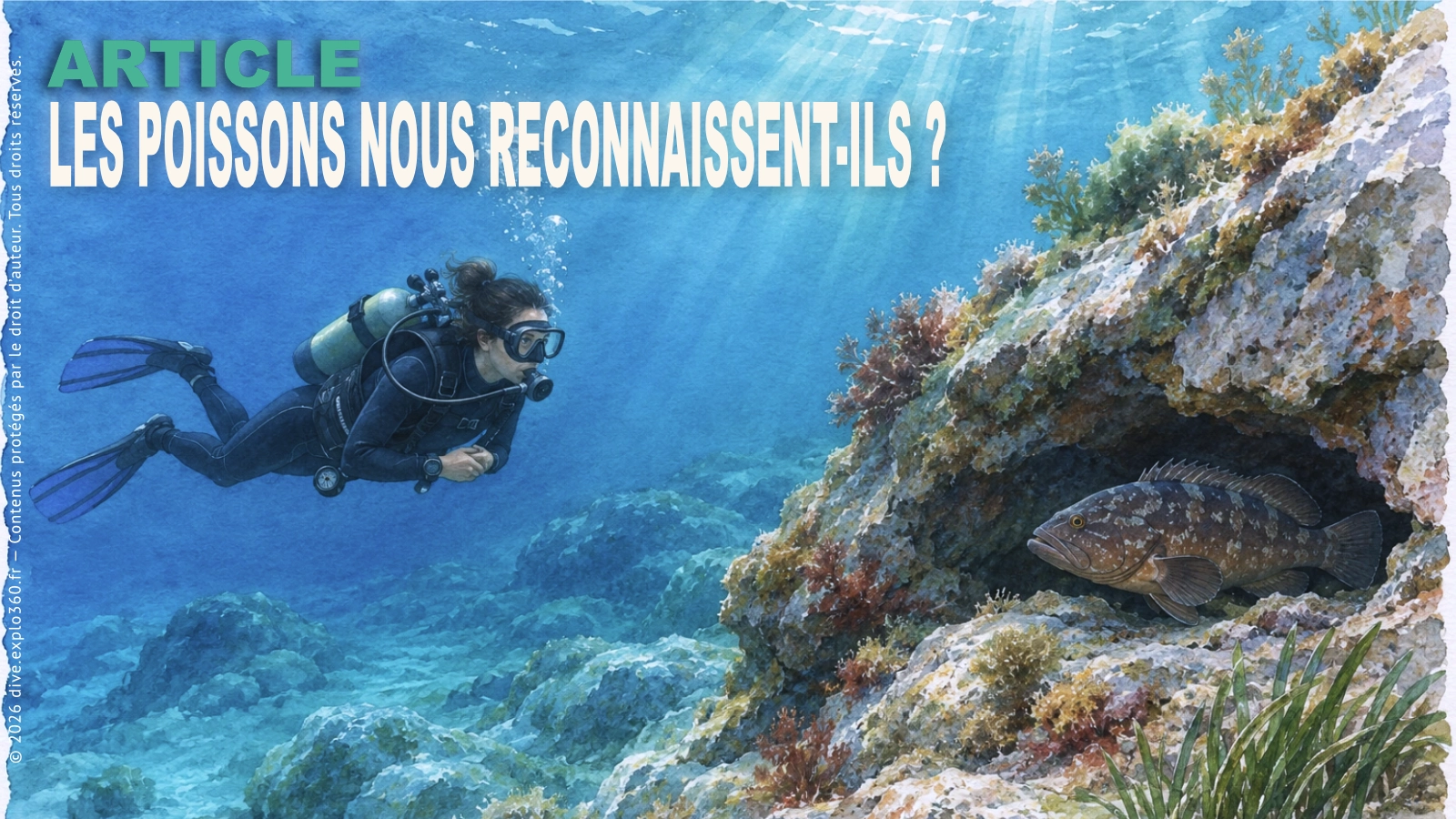
A fish close to a diver is not proof of recognition. Available1/3 public · licence required for the rest

Multiple marine regions

MediterraneanAtlantic

Way of life · Behaviour

Do fish recognise us?

A grouper stays beside its rock as you swim past. A wrasse follows close to your mask. If you return often, the encounters can feel familiar. Do the fish know you too? Scientists have tested what fish can learn about…

6–10 years 11–14 years 15–17 years Adults (18+)
UnderstandingPublic 3 min · Lic. 7 min 14 / 16 Read the article
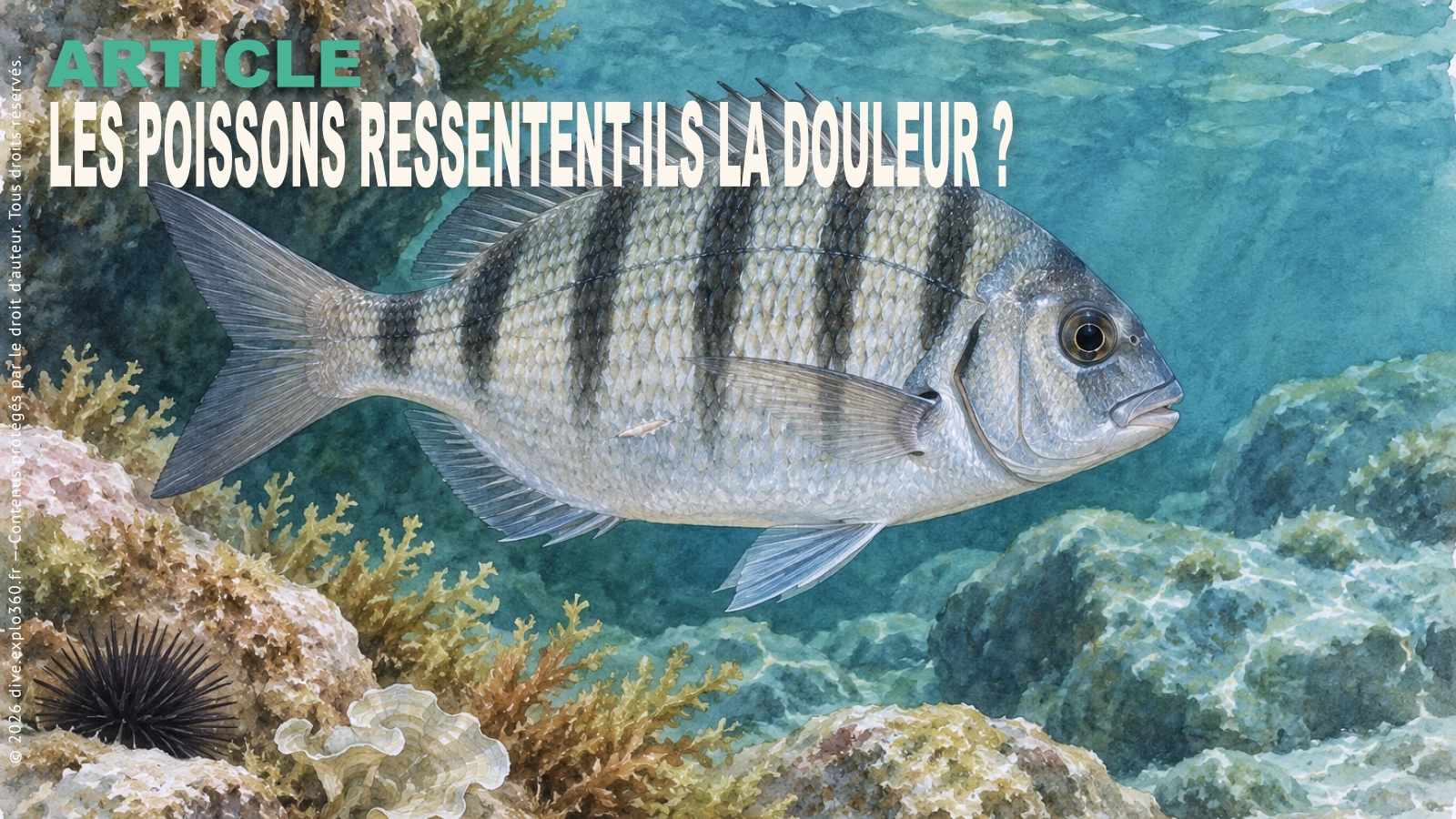
A seabream with a small healed mark among Mediterranean rocks. One observation cannot establish whether the fish is in pain. Available1/3 public · licence required for the rest

Multiple marine regions

MediterraneanAtlantic

Way of life · Behaviour

Do fish feel pain?

An injured grouper swims on. A scarred seabream keeps feeding. Does carrying on mean that nothing hurts? Fish do not show distress in ways we find easy to read, and their brains differ from ours. Scientists look beyond…

6–10 years 11–14 years 15–17 years Adults (18+)
UnderstandingPublic 4 min · Lic. 10 min 15 / 16 Read the article
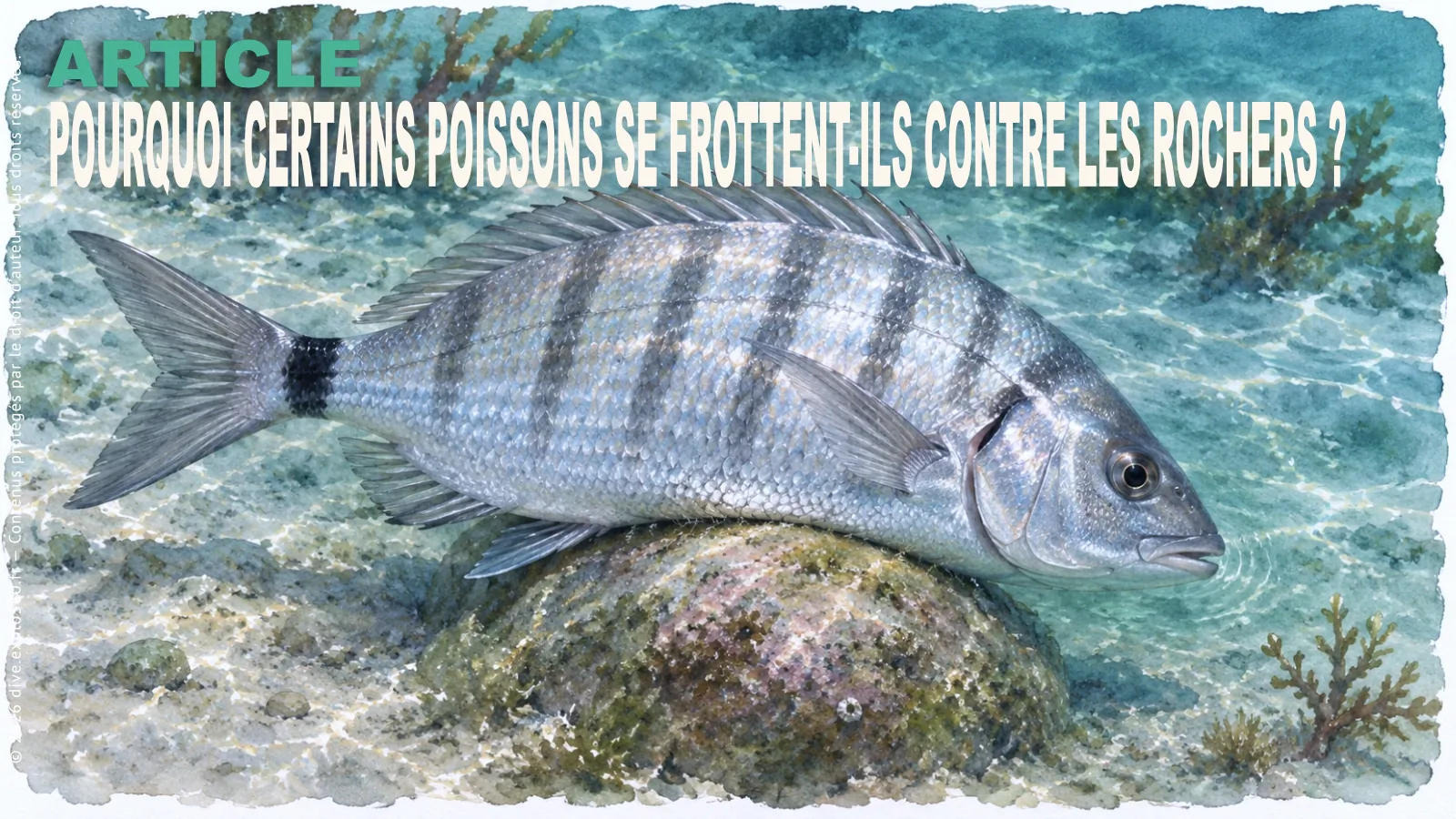
A seabream briefly rubs against a surface. Parasites and other irritation may trigger this movement; the scene is not a diagnosis. Available1/3 public · licence required for the rest

Multiple marine regions

MediterraneanAtlantic

Way of life · Behaviour

Why do some fish rub against rocks?

A seabream leaves its shoal, tips its body, rubs a flank against a stone and swims on. Sometimes it repeats the movement in the same place. Parasites, irritation or cleaning? These behaviours, called flashing or chafing,…

6–10 years 11–14 years 15–17 years Adults (18+)
UnderstandingPublic 5 min · Lic. 12 min 16 / 16 Read the article

16 articles · 108 min