Partners and Dive.Explo360 explorers

Contact us

Verification code

Sensation and behavioural strategies

Examine how sensory cues shape group behaviour, camouflage, rest and learning.

What is fish vision like? Available1/3 public · licence required for the rest

Multiple marine regions

MediterraneanAtlantic

Anatomy · Science

WHAT DO FISH SEE?

As sunlight travels through water, some wavelengths fade faster than others. The eyes of fish differ in the way they gather light, focus it and detect colour. Those differences shape what each species can see as it…
6–10 yearsUnavailable 11–14 years 15–17 years Adults (18+)
Getting startedPublic 2 min · Lic. 3 min 1 / 16 Read the article
The senses of fish Available1/3 public · licence required for the rest

Multiple marine regions

MediterraneanAtlantic

Anatomy · Science

How fish sense the world around them

In clear water, a fish may see a neighbour turn. In murky water, the movement it leaves behind can still provide a clue. The lateral line picks up nearby disturbances, alongside the information fish get from sight,…

6–10 yearsUnavailable 11–14 years 15–17 years Adults (18+)
UnderstandingPublic 1 min · Lic. 3 min 2 / 16 Read the article
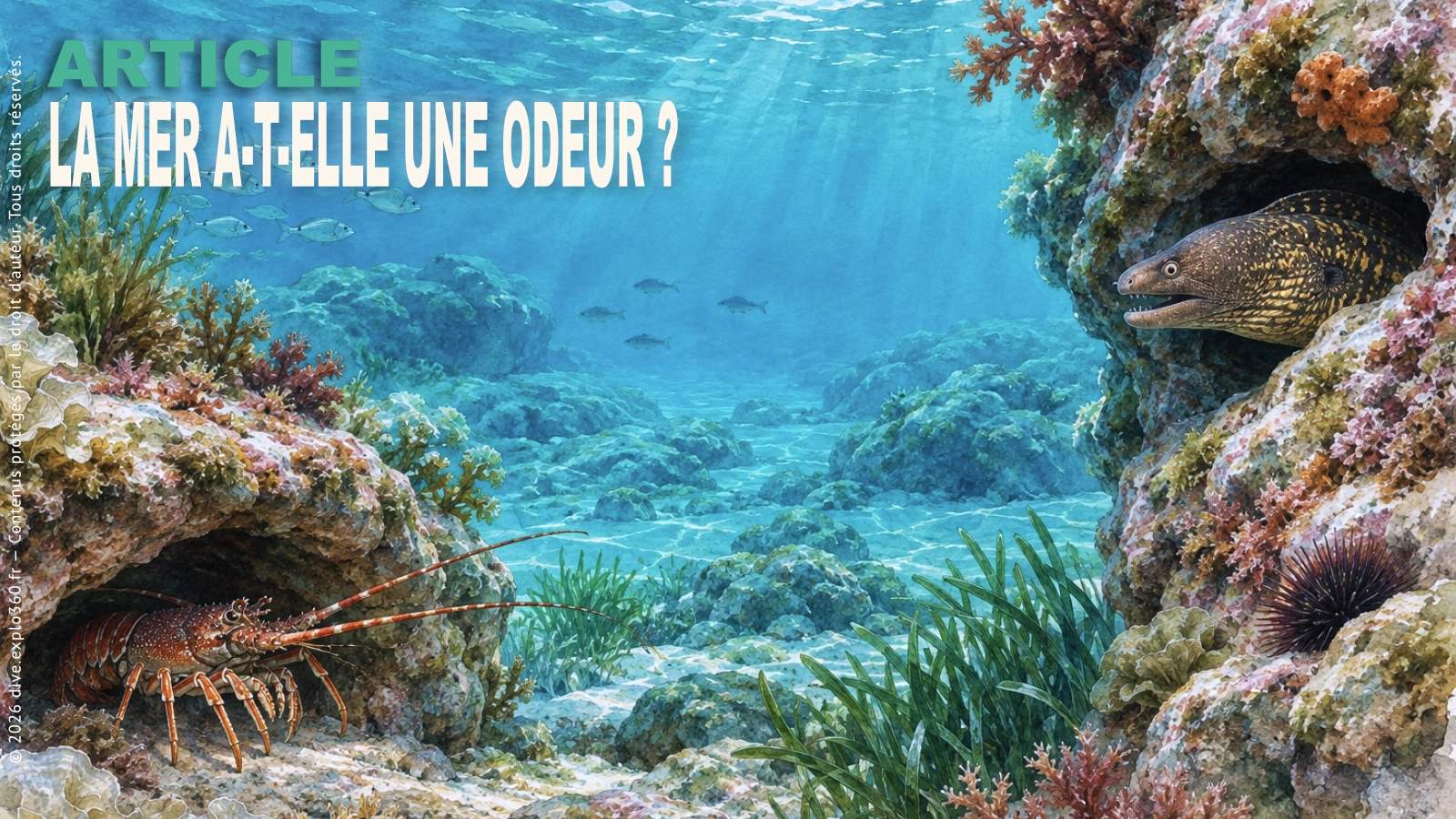
A moray and a European spiny lobster among Mediterranean rocks. Chemical clues are invisible here; the animals’ positions alone do not show which senses they are using. Available1/3 public · licence required for the rest

Multiple marine regions

MediterraneanAtlantic

Way of life · Behaviour

The hidden world of scent beneath the sea

We may smell the sea before we see it, yet lose access to its chemical clues as soon as we dive. For marine animals, those clues can reveal prey, predators, partners and habitats. Exploring this hidden landscape means…

6–10 years 11–14 years 15–17 years Adults (18+)
Going deeperPublic 4 min · Lic. 9 min 3 / 16 Read the article
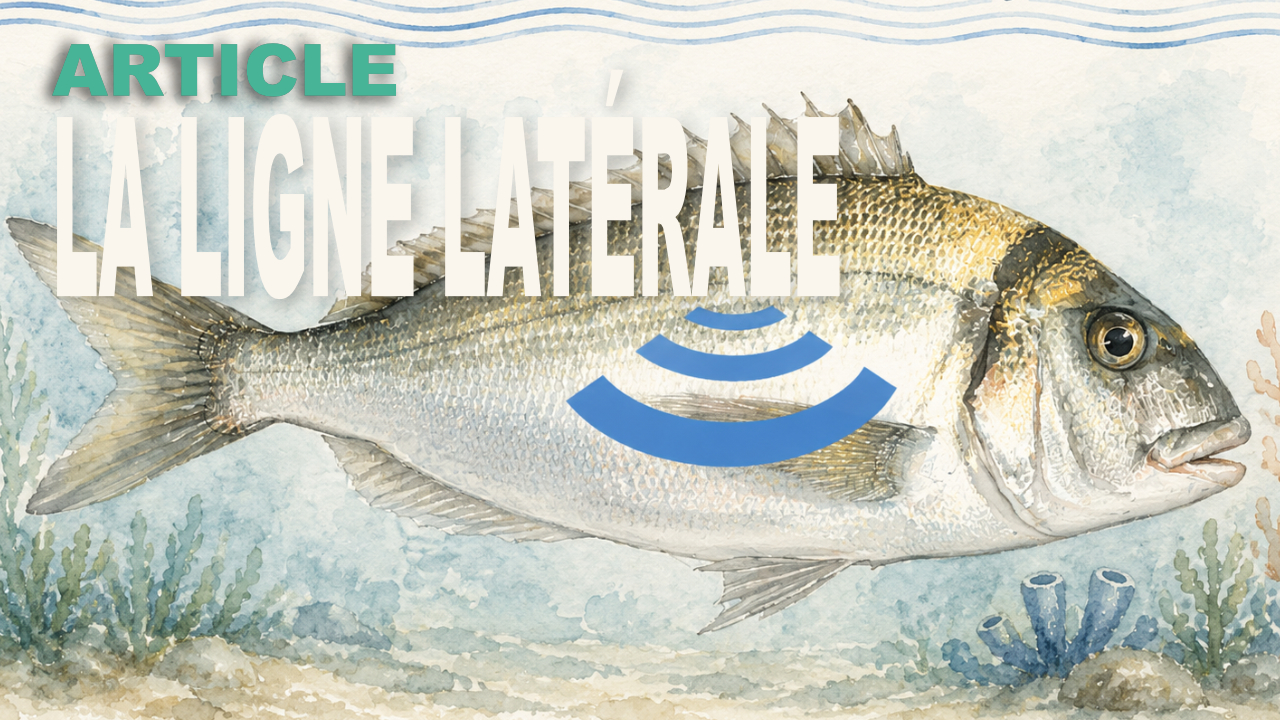
How does the lateral line in fish work? Available1/3 public · licence required for the rest

Multiple marine regions

MediterraneanAtlantic

Anatomy · Science

The lateral line, a fish’s sixth sense

A passing fish disturbs the water around it. So can a predator, prey or a current flowing around a rock. The lateral line detects these mechanical disturbances close to the body. It adds to the information a fish gets…

6–10 yearsUnavailable 11–14 years 15–17 years Adults (18+)
Going deeperPublic 2 min · Lic. 3 min 4 / 16 Read the article
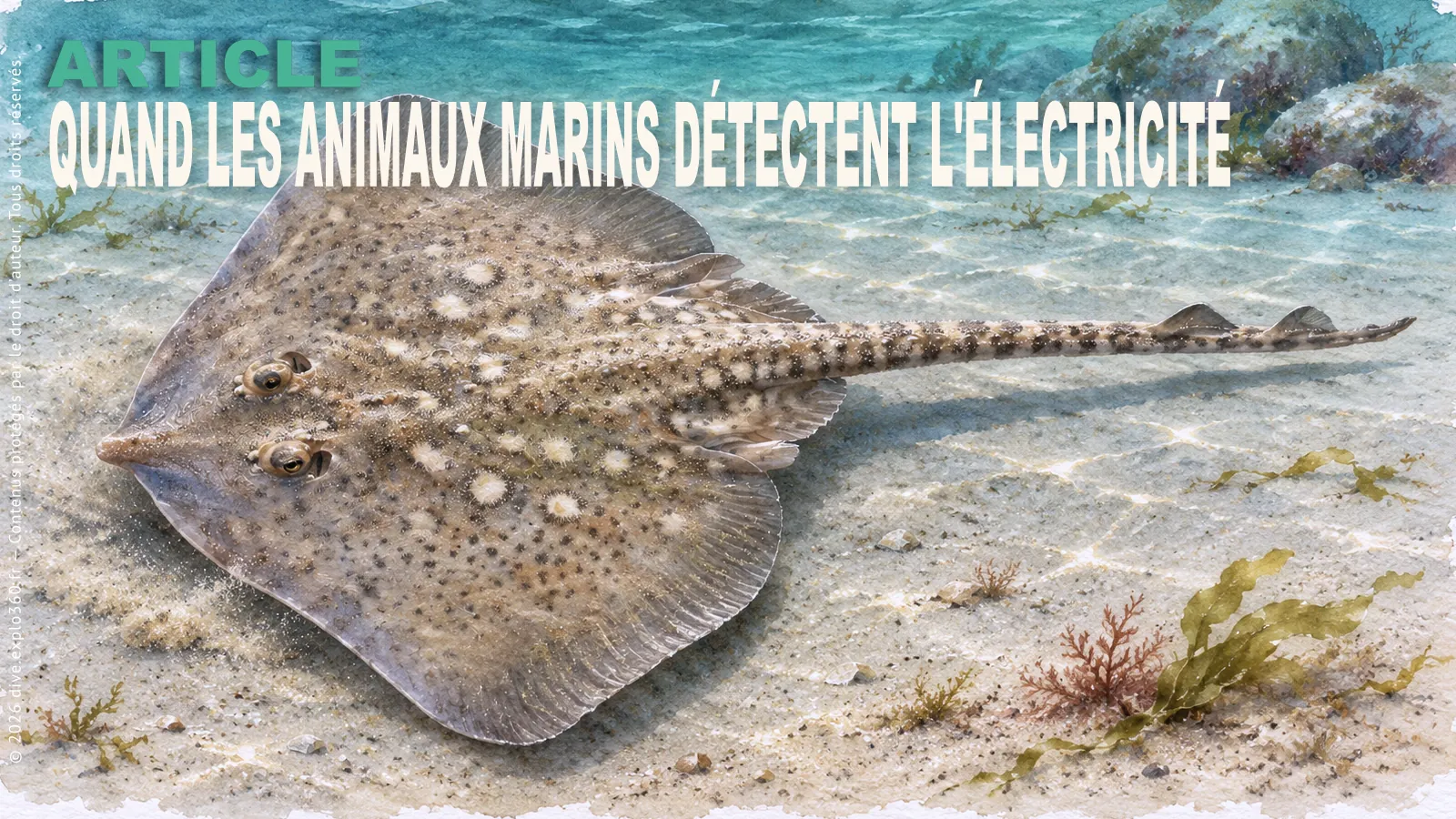
A thornback ray above Mediterranean sand. Fields from buried animals may help it search, but observation alone cannot identify which sense it is using. Available1/3 public · licence required for the rest

Multiple marine regions

MediterraneanAtlantic

Anatomy · Science

The hidden electric world of sharks and rays

A ray turns above the sand and uncovers prey that was invisible a moment before. Chemical and mechanical clues may contribute, but electroreception adds a different source: the weak electric fields of living organisms.…

6–10 years 11–14 years 15–17 years Adults (18+)
Going deeperPublic 3 min · Lic. 9 min 5 / 16 Read the article
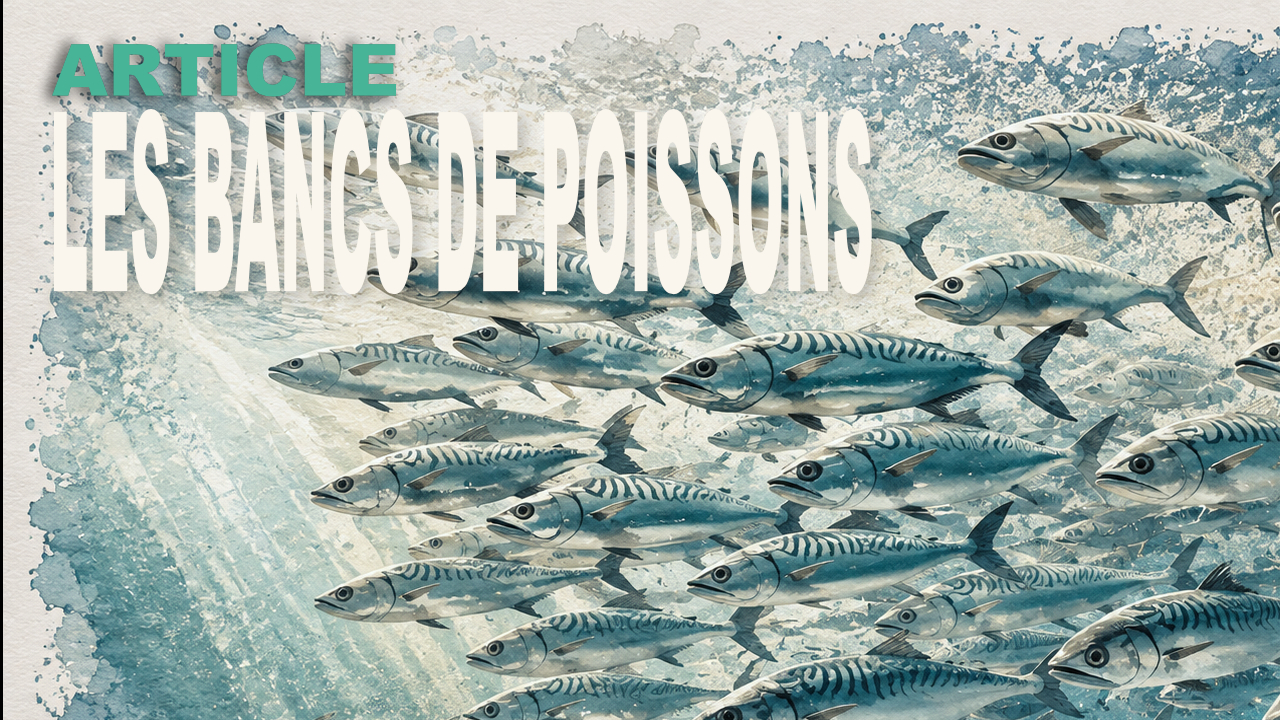
A school of fish forms a compact ball. AvailableFree access

Multiple marine regions

MediterraneanAtlantic

Way of life · Behaviour

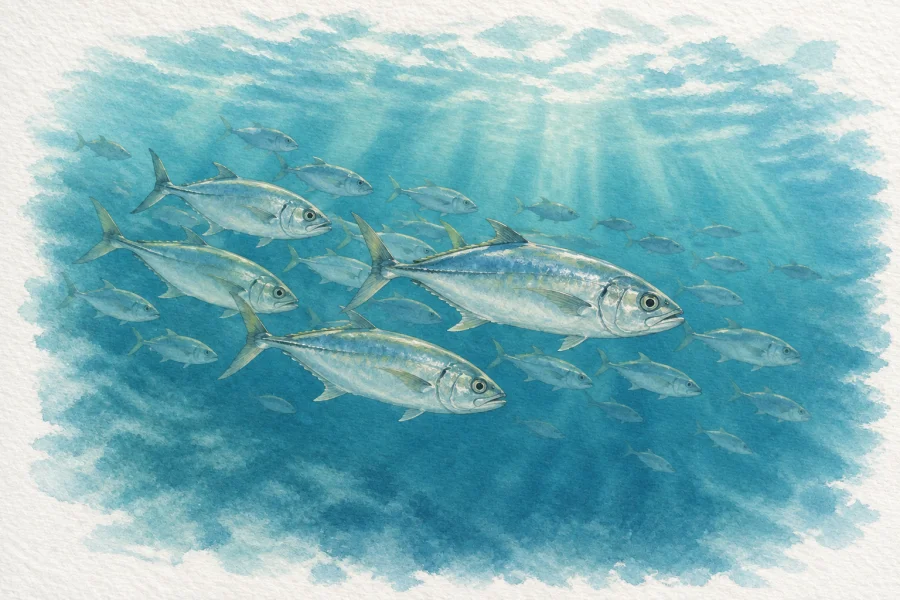
SCHOOLS OF FISH

From a distance, a school can seem to move as a single animal. It turns abruptly, tightens or spreads out as its members adjust to one another. That coordination starts with the information each fish gets from its…

6–10 years 11–14 years 15–17 years Adults (18+)
Understanding6 min 6 / 16 Read the article
THE ARTISTS OF INVISIBILITY! Available1/3 public · licence required for the rest

Multiple marine regions

MediterraneanAtlantic

Anatomy · Behaviour

Masters of camouflage

A patch of colour can hide a fish against one background and make it stand out against another. Cuttlefish and octopuses can respond by changing their appearance. The result depends as much on what a predator can see as…

6–10 years 11–14 years 15–17 years Adults (18+)
UnderstandingPublic 3 min · Lic. 6 min 7 / 16 Read the article
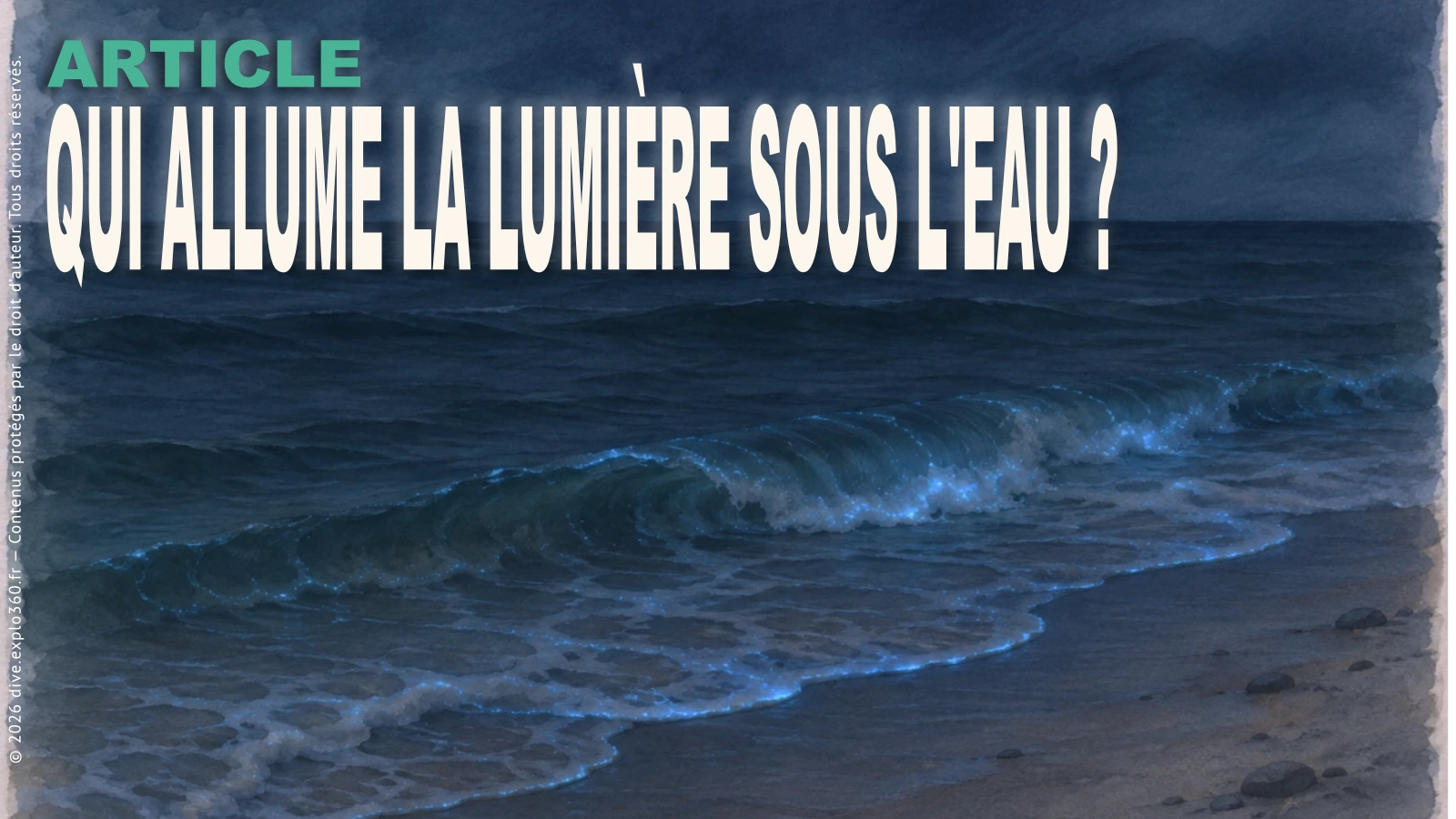
A blue glowing wave breaking on a beach at night. Available1/3 public · licence required for the rest

Multiple marine regions

MediterraneanAtlantic

Ecology · Natural history

Who Turns on the Light Underwater?

A passing wave can trigger flashes in plankton, a glowing lure can draw prey closer, and light from a fish’s belly can soften its outline. The effect of the light depends on how it is produced and what the animal seeing…

6–10 years 11–14 years 15–17 years Adults (18+)
Going deeperPublic 2 min · Lic. 3 min 9 / 16 Read the article
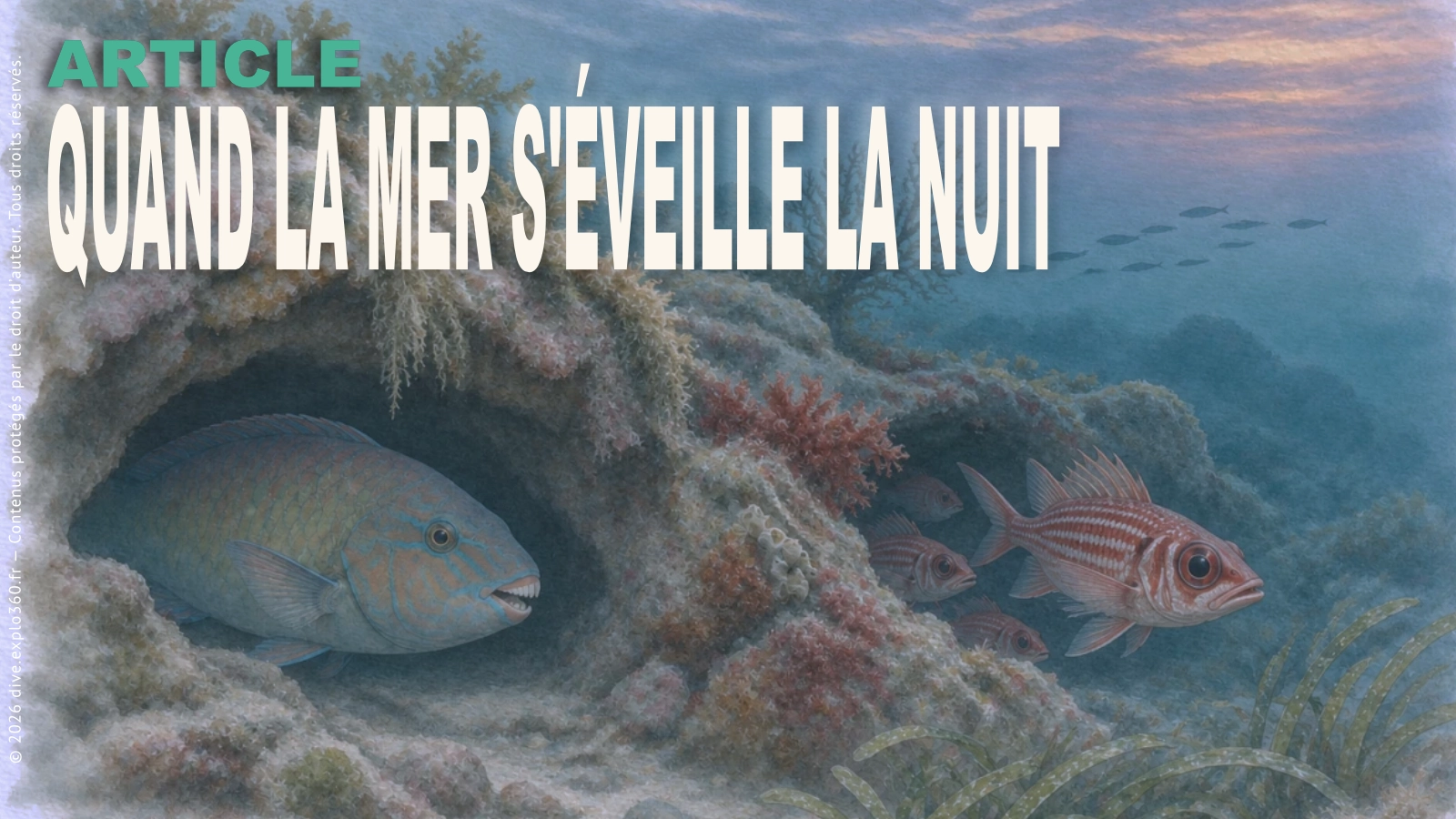
A parrotfish in shelter and squirrelfish on a reef at dusk. Available1/3 public · licence required for the rest

Multiple marine regions

MediterraneanAtlantic

Ecology · Natural history

When the Sea Comes Alive at Night

As the light fades, the fish using a reef can change within hours. Farther offshore, zooplankton shift towards the surface. Their return to deeper water can carry carbon with them, linking a daily feeding trip to the…

6–10 years 11–14 years 15–17 years Adults (18+)
UnderstandingPublic 2 min · Lic. 4 min 10 / 16 Read the article
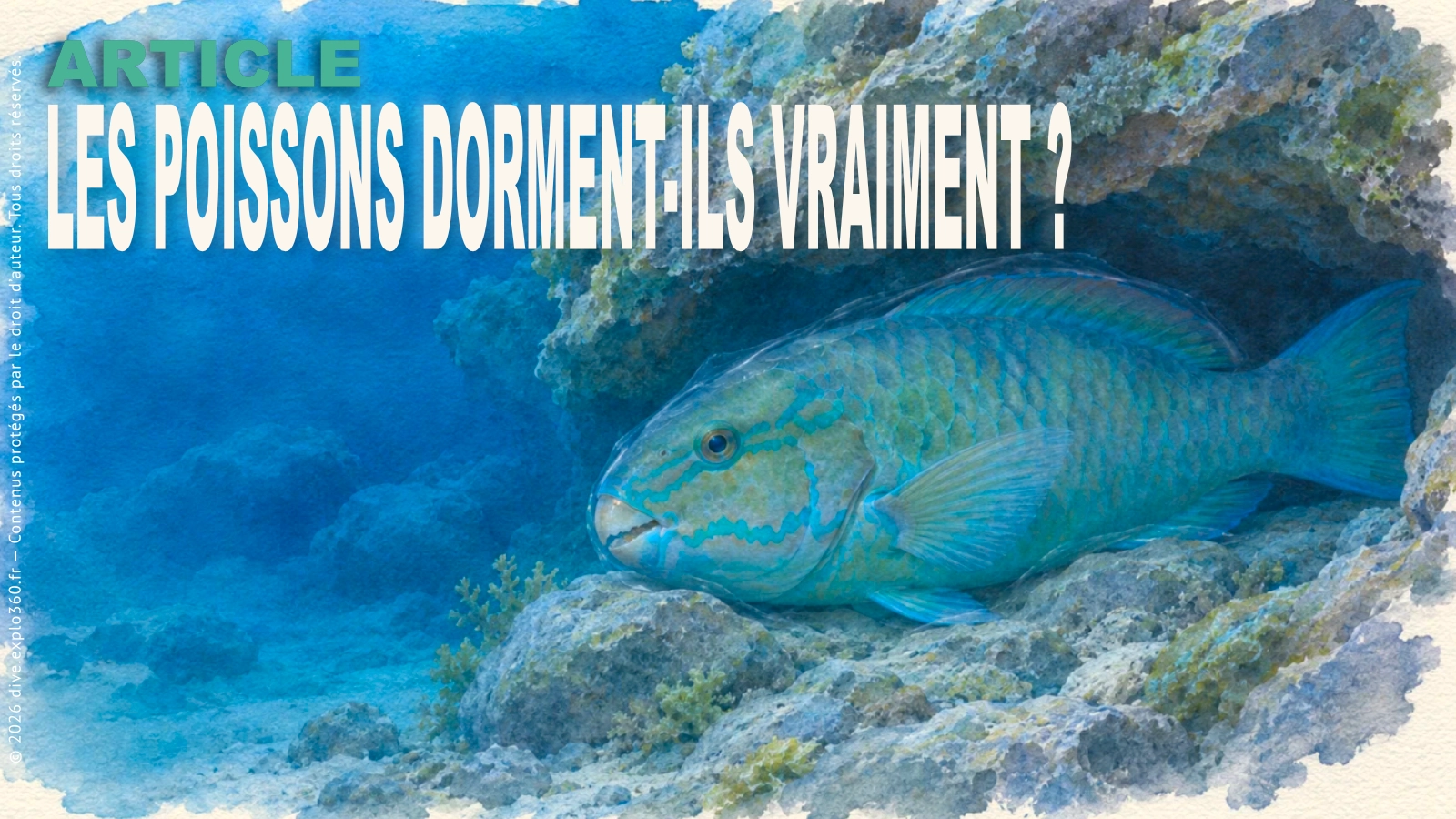
A parrotfish resting in a reef cavity. Available1/3 public · licence required for the rest

Multiple marine regions

MediterraneanAtlantic

Way of life · Natural history

Do Fish Really Sleep?

Removing a parrotfish’s cocoon can reveal what it protects against. Recording activity in a zebrafish’s brain can reveal distinct sleep states. Each experiment answers a different question about what happens when fish…

6–10 years 11–14 years 15–17 years Adults (18+)
Going deeperPublic 2 min · Lic. 4 min 11 / 16 Read the article
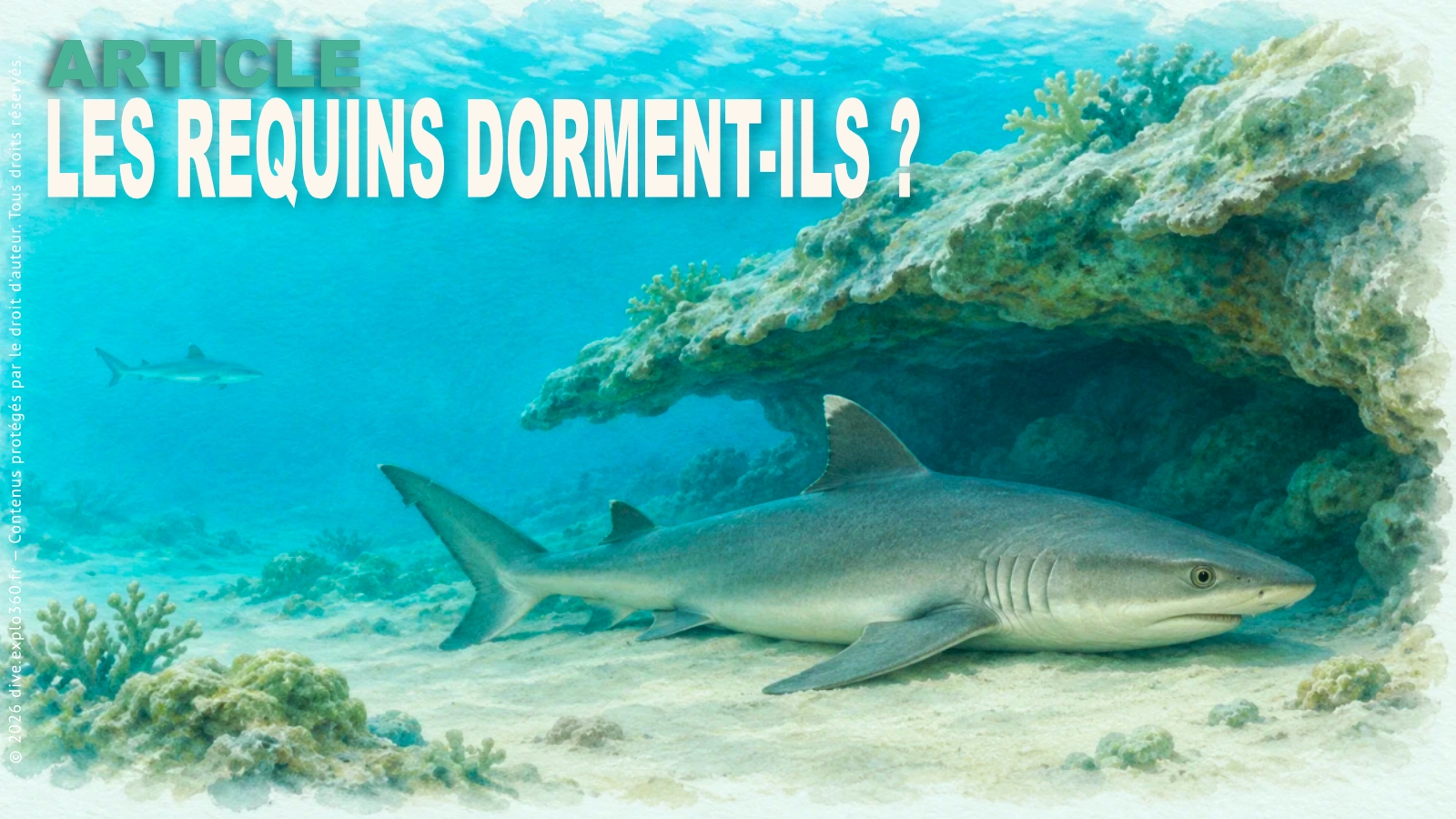
Shark resting beneath a reef ledge. Available1/3 public · licence required for the rest

Multiple marine regions

MediterraneanAtlantic

Way of life · Behaviour

Do sharks sleep?

A draughtsboard shark can lie still with its eyes open and be asleep. To distinguish sleep from quiet wakefulness, researchers look for changes in how the shark responds, how it holds its body and how much oxygen it…

6–10 years 11–14 years 15–17 years Adults (18+)
Going deeperPublic 1 min · Lic. 3 min 12 / 16 Read the article
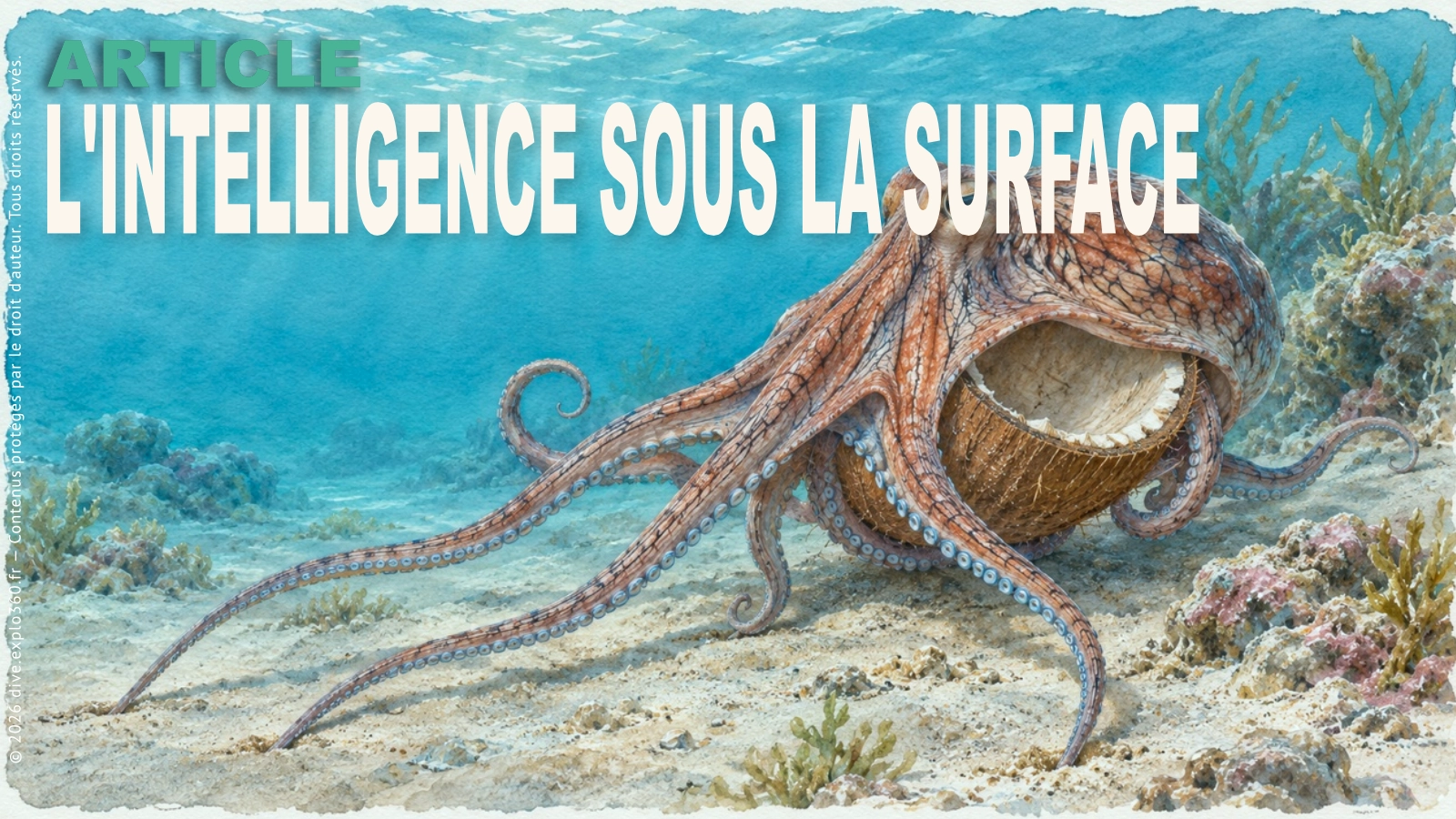
A veined octopus (Amphioctopus marginatus) carries a shell across the sand. AvailableFree access

Multiple marine regions

MediterraneanAtlantic

Way of life · Behaviour

Intelligence underwater, from learning to cooperation

An octopus learns to get past a stopper. A grouper signals above a crevice where its prey has vanished. Both behaviours can be observed directly. Working out what the animals know takes a closer look at the evidence.

6–10 years 11–14 years 15–17 years Adults (18+)
Going deeper4 min 13 / 16 Read the article
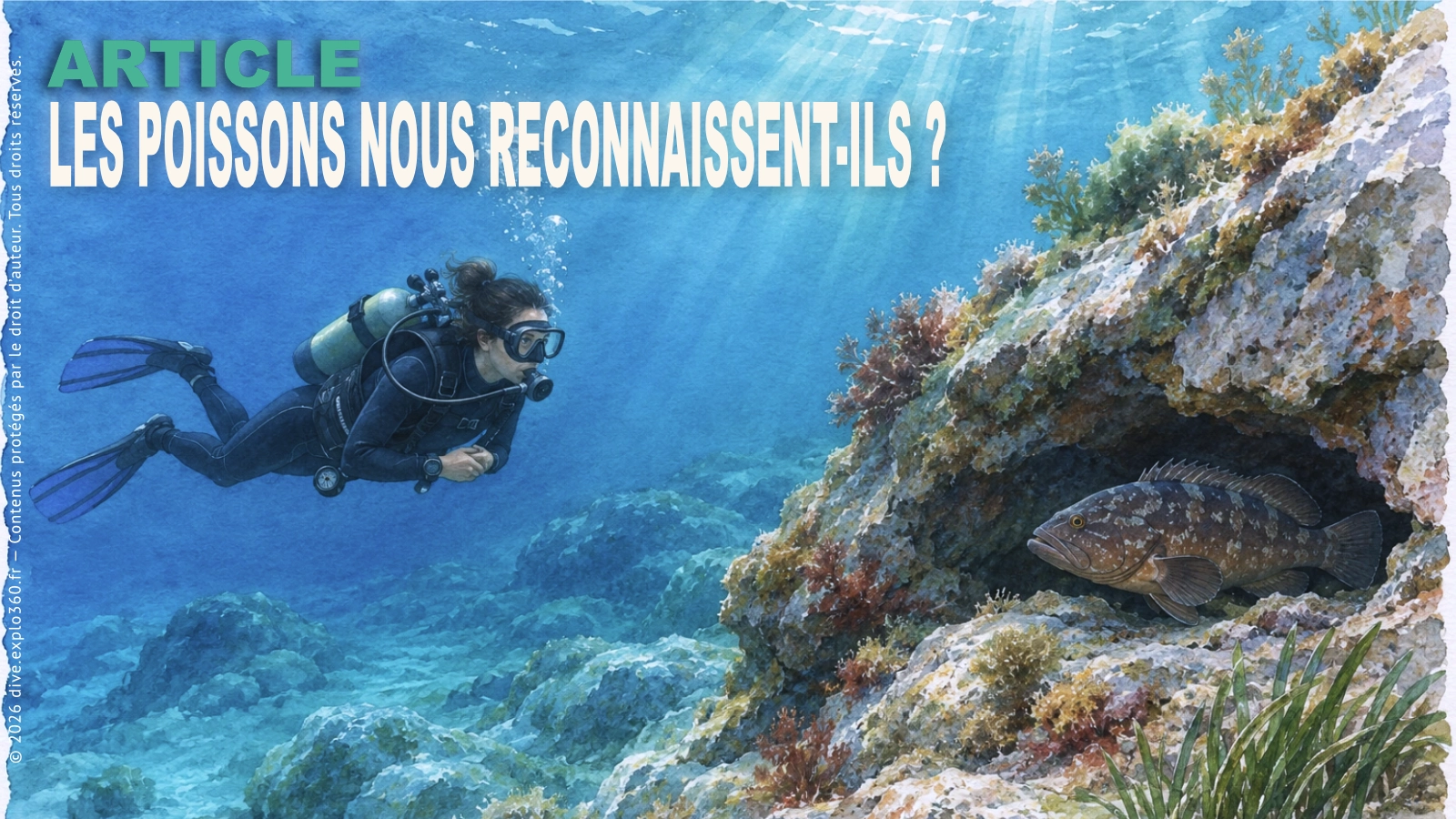
A calm encounter illustrates an observation with several possible explanations. Available1/3 public · licence required for the rest

Multiple marine regions

MediterraneanAtlantic

Way of life · Behaviour

Do fish recognise us?

The same grouper, the same rock, a different response: on each dive, the fish seems less inclined to hide. Has it learnt to recognise you? Fish can remember places, learn visual details and distinguish familiar animals.…

6–10 years 11–14 years 15–17 years Adults (18+)
Going deeperPublic 3 min · Lic. 5 min 14 / 16 Read the article
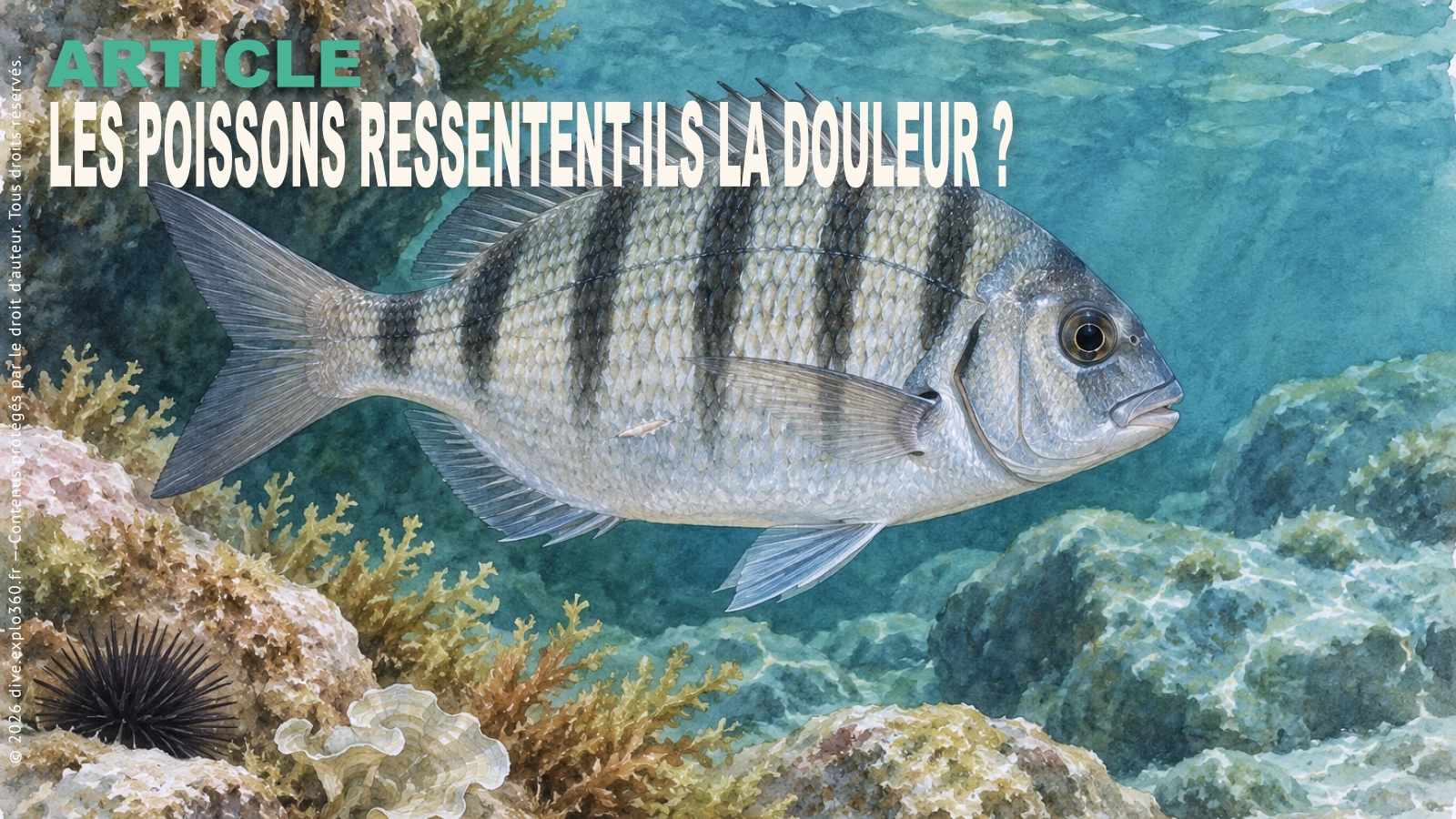
A seabream with a small healed mark among Mediterranean rocks. One observation cannot establish whether the fish is in pain. Available1/3 public · licence required for the rest

Multiple marine regions

MediterraneanAtlantic

Way of life · Behaviour

Do fish feel pain?

A grouper with a hook in its mouth swims past as though nothing has changed. What, if anything, does it feel? Anatomy and behaviour offer clues, but neither gives direct access to another animal’s experience. Research on…

6–10 years 11–14 years 15–17 years Adults (18+)
Going deeperPublic 3 min · Lic. 7 min 15 / 16 Read the article
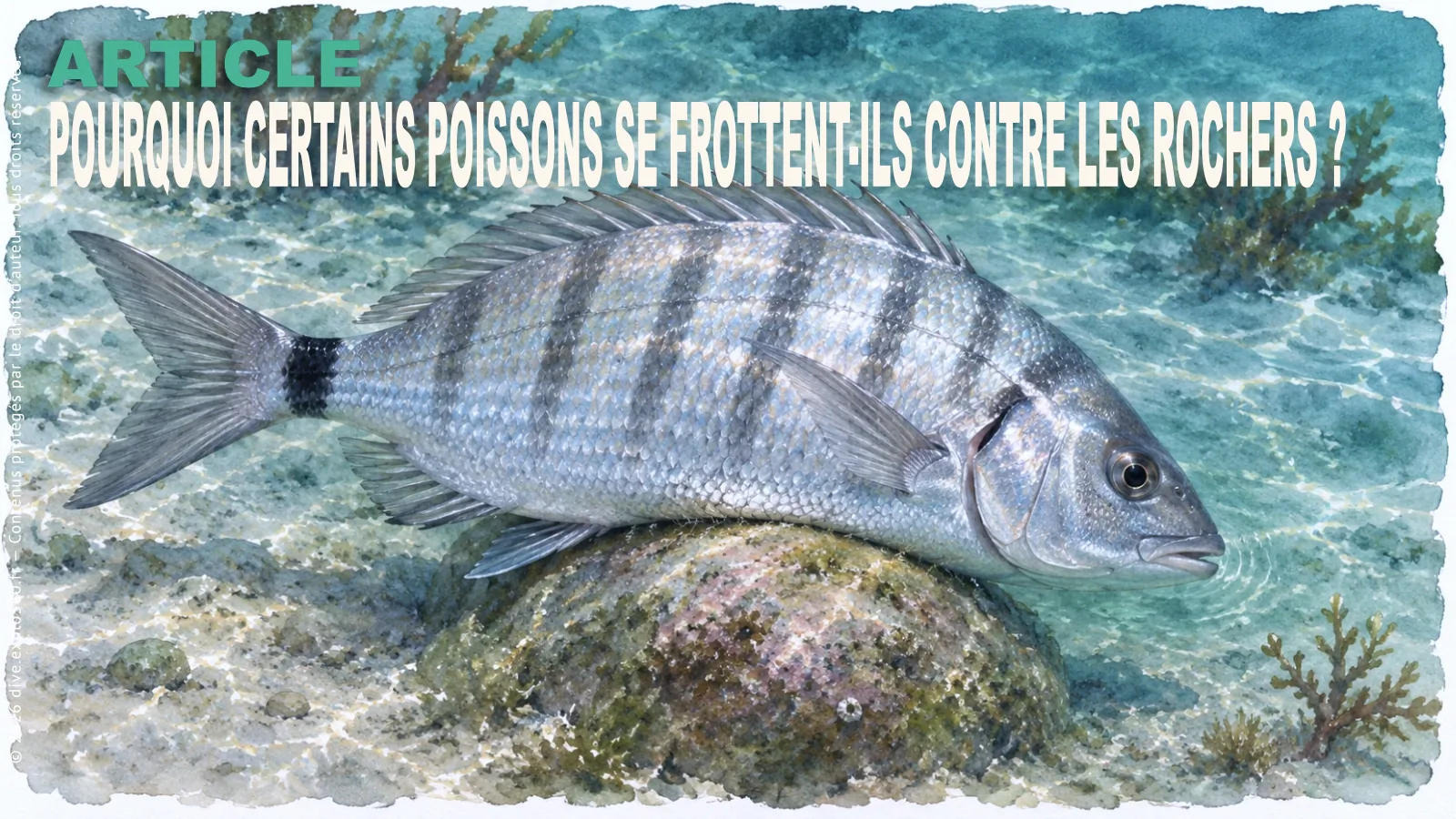
Localised rubbing in a seabream: posture and contact are observable but do not distinguish possible causes on their own. Available1/3 public · licence required for the rest

Multiple marine regions

MediterraneanAtlantic

Way of life · Behaviour

Why do some fish rub against rocks?

A seabream leaves its shoal, brushes its flank against a rock and swims on. The brief action may recur on the same body region. Known as flashing or chafing, such behaviour occurs in fresh water and at sea. It often…

6–10 years 11–14 years 15–17 years Adults (18+)
Going deeperPublic 4 min · Lic. 9 min 16 / 16 Read the article