Partners and Dive.Explo360 explorers

Contact us

Verification code

How fish sense and behave

Find out how fish see, hide, swim together and rest.

Reading pathways All articles
What is fish vision like? Available1/3 public · licence required for the rest

Multiple marine regions

MediterraneanAtlantic

Anatomy · Science

WHAT DO FISH SEE?

Switch on a torch underwater and colours can appear that were hard to make out a moment earlier. A fish looking at the same patch of reef has its own set of limits, set by the light and the structure of its eyes. Vision…
6–10 yearsUnavailable 11–14 years 15–17 years Adults (18+)
Getting startedPublic 1 min · Lic. 3 min 1 / 16 Read the article
The senses of fish Available1/3 public · licence required for the rest

Multiple marine regions

MediterraneanAtlantic

Anatomy · Science

How fish sense the world around them

In murky water, a fish can lose sight of its prey before losing track of it. A disturbance nearby may register along its lateral line, and dissolved molecules can carry information about what passed. Which cue matters…

6–10 yearsUnavailable 11–14 years 15–17 years Adults (18+)
UnderstandingPublic 1 min · Lic. 3 min 2 / 16 Read the article
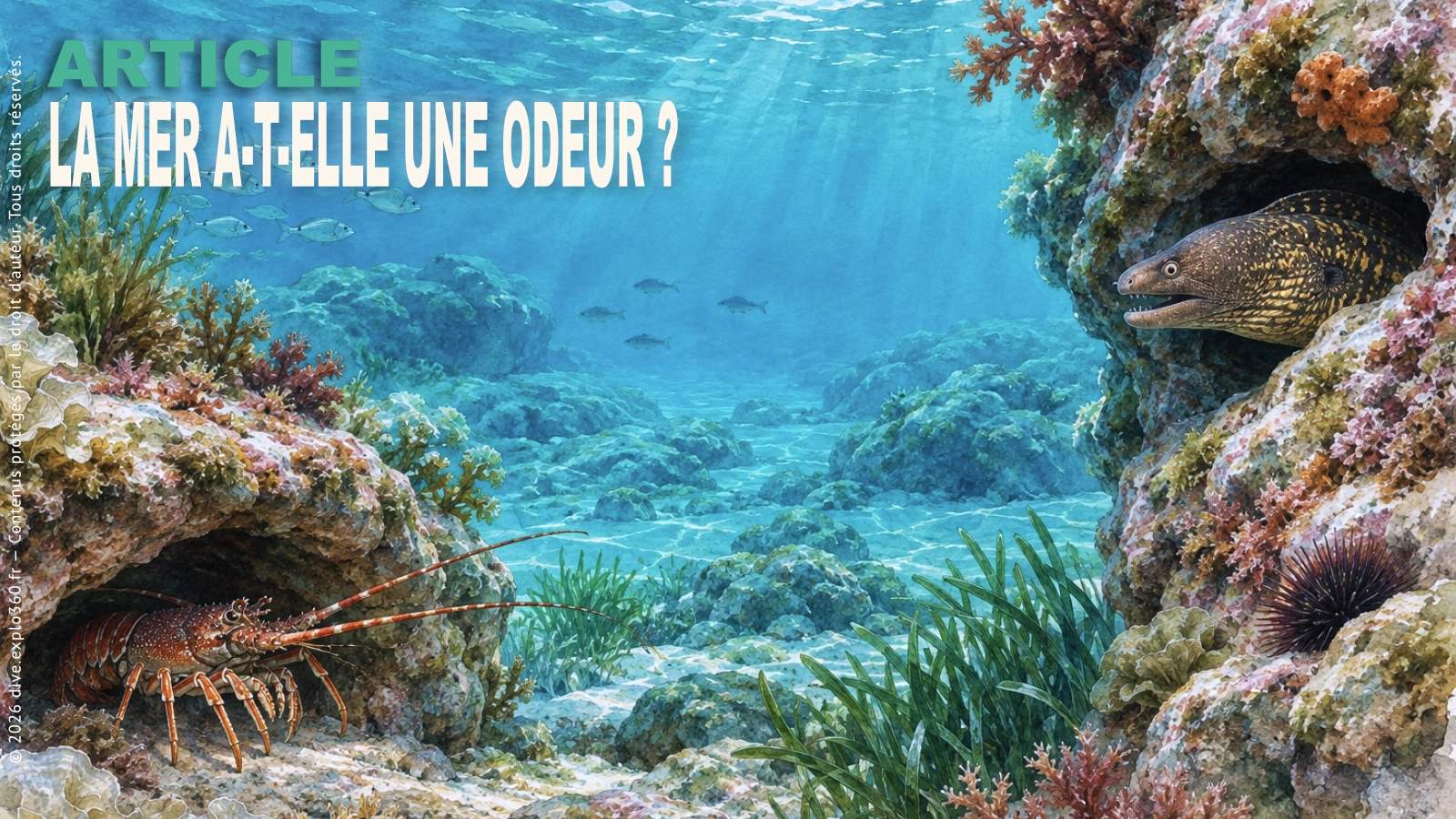
A moray and a European spiny lobster among Mediterranean rocks. Chemical clues are invisible here; the animals’ positions alone do not show which senses they are using. Available1/3 public · licence required for the rest

Multiple marine regions

MediterraneanAtlantic

Way of life · Behaviour

Can animals smell underwater?

Have you ever smelt the sea before you could see it? Seaweed and tiny living things help make that familiar scent. Underwater, animals find chemical clues in the water too. A clue might mean food nearby, danger ahead or…

6–10 years 11–14 years 15–17 years Adults (18+)
UnderstandingPublic 8 min · Lic. 18 min 3 / 16 Read the article
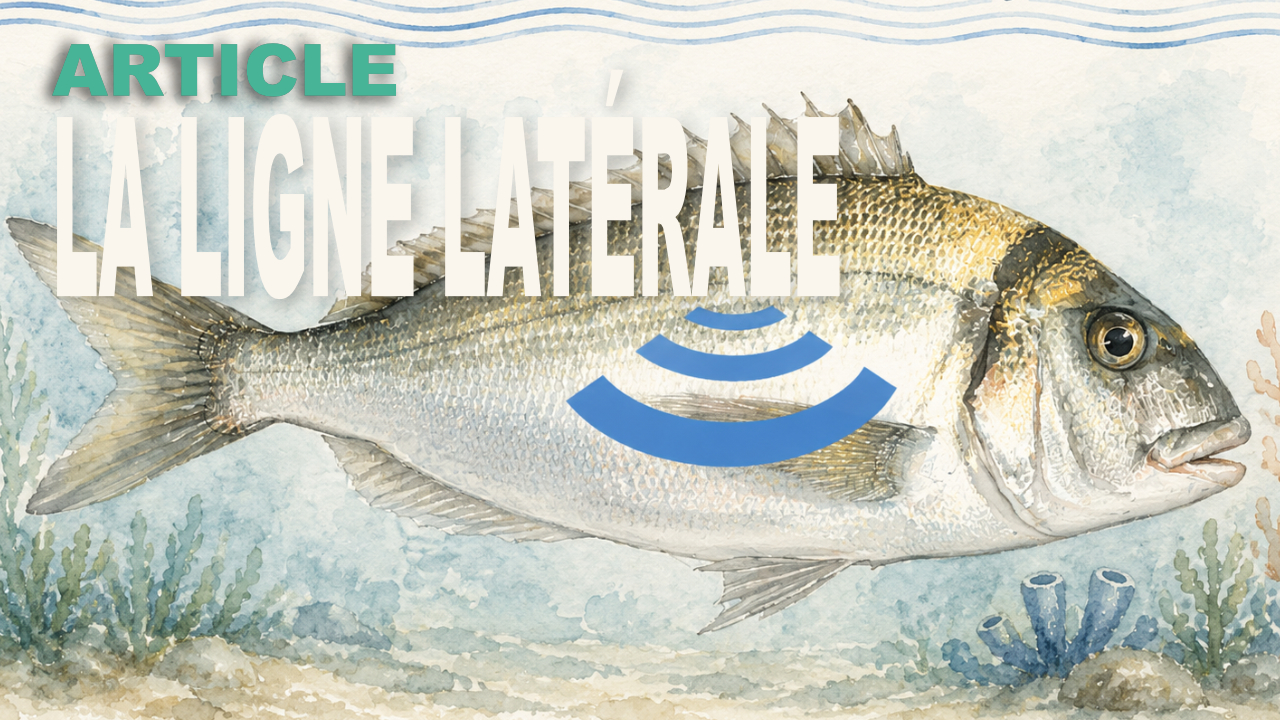
How does the lateral line in fish work? Available1/3 public · licence required for the rest

Multiple marine regions

MediterraneanAtlantic

Anatomy · Science

The lateral line, a fish’s sixth sense

A passing animal leaves a trace in the water that a fish can detect before it sees what moved. The lateral line picks up nearby flows and vibrations, adding information to what the fish learns through sight, hearing,…

6–10 yearsUnavailable 11–14 years 15–17 years Adults (18+)
UnderstandingPublic 1 min · Lic. 2 min 4 / 16 Read the article
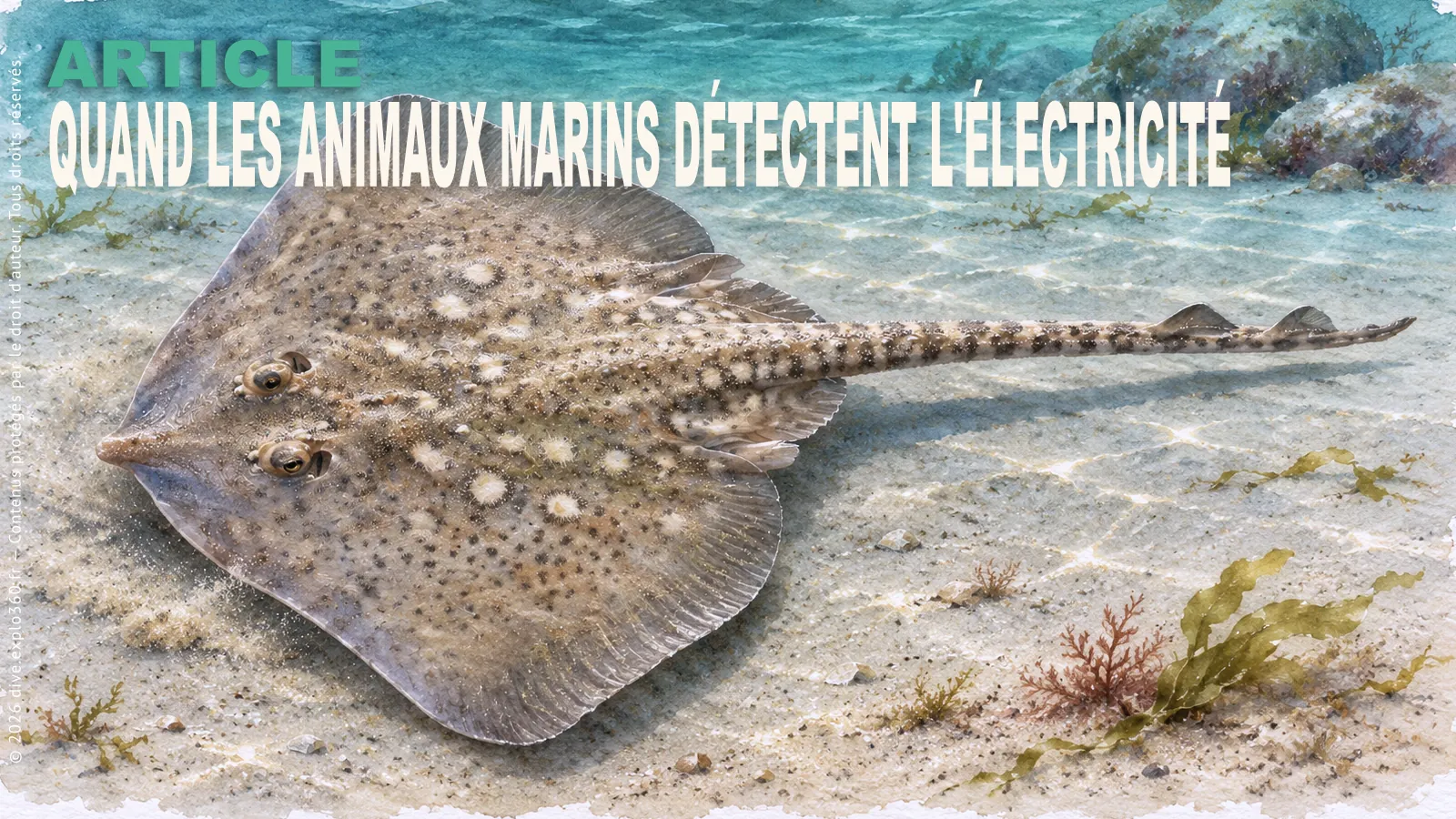
A thornback ray above Mediterranean sand. Fields from buried animals may help it search, but observation alone cannot identify which sense it is using. Available1/3 public · licence required for the rest

Multiple marine regions

MediterraneanAtlantic

Anatomy · Science

How sharks and rays sense electricity

A ray glides over sand, turns and uncovers a hidden meal. How did it find it? Smells and water movements may help. But sharks and rays have another sense we do not have: electroreception. They detect tiny electric fields…

6–10 years 11–14 years 15–17 years Adults (18+)
UnderstandingPublic 7 min · Lic. 17 min 5 / 16 Read the article
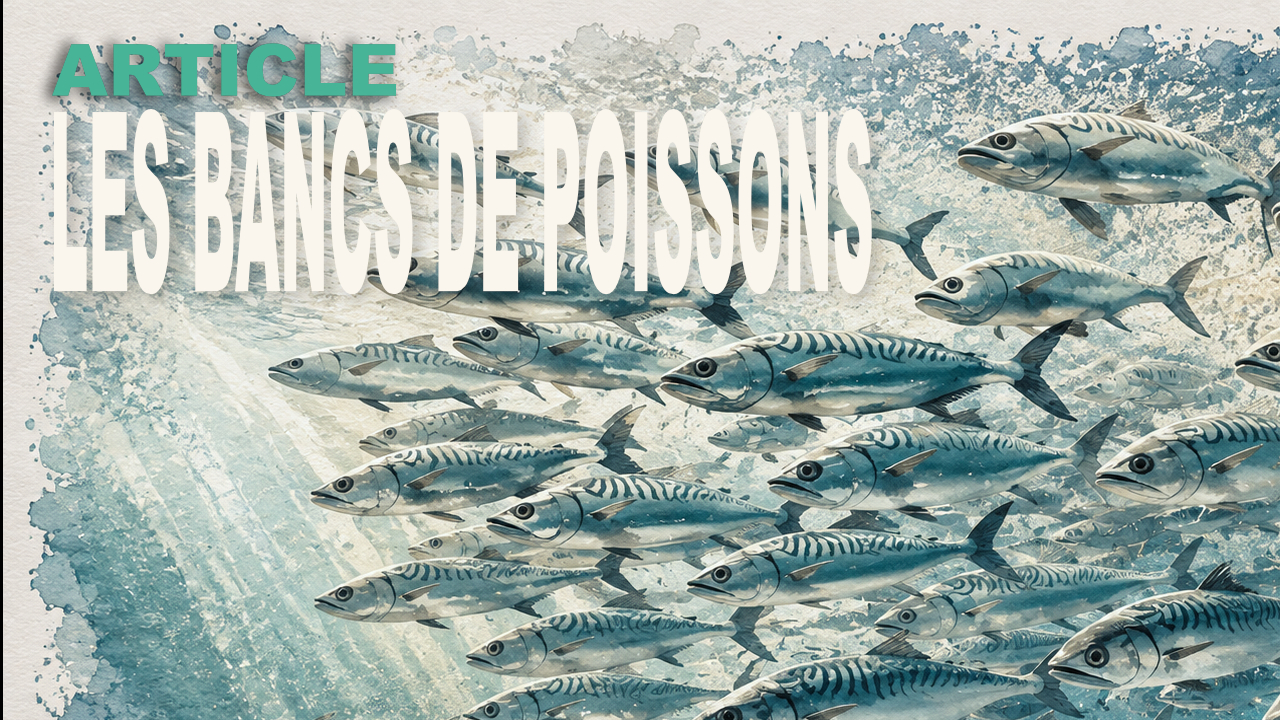
A school of fish forms a compact ball. AvailableFree access

Multiple marine regions

MediterraneanAtlantic

Way of life · Behaviour

SCHOOLS OF FISH

Hundreds of fish can turn almost at once. They swim closer together, then spread out again. This group is called a **school of fish**. Each fish pays attention to the ones nearby. That helps the whole school move…

6–10 years 11–14 years 15–17 years Adults (18+)
Understanding9 min 6 / 16 Read the article
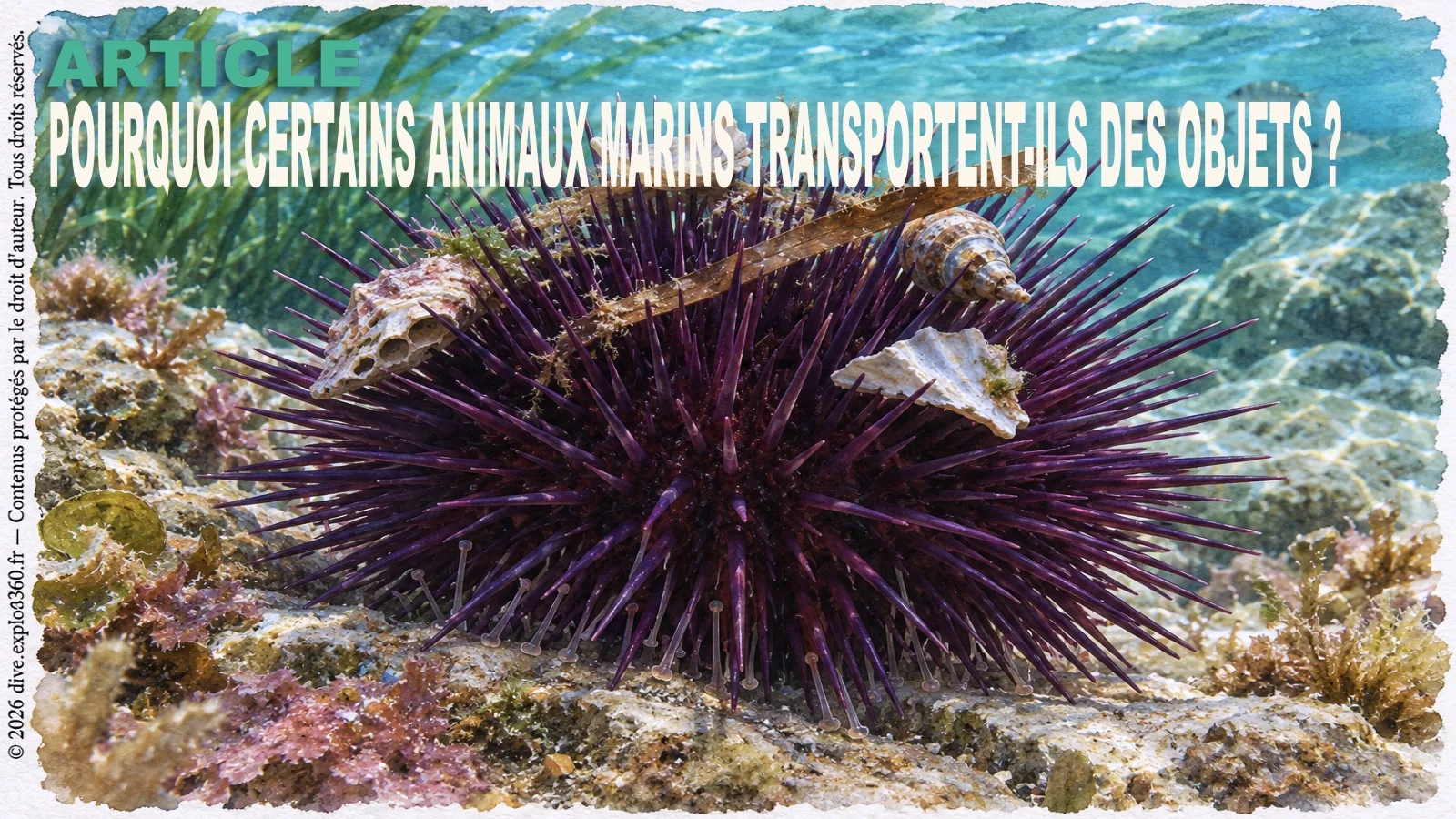
An illustration of a purple sea urchin, Paracentrotus lividus, actively collecting and holding a covering. One still image cannot establish its purpose. Available1/3 public · licence required for the rest

Multiple marine regions

MediterraneanAtlantic

Way of life · Behaviour

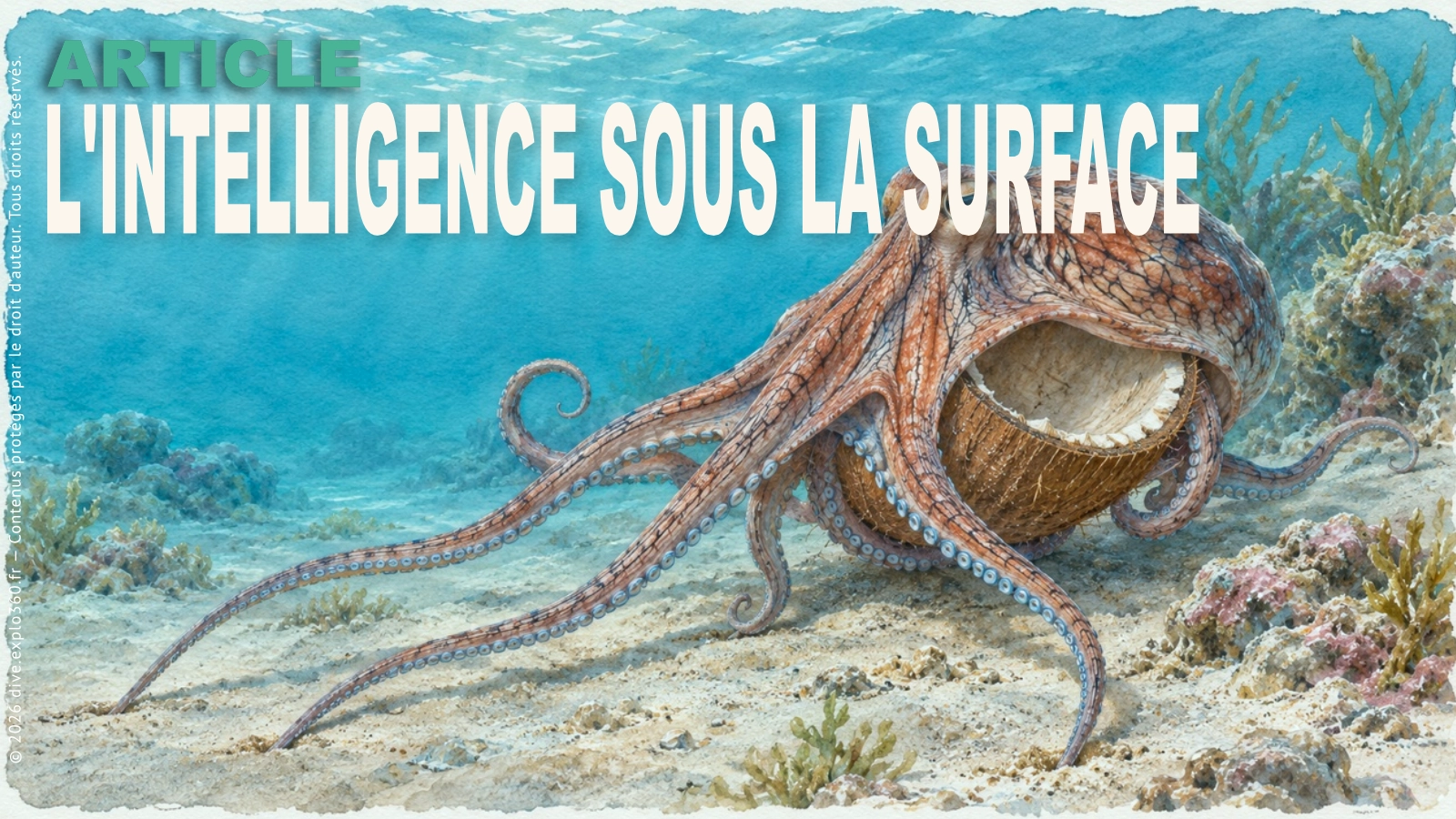
Why do sea animals carry things?

An urchin wears shells. A crab walks beneath a sponge. An octopus carries coconut halves. What are they doing with these things? Let’s follow the animals and discover when an object becomes a disguise, a defence or a…

6–10 years 11–14 years 15–17 years Adults (18+)
UnderstandingPublic 6 min · Lic. 14 min 8 / 16 Read the article
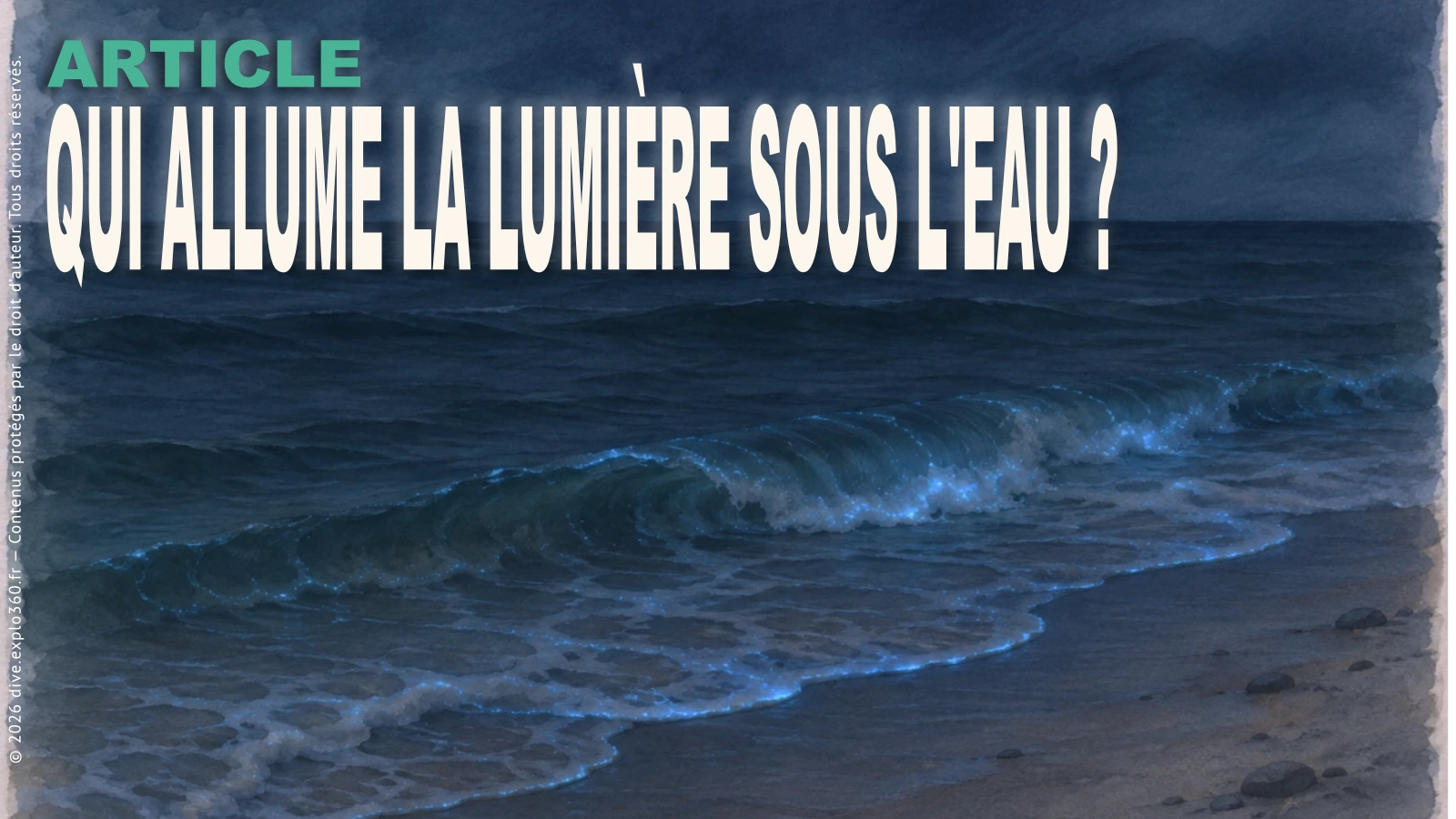
A blue glowing wave breaking on a beach at night. Available1/3 public · licence required for the rest

Multiple marine regions

MediterraneanAtlantic

Ecology · Natural history

Who Turns on the Light Underwater?

Picture a wave breaking after dark. A blue line runs along it and fades. Tiny living things in the water make those flashes. Deeper down, some fish and jellyfish can make light too.

6–10 years 11–14 years 15–17 years Adults (18+)
UnderstandingPublic 4 min · Lic. 6 min 9 / 16 Read the article
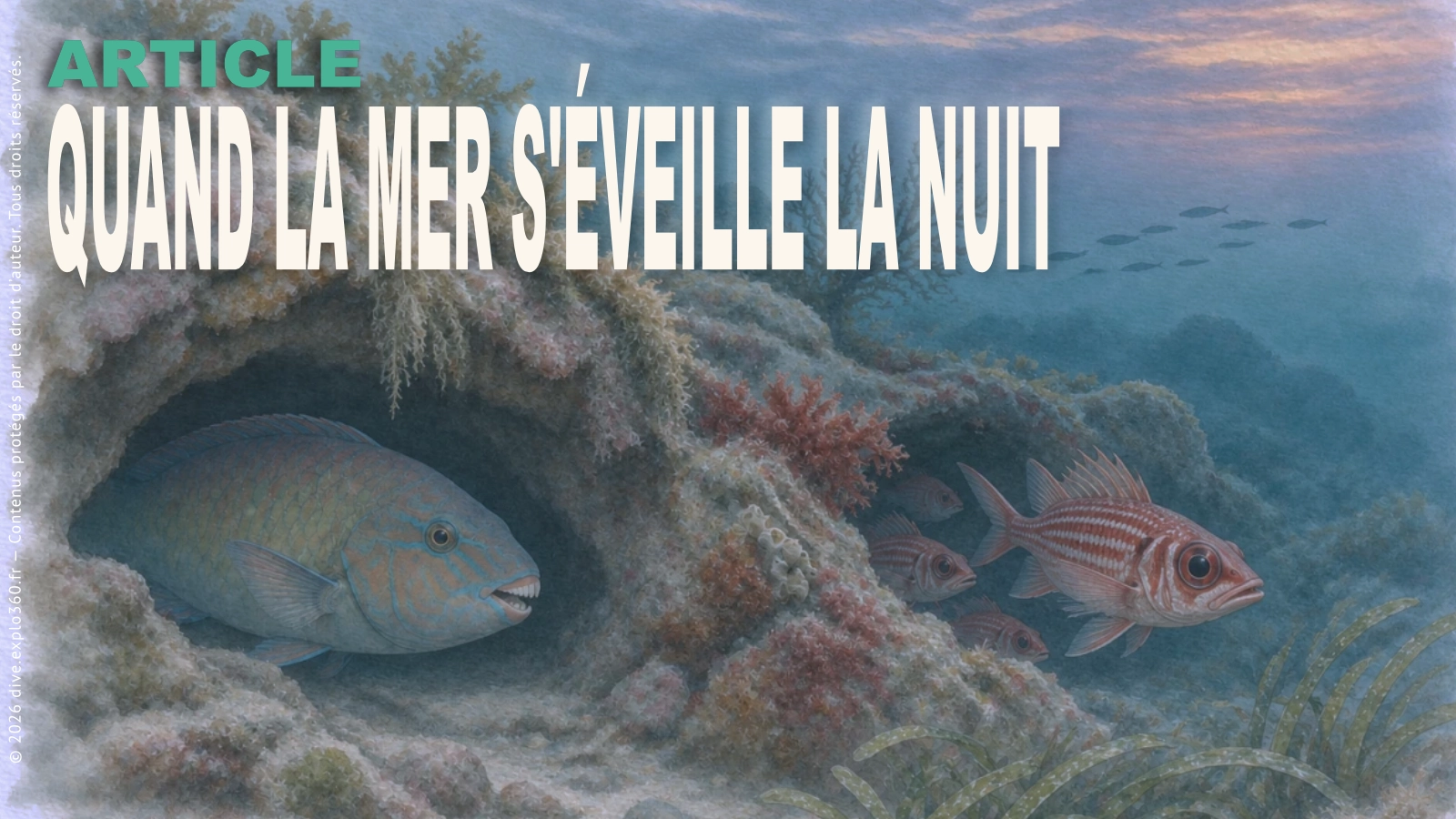
A parrotfish in shelter and squirrelfish on a reef at dusk. Available1/3 public · licence required for the rest

Multiple marine regions

MediterraneanAtlantic

Ecology · Natural history

When the Sea Comes Alive at Night

As the sun sets, some reef fish slip into hiding. Others come out to feed. Farther out at sea, tiny animals are already swimming up towards the surface.

6–10 years 11–14 years 15–17 years Adults (18+)
UnderstandingPublic 3 min · Lic. 6 min 10 / 16 Read the article
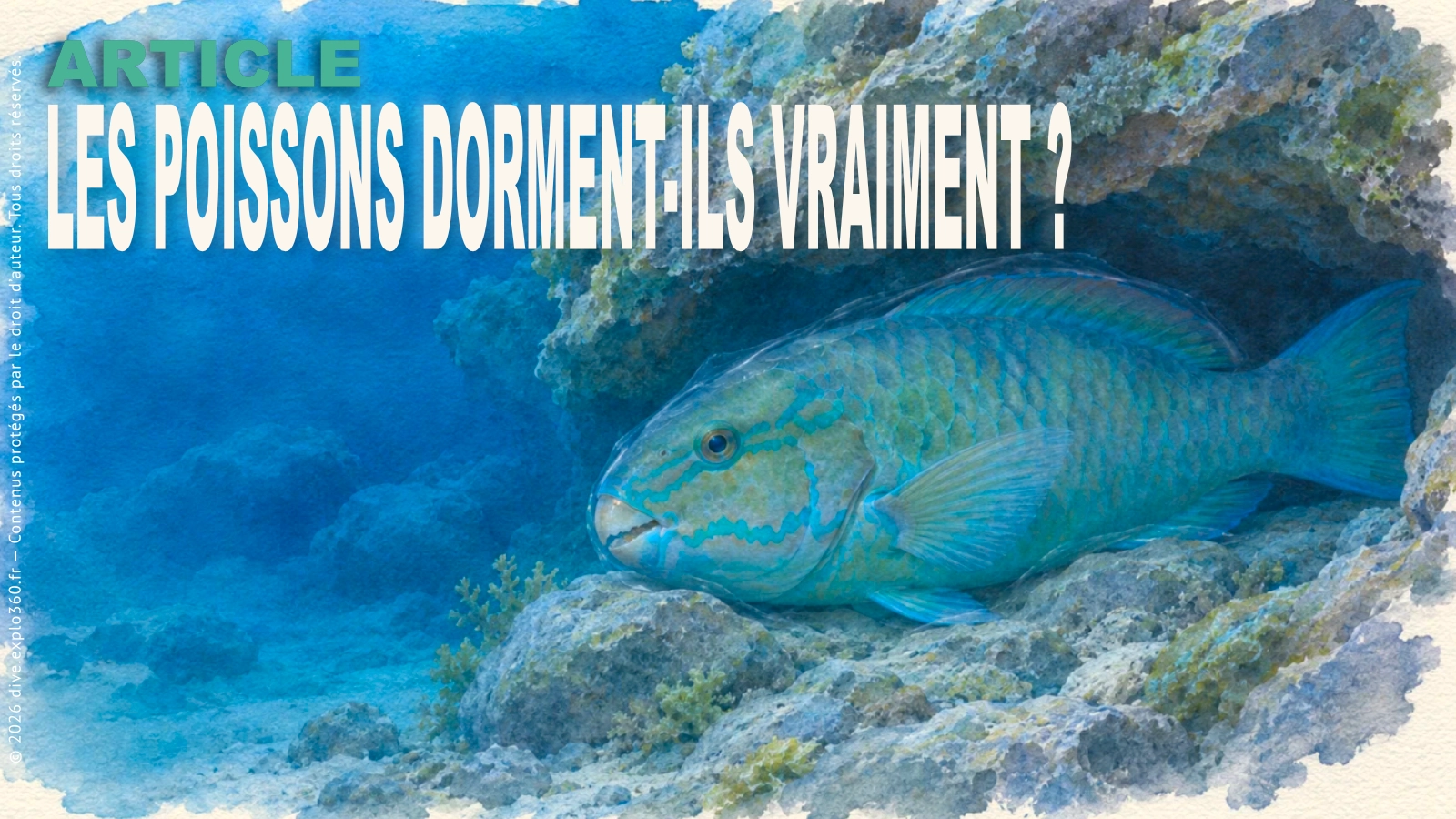
A parrotfish resting in a reef cavity. Available1/3 public · licence required for the rest

Multiple marine regions

MediterraneanAtlantic

Way of life · Natural history

Do Fish Really Sleep?

Imagine a fish sleeping with its eyes open. How could you tell? From a reef to a research tank, several animals give us clues.

6–10 years 11–14 years 15–17 years Adults (18+)
UnderstandingPublic 3 min · Lic. 7 min 11 / 16 Read the article
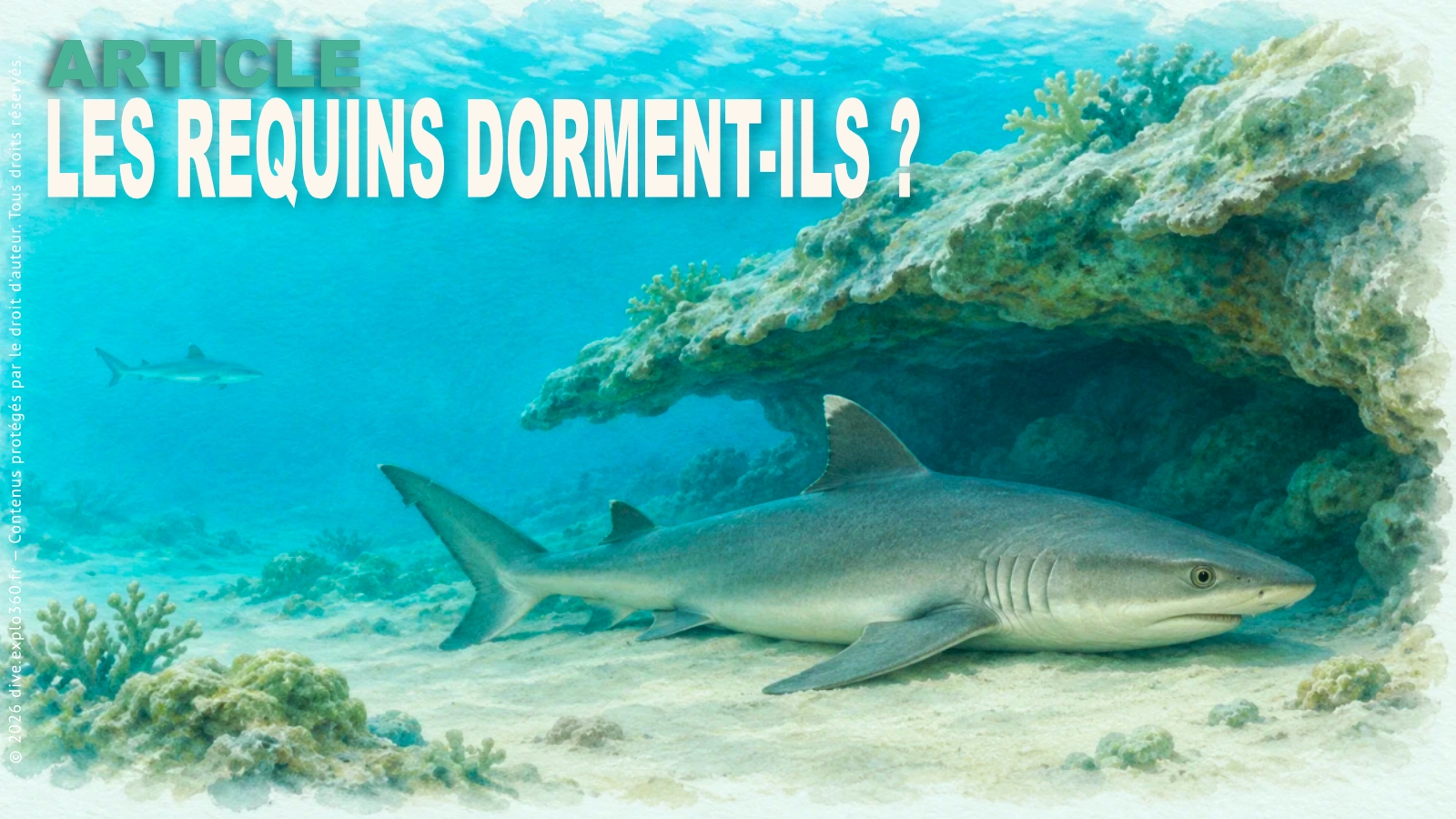
Shark resting beneath a reef ledge. Available1/3 public · licence required for the rest

Multiple marine regions

MediterraneanAtlantic

Way of life · Behaviour

Do sharks sleep?

A shark can lie on the sand with its eyes wide open. It’s still breathing. Could it be asleep?

6–10 years 11–14 years 15–17 years Adults (18+)
UnderstandingPublic 2 min · Lic. 4 min 12 / 16 Read the article
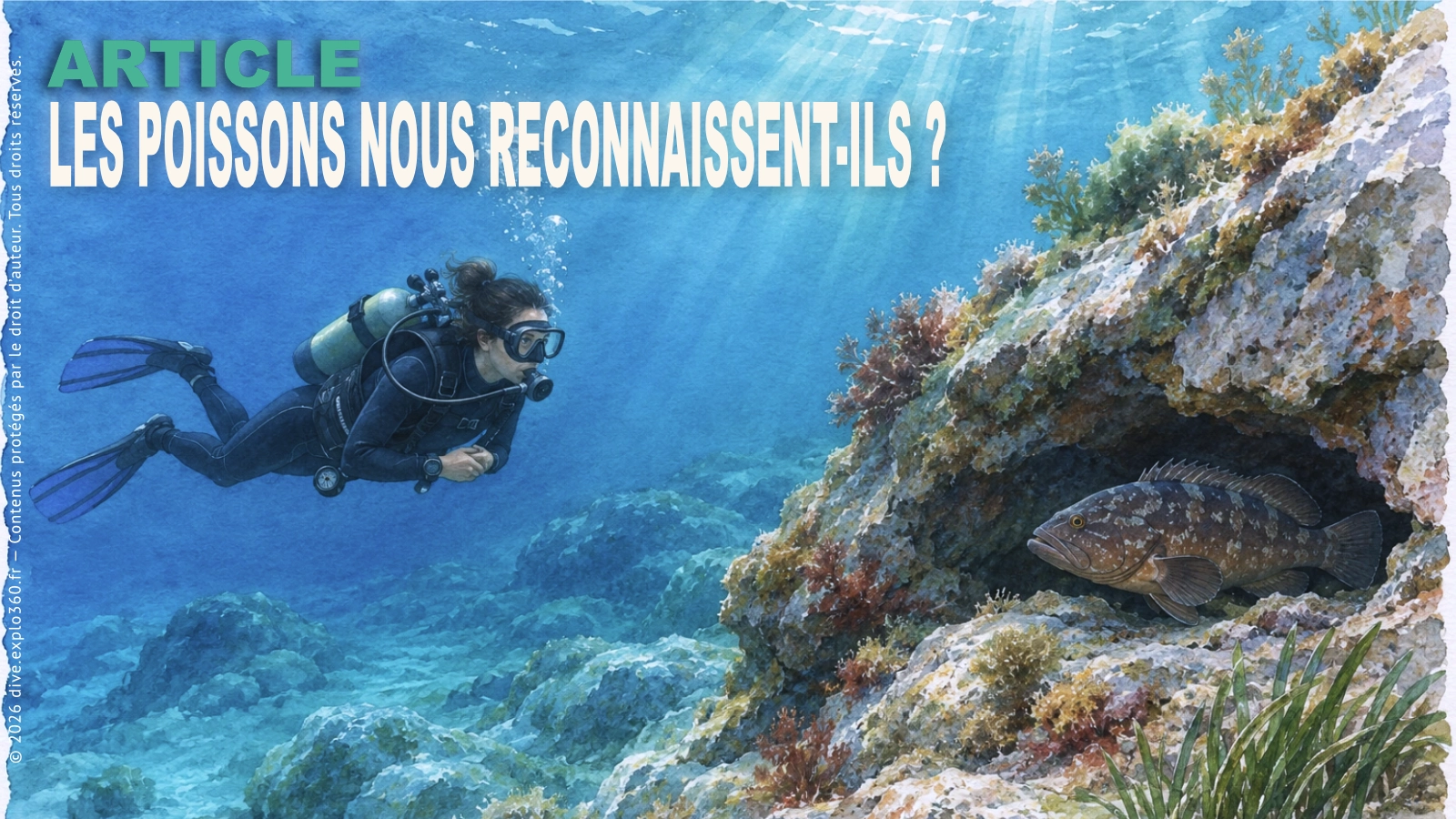
A diver watches a grouper without touching or feeding it. Available1/3 public · licence required for the rest

Multiple marine regions

MediterraneanAtlantic

Way of life · Behaviour

Do fish recognise us?

You swim past a rock, and the grouper stays where it is. Last time, it hid! Has it remembered you? Fish can learn all sorts of things about the world around them. To find out whether they know one person from another,…

6–10 years 11–14 years 15–17 years Adults (18+)
UnderstandingPublic 5 min · Lic. 9 min 14 / 16 Read the article
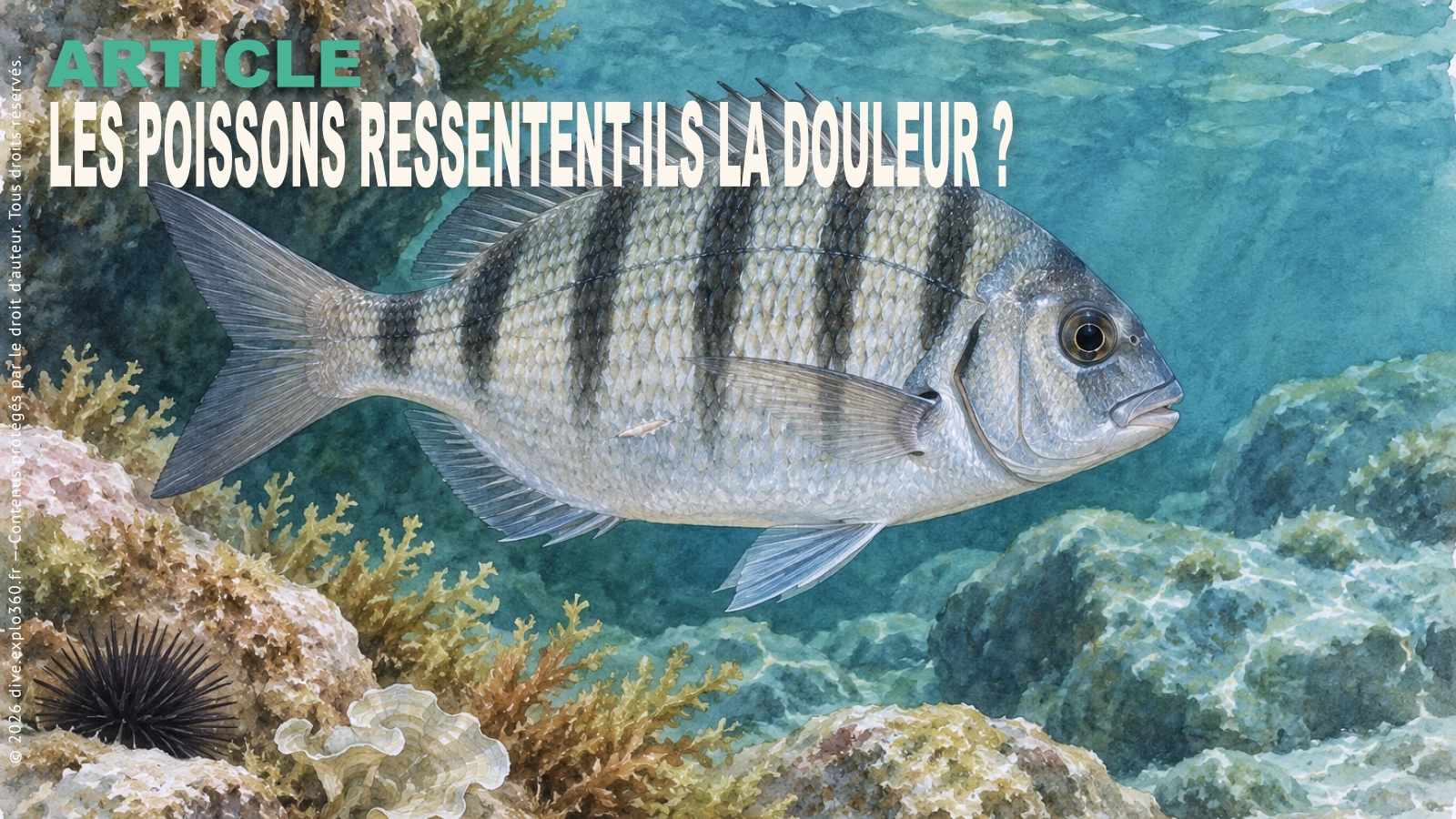
A seabream with a small healed mark among Mediterranean rocks. One observation cannot establish whether the fish is in pain. Available1/3 public · licence required for the rest

Multiple marine regions

MediterraneanAtlantic

Way of life · Behaviour

Do fish feel pain?

A fish with an injured mouth swims past. Another has a scar but keeps eating. Does that mean nothing hurts? Fish cannot tell us, and their faces are hard for us to read. Scientists look for several clues to what they…

6–10 years 11–14 years 15–17 years Adults (18+)
UnderstandingPublic 7 min · Lic. 15 min 15 / 16 Read the article
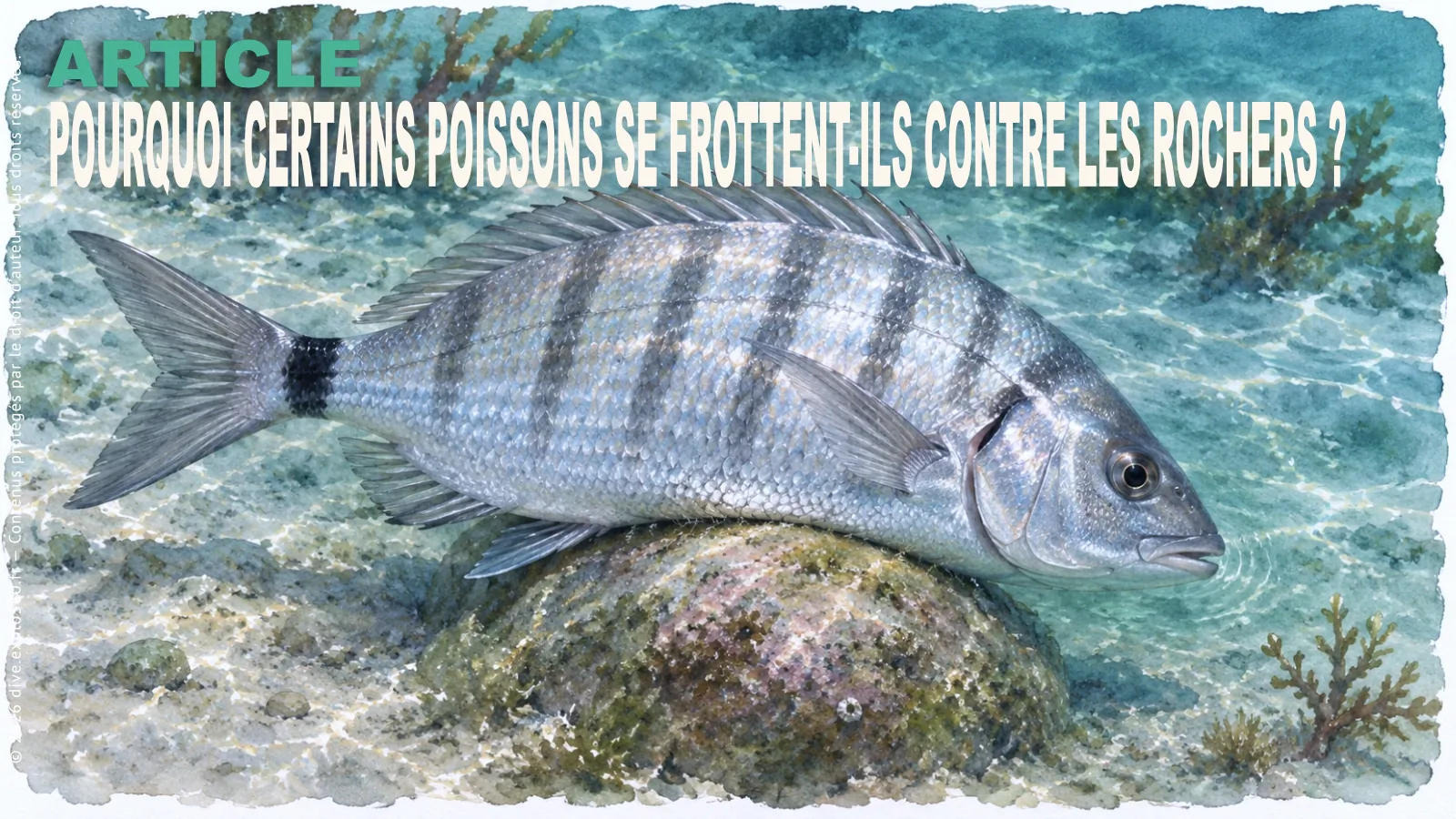
A seabream tips its flank against a stone. The movement can have several causes; the picture does not show a definite parasite. Available1/3 public · licence required for the rest

Multiple marine regions

MediterraneanAtlantic

Way of life · Behaviour

Why do some fish rub against rocks?

A seabream leaves its shoal, tips sideways and brushes its flank against a stone. Then it swims away. Why? Irritated skin or parasites might be involved, but there are other possibilities. Fish do this in rivers and at…

6–10 years 11–14 years 15–17 years Adults (18+)
UnderstandingPublic 8 min · Lic. 19 min 16 / 16 Read the article

16 articles · 146 min