Seeing how the roles fit together
Primary producers use energy to build organic matter. Feeding transfers some of it to other organisms, and remains can be eaten or broken down. The species involved can also reshape the habitat. Ecological roles describe those effects and help explain how several functions can arise from the activity of one species.
Primary producers: the source of organic matter
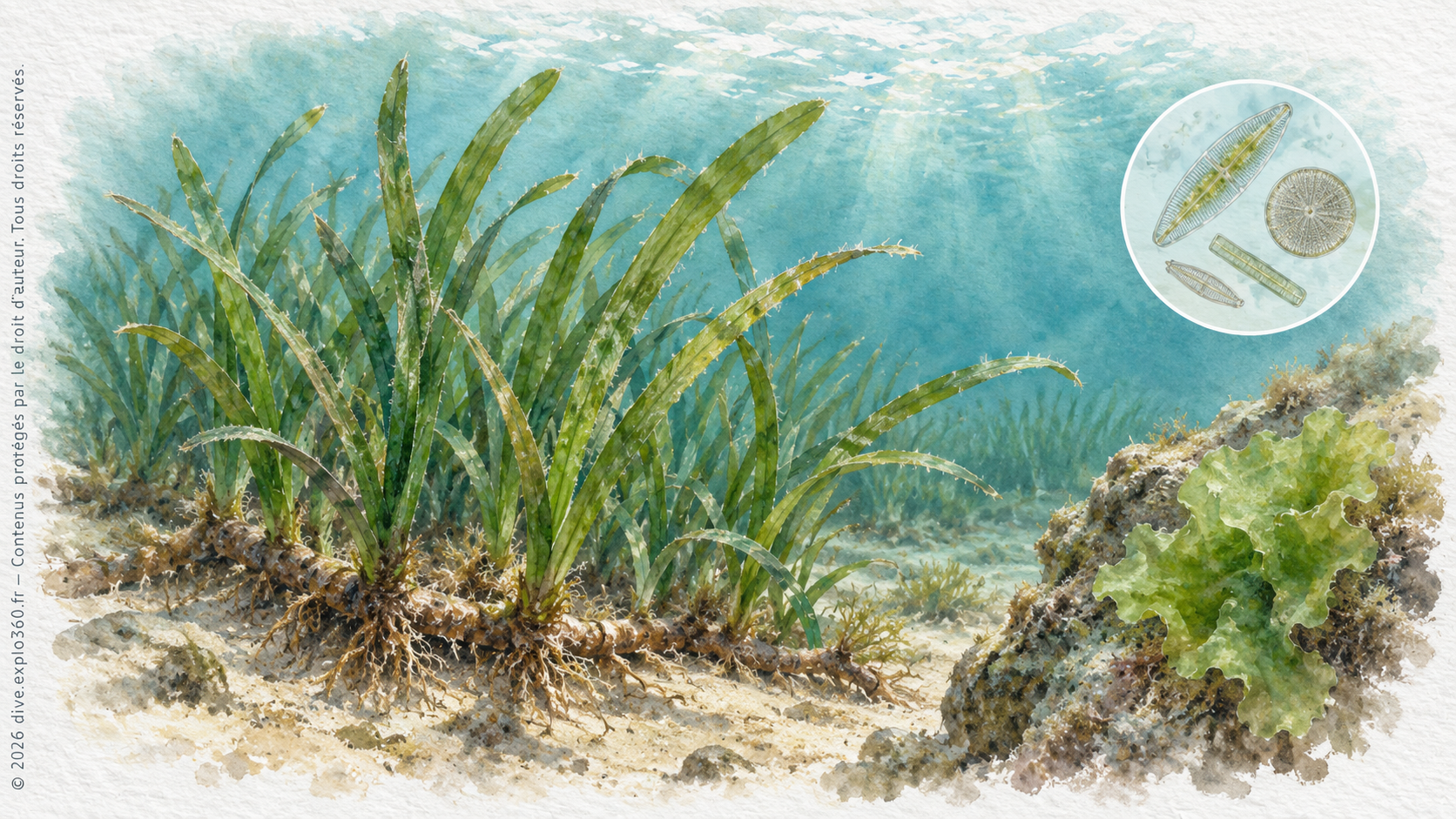
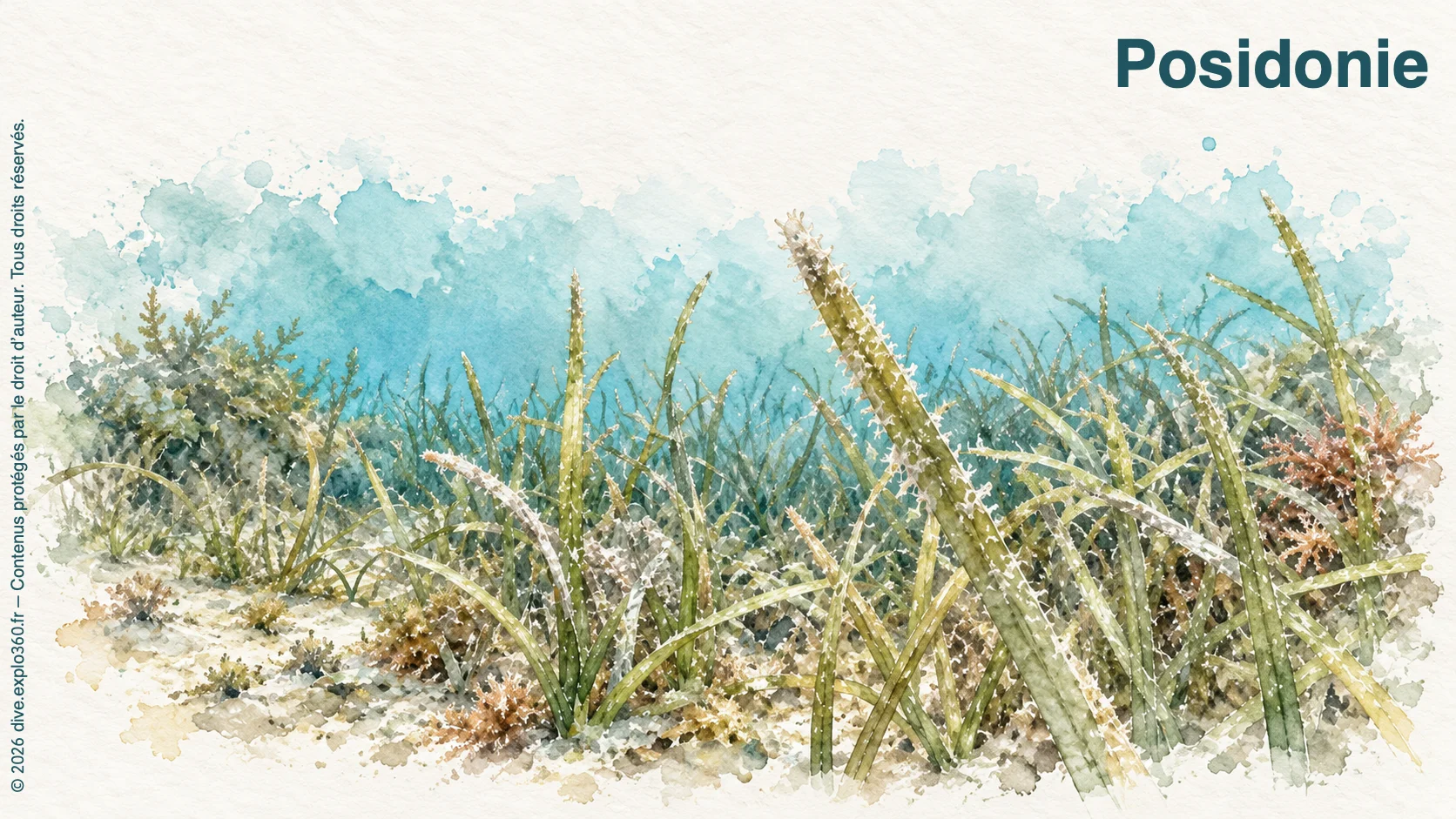
In a seagrass meadow, Neptune grass (Posidonia oceanica) uses light to produce sugars from water and carbon dioxide. This is photosynthesis. It supplies organic matter, the carbon-based material made and used by living things. The plant also uses nutrients from its surroundings to build tissue.
Primary producers therefore introduce material into the food web that other organisms can use. Algae and phytoplankton, microscopic photosynthetic organisms suspended in the water, perform this function too. Some production is grazed; some becomes debris or dissolved substances. In certain deep habitats without light, microbial producers use energy from chemical reactions. Some combine photosynthesis with using organic matter, including by consuming other organisms: this is mixotrophy, or mixed nutrition.
Marine ecosystem engineers
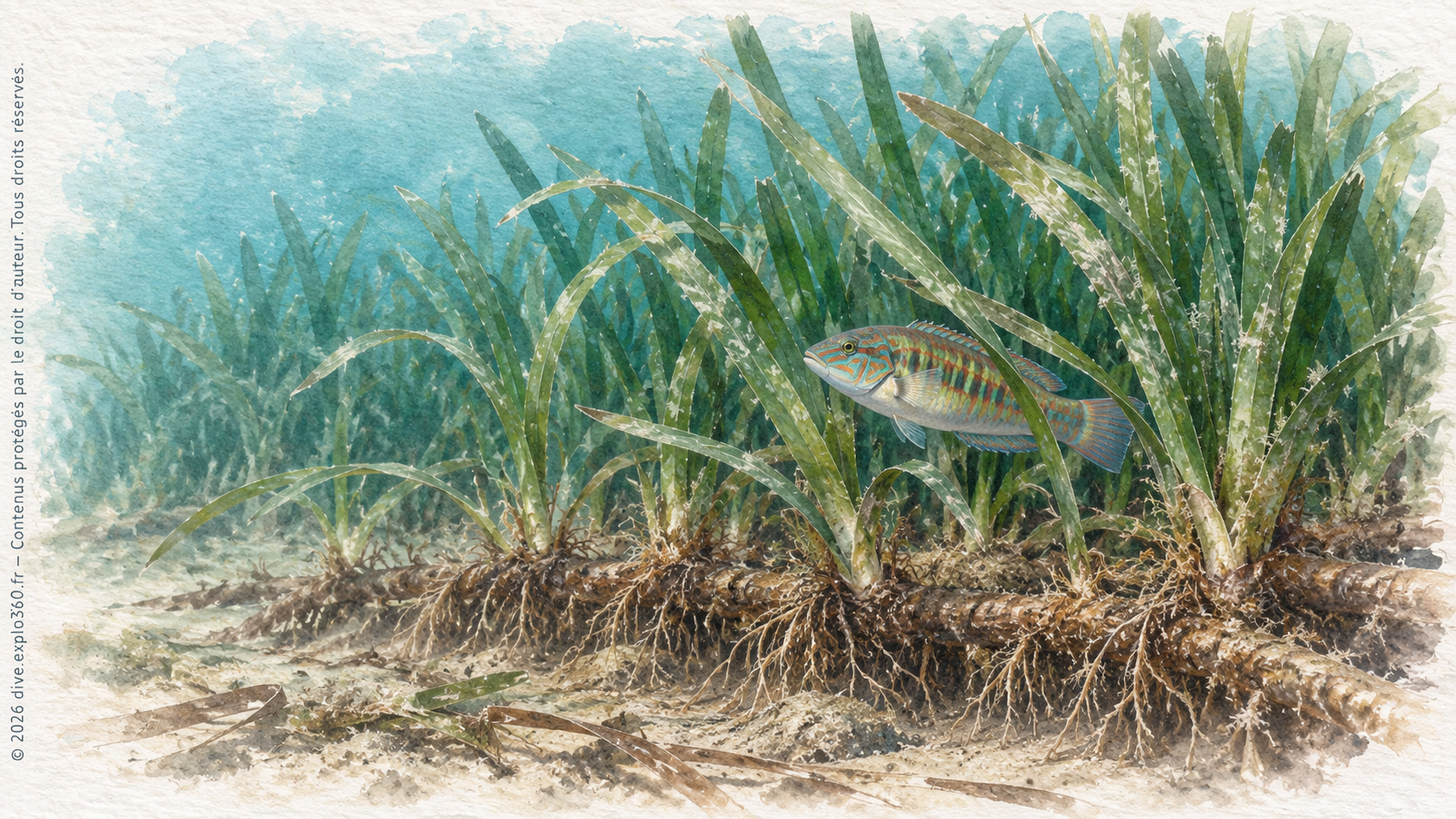
A seagrass meadow changes the habitat’s structure: its leaves provide surfaces and spaces where animals can shelter. Rhizomes, stems extending through the sediment, and roots help hold it in place. Different conditions develop within and around the meadow.
An ecosystem engineer is an organism whose physical changes to its surroundings alter resources or conditions available to others. The function concerns the effects of its presence and growth. Neptune grass (Posidonia oceanica) illustrates combined functions: it produces material and also structures a habitat. Effects vary with the condition and density of the meadow.
Reefs built by certain corals in tropical seas and forests of large brown seaweeds in some temperate seas illustrate other forms of habitat creation. Their structures provide shelter and surfaces occupied by other organisms. The species involved and the conditions required differ from those of a seagrass meadow.
Marine herbivores and their influence on vegetation
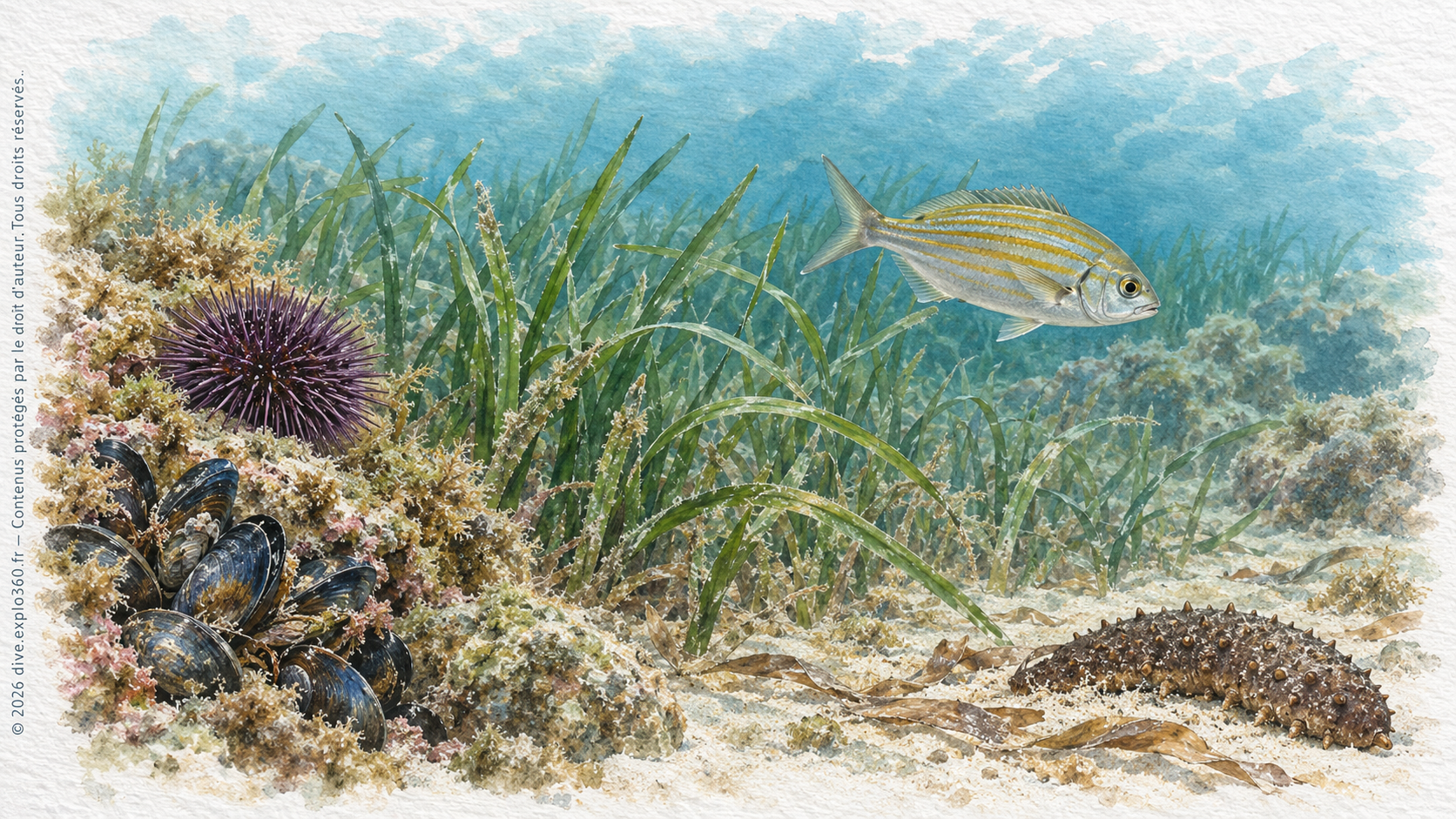
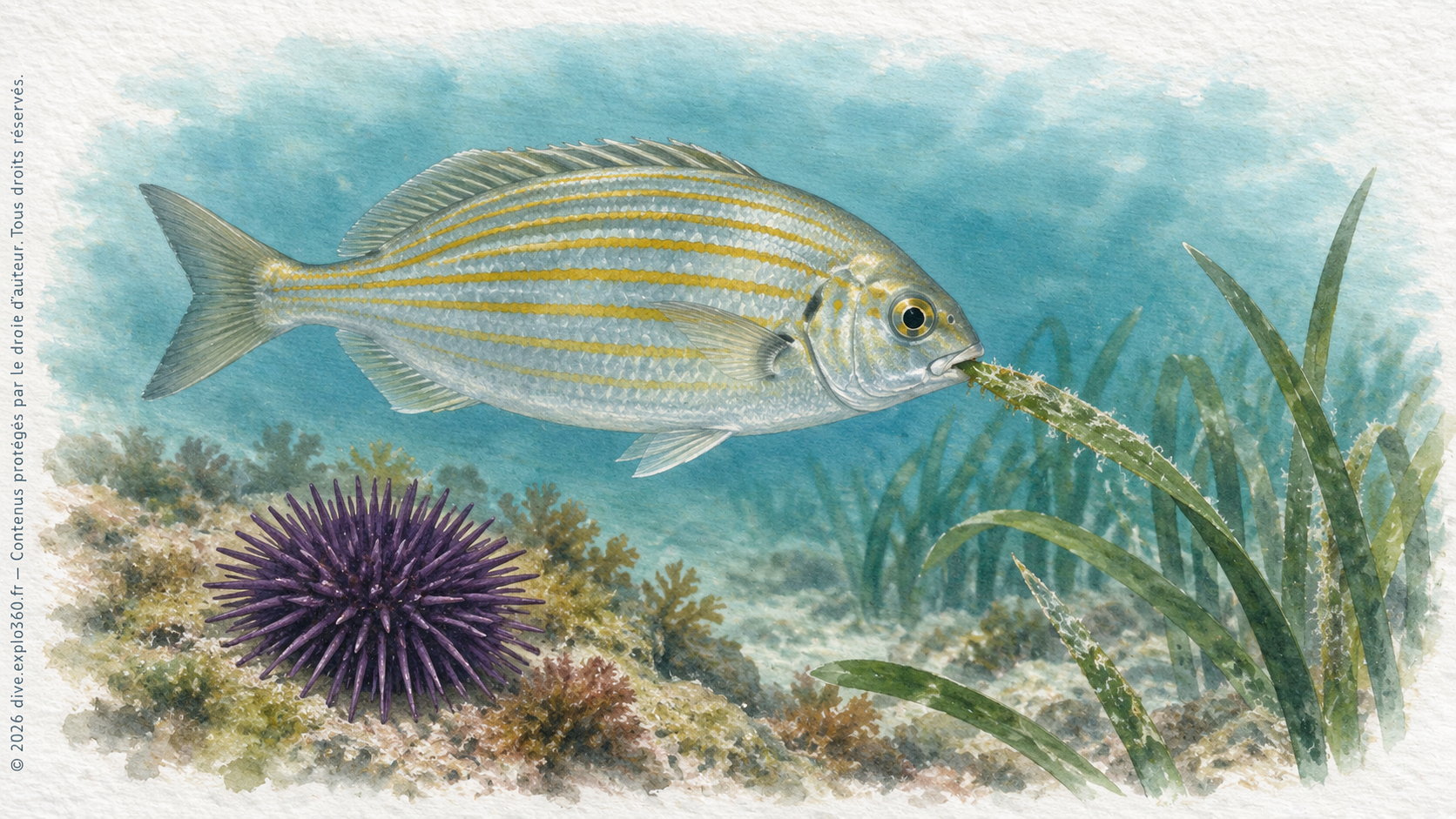
Adult salema (Sarpa salpa) and purple sea urchins (Paracentrotus lividus) can consume some marine vegetation. Herbivory, the consumption of plants or algae, passes their material to consumers.
Grazing also changes biomass, the amount of living material present, and may alter the space available for regrowth or other organisms. Its outcome depends on the consumers present and on plant production, among other factors. It can limit some algae; strong grazing pressure may also greatly reduce their cover. How much cover remains depends on how fast vegetation grows back as well as how heavily it is grazed.
Filter-feeding organisms
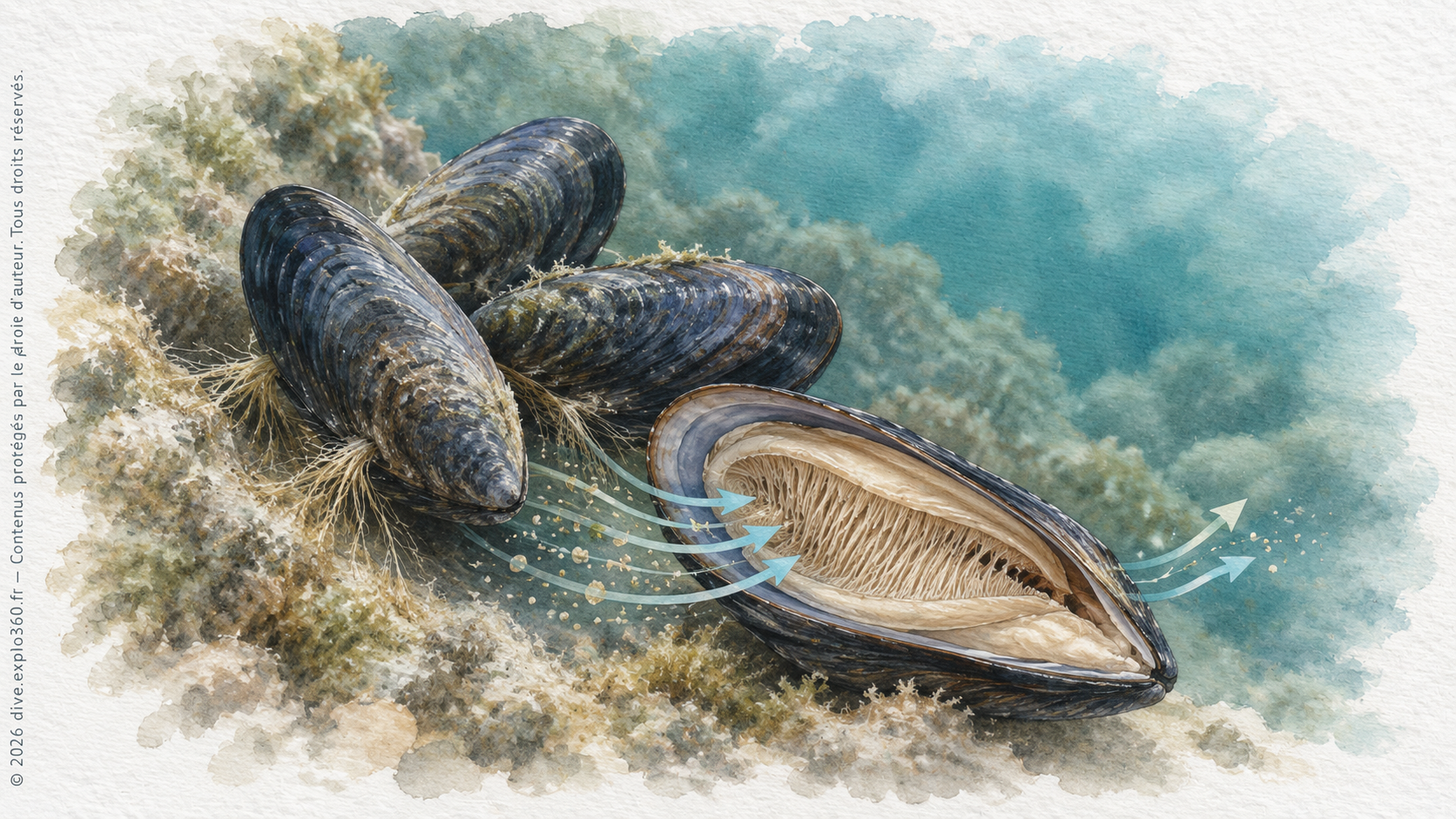
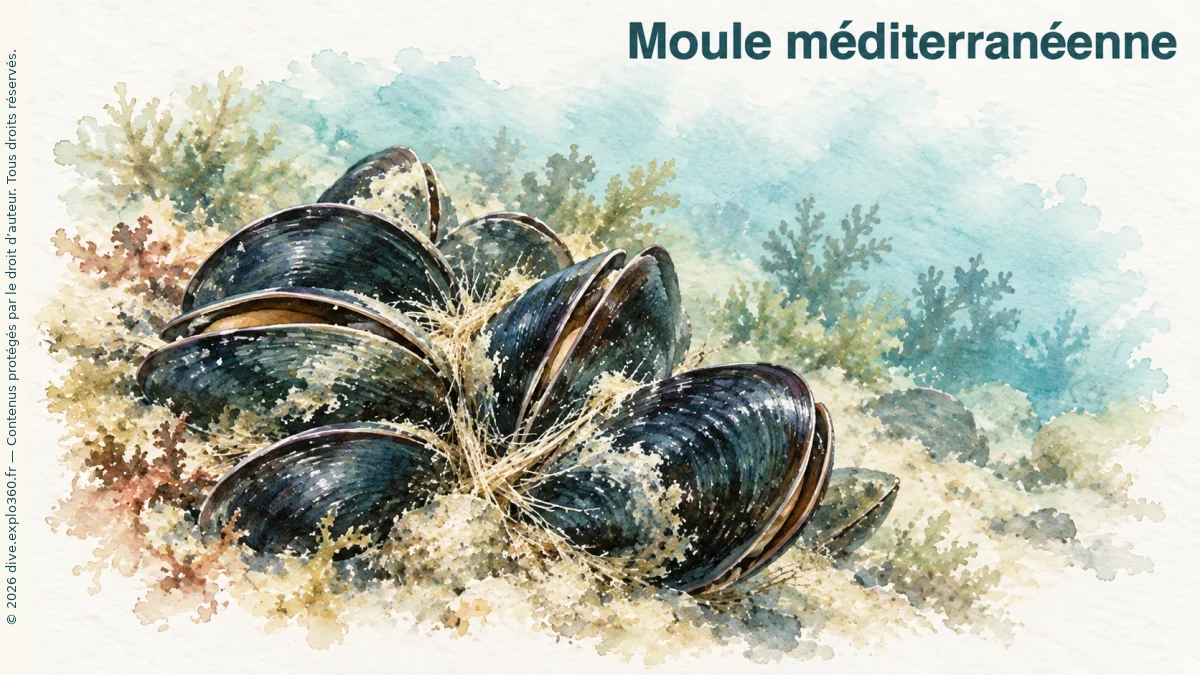
The Mediterranean mussel (Mytilus galloprovincialis) collects food particles as water passes through its body. Its gills help trap particles as well as exchange gases with the water. Some of the particles are moved towards the mouth.
Filter feeding transfers suspended material to an animal attached to the seabed. The mussel assimilates some of it, incorporating it into its body or using it to live. Material it rejects can reach the sediment, and predators can take up some of the material that the mussel assimilates. How much is transferred along each route depends on the species and conditions.
Predators and their prey
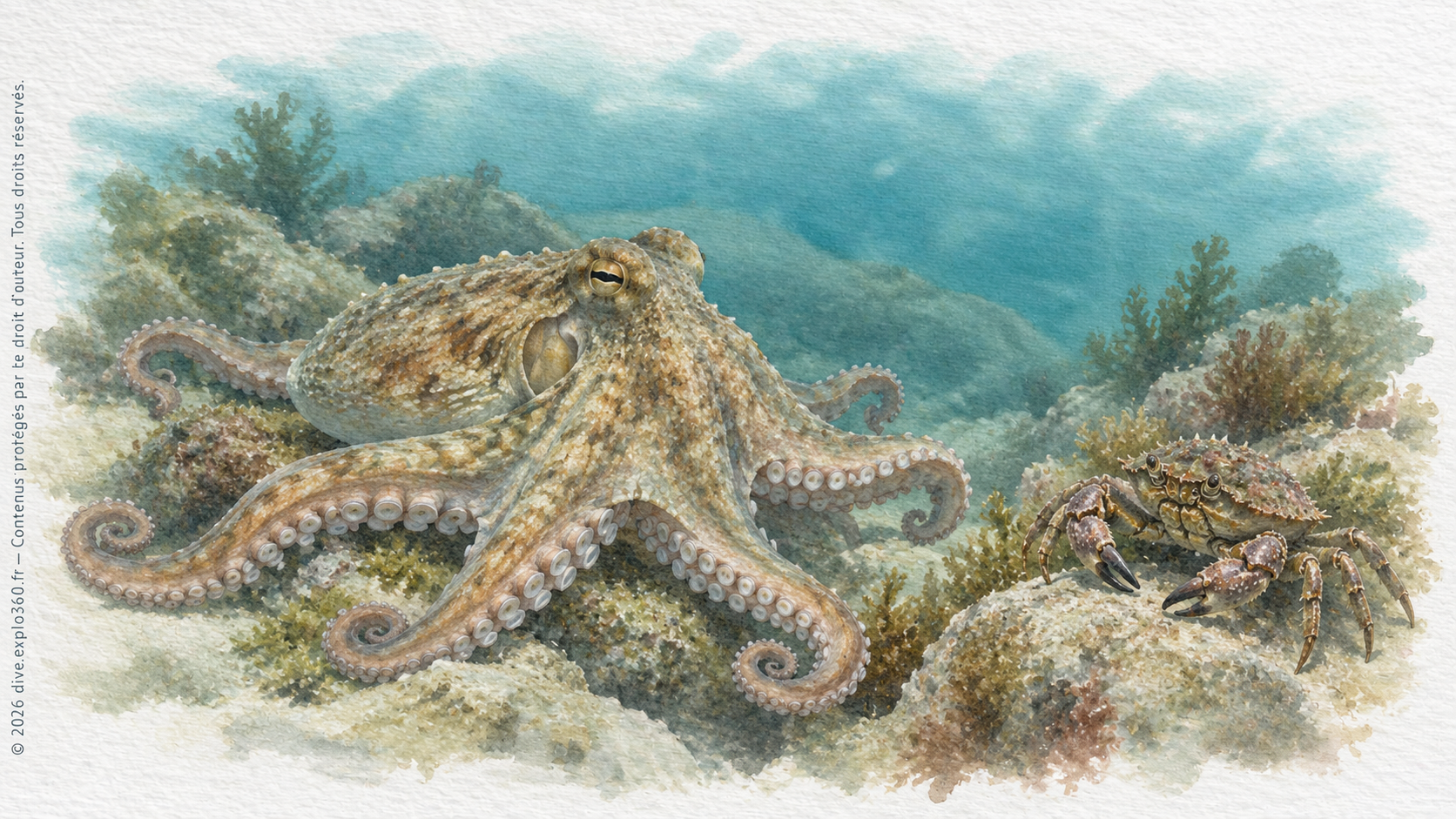
The common octopus (Octopus vulgaris) catches various animals, including crustaceans and molluscs. Predation transfers material between prey and consumer. It contributes to prey mortality and may also alter where prey move or how they use shelter.
Effects across a population depend on capture frequency and other processes changing its numbers. Observing a meal cannot show that the predator alone controls the population. Species often have several prey species and several predators.
Top predators and trophic levels
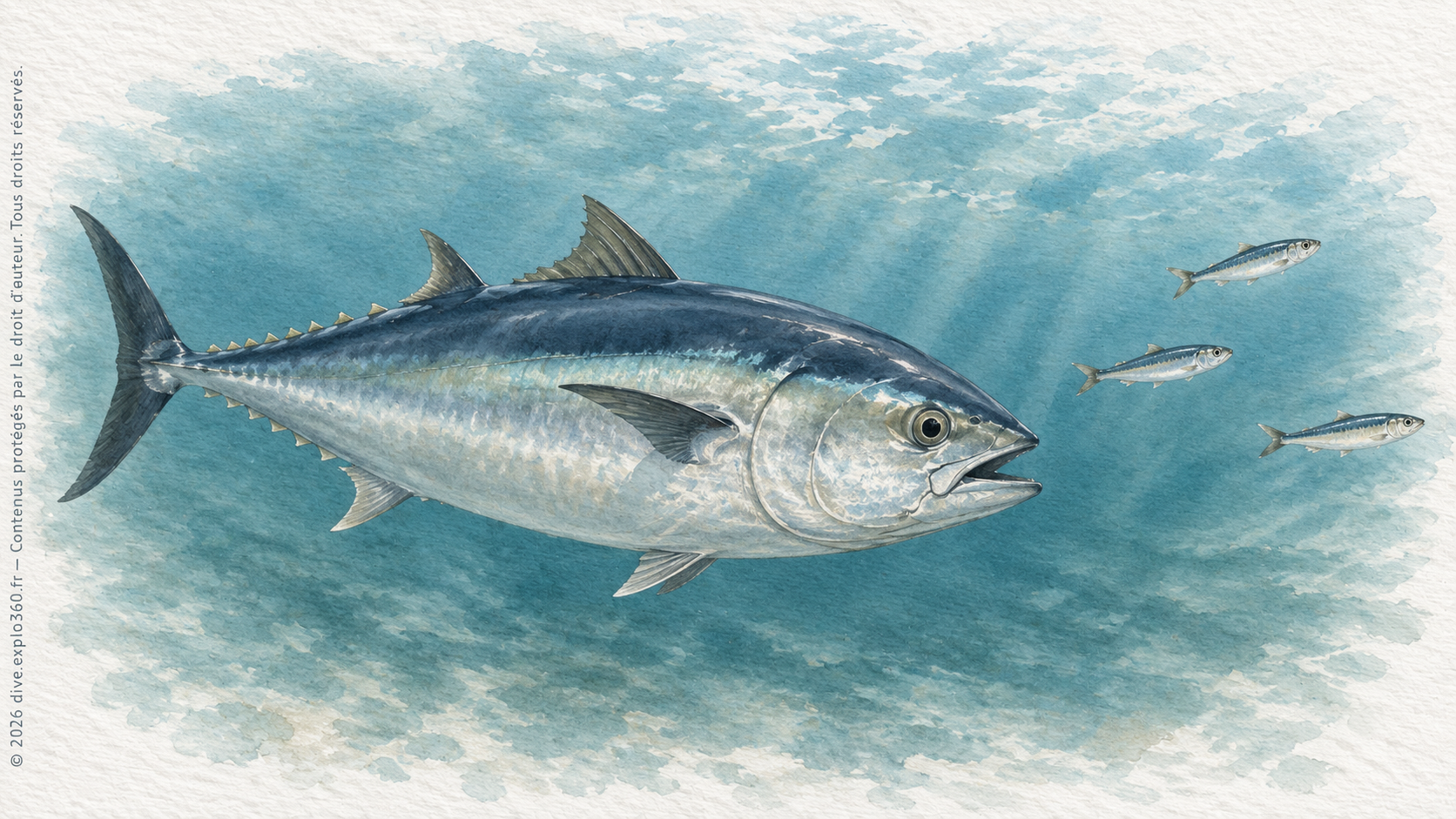
Atlantic bluefin tuna (Thunnus thynnus) eat prey with varied diets of their own. Large individuals may occupy high positions in feeding relationships. A trophic level, a position linked to feeding, depends on the prey consumed.
Diet and predation risks change with body size and life stage. Calling a species a large predator does not mean all its individuals occupy a fixed position. Indirect effects are possible: a change in predator numbers may affect prey and then the resources those prey consume. The size and direction of such effects must be studied in the habitat concerned.
Detritivores and decomposers
The tubular sea cucumber (Holothuria tubulosa) eats sediment containing particles from remains and associated organisms. This makes it a detritivore, a consumer of organic debris. Its activity moves and transforms some material on the seabed.
Decomposers include bacteria that chemically break down substances from organisms. Some elements may be released as dissolved mineral forms that producers can use. Mineralisation is the step that converts organic matter into mineral forms. Microorganisms also use some of the material to grow, so only part of it is released as dissolved minerals as decomposition proceeds.
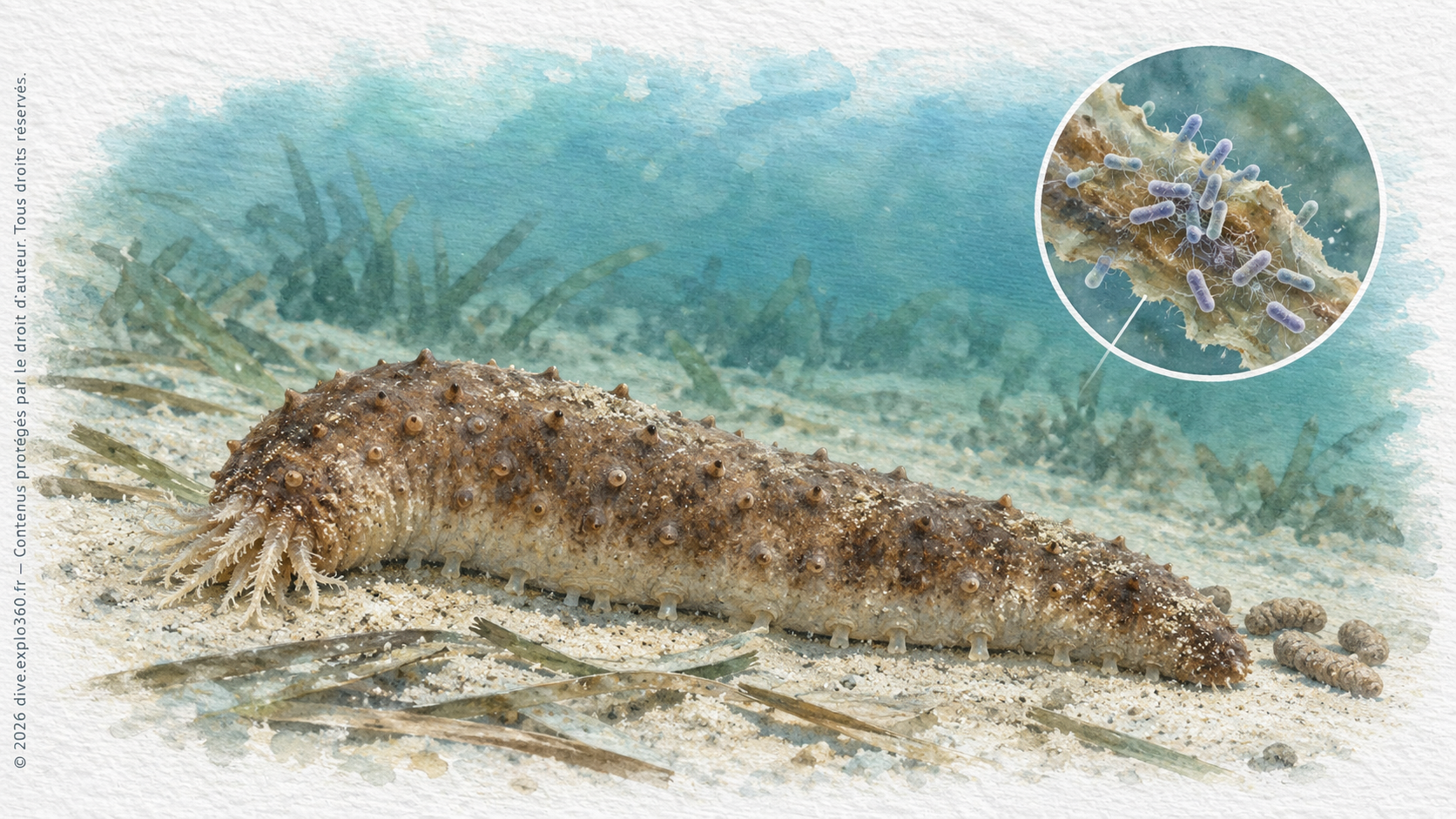
How are ecological roles connected?
A single species can produce organic matter, change the structure of a habitat and contribute debris. Detritivores, microorganisms and predators then use matter that travels along intersecting routes. Ecological roles help us trace those routes.
Chemical elements can be reused after they change form. Energy also passes through food, and organisms release part of it as heat as they live. Food webs therefore depend on a continuing source of energy.
Interactive quiz
Connect the roles
Five questions about functions and their connections. Choose one answer per question.
Interactive quiz
Connect the roles
Question 1 out of 5Score: 0
What does an ecological role describe?
Which effect of grazing can be stated without knowing the conditions?
What connection exists between filter feeders and predators?
Why distinguish detritivores from decomposers?
Does a change in predator numbers always have the same indirect effect?
Final result
Quiz completed
correct answers
Understanding the relationships we observe
Sources
Natural history accounts and references used to check the mechanisms and examples.
Explore the same world
Explore further
Species guides
 Species guidesMediterranean musselDiscover →
 Species guidesNeptune grassDiscover →
 Species guidesElephant Ear SpongeDiscover →
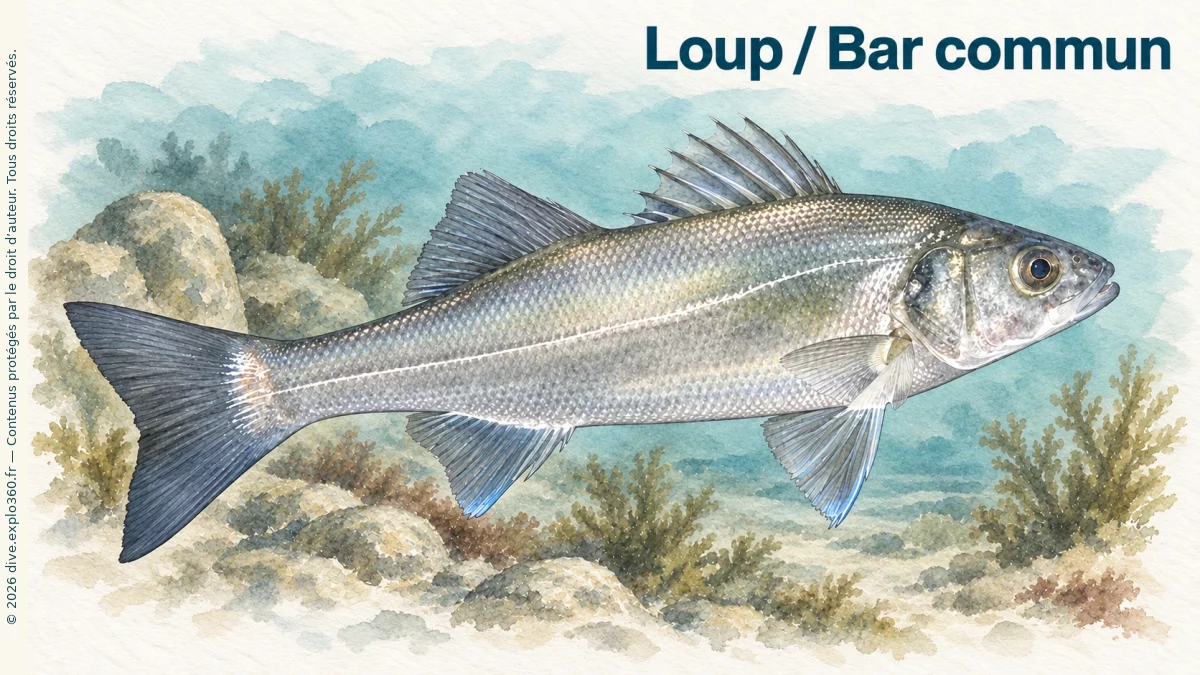 Species guidesEuropean seabassDiscover →
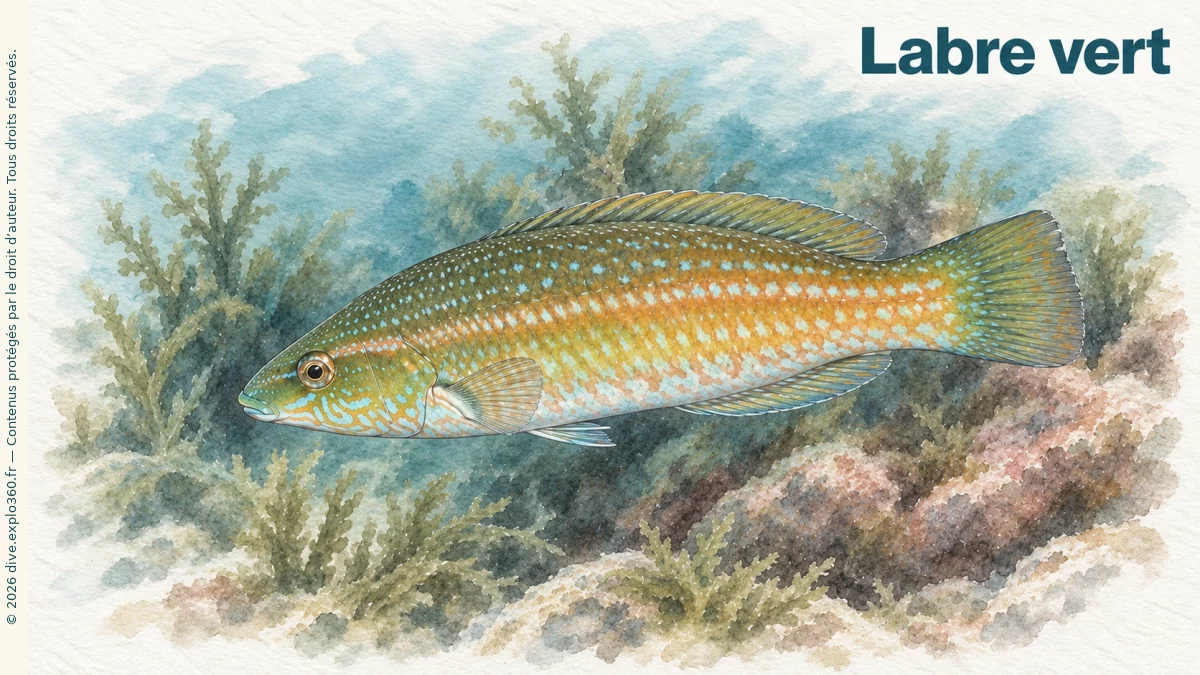 Species guidesGreen wrasseDiscover →
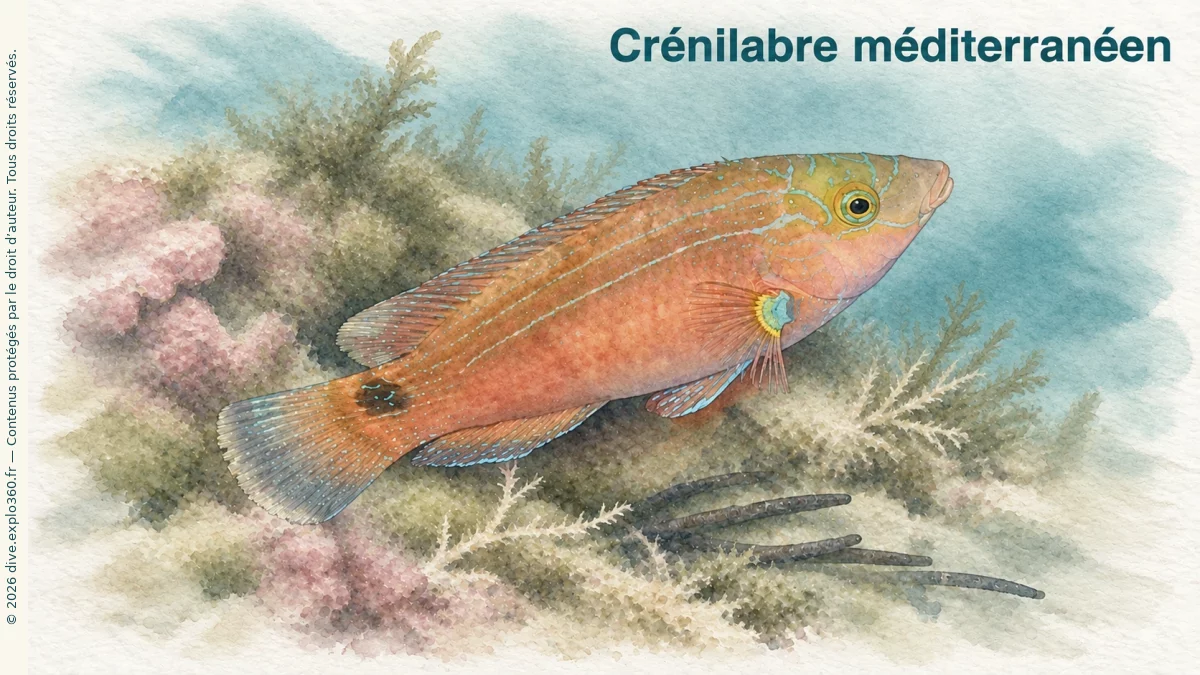 Species guidesAxillary wrasseDiscover →
View the other 106 species guides
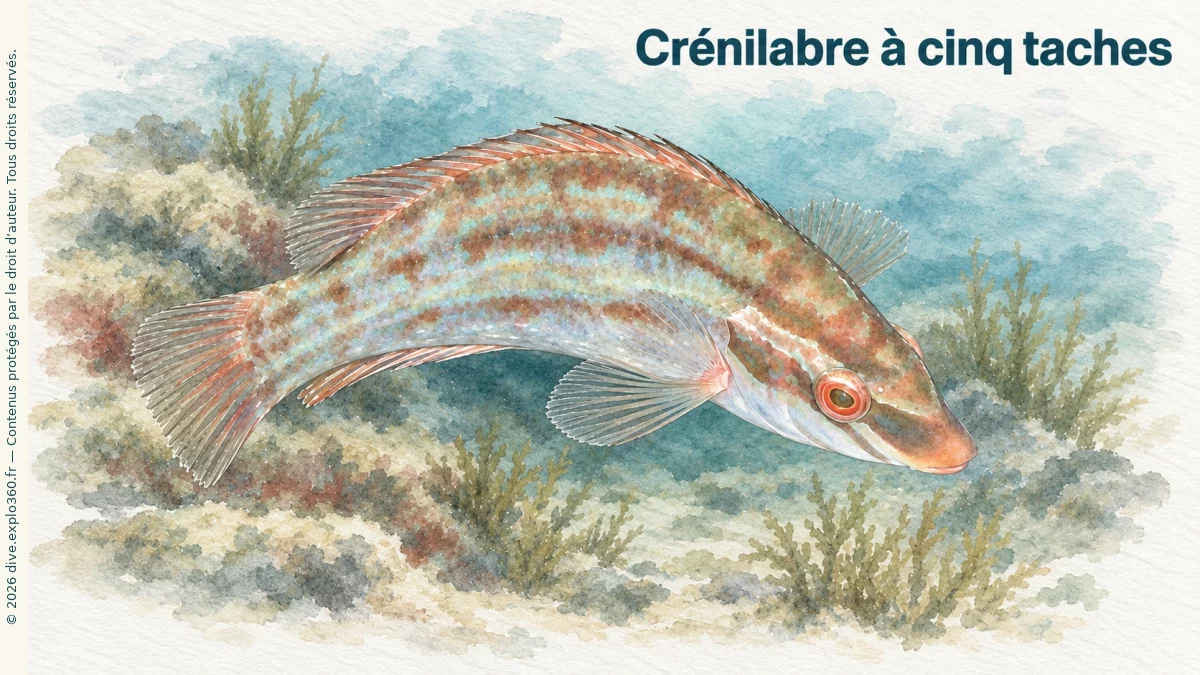 Species guidesFive-spotted wrasseDiscover →
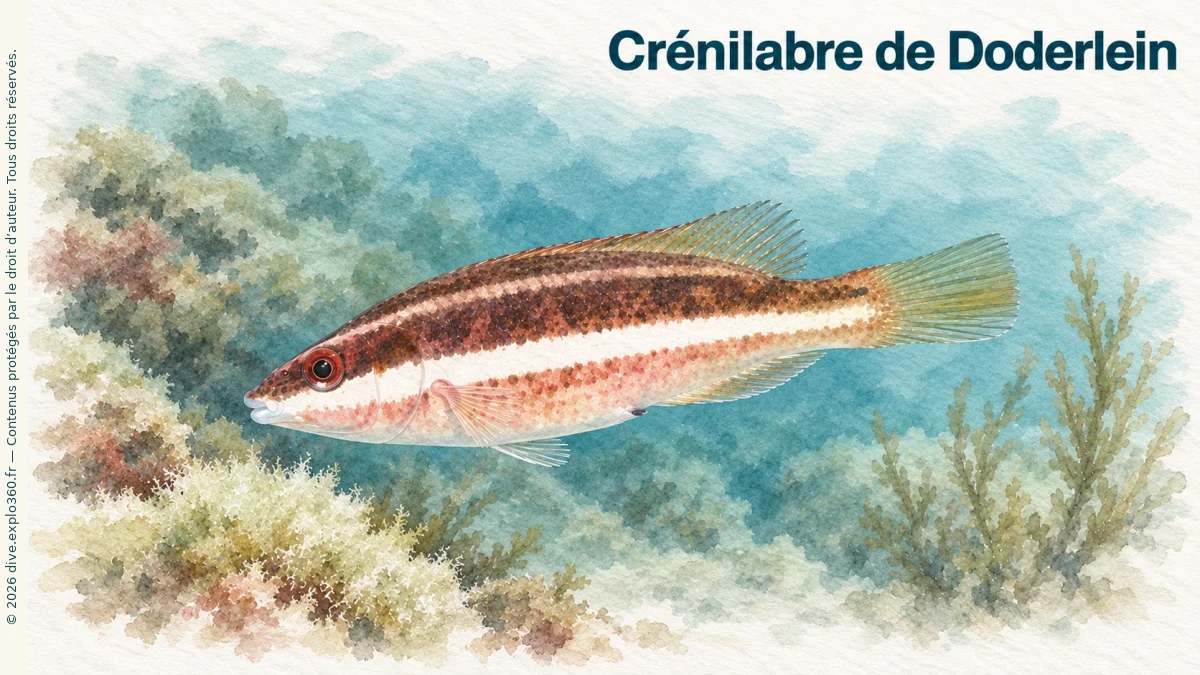
 Species guidesLong-snouted wrasseDiscover →
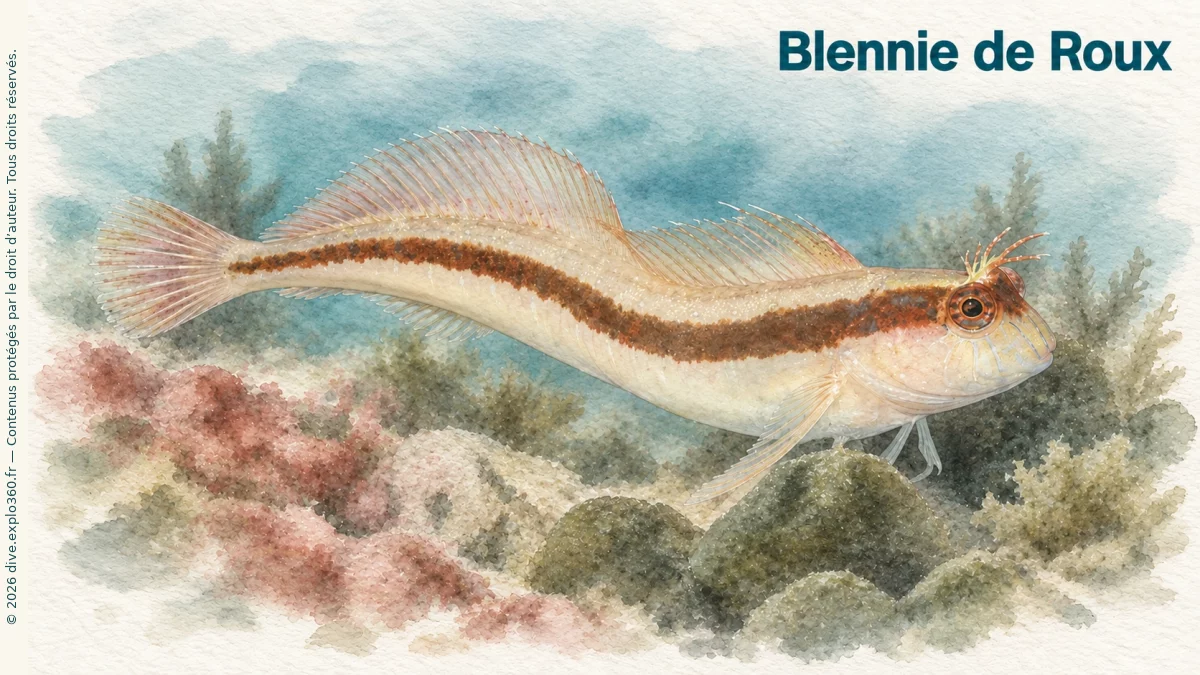
 Species guidesLong-striped wrasseDiscover →
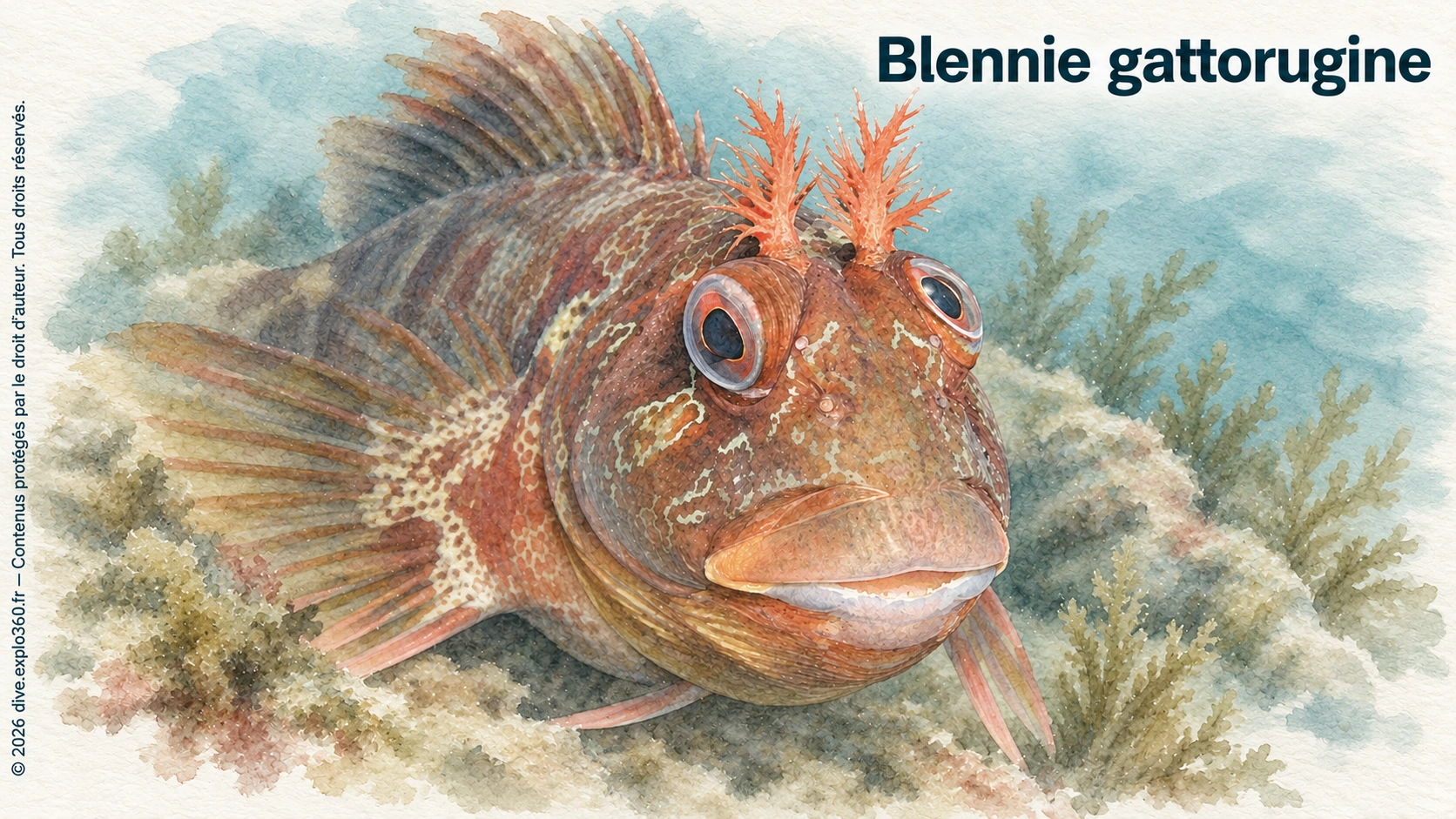
 Species guidesLong-striped blennyDiscover →
 Species guidesTompot blennyDiscover →
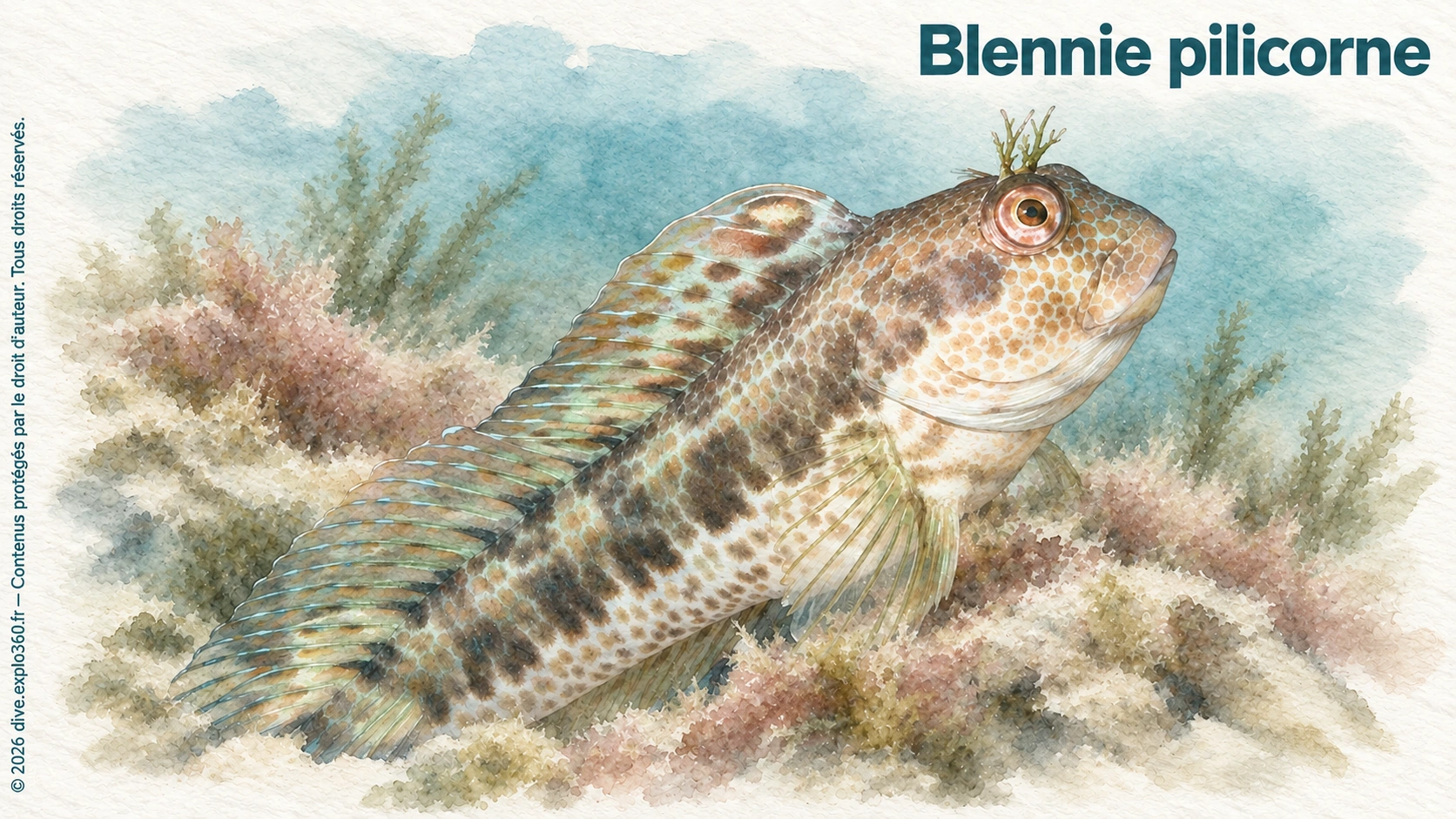 Species guidesRingneck blennyDiscover →
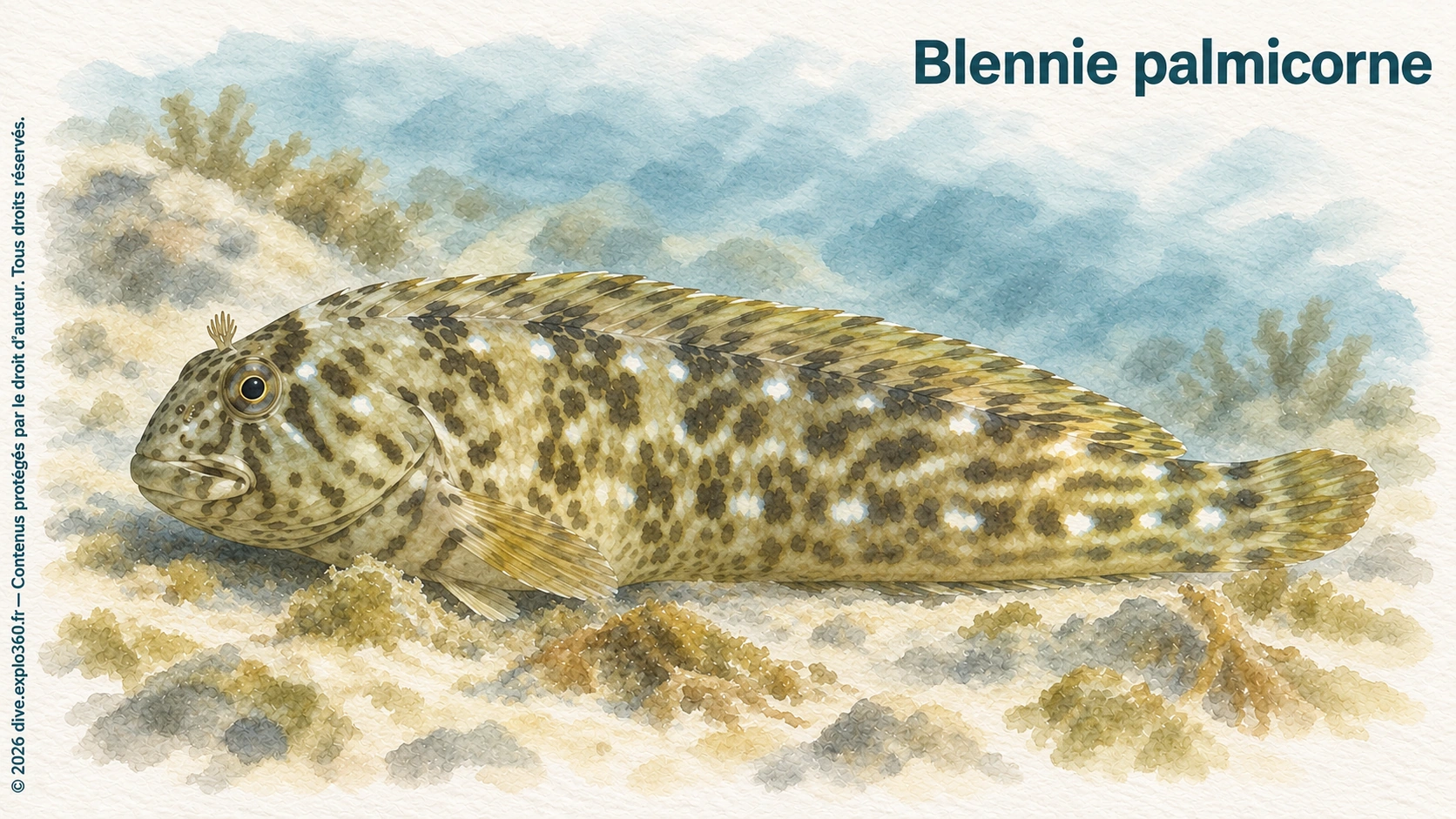 Species guidesRusty blennyDiscover →
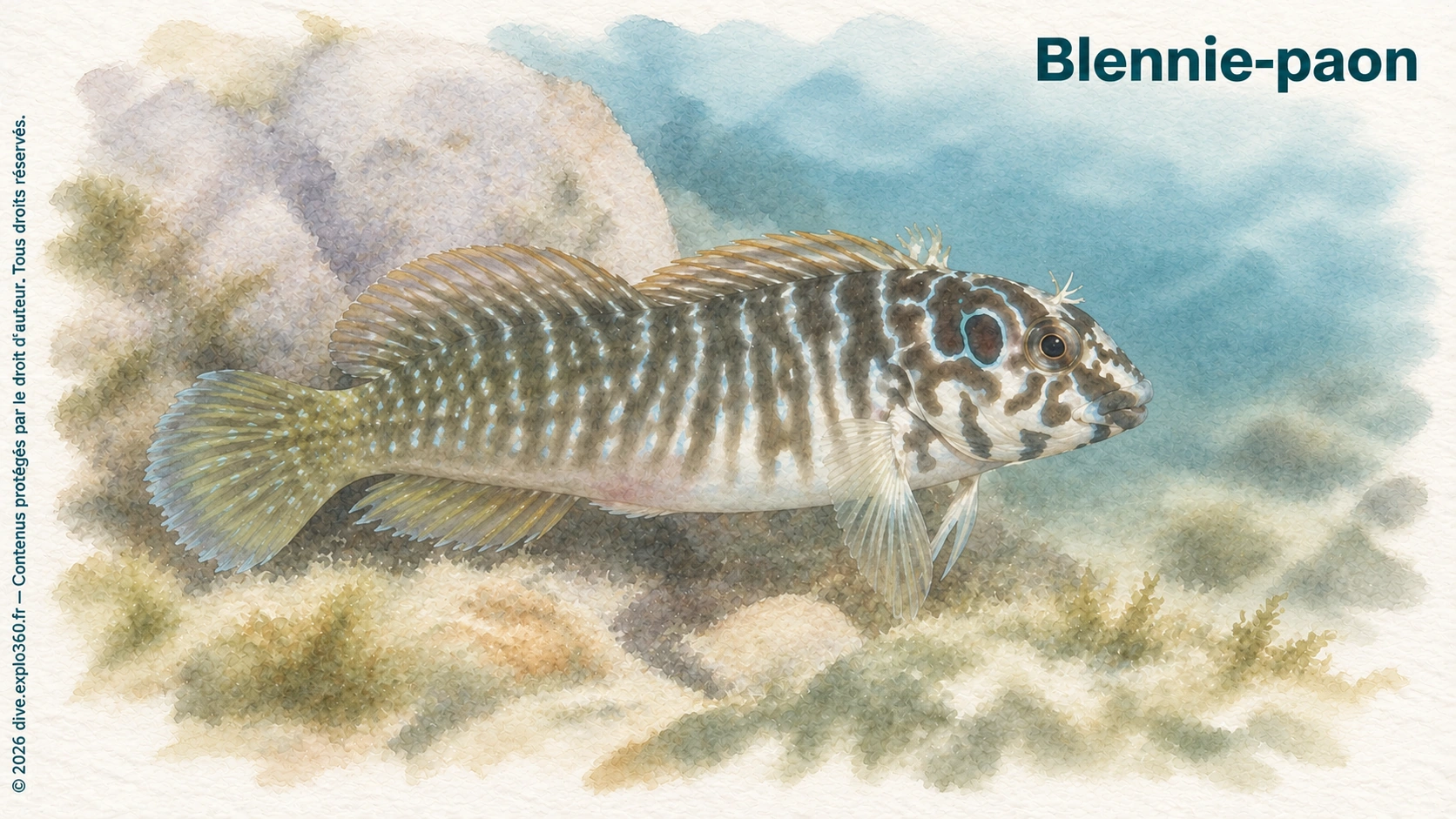 Species guidesPeacock blennyDiscover →
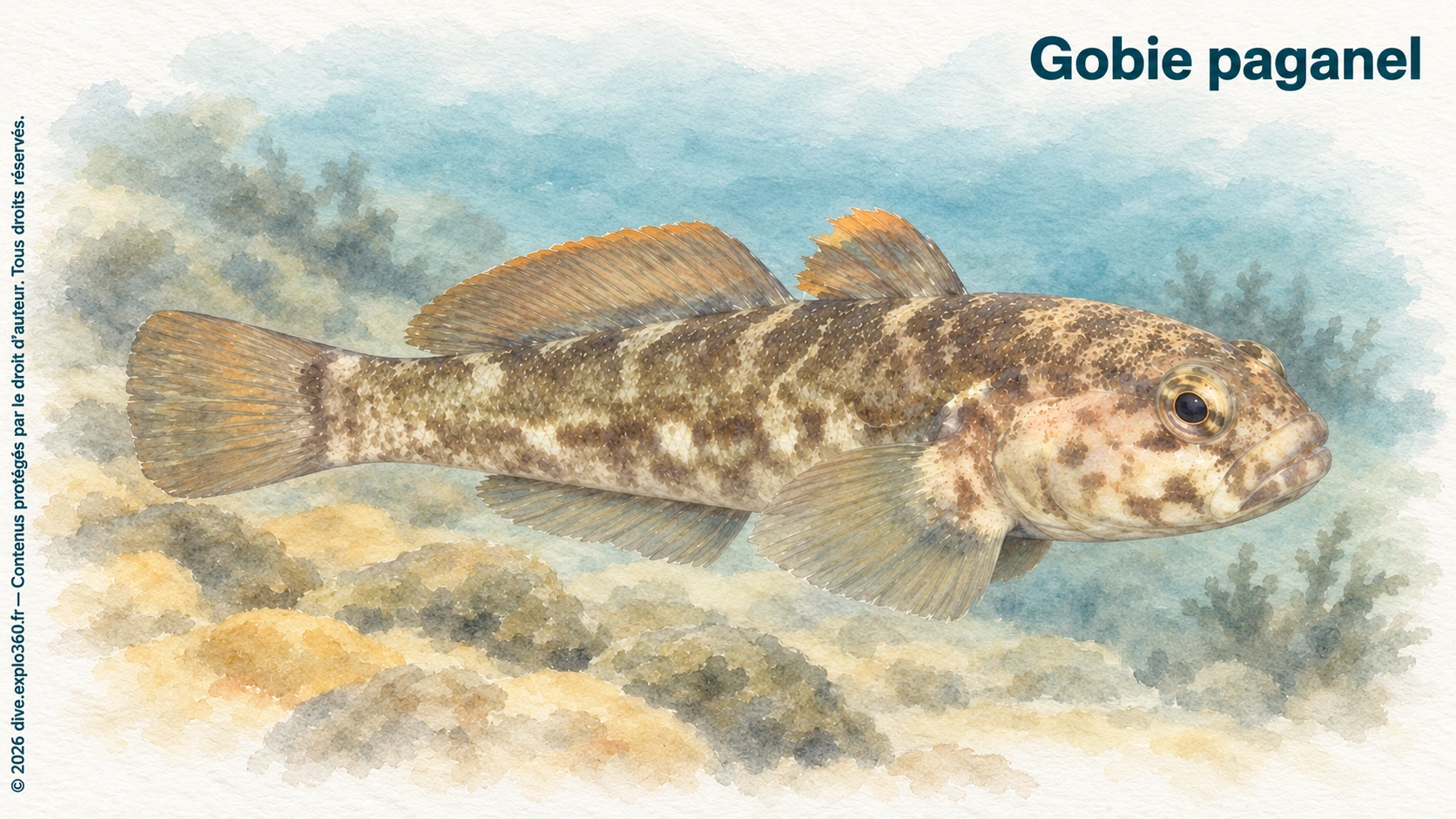 Species guidesRock gobyDiscover →
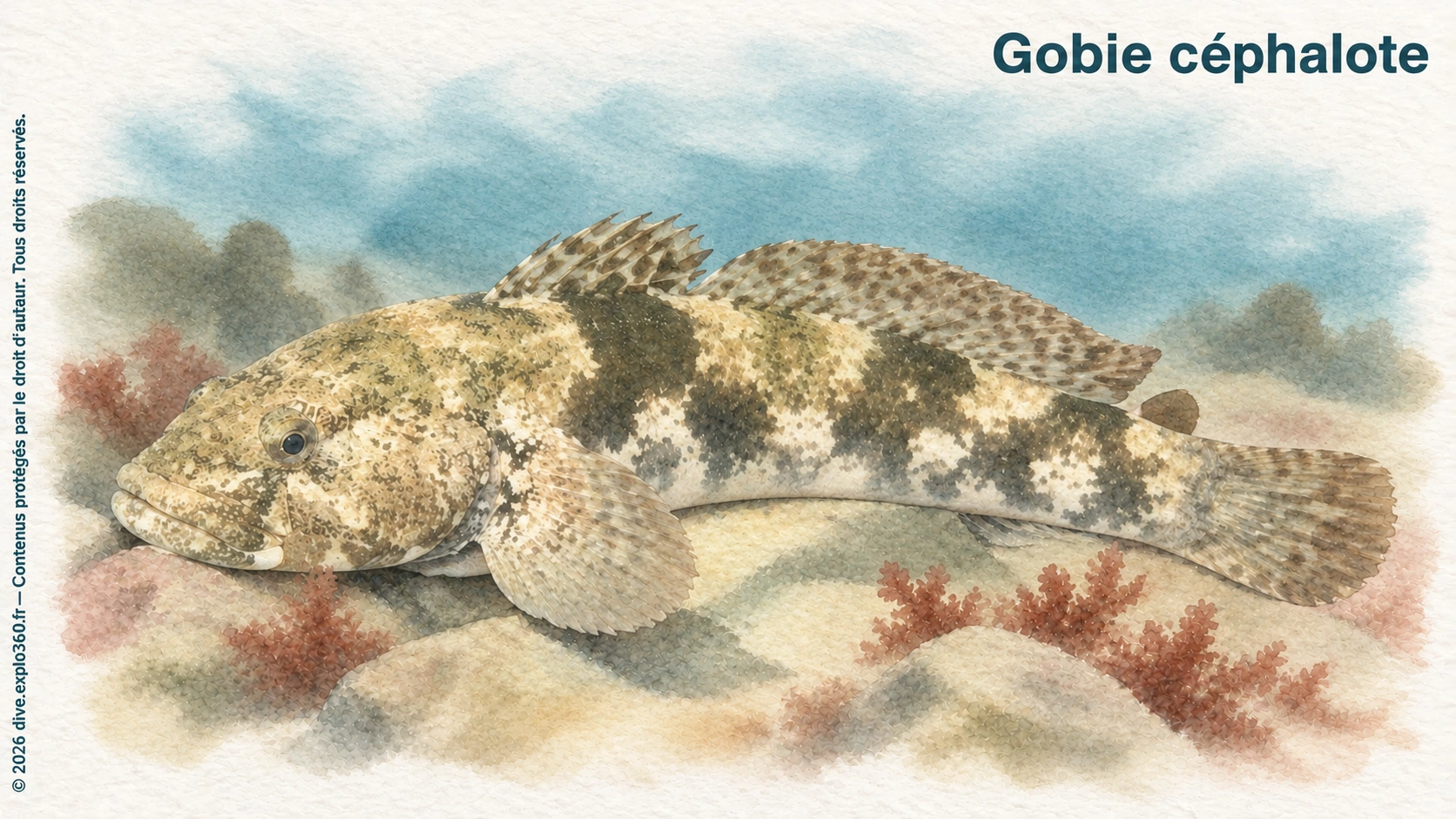 Species guidesGiant gobyDiscover →
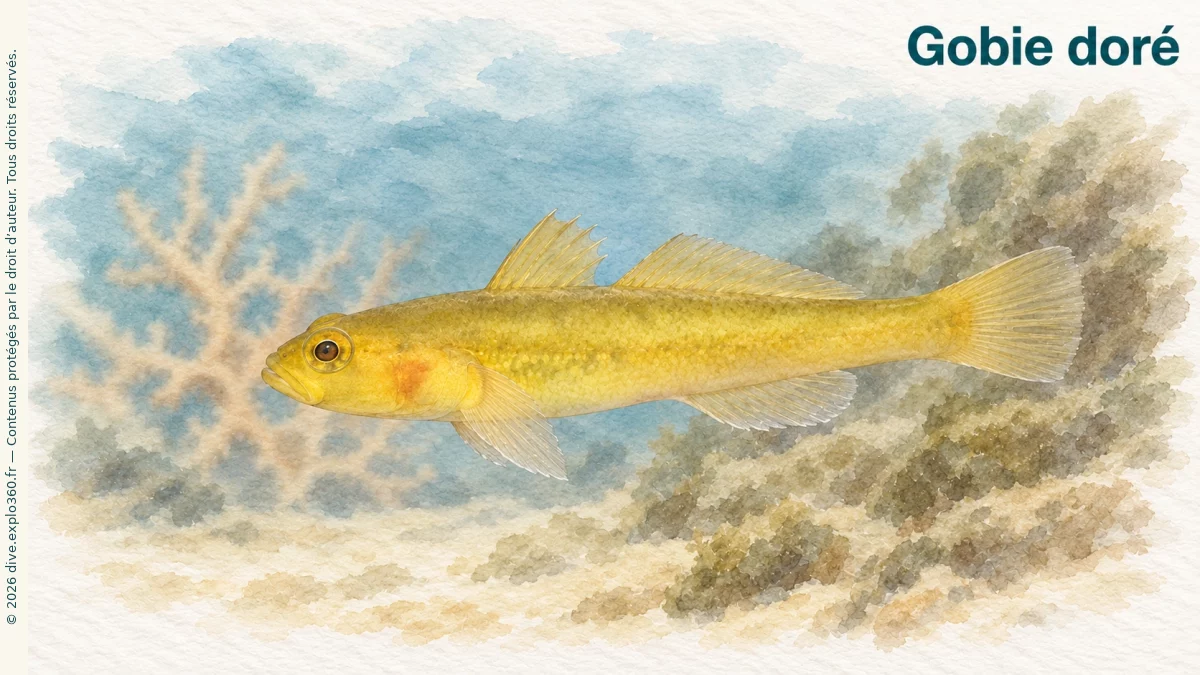 Species guidesGolden gobyDiscover →
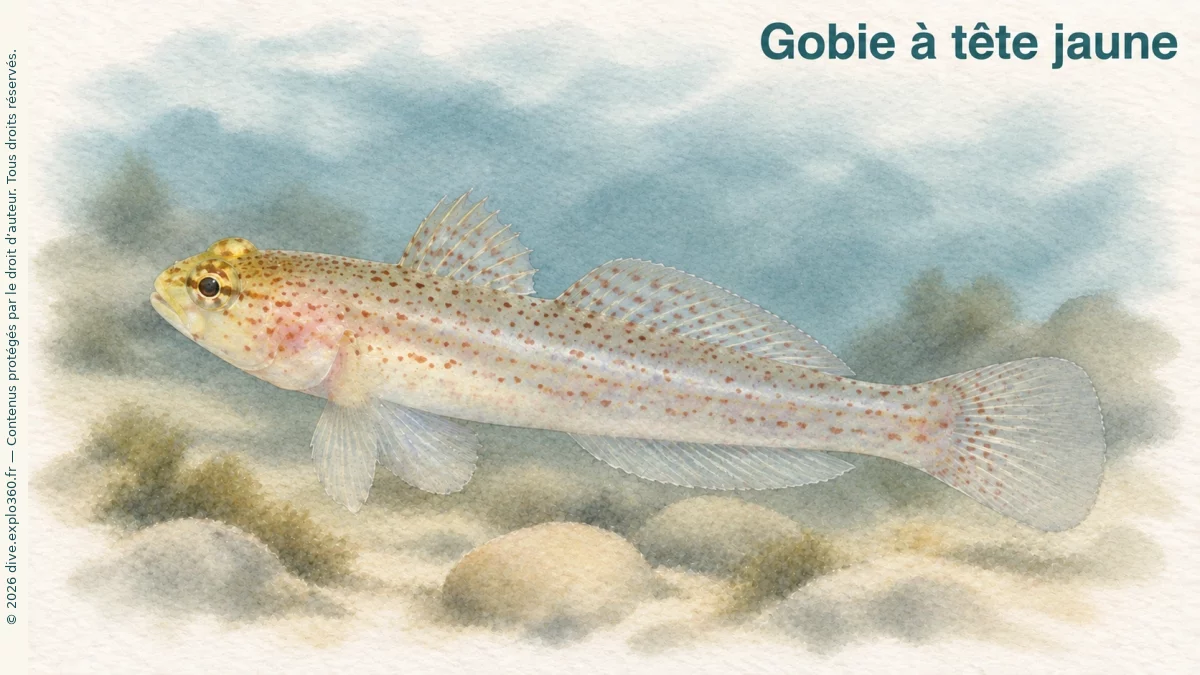 Species guidesYellow-headed gobyDiscover →
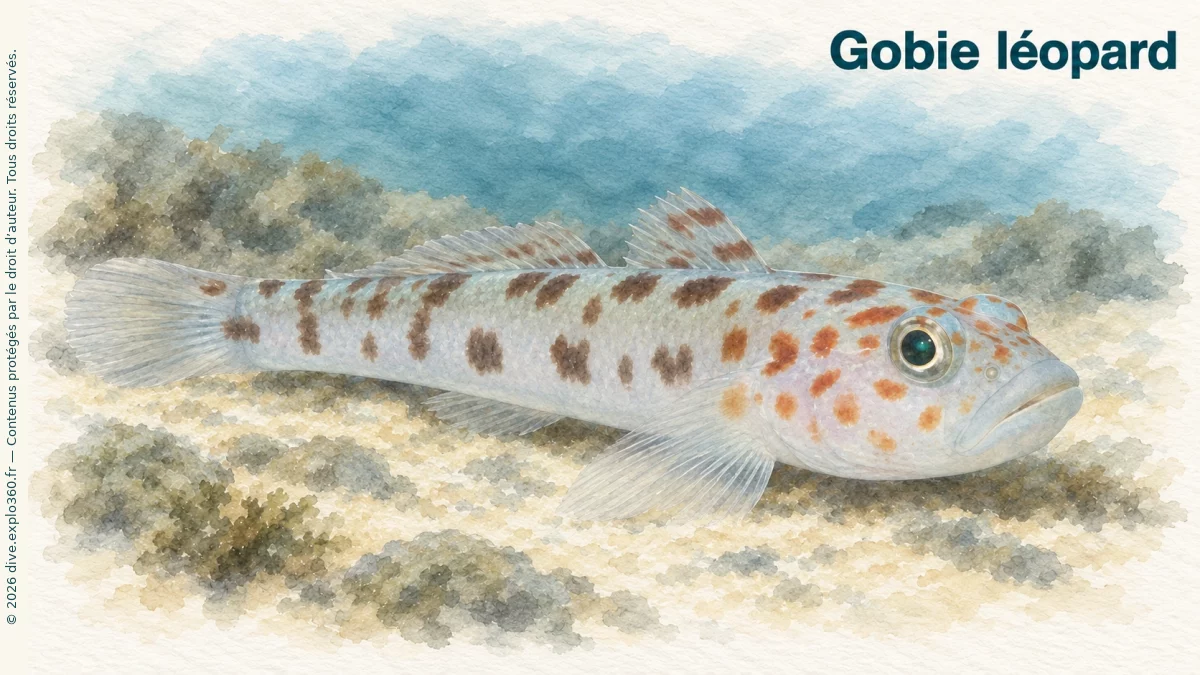 Species guidesLeopard-spotted gobyDiscover →
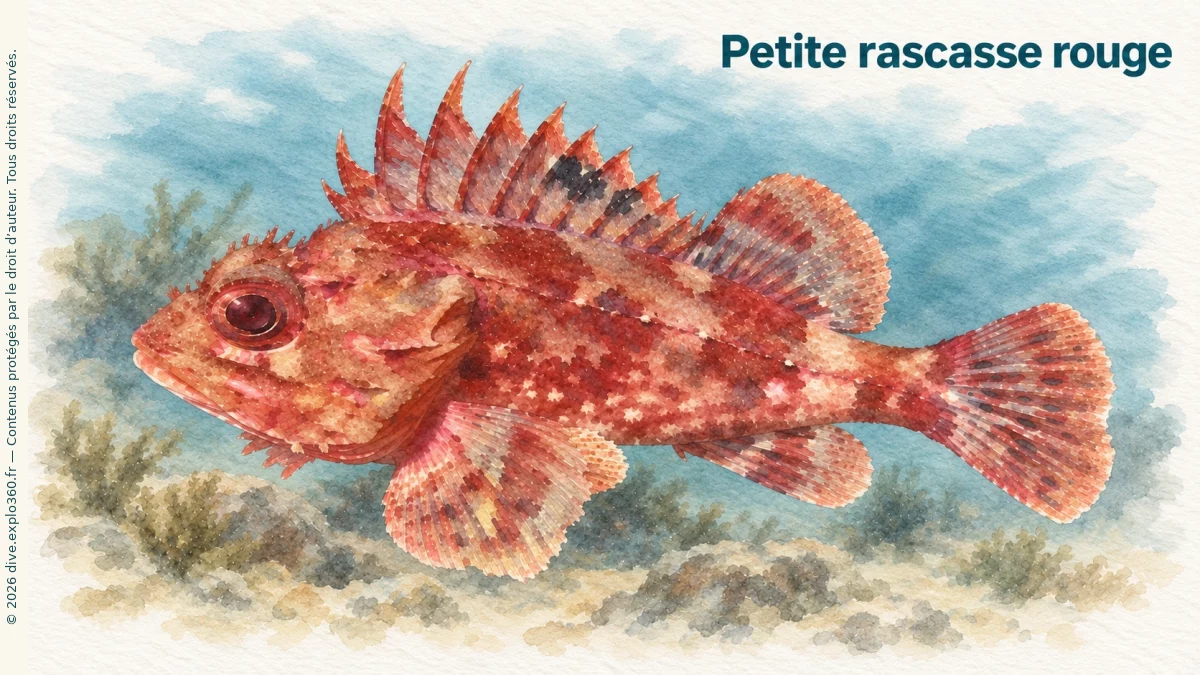 Species guidesSmall red scorpionfishDiscover →
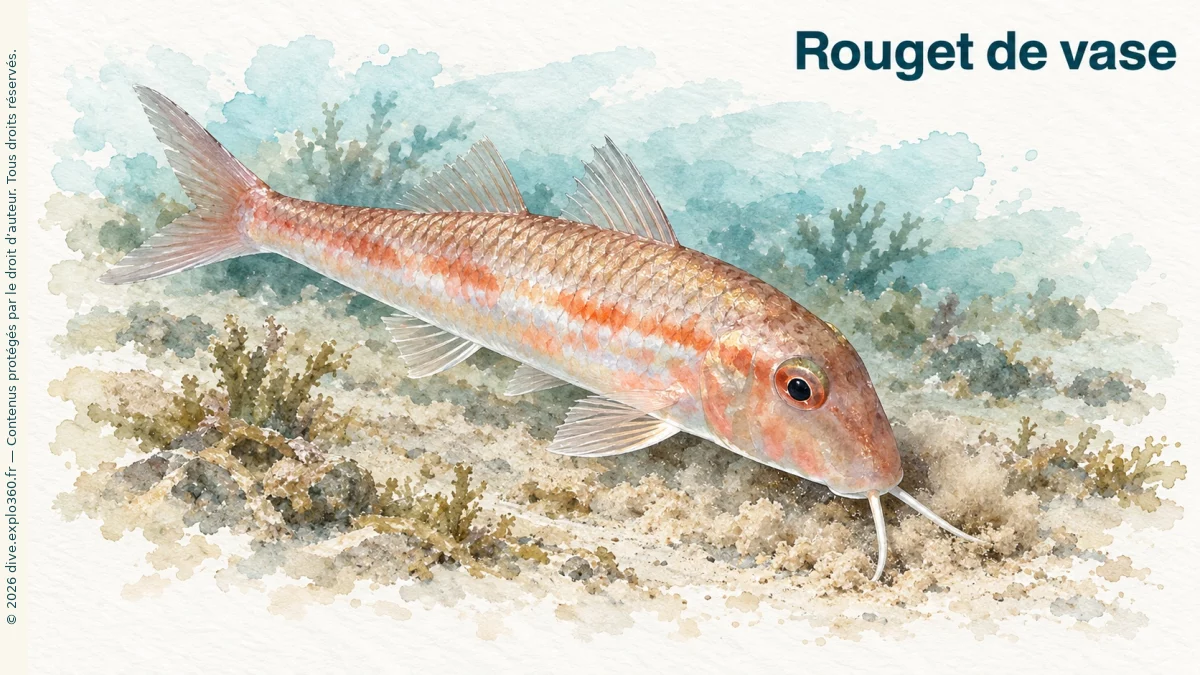 Species guidesRed mulletDiscover →
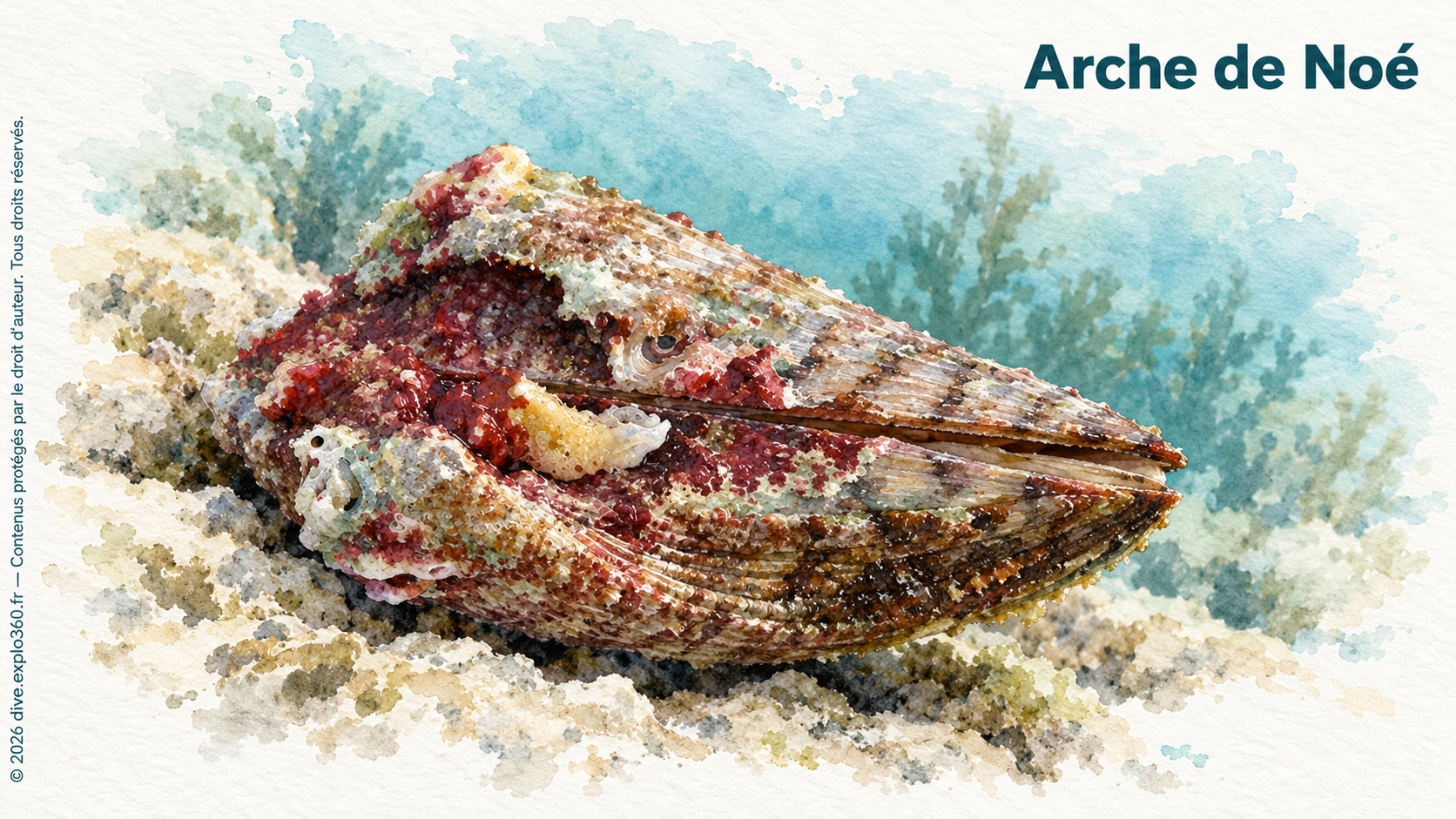 Species guidesNoah’s ark shellDiscover →
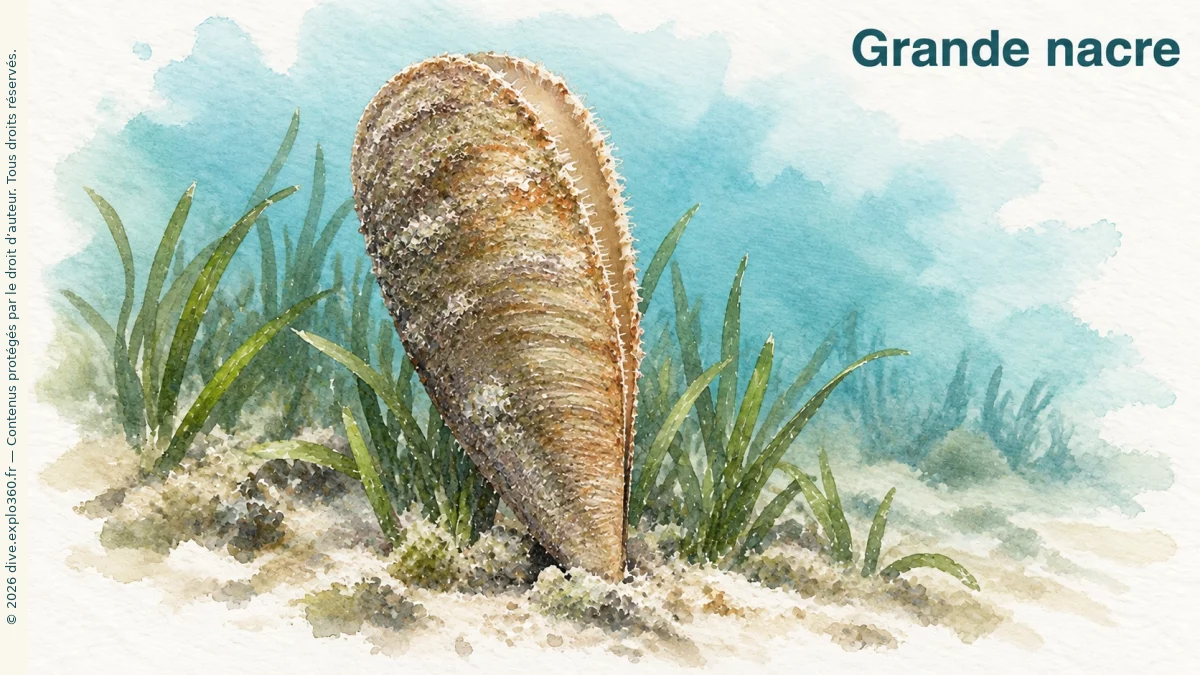 Species guidesFan musselDiscover →
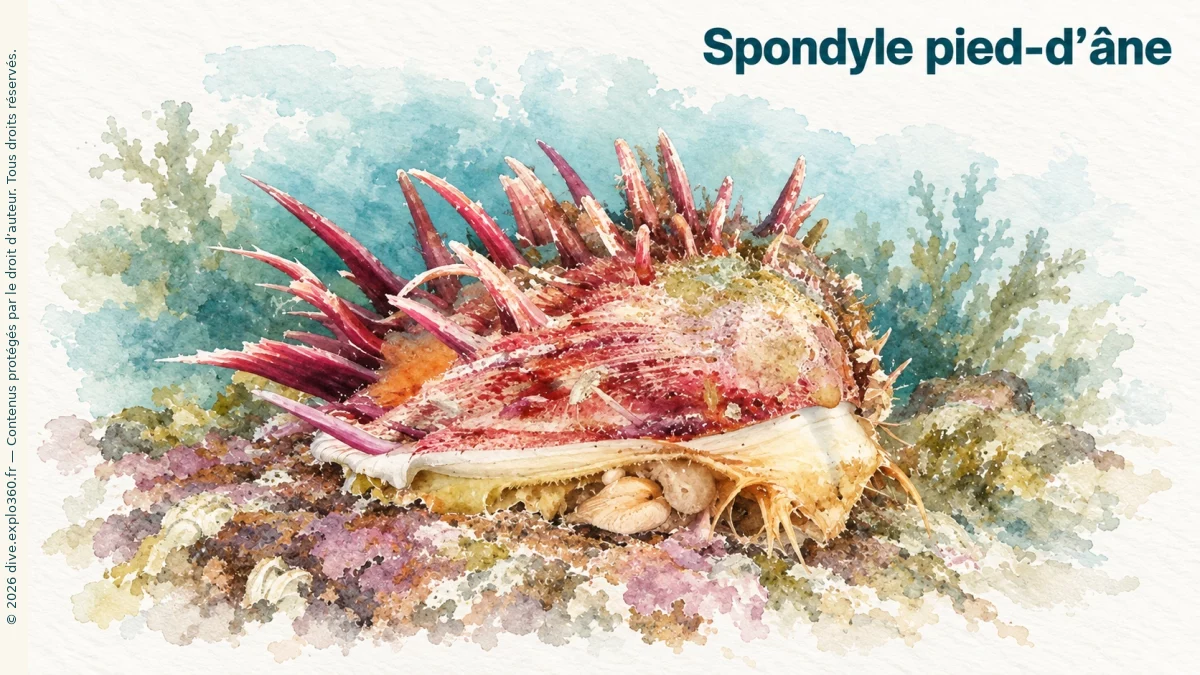 Species guidesEuropean thorny oysterDiscover →
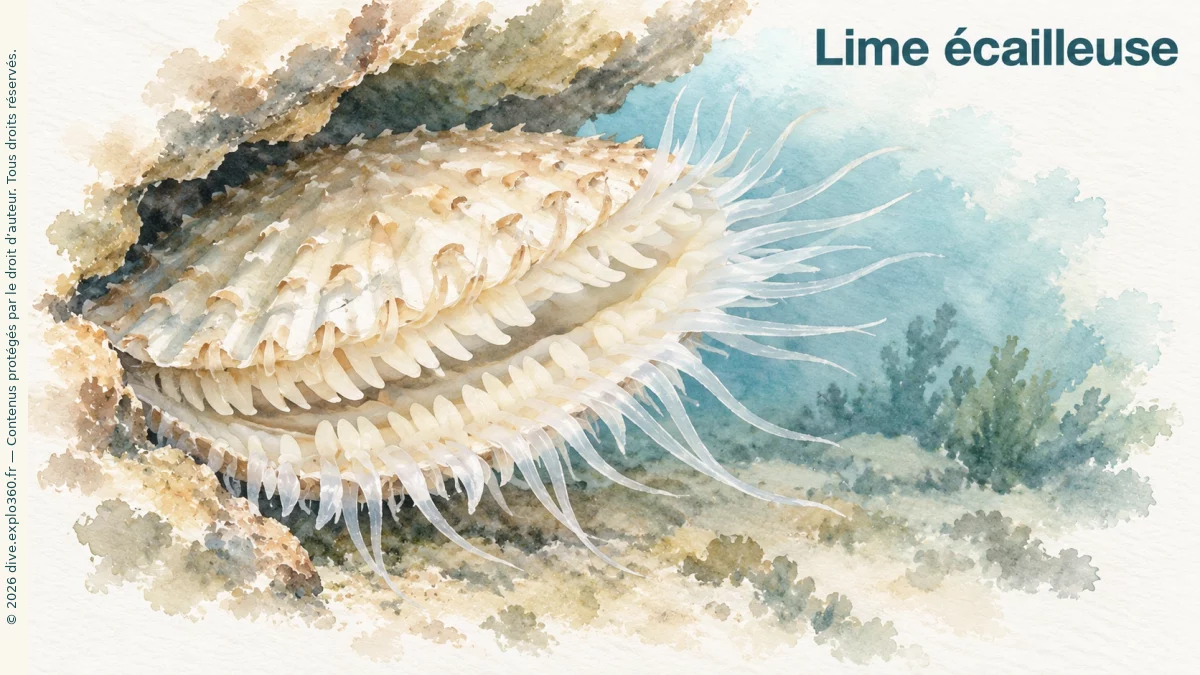 Species guidesScaly file shellDiscover →
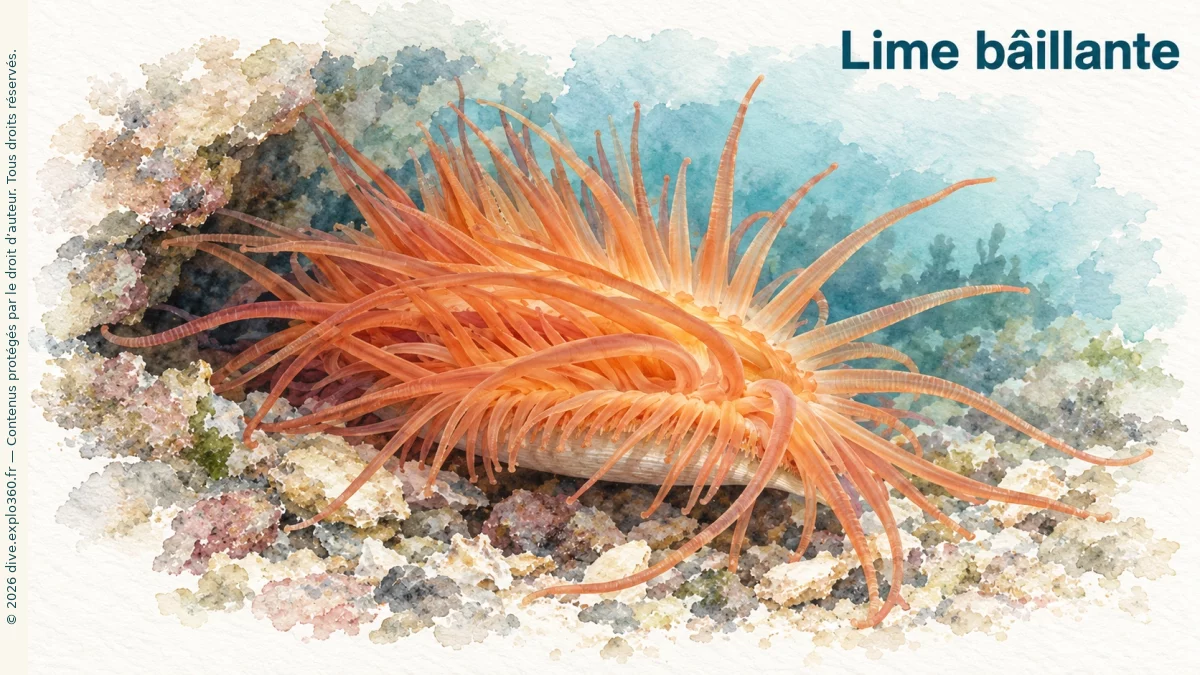 Species guidesFlame shellDiscover →
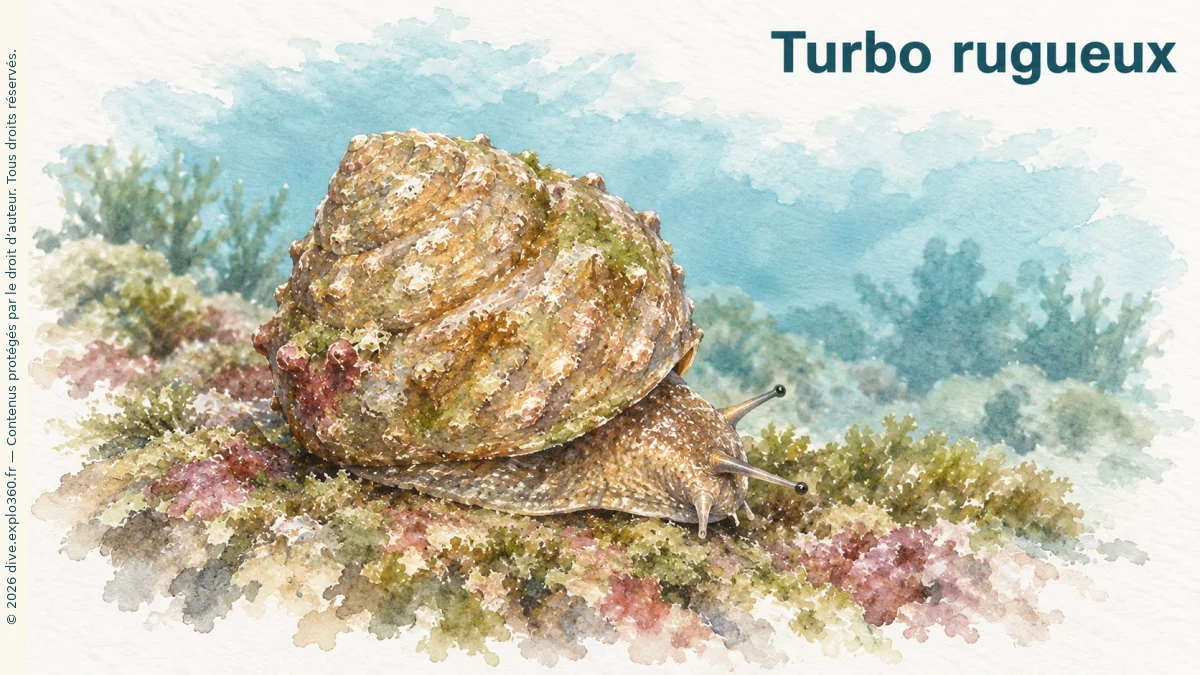 Species guidesRough turboDiscover →
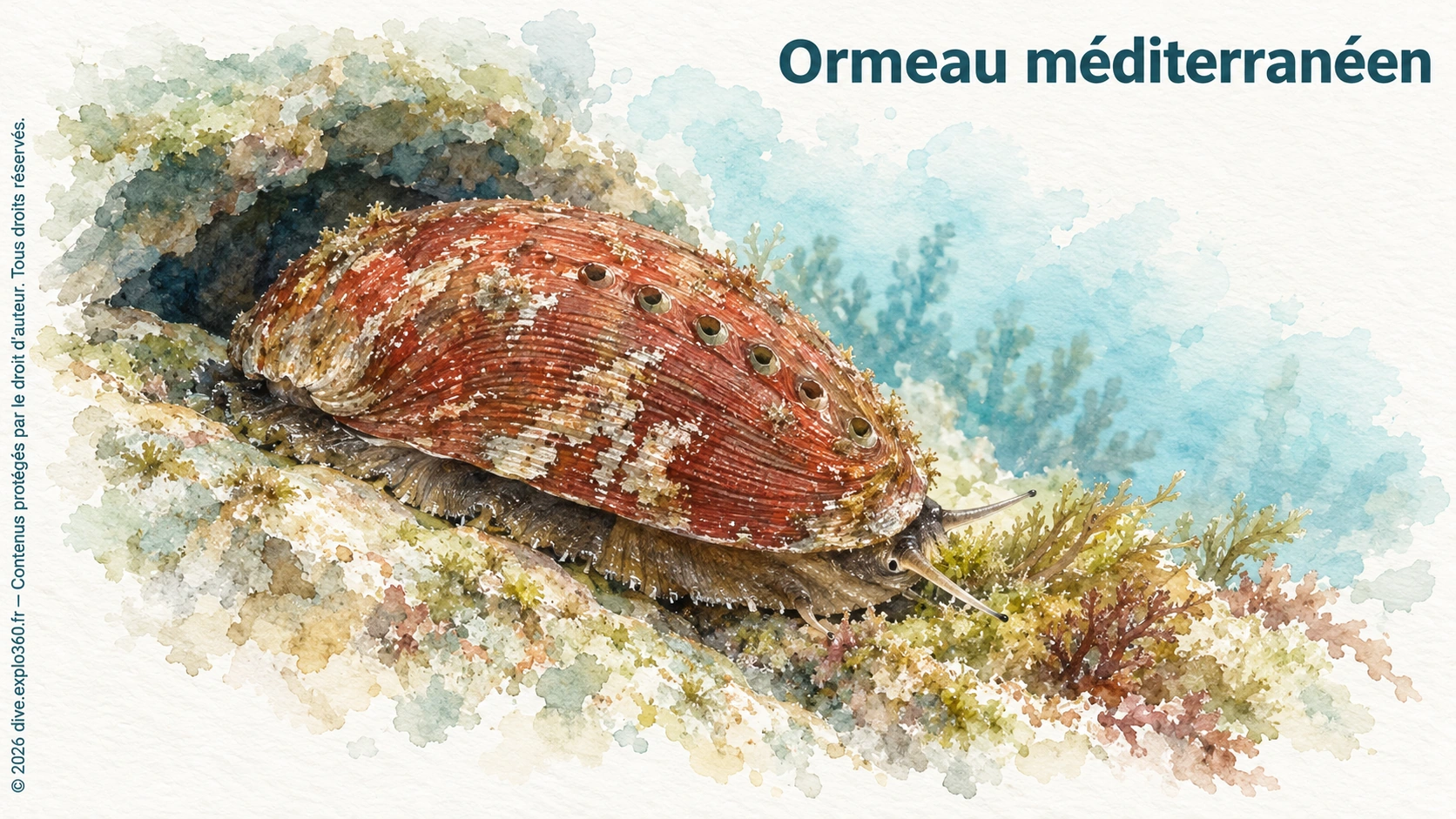 Species guidesGreen ormerDiscover →
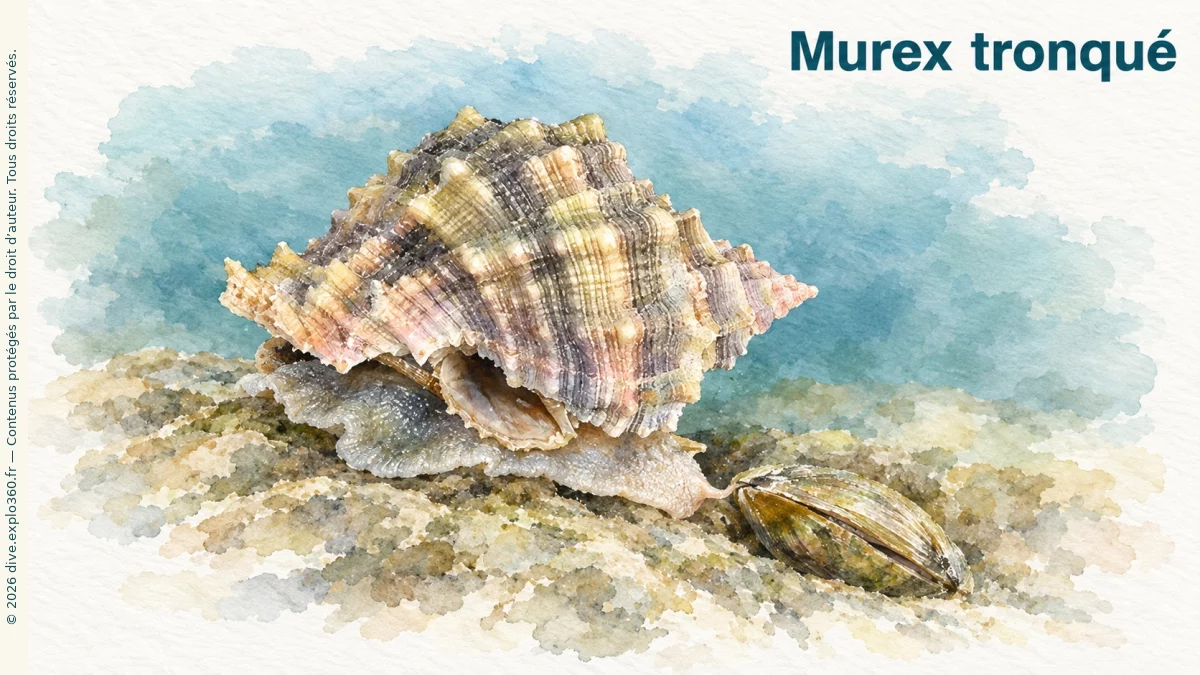 Species guidesBanded murexDiscover →
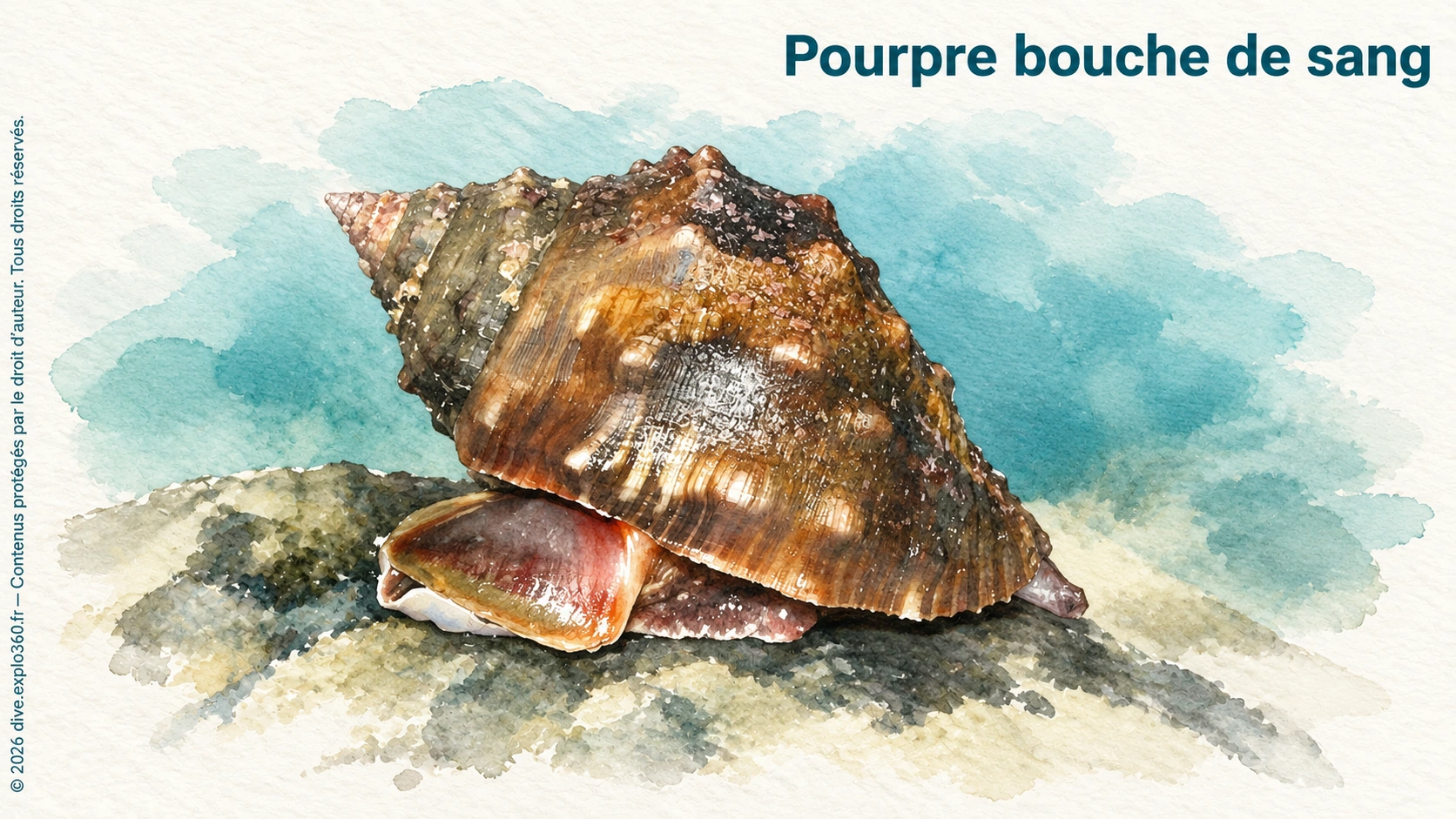 Species guidesRed-mouthed rock shellDiscover →
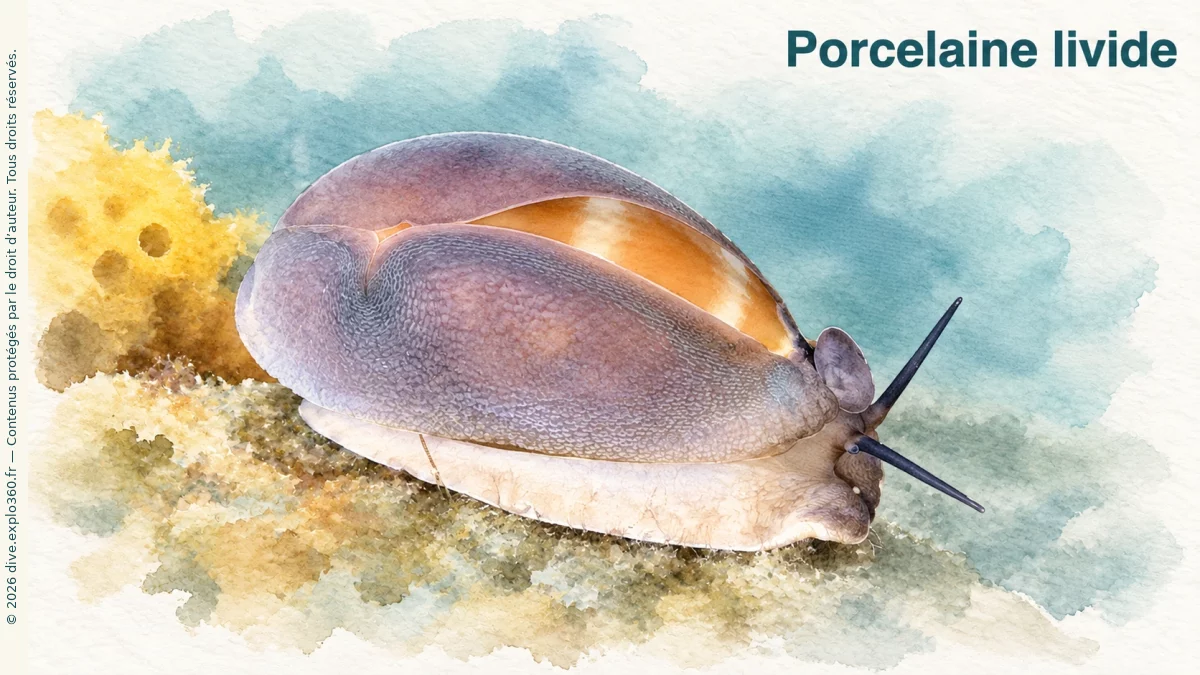 Species guidesLurid cowrieDiscover →
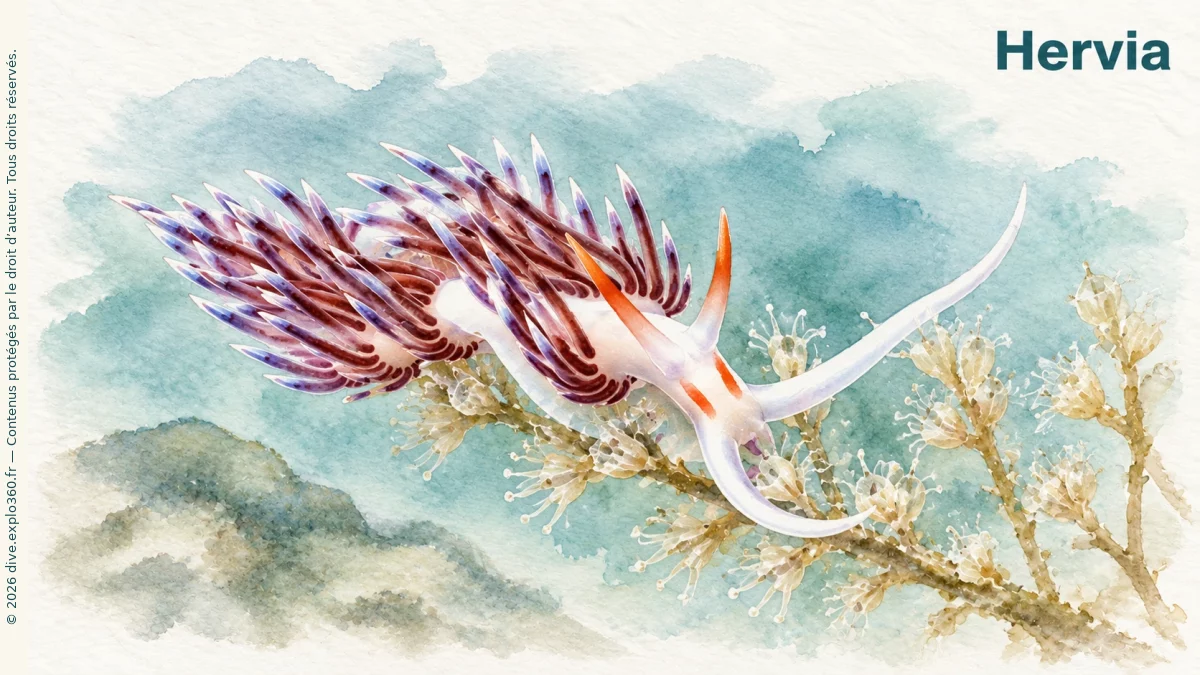 Species guidesPilgrim herviaDiscover →
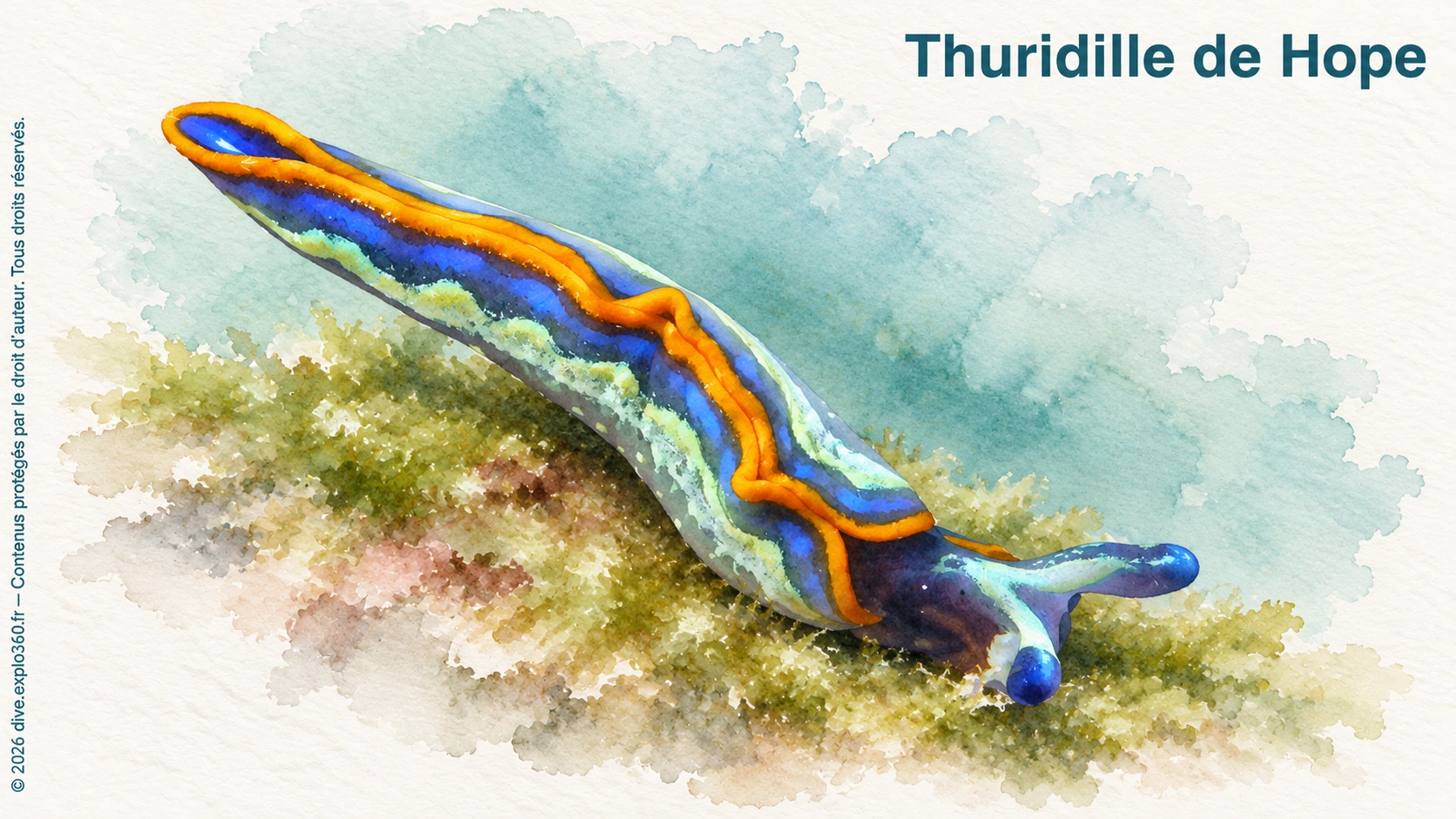 Species guidesHope’s elysiaDiscover →
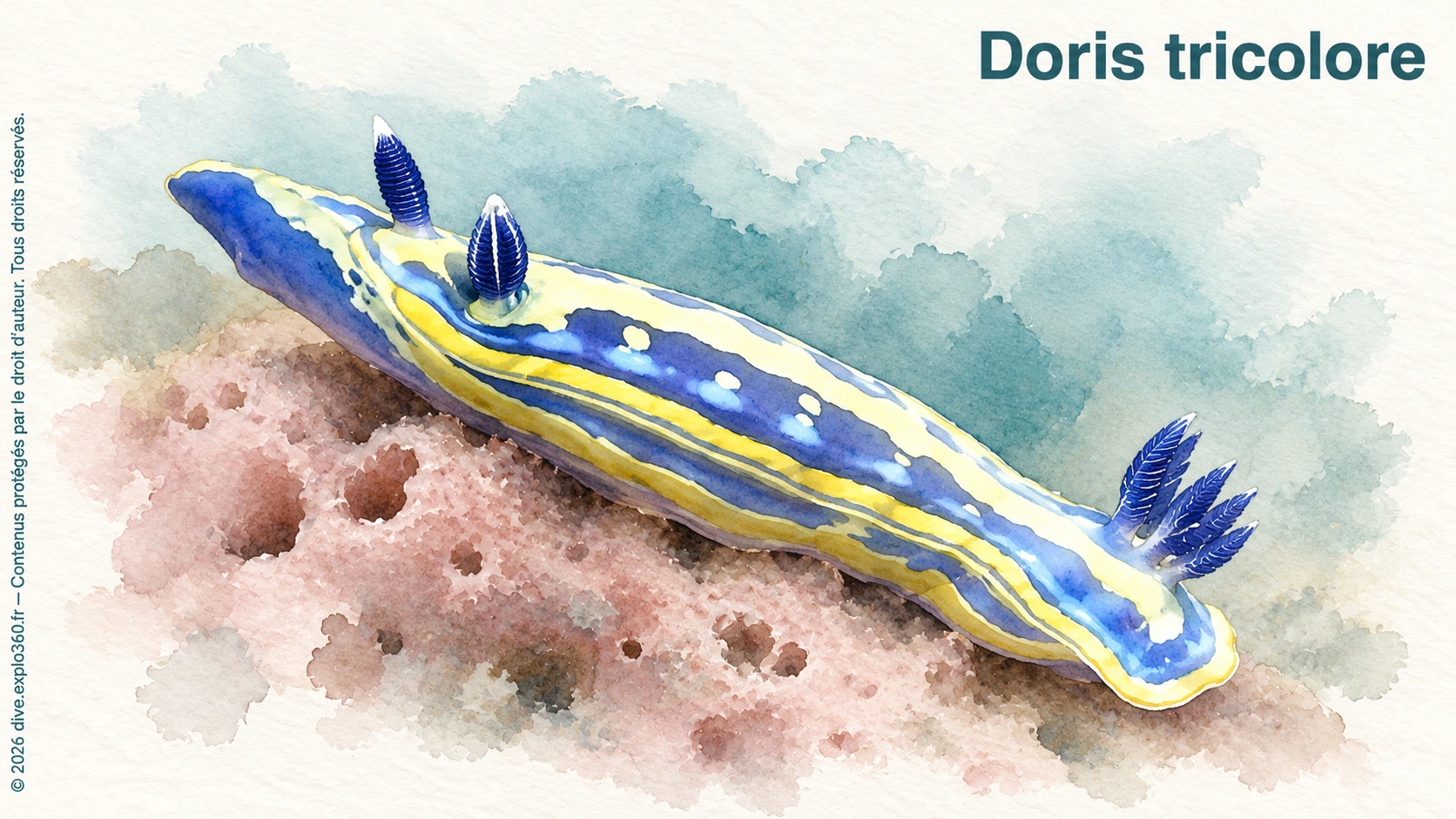 Species guidesTricolour dorisDiscover →
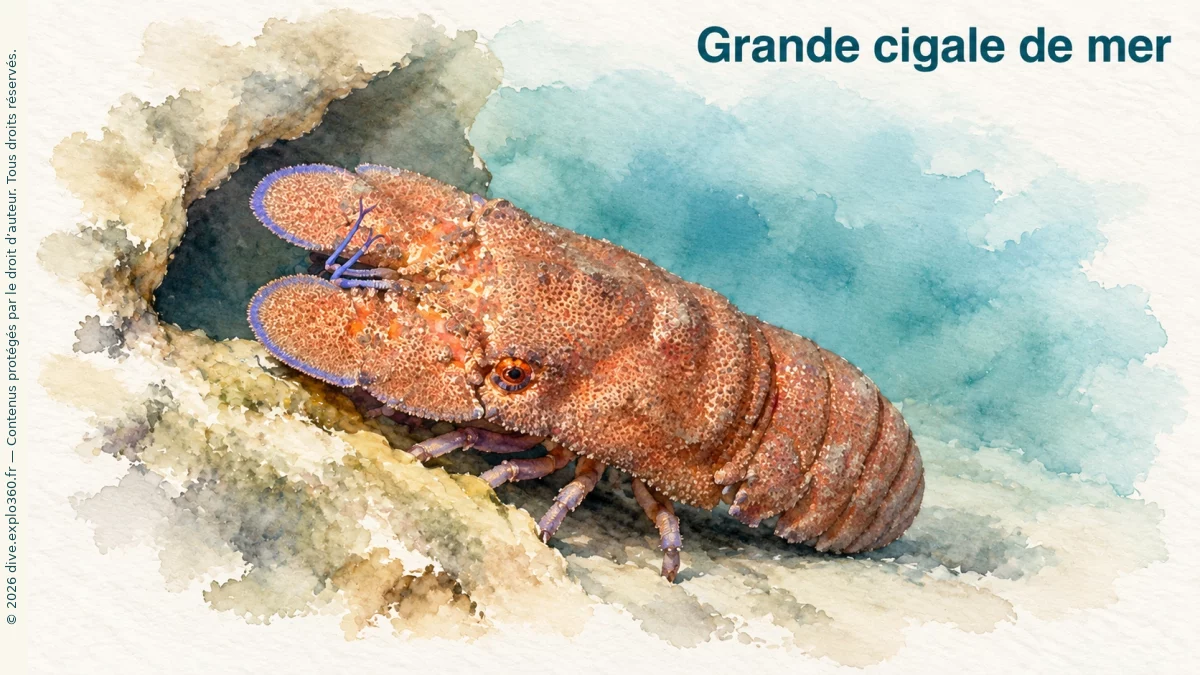 Species guidesMediterranean slipper lobsterDiscover →
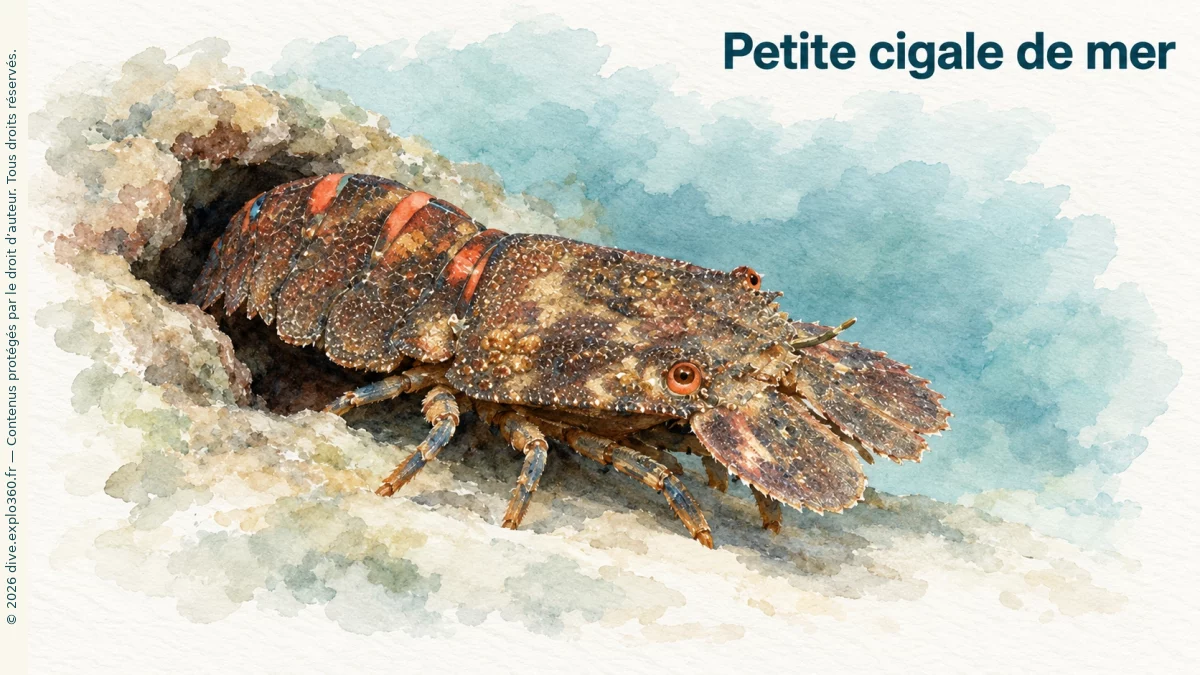 Species guidesSmall European locust lobsterDiscover →
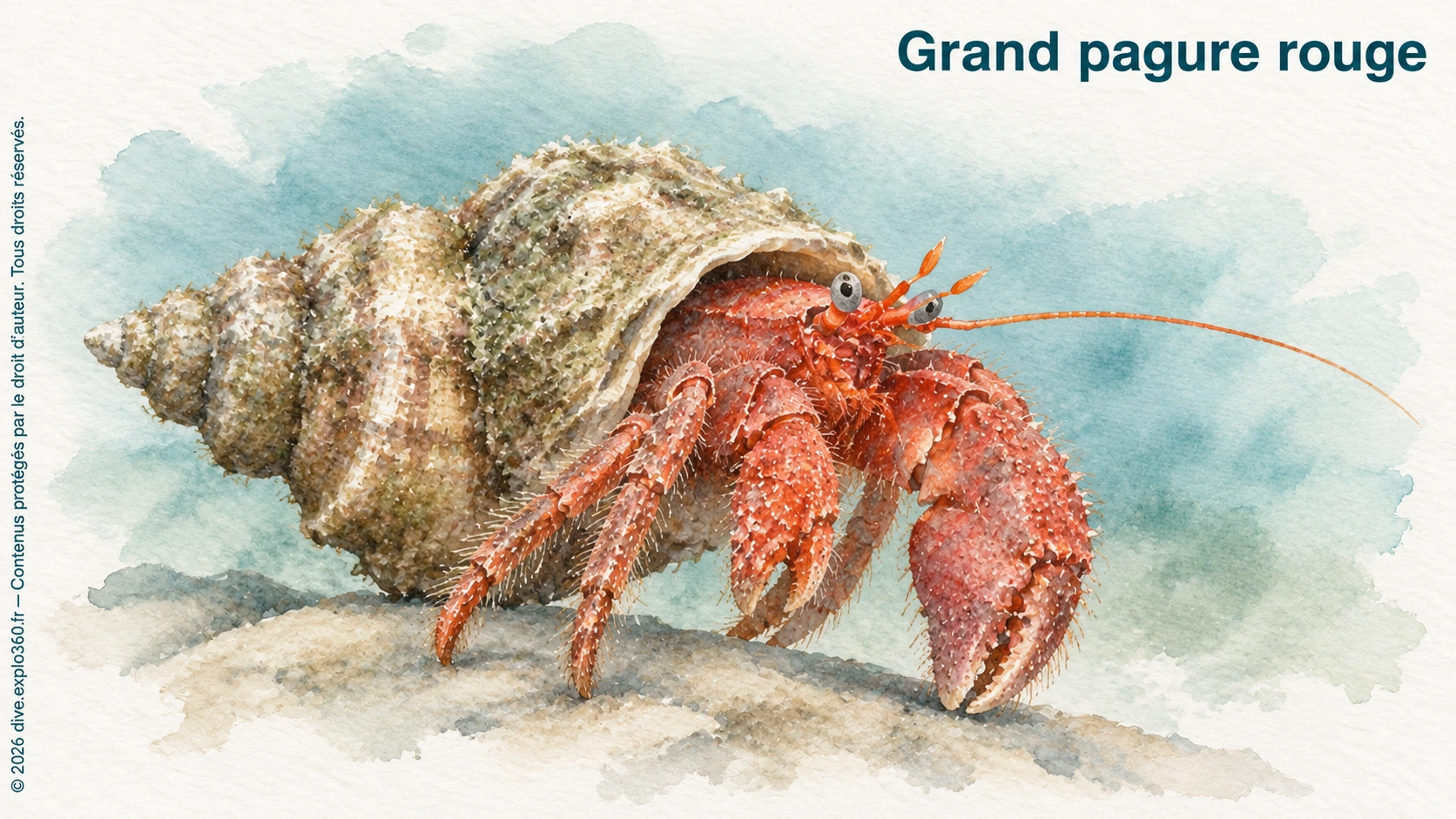 Species guidesRed hermit crabDiscover →
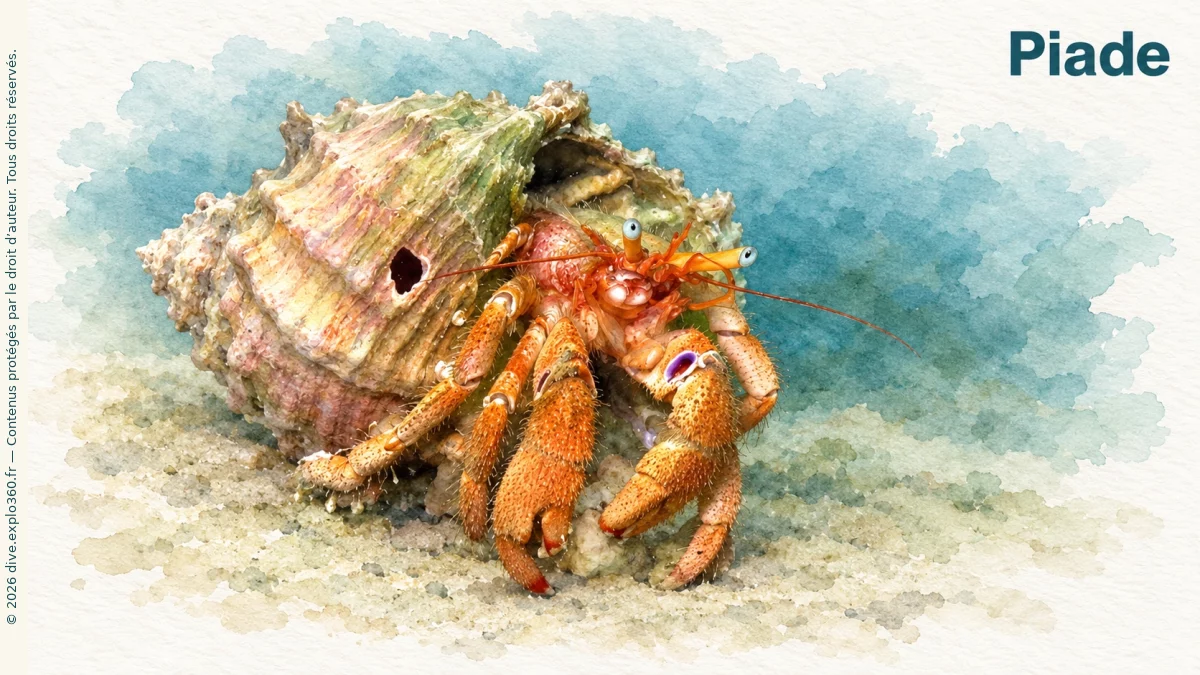 Species guidesHermit crabDiscover →
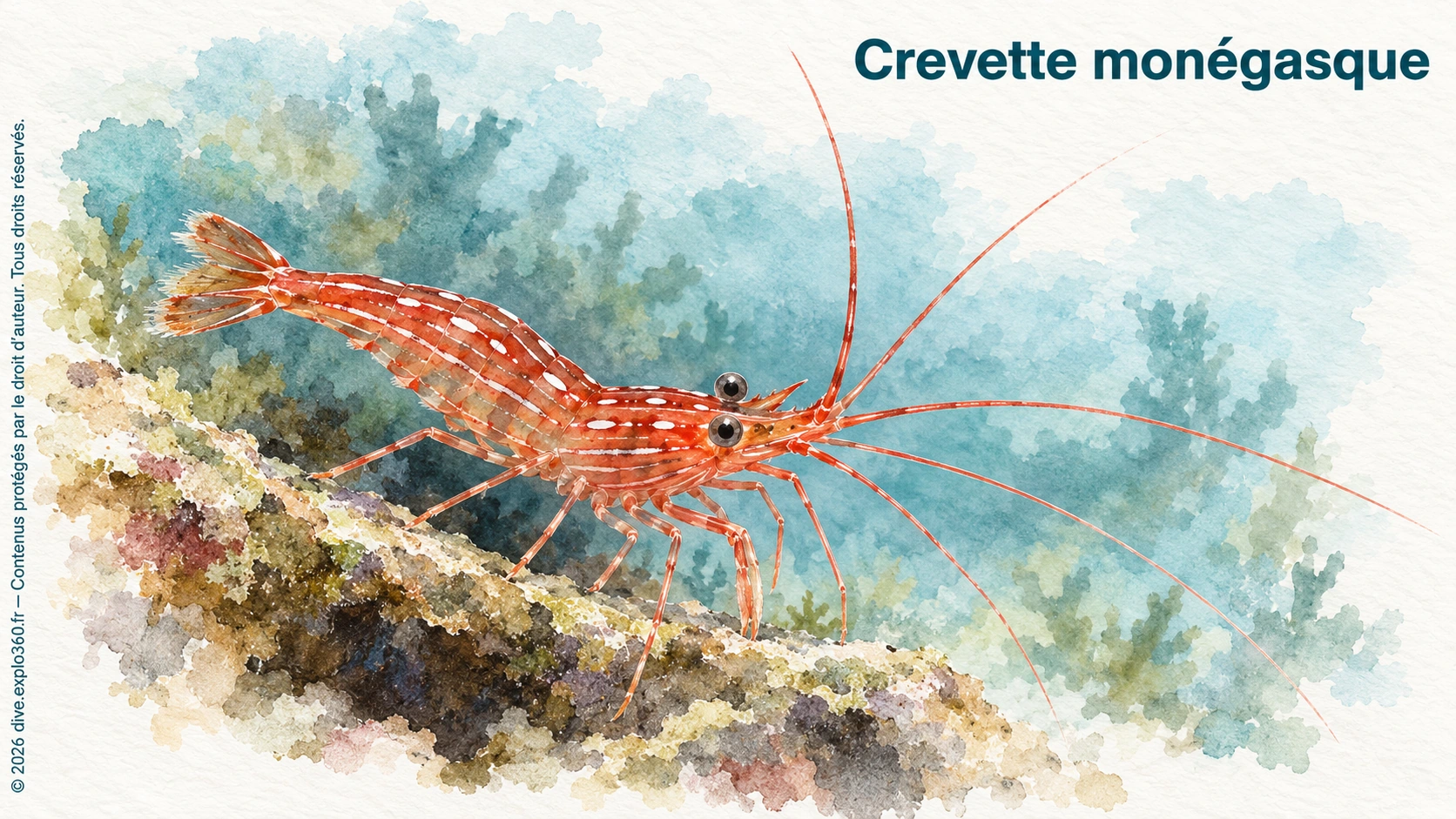 Species guidesMonaco shrimpDiscover →
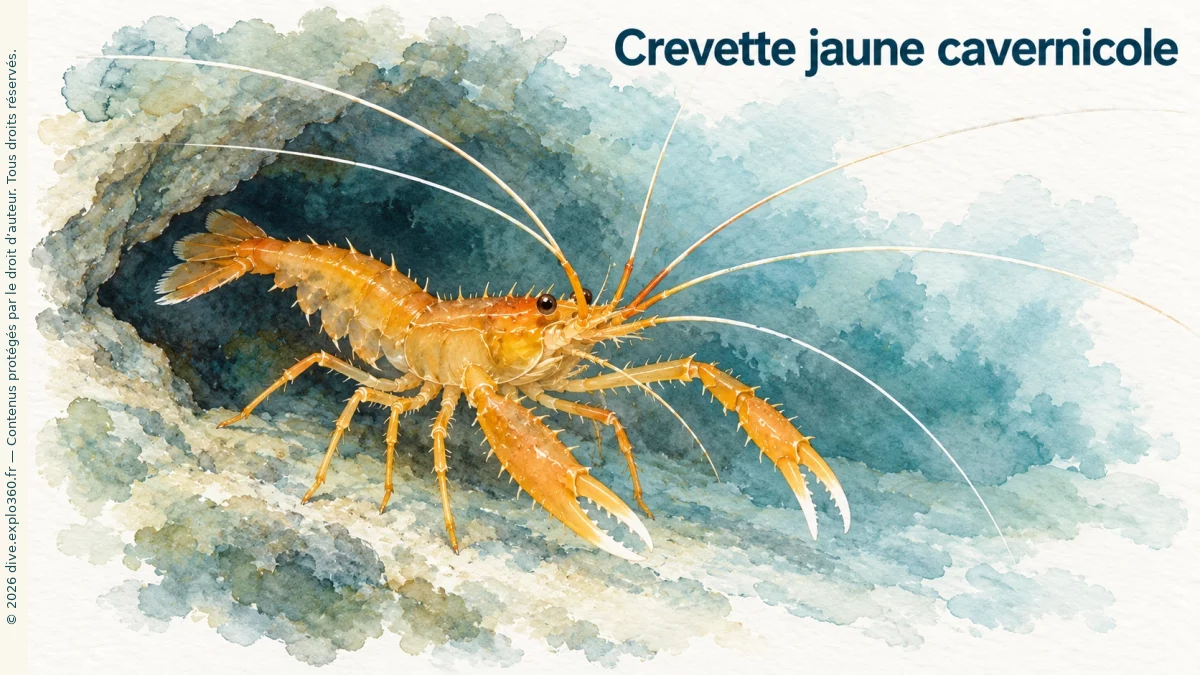 Species guidesSpiny golden shrimpDiscover →
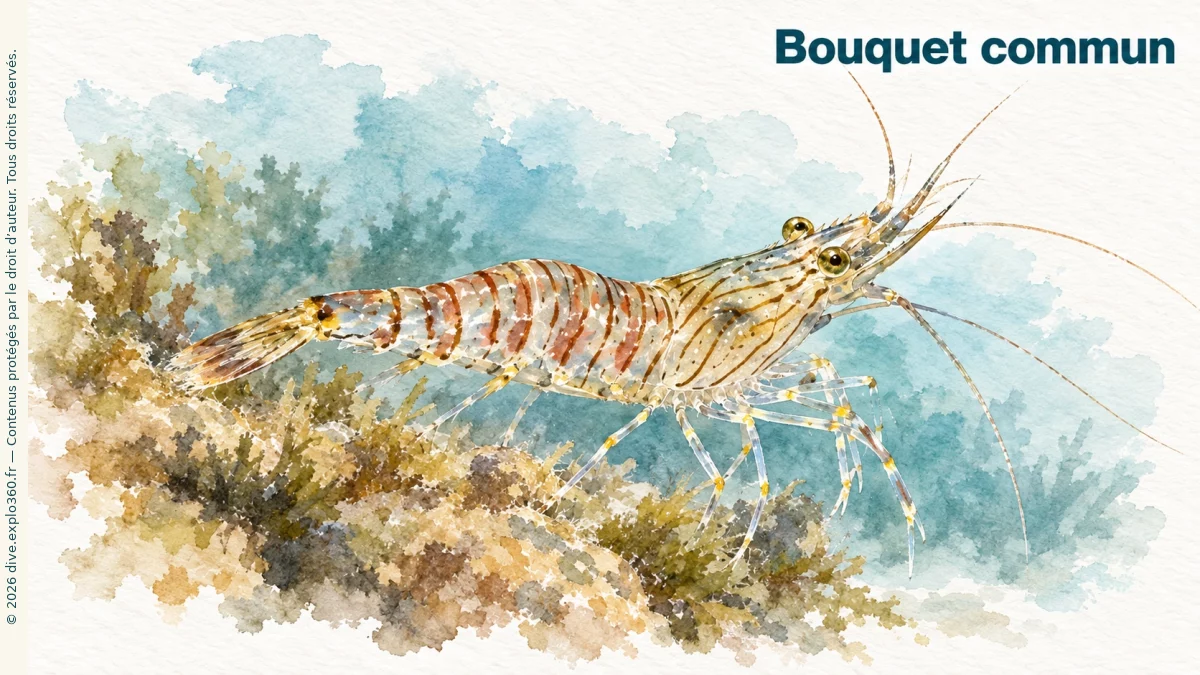 Species guidesCommon prawnDiscover →
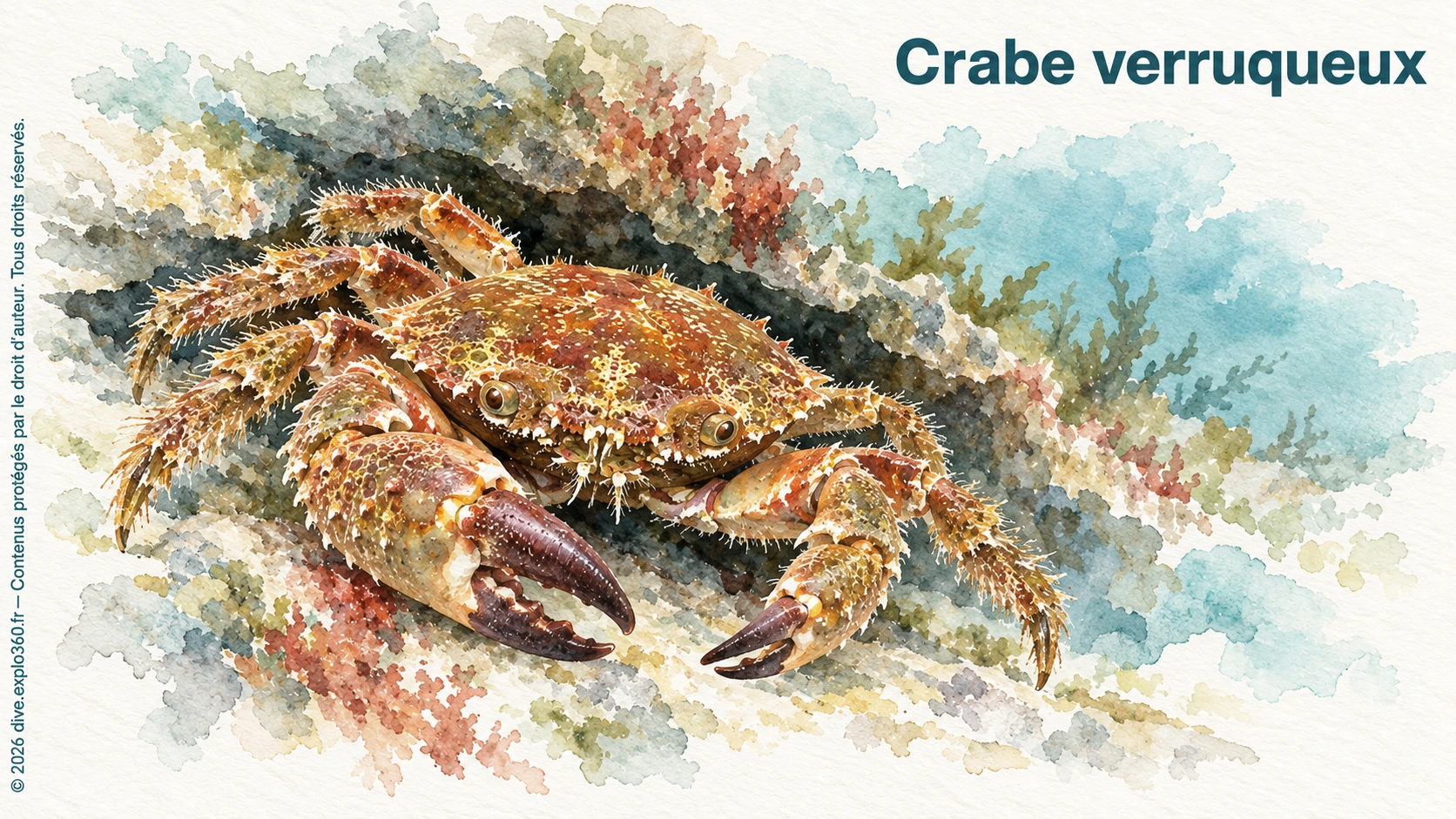 Species guidesWarty crabDiscover →
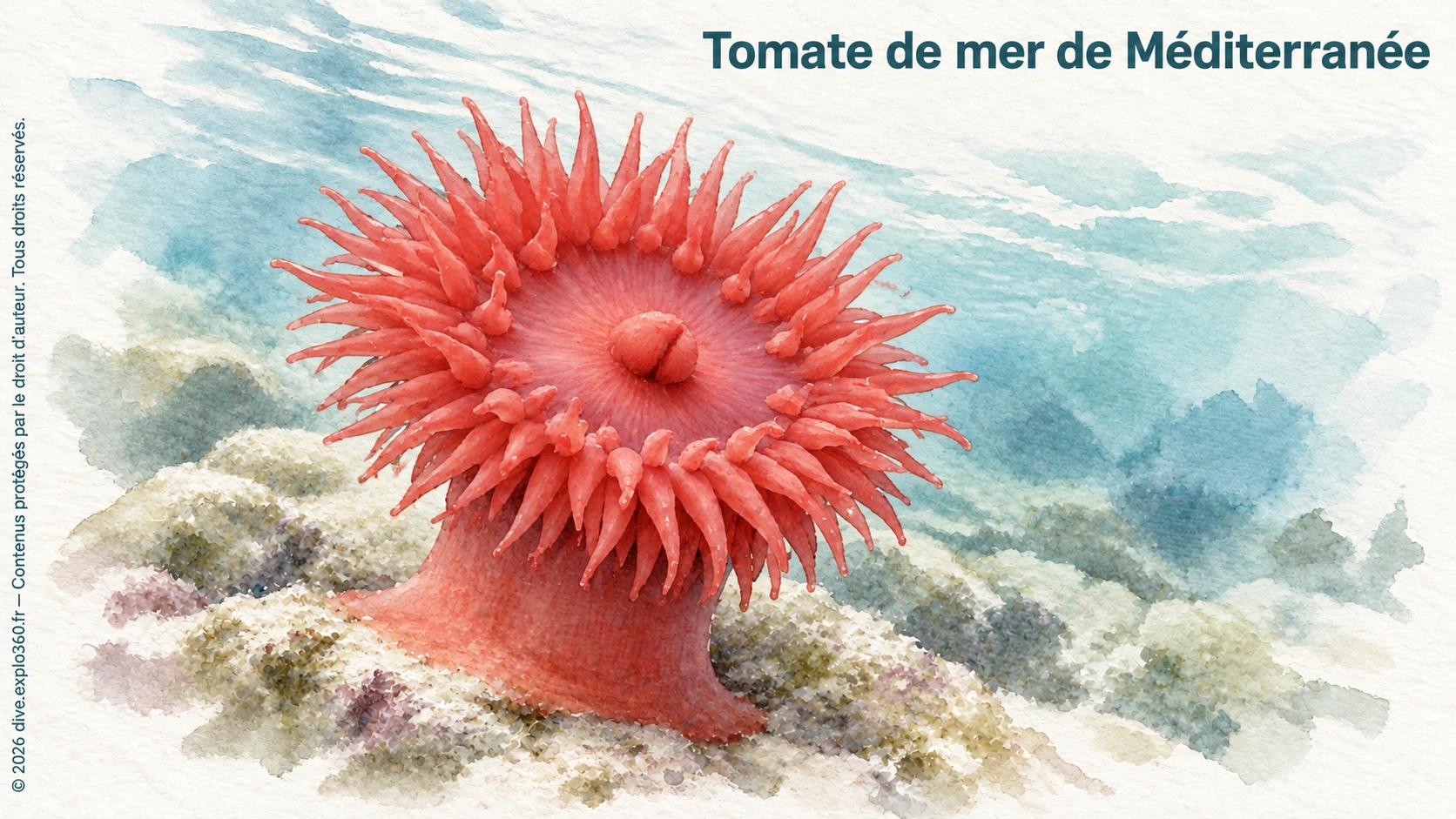 Species guidesMediterranean beadlet anemoneDiscover →
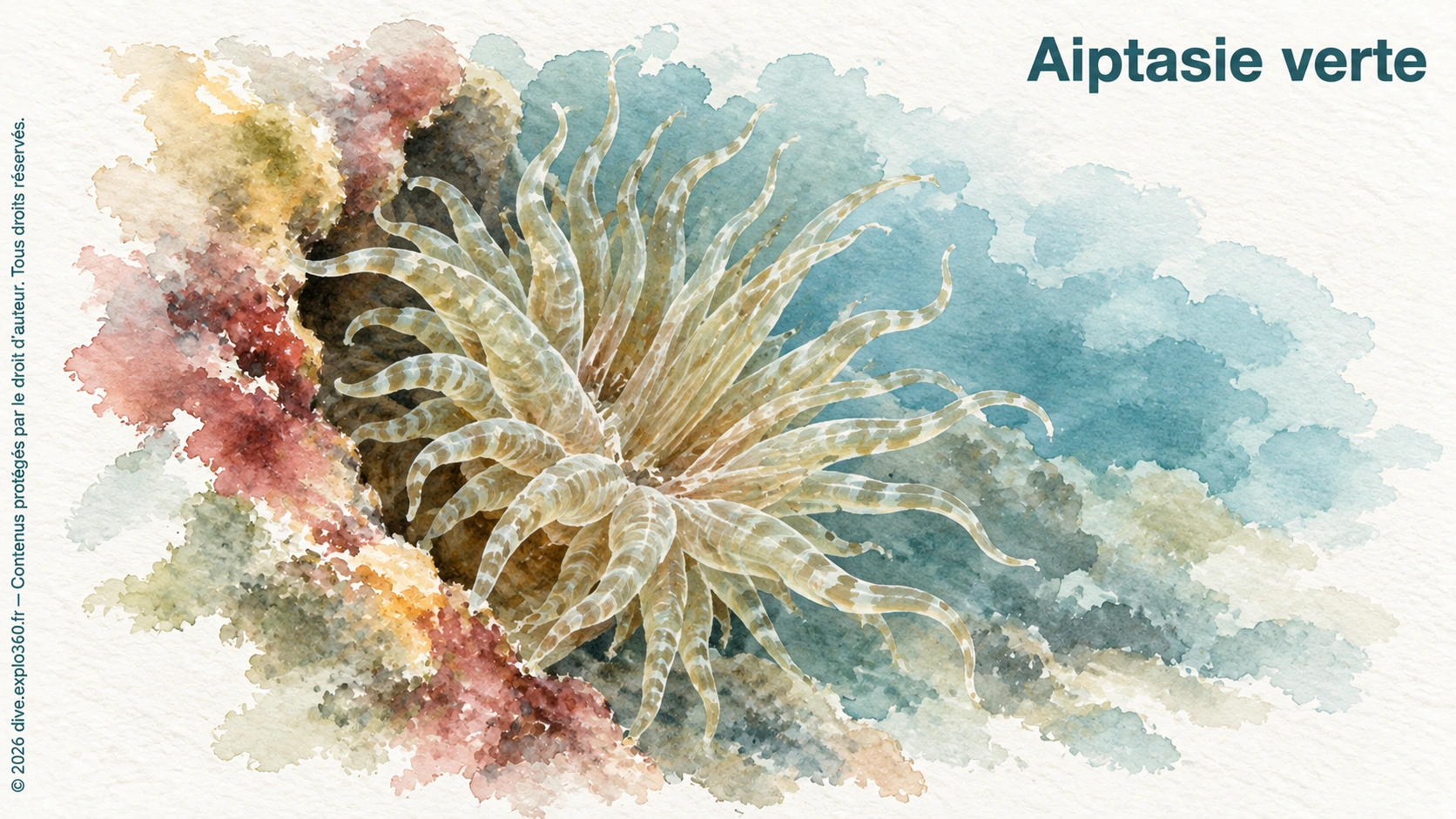 Species guidesGreen aiptasiaDiscover →
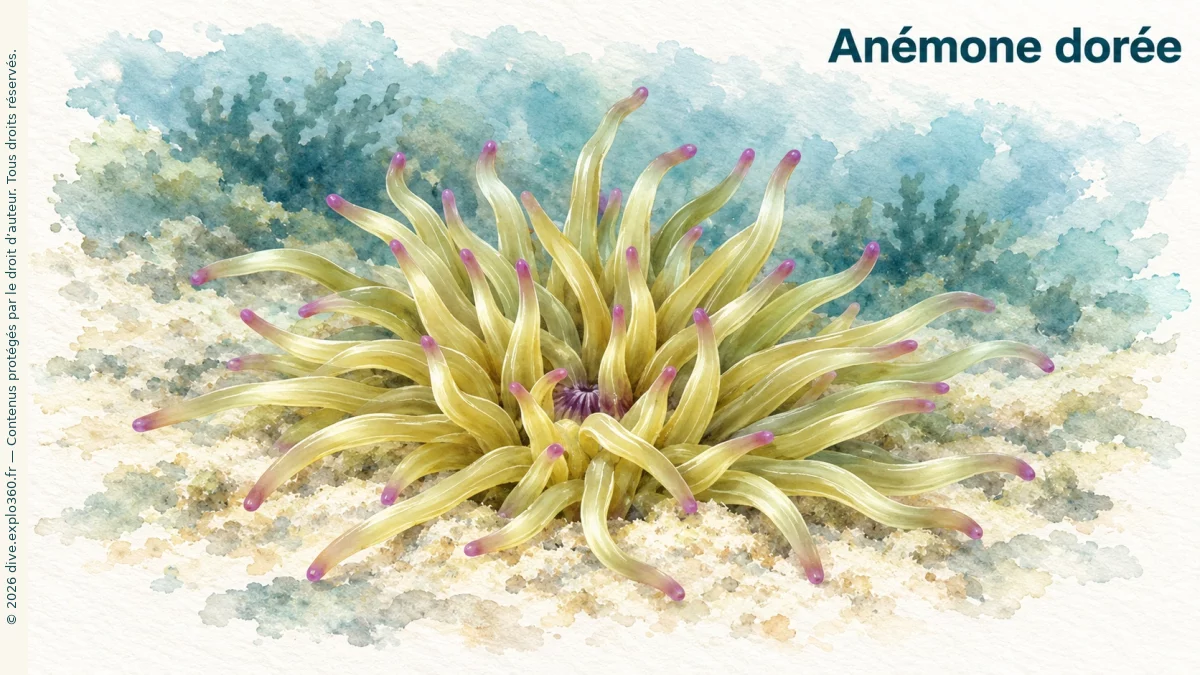 Species guidesGolden anemoneDiscover →
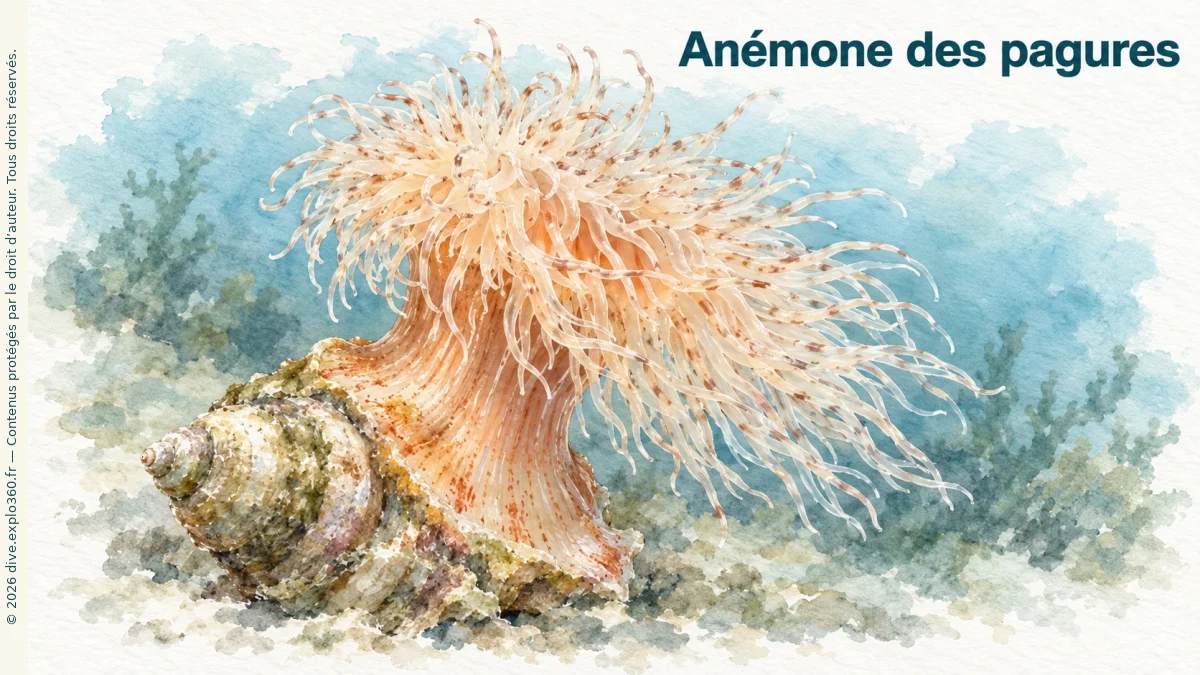 Species guidesHermit anemoneDiscover →
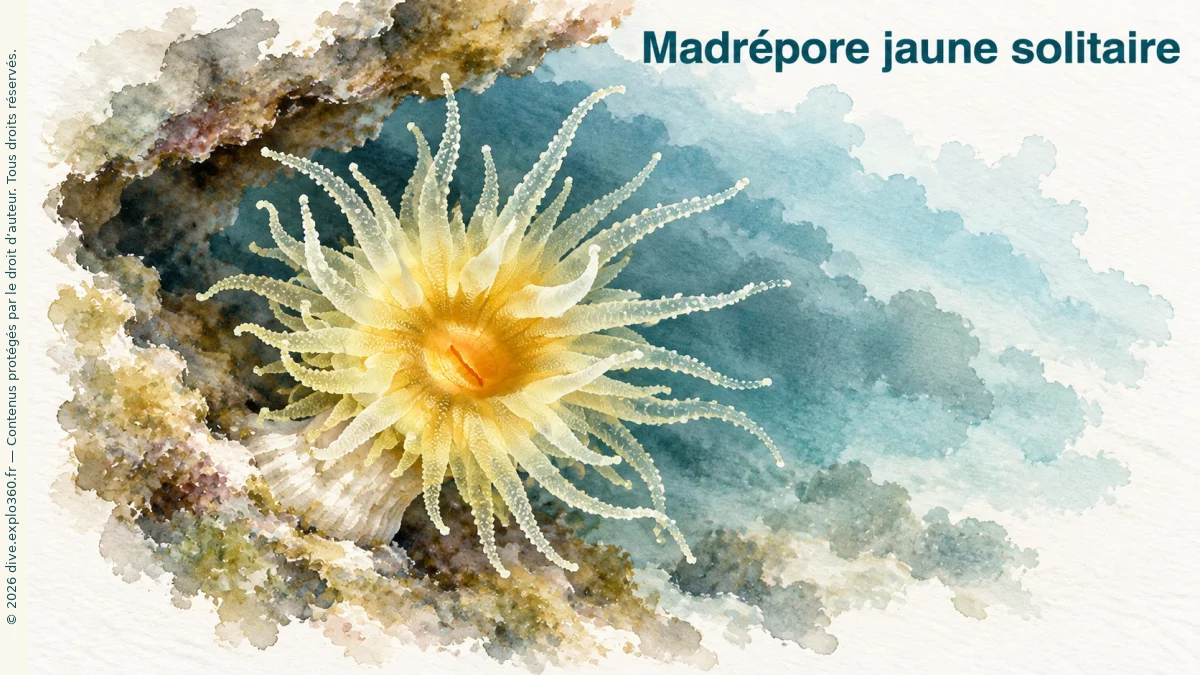 Species guidesYellow solitary coralDiscover →
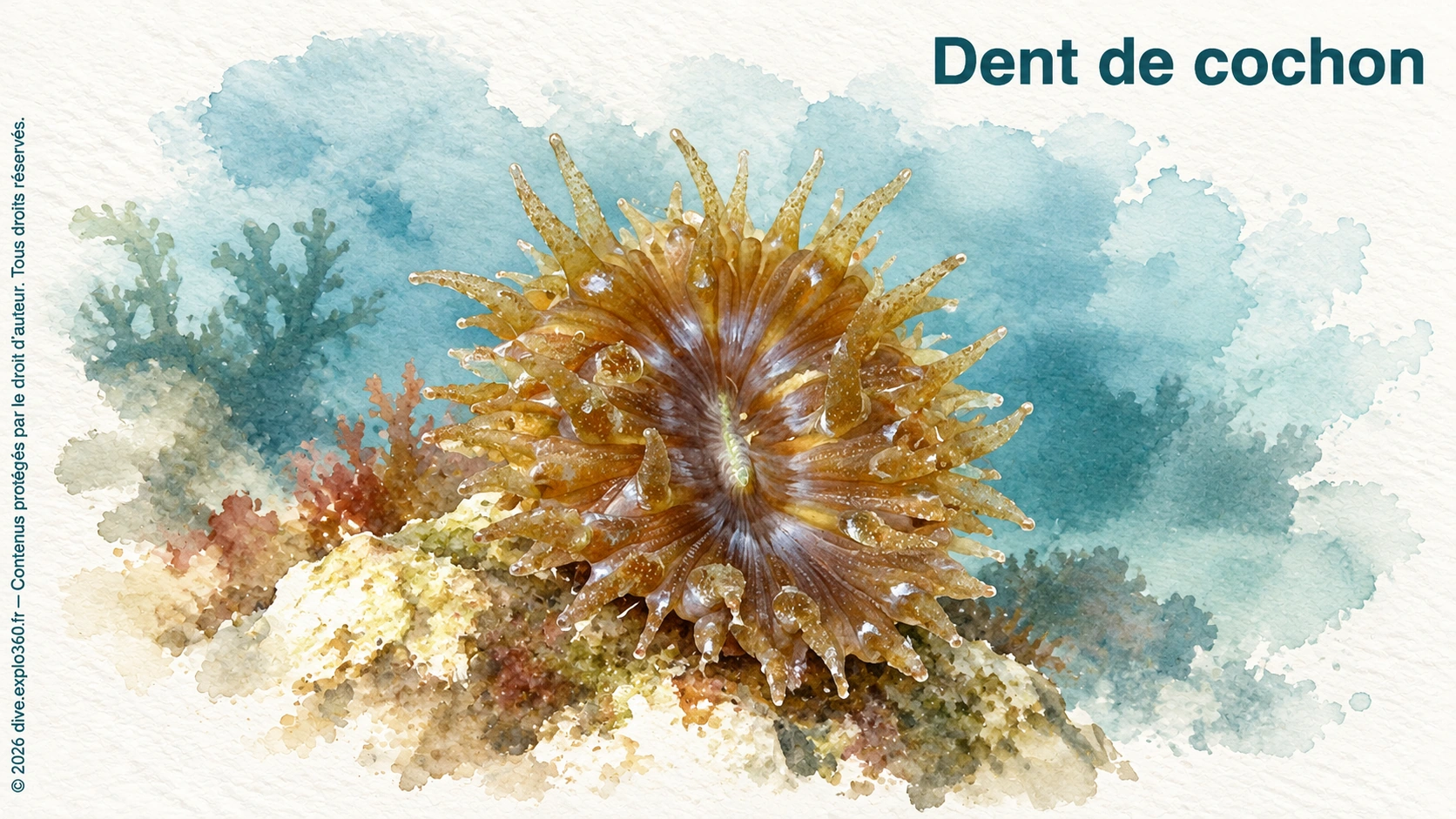 Species guidesPig-tooth coralDiscover →
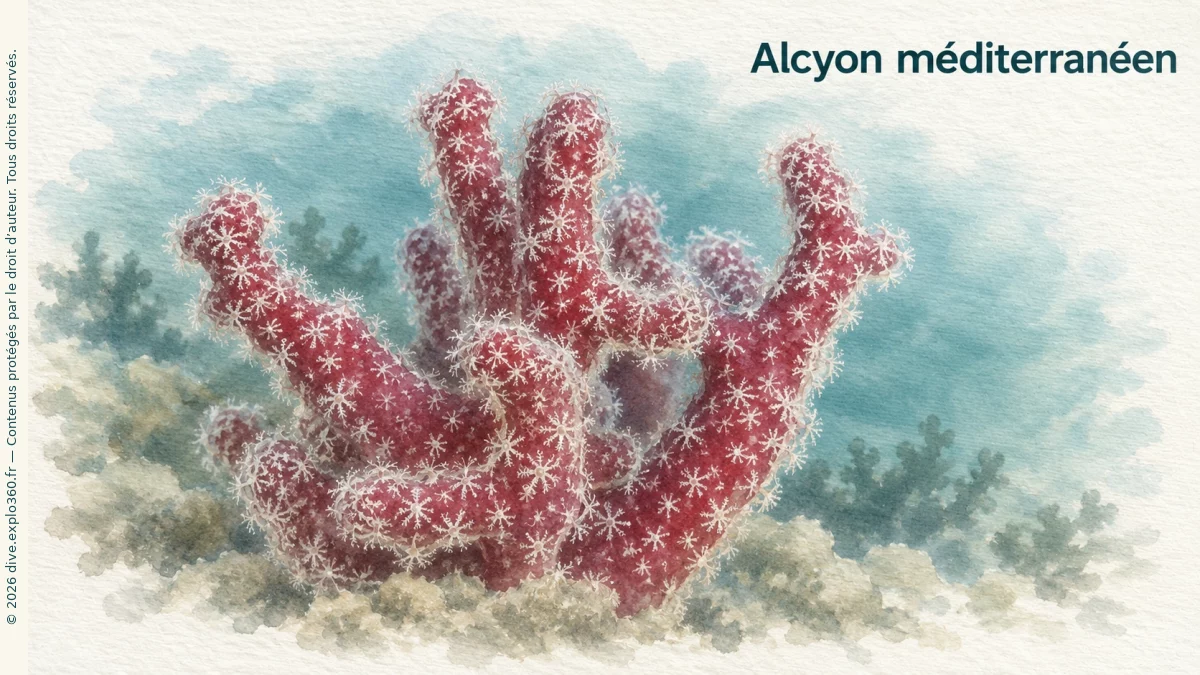 Species guidesMediterranean soft coralDiscover →
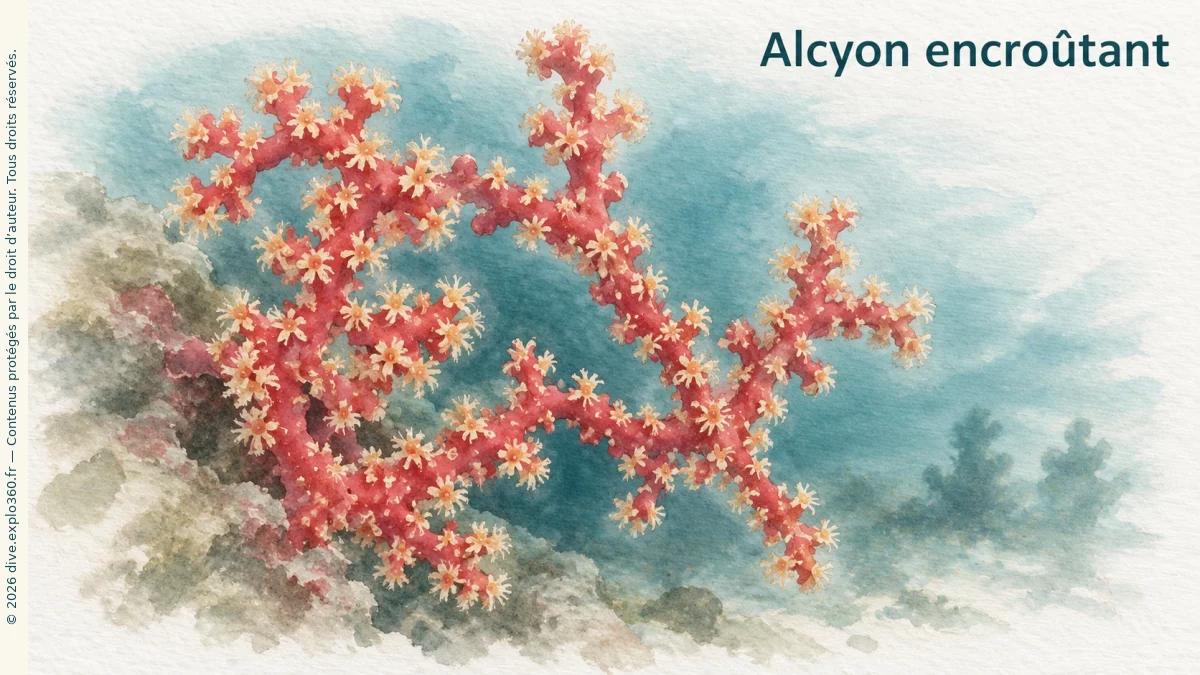 Species guidesEncrusting soft coralDiscover →
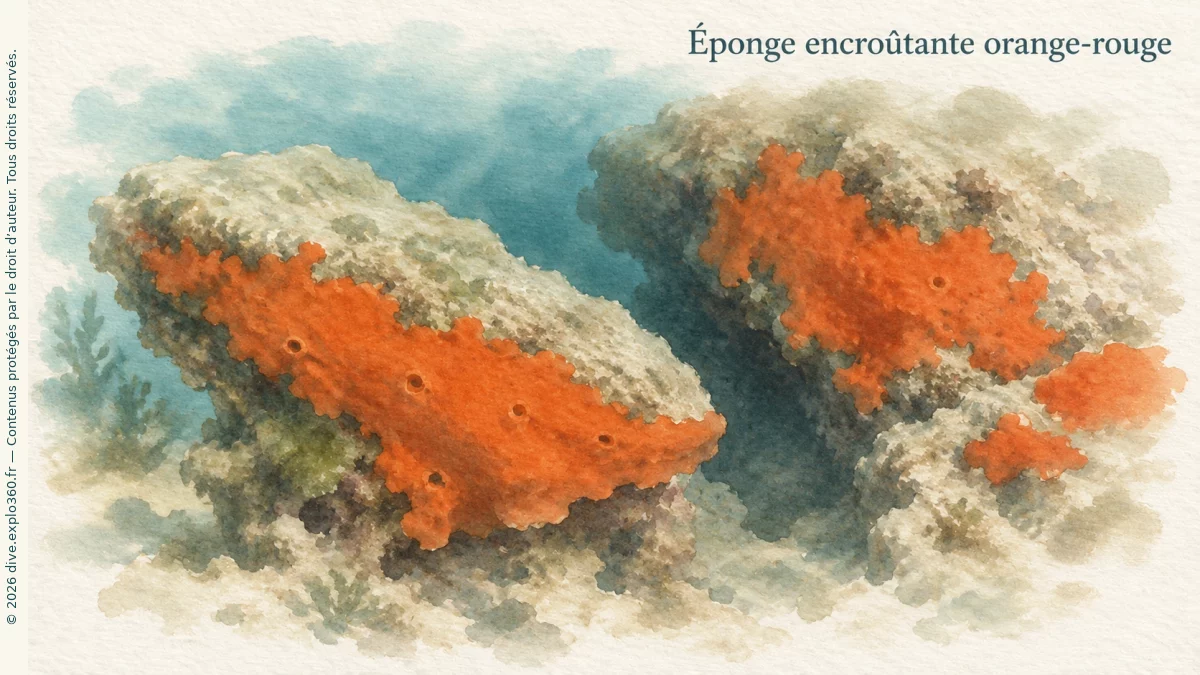 Species guidesOrange-red encrusting spongeDiscover →
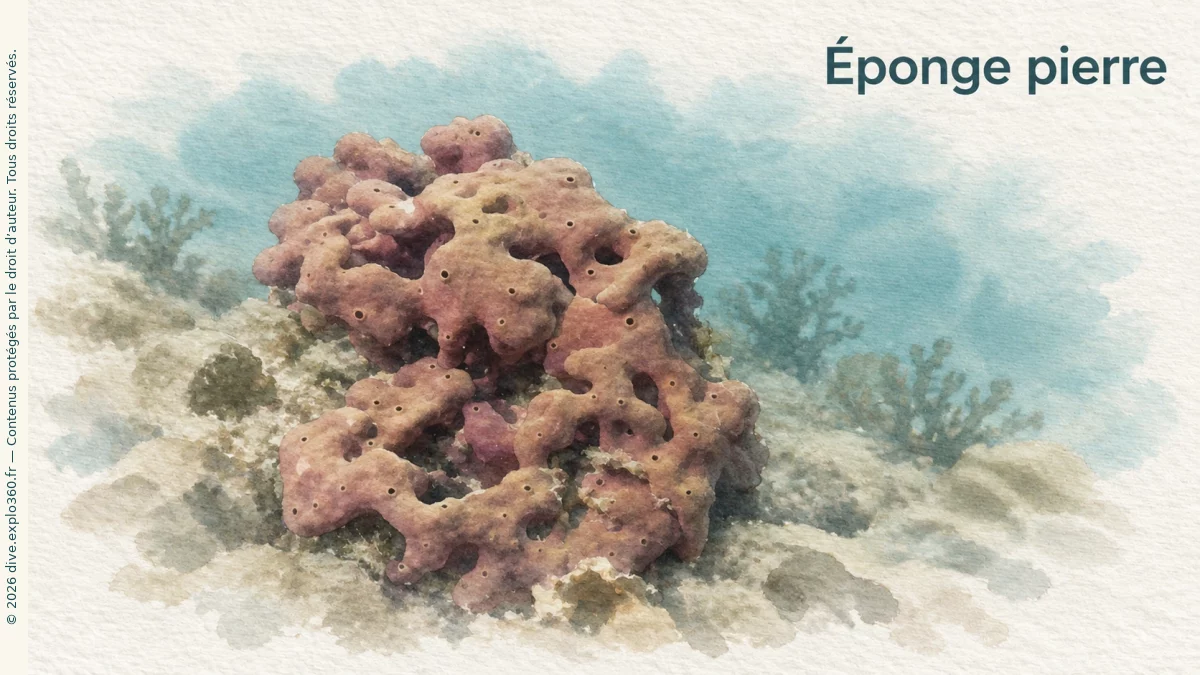 Species guidesStony spongeDiscover →
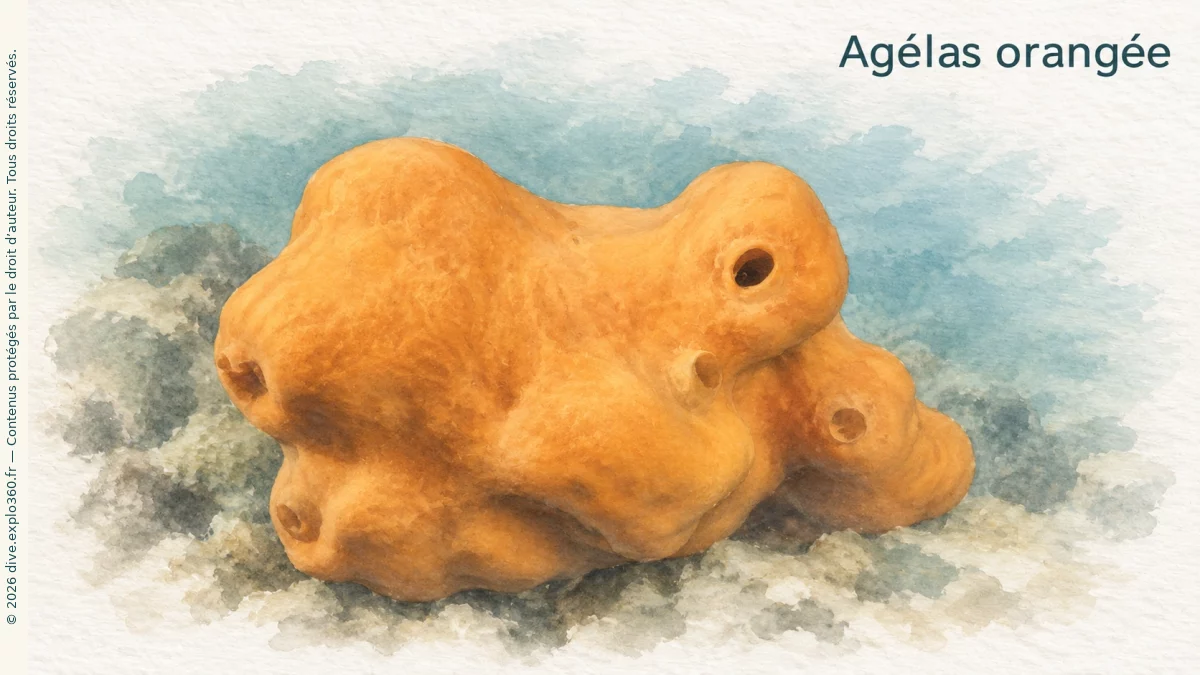 Species guidesOrange Agelas spongeDiscover →
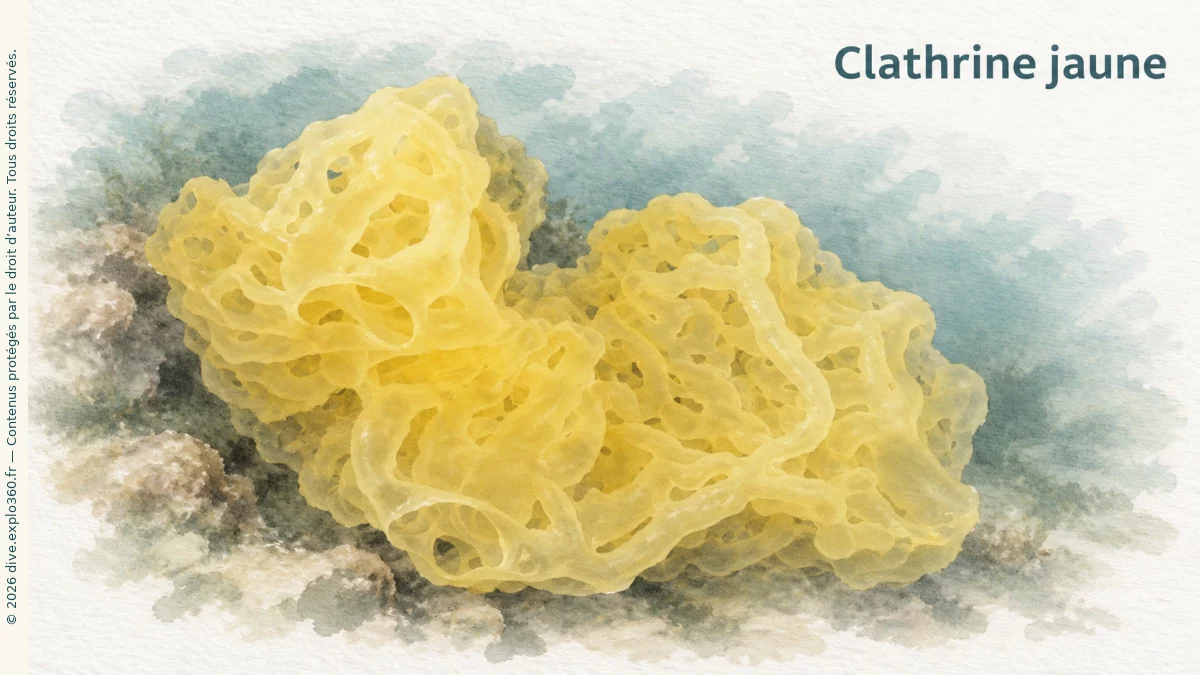 Species guidesYellow clathrinaDiscover →
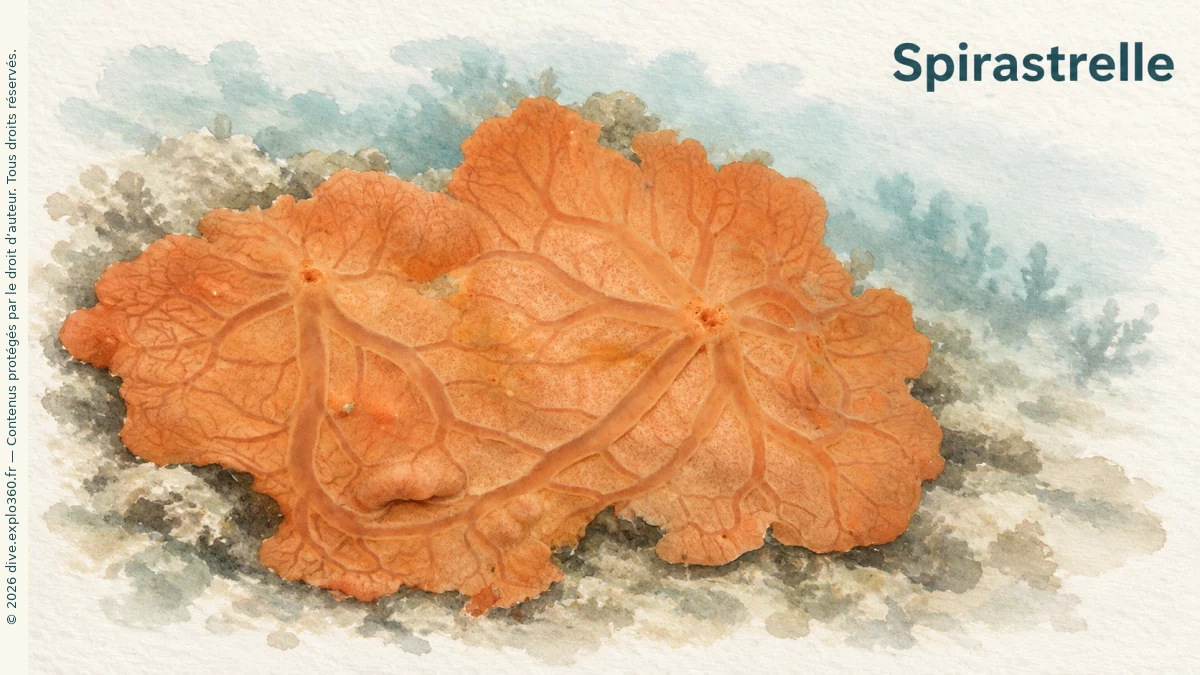 Species guidesOrange encrusting Spirastrella spongeDiscover →
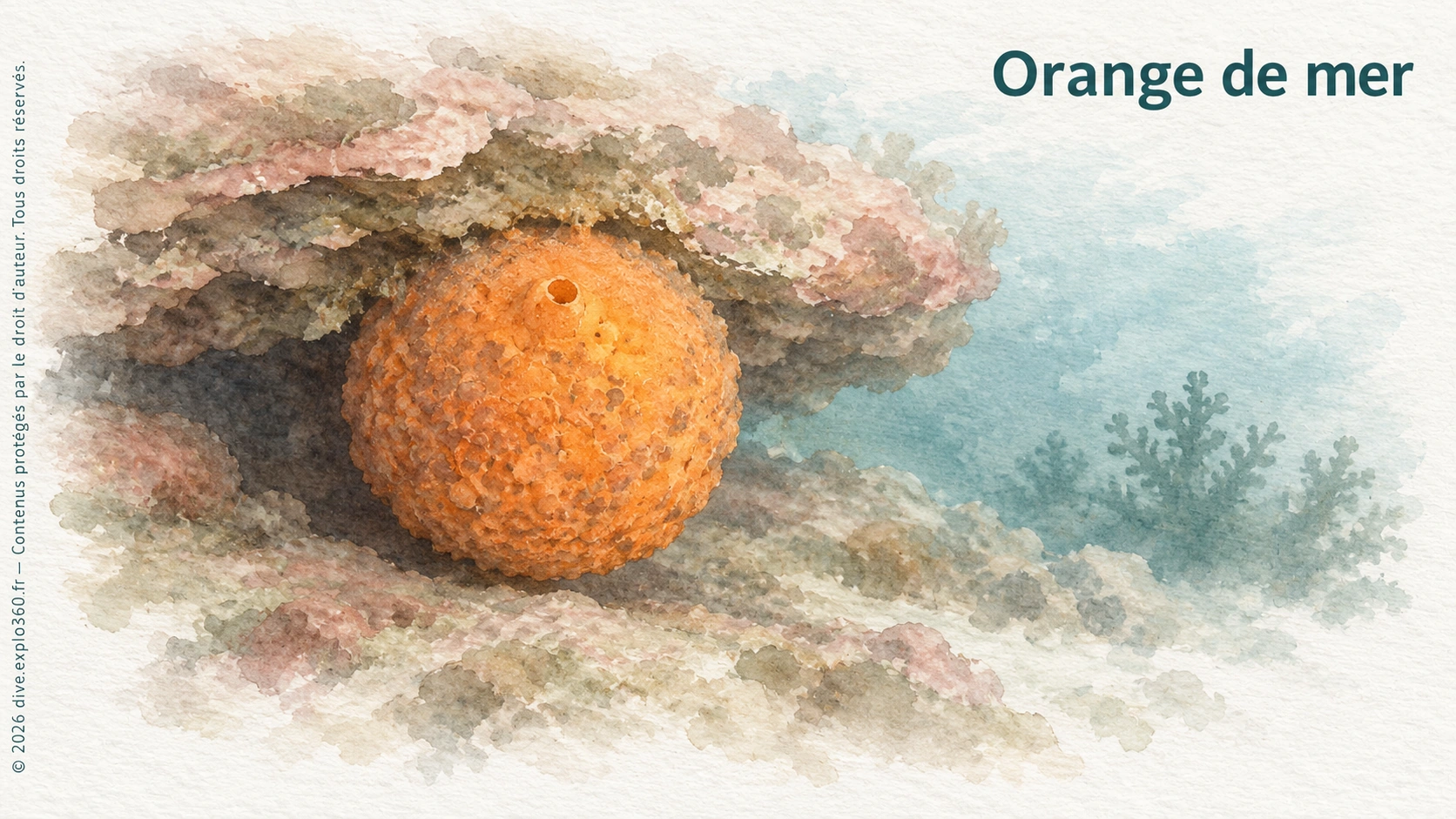 Species guidesMediterranean sea orangeDiscover →
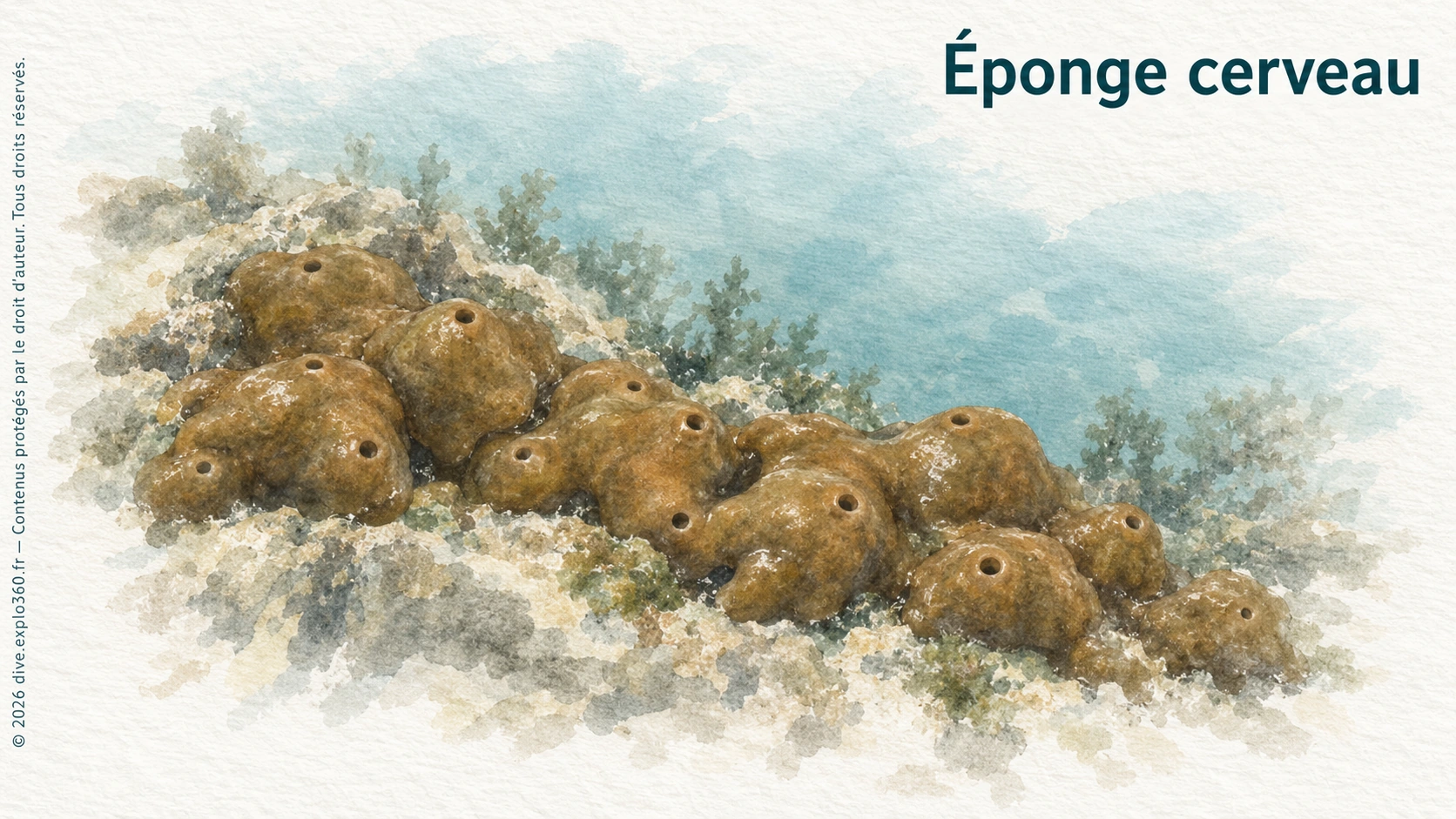 Species guidesChicken liver spongeDiscover →
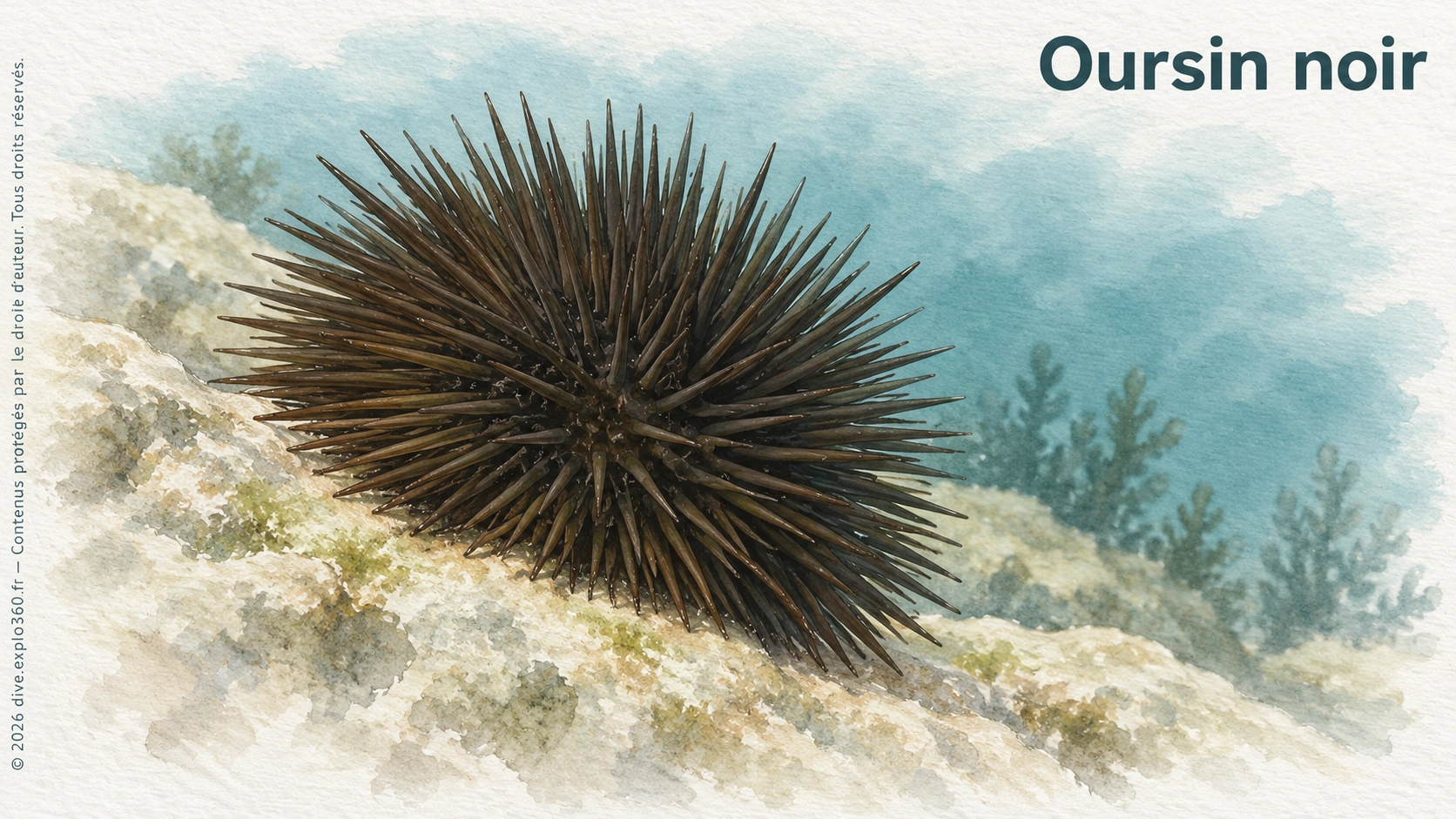 Species guidesBlack sea urchinDiscover →
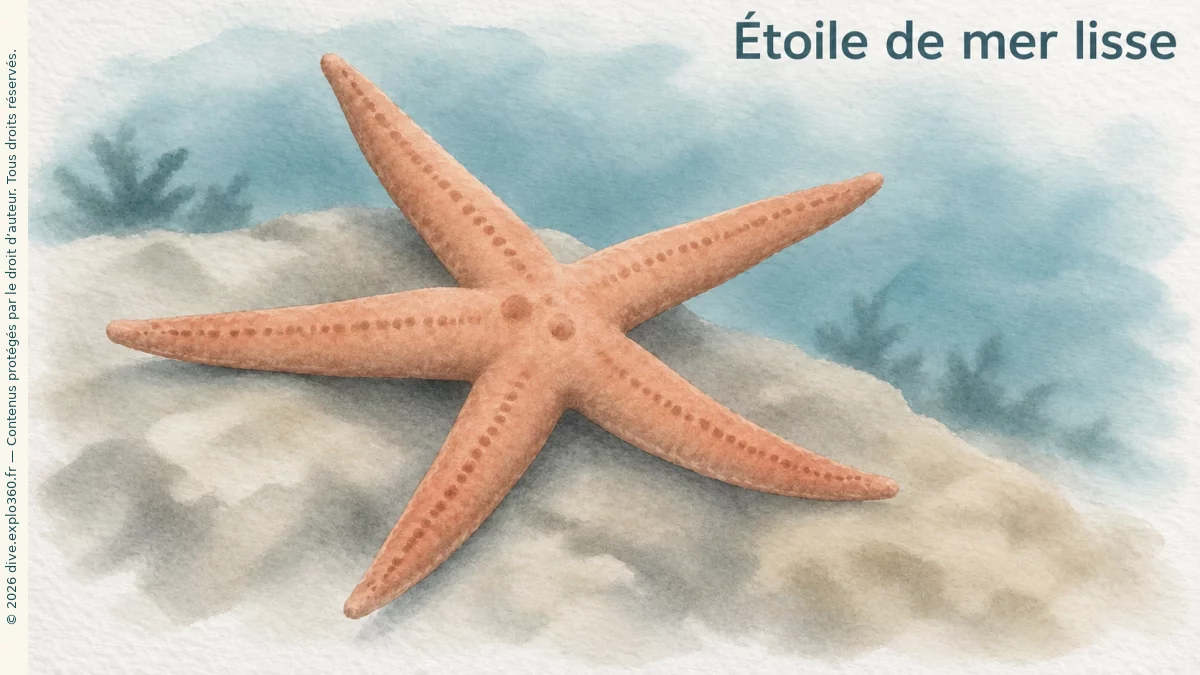 Species guidesSmooth starfishDiscover →
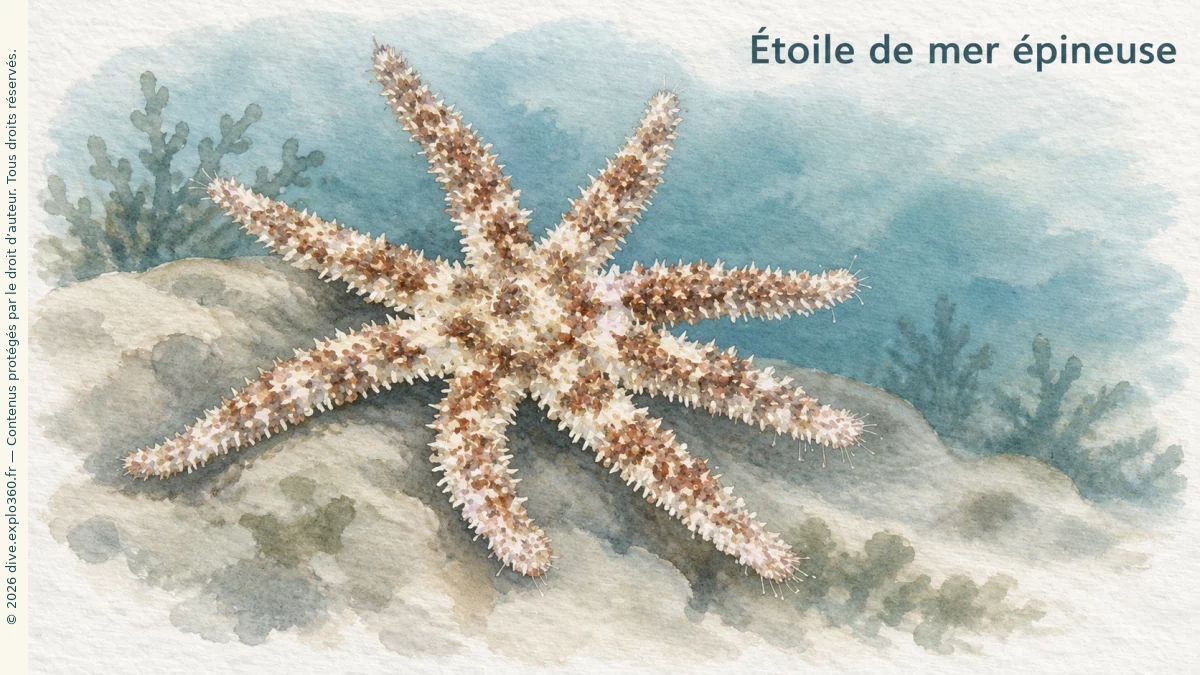 Species guidesSpiny starfishDiscover →
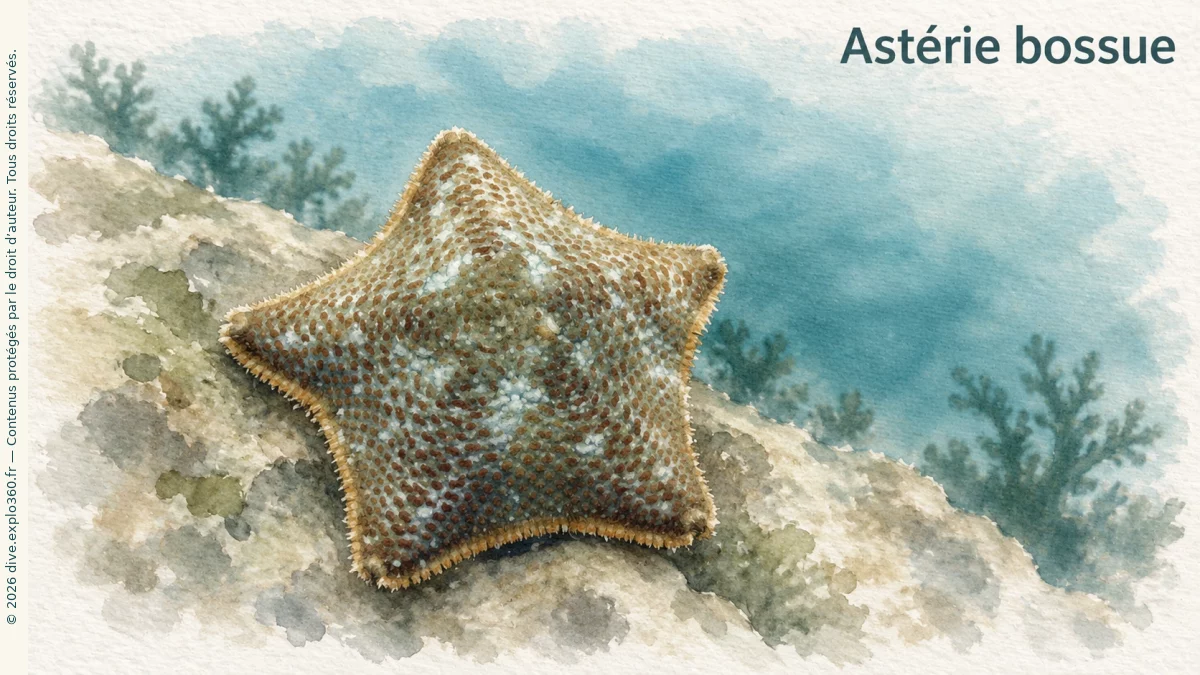 Species guidesCushion starDiscover →
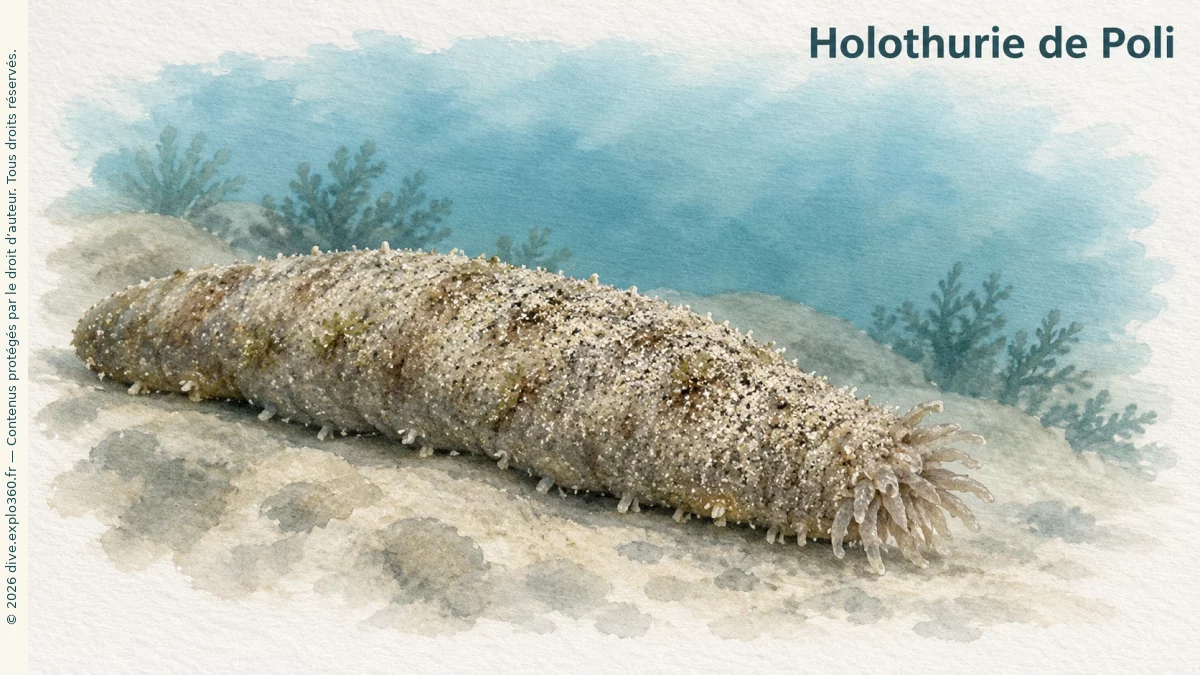 Species guidesPoli’s sea cucumberDiscover →
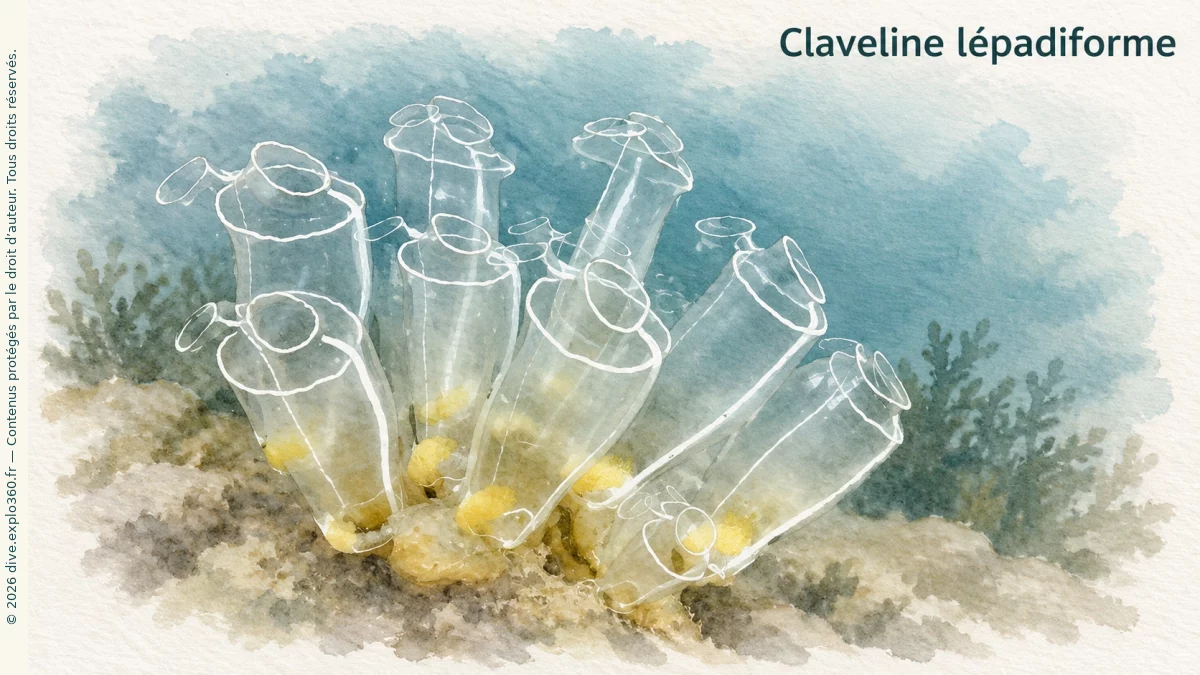 Species guidesLight-bulb sea squirtDiscover →
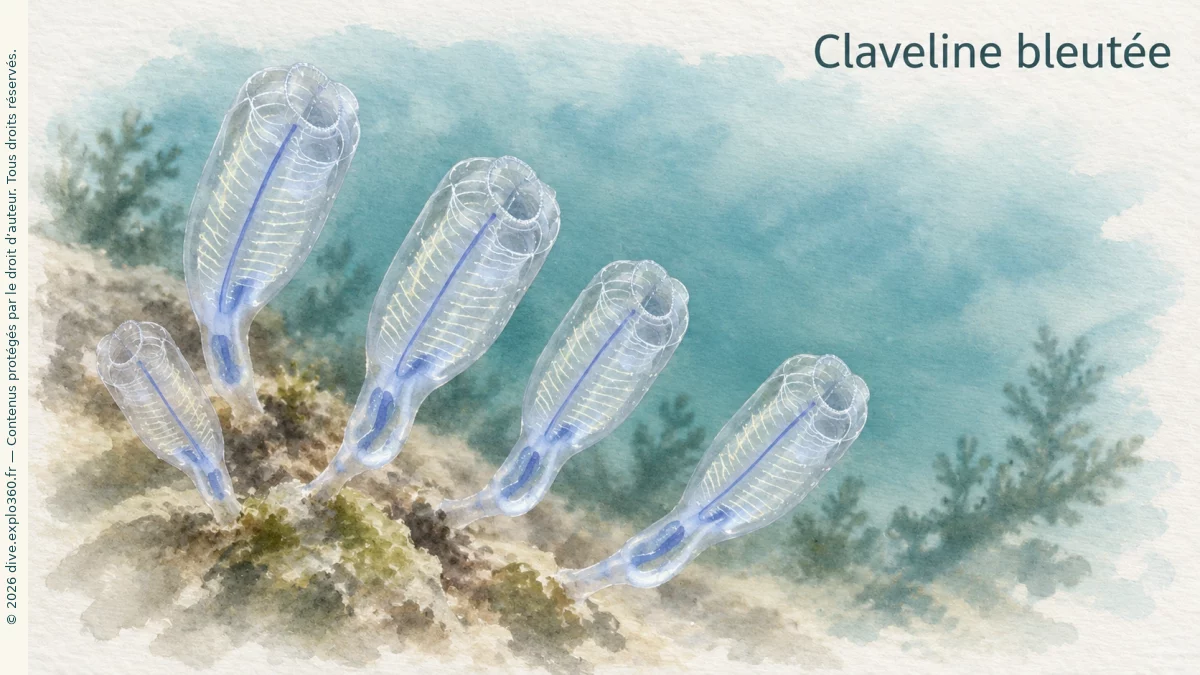 Species guidesBlue-tinted sea squirtDiscover →
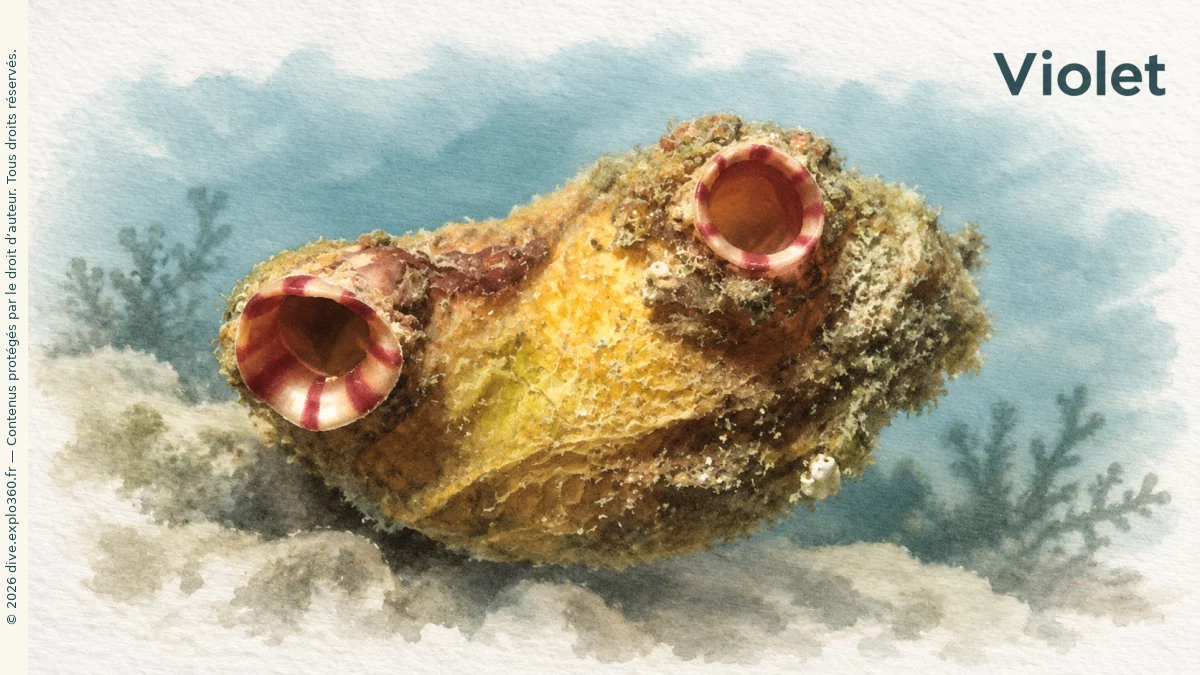 Species guidesViolet sea squirtDiscover →
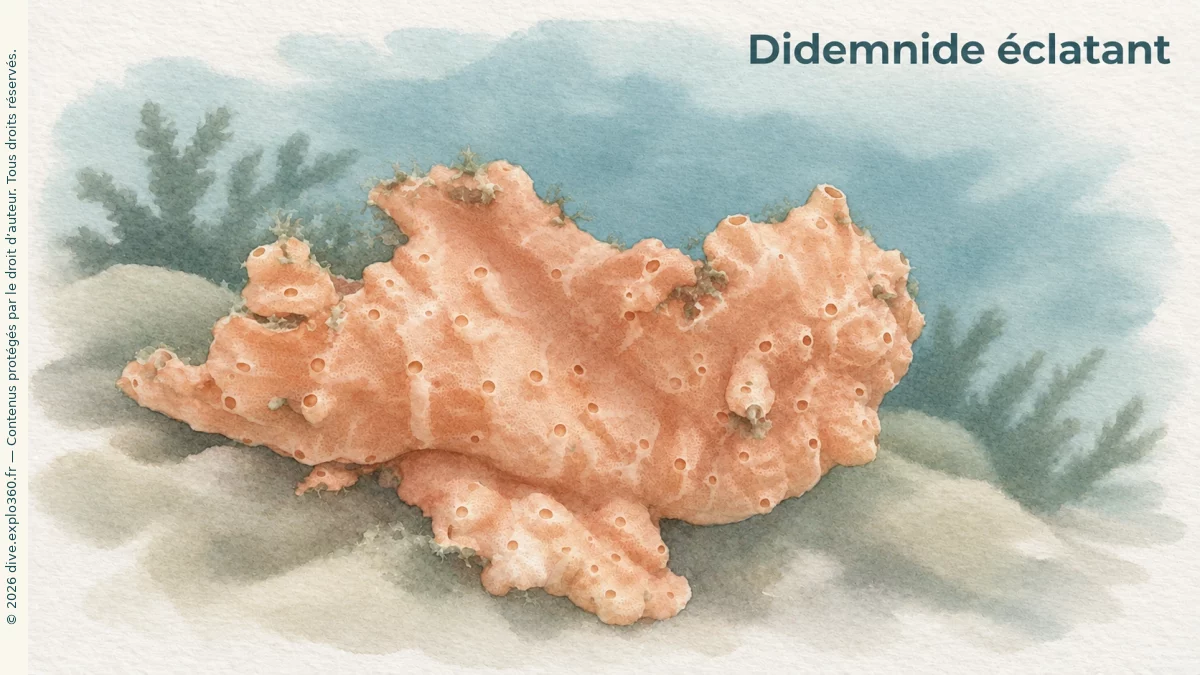 Species guidesOrange didemnid sea squirtDiscover →
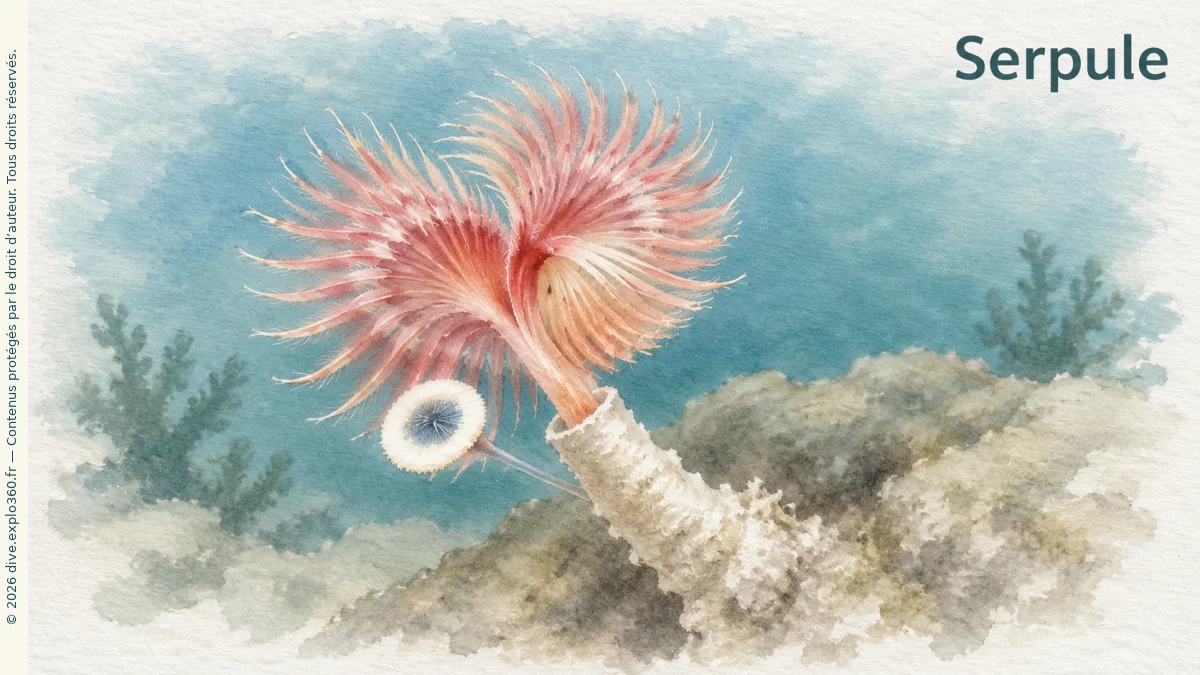 Species guidesRed tubewormDiscover →
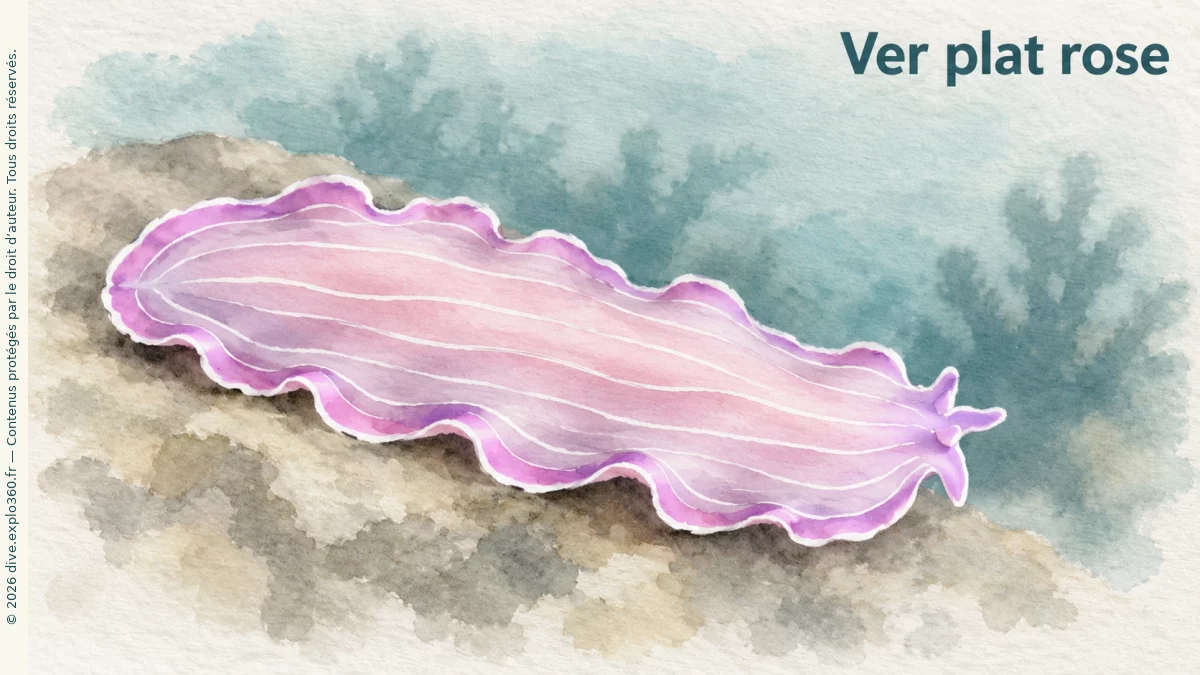 Species guidesPink flatwormDiscover →
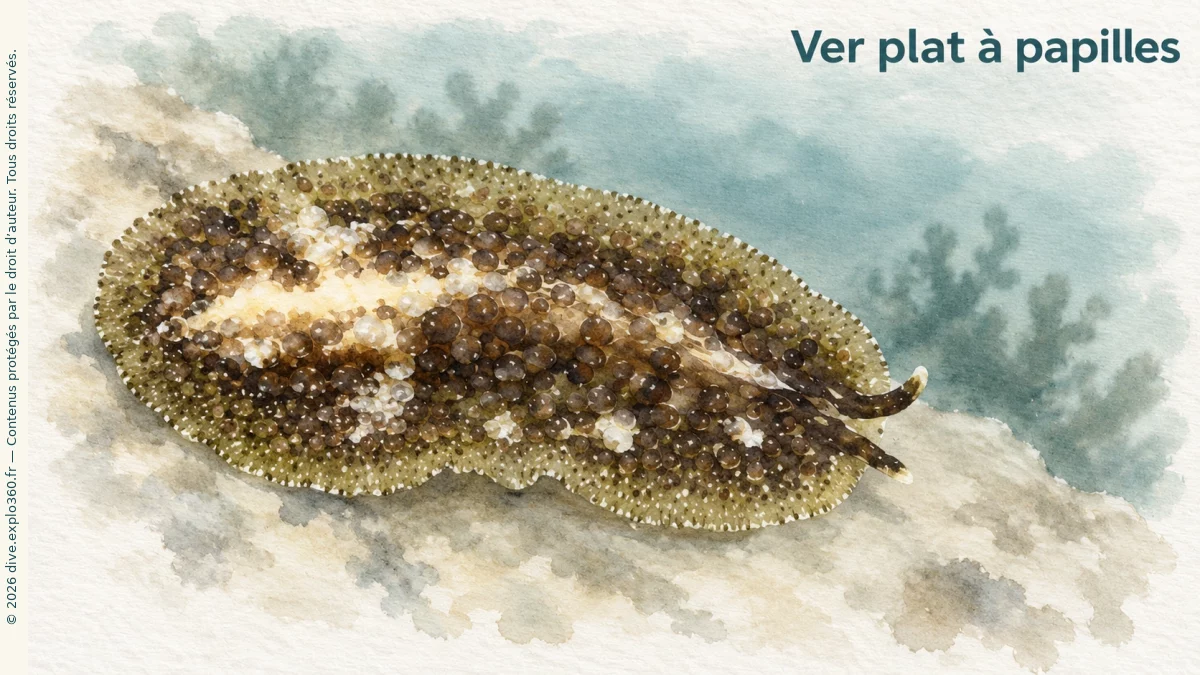 Species guidesPapillose flatwormDiscover →
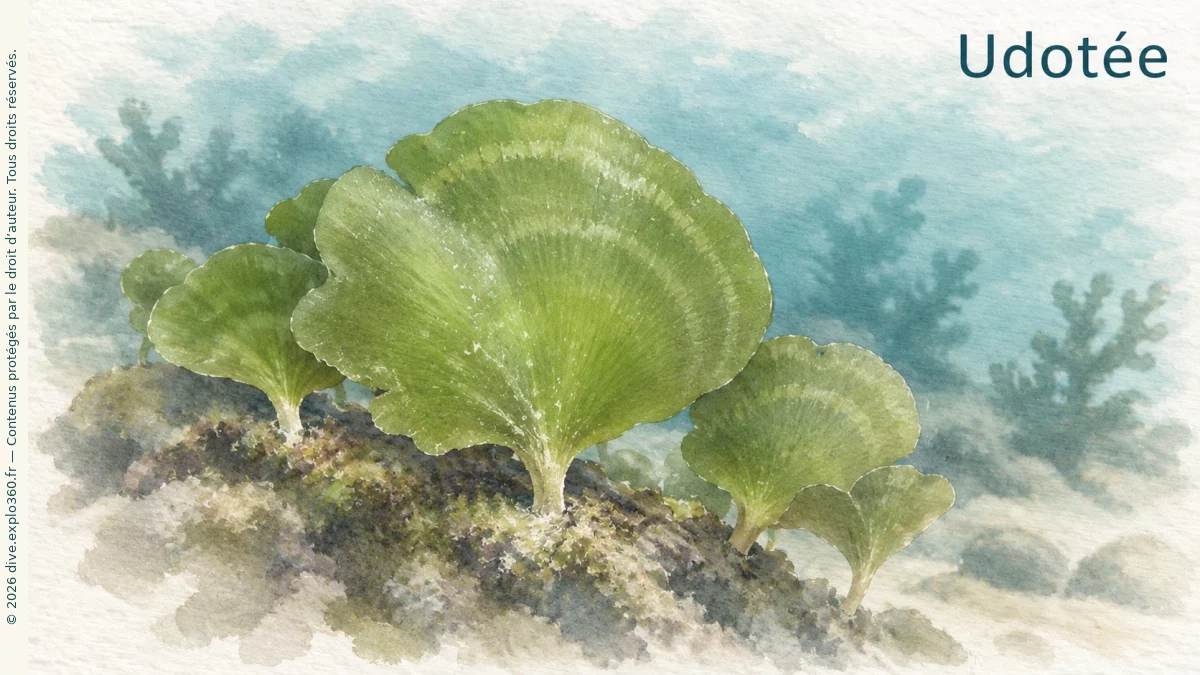 Species guidesUdoteaDiscover →
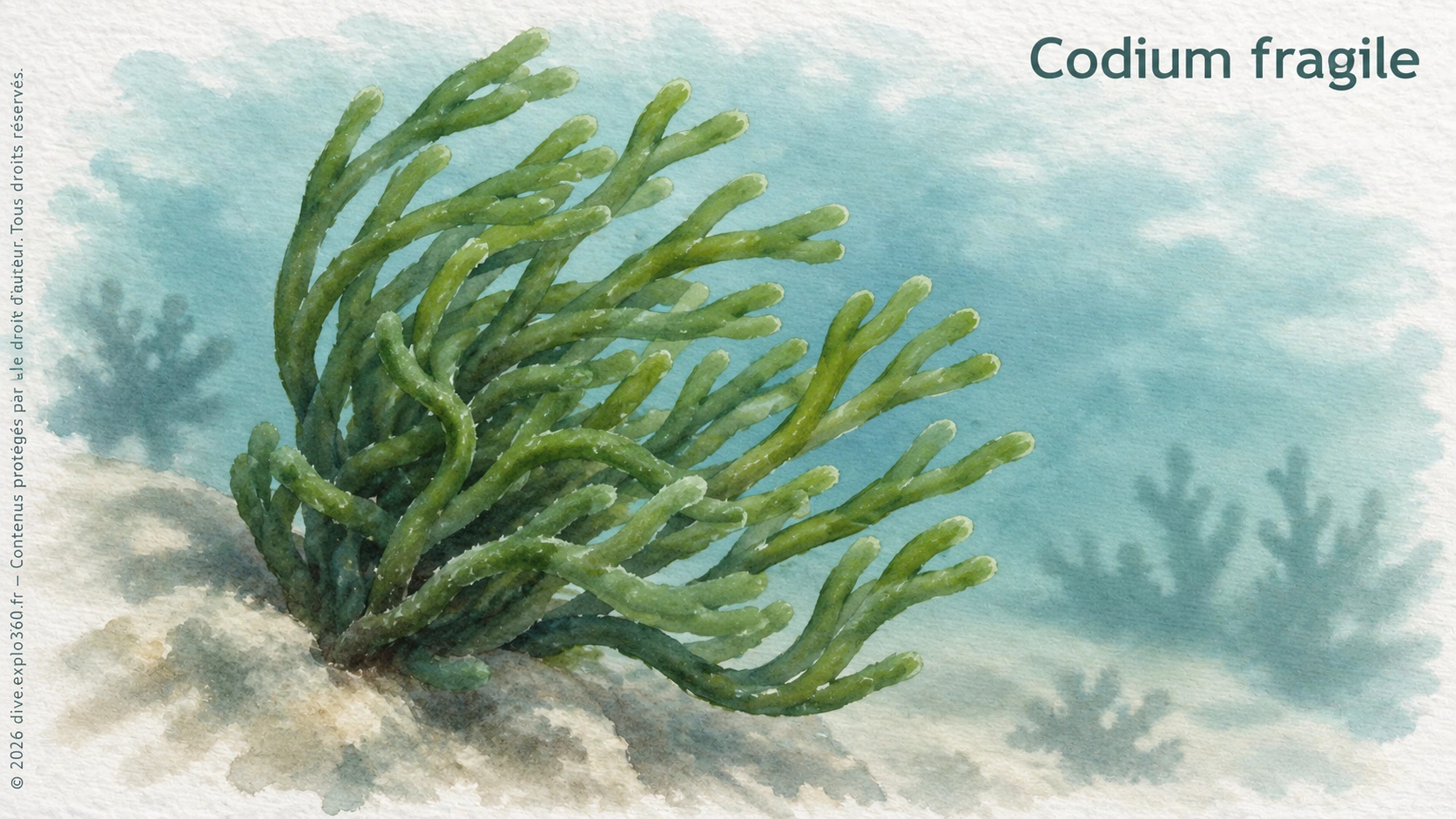 Species guidesFragile codiumDiscover →
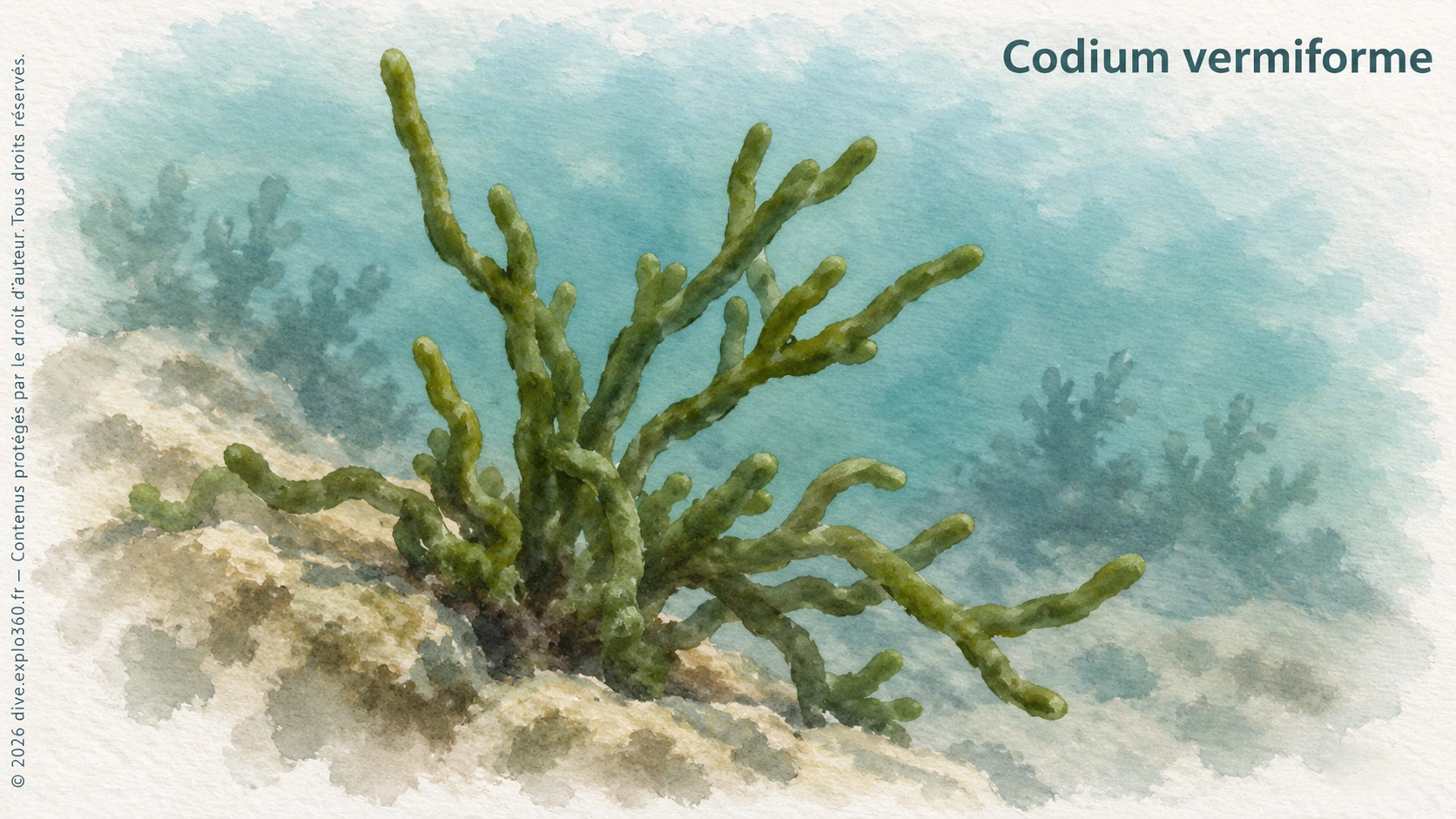 Species guidesWormlike codiumDiscover →
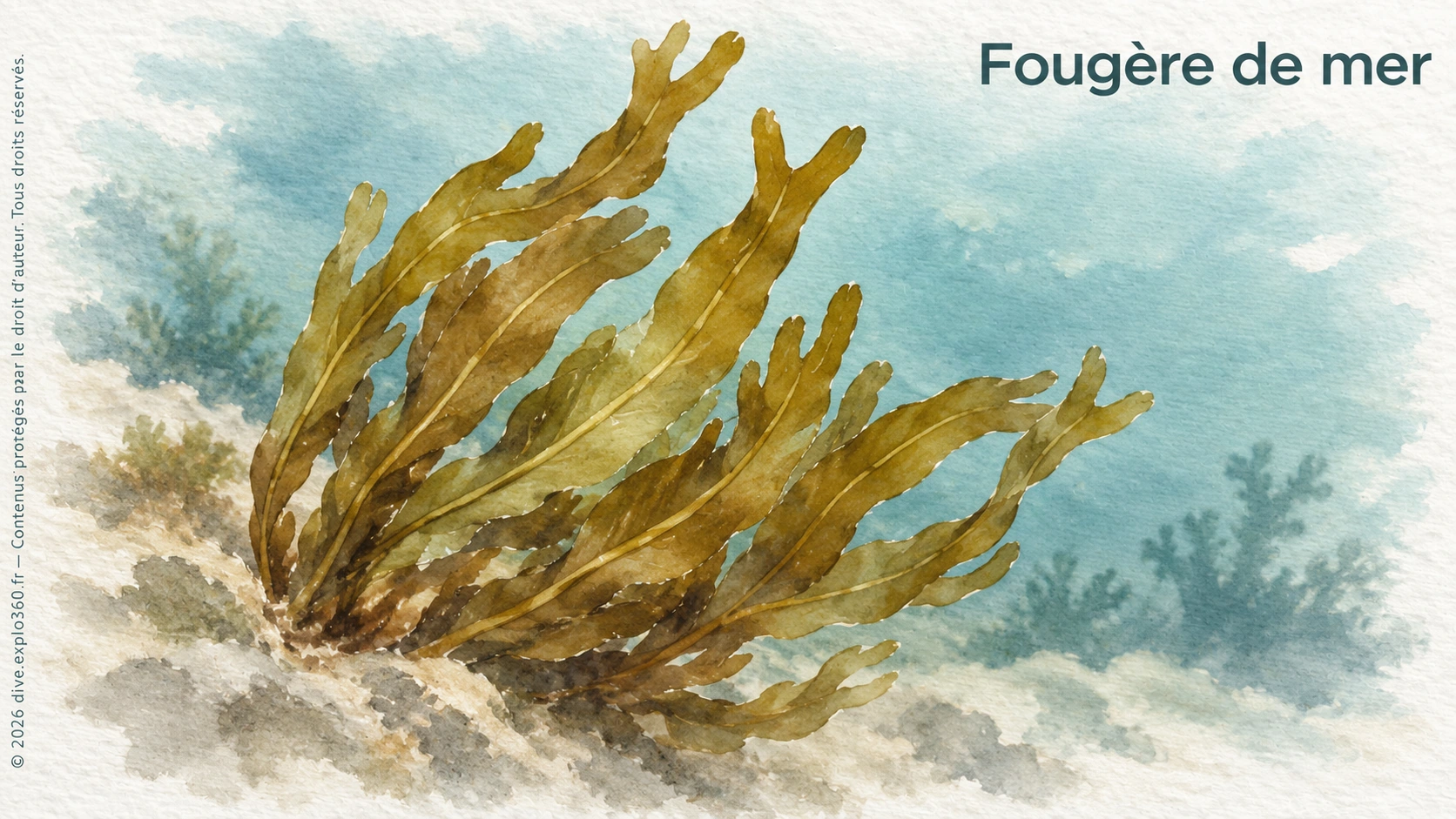 Species guidesSweet-smelling seaweedDiscover →
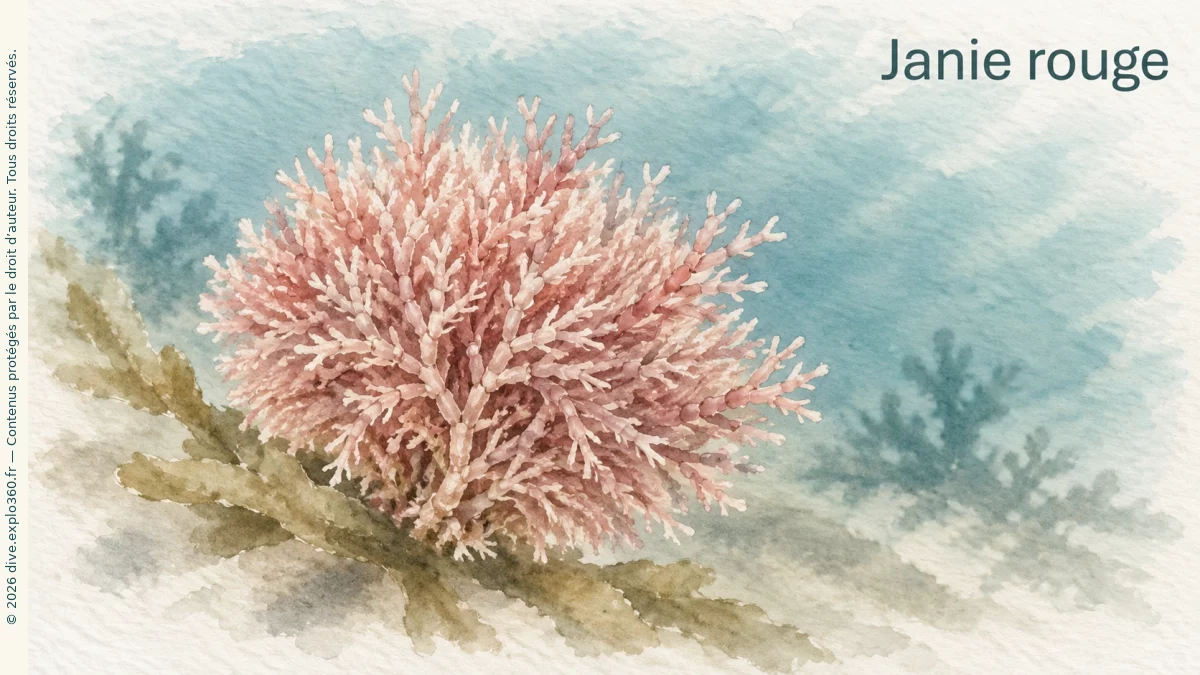 Species guidesRed janiaDiscover →
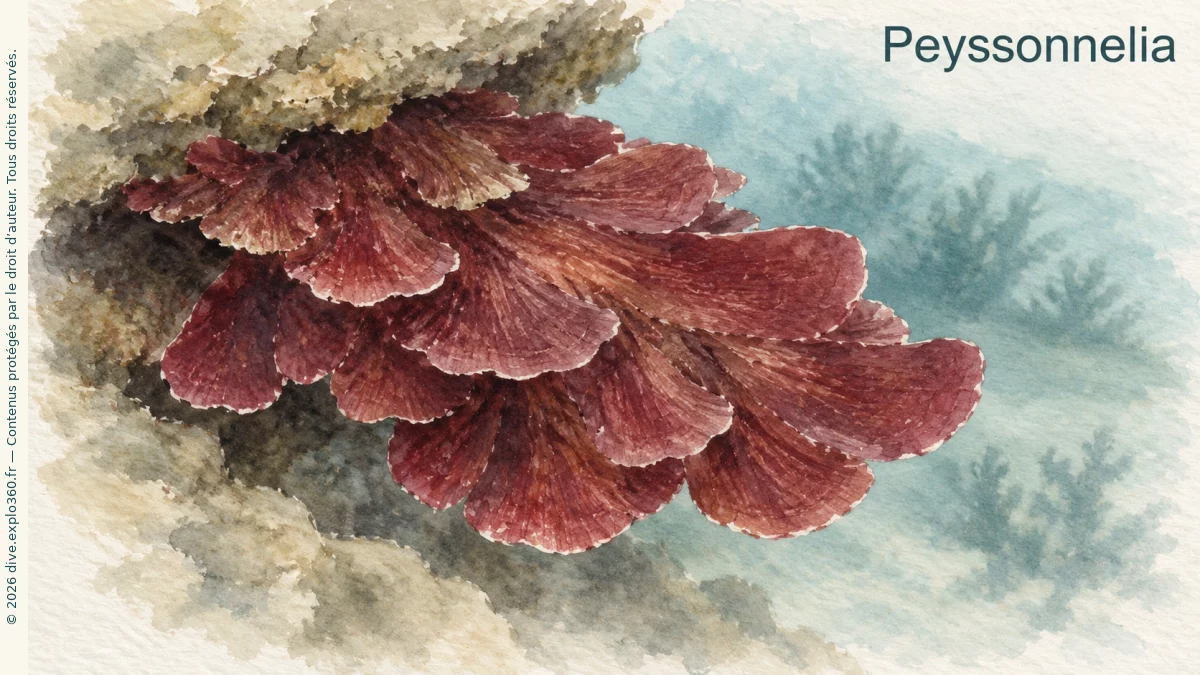 Species guidesPeyssonneliaDiscover →
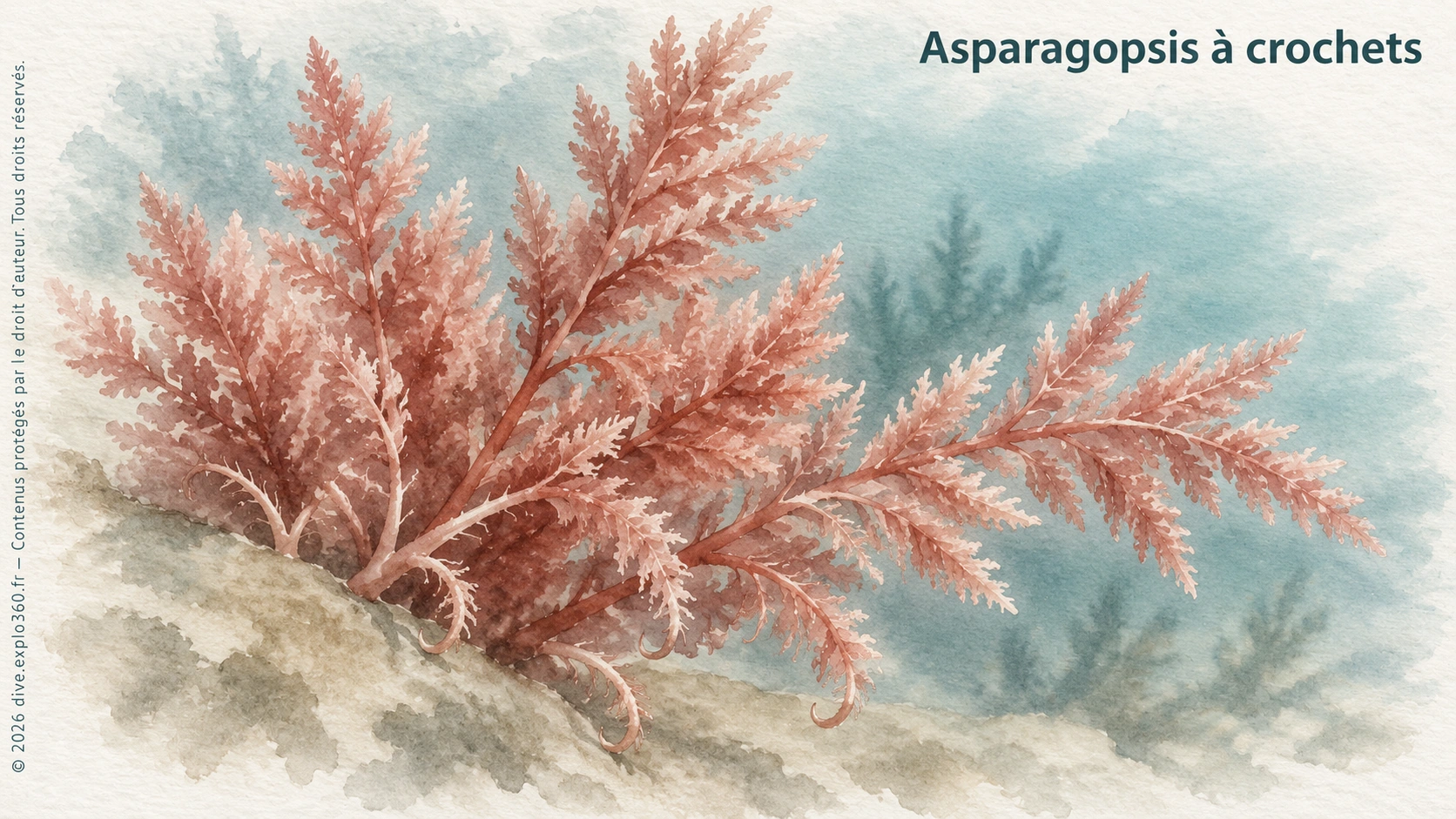 Species guidesHarpoon algaDiscover →
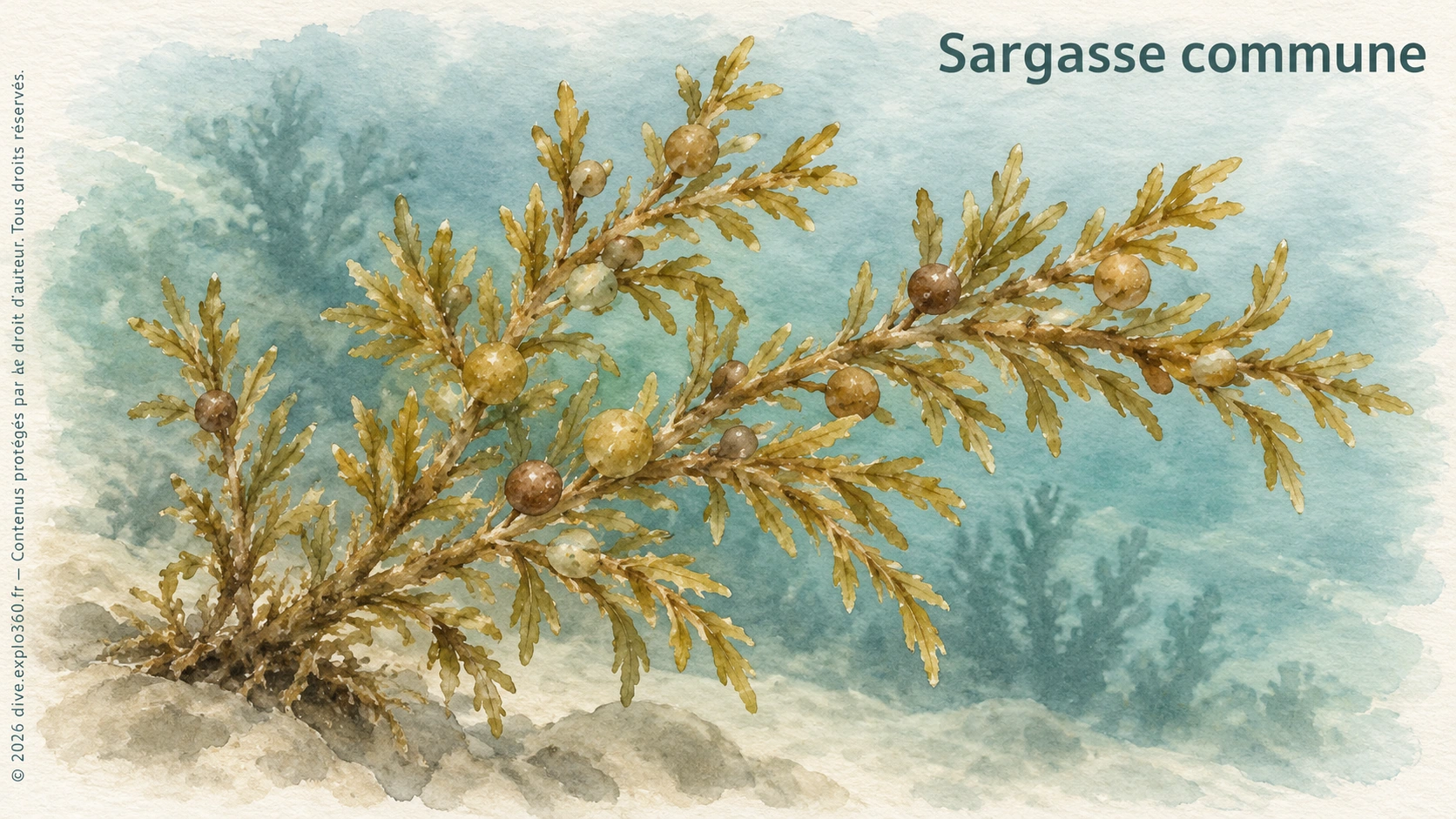 Species guidesCommon sargassumDiscover →
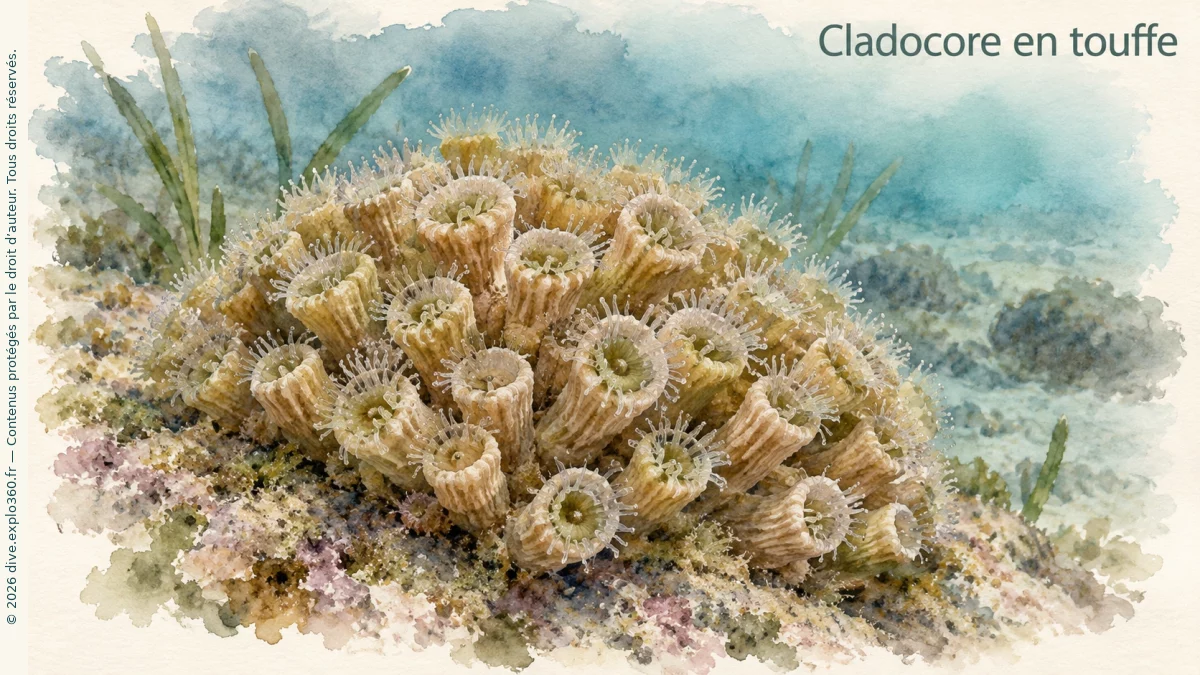 Species guidesMediterranean pillow coralDiscover →
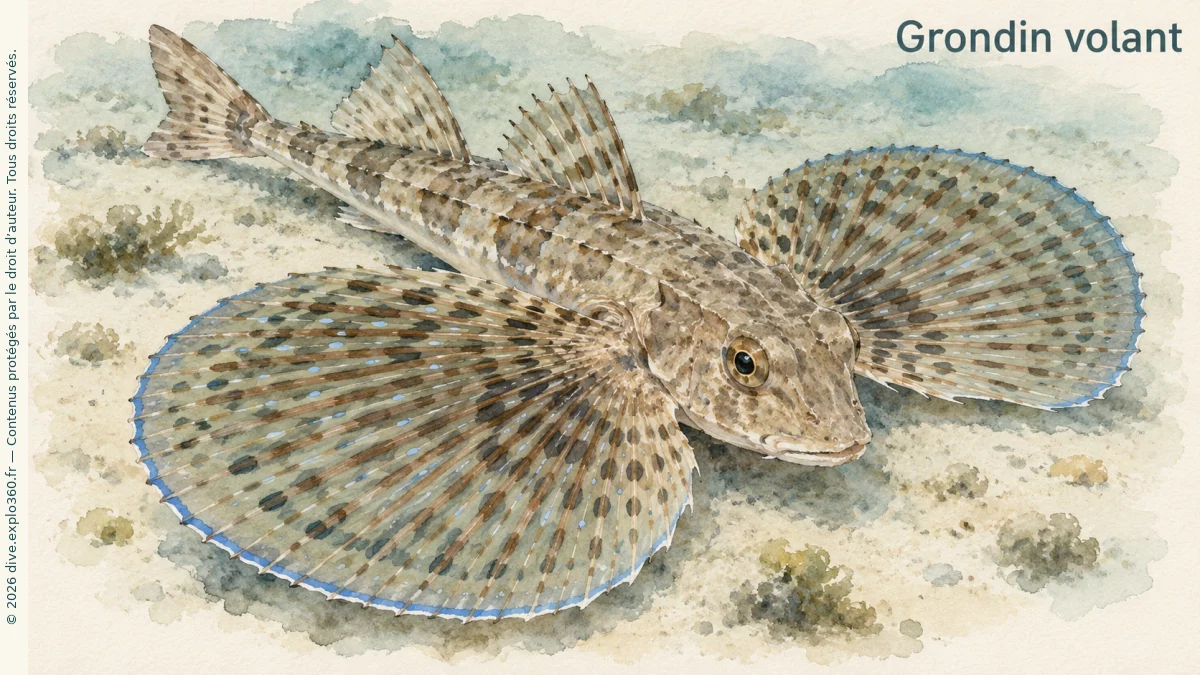 Species guidesFlying gurnardDiscover →
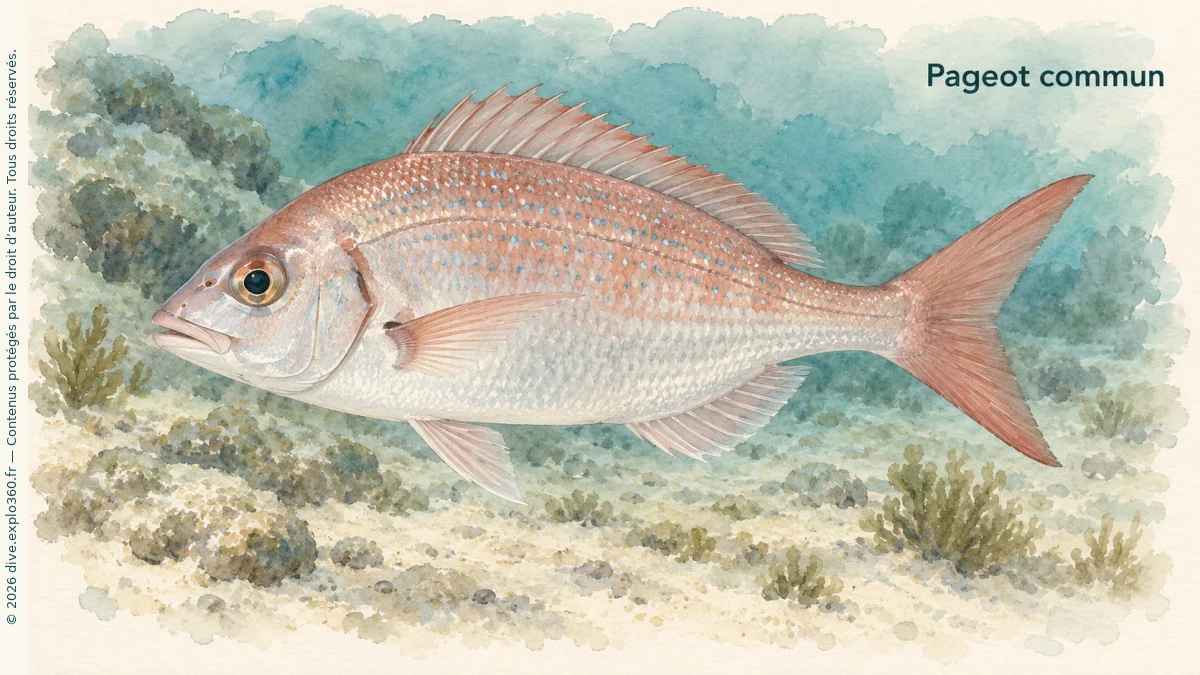 Species guidesCommon pandoraDiscover →
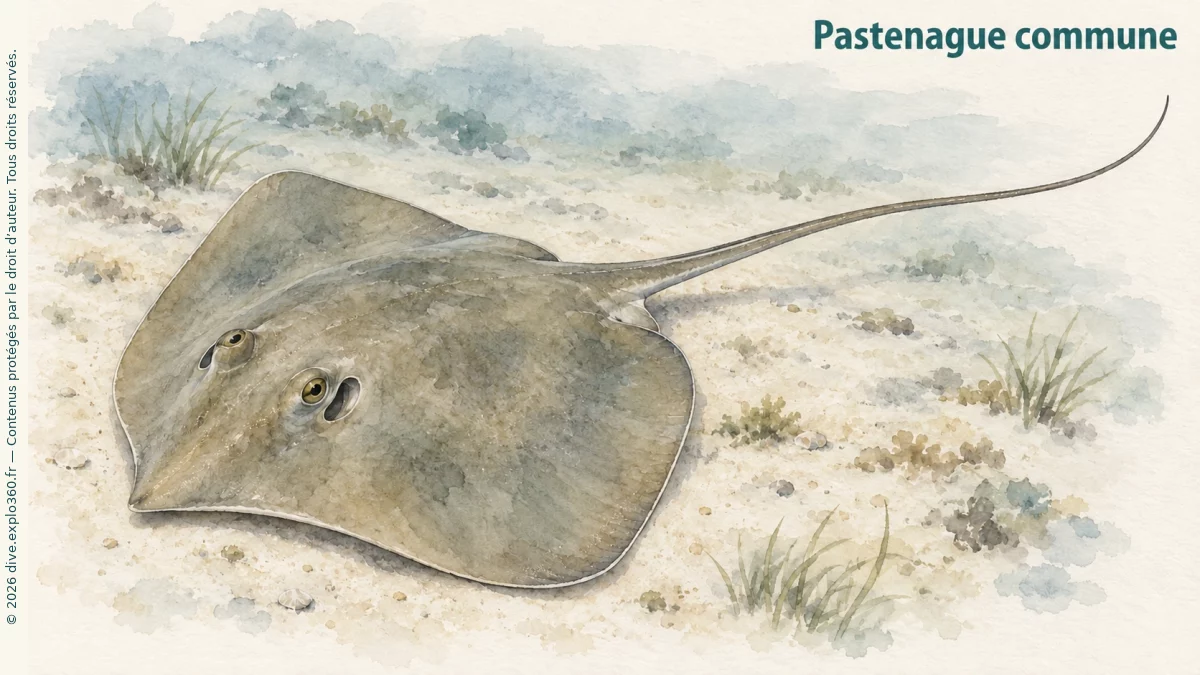 Species guidesCommon stingrayDiscover →
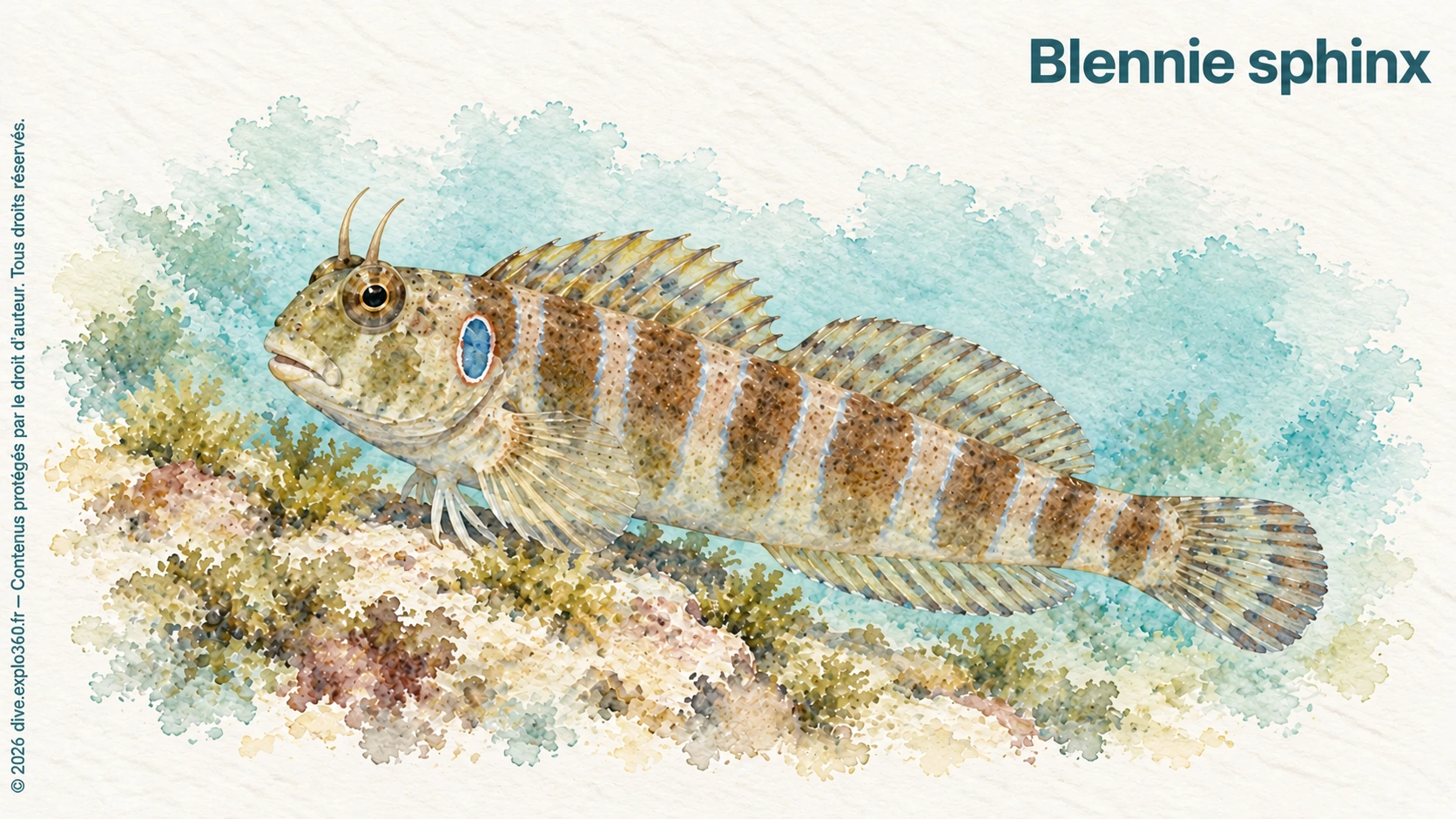 Species guidesSphinx blennyDiscover →
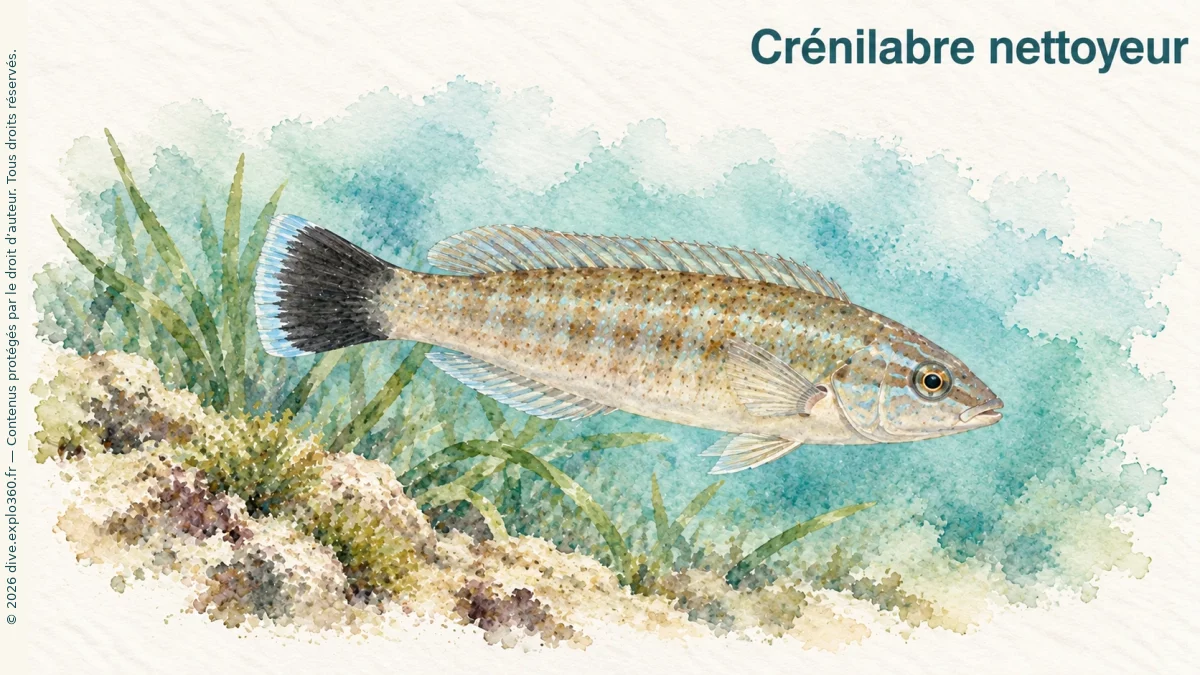 Species guidesBlack-tailed wrasseDiscover →
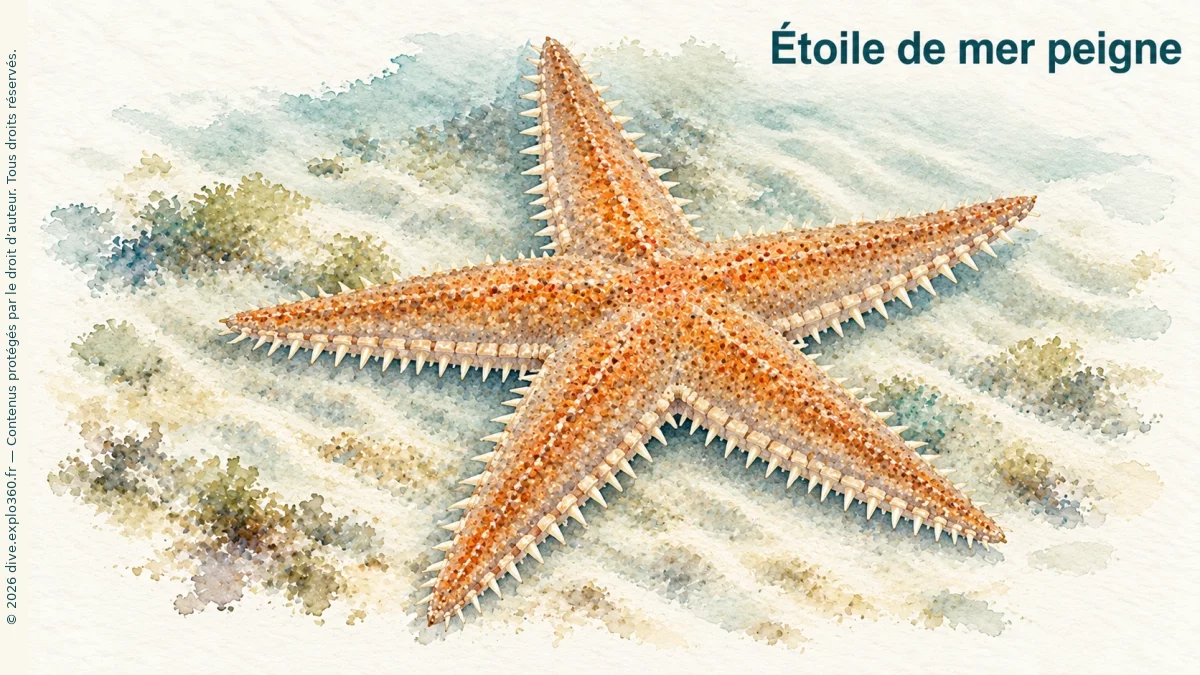 Species guidesRed comb starDiscover →
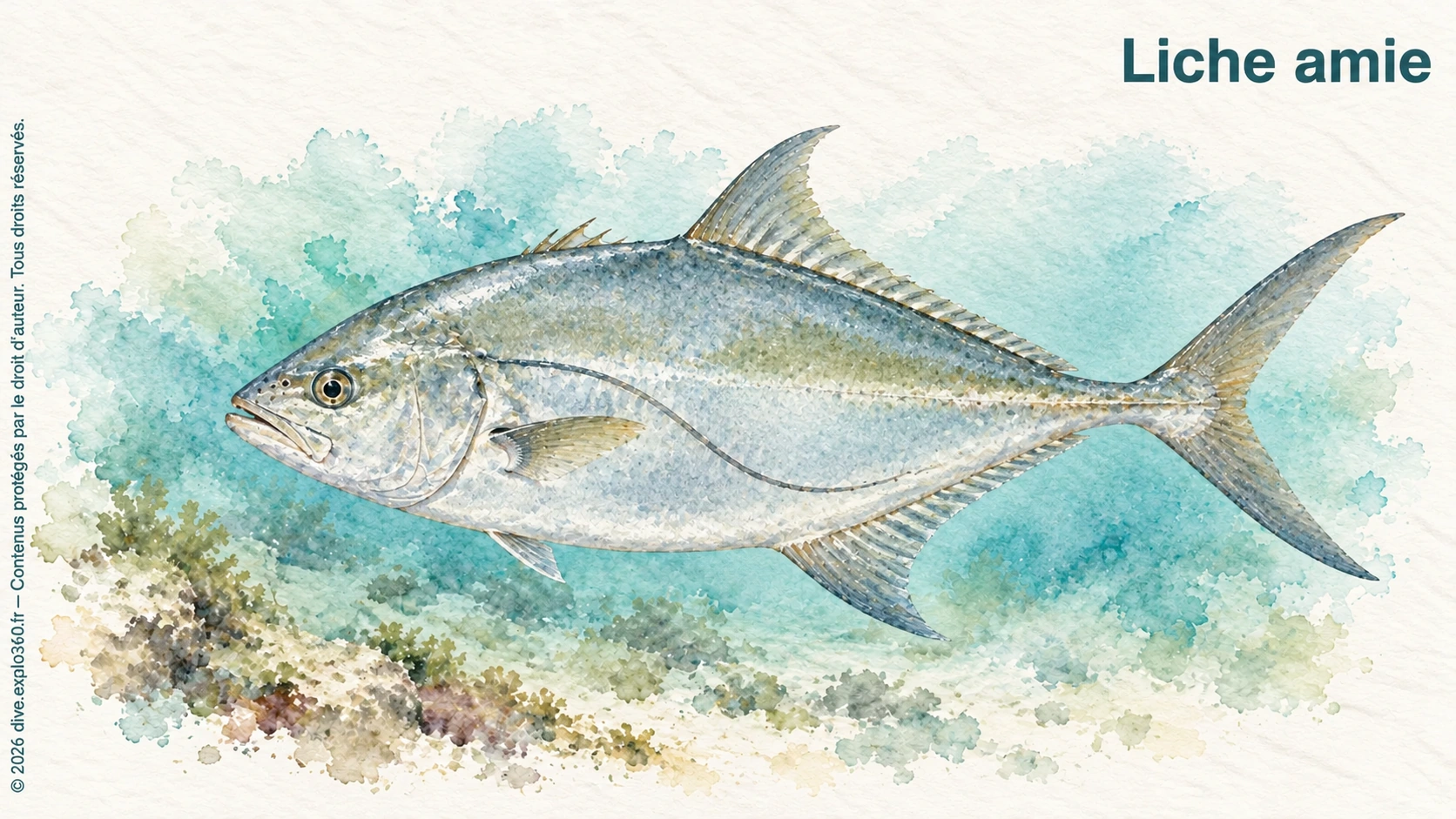 Species guidesLeerfishDiscover →
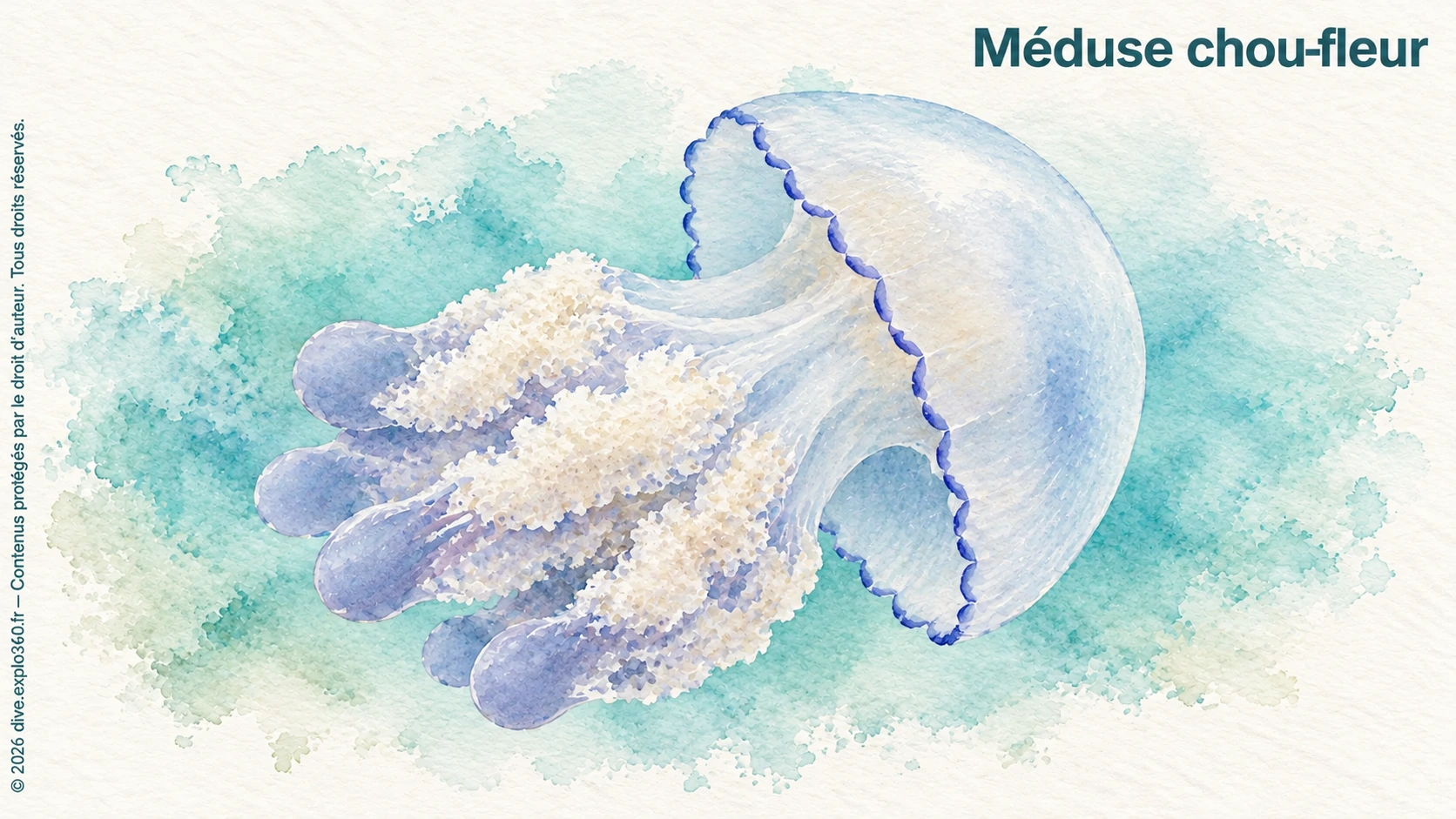 Species guidesBarrel jellyfishDiscover →
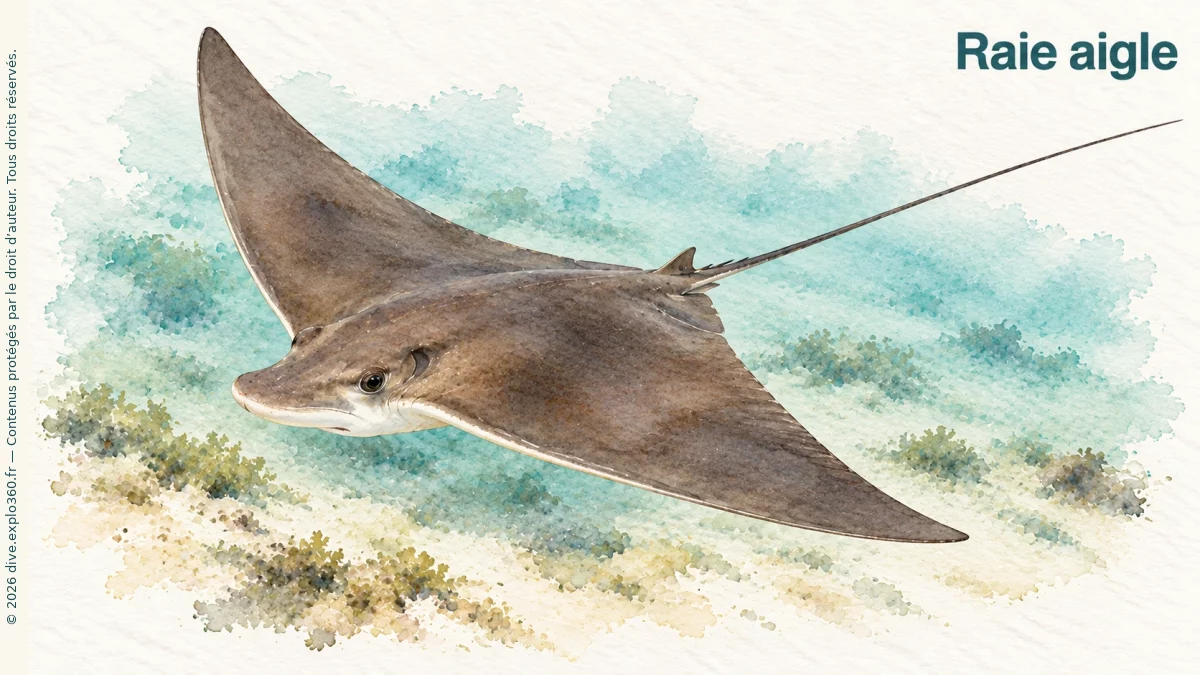 Species guidesCommon eagle rayDiscover →
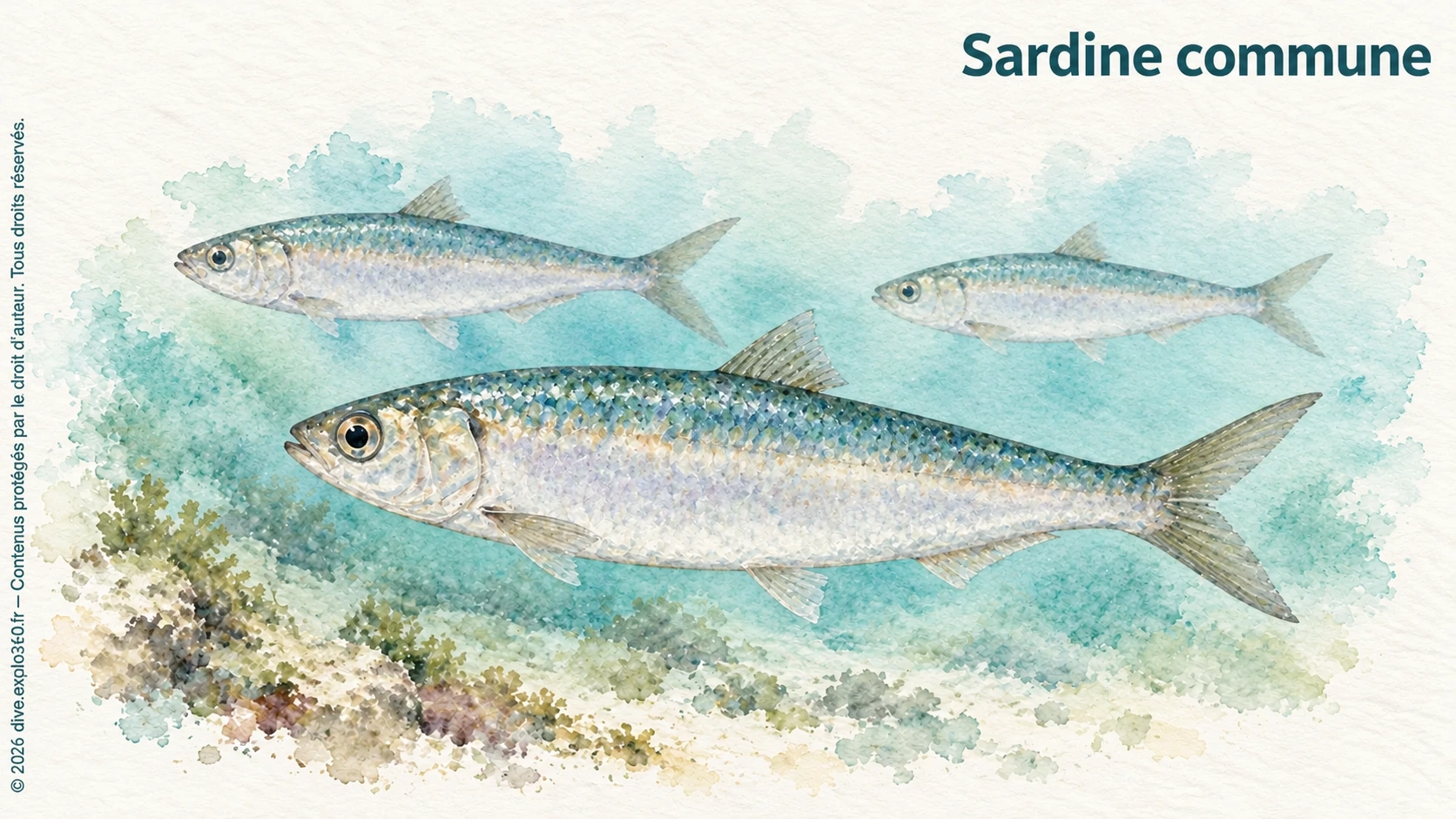 Species guidesEuropean sardineDiscover →
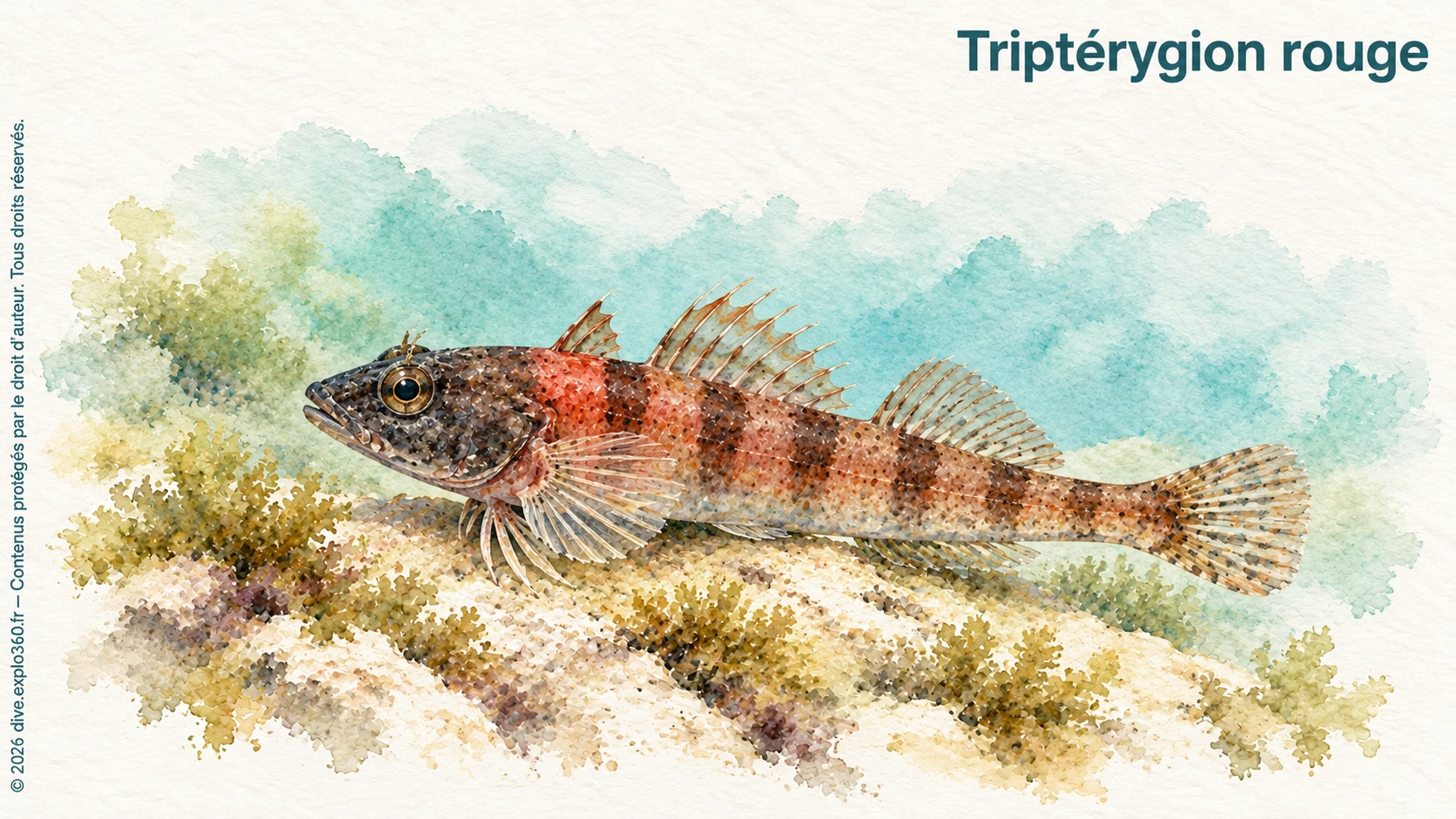 Species guidesRed-black triplefinDiscover →
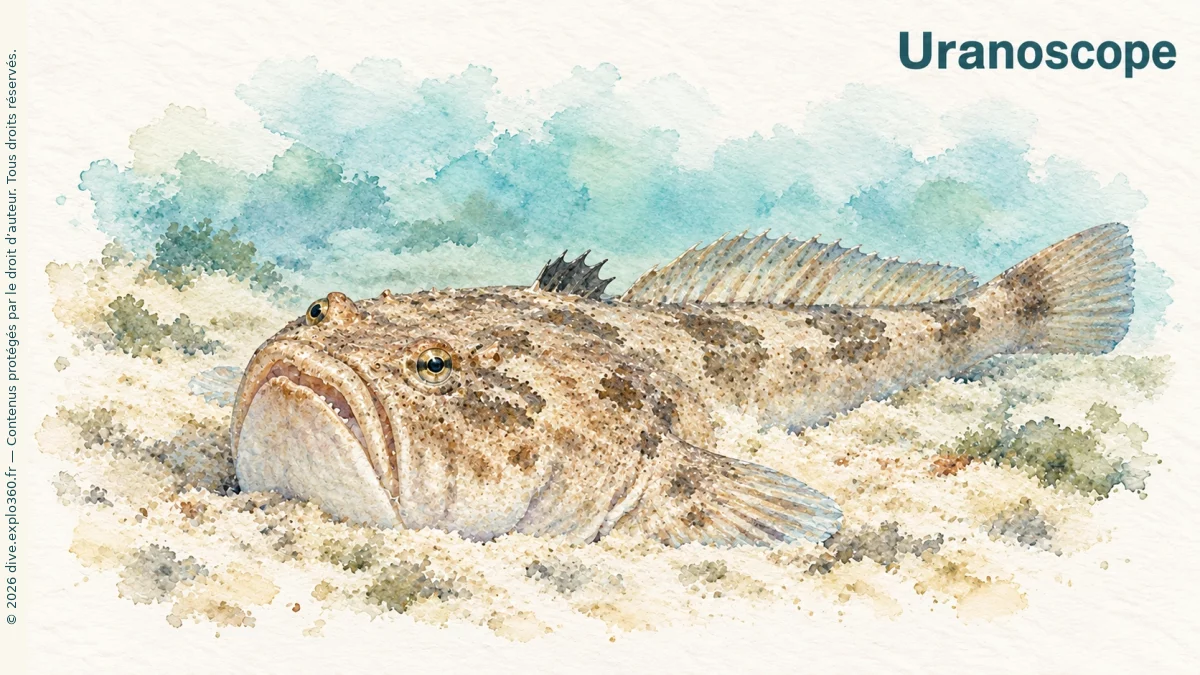 Species guidesAtlantic stargazerDiscover →
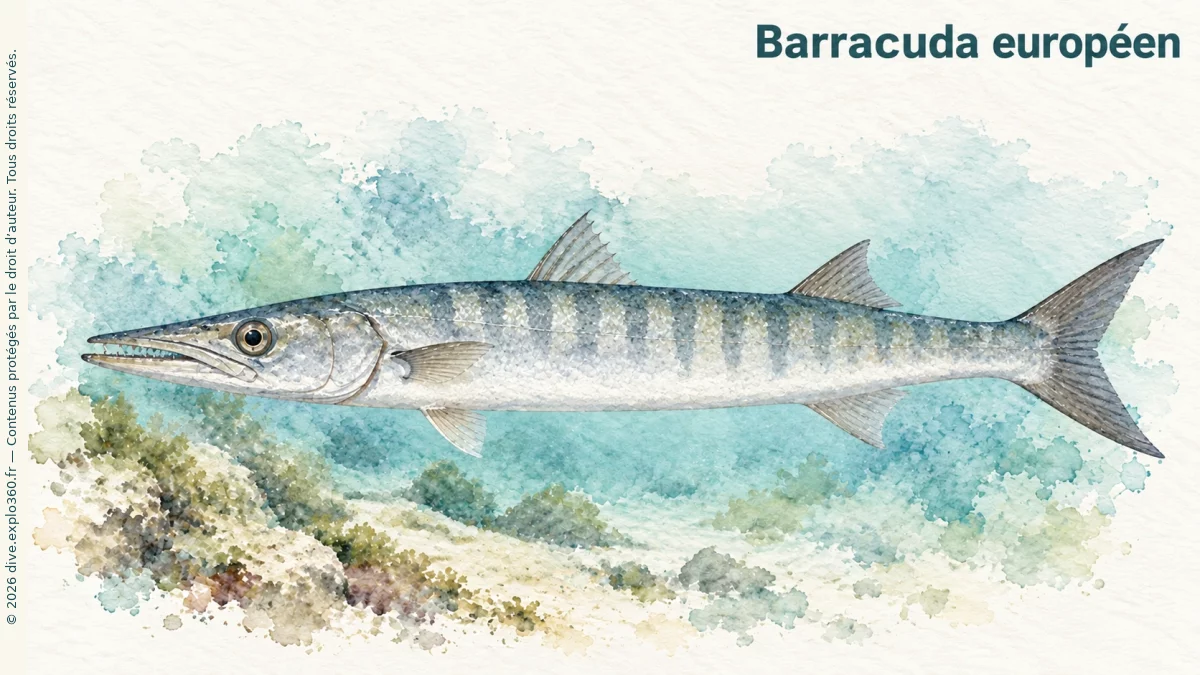 Species guidesEuropean barracudaDiscover →
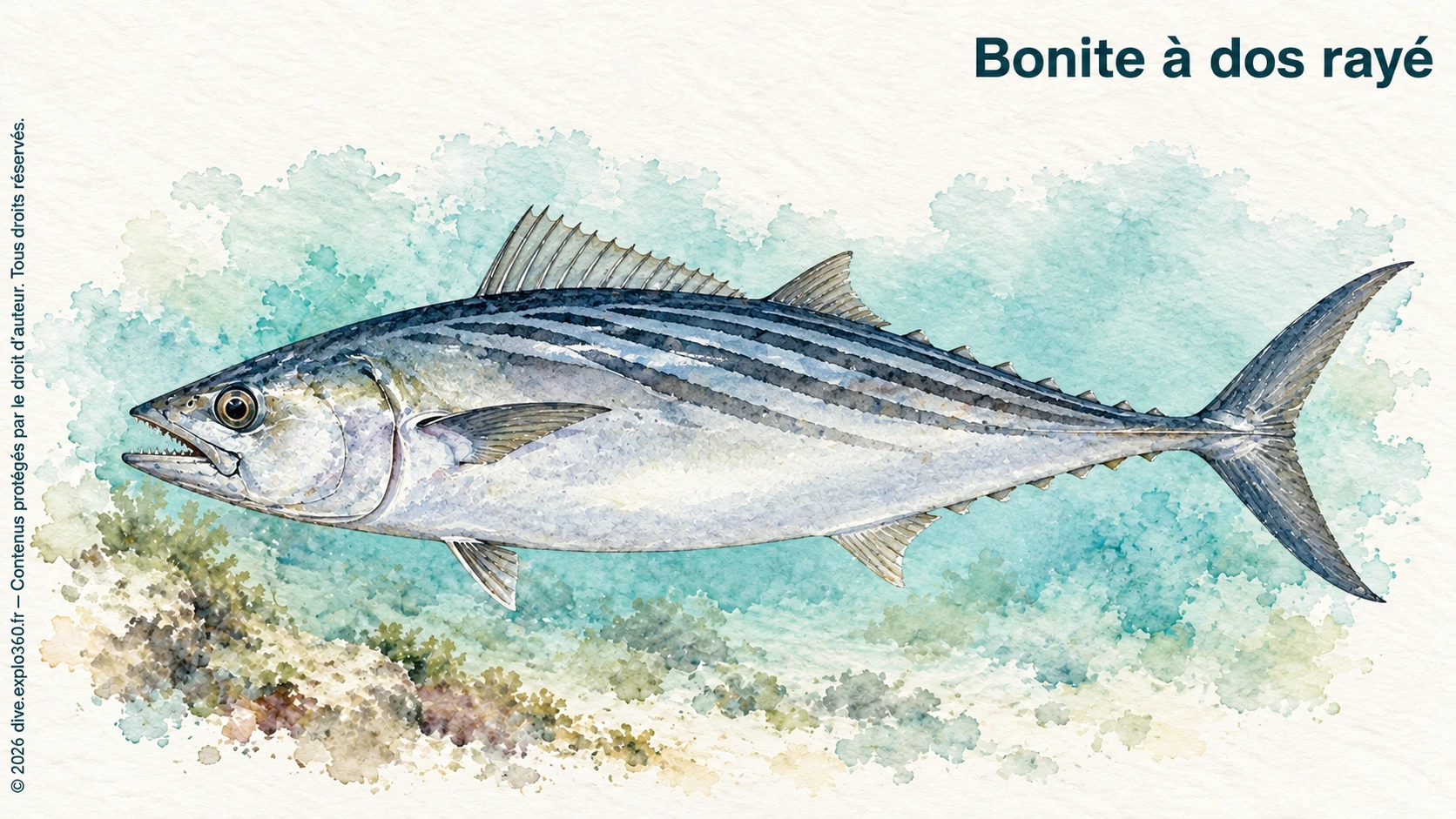 Species guidesAtlantic bonitoDiscover →
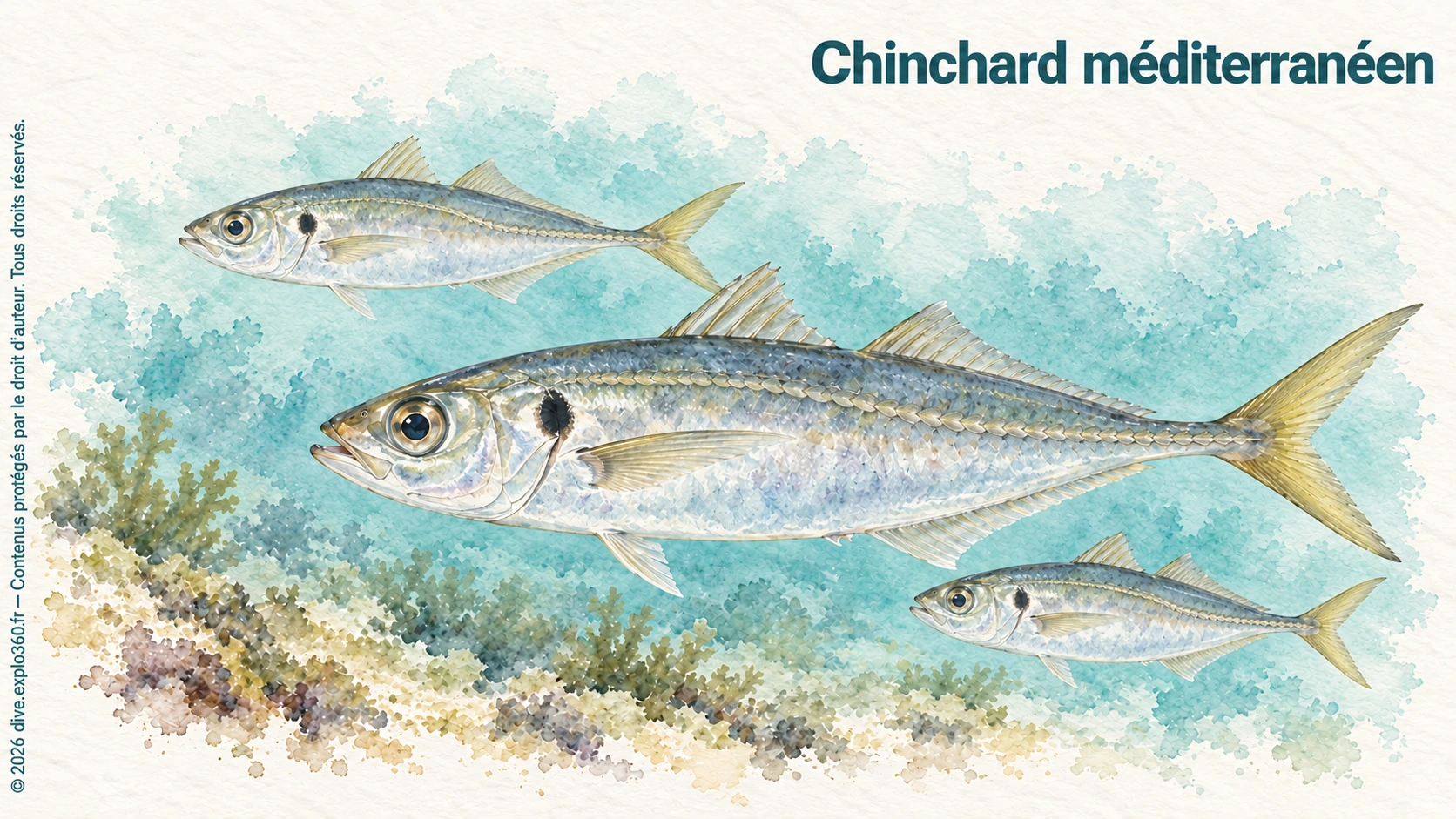 Species guidesMediterranean horse mackerelDiscover →
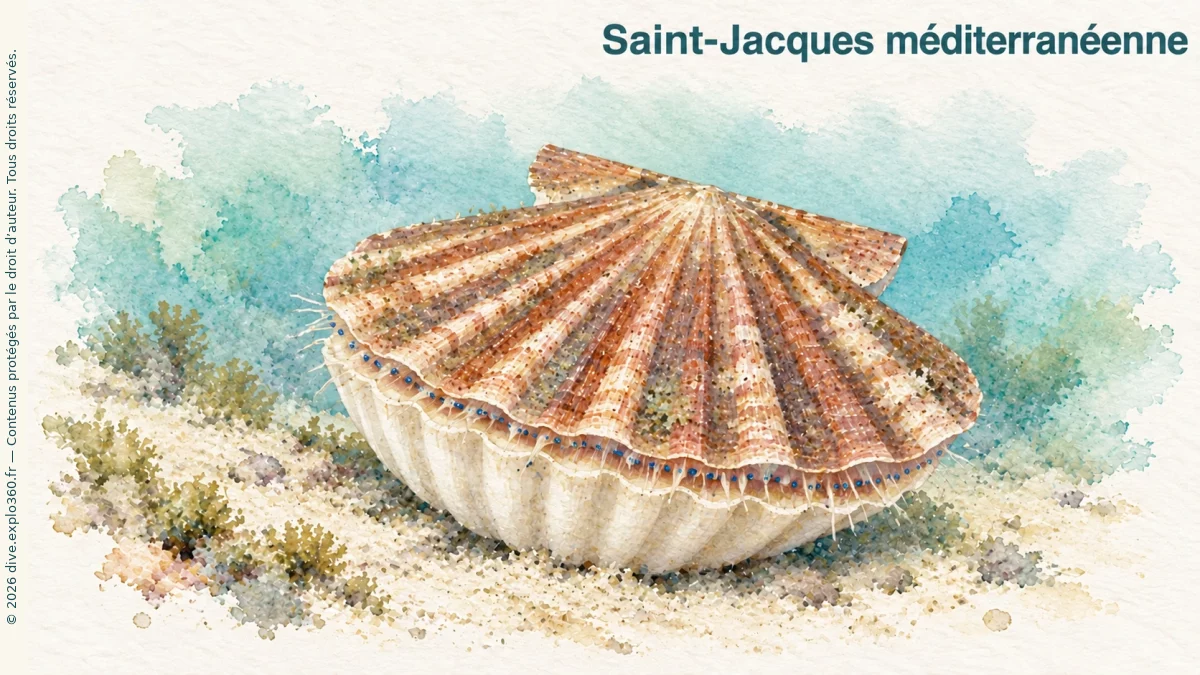 Species guidesMediterranean scallopDiscover →
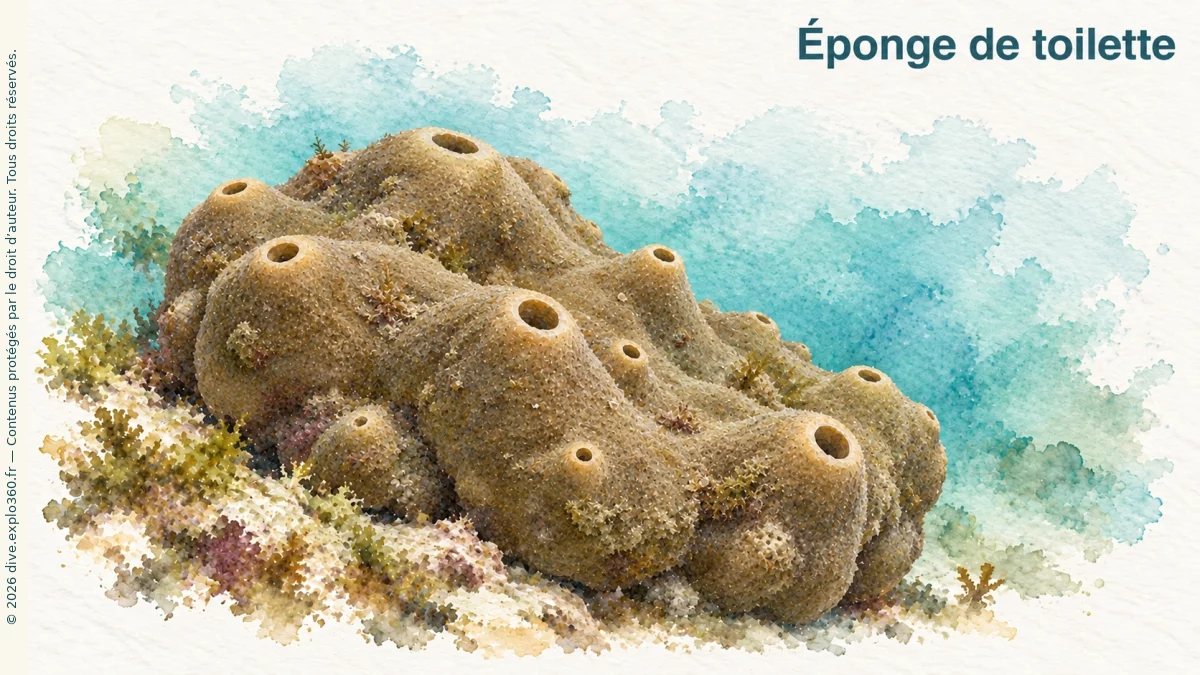 Species guidesBath spongeDiscover →
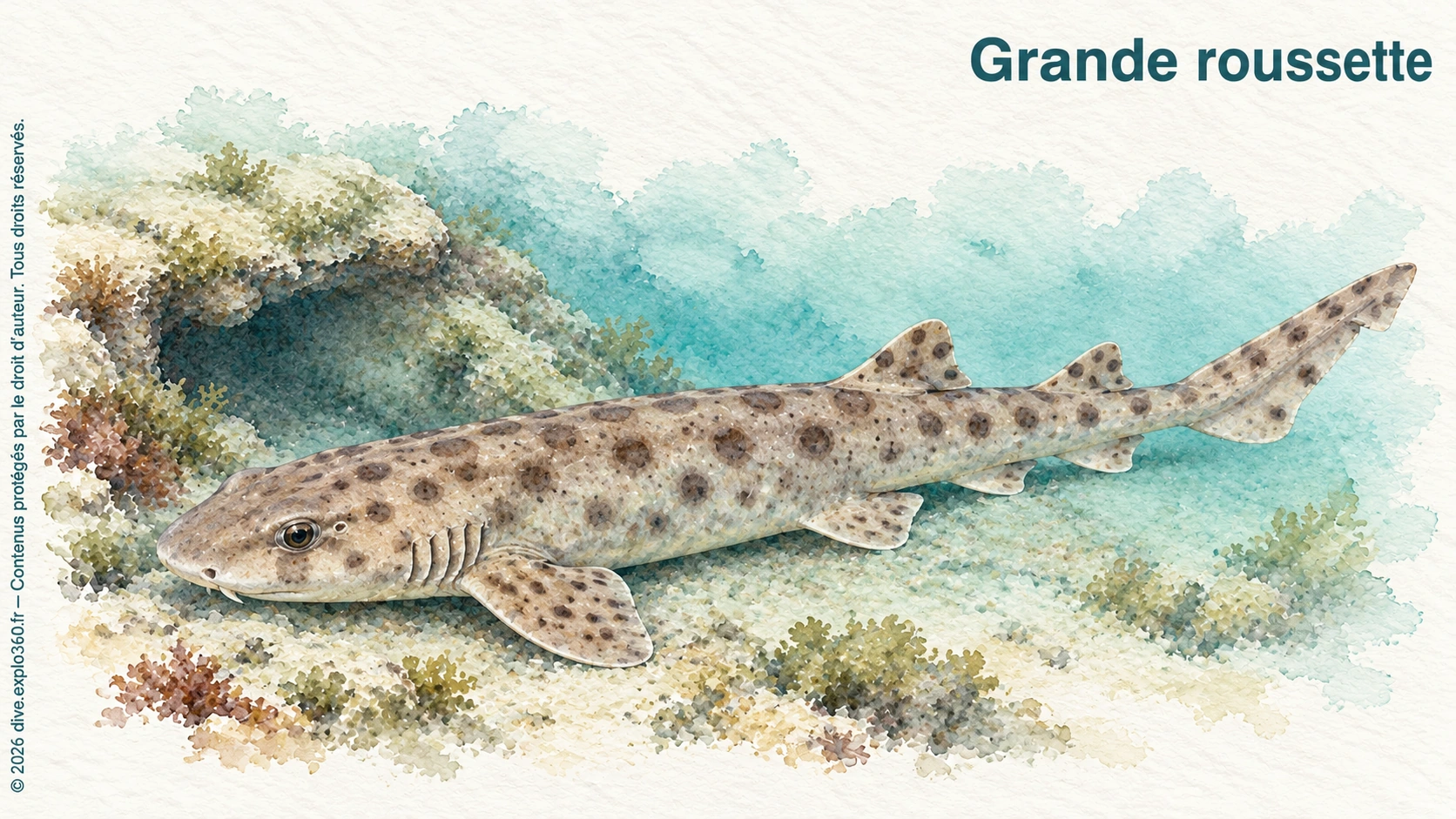 Species guidesNursehoundDiscover →
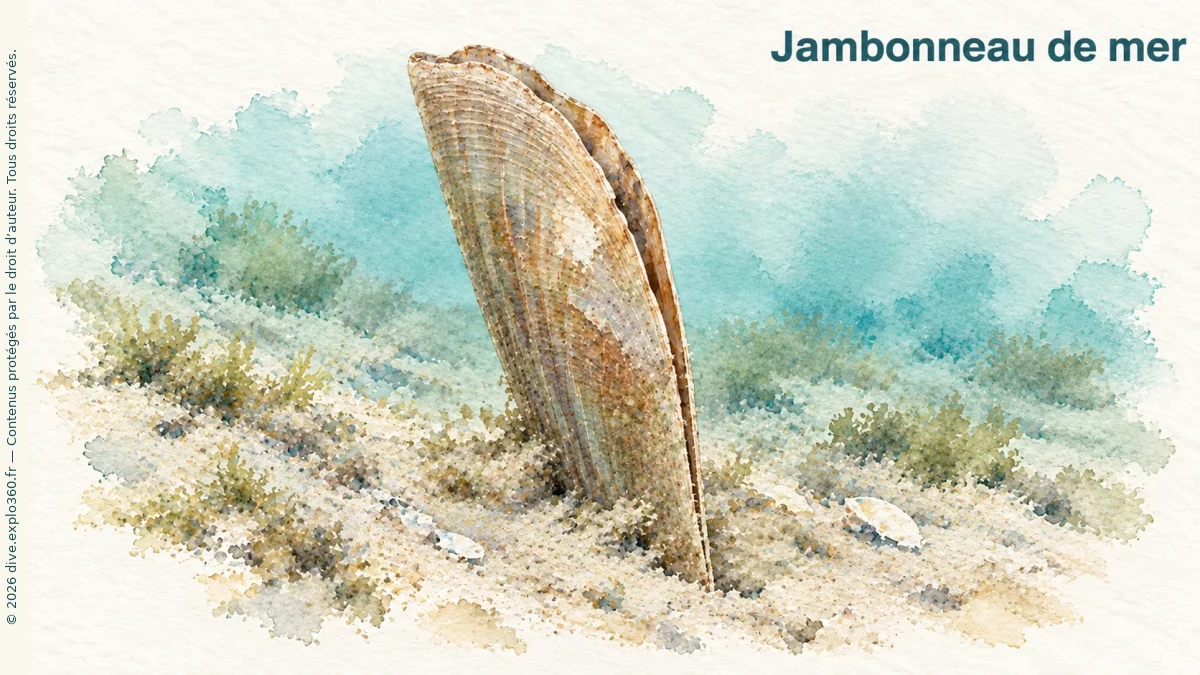 Species guidesBrittle pen shellDiscover →
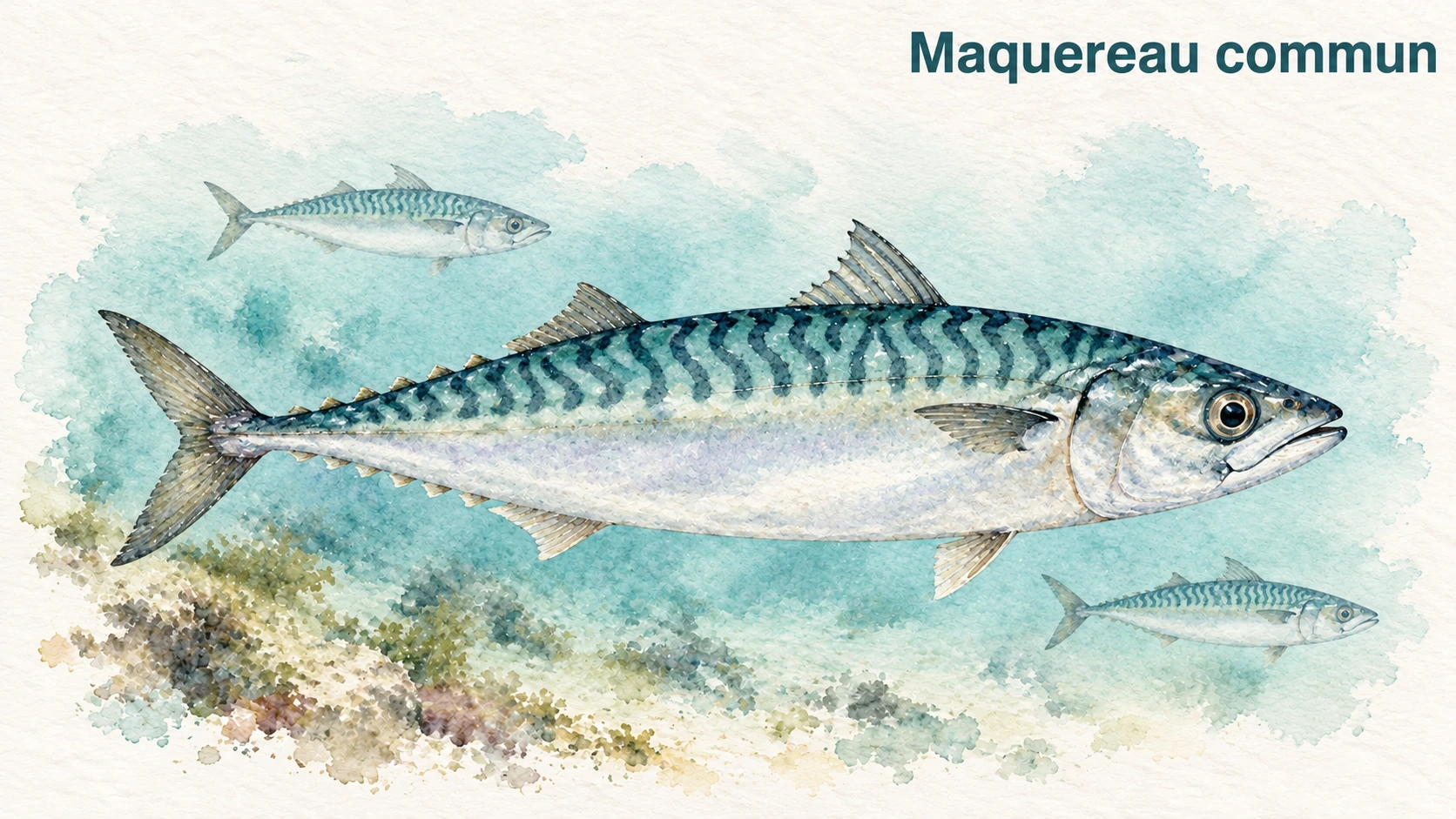 Species guidesAtlantic mackerelDiscover →
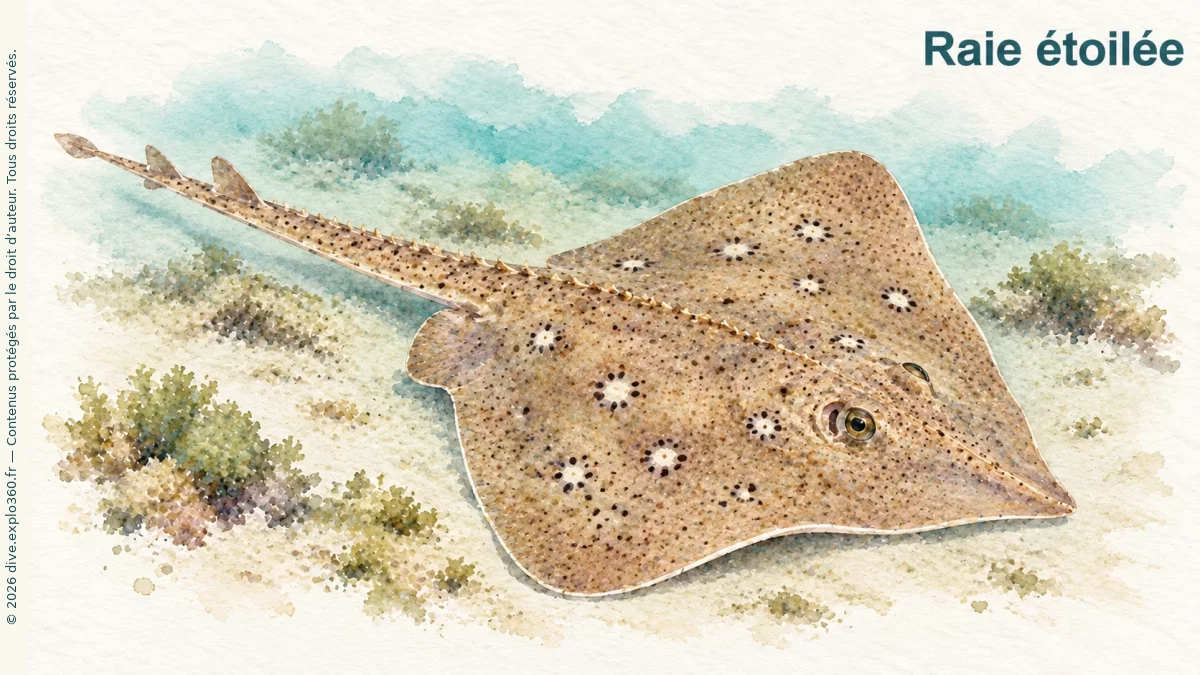 Species guidesMediterranean starry skateDiscover →
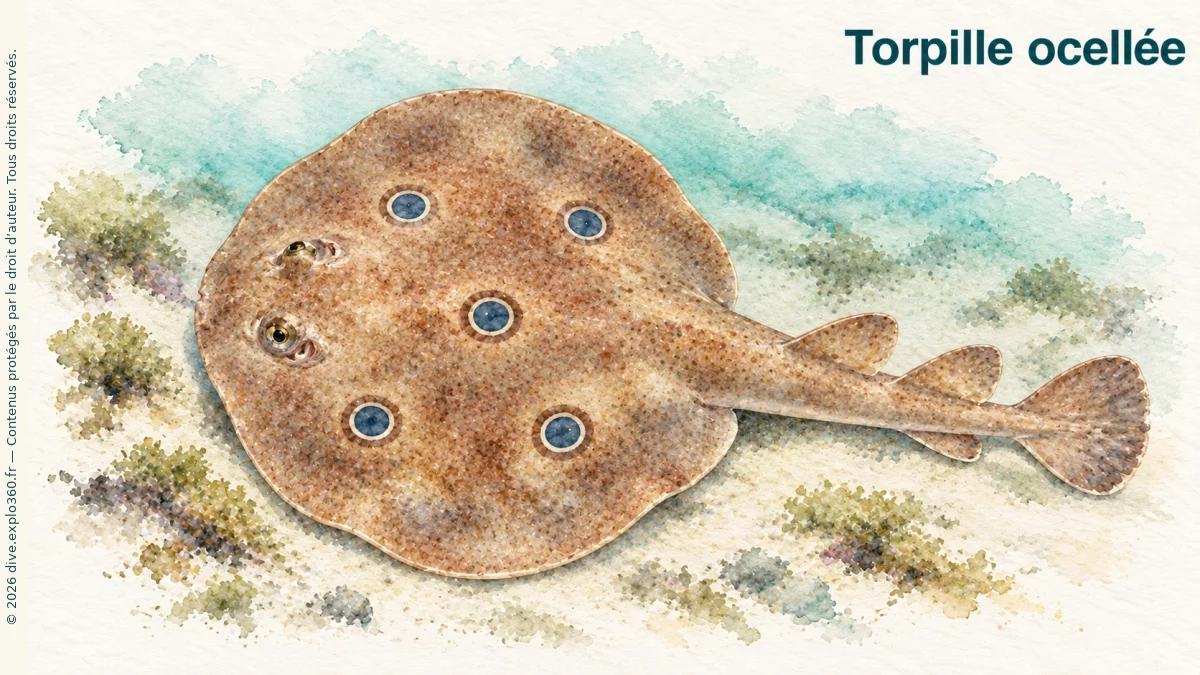 Species guidesCommon torpedoDiscover →
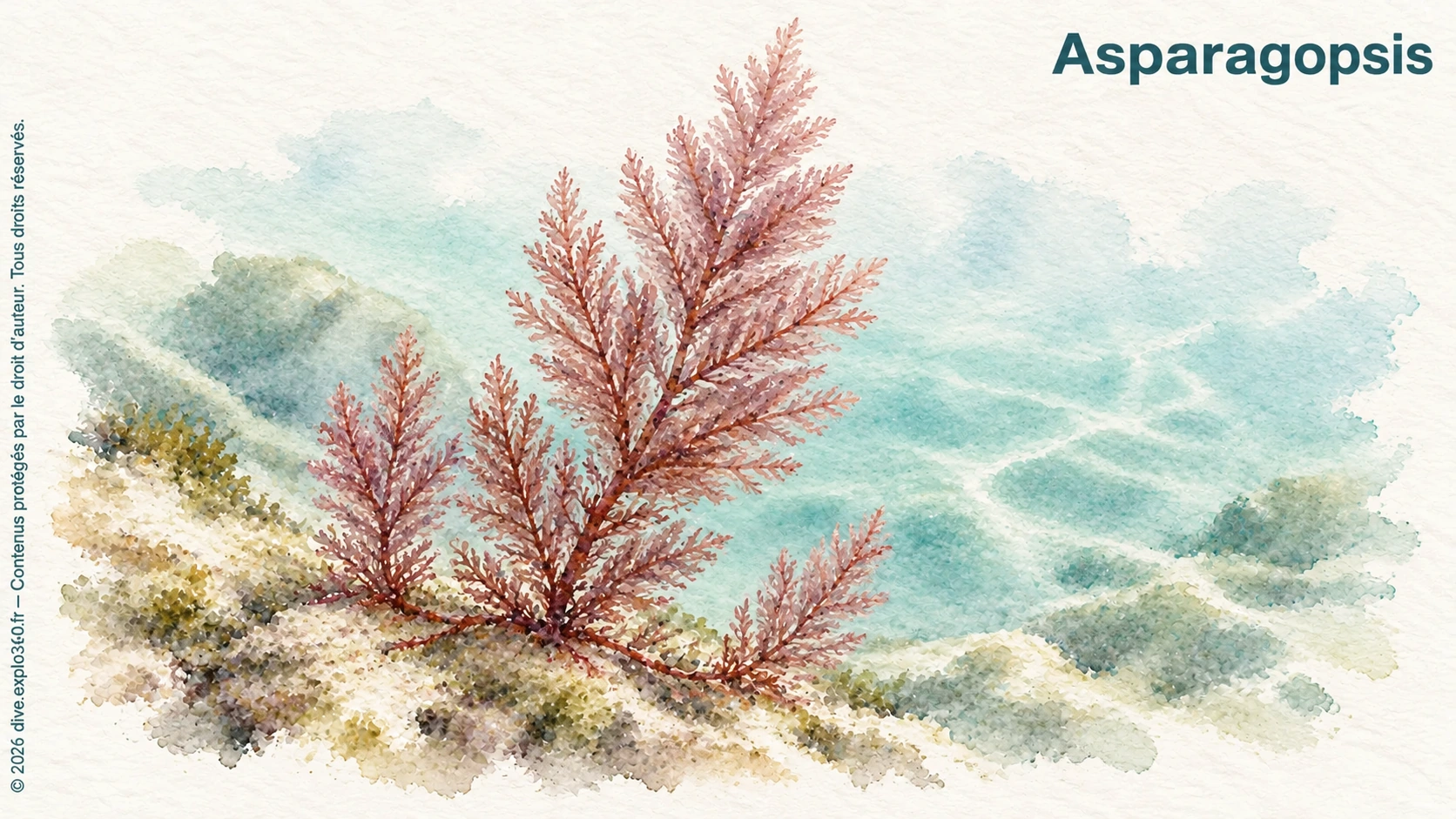 Species guidesAsparagopsis seaweedDiscover →
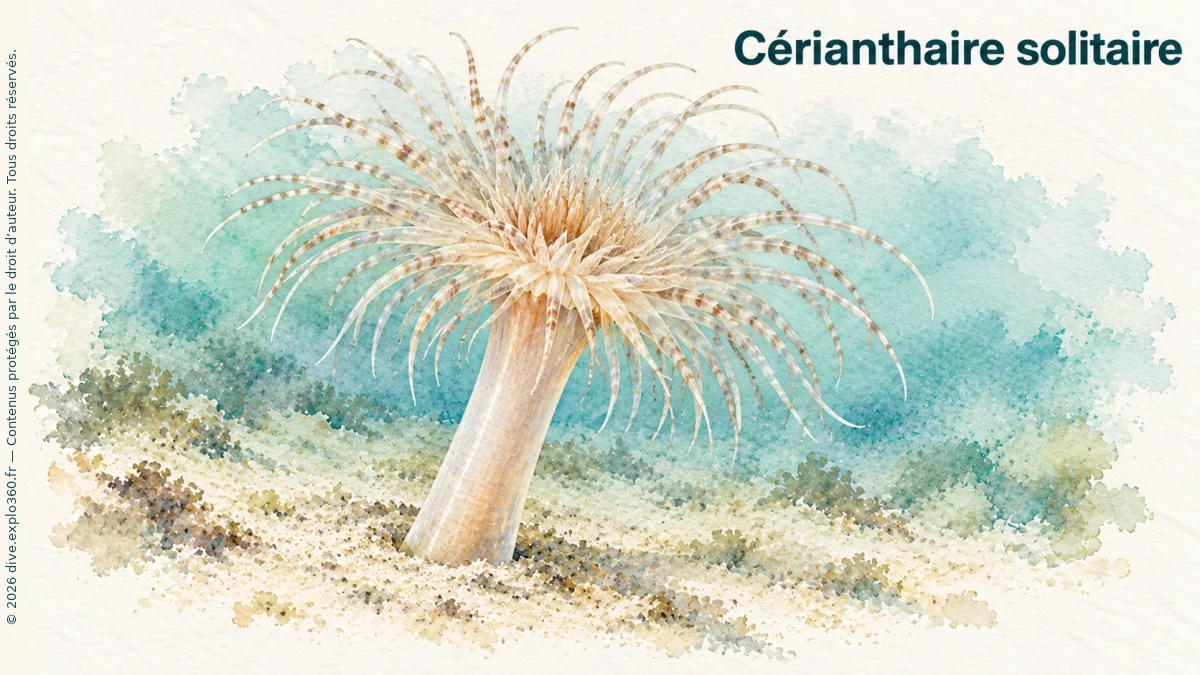 Species guidesSolitary tube anemoneDiscover →
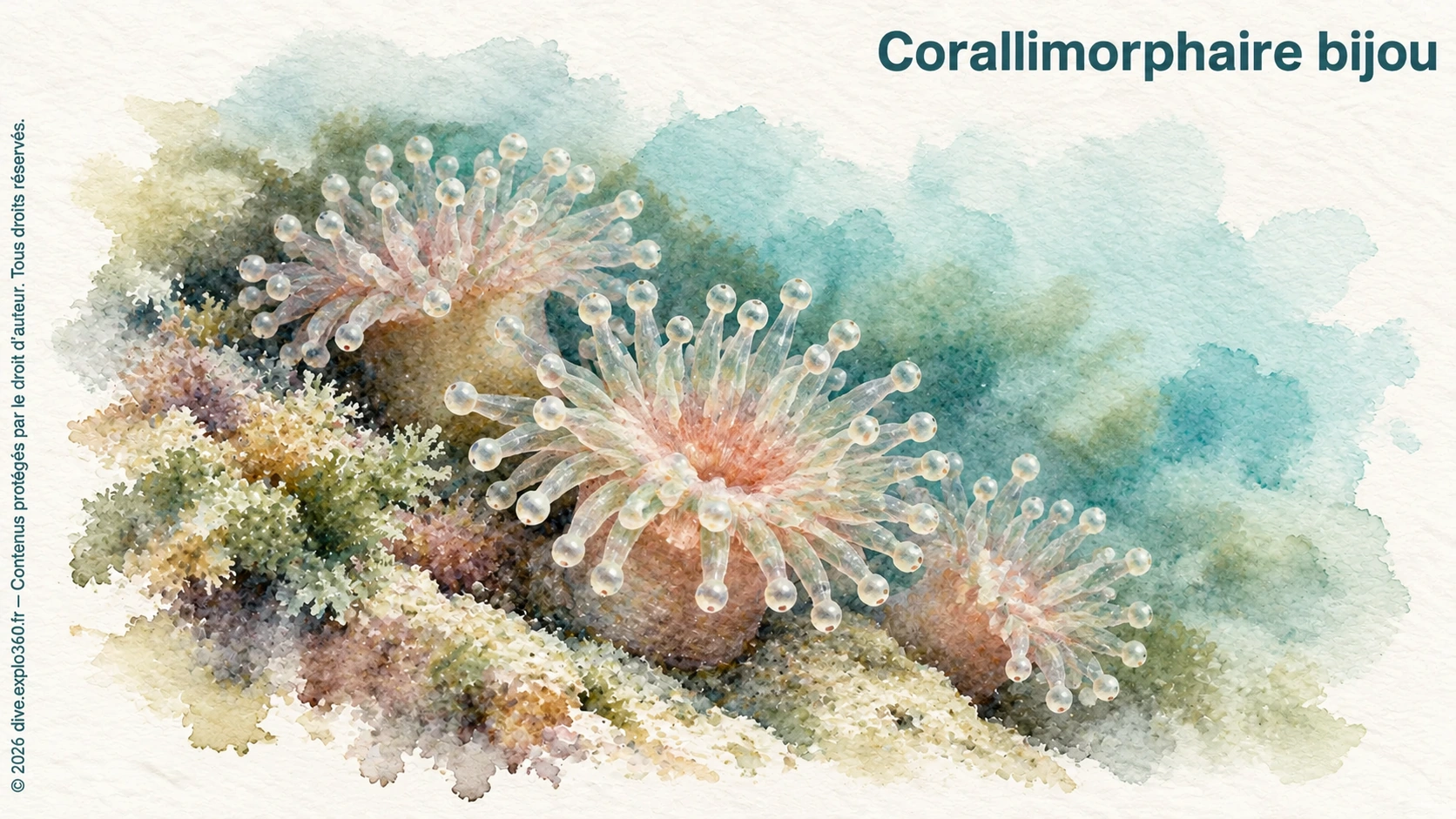 Species guidesJewel anemoneDiscover →
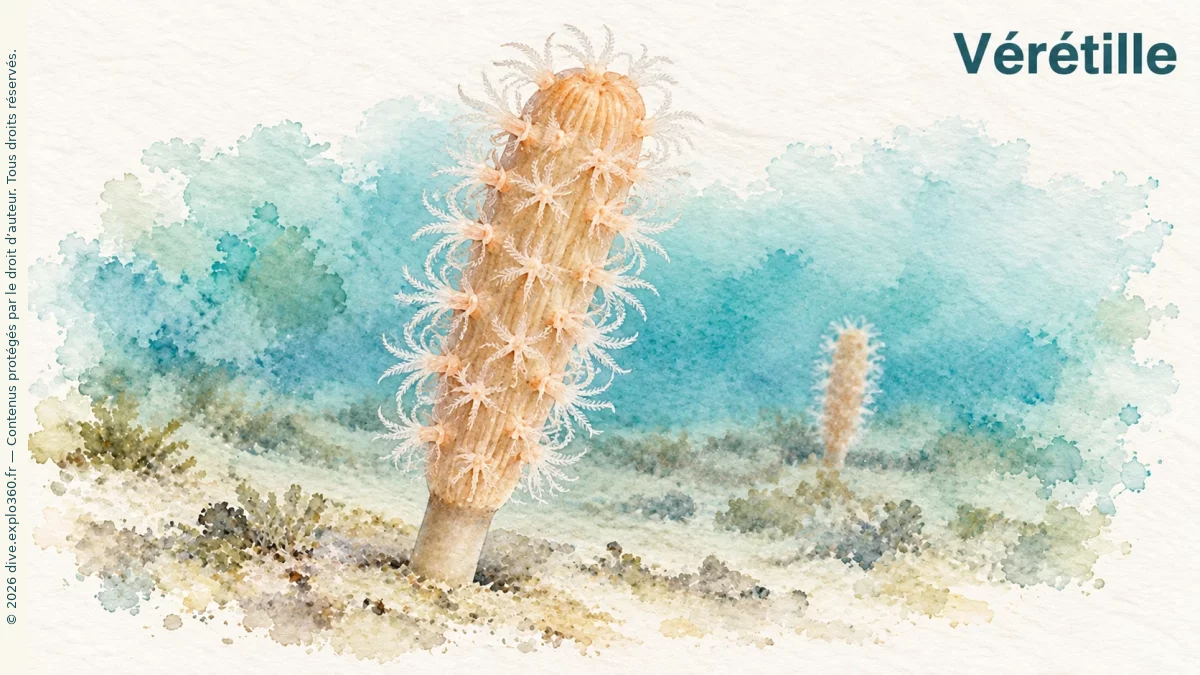 Species guidesCylindrical sea penDiscover →
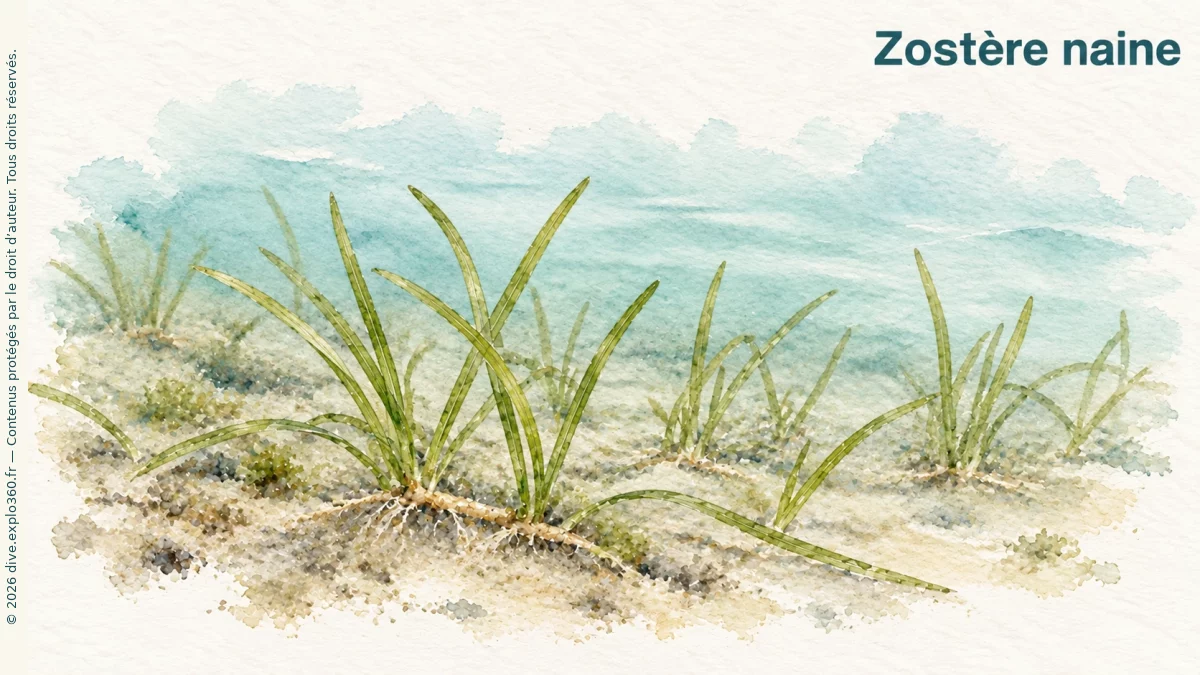 Species guidesDwarf eelgrassDiscover →
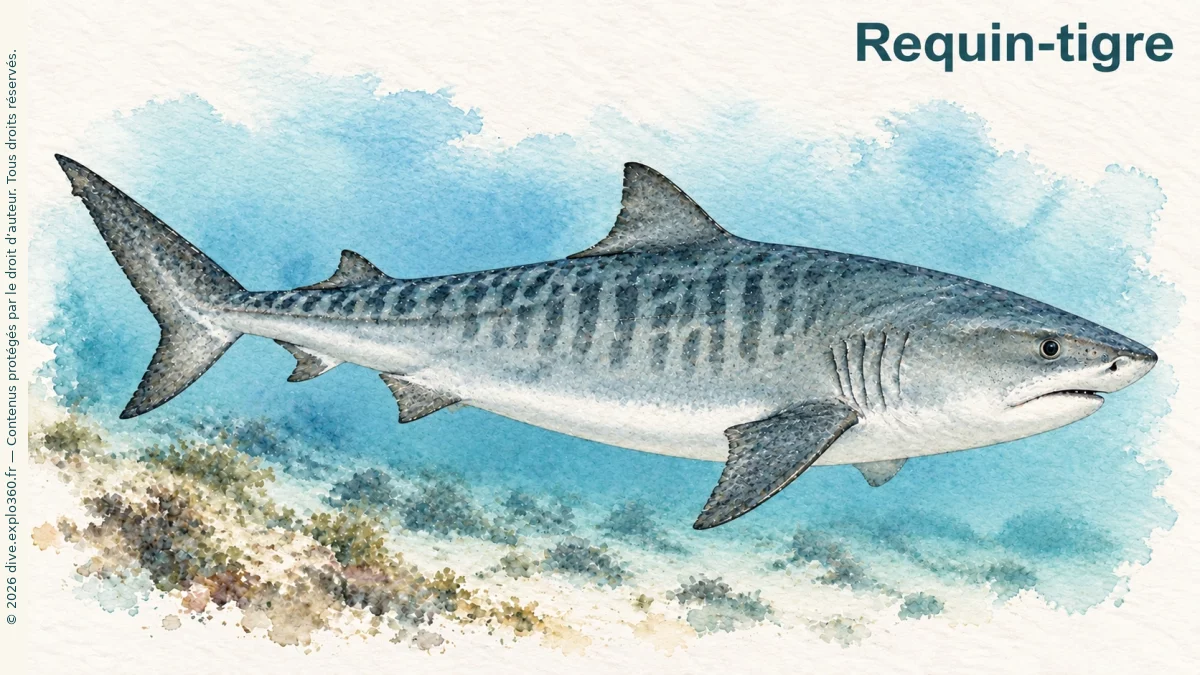 Species guidesTiger sharkDiscover →
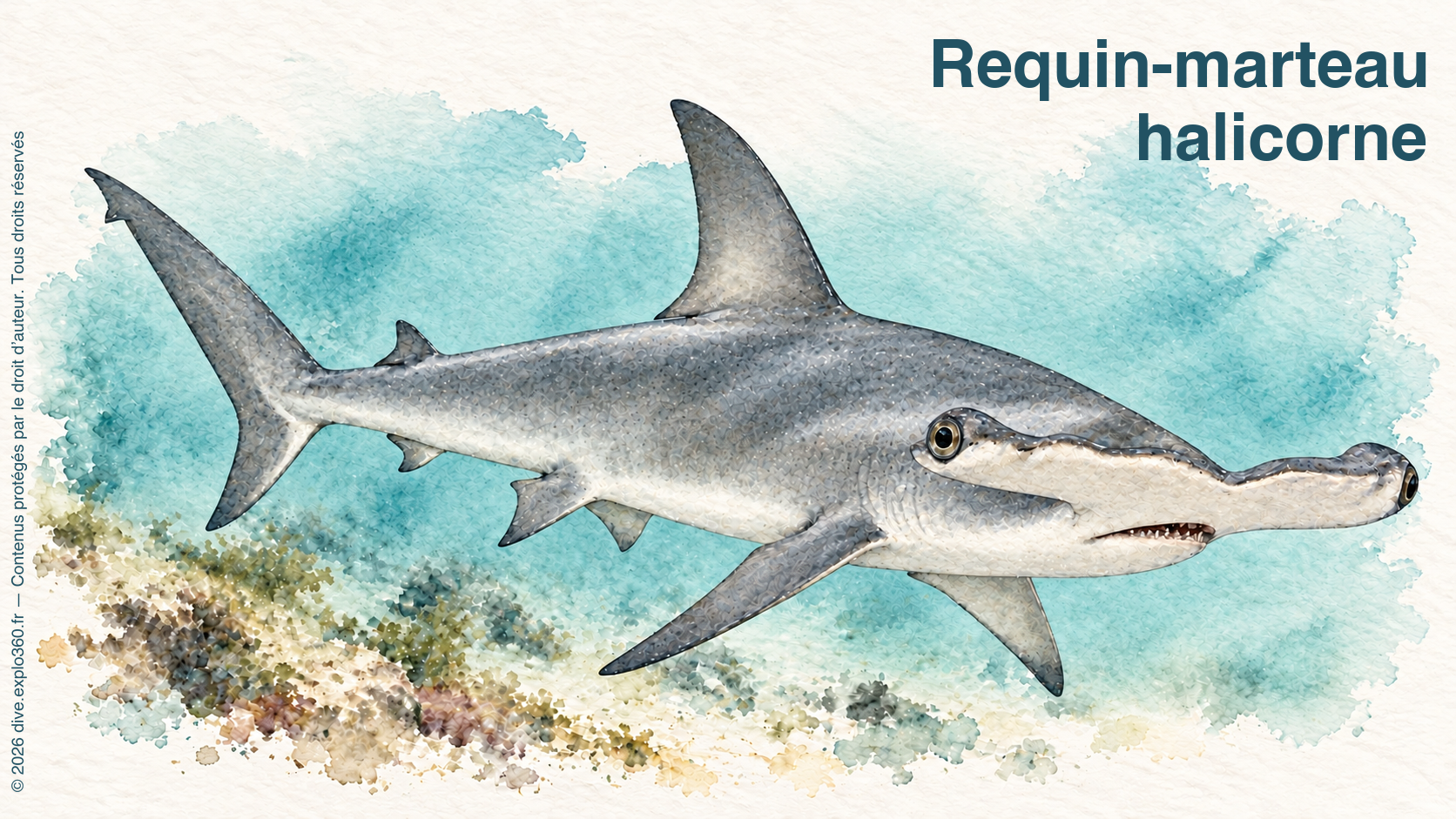 Species guidesScalloped hammerheadDiscover →
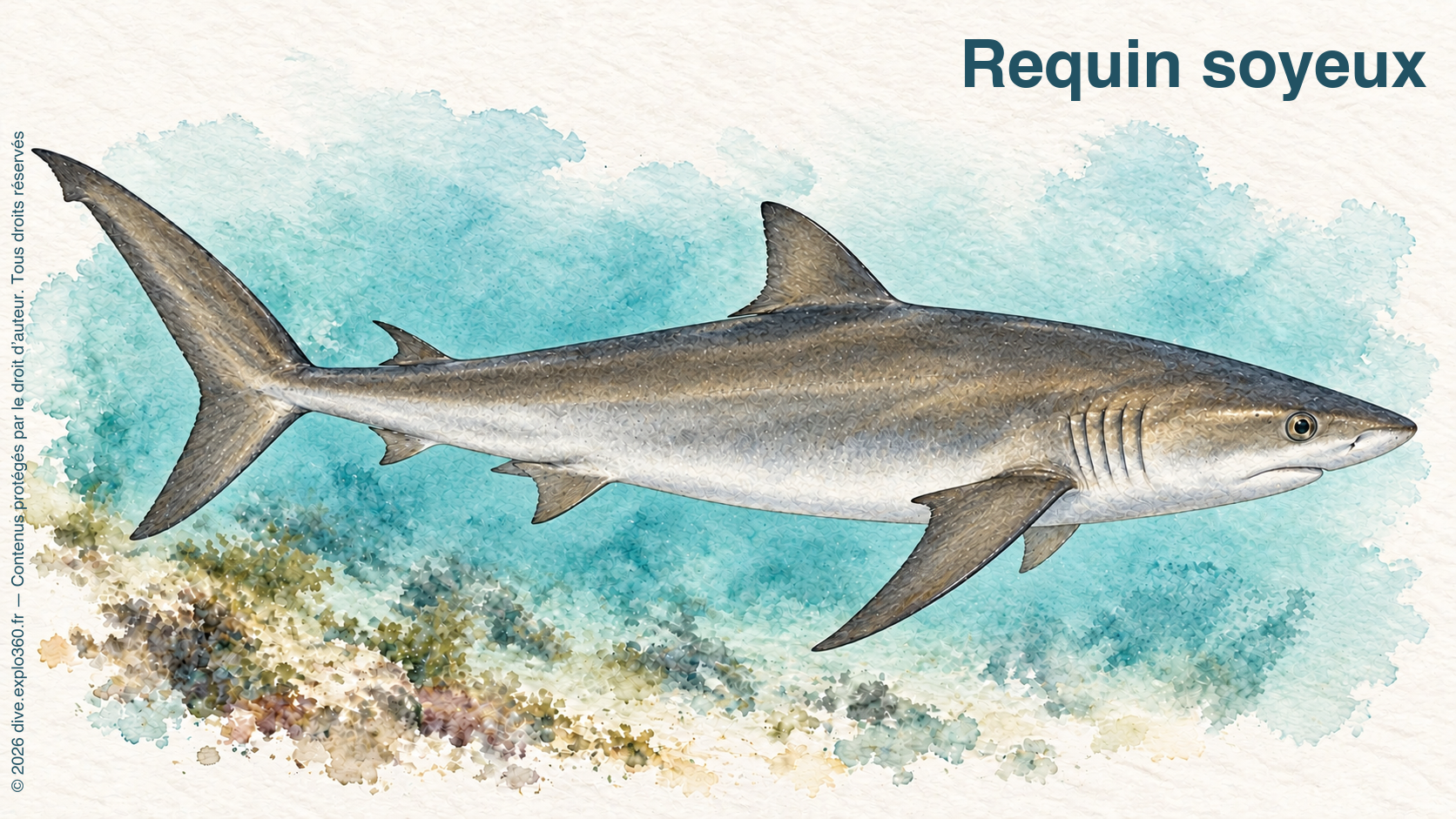 Species guidesSilky sharkDiscover →
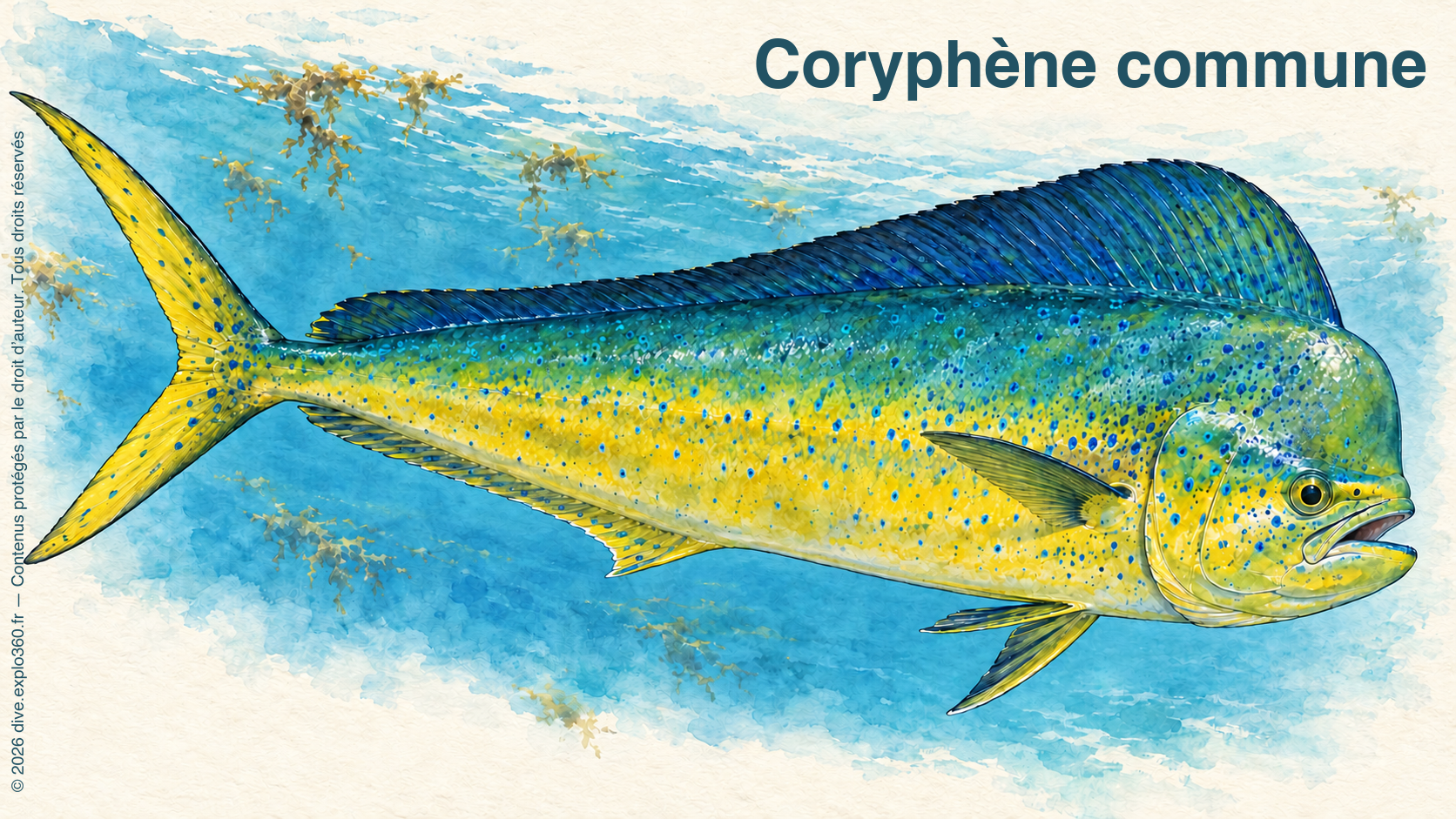 Species guidesCommon dolphinfishDiscover →
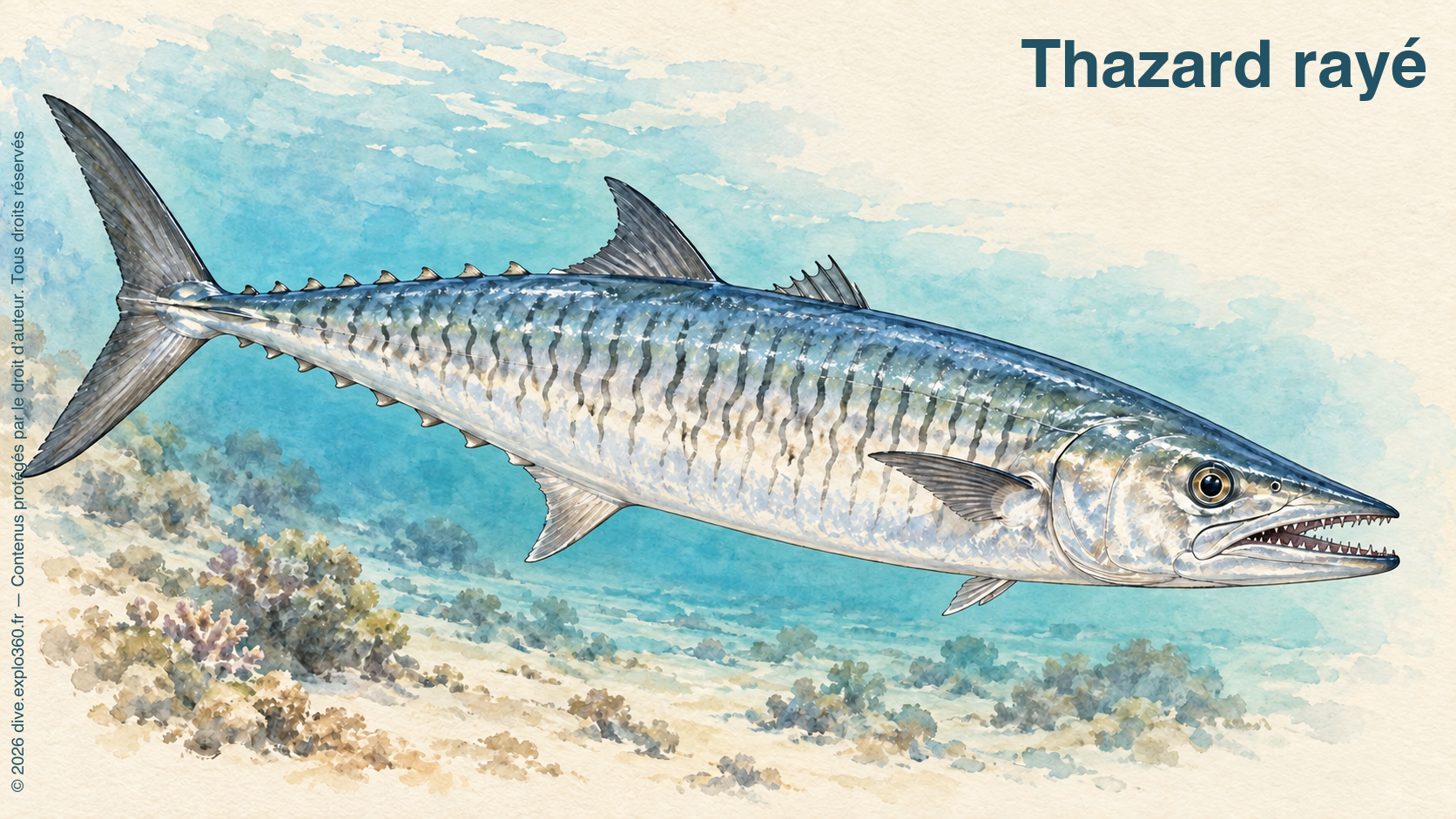 Species guidesNarrow-barred Spanish mackerelDiscover →
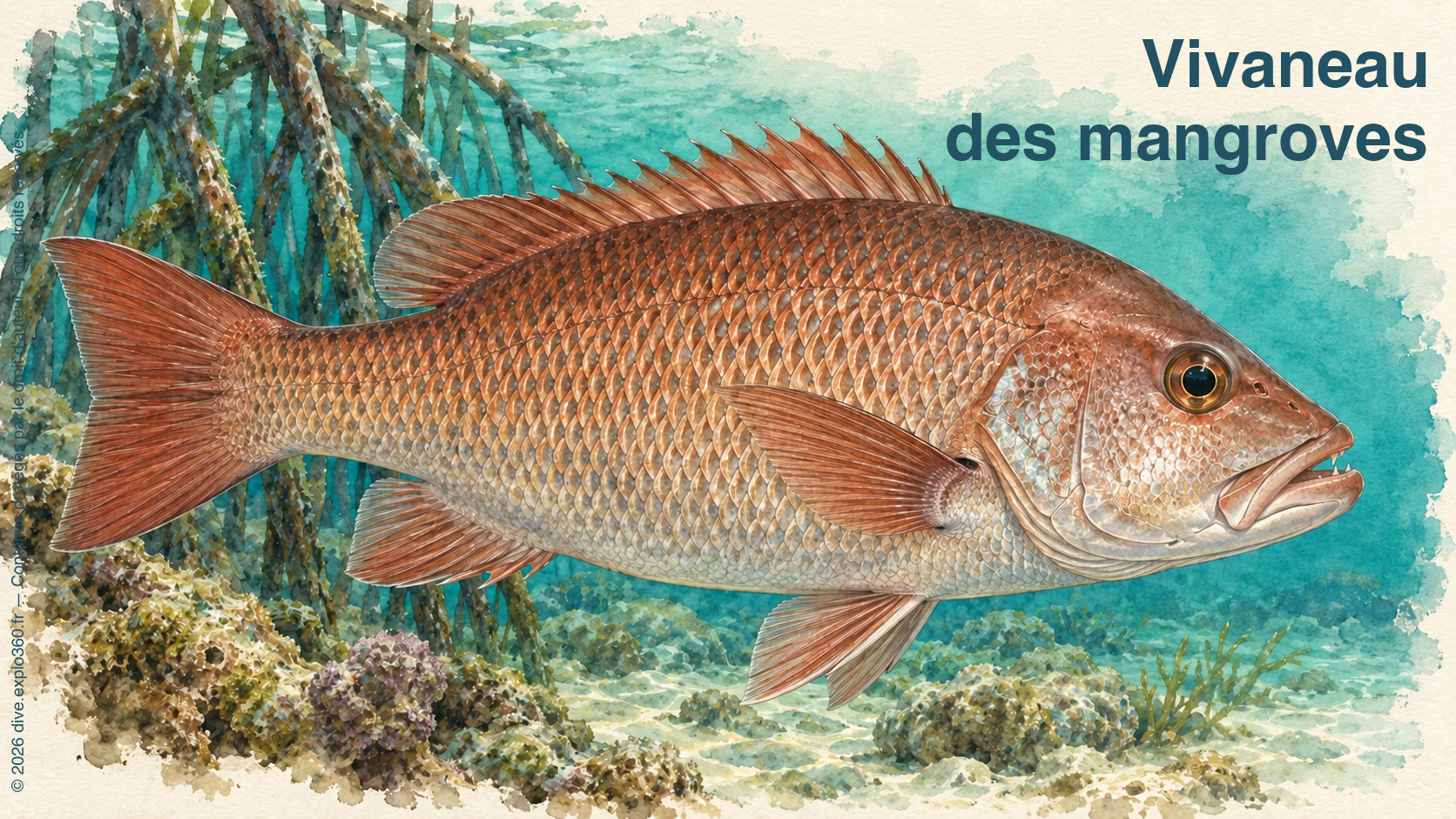 Species guidesMangrove red snapperDiscover →
 Species guidesPyjama nudibranchDiscover →