


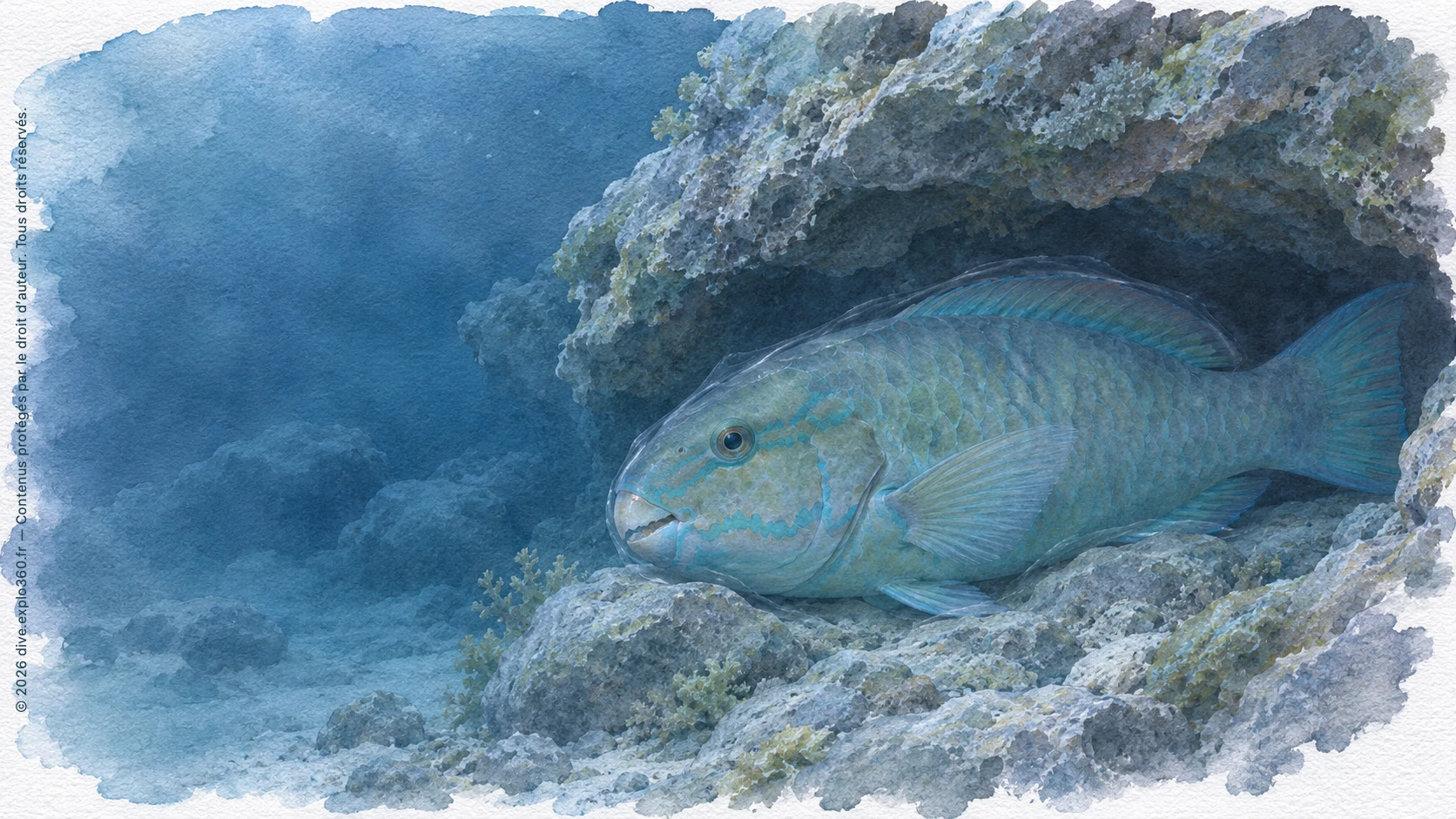
The parrotfish’s secret
In an experiment, researchers removed the cocoons from some parrotfish and left the others alone. Tiny parasitic crustaceans attacked the fish without cocoons much more often. The cocoon helps keep those parasites off the fish.
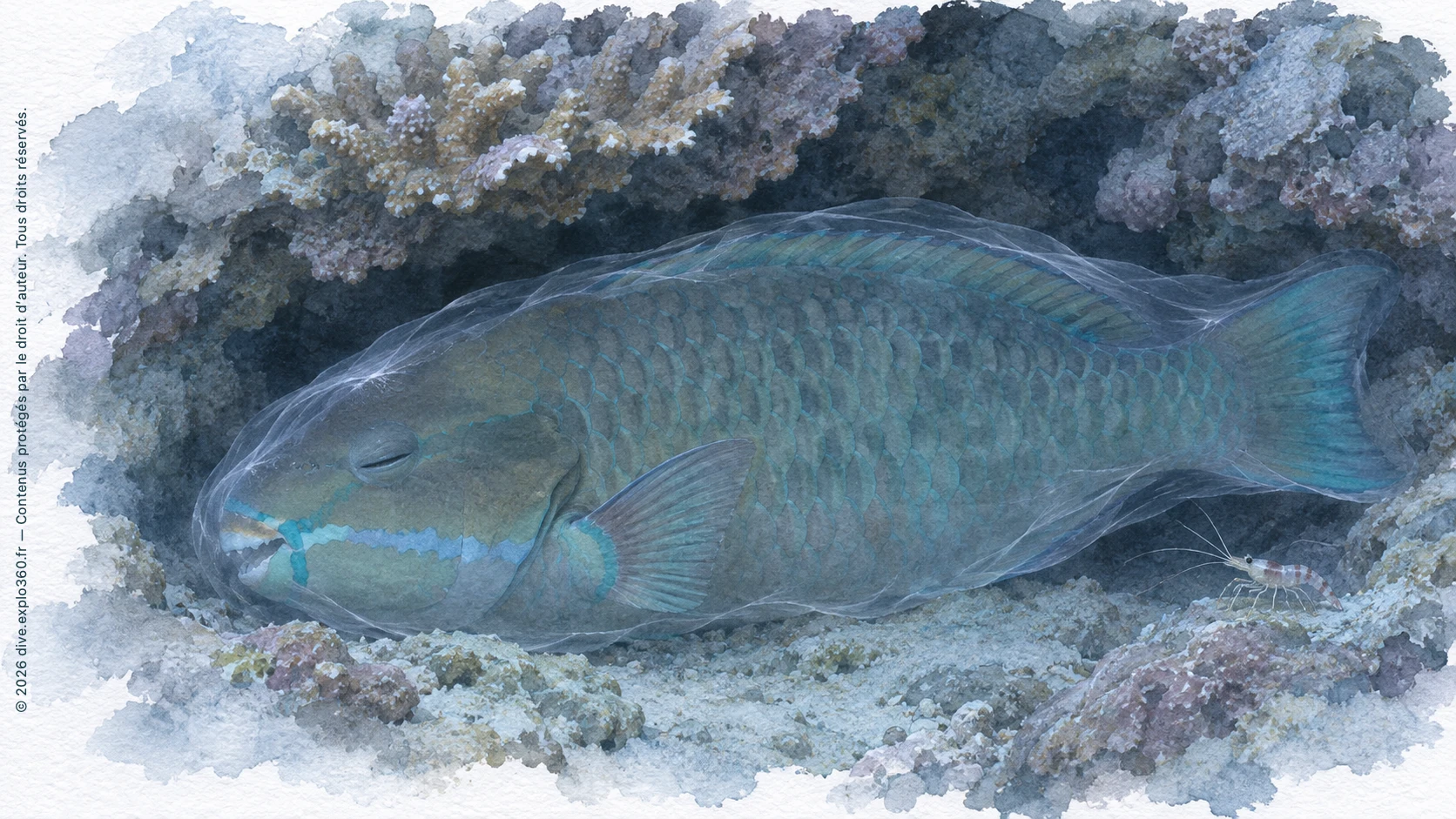
The puzzle of open eyes
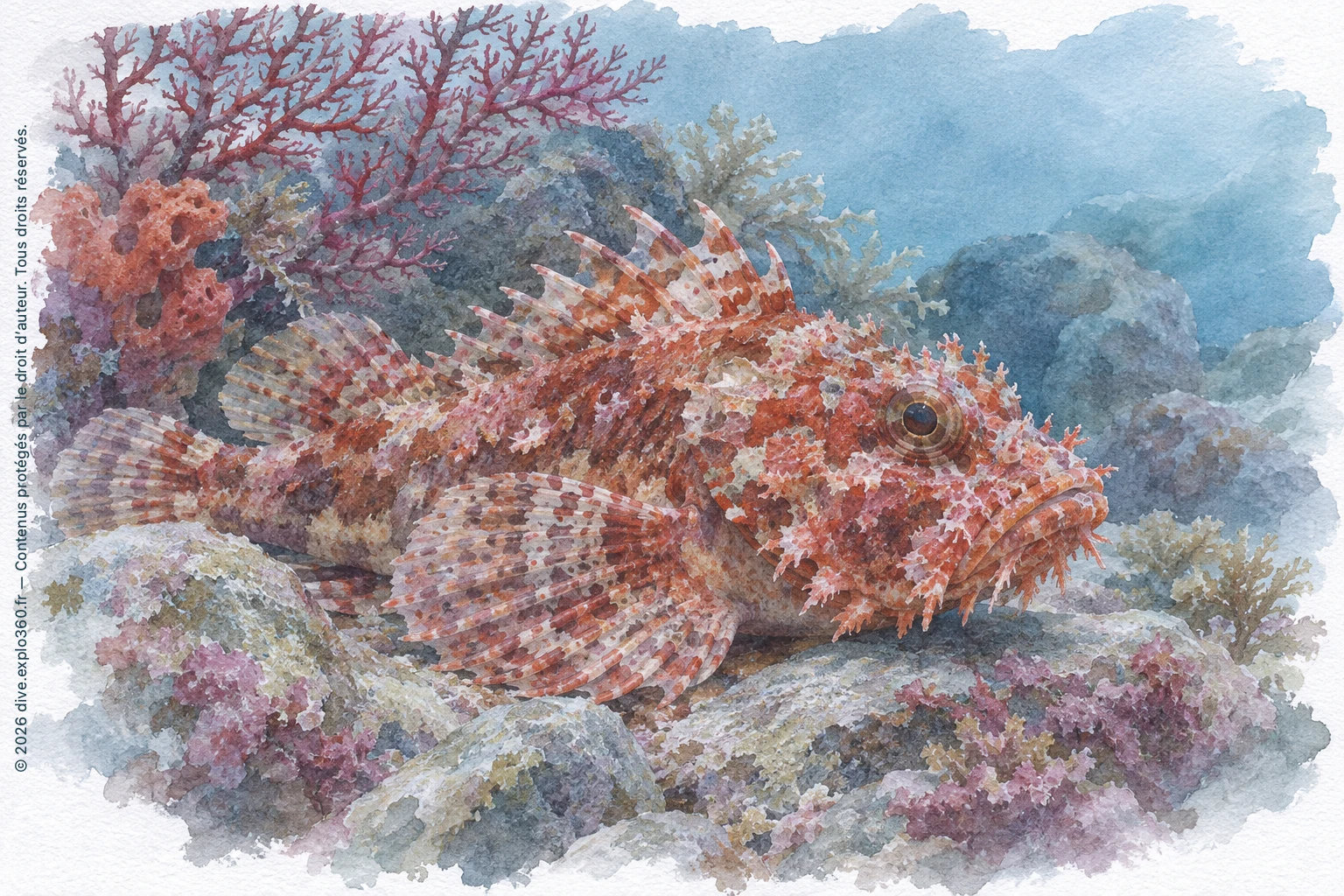
Compare a scorpionfish lying in wait with a sleeping fish. Both can stay still. A sleeping fish generally responds less readily to a signal but can quickly become active again. You need more than stillness to tell whether a fish is asleep.
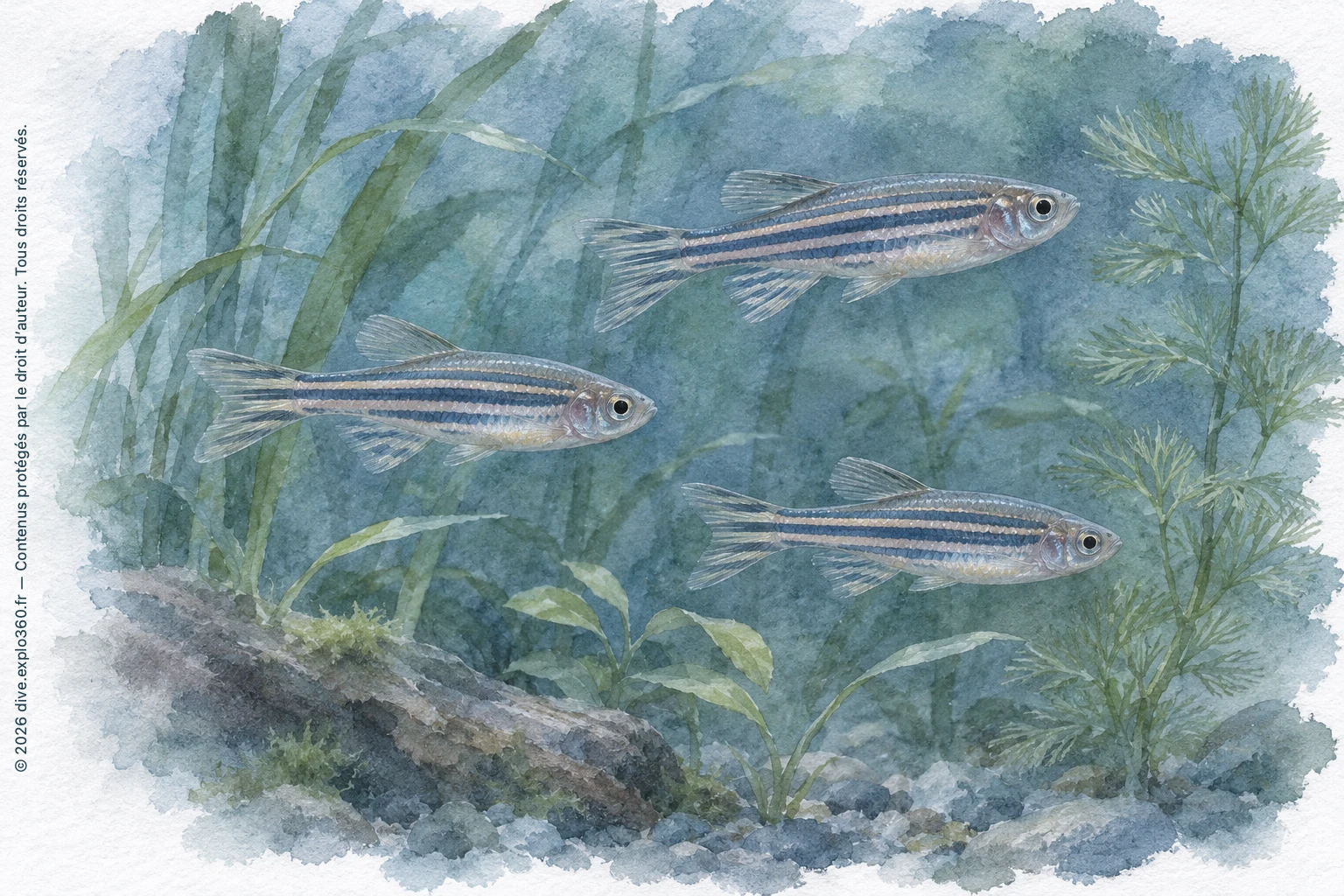
Does the zebrafish make up for lost sleep?
In some experiments, zebrafish sleep more once they can rest again after being kept awake. That extra sleep is called a rebound. It gives researchers a clue to how fish regulate sleep, and its size can depend on how the experiment is run.
The night the brain gave up its secret
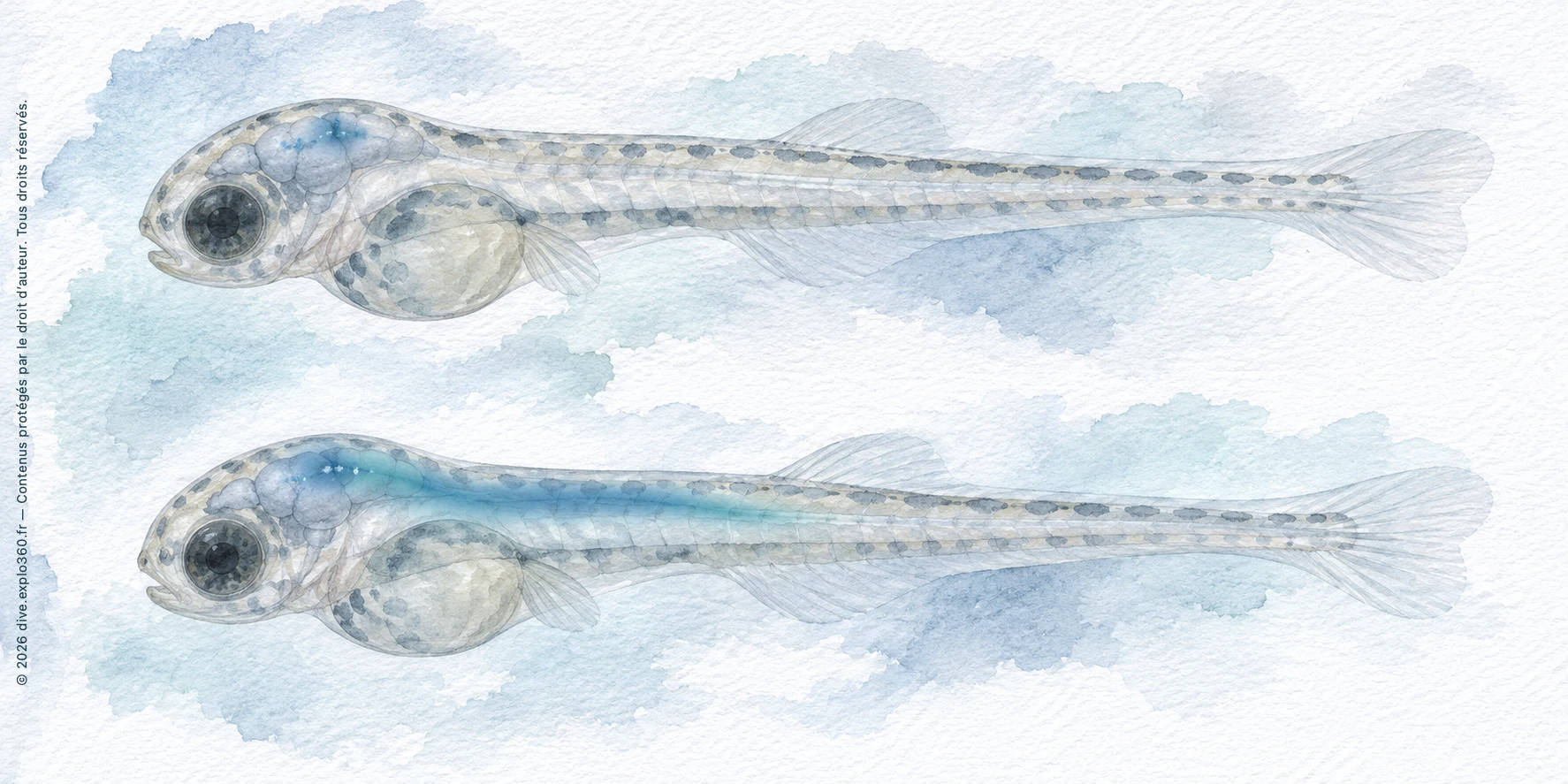
In 2019, researchers recorded activity in the brains of young zebrafish. They saw two patterns. In one, bursts of activity recurred slowly. In the other, activity spread like a wave. The patterns share some features with human sleep, and each has features of its own.
GO FURTHER WITH AMIGANSEAU
Continue reading
Discover full species guides, in-depth content and interactive tools available with your licence.
Dive.Explo360 is an independent, self-funded nonprofit. Every licence helps us create new content, improve our teaching tools and keep some of our resources free and ad-free.
Choose a licence that suits your needs for personal, educational or professional use.
Open-access resources remain available without a subscription.