When a diver stops being surprising
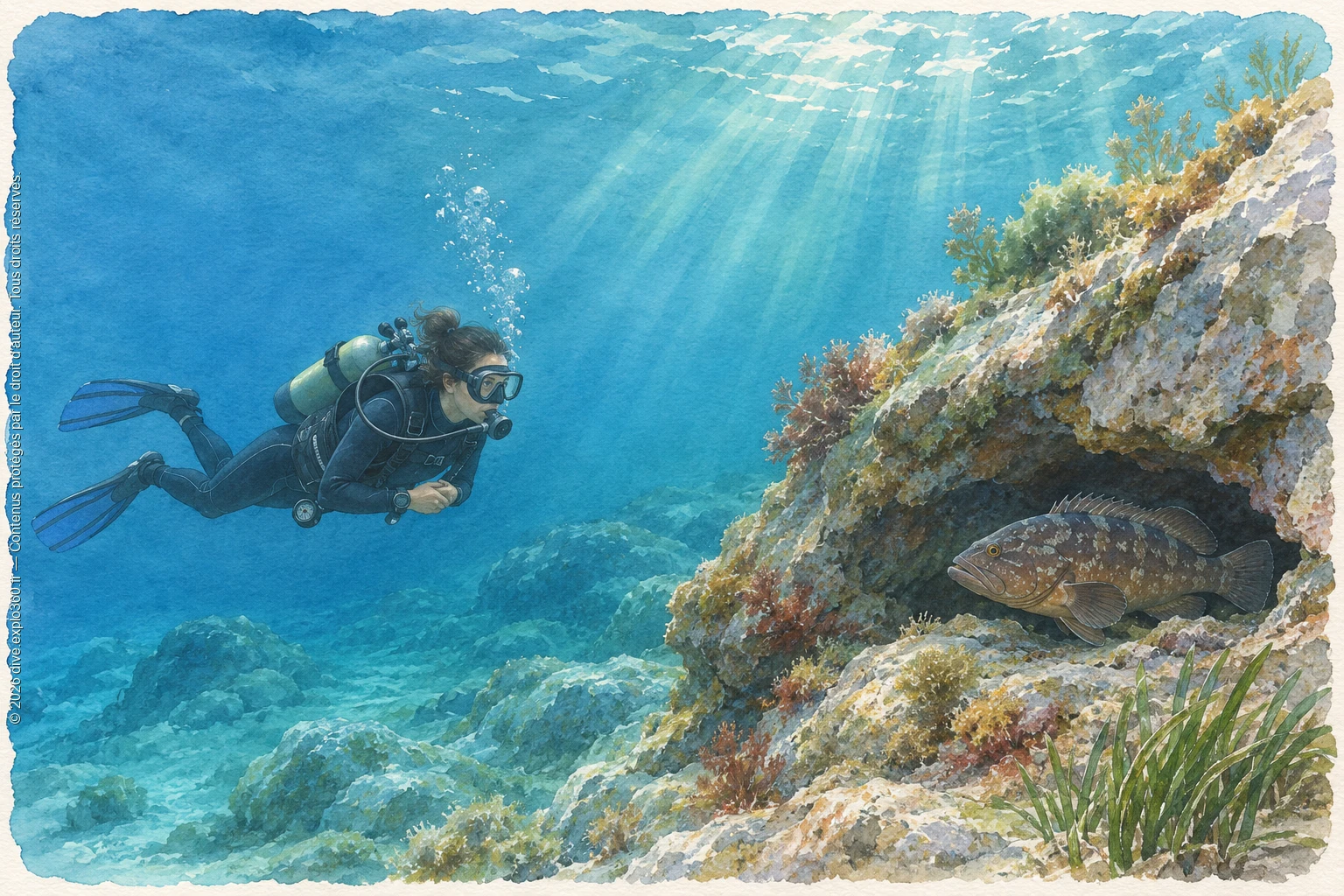
A diver arrives with a large outline, bubbles and moving fins. A fish may flee or hide. After many harmless encounters, it may react less strongly. This is called habituation: getting used to something that happens repeatedly without important consequences. It helps explain why fish at busy dive sites sometimes let people come close. Where people spearfish, some species are more wary instead.
Faces in the firing line
Archerfish knock insects off plants above the water with a well-aimed jet. In a 2016 experiment, researchers gave them a different target: photographs of human faces. Squirting at the chosen face earned a reward. After training, the fish could pick it out from several dozen others, even without clues from colour or the shape of the head. Fish have no mammalian neocortex, a part of the brain involved in complex visual tasks. Yet they could learn this one. That does not show that a wild fish recognises a diver behind a mask, but it reveals an impressive eye for detail.
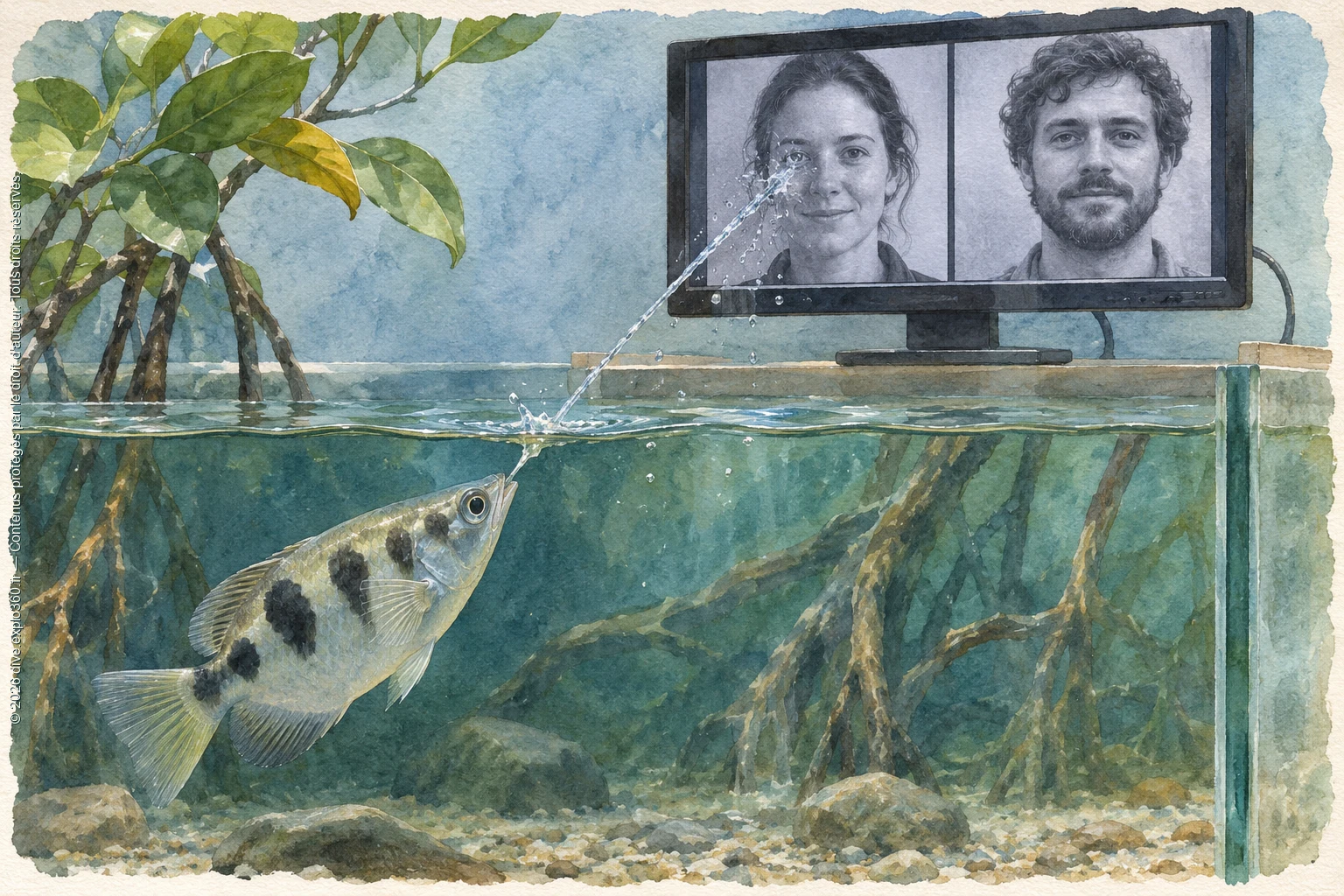
Researchers’ video — Max Planck Institute of Animal Behavior. Experimental feeding measures learning without confining the fish.
Wild fish near Calvi
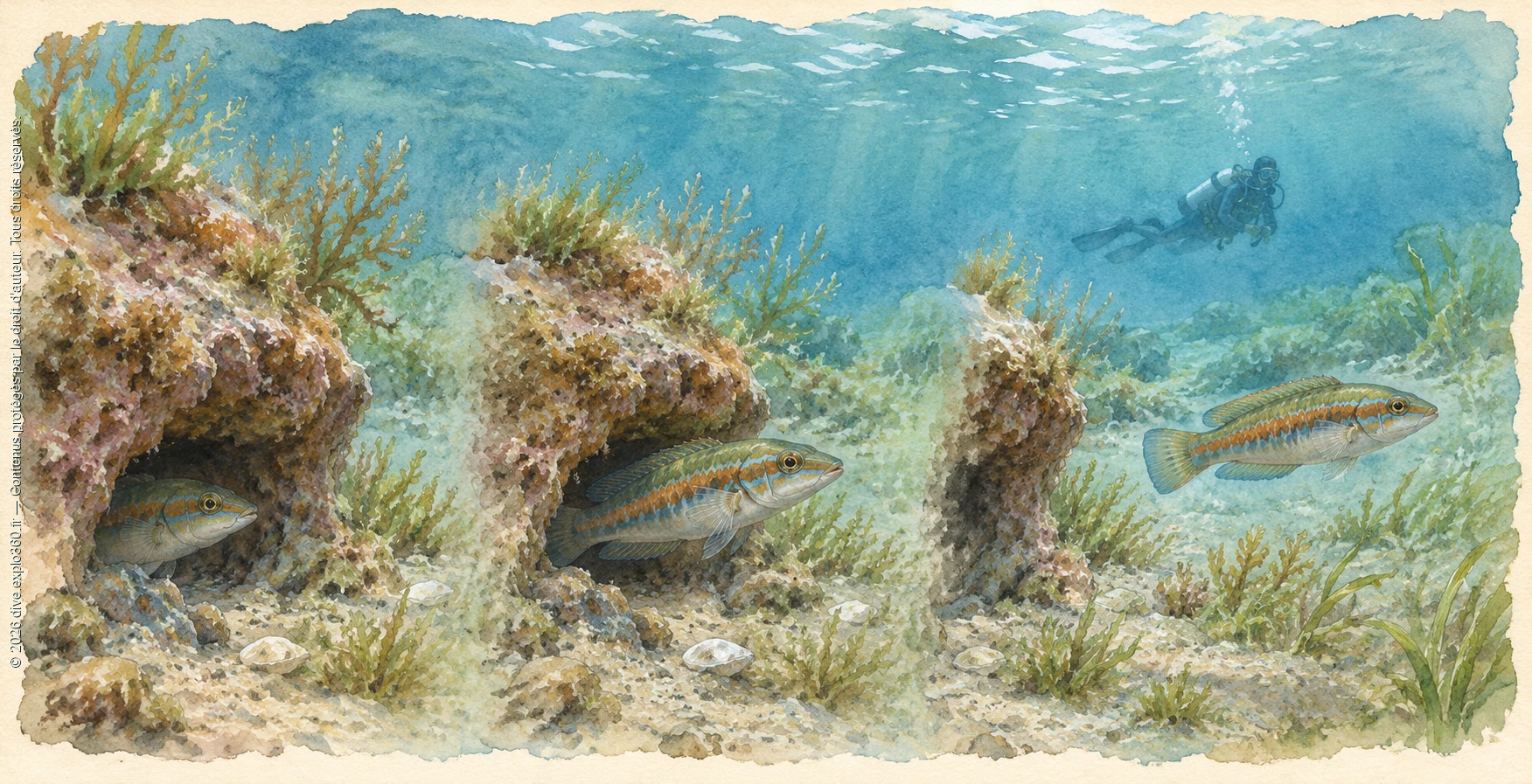
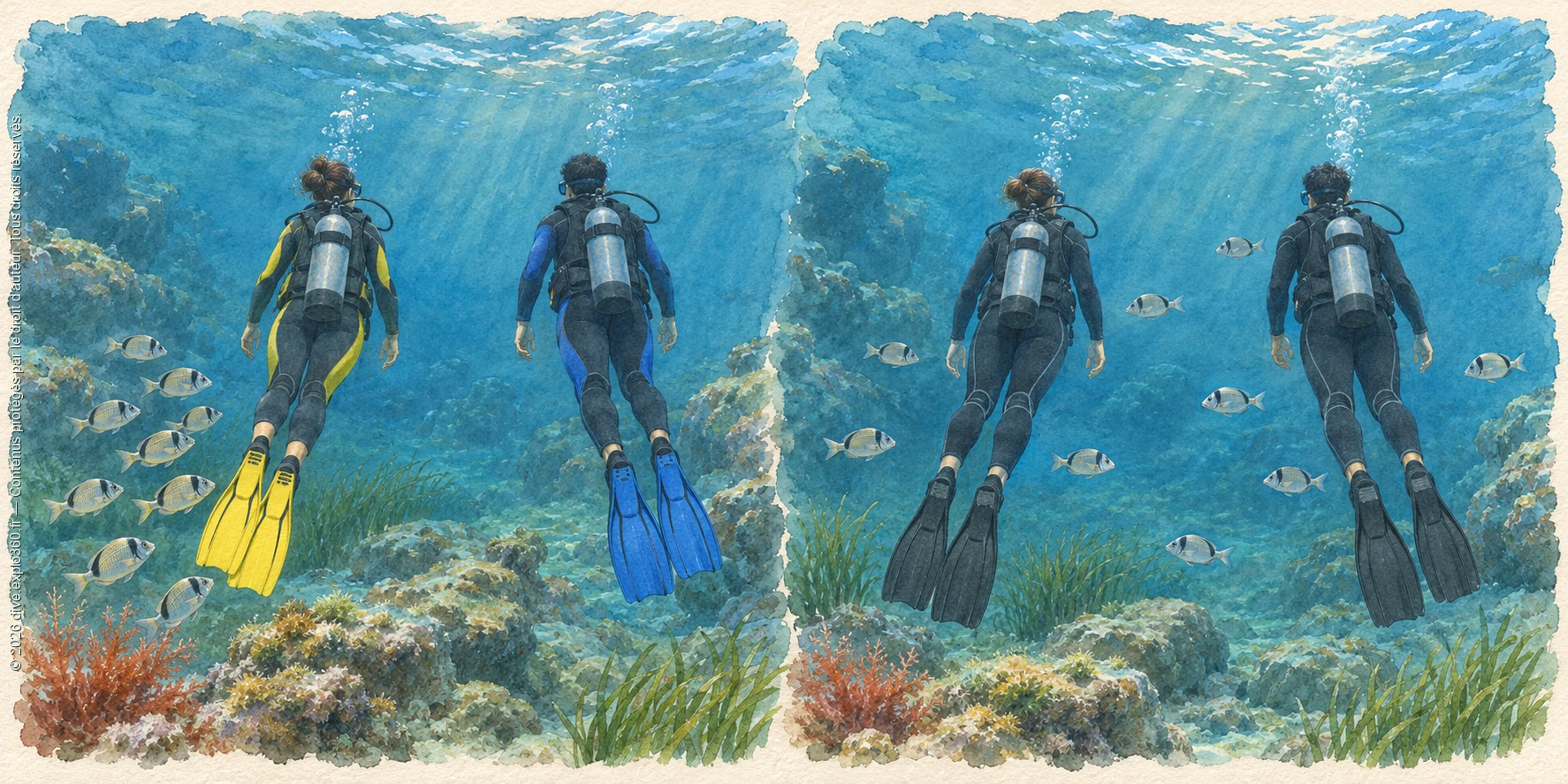
In 2025, researchers at STARESO near Calvi in Corsica studied wild saddled seabream and black seabream. The fish were free to leave whenever they wished. Over twelve days, a diver taught them to follow her for about fifty metres, rewarding them with pieces of prawn. Then two divers swam in different directions. Only the first offered food. With practice, the fish learnt which diver to follow.
Kit makes a difference
How did they make their choice? At first, the divers wore different wetsuits, fins, masks and buoyancy compensators. When both wore matching kit, the fish found the task much harder. The main clues had been in the equipment. The experiment showed that fish could learn to tell divers apart, without proving that they recognised the people regardless of what they wore.
GO FURTHER WITH AMIGANSEAU
Continue reading
Discover full species guides, in-depth content and interactive tools available with your licence.
Dive.Explo360 is an independent, self-funded nonprofit. Every licence helps us create new content, improve our teaching tools and keep some of our resources free and ad-free.
Choose a licence that suits your needs for personal, educational or professional use.
Open-access resources remain available without a subscription.