From flight to habituation
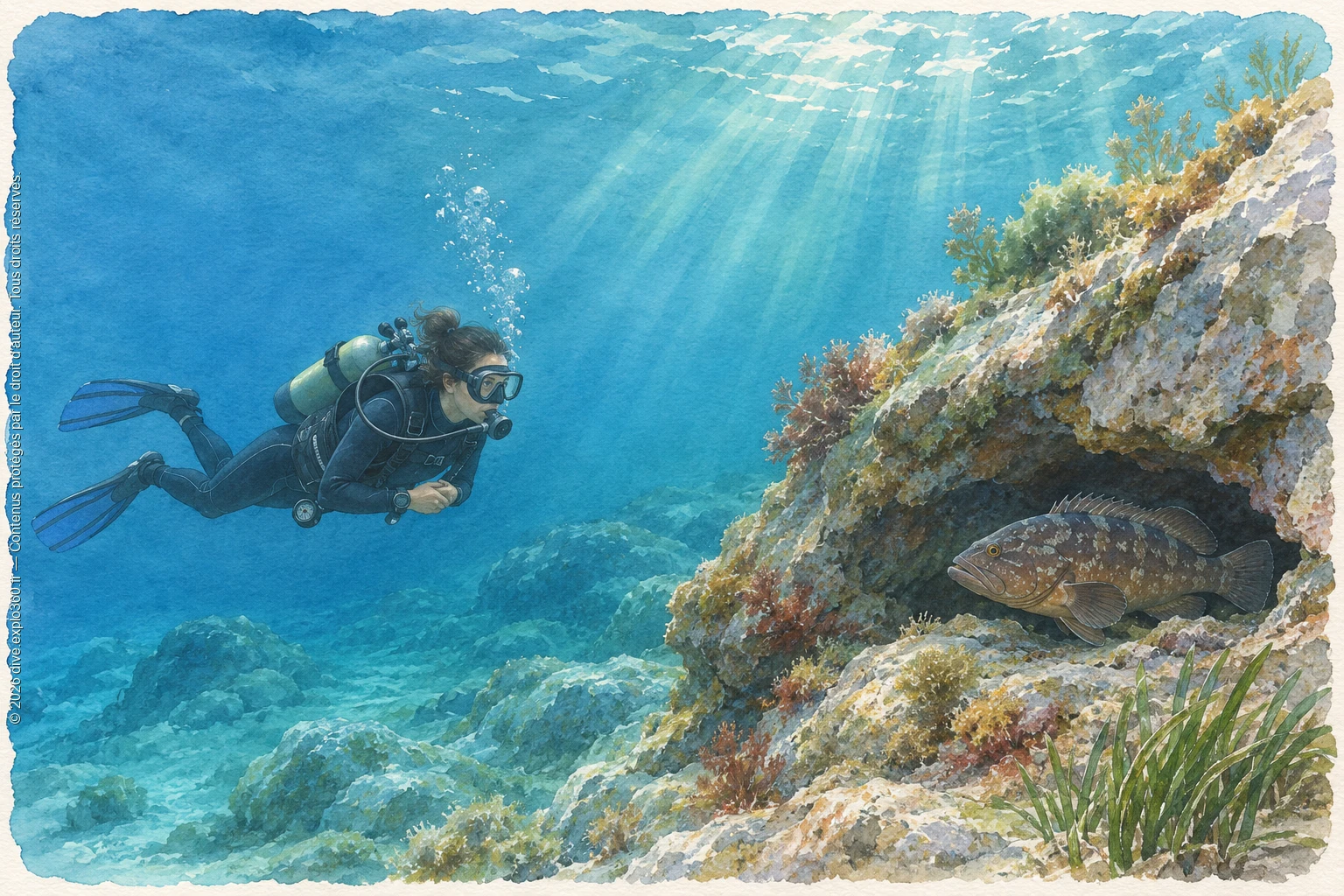
An approaching diver brings an outline, breathing noise, fin movements and bubbles. At first, a fish may flee. Repeated harmless encounters can gradually weaken that response, a process called habituation. Tolerance of divers can therefore increase without the fish learning to tell people apart. In areas where people spearfish, some species flee at greater distances. Individual learning may contribute, but so may the capture of the least wary fish, leaving a more cautious population.
Discriminating human faces
In 2016, researchers used the archerfish’s hunting technique to test visual learning. These fish shoot water at insects above the surface. In the experiment, directing a jet at a particular photograph of a human face earned a reward. After training, they could distinguish that face from several dozen others, even when colour and head outline no longer helped. Fish lack the mammalian neocortex, which contributes to complex visual processing, yet could solve this task. The result demonstrates learnt visual discrimination. It does not establish that fish spontaneously recognise masked divers in the wild.
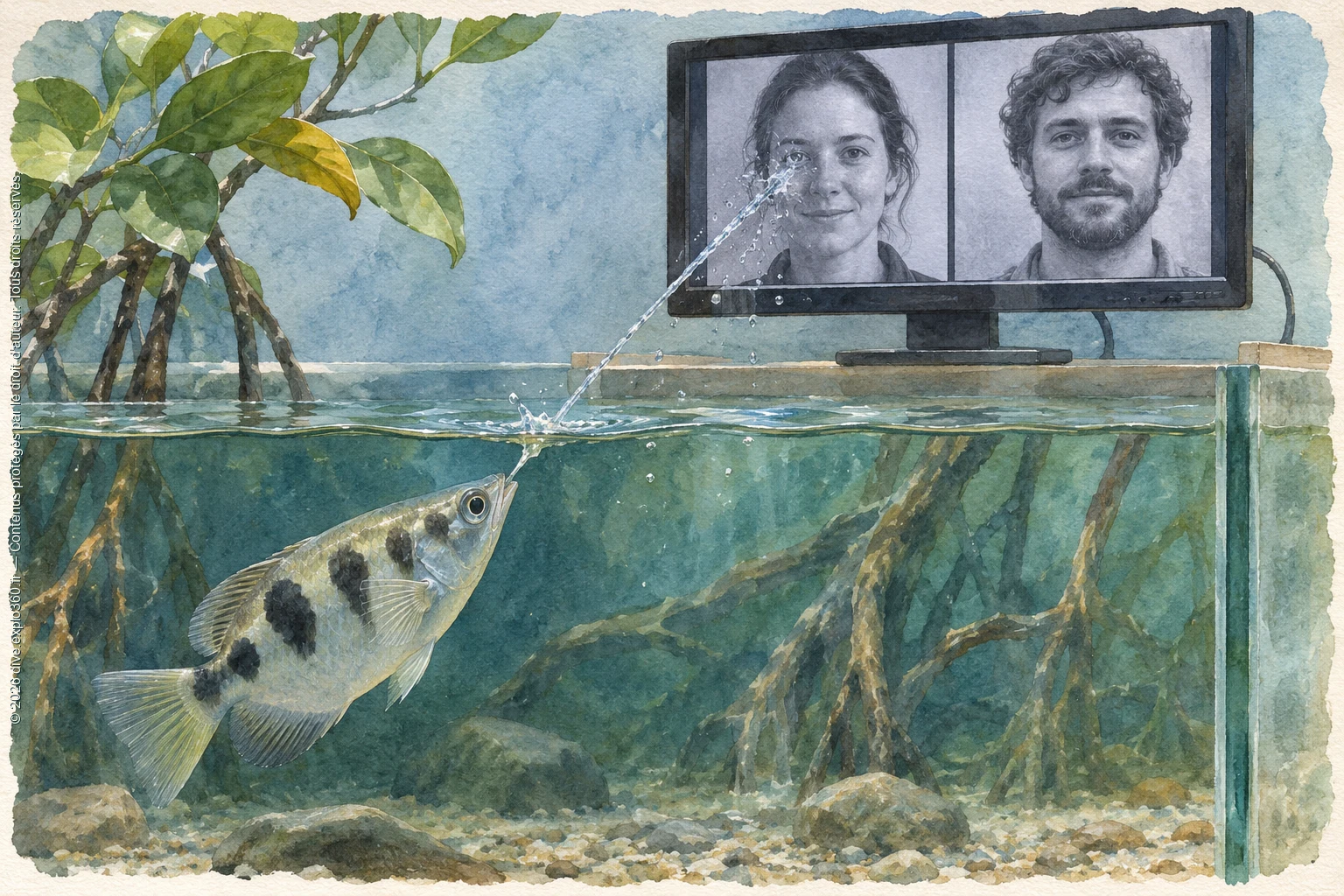
Research video — Max Planck Institute of Animal Behavior. The field method tests learnt discrimination between divers.
A study in the wild
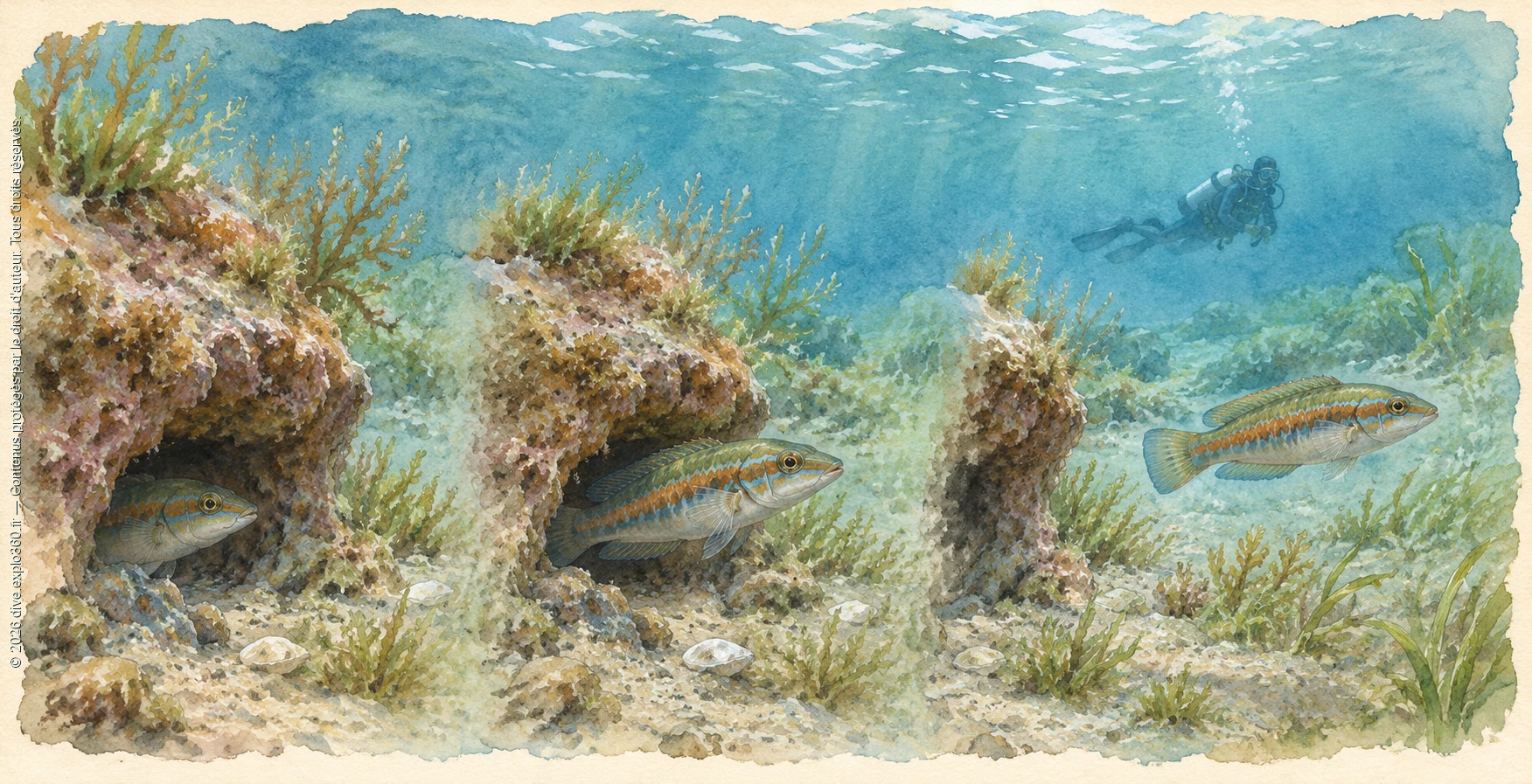
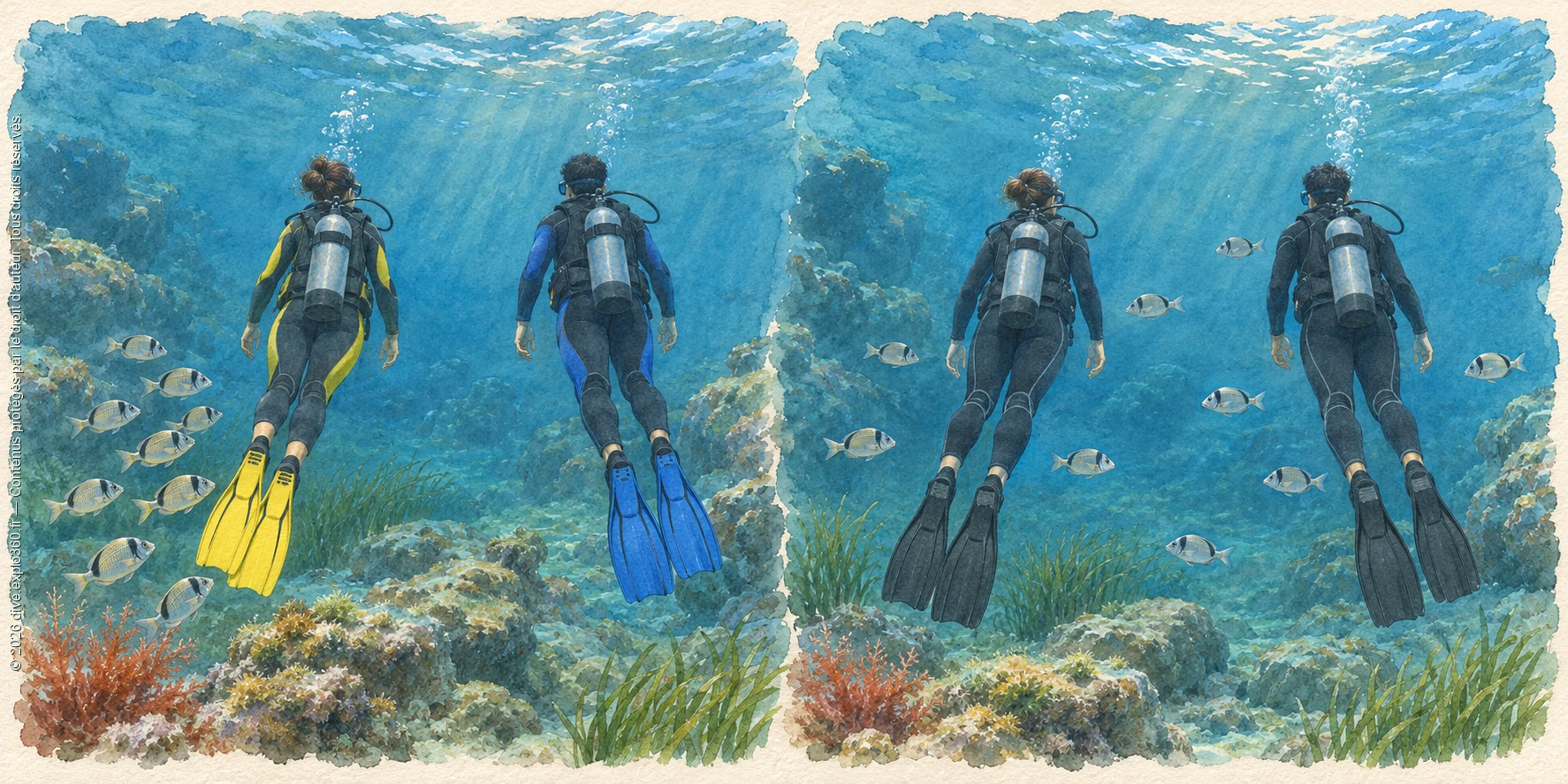
A study published in 2025 tested wild saddled seabream and black seabream at STARESO near Calvi, Corsica. The fish remained free to join the experiment or leave. Over twelve days, a diver trained them to follow her for roughly fifty metres, rewarding them with pieces of prawn. A second diver then joined her. When the two swam in different directions, only the first rewarded followers. Across successive trials, the fish learnt to favour the diver associated with food.
Testing the available cues
The divers initially wore different equipment, offering clues in their wetsuits, fins, masks and buoyancy compensators. When both wore matching kit, the fish became much less successful. This points to visible equipment features as the main cues in the task. The fish could distinguish the divers, but the experiment did not establish recognition of the person independently of their appearance.
GO FURTHER WITH AMIGANSEAU
Continue reading
Discover full species guides, in-depth content and interactive tools available with your licence.
Dive.Explo360 is an independent, self-funded nonprofit. Every licence helps us create new content, improve our teaching tools and keep some of our resources free and ad-free.
Choose a licence that suits your needs for personal, educational or professional use.
Open-access resources remain available without a subscription.