


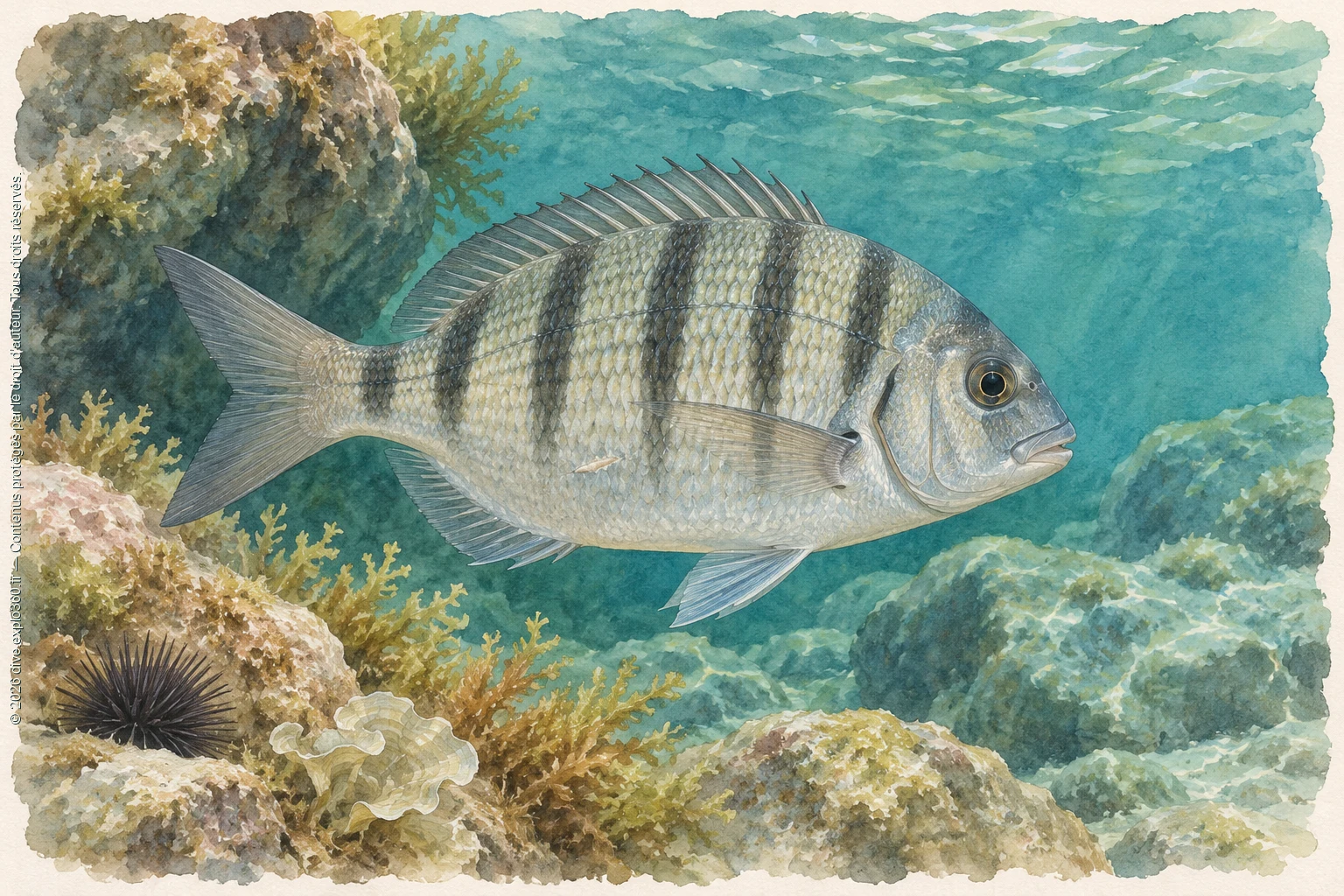
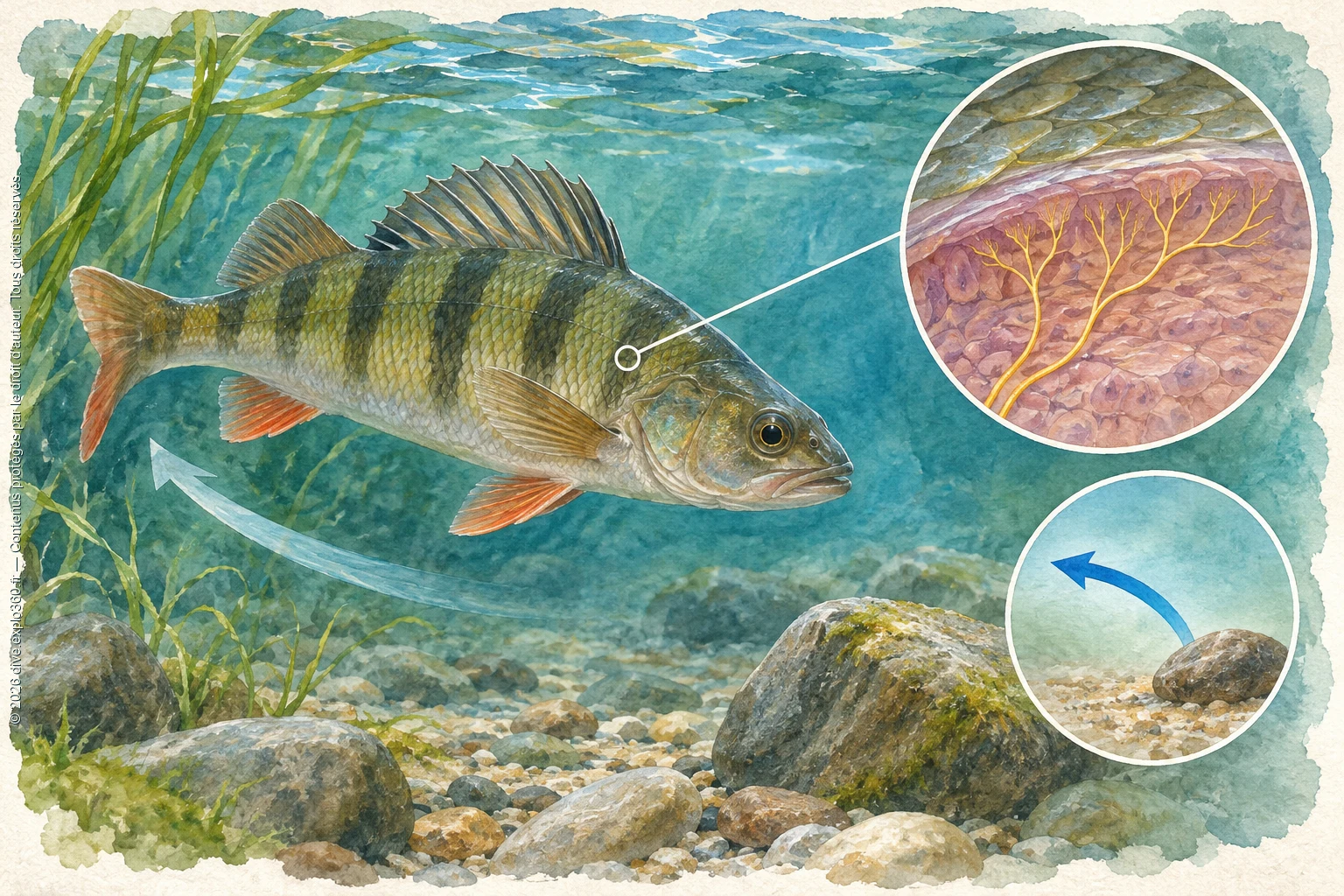
A warning and a feeling
Touch something hot and your hand pulls away very quickly. This reflex can start before you are fully aware of pain.
Special sensors called nociceptors detect things that could damage the body, such as too much pressure, dangerous heat or certain chemicals. Detecting and passing on that warning is called nociception. Pain is the unpleasant experience itself, involving sensations and feelings.
Detecting possible damage
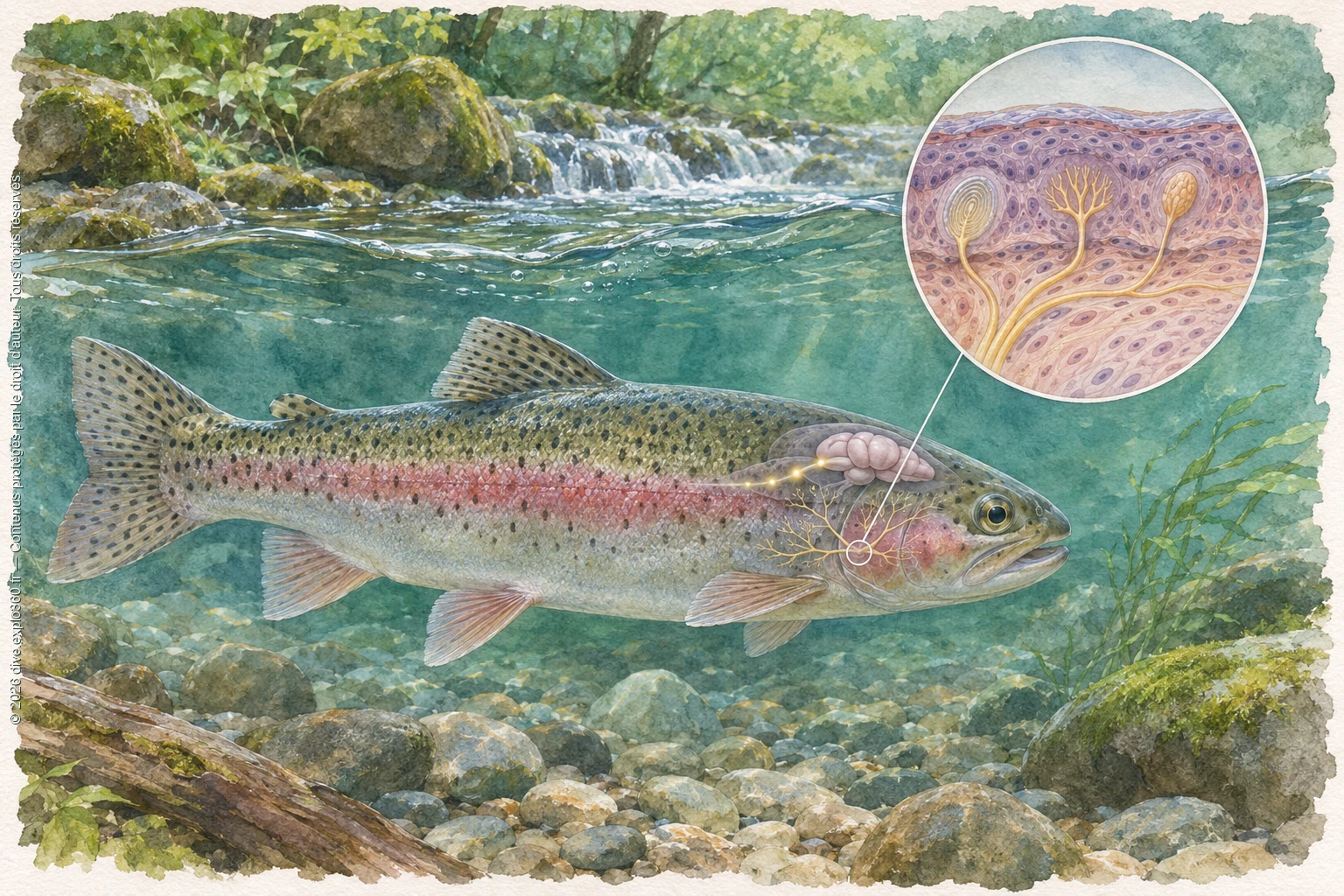
In 2003, researchers studied nerves in the heads of rainbow trout, Oncorhynchus mykiss. They found sensors responding to pressure, temperatures and chemicals that could damage tissue.
Different kinds of nerve fibre carry signals at different speeds. The mixture is not the same as in mammals. Fish nervous systems have their own evolutionary history.
The trout had special ways to detect possible damage. The next question was what happened to that information.
What happens after the first reaction?
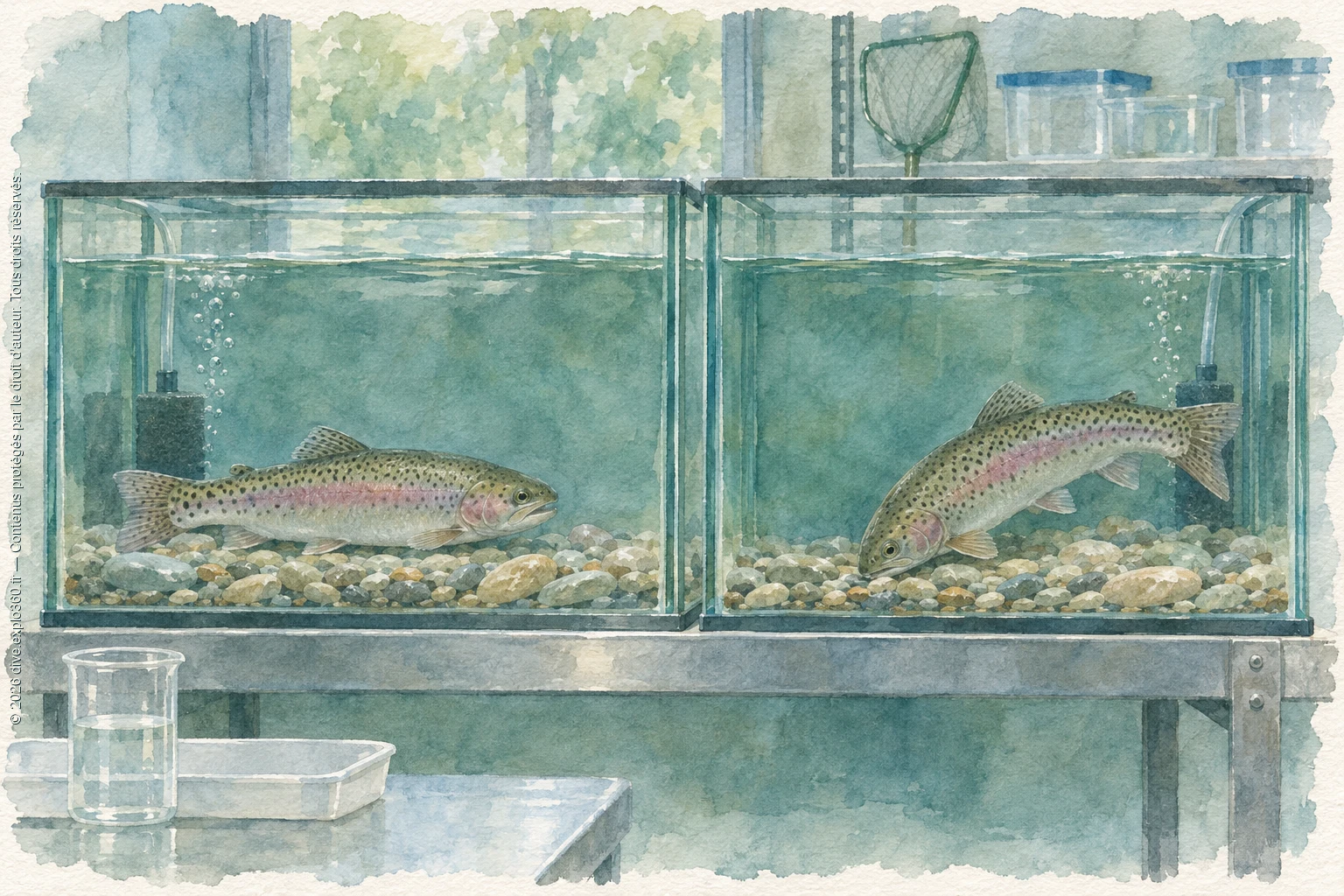
After an irritating substance was applied to their lips, some trout rocked from side to side or rubbed their mouths on the bottom. They moved water over their gills faster and waited longer before eating again. The changes lasted beyond the first stimulus.
Rubbing focused on the affected part, rather than just moving the fish away from danger. In other tests, trout paid less attention to a new object, as though something else occupied them.
Morphine, a pain-relieving medicine, reduced some changes. This supports the idea of pain, but scientists must also check effects on activity and stress. These are research procedures, never activities to copy.
A change of choice
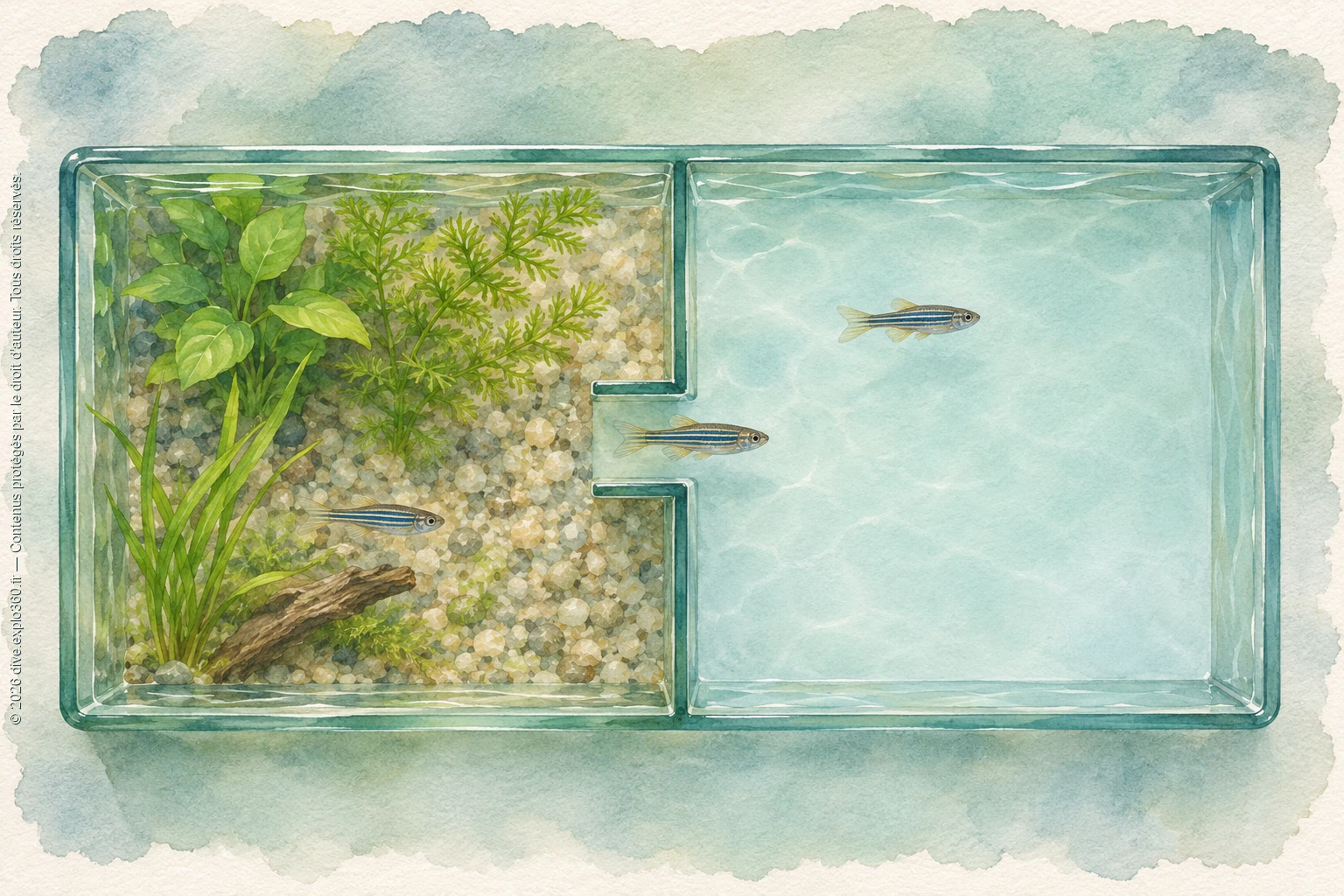
Zebrafish, Danio rerio, are small freshwater fish from Asia. In some tests, they could choose between an area with plants and places to explore and a plainer area. They usually preferred the first.
After a harmful stimulus, some fish spent more time in the plain area when a pain-relieving substance was available there.
Giving up a favourite place for possible relief suggests a change in priorities. It is an important clue, but scientists consider it alongside other findings.
A different brain
Part of a mammal’s brain called the neocortex helps process pain. Fish do not have a comparable neocortex. Some scientists think that difference argues against conscious pain.
Others point out that different brain structures can do similar jobs. Birds have differently organised brains too, yet can learn and solve problems.
In fish, warning signals reach several brain regions, including one called the telencephalon. They go beyond the circuits for quick reflexes. This does not tell us exactly what fish feel. But a different brain is not enough to rule out all pain. Scientists still debate the experience.
GO FURTHER WITH AMIGANSEAU
Continue reading
Discover full species guides, in-depth content and interactive tools available with your licence.
Dive.Explo360 is an independent, self-funded nonprofit. Every licence helps us create new content, improve our teaching tools and keep some of our resources free and ad-free.
Choose a licence that suits your needs for personal, educational or professional use.
Open-access resources remain available without a subscription.