A warning signal or a painful experience?
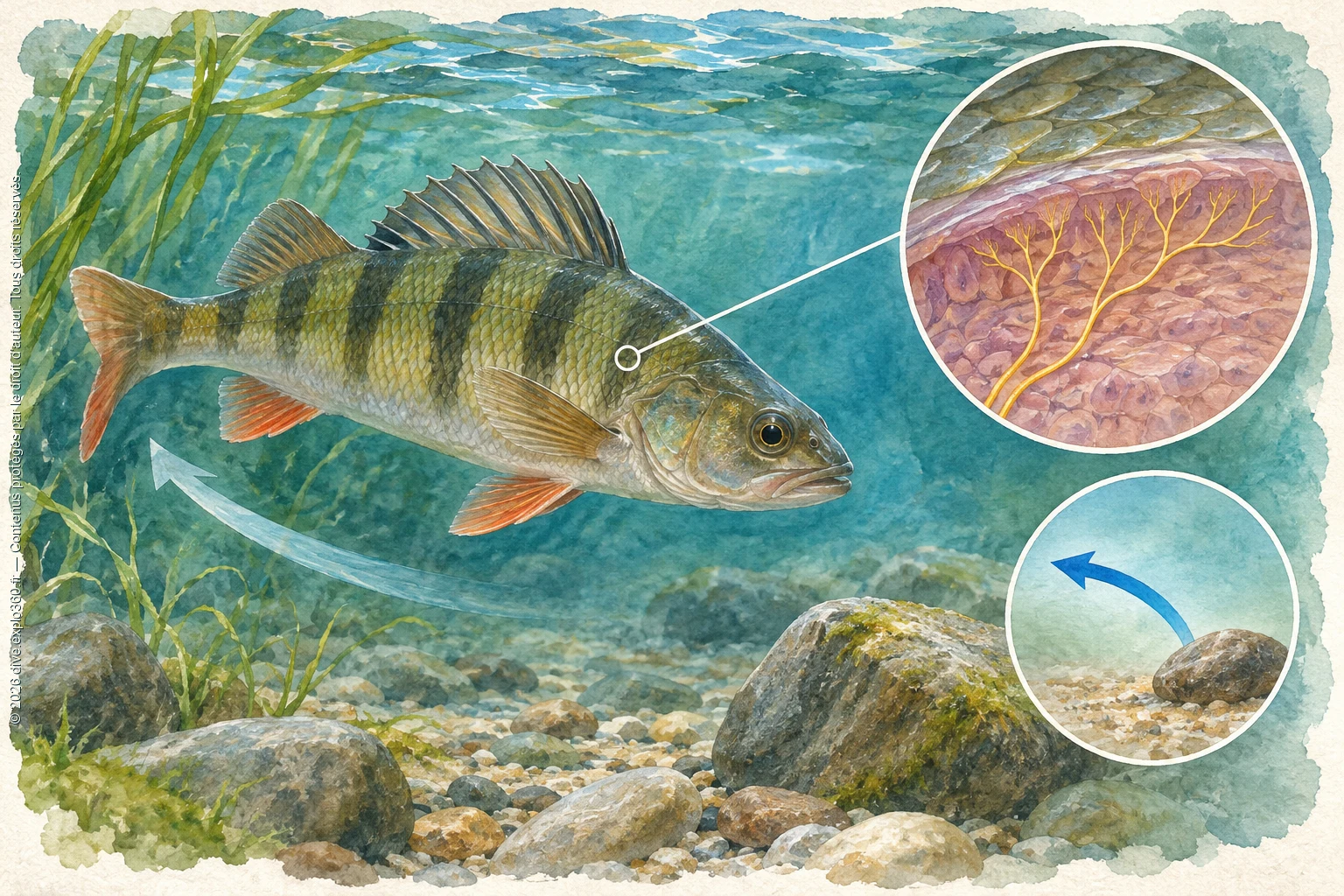
The reflex that pulls a hand away from heat can begin before full awareness of pain. Nociceptors detect mechanical, thermal and chemical stimuli capable of damaging tissue.
Nociception is the detection and transmission of that information. Pain is an unpleasant sensory and emotional experience. Finding the detection system therefore does not, by itself, establish conscious experience.
Detecting possible damage
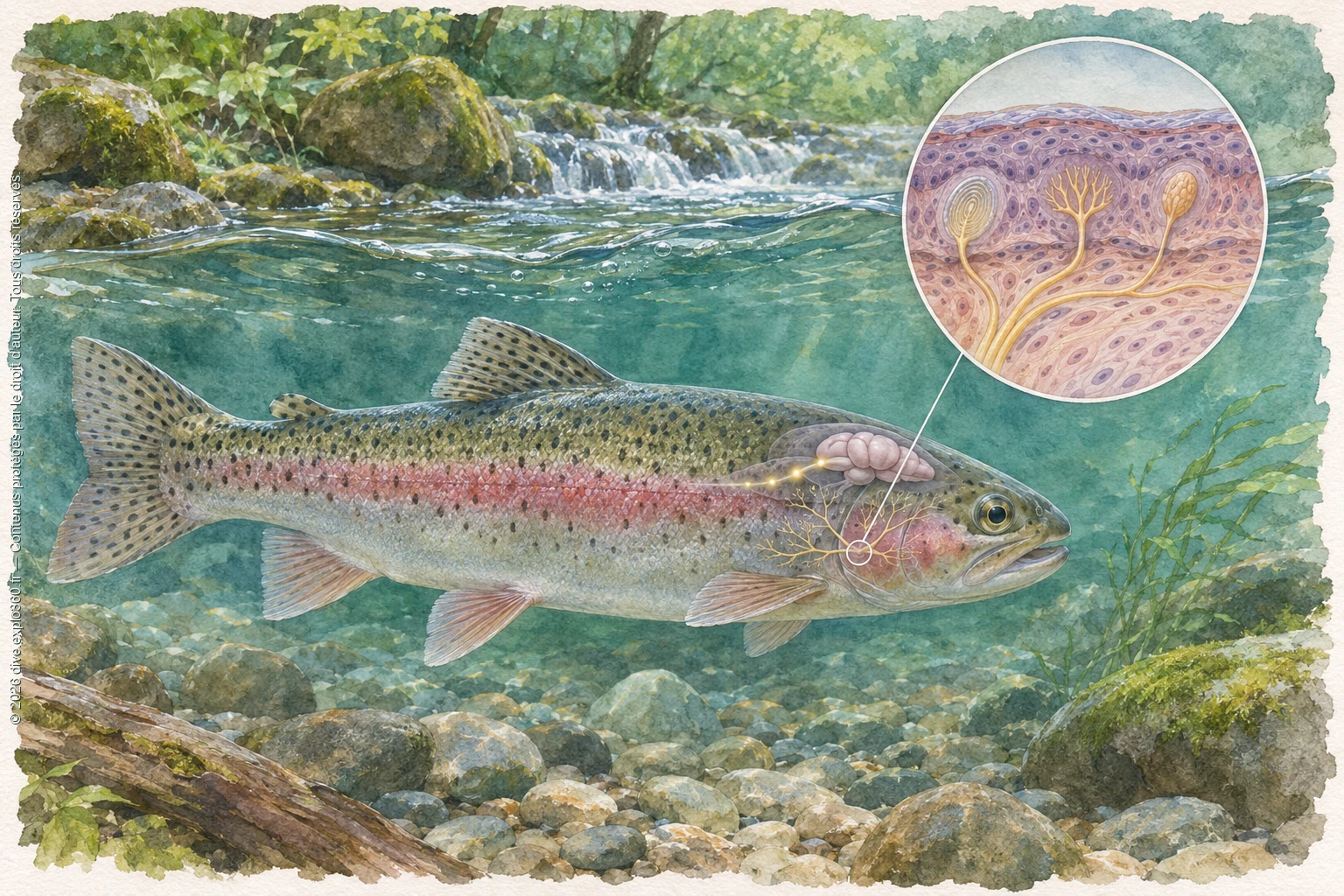
In 2003, recordings from nerve endings in rainbow trout, Oncorhynchus mykiss, identified receptors responding to potentially harmful pressure, heat and chemicals.
Different kinds of nerve fibre carry signals at different speeds. Their proportions differ from those in mammals, reflecting a nervous system with its own evolutionary history.
The results establish specialised detection in the fish studied. They do not yet reveal what the animal experiences or how the signals affect its decisions.
What happens after the first reaction?
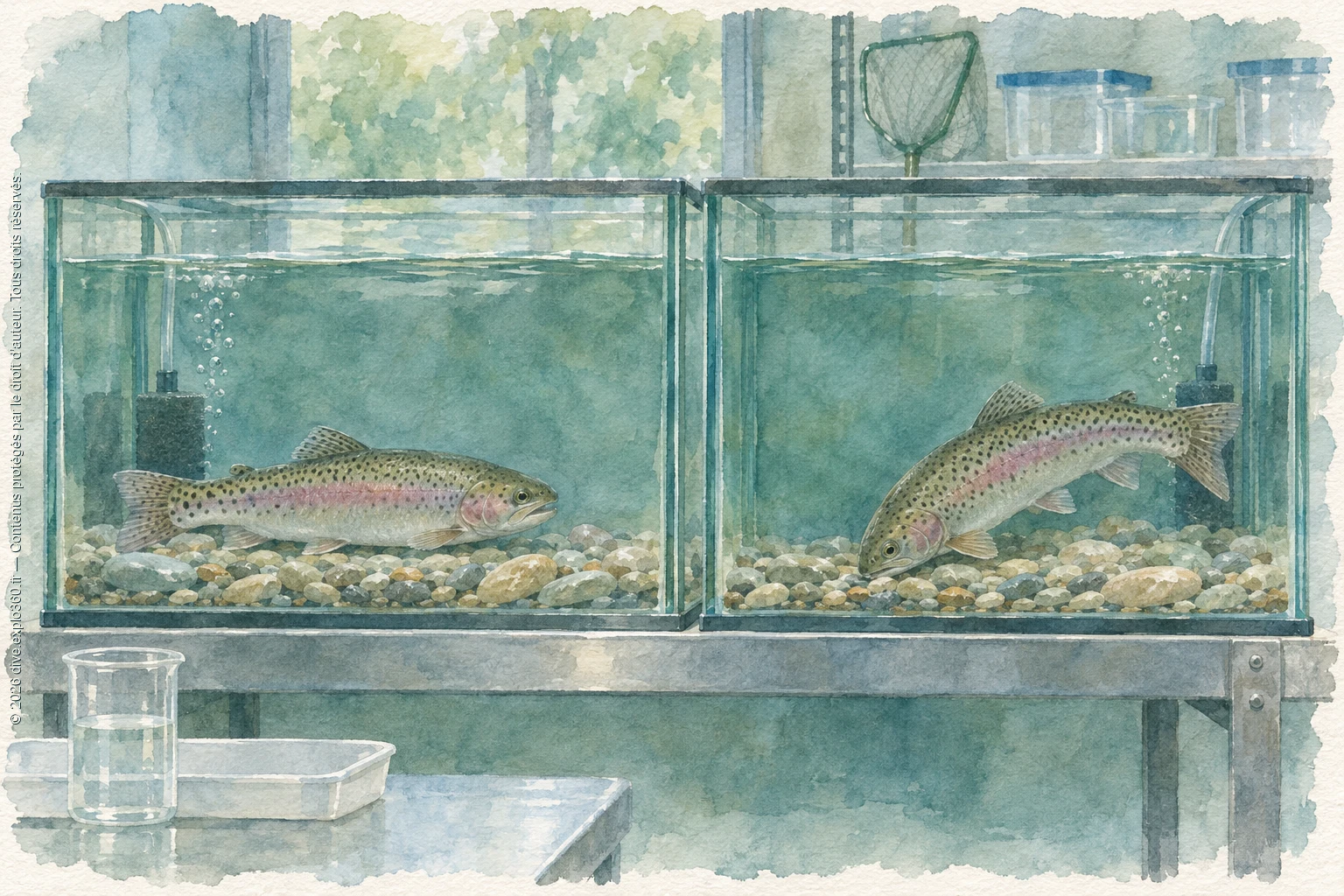
After irritant stimulation at the lips, some trout rocked, rubbed their mouths, ventilated faster and delayed feeding. The effects persisted beyond the initial stimulus.
Rubbing remained directed at the affected area rather than being confined to escape. Other tests found reduced wariness of an unfamiliar object, suggesting that attention had shifted.
Morphine reduced some changes. This supports a pain interpretation, but effects on stress and general activity must also be assessed. The drug response alone is not conclusive.
Choosing possible relief
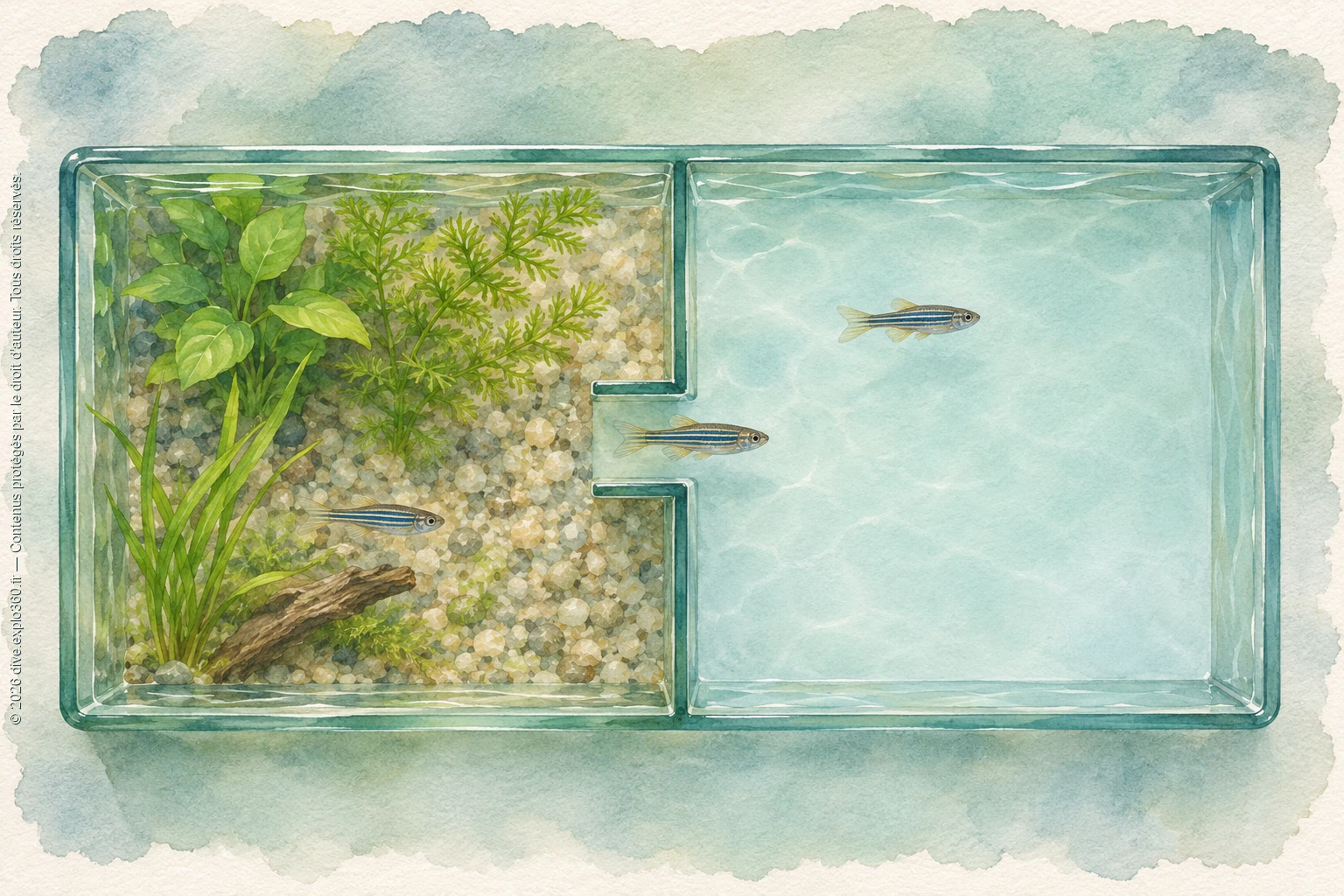
Zebrafish, Danio rerio, small Asian freshwater fish, normally prefer a compartment with plants and exploration opportunities to a plainer area.
Experiments described in the literature report that this preference could reverse after harmful stimulation when an analgesic was available in the less attractive compartment. The fish gave up a usual benefit for possible relief.
Such a trade-off suggests that physiological state can change priorities over time. It goes beyond a rapid, stereotyped reflex without directly measuring subjective experience.

The debate over brain organisation
Fish lack a neocortex comparable to that of mammals. Since several human cortical regions contribute to pain, some researchers consider that difference difficult to reconcile with conscious pain.
Others challenge the inference: different structures can perform similar functions. Birds lack mammalian neocortical organisation, yet show sophisticated learning and problem-solving.
Nociceptive signals in fish reach several brain regions, including parts of the telencephalon, beyond immediate reflex circuits. This does not establish a human-like sensation. Equally, the absence of a particular structure cannot alone rule out every painful experience. Its nature remains debated.
GO FURTHER WITH AMIGANSEAU
Continue reading
Discover full species guides, in-depth content and interactive tools available with your licence.
Dive.Explo360 is an independent, self-funded nonprofit. Every licence helps us create new content, improve our teaching tools and keep some of our resources free and ad-free.
Choose a licence that suits your needs for personal, educational or professional use.
Open-access resources remain available without a subscription.