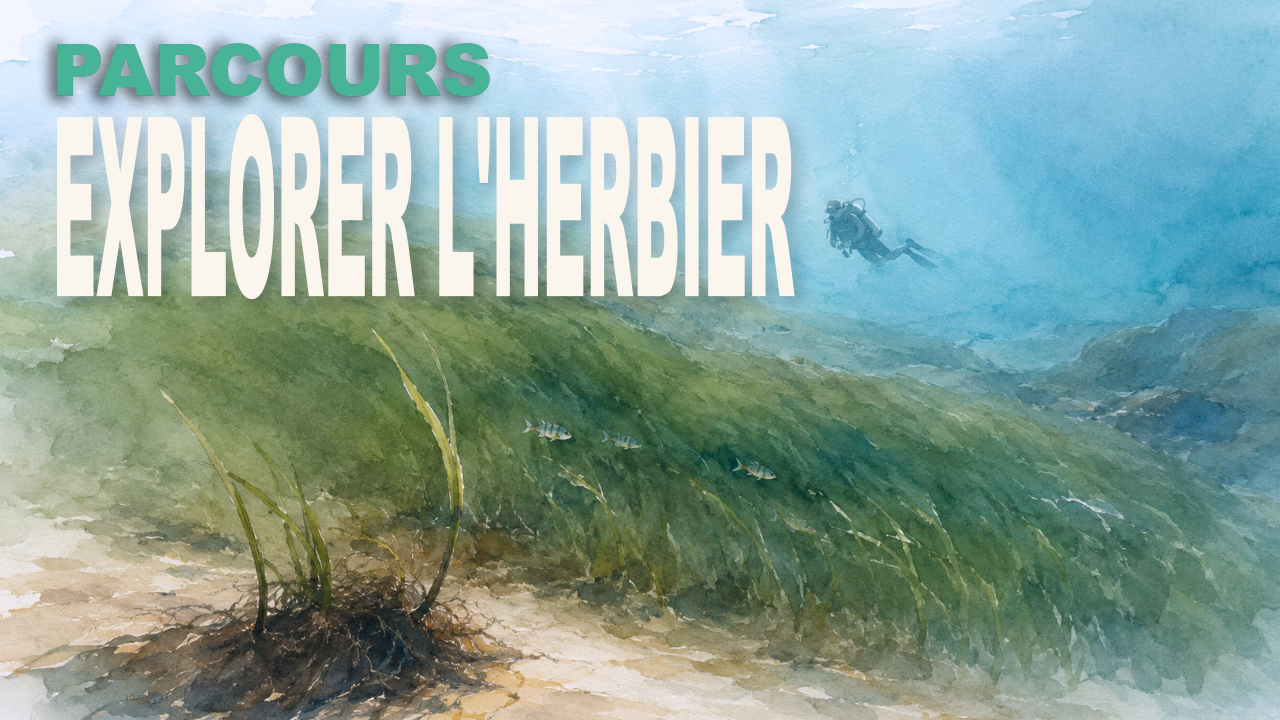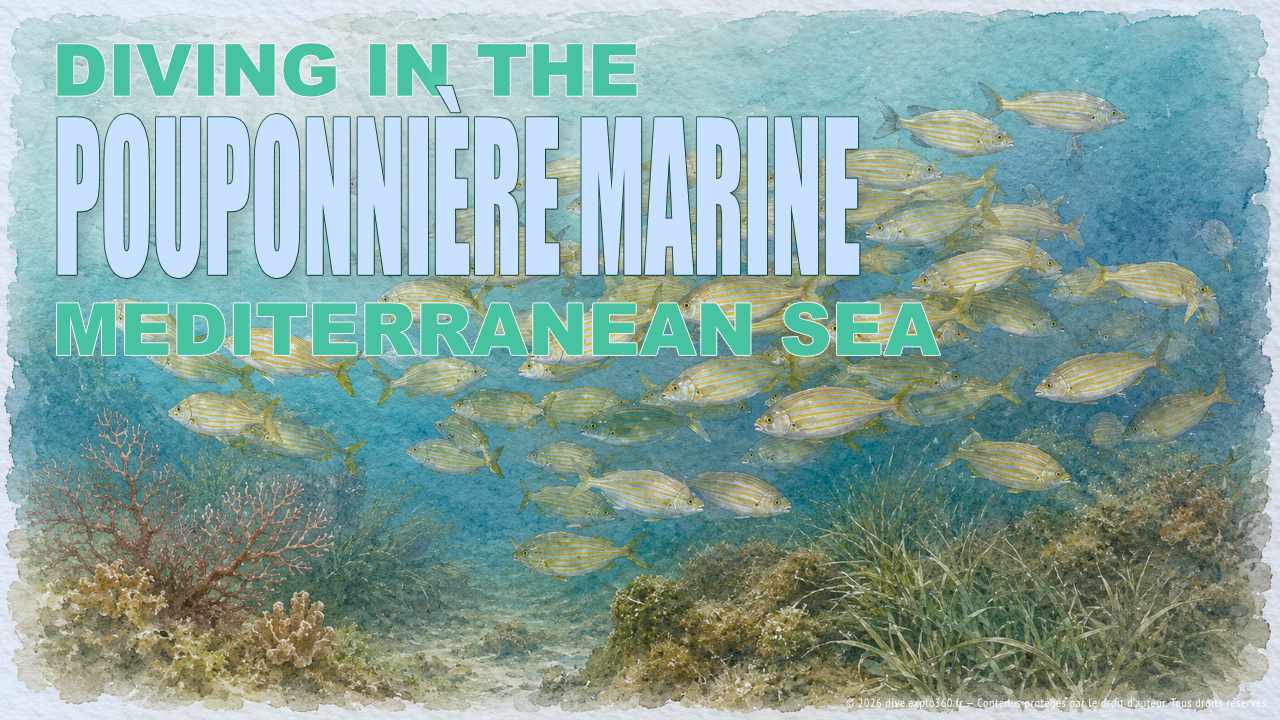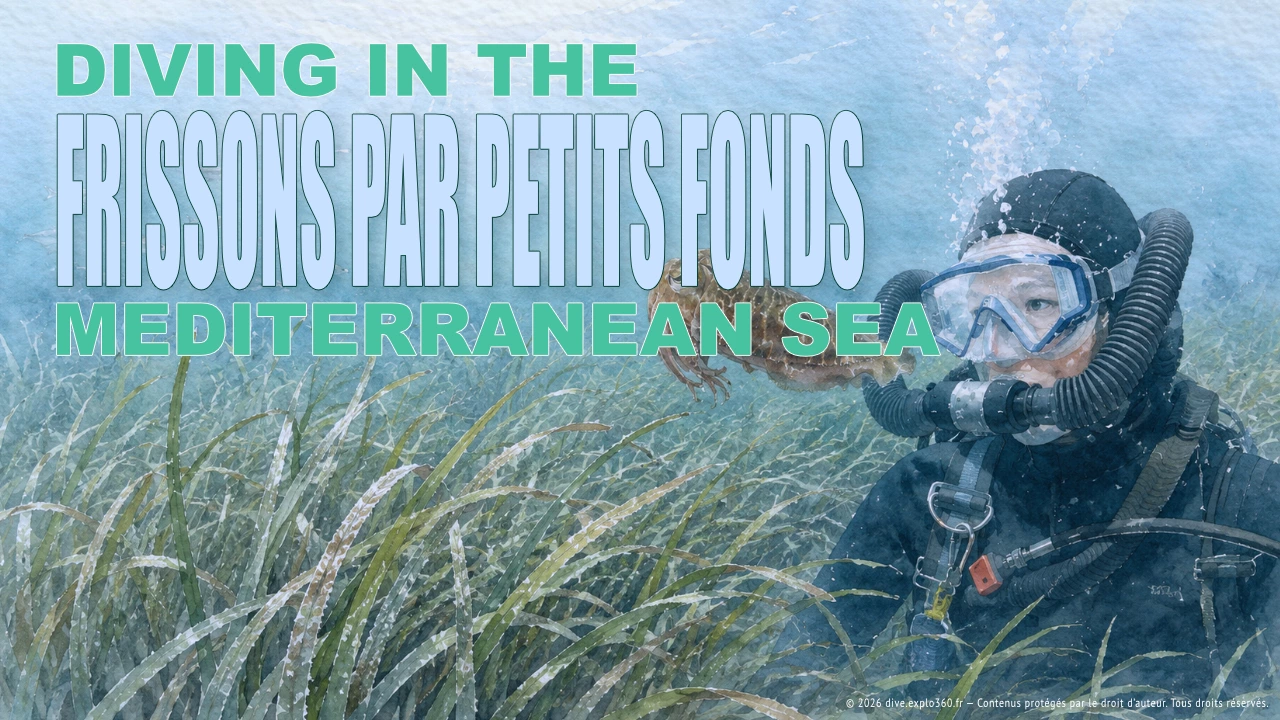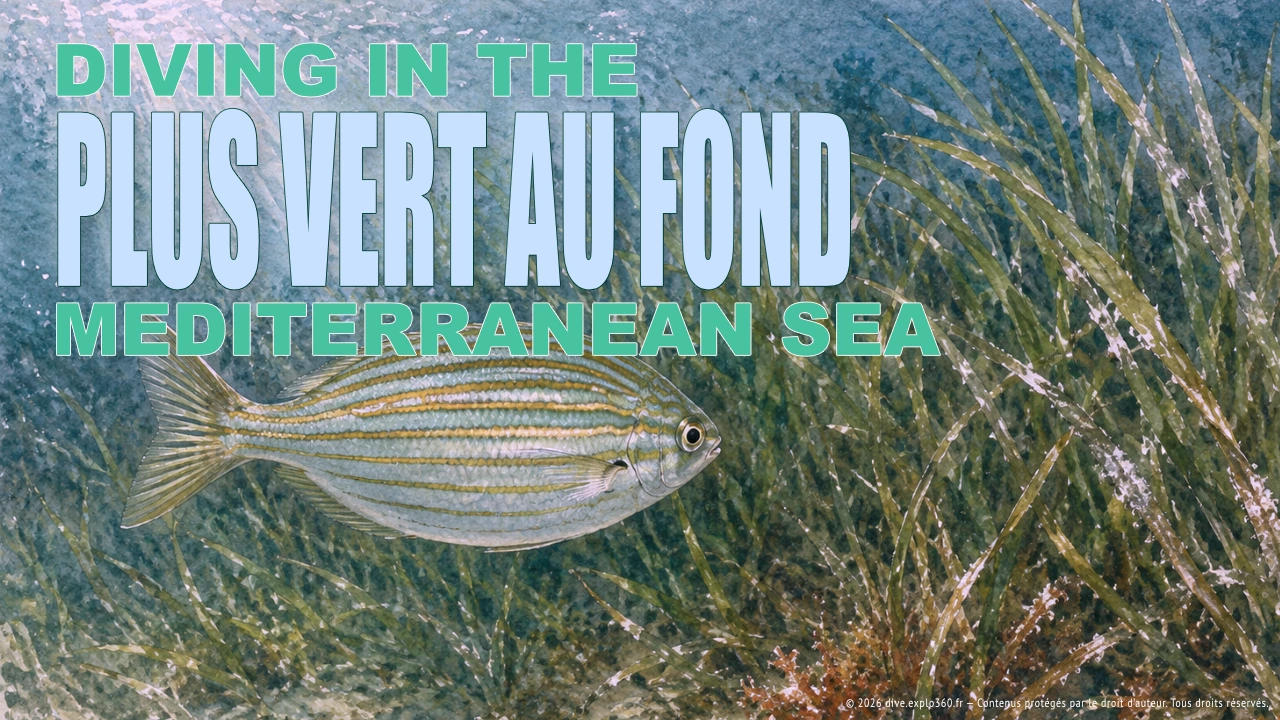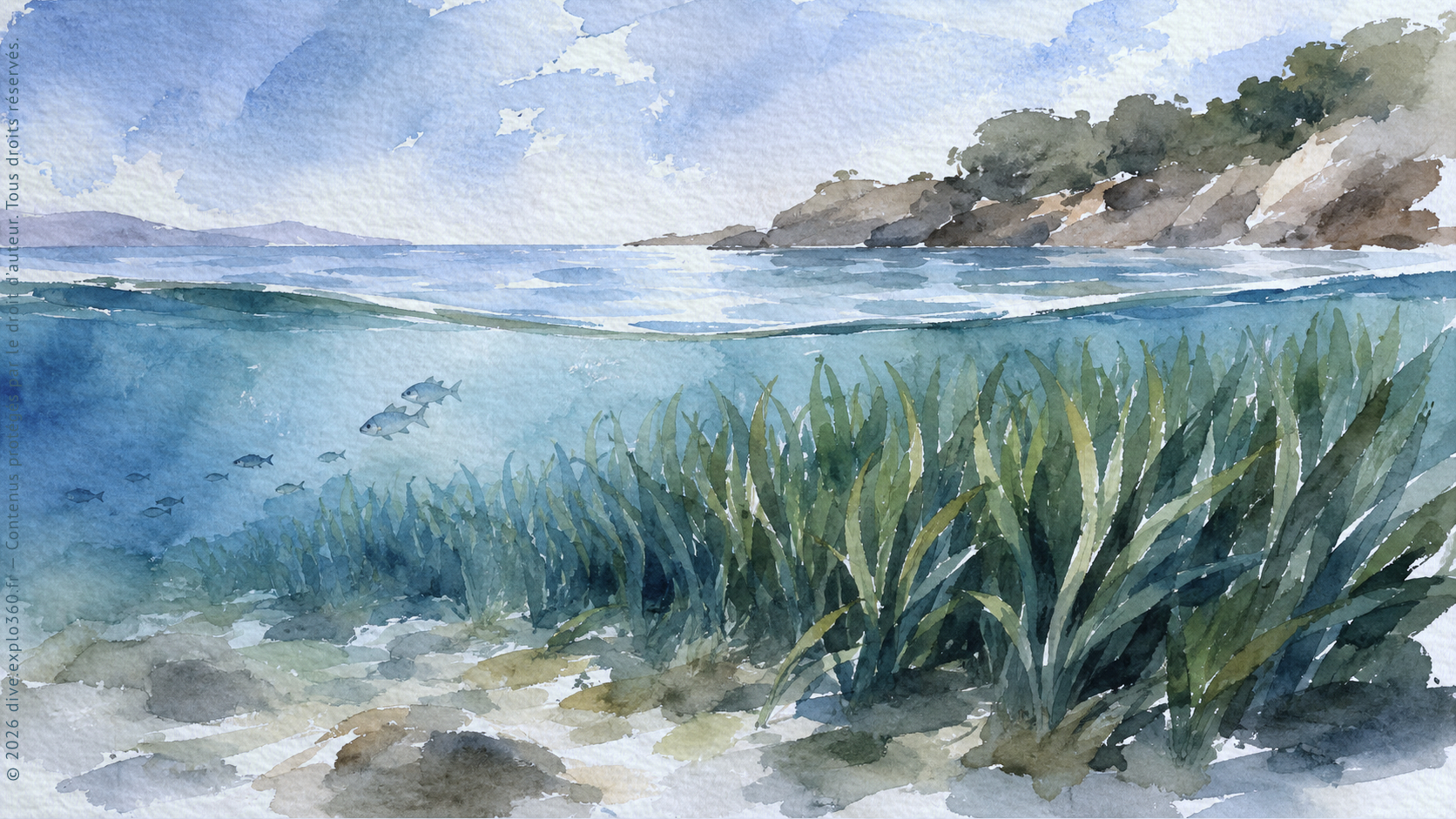
An underwater forest… made of grass
The meadow is a living landscape built by a plant.
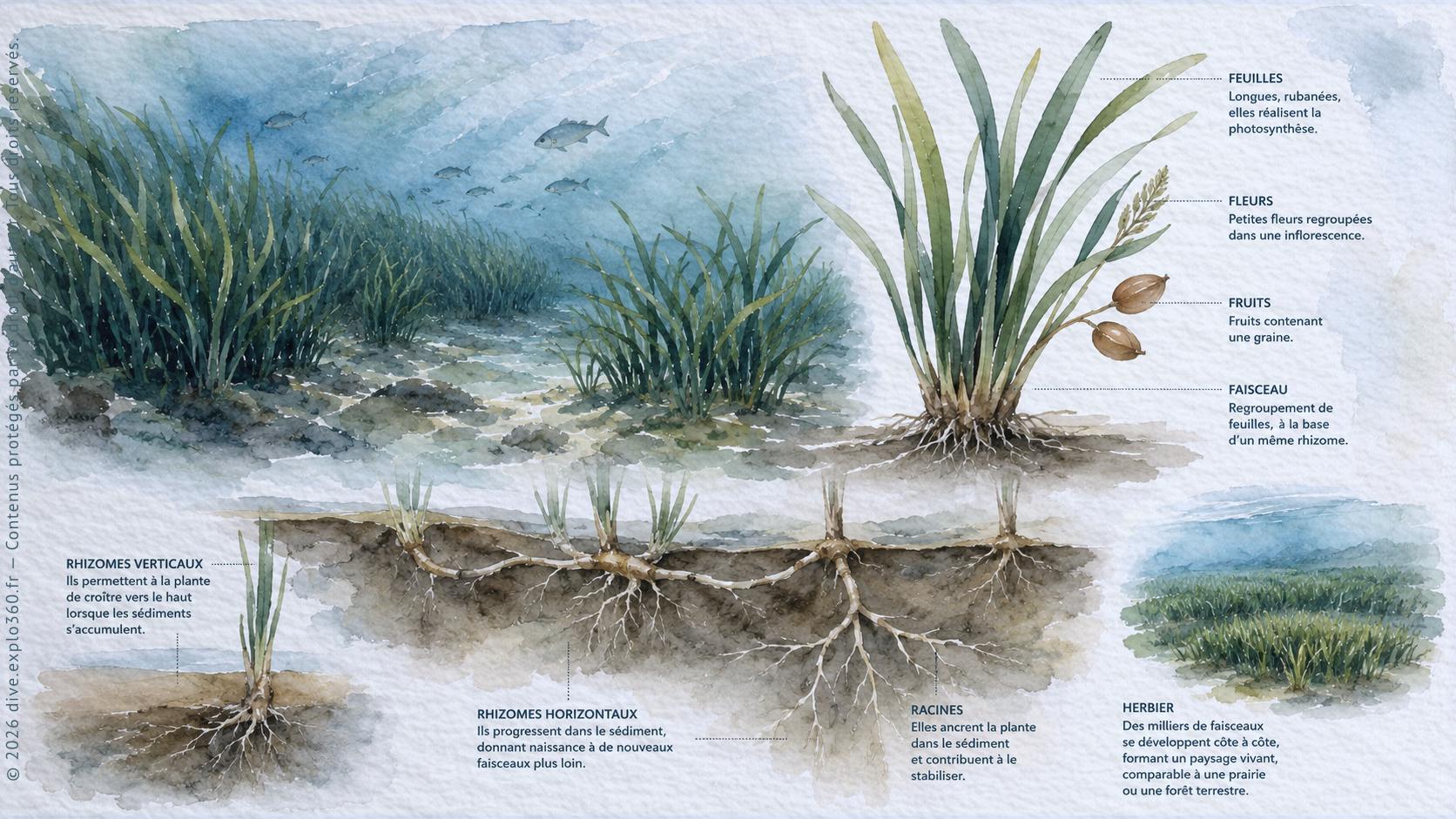
Posidonia (Posidonia oceanica) is a marine plant endemic to the Mediterranean. Unlike algae, it has true roots, rhizomes, leaves, flowers and fruits.
Its long, ribbon-like leaves form shoots. Beneath the sediment, rhizomes grow horizontally or vertically, allowing the plant to gradually occupy space.
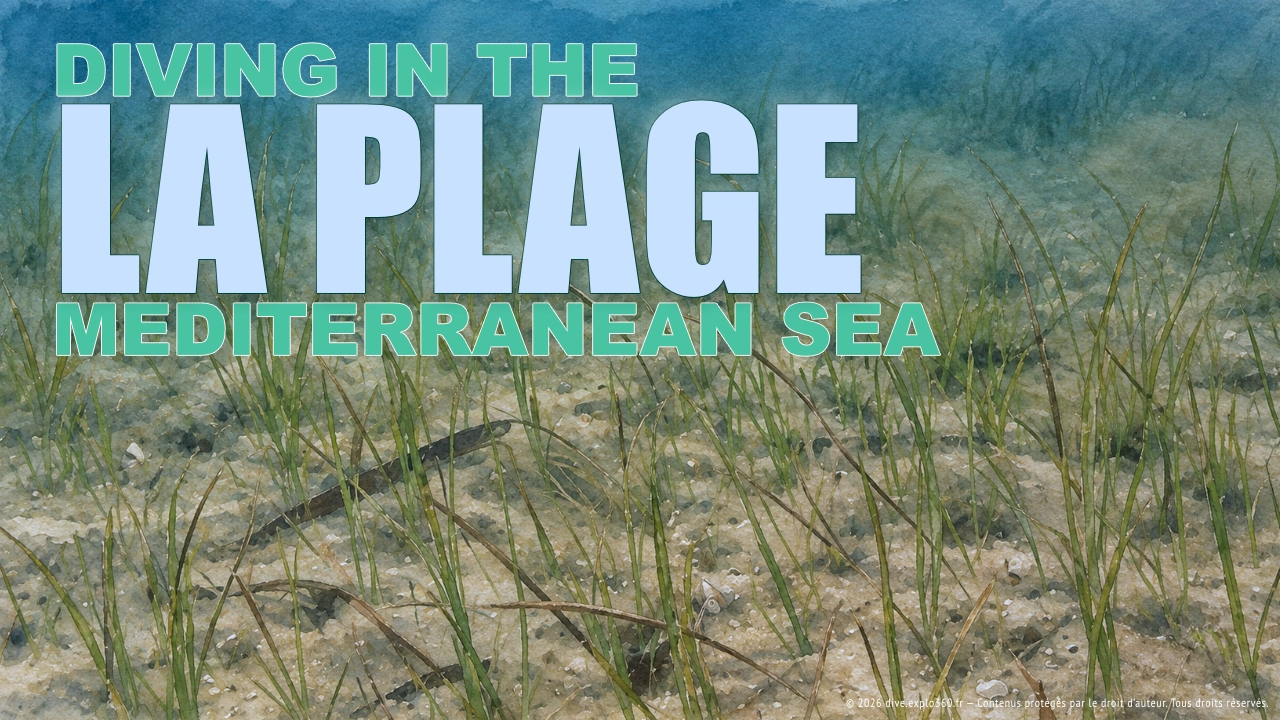
When thousands of shoots develop side by side, they form a meadow, functionally comparable in some respects to a grassland or forest on land.
How does a seagrass meadow begin?
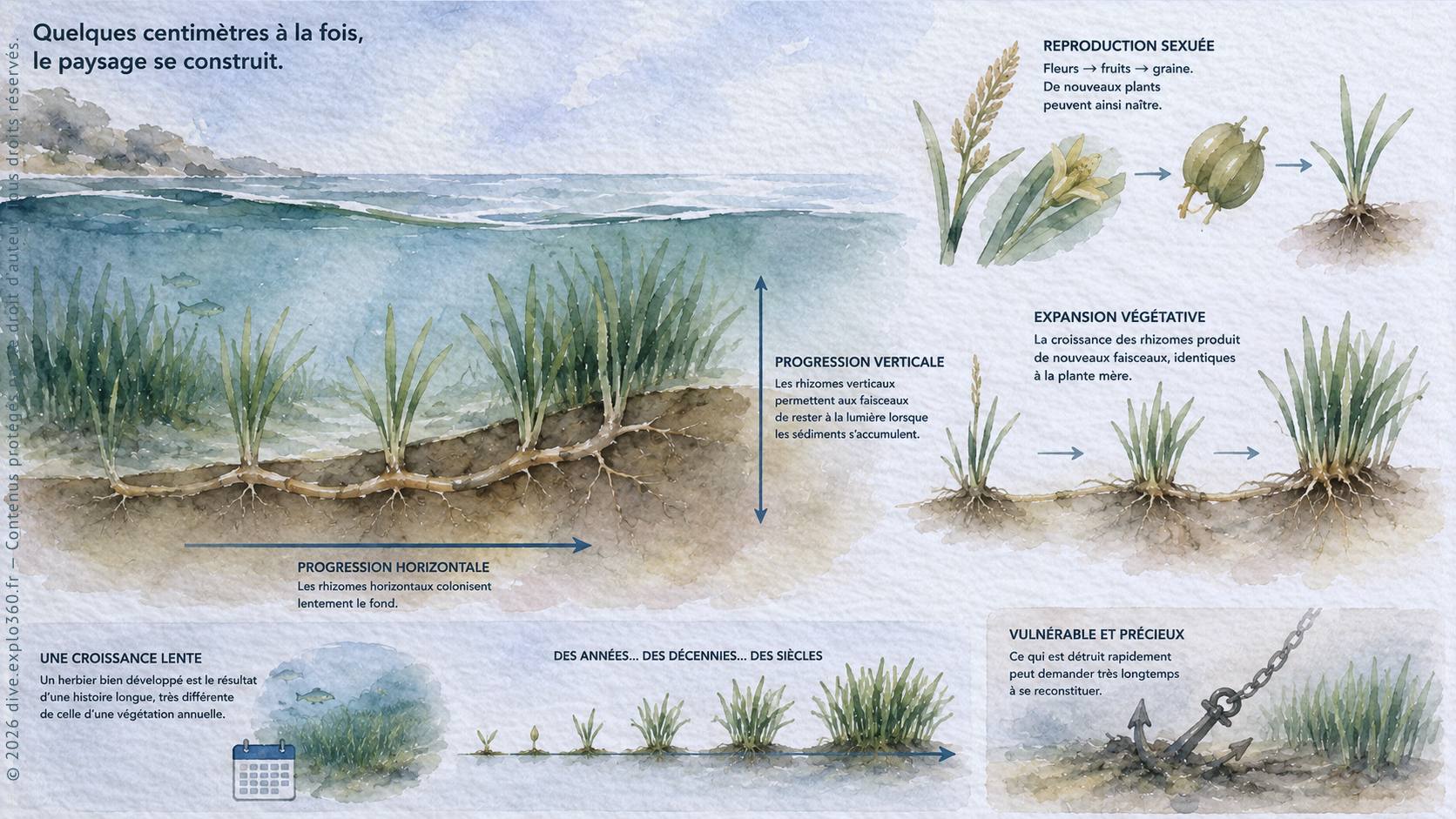
The meadow spreads a little at a time.
Posidonia can reproduce sexually, producing flowers and then fruits containing a seed. Much of an established meadow’s expansion also comes from the growth of its rhizomes.
Horizontal rhizomes spread across the seabed. Vertical ones allow shoots to keep growing as sediment accumulates.
Over many years, that slow growth can produce a broad, continuous meadow.
If part of it is uprooted, the plant can take far longer to fill the gap than it took to make it.
What we see… and what is hidden
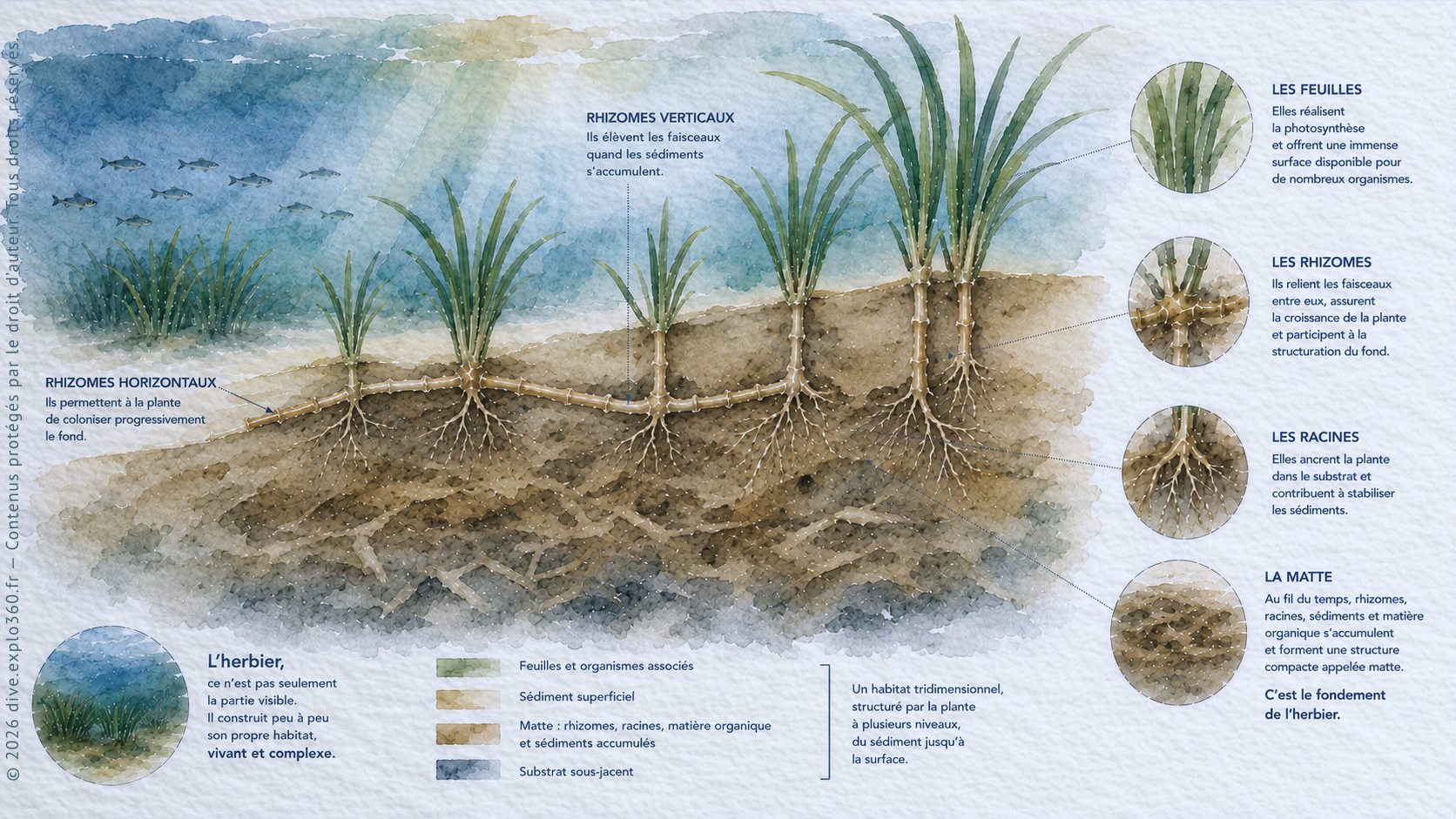
When diving, our gaze is naturally drawn to the long green leaves swaying with the water.
Yet much of the meadow lies beneath the leaves and within the sediment.
The leaves
They carry out photosynthesis and offer an immense surface area available to many organisms.
The rhizomes
They connect the shoots, enable the plant's growth and help structure the seabed.
The roots
They anchor the plant in the substrate and help stabilise sediment.
The matte
Over time, rhizomes, roots, sediment and organic matter accumulate into a compact structure called the matte.
The meadow is therefore not simply vegetation covering the seabed.
It gradually builds its own habitat.
The matte: invisible foundations
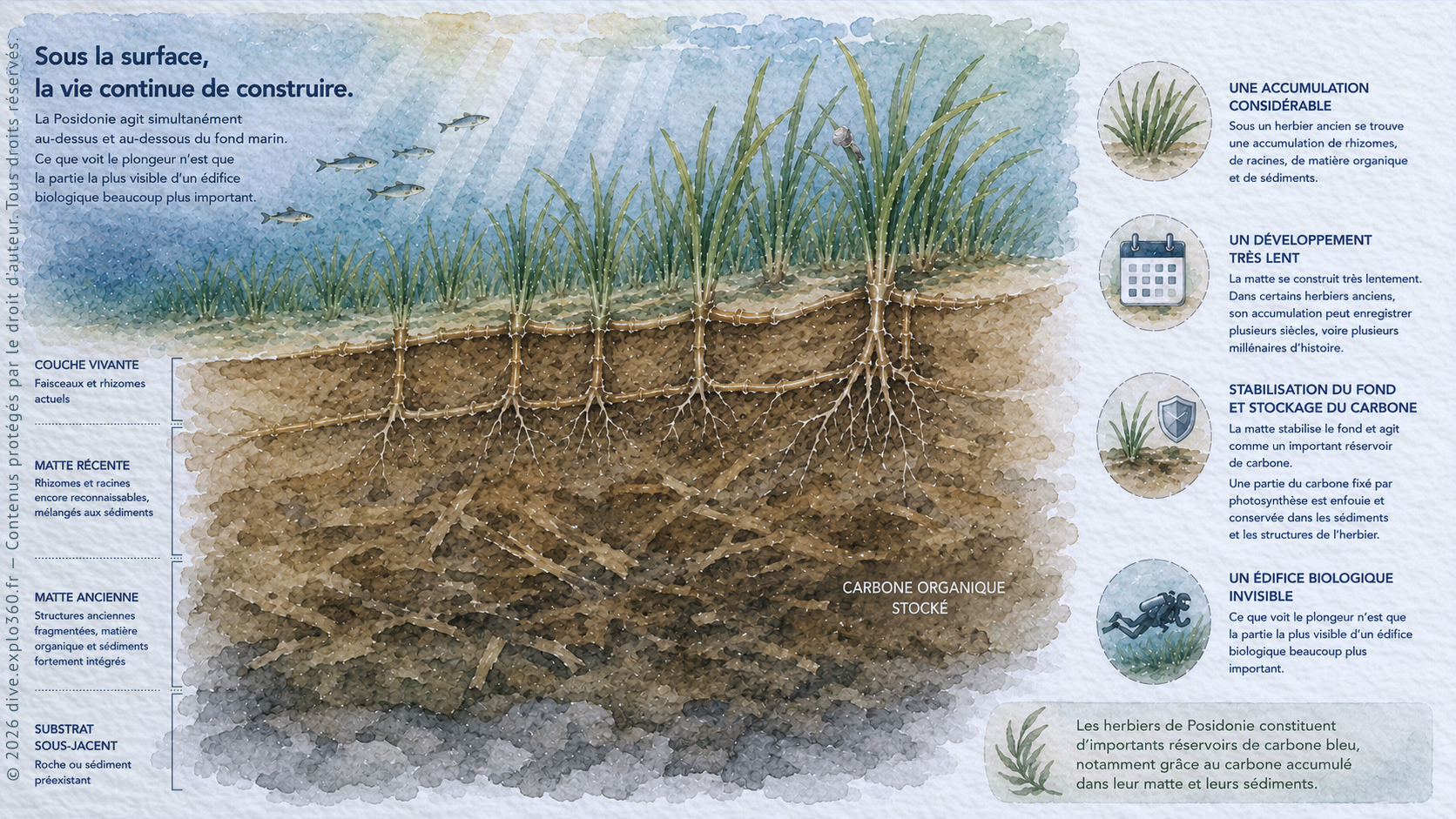
Beneath an old meadow, roots, rhizomes, organic matter and sediment can build up into a thick deposit.
This is the matte, and it can take a long time to form.
The matte helps stabilise the seabed. It can also preserve some of the carbon fixed by the plant, buried among its remains and the sediment.
The shoots above and the deposit below develop together.
A diver sees the leaves at once. The older layers lie underfoot.
Turning light into life
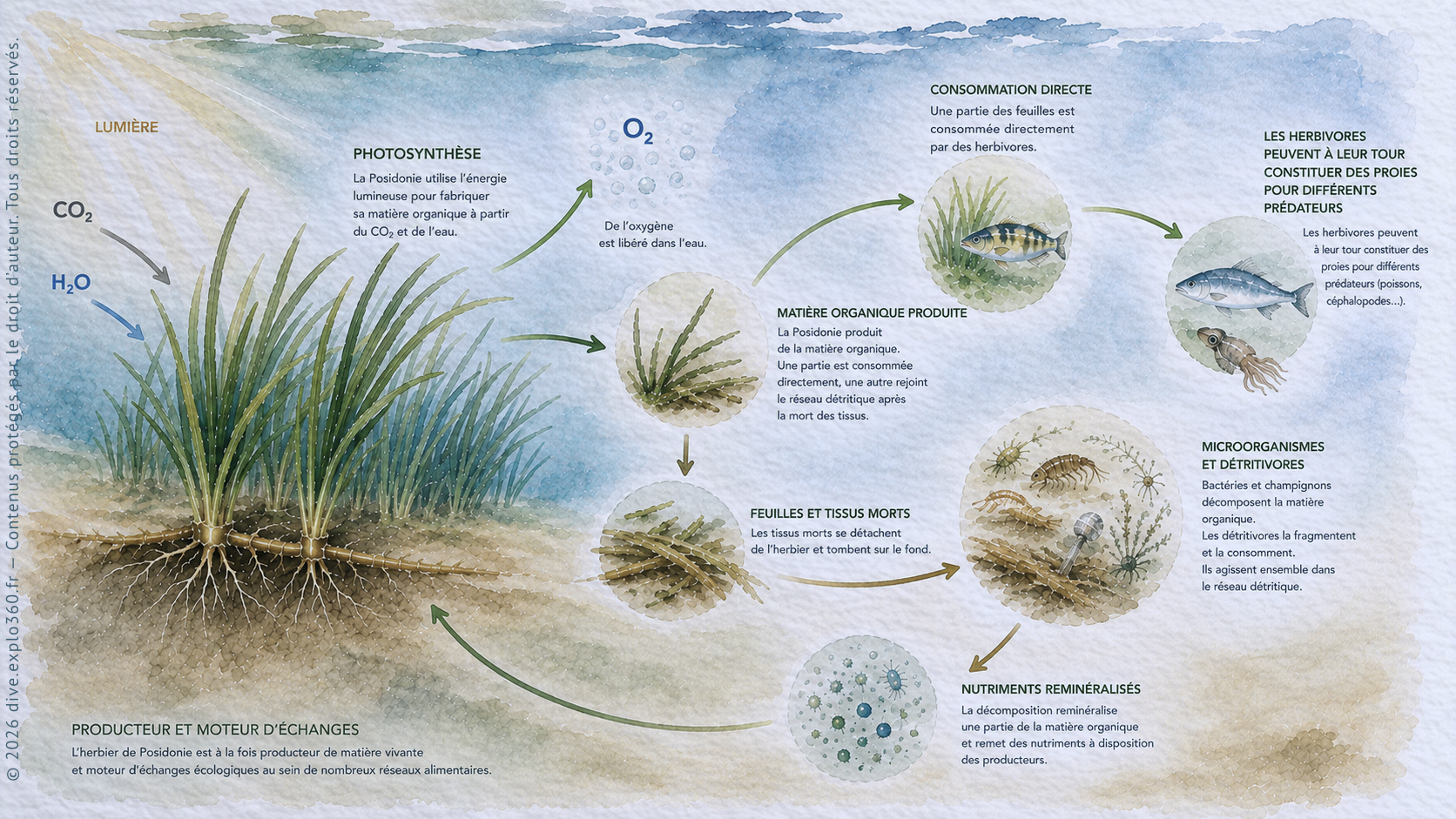
Like all photosynthetic plants, Posidonia uses light energy to make its organic matter from carbon dioxide and water, among other things.
This photosynthesis releases oxygen.
But the importance of this production extends beyond the plant itself. Matter produced by the meadow enters many food pathways, either directly or after processing and decomposition.
Dead leaves notably contribute to a complex chain involving microorganisms and detritivores.
The meadow is therefore both a producer of living matter and a driver of ecological exchanges.
A leaf is never really alone
Look closely at the surface of an old Posidonia leaf.
Algae, bryozoans, hydrozoans and other attached organisms can settle there. They are known collectively as epiphytes.
Other small animals can find food and shelter among them.
A single blade can support a community of its own.
Multiply those surfaces across a meadow and the space available to small organisms starts to come into view.
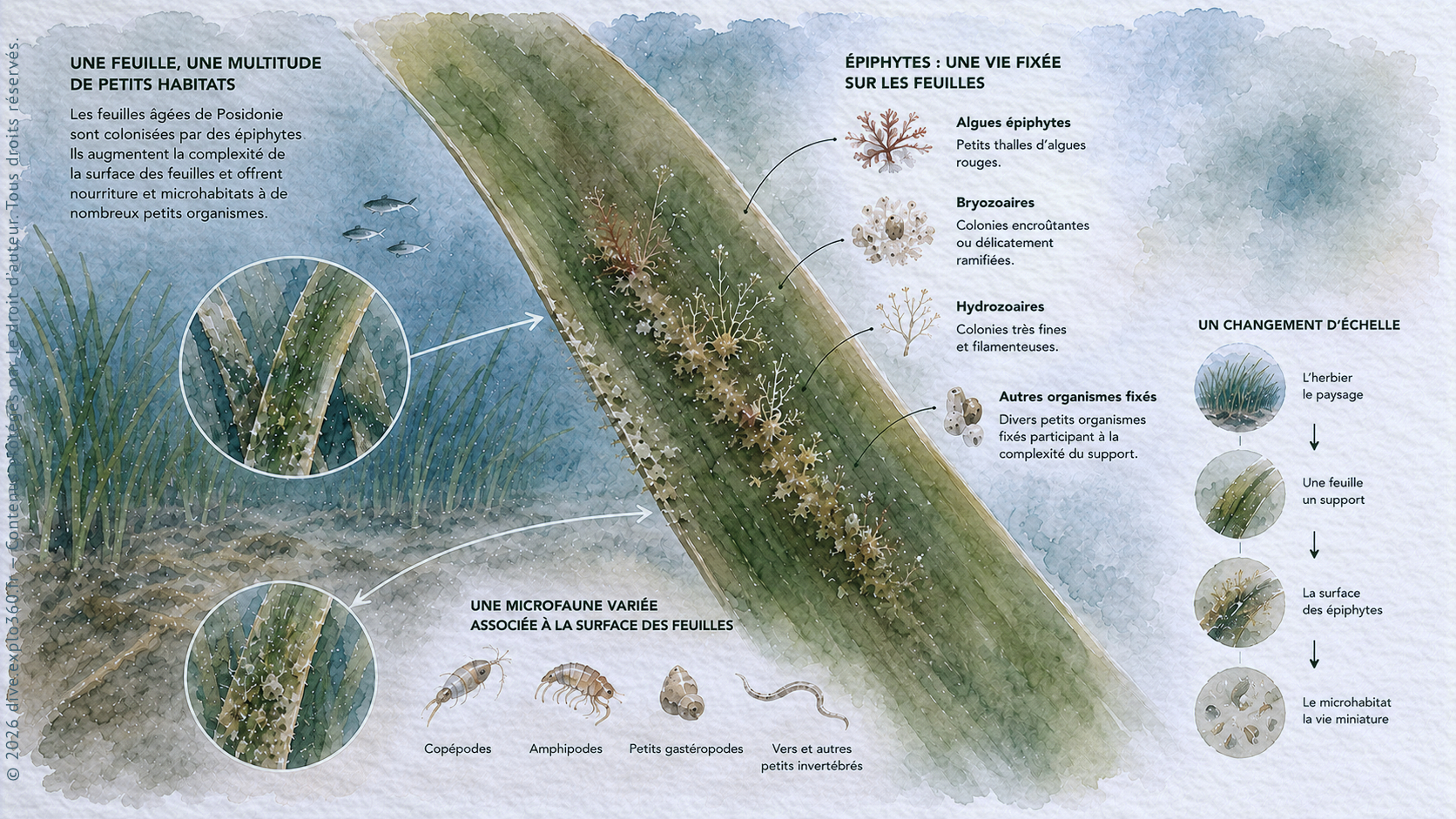
A refuge in the sea
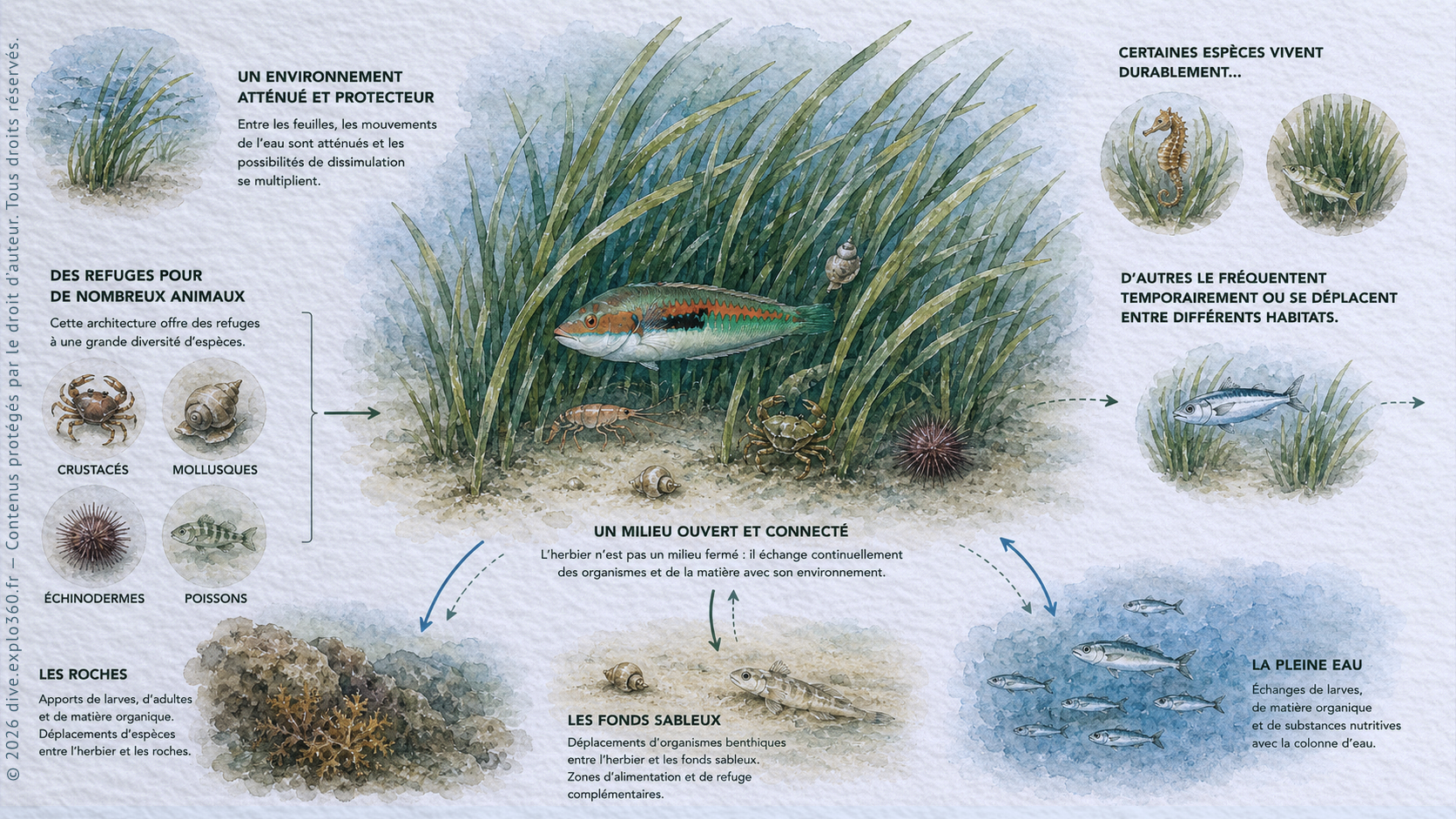
Among the leaves, visibility decreases, water movement is reduced and hiding opportunities multiply.
This structure offers refuges to many animals.
Crustaceans, molluscs, echinoderms and fish use the meadow to shelter, feed or hunt.
Some species live there long term. Others merely pass through.
The meadow is therefore not a closed environment: it continually exchanges organisms and matter with rocks, sandy seabeds and open water.
Explore the same world
Explore further
Species guides
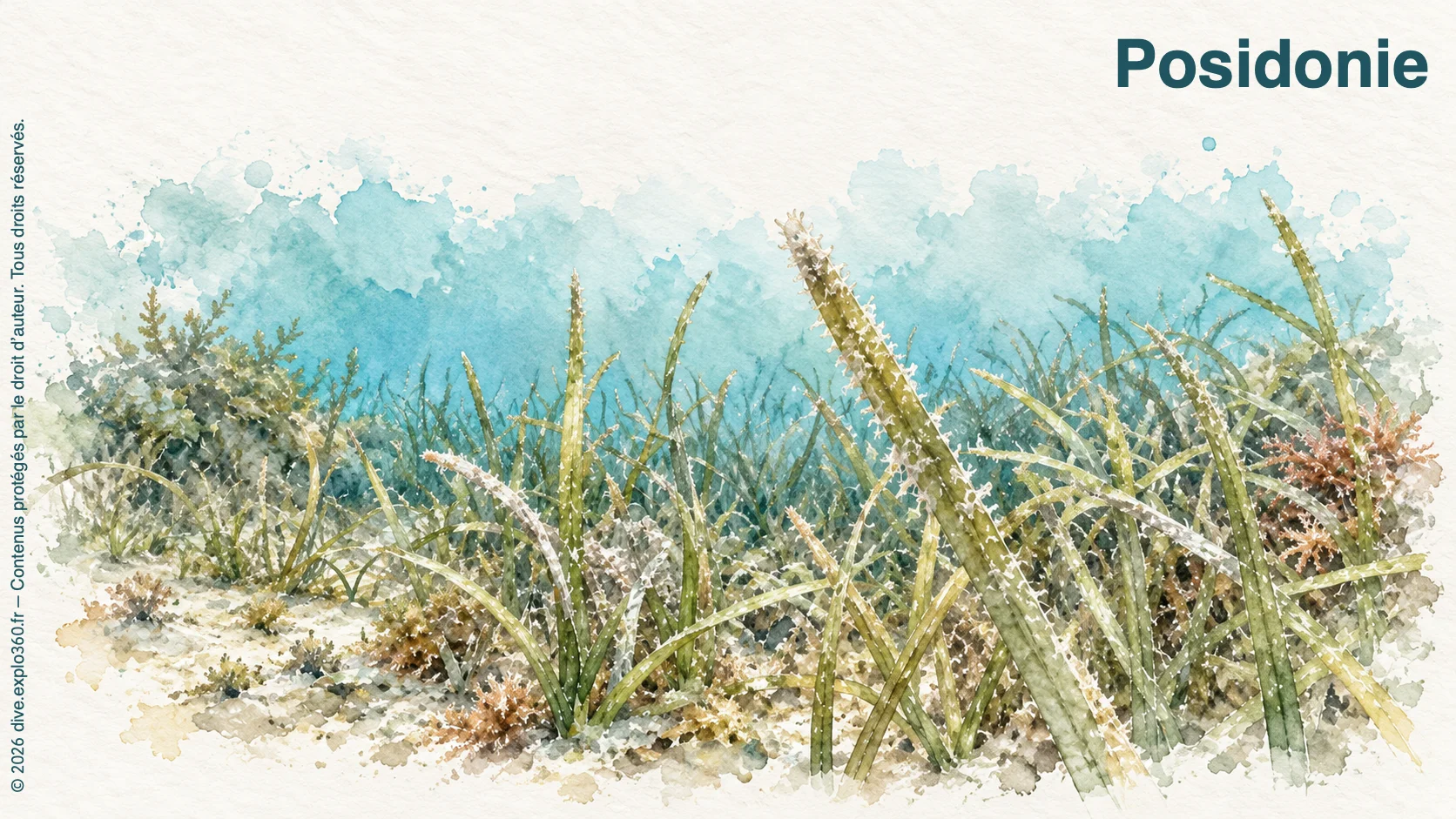 Species guidesNeptune grassDiscover →
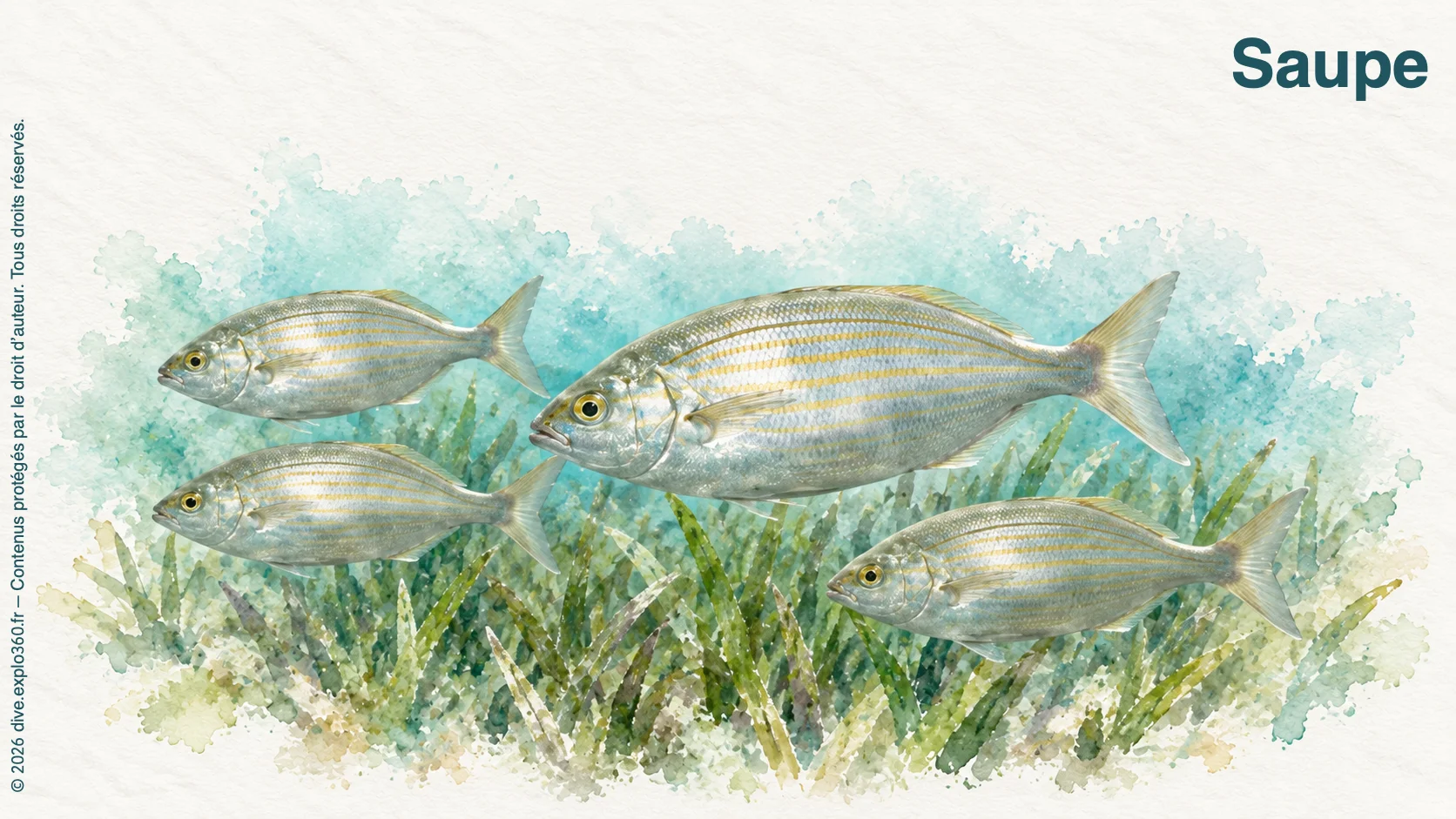 Species guidesSalema porgyDiscover →
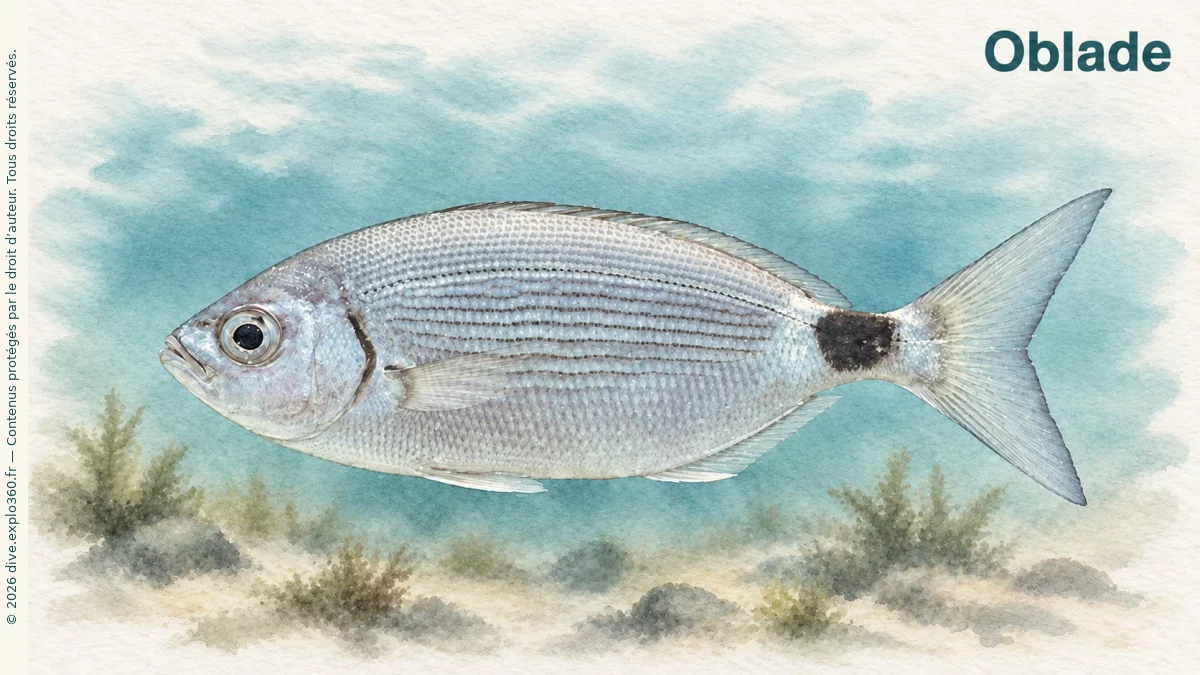 Species guidesSaddled seabreamDiscover →
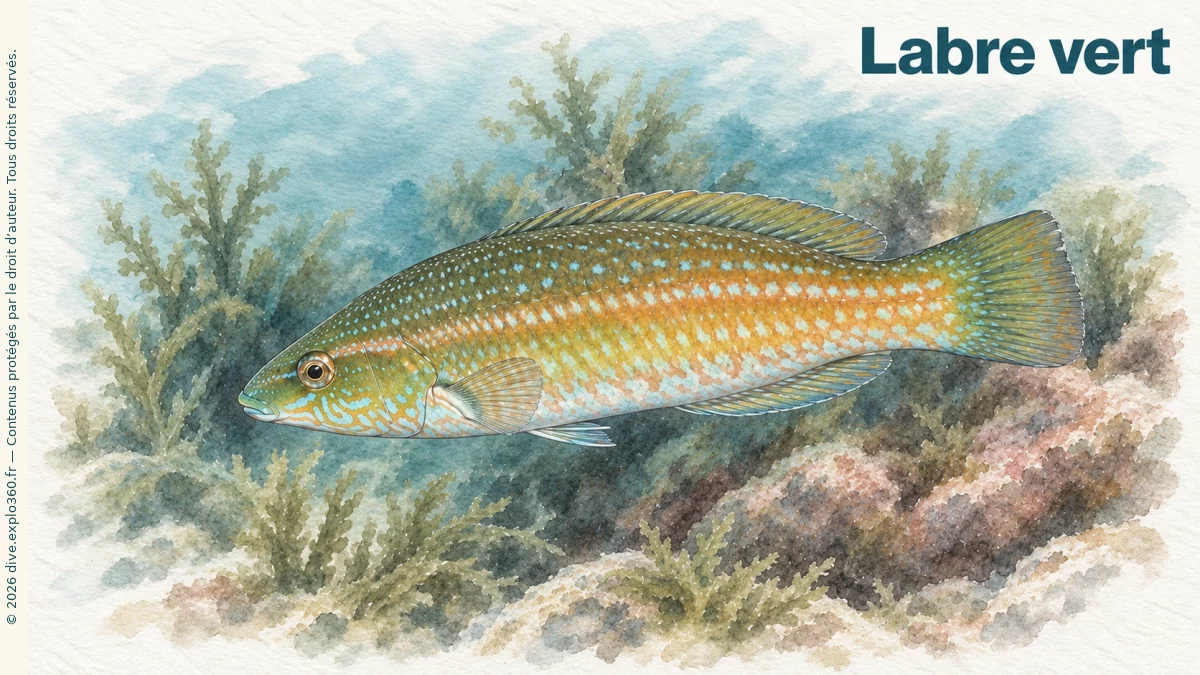 Species guidesGreen wrasseDiscover →
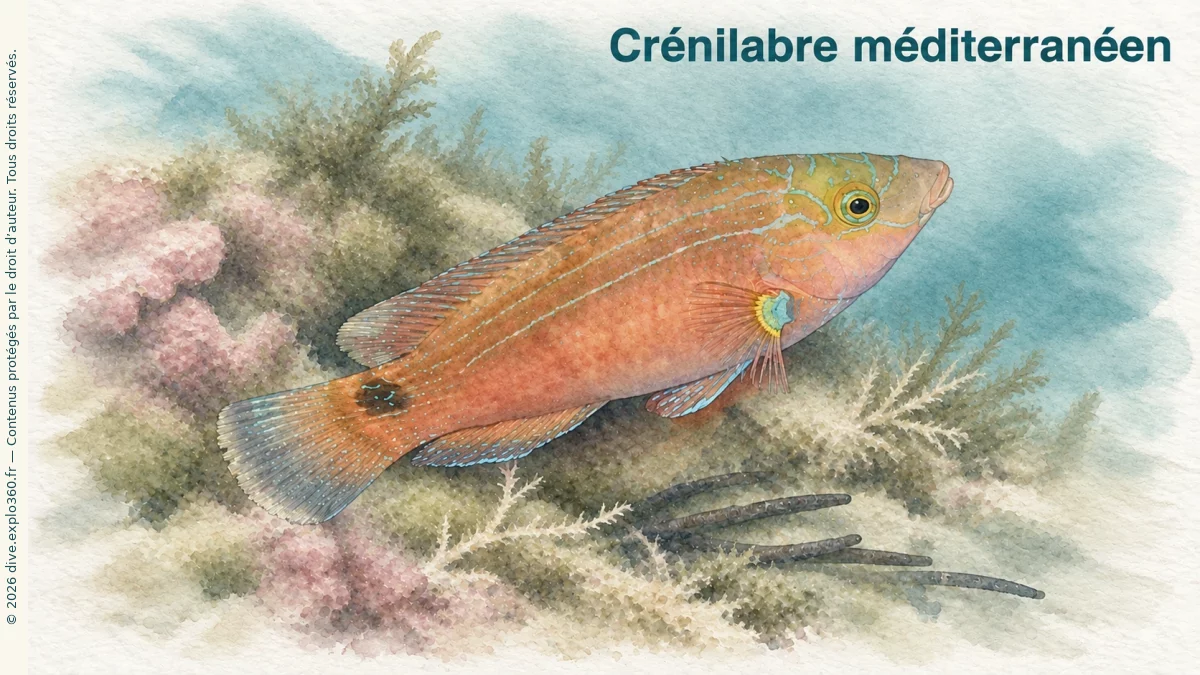 Species guidesAxillary wrasseDiscover →
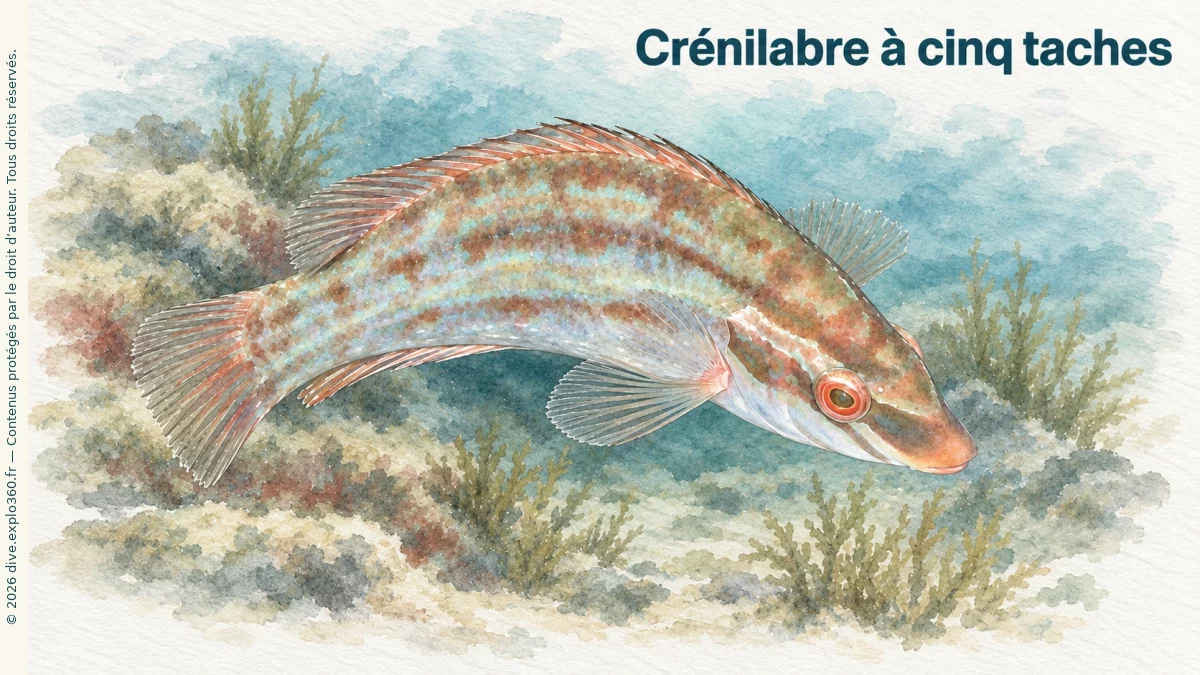 Species guidesFive-spotted wrasseDiscover →
View the other 32 species guides
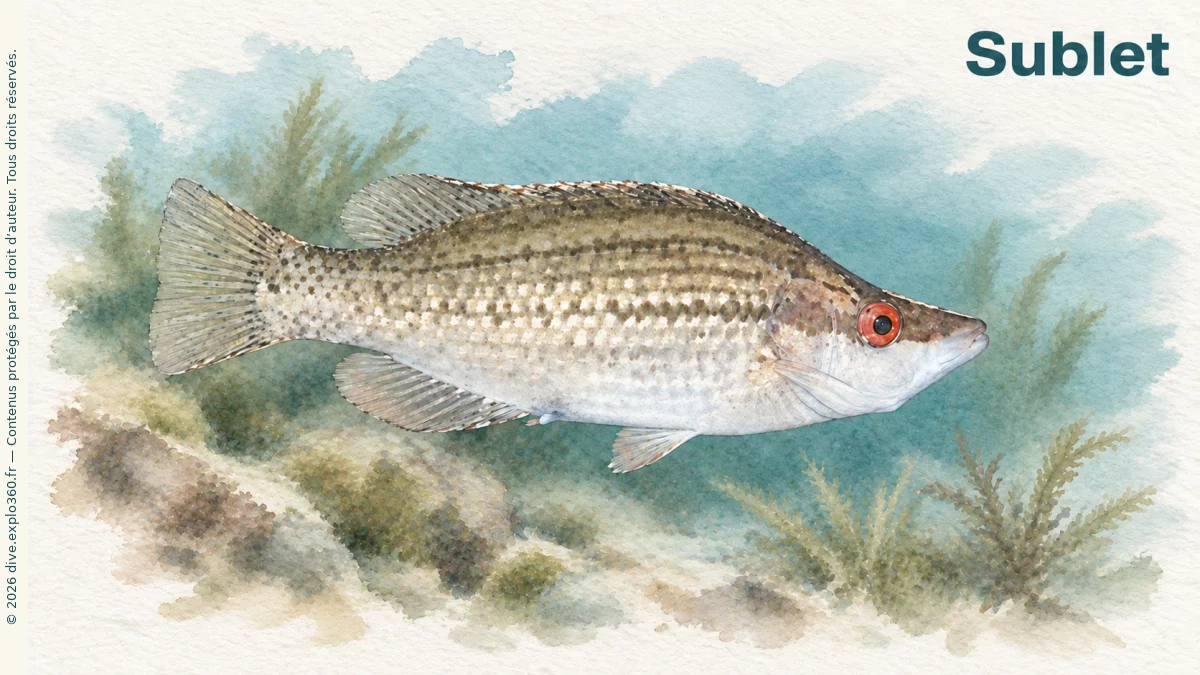 Species guidesLong-snouted wrasseDiscover →
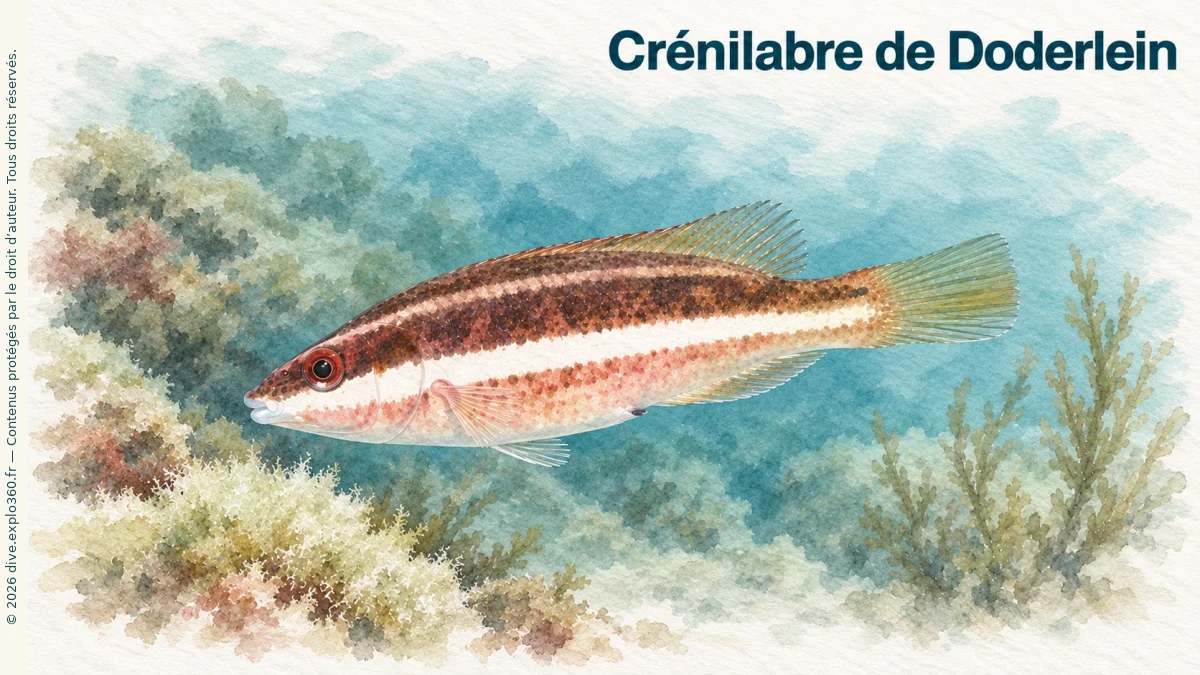 Species guidesLong-striped wrasseDiscover →
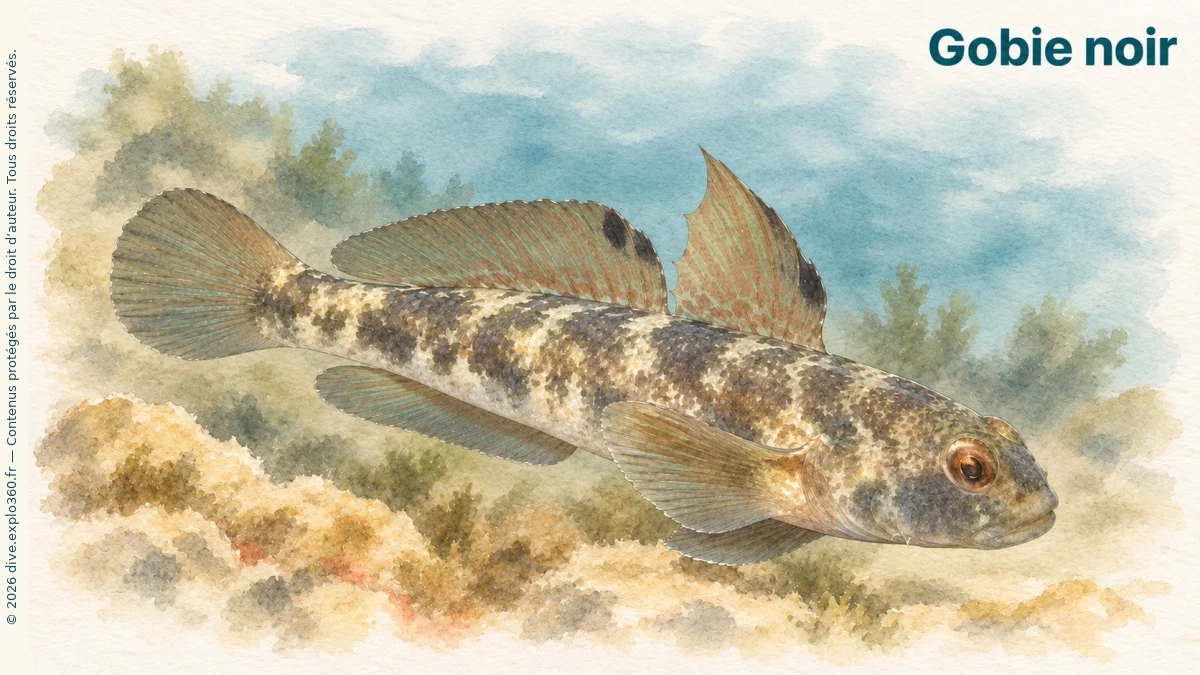 Species guidesBlack gobyDiscover →
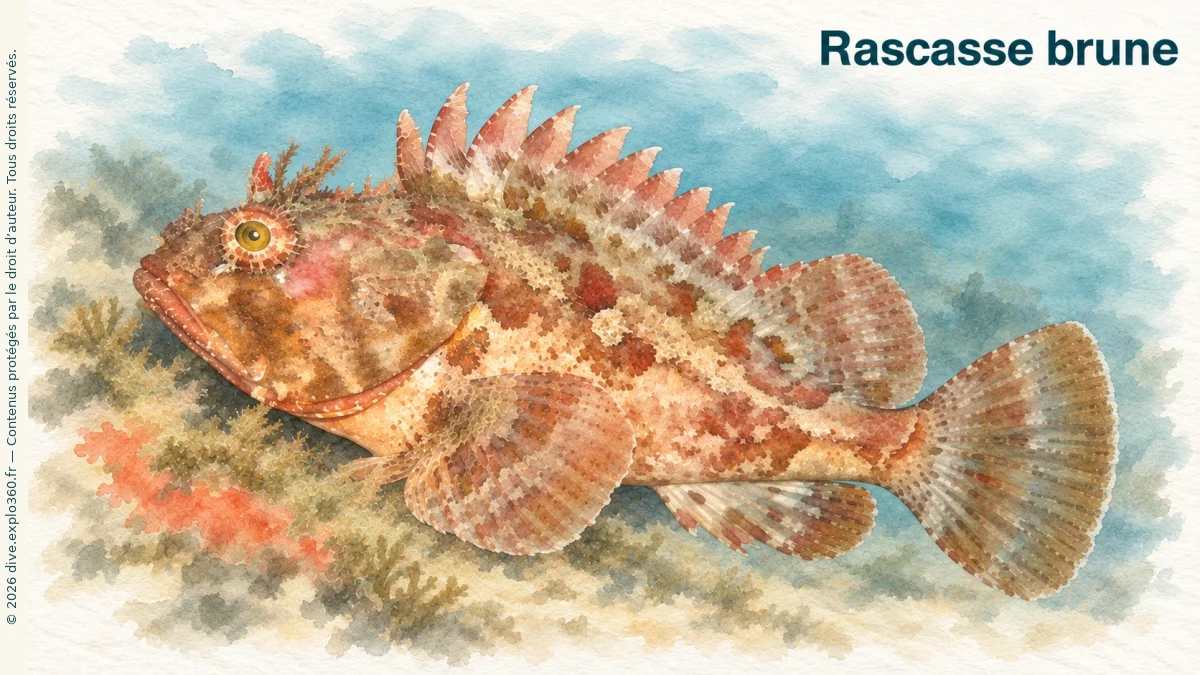 Species guidesBlack scorpionfishDiscover →
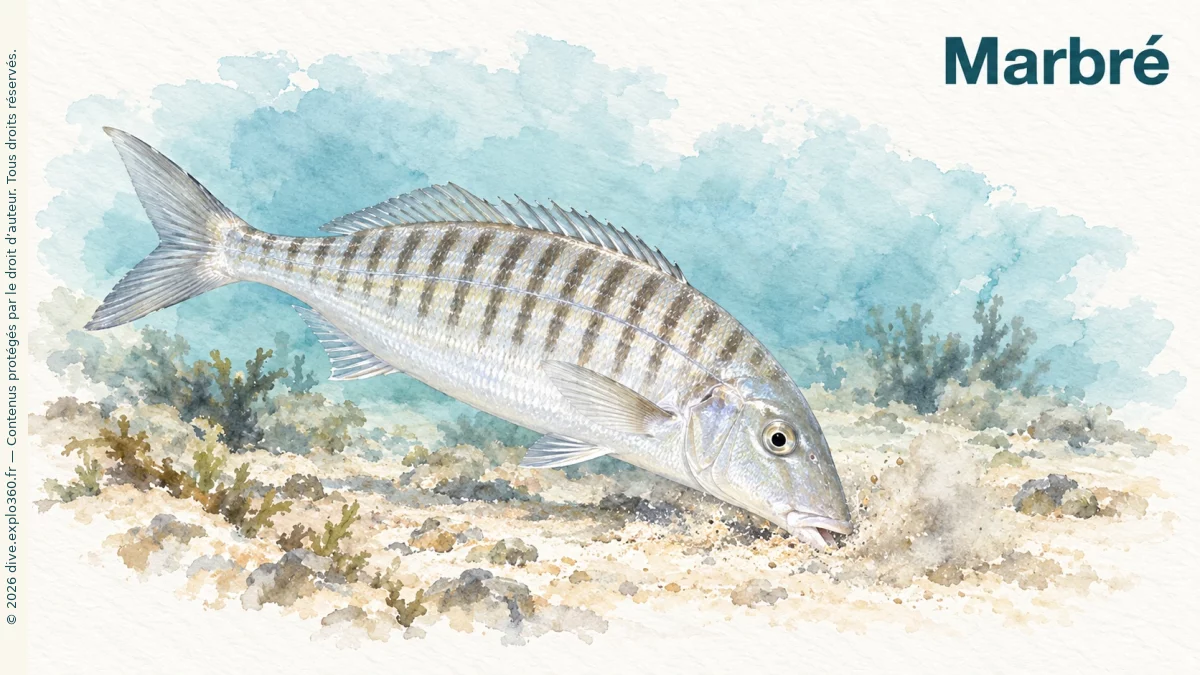 Species guidesStriped seabreamDiscover →
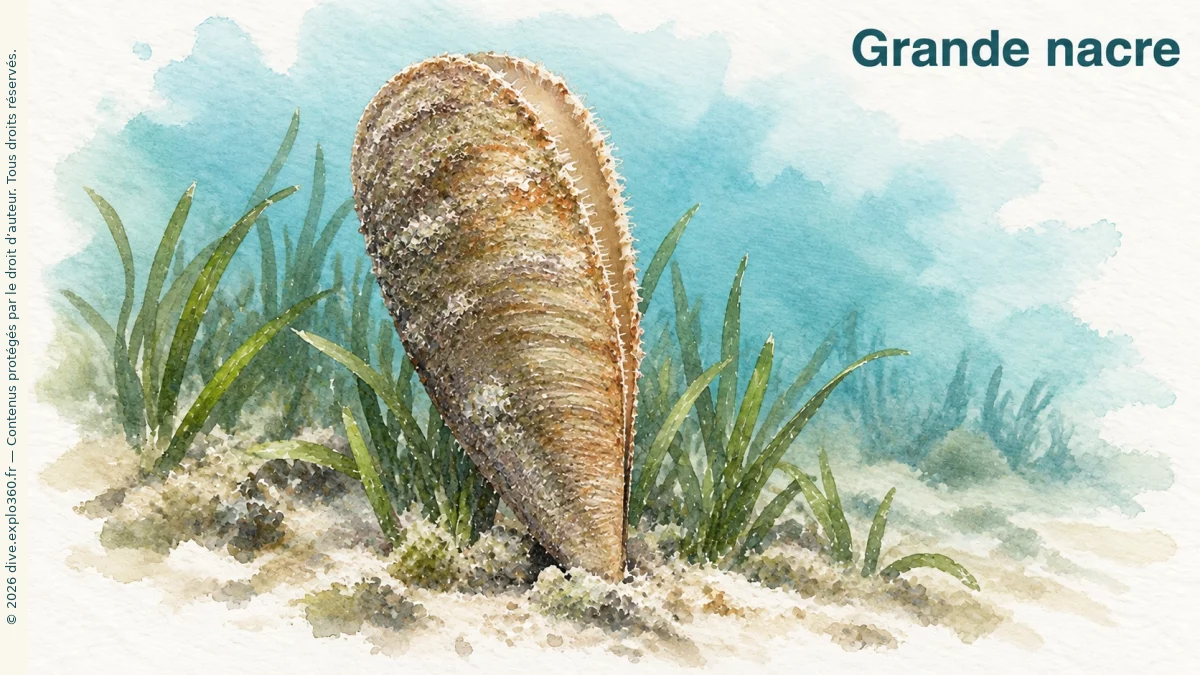 Species guidesFan musselDiscover →
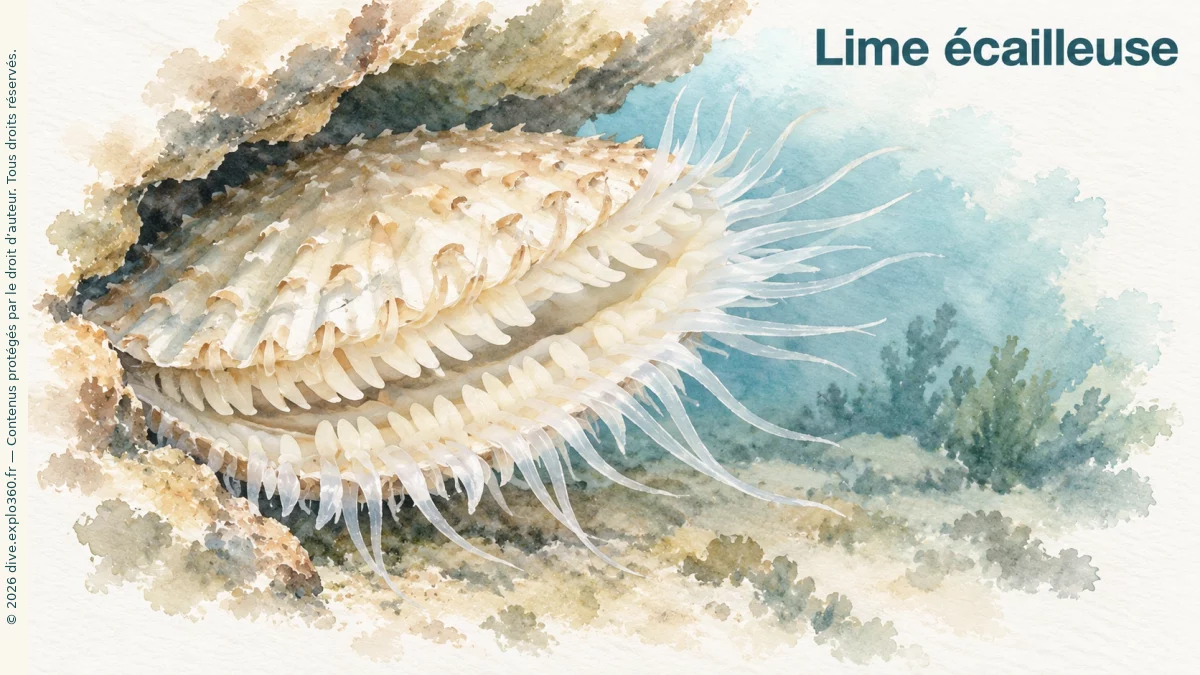 Species guidesScaly file shellDiscover →
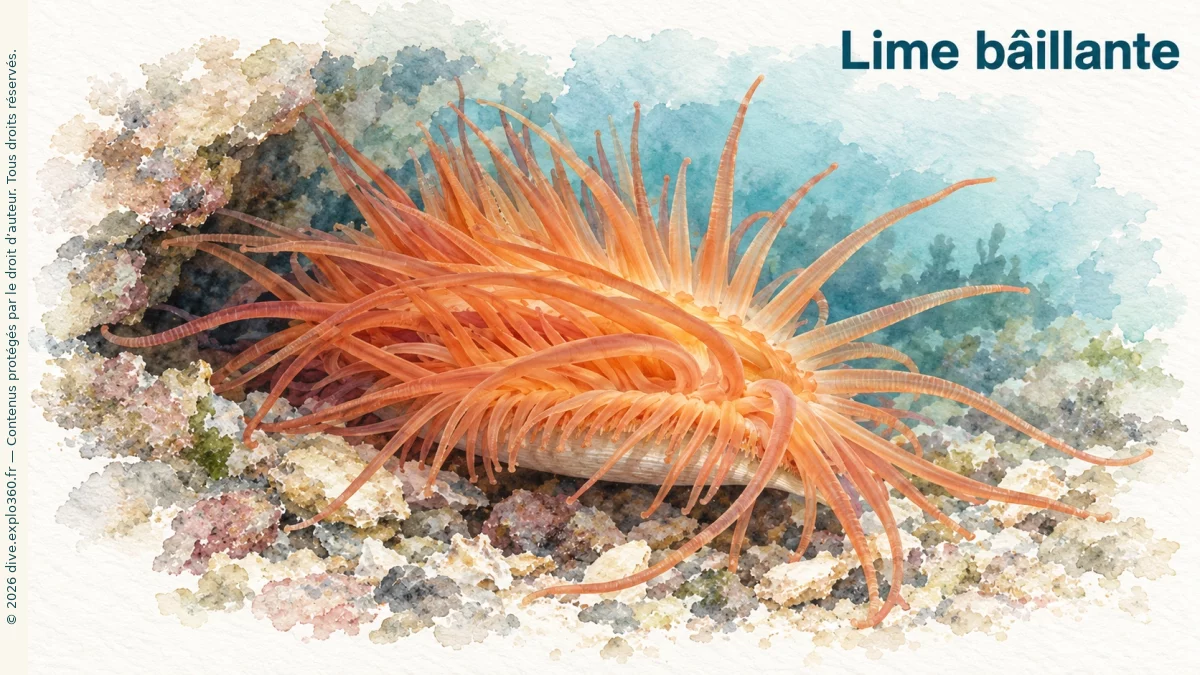 Species guidesFlame shellDiscover →
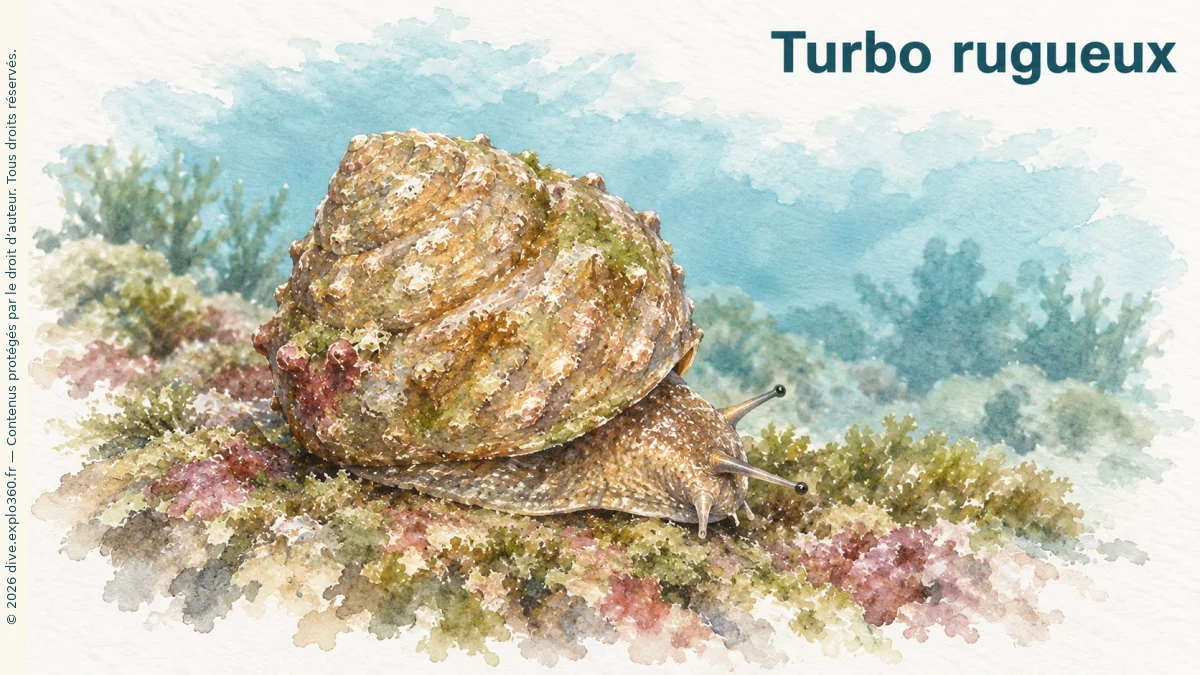 Species guidesRough turboDiscover →
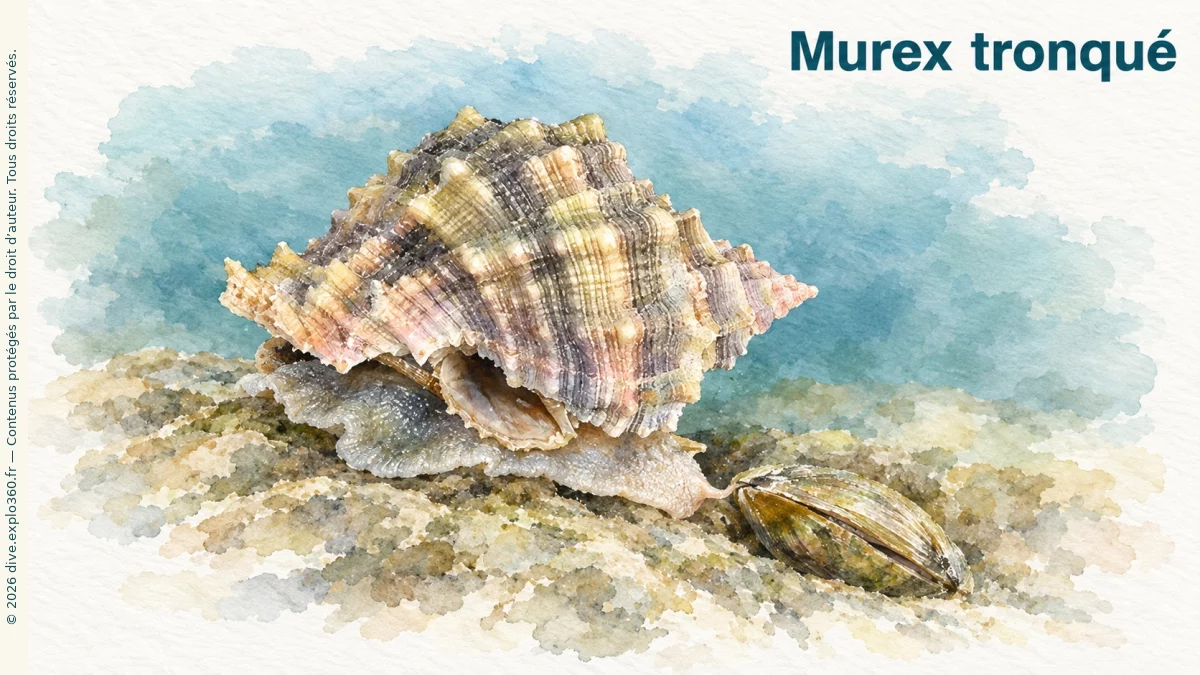 Species guidesBanded murexDiscover →
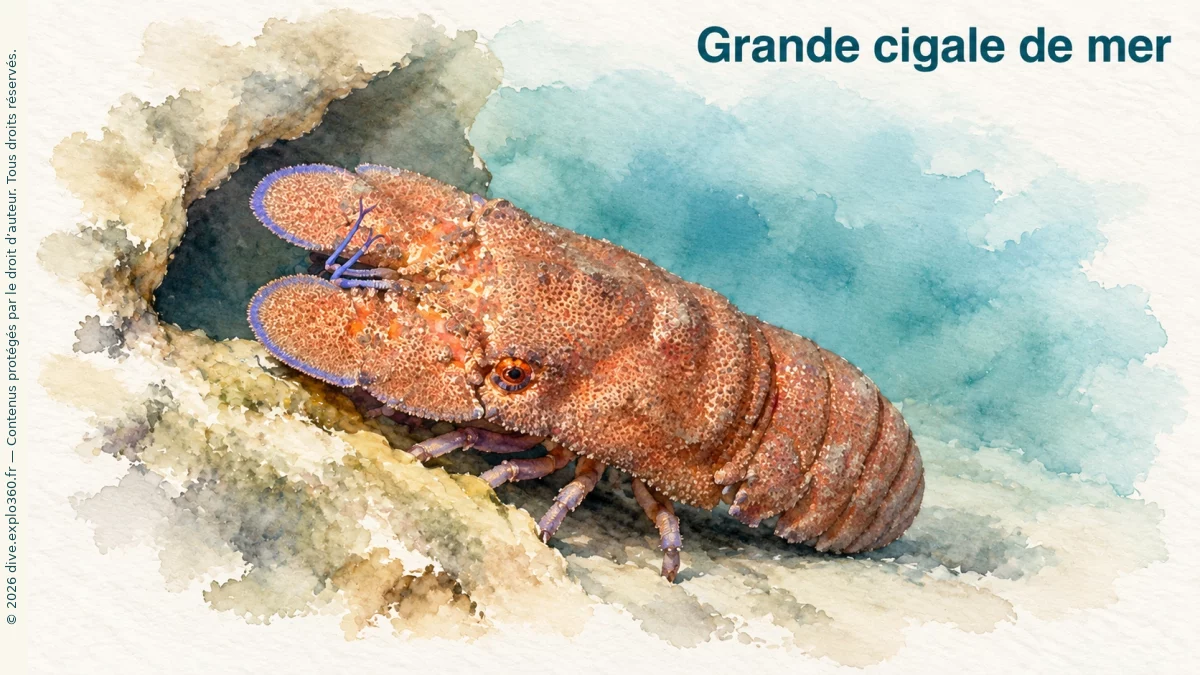 Species guidesMediterranean slipper lobsterDiscover →
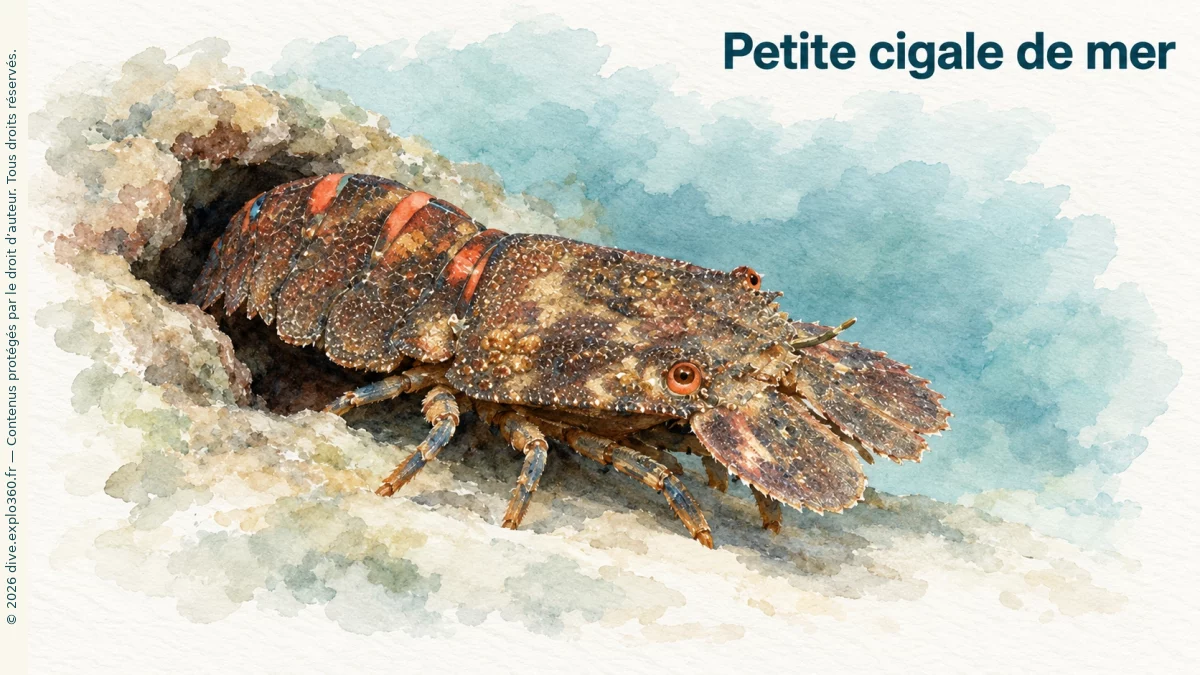 Species guidesSmall European locust lobsterDiscover →
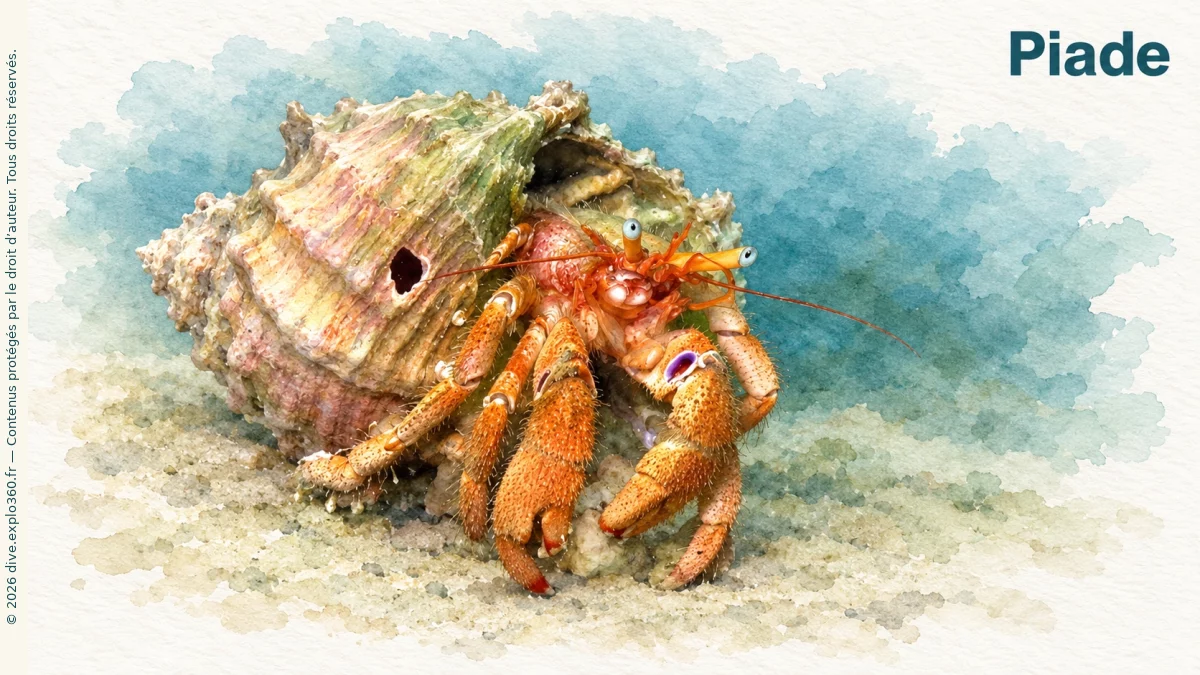 Species guidesHermit crabDiscover →
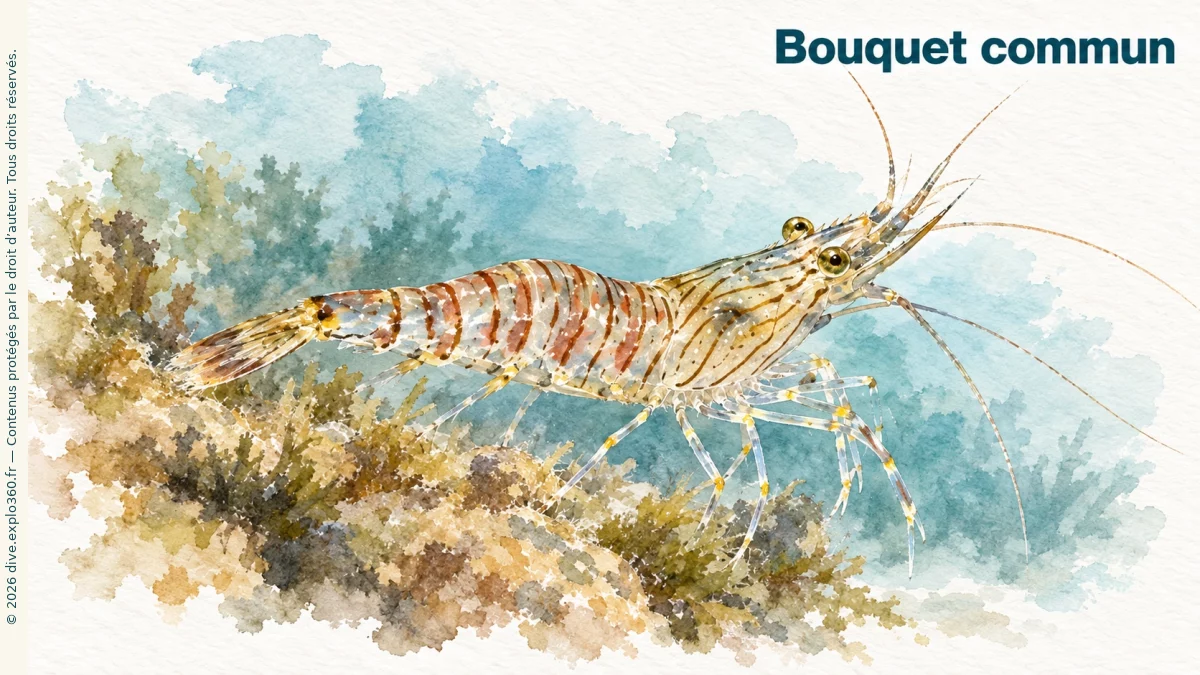 Species guidesCommon prawnDiscover →
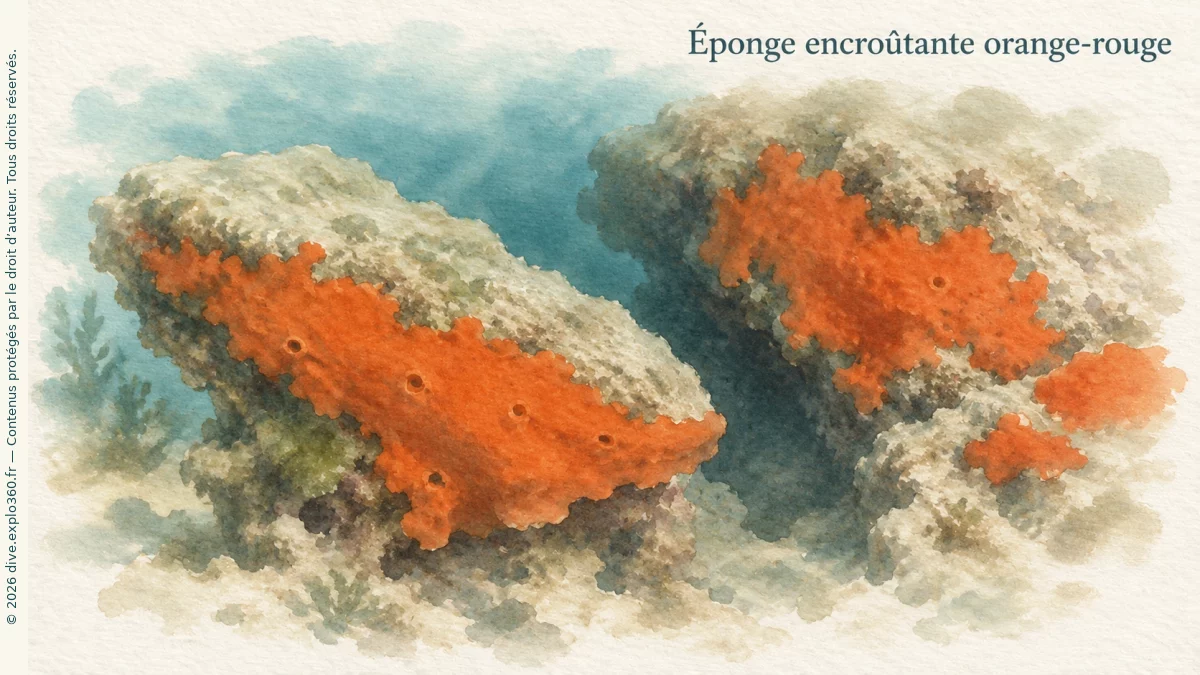 Species guidesOrange-red encrusting spongeDiscover →
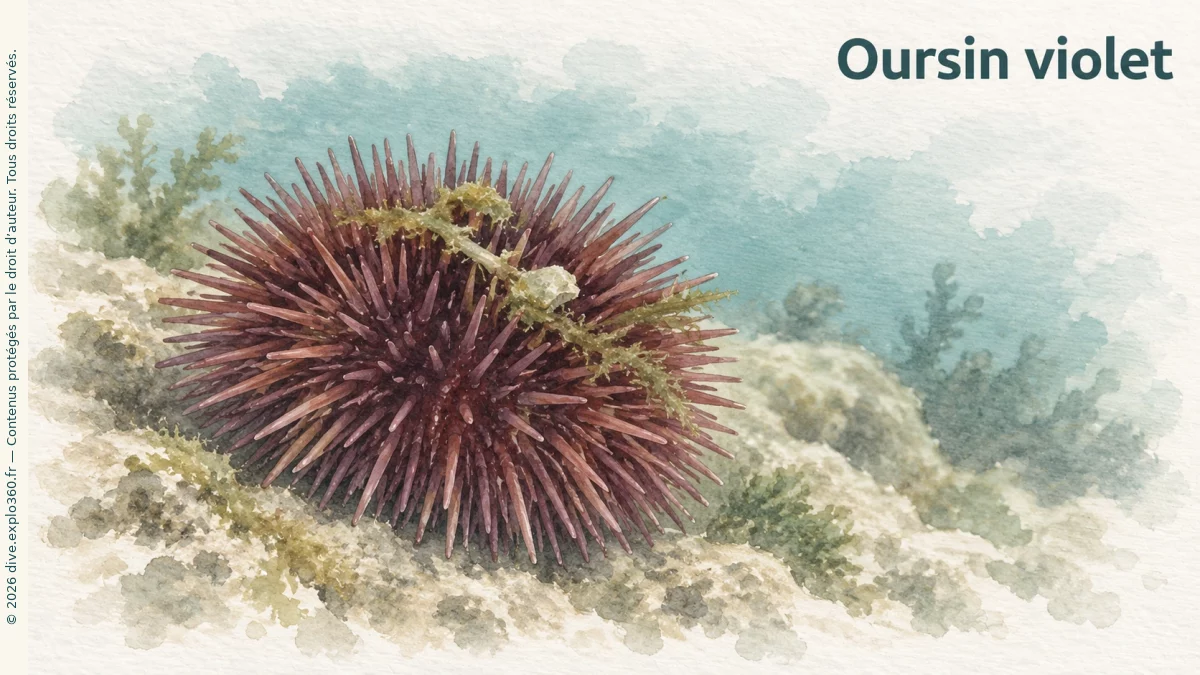 Species guidesPurple sea urchinDiscover →
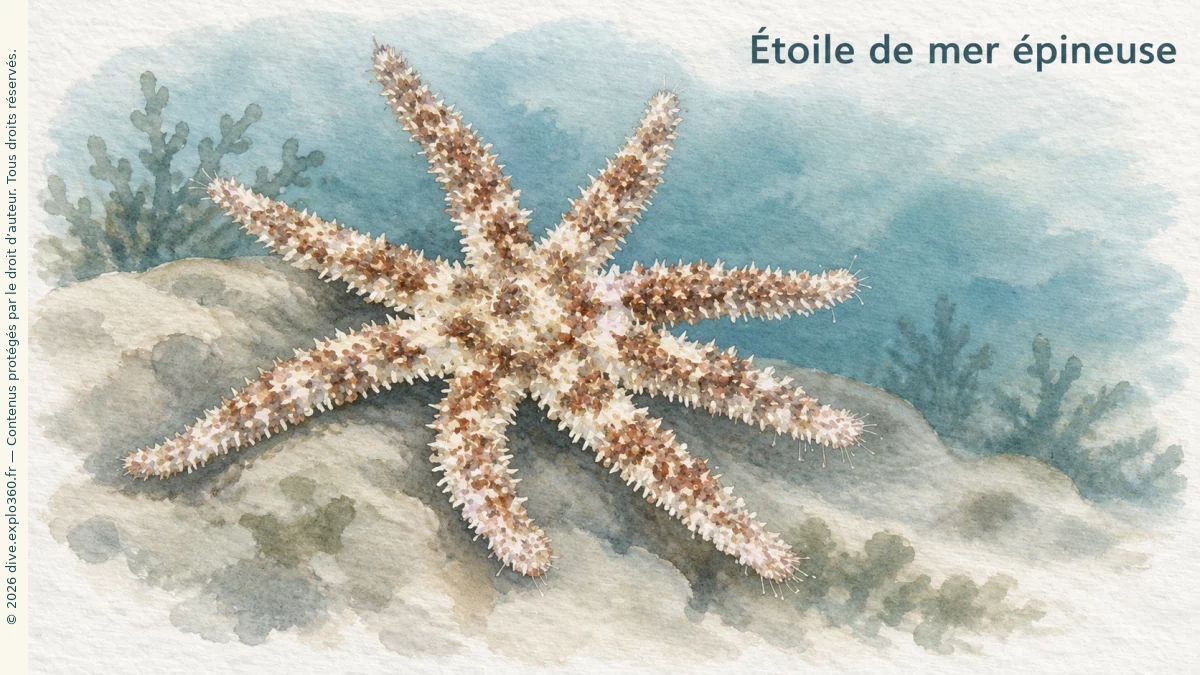 Species guidesSpiny starfishDiscover →
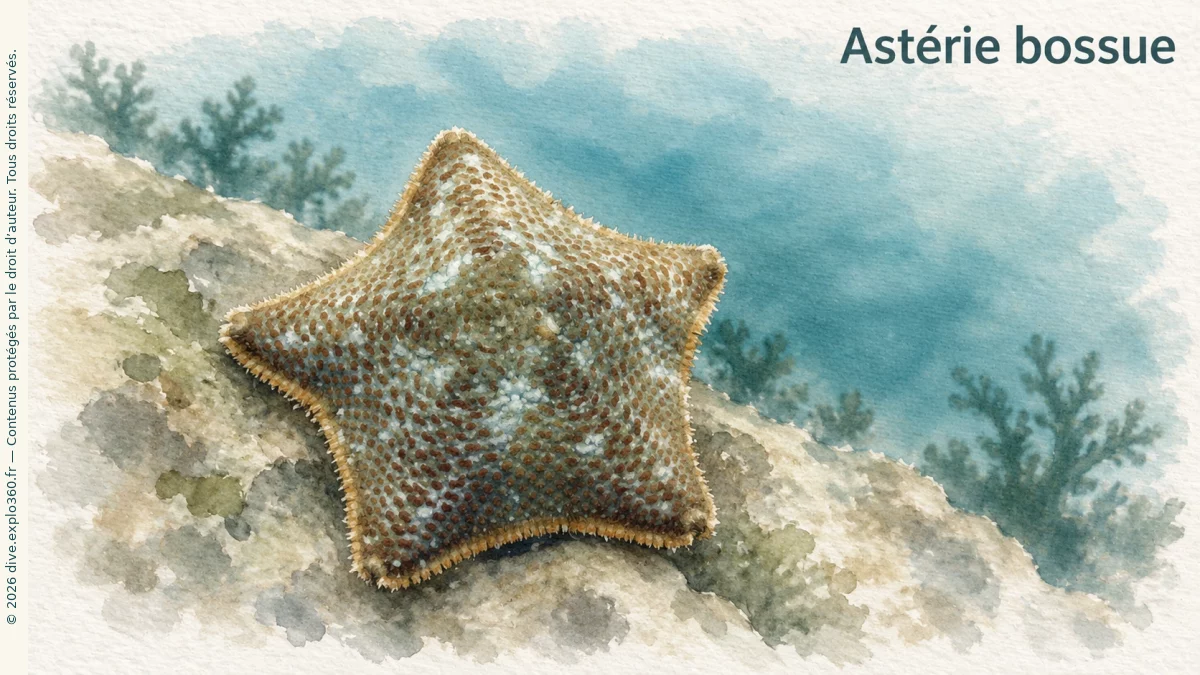 Species guidesCushion starDiscover →
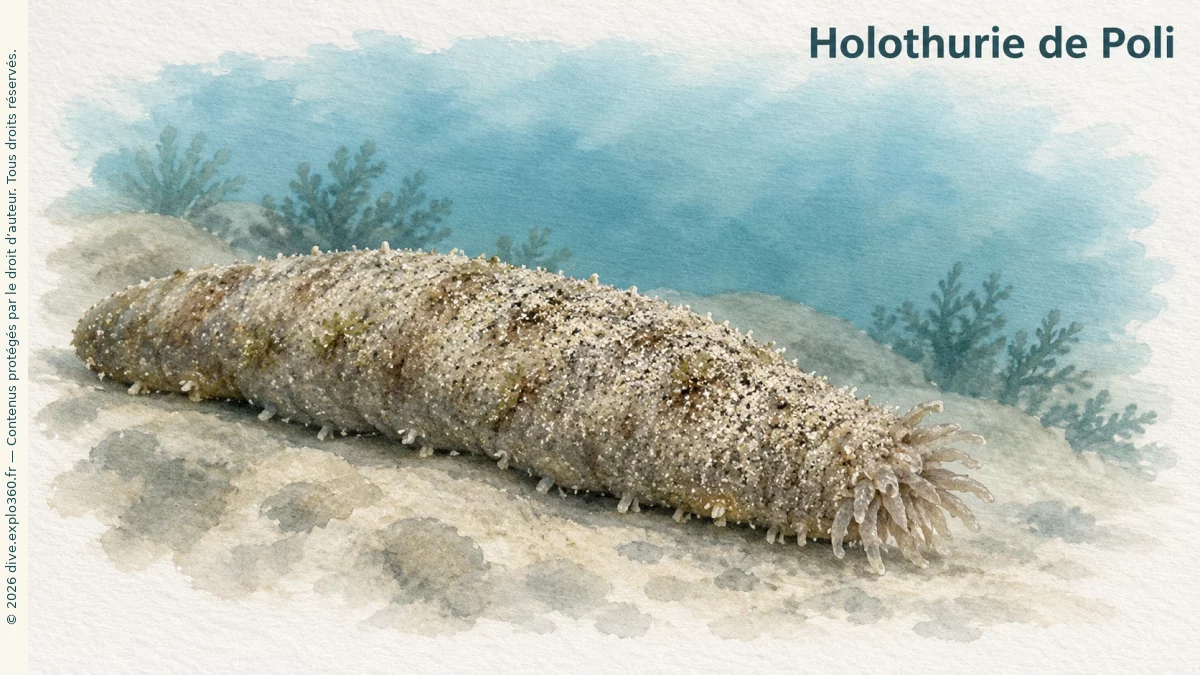 Species guidesPoli’s sea cucumberDiscover →
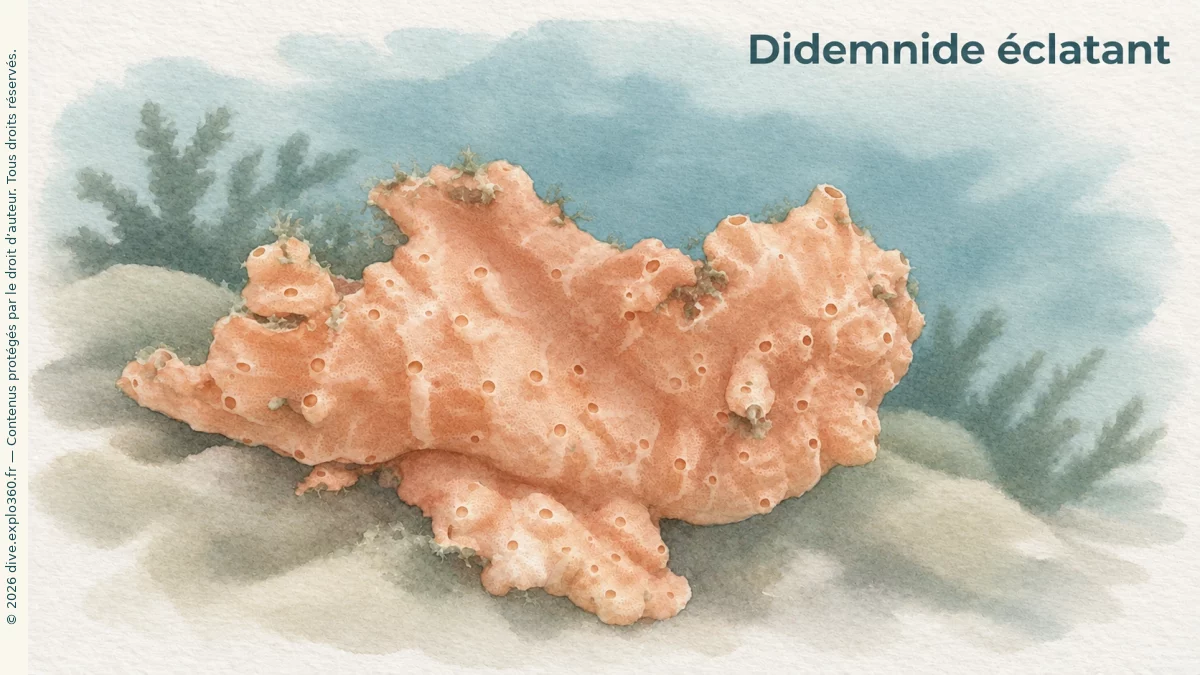 Species guidesOrange didemnid sea squirtDiscover →
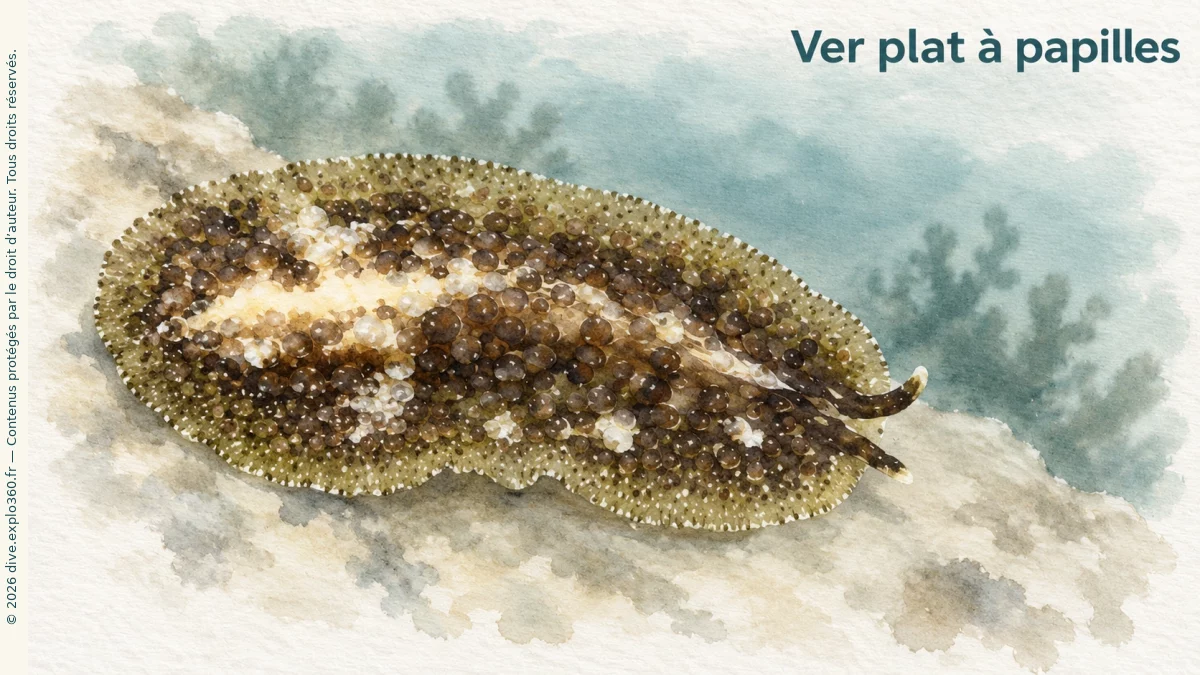 Species guidesPapillose flatwormDiscover →
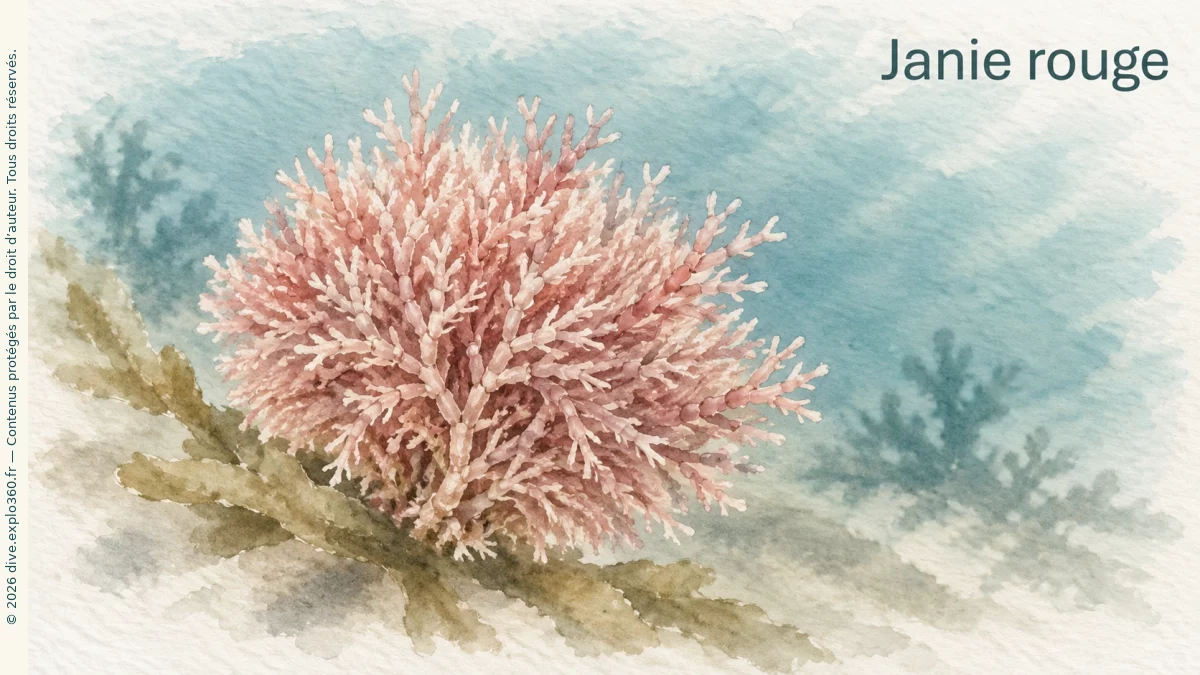 Species guidesRed janiaDiscover →
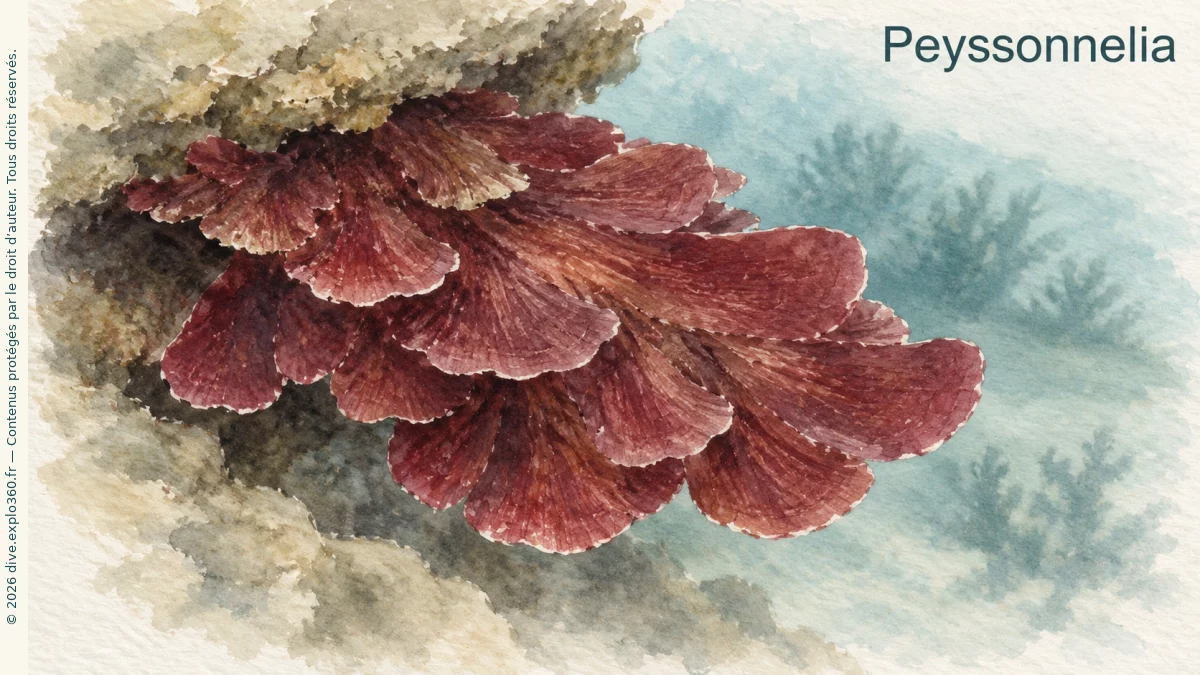 Species guidesPeyssonneliaDiscover →
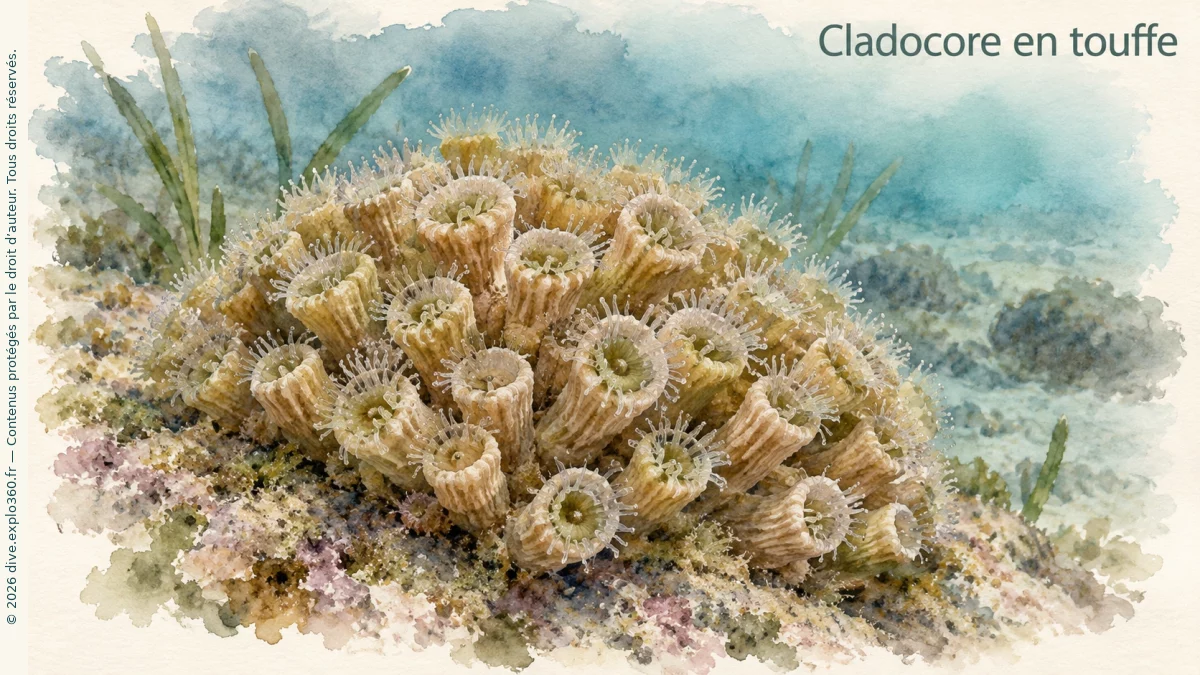 Species guidesMediterranean pillow coralDiscover →
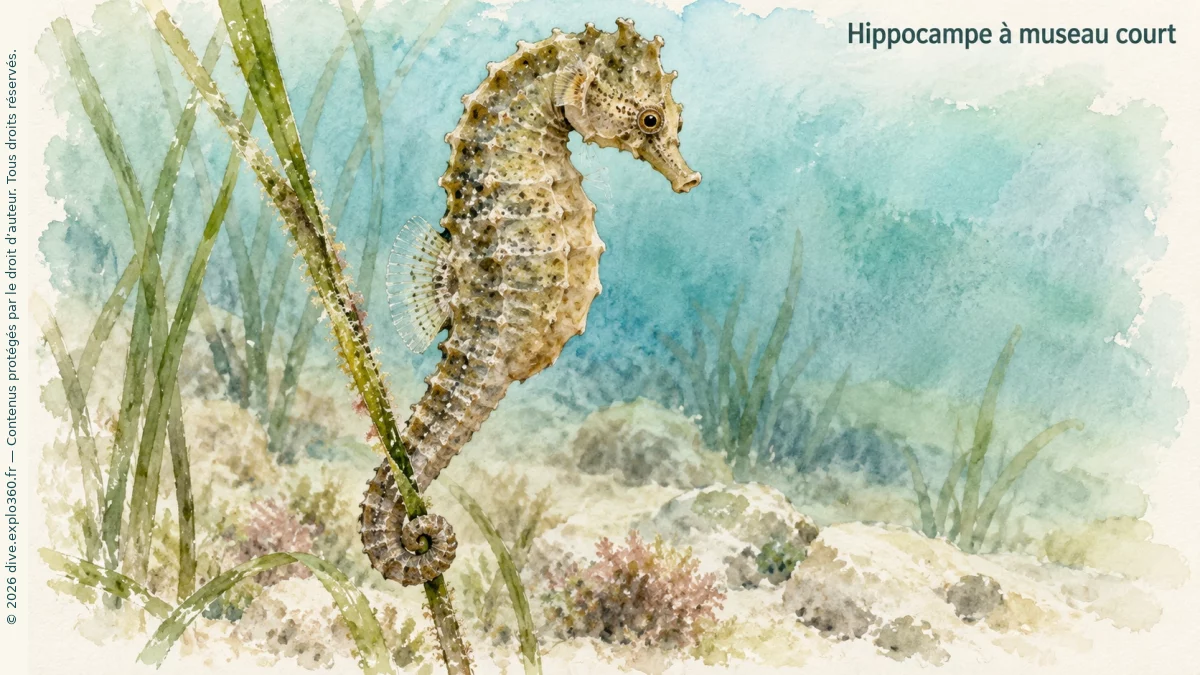 Species guidesShort-snouted seahorseDiscover →
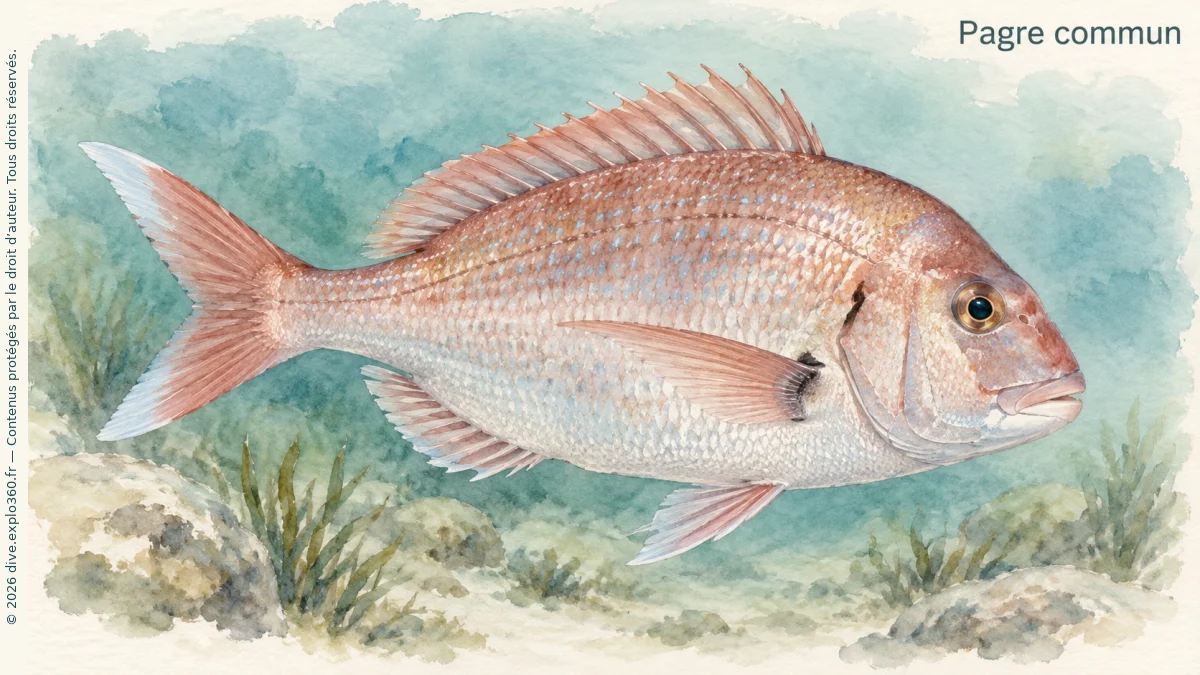 Species guidesRed porgyDiscover →
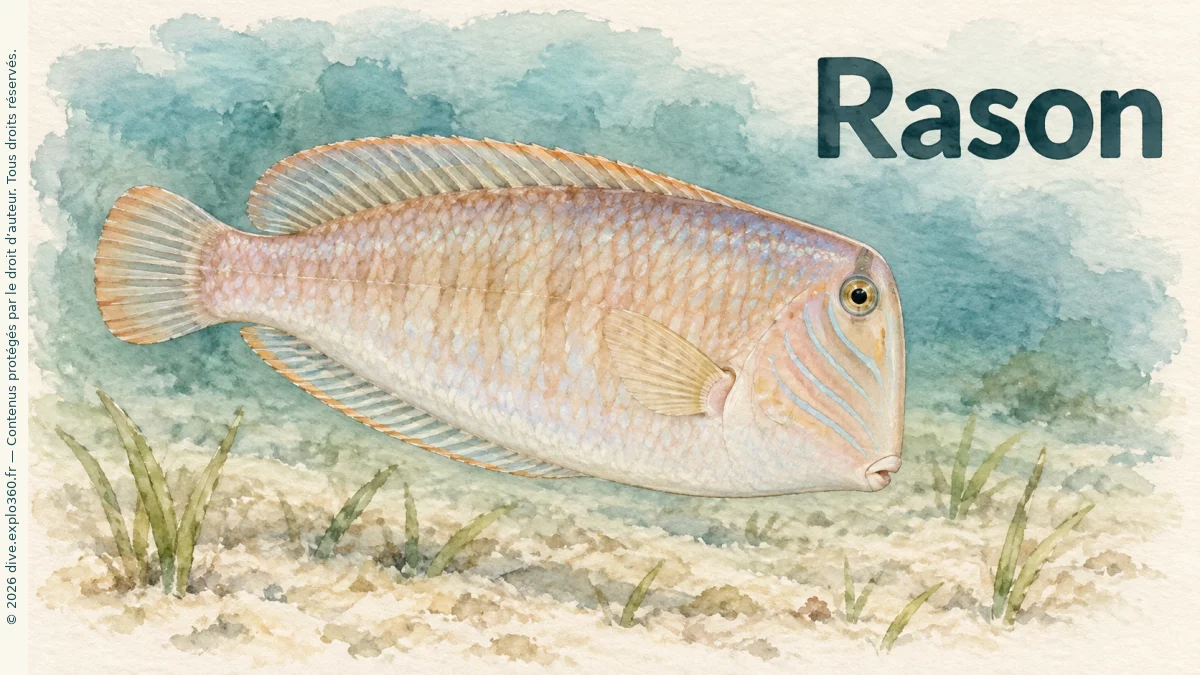 Species guidesPearly razorfishDiscover →
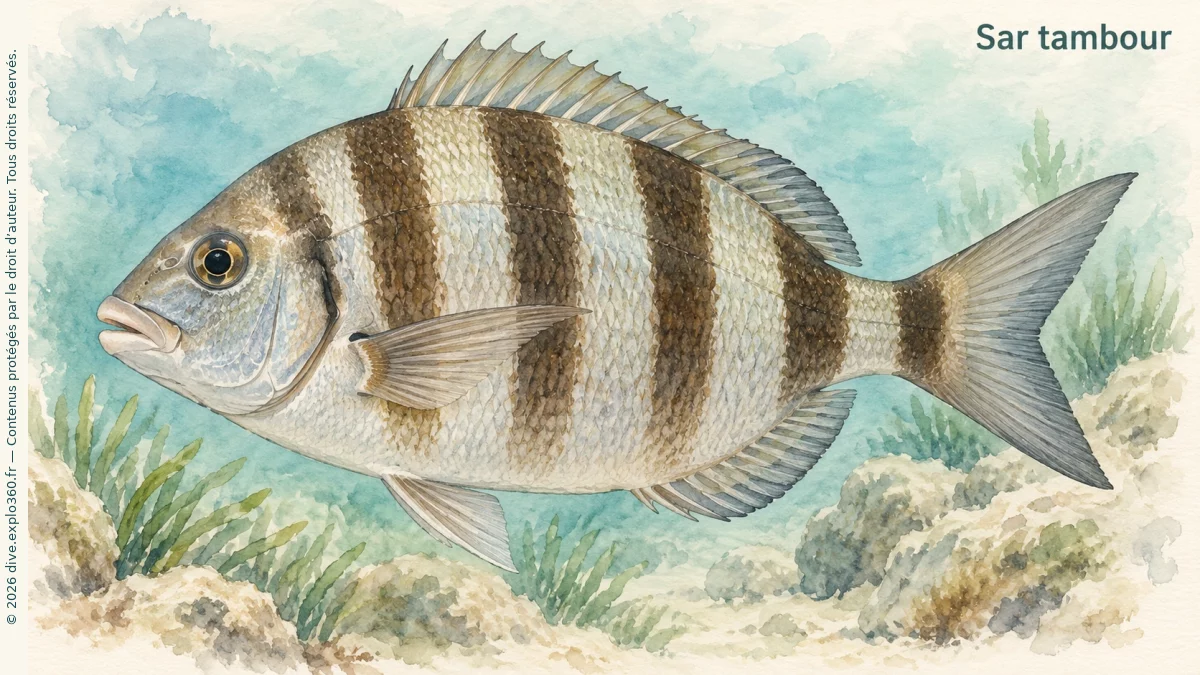 Species guidesZebra seabreamDiscover →
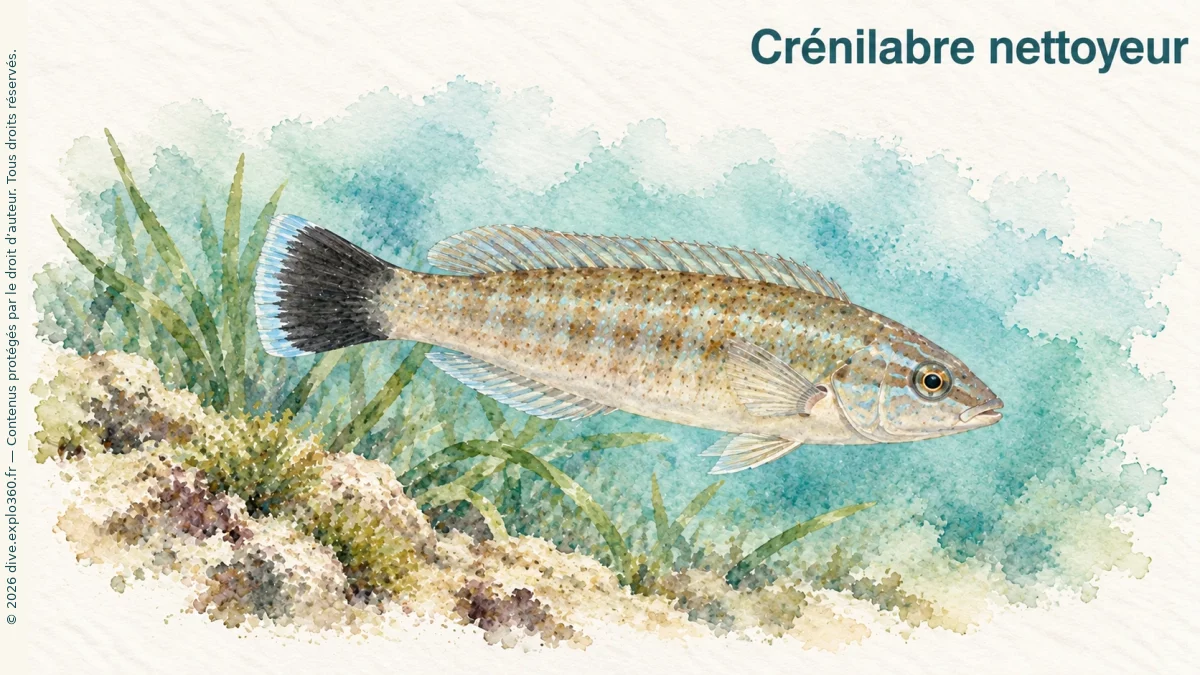 Species guidesBlack-tailed wrasseDiscover →
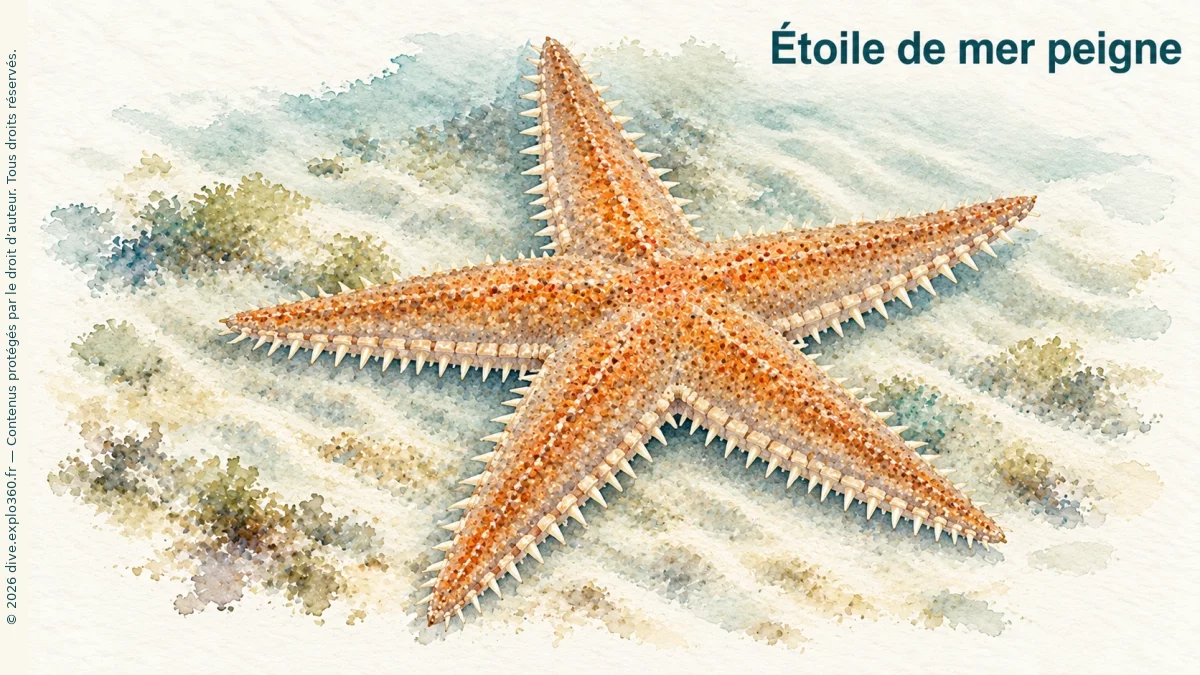 Species guidesRed comb starDiscover →
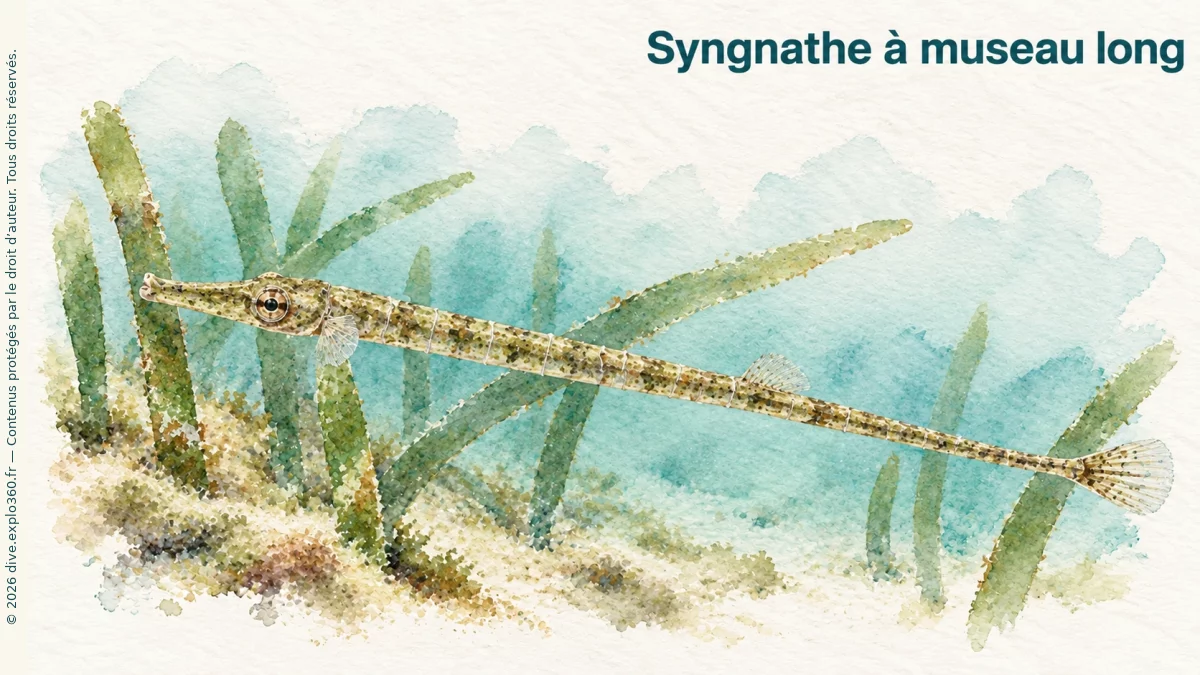 Species guidesBroad-nosed pipefishDiscover →
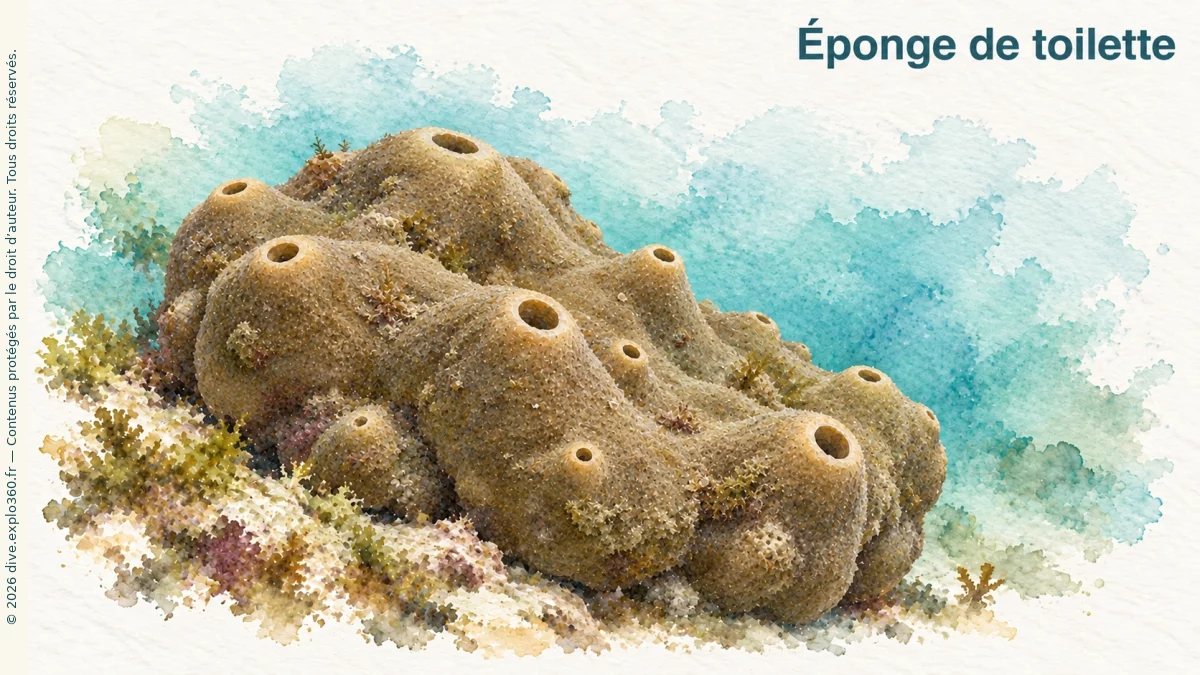 Species guidesBath spongeDiscover →