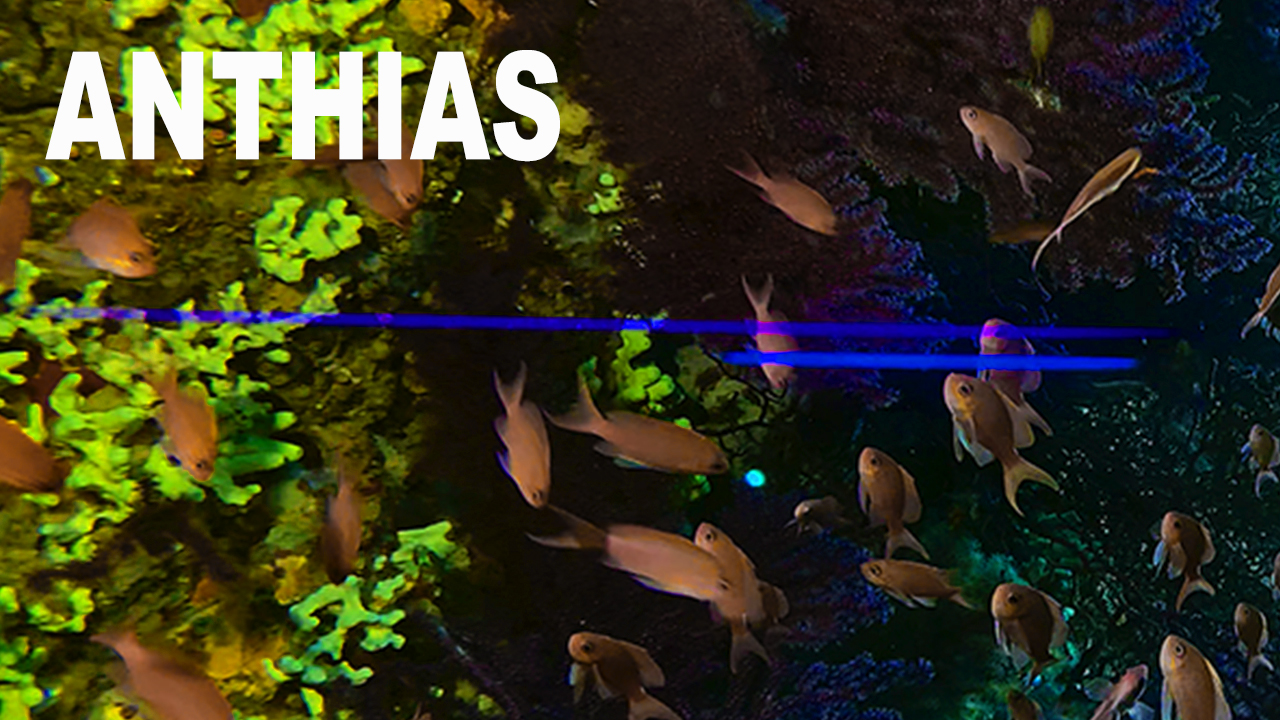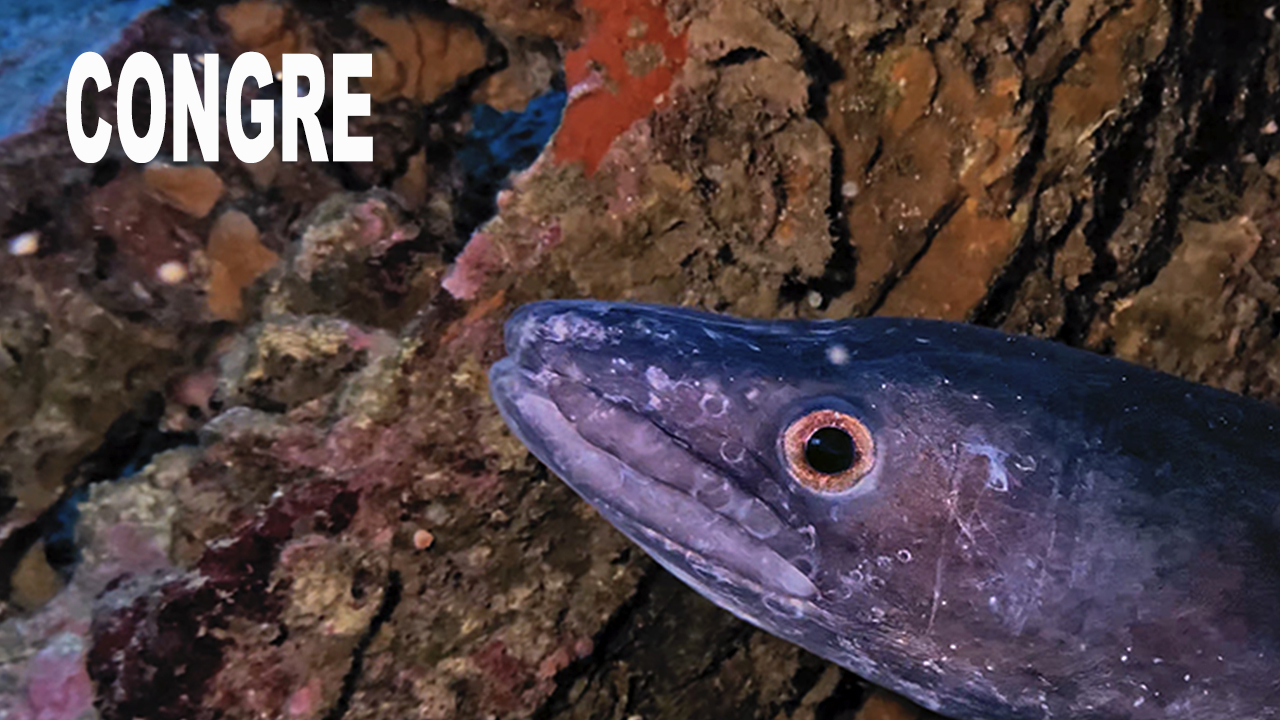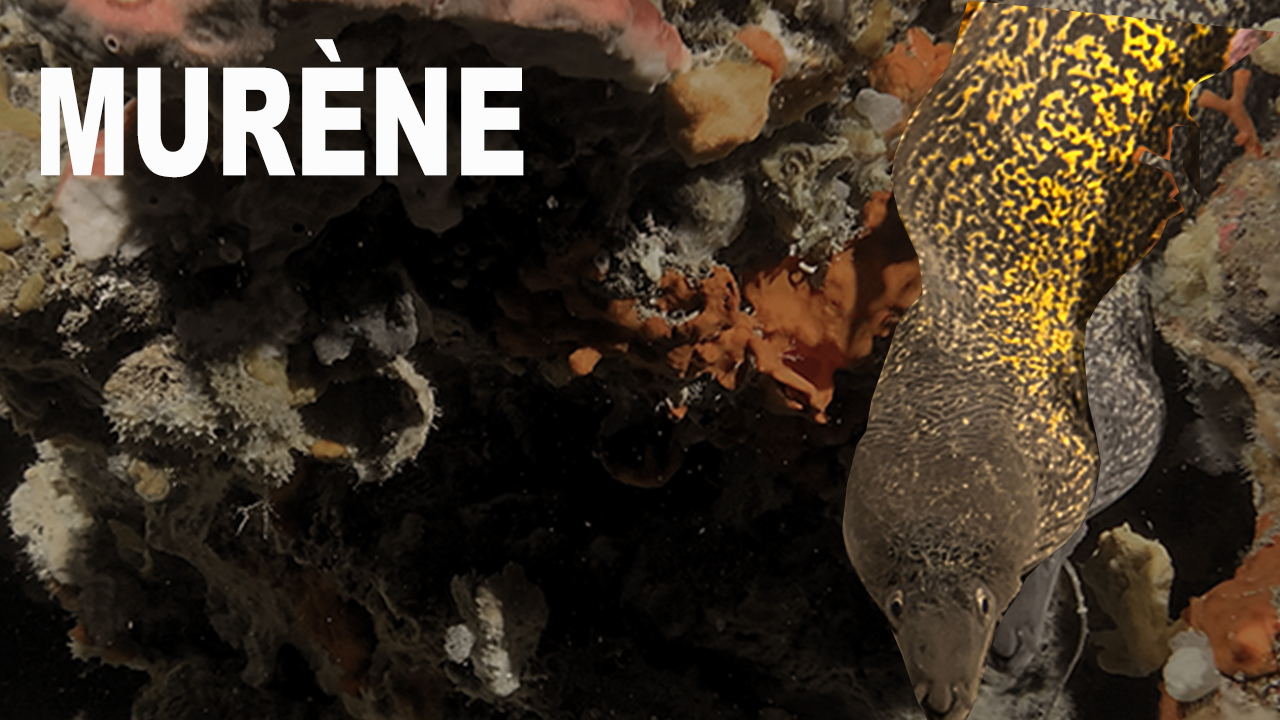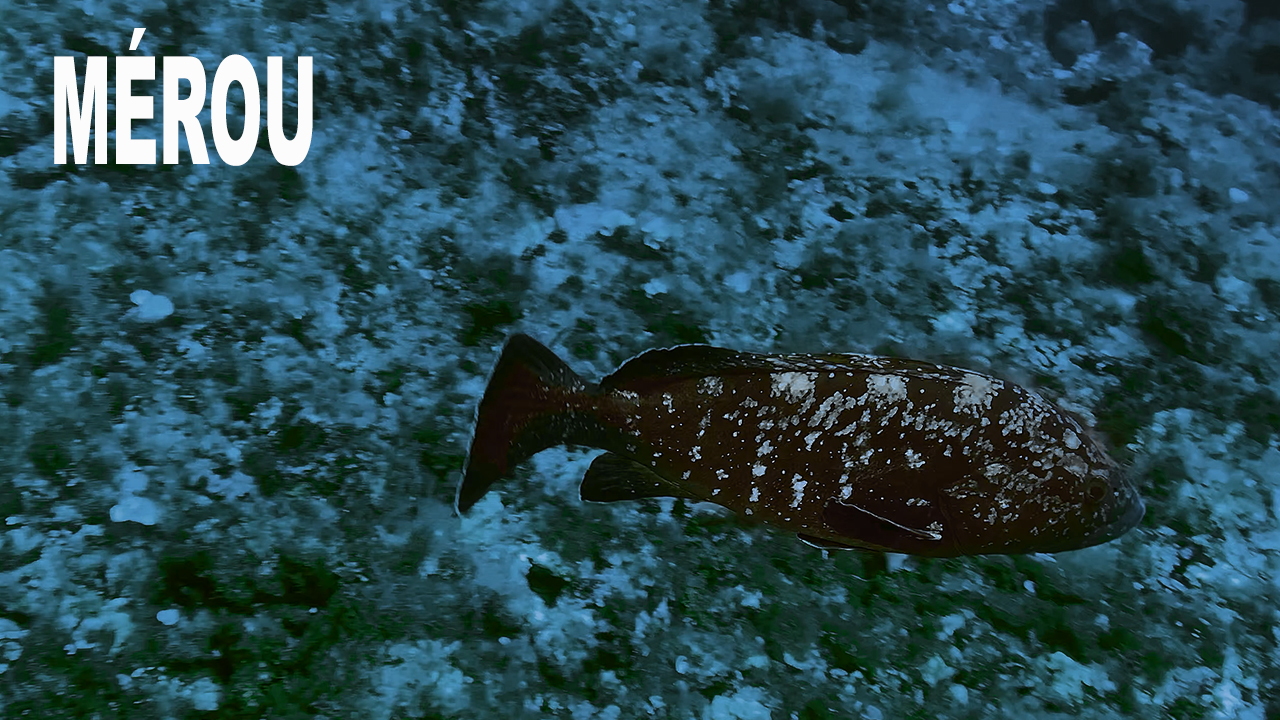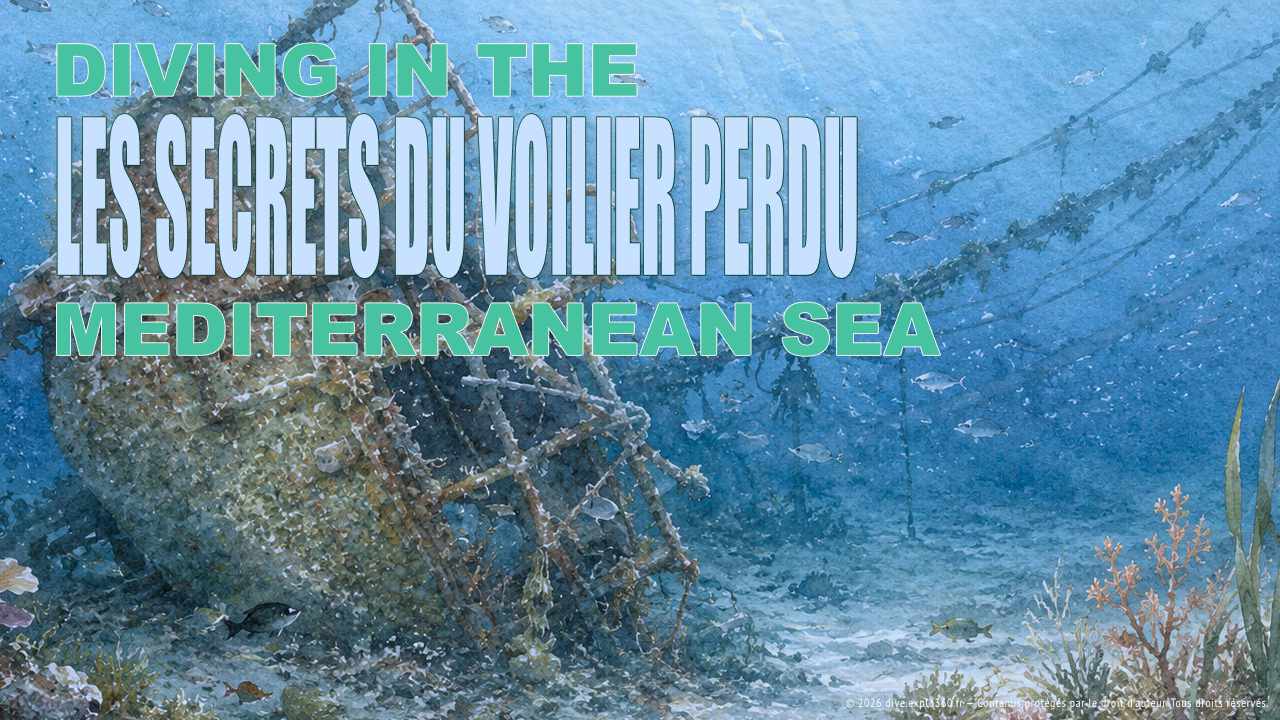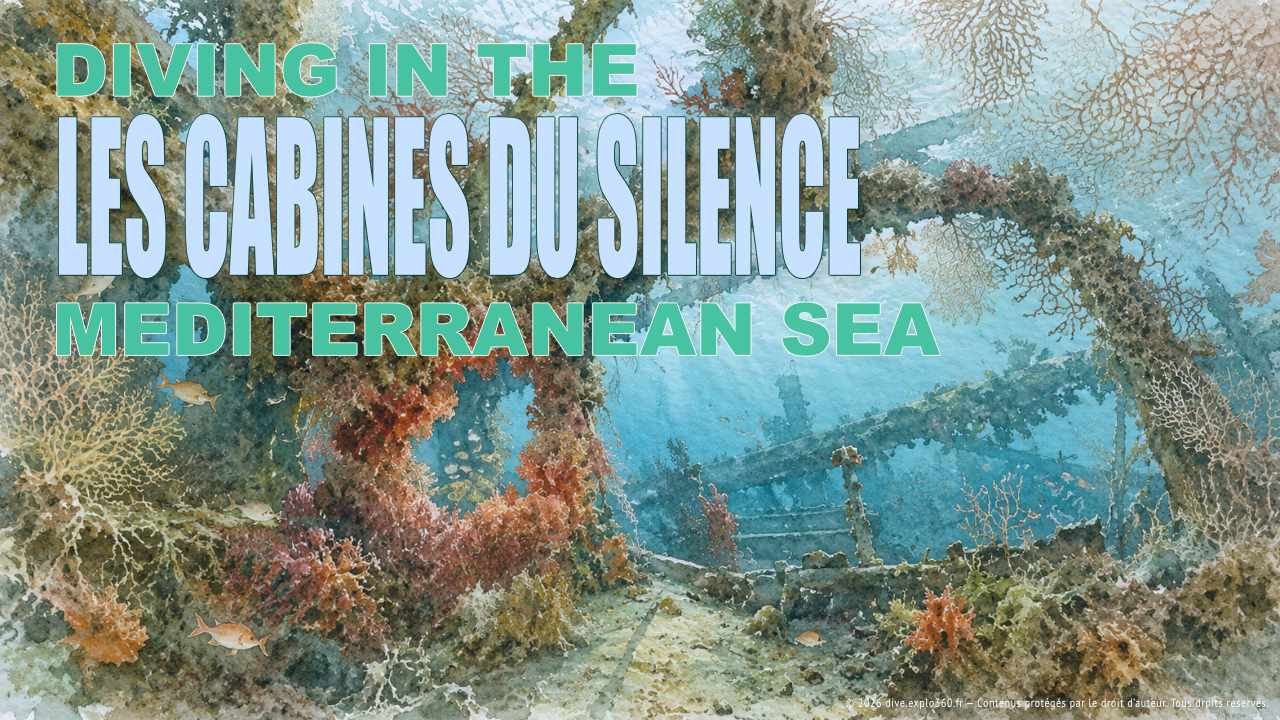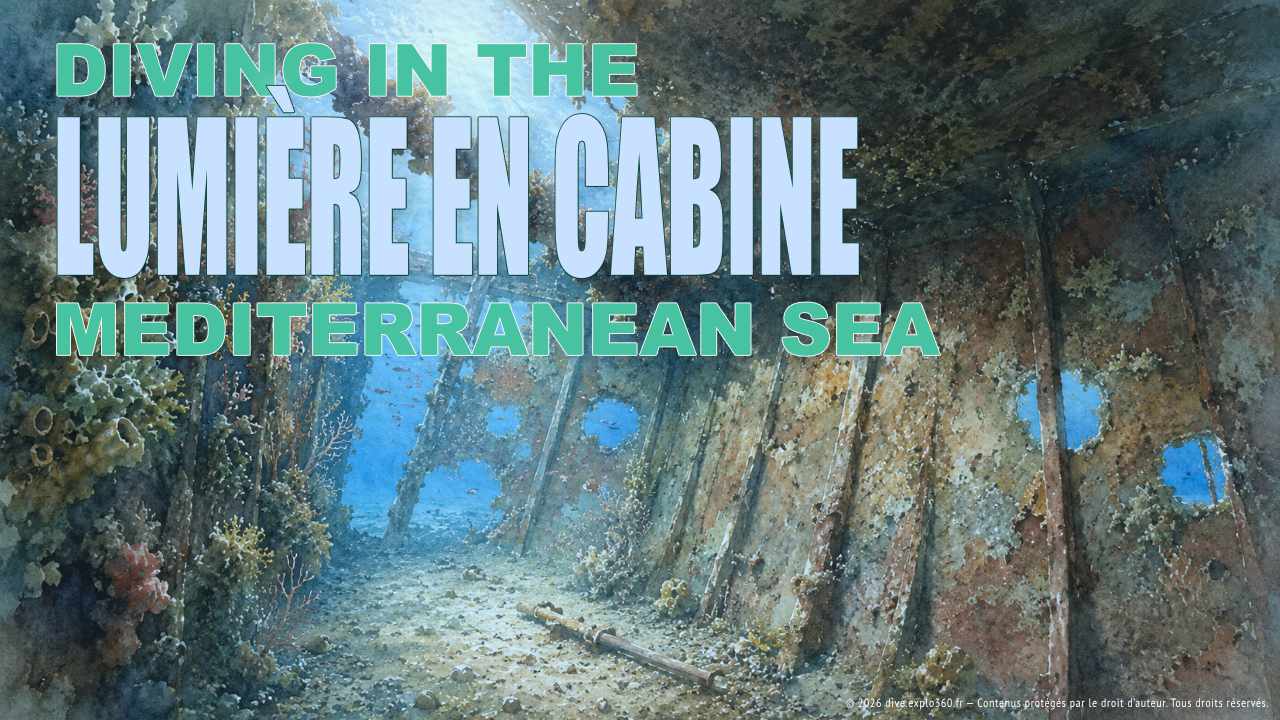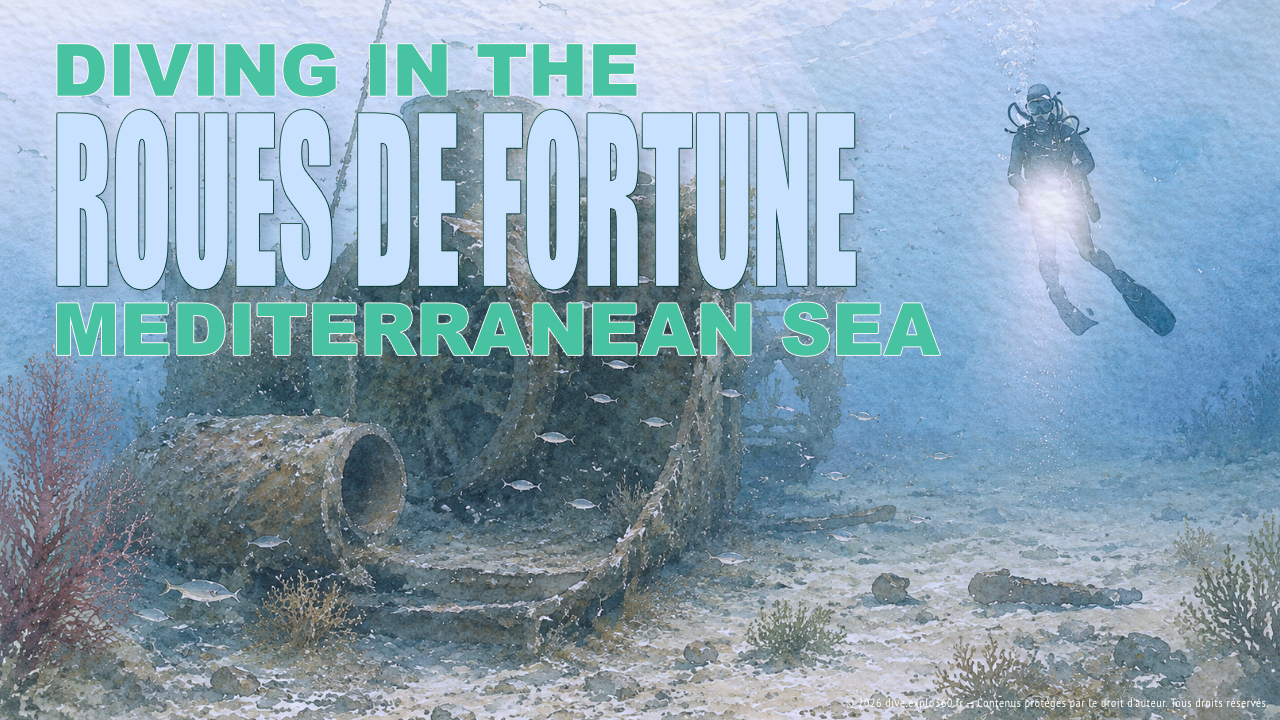

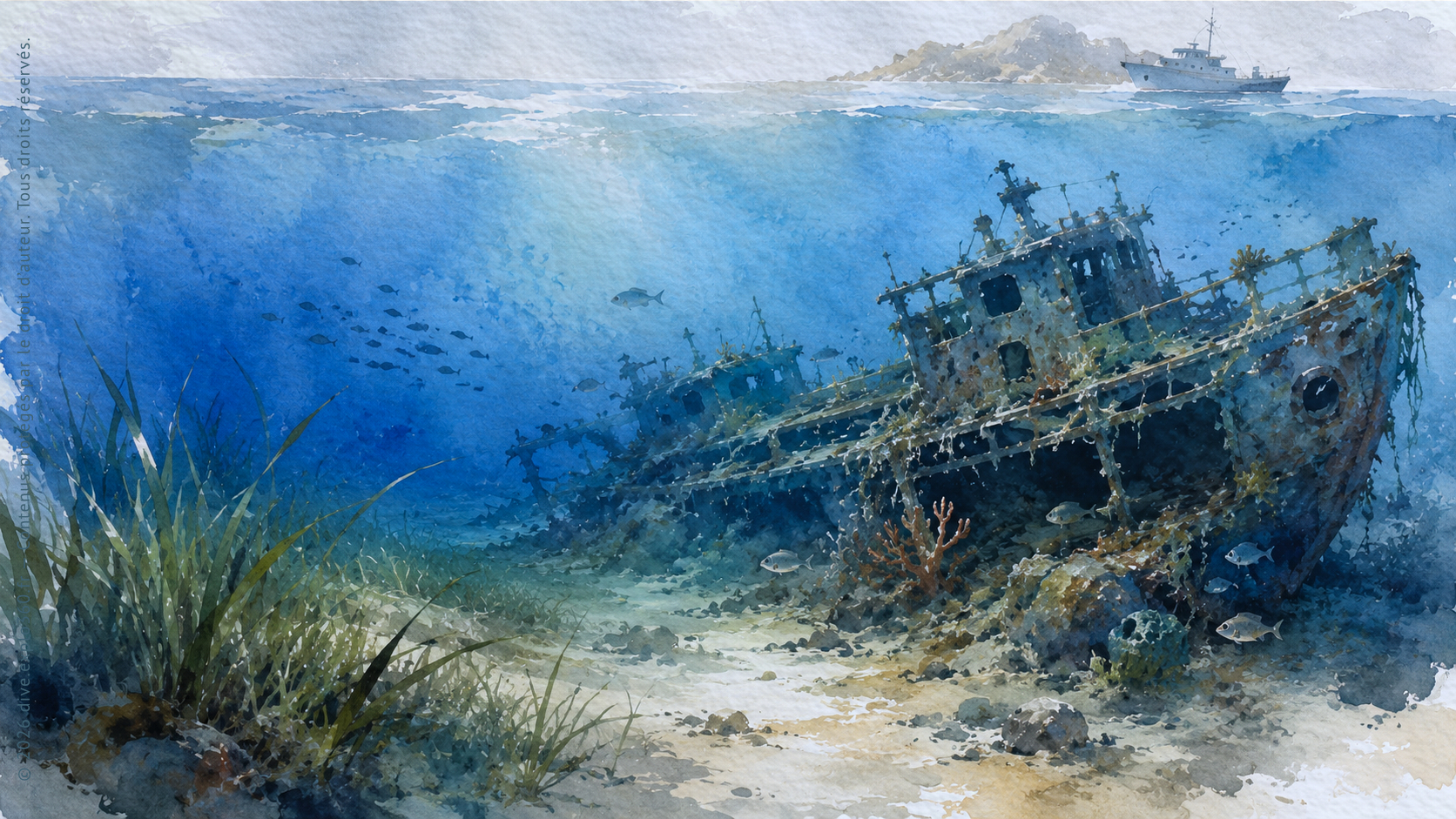
Bacteria, microalgae and sessile organisms gradually begin to cover the surfaces. Invertebrates find shelter in the openings, while fish use the structure to shelter, hunt or move around the site. Over time, the human-built silhouette becomes the foundation for a living community.
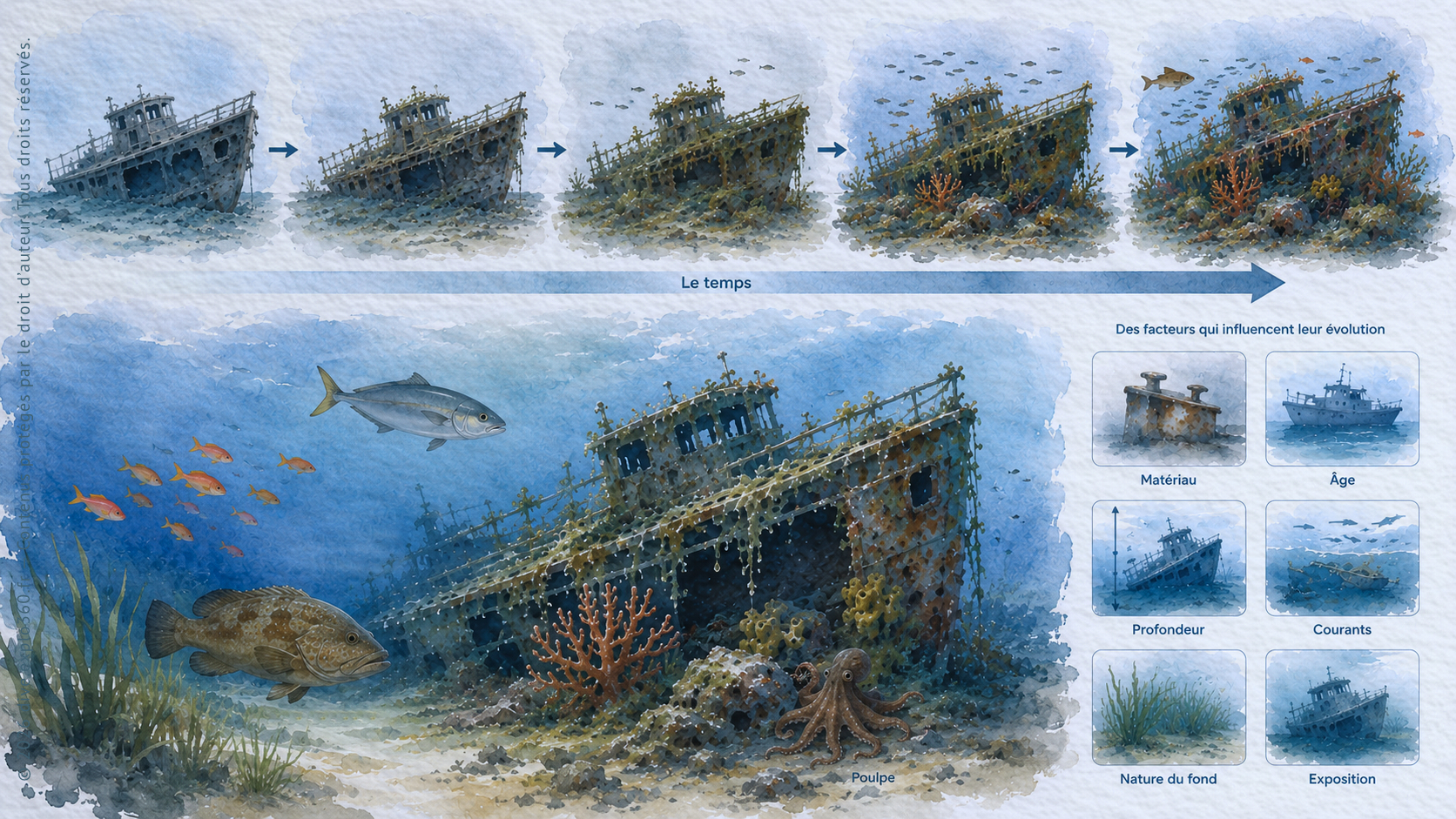
But not all wrecks develop in the same way. Their material, age, depth, exposure to currents and, above all, the type of seabed beneath them largely determine their future.
A wreck creates a physical break in a landscape that existed before it. A ship resting on a stretch of sand adds several metres of height where there was almost no relief. On a rocky area, the effect differs: the artificial structure joins a habitat that already had walls, cracks and cavities.
This new architecture creates many different situations: horizontal or vertical surfaces, parts exposed to currents, sheltered areas, ceilings, openings and dark spaces. Light, current and sedimentation conditions can therefore differ greatly within a few metres.
A wreck should therefore not be considered an isolated ecosystem. It interacts continually with its surroundings. The composition of its communities depends in particular on depth, light, water movement, temperature and the site's environmental characteristics.
A BREAK IN THE LANDSCAPE
STEEL
Steel, which is widespread in modern wrecks, is susceptible to corrosion in the marine environment. Over the years, layers of corrosion products appear, themselves covered by biofilm and marine organisms. The gradual loss of material weakens the plates: openings develop, some parts collapse and the wreck's structure changes.
Corrosion is therefore not merely a chemical transformation: over the long term, it also changes the available habitats.
WOOD
Wood follows a very different course. When exposed to seawater, it can be attacked by marine wood-boring organisms, particularly boring molluscs that tunnel through the material.
However, parts buried in oxygen-poor sediment may be preserved for much longer. An old wooden wreck may therefore largely disappear above the seabed while retaining elements buried under sand or mud.
ALUMINIUM
Aluminium naturally protects itself with a thin oxide layer that limits general corrosion. In seawater, however, chlorides can cause localised attack and corrosion pits. Long-term immersion experiments show that this localised corrosion can become significant.
It therefore ages differently from steel: an apparently well-preserved surface may locally contain deep damage.
COMPOSITES
Composite hulls, particularly fibreglass-reinforced resin, do not rust like metals or get consumed like wood. Nevertheless, they can absorb water and their mechanical properties may gradually change, especially within the matrix and at the interface between fibres and resin.
The substrate may therefore remain in the marine environment for a long time while gradually ageing and weakening.
CONTACT WITH WATER
As soon as it is submerged, the surface comes into contact with molecules in the water.
THE BIOFILM
Microorganisms settle. Bacteria and other microscopic organisms form the first stages of colonisation.
VISIBLE COLONISATION
Microalgae and sessile organisms can then settle. The original surface gradually disappears beneath this biological covering.
DEVELOPMENT UNIQUE TO EACH SITE
There is no universal timetable. Light, depth, current, temperature, nutrients, material and neighbouring communities strongly influence colonisation. Two steel wrecks of similar age may therefore support noticeably different communities.
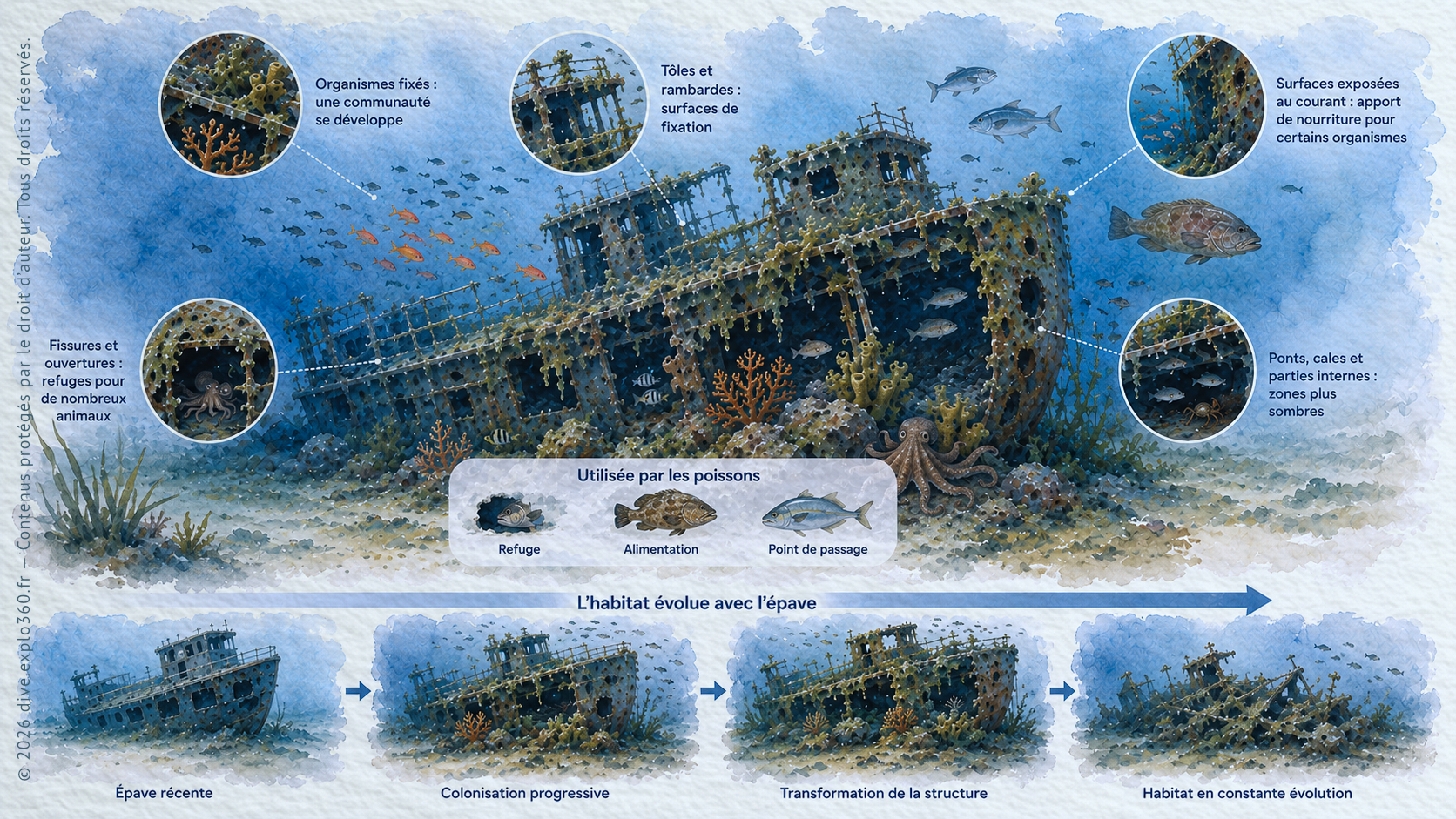
Over time, the ecological interest of a wreck extends beyond its surfaces. Its three-dimensional structure becomes essential.
Plates, railings and superstructures support sessile organisms. Cracks, pipes, openings and spaces between components provide refuges for animals seeking protected areas. Vertical parts also place surfaces in the current, while decks, holds and internal spaces create darker conditions.
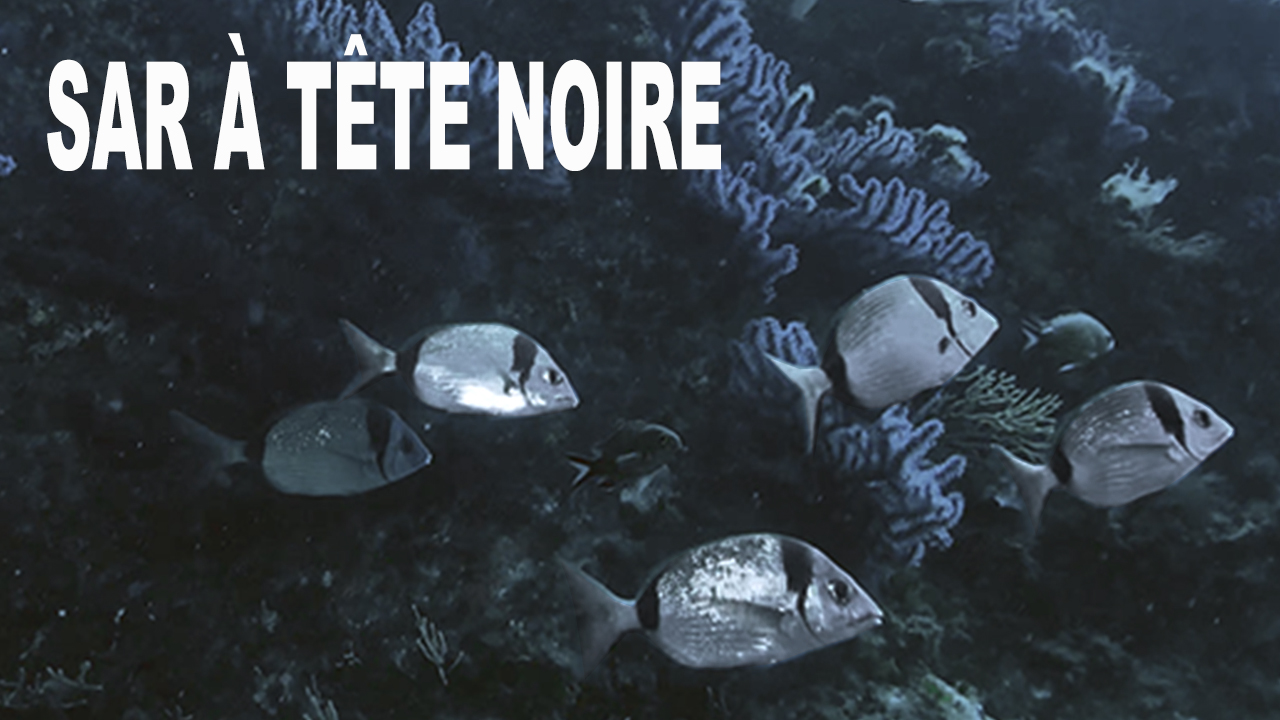
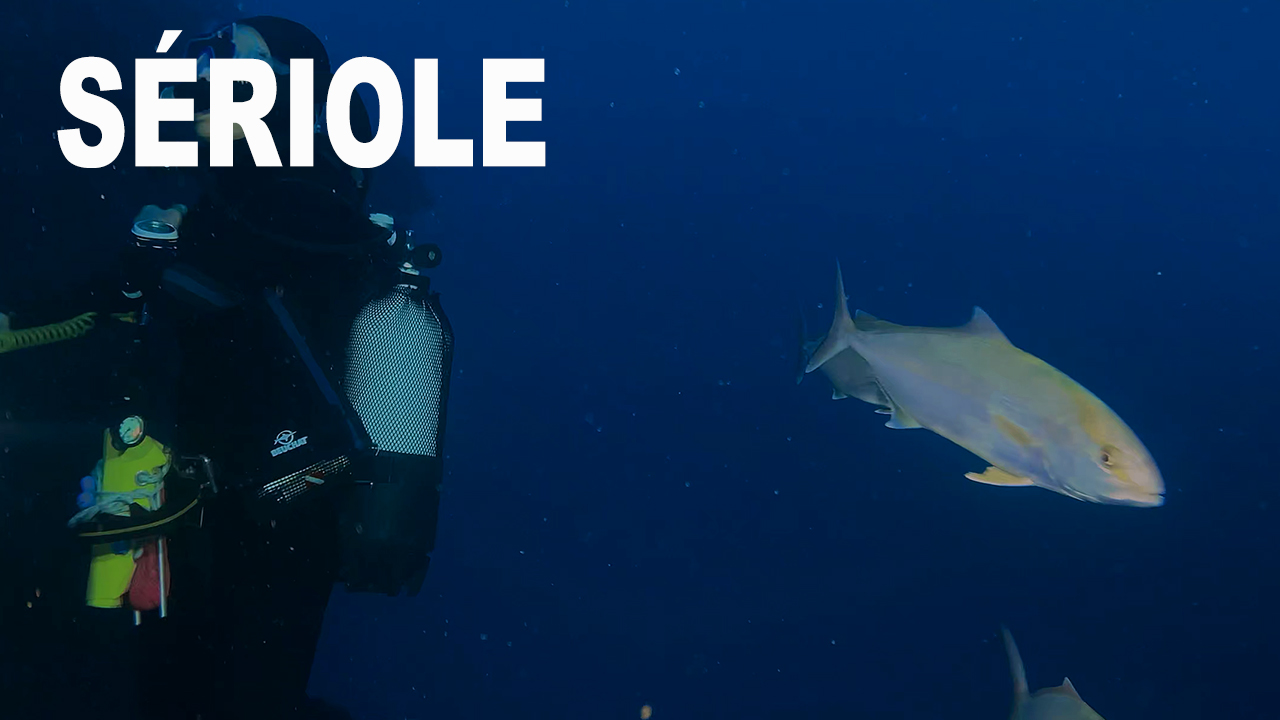
Different fish species may move around this structure. Some use the wreck as shelter, others as a feeding area or a place to pass through.
As corrosion, wood degradation or mechanical stresses transform the structure, new cavities appear while others disappear. The habitat therefore changes alongside the wreck.
AMIGANSEAU CONTENT
The rest of this article is for subscribers
Log in with your AMIGANSEAU licence to continue reading.
All active AMIGANSEAU licences give access to the full article.Explore the same world