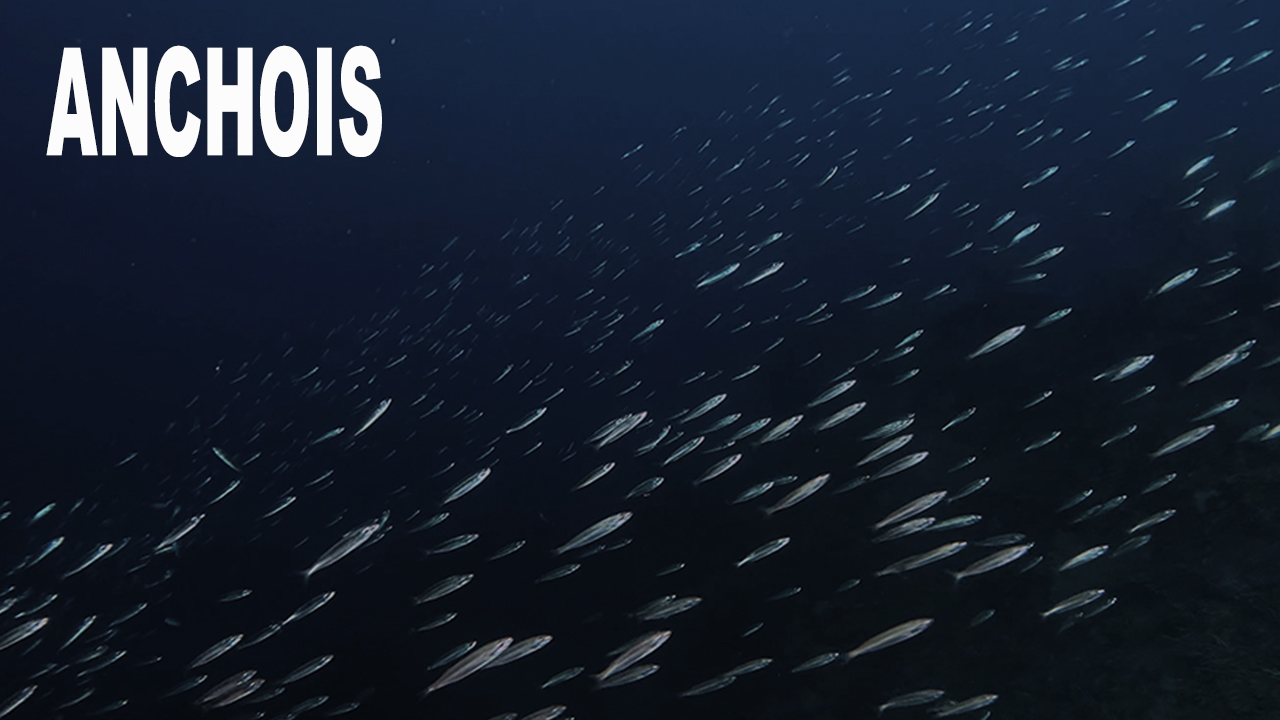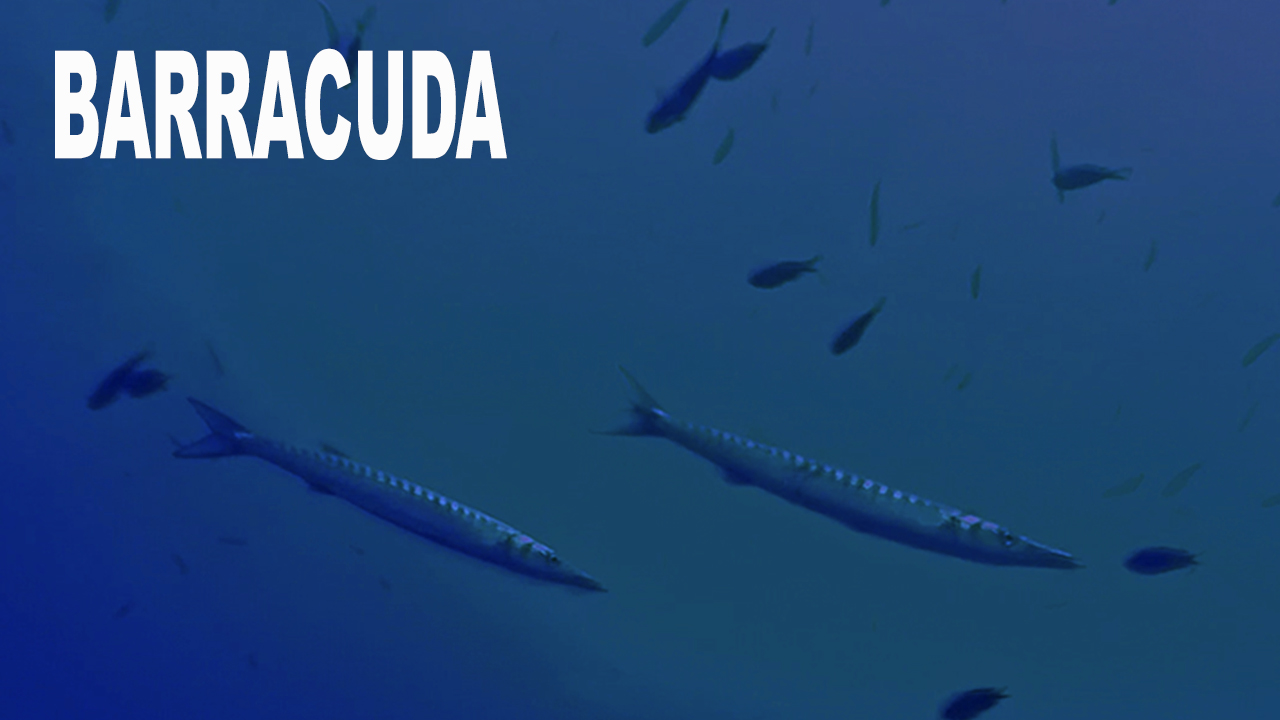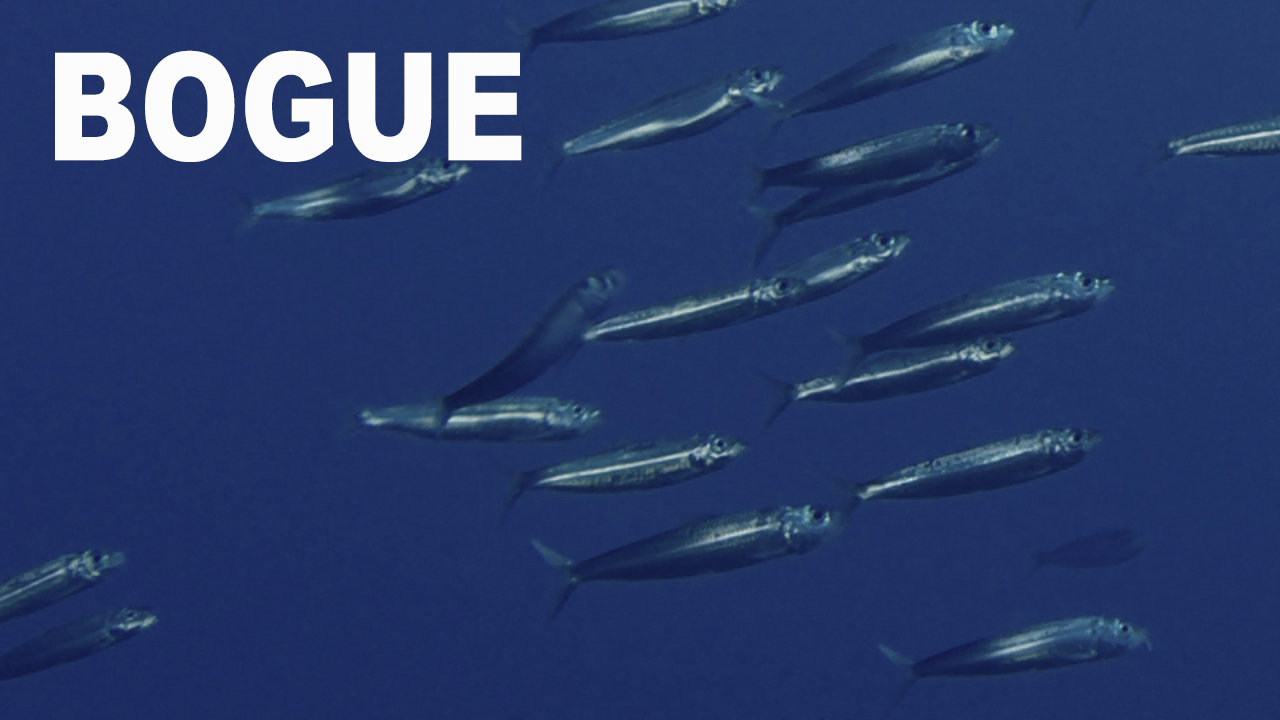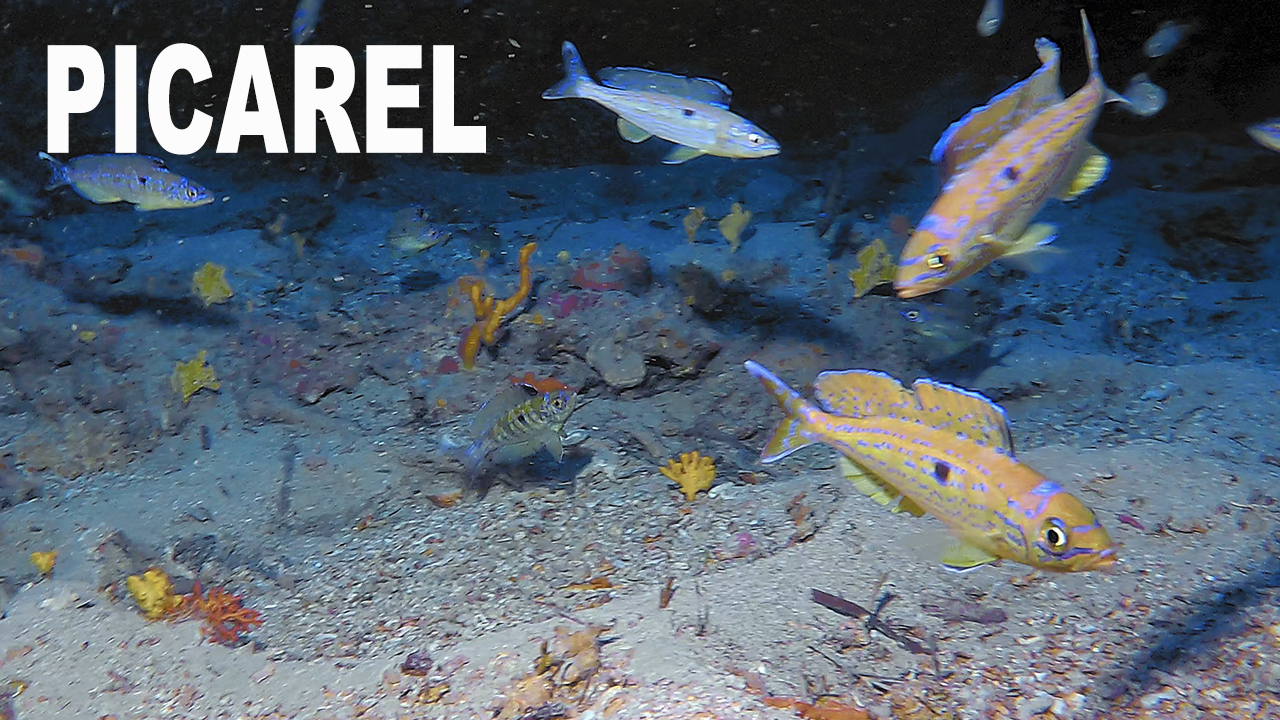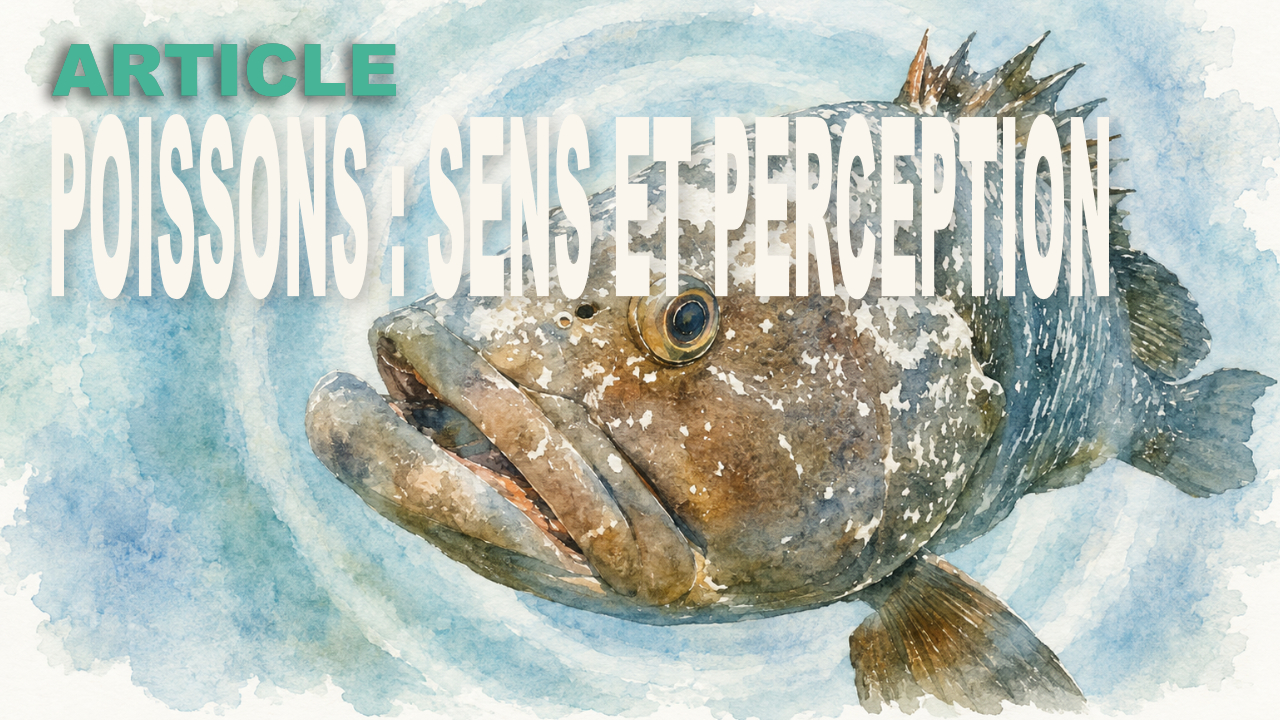

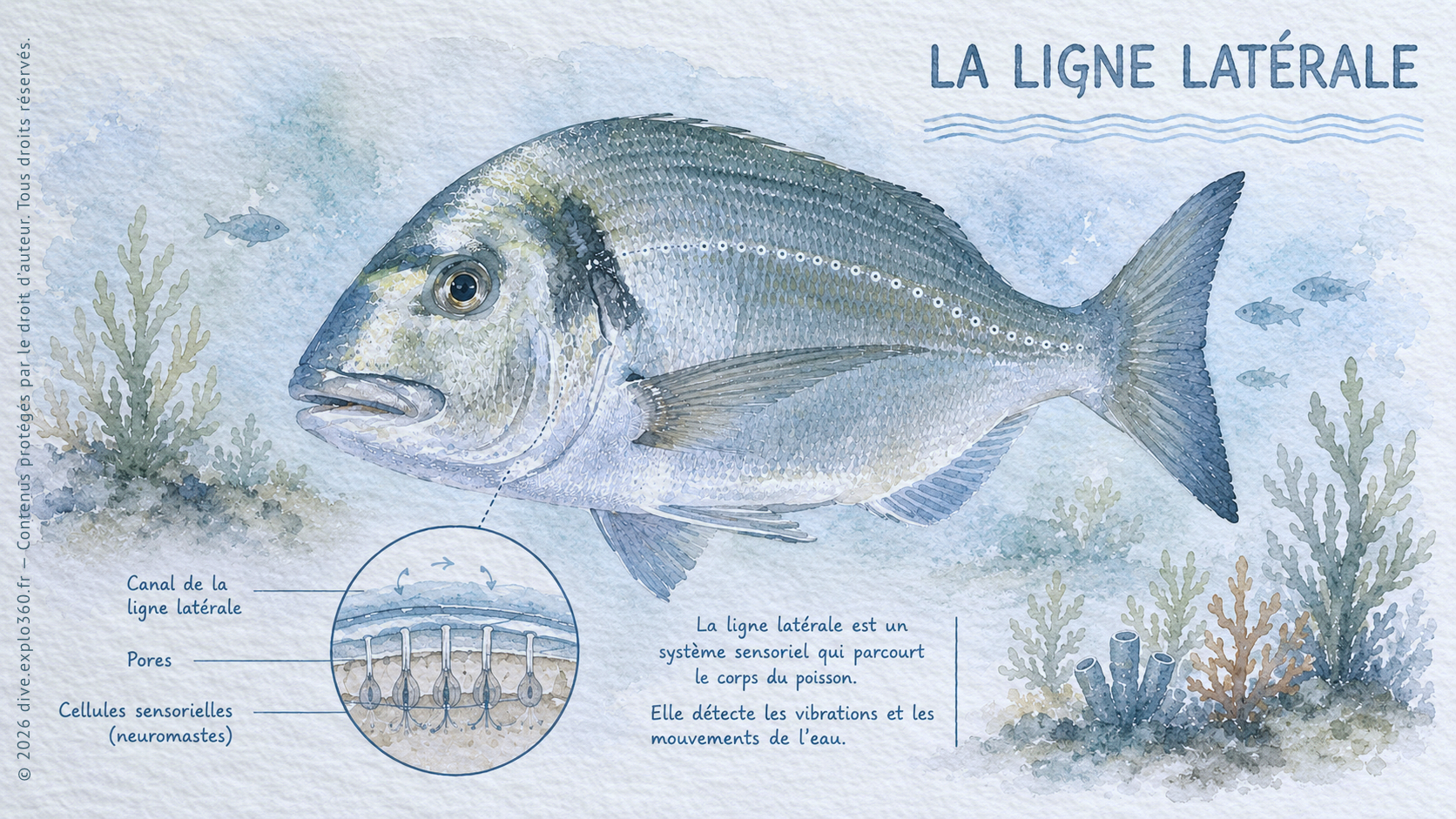
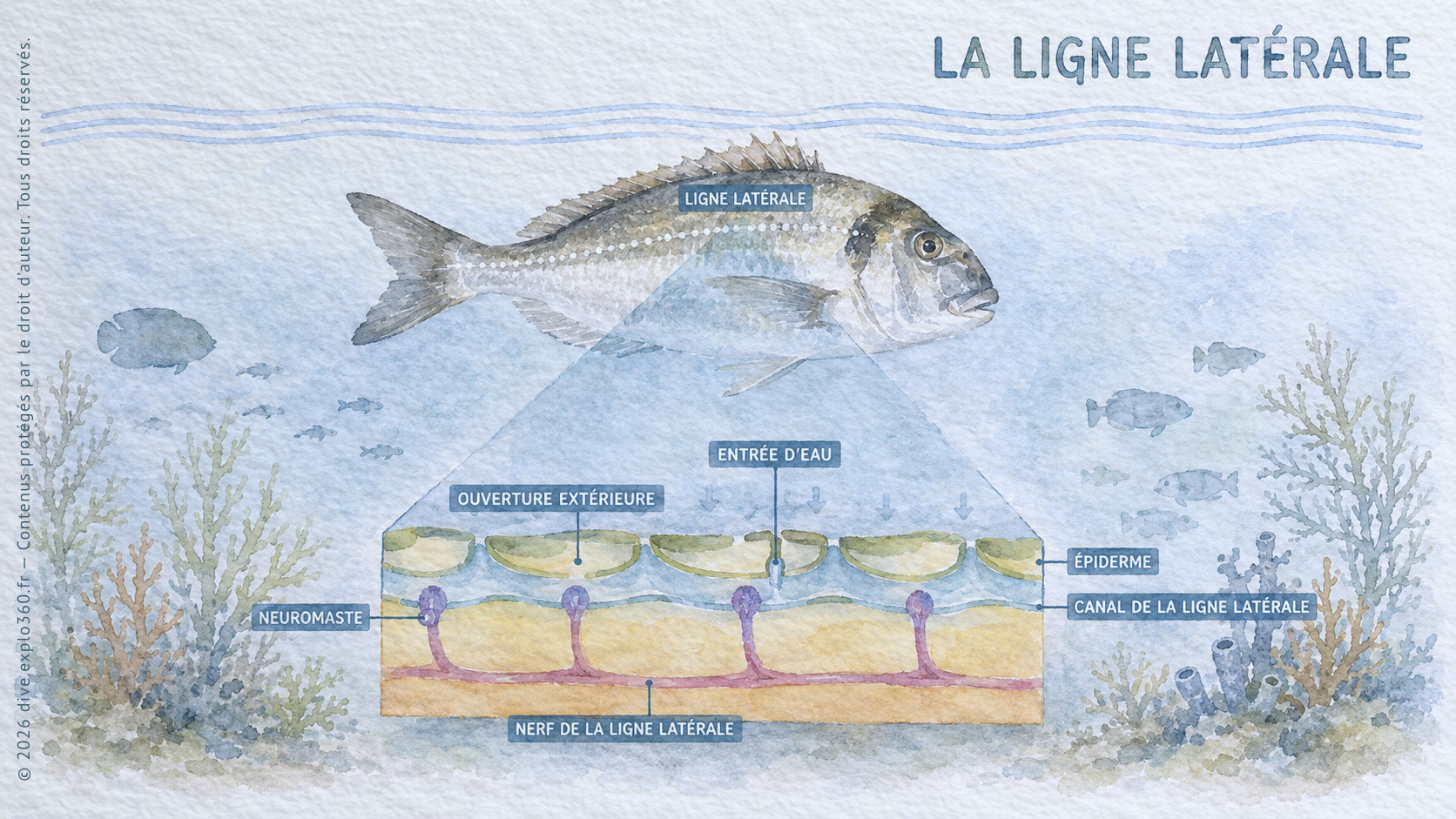
The lateral line is a sixth sense characteristic of fish. It consists of specialised structures called neuromasts, arranged in rows along the fish’s flanks. Neuromasts contain hair cells sensitive to water movements. When movement or vibration occurs in the water, it bends the cells’ hair-like structures, generating a nerve signal that is sent to the fish’s brain. This mechanism resembles that of the inner ear of terrestrial vertebrates, which detects sound waves. Neuromasts can be of two types: canal neuromasts, located in canals beneath the skin, and superficial neuromasts, located directly on the skin. Canal neuromasts are particularly sensitive to low-frequency movements and water currents, while superficial neuromasts respond more quickly to sudden disturbances in the water.
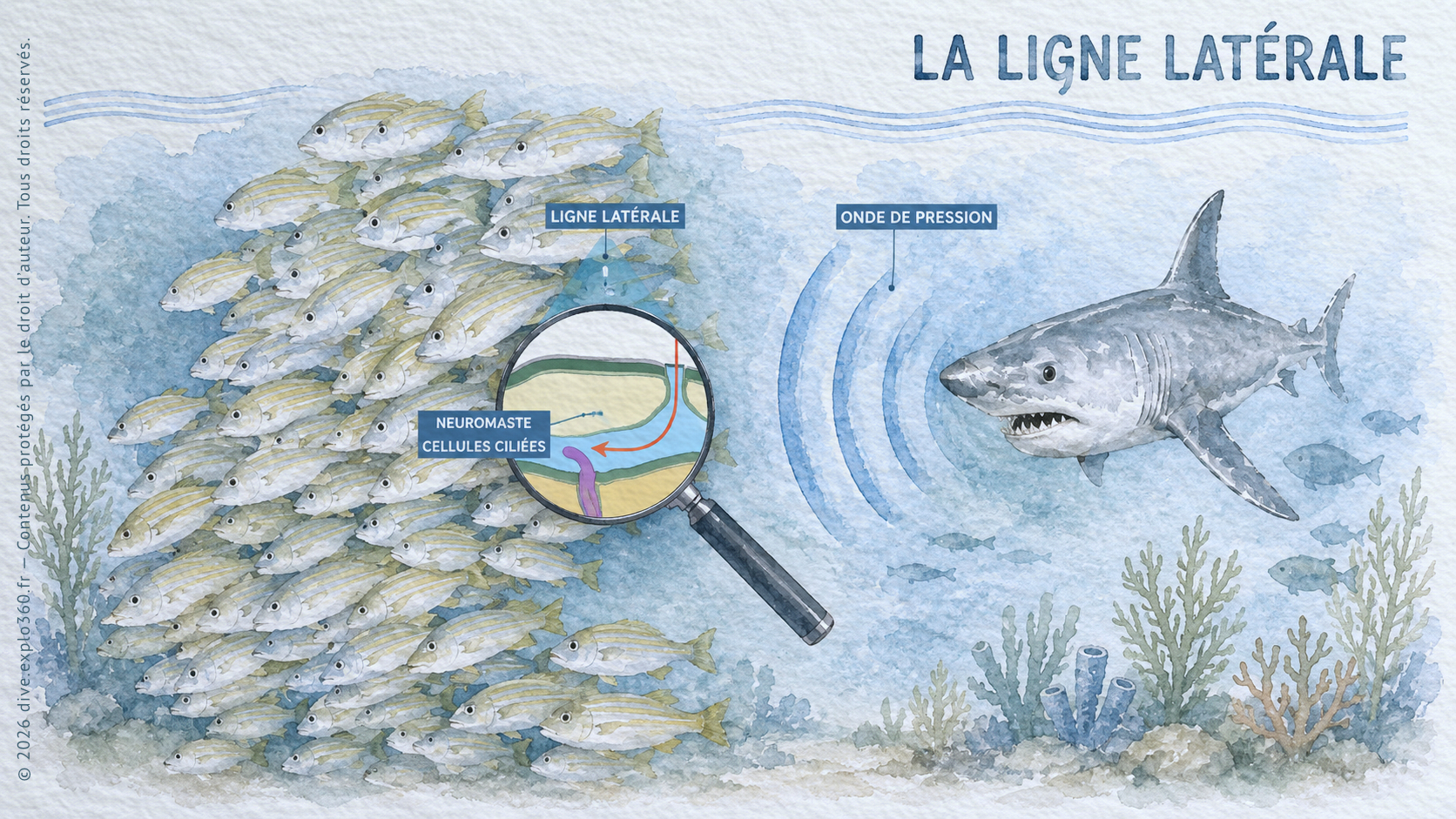
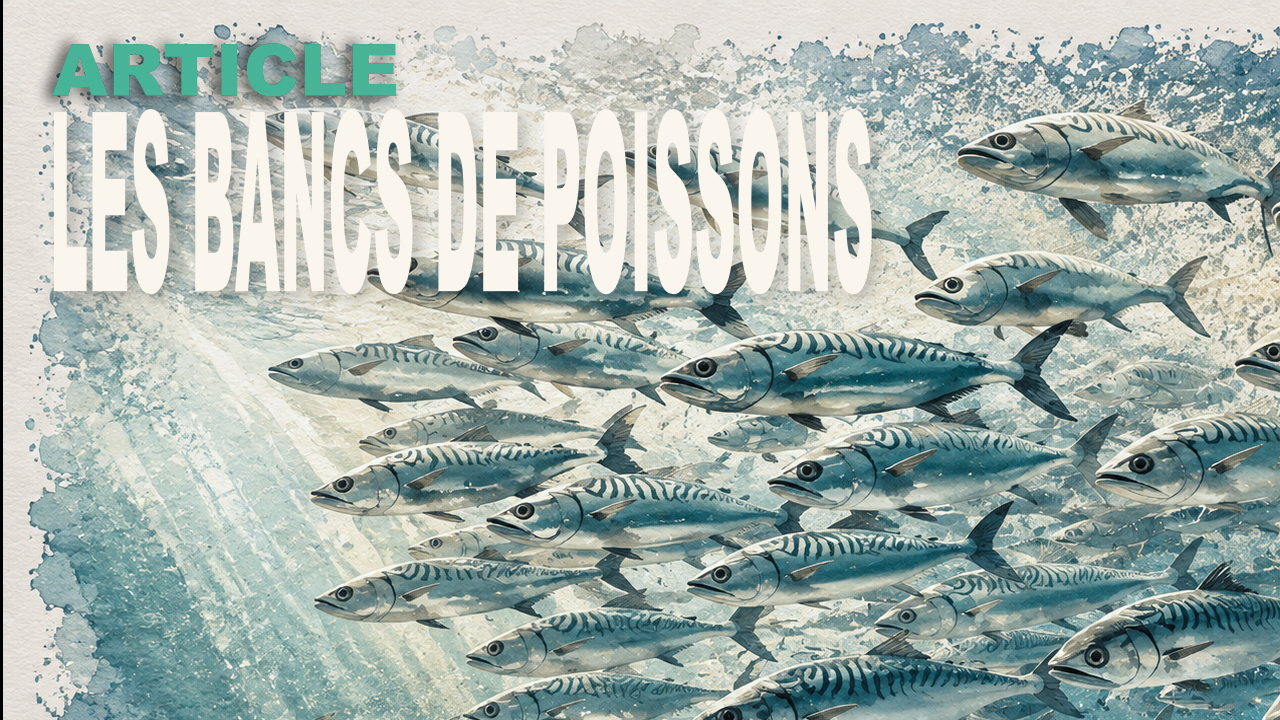
When a predator charges towards a fish, it pushes the water and creates a pressure wave ahead of it. Even if the fish cannot see the predator approaching, it can still sense these pressure waves through its neuromasts. The neuromasts’ hair cells are specially adapted to detect these subtle vibrations. When stimulated by a pressure wave, the hair cells bend, generating an electrical signal. The electrical signal generated by the hair cells is transmitted to the fish’s central nervous system. The brain processes this information quickly and efficiently, allowing the fish to assess the direction and speed of the pressure wave. This process is extraordinarily fast, often taking only a few milliseconds, which is crucial to the fish’s survival. Once the brain interprets the information as an imminent threat, it immediately triggers an escape response. This escape reflex is an essential survival mechanism that allows the fish to move rapidly away from danger. The fish’s muscles contract in response to the nerve impulse, allowing it to escape from the predator in a fraction of a second.
AMIGANSEAU CONTENT
The rest of this article is for subscribers
Log in with your AMIGANSEAU licence to continue reading.
All active AMIGANSEAU licences give access to the full article.Explore the same world