
Ages 6–10
Discover and understand through simple explanations.
The Common octopus has a soft body and eight arms with suckers. It can change colour very quickly to hide.

scientific endorsement
ALEXANDRE MEINESZ
Real observations. Structured knowledge. Learning that everyone can access.
It starts with a dive: an animal encountered, a habitat observed, a behaviour that sparks a question. Dive.Explo360 connects these observations with natural history knowledge to help you look more closely, recognise species and understand underwater life.
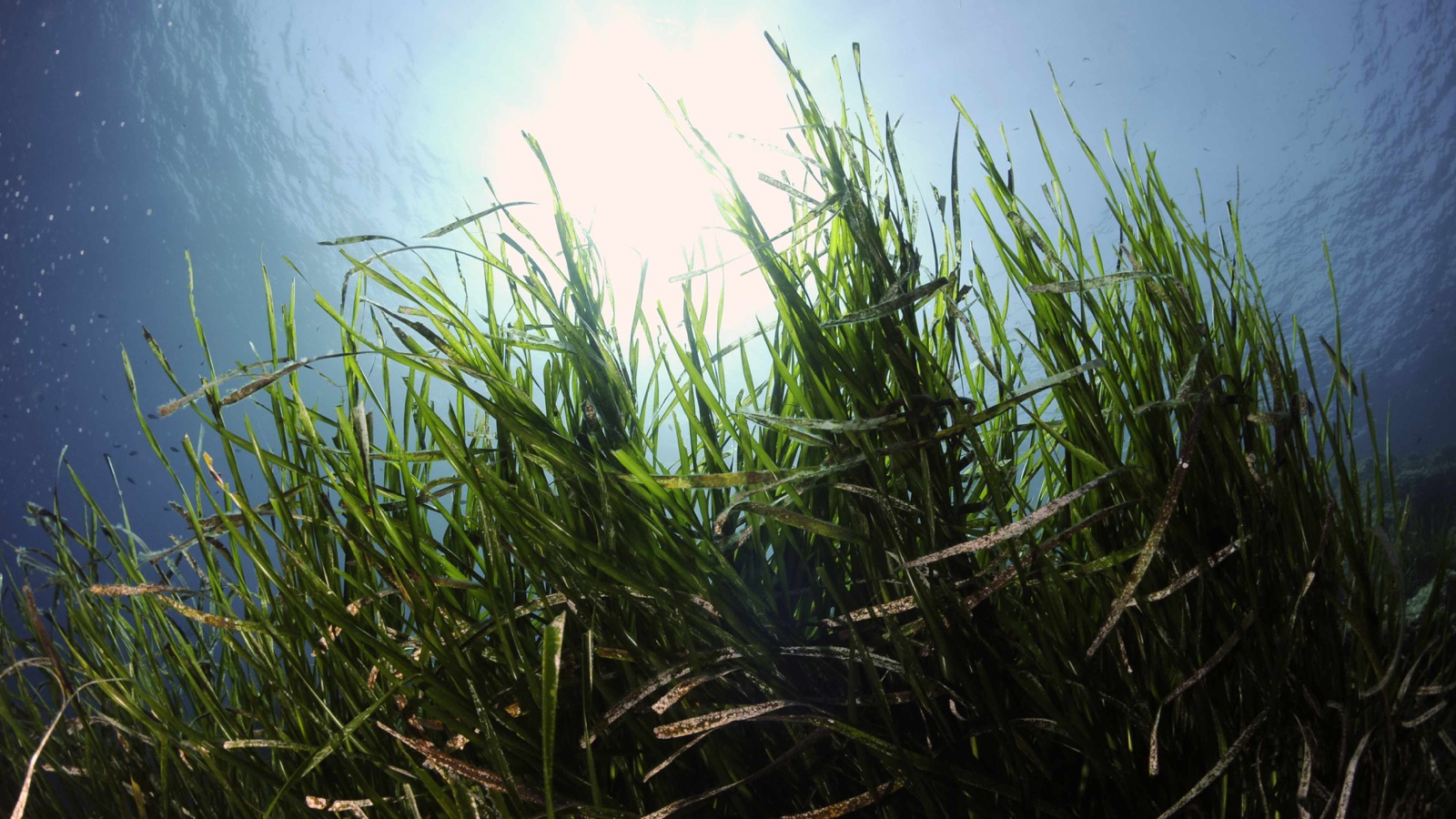
Real observations → knowledge → teaching → learning
Field photographs and filmed dives show organisms in their surroundings: the shape of the seabed, vegetation, shelters and sometimes interactions between species. Even an everyday scene can help us learn to observe.
A generated image can depict a biologically plausible scene. It does not, however, document an encounter in the field. The documentary value of our observations comes from their origin: a living organism was seen and filmed in its environment.
Natural history observations underpin this approach. Not every promotional visual or educational illustration on the site serves this documentary purpose.
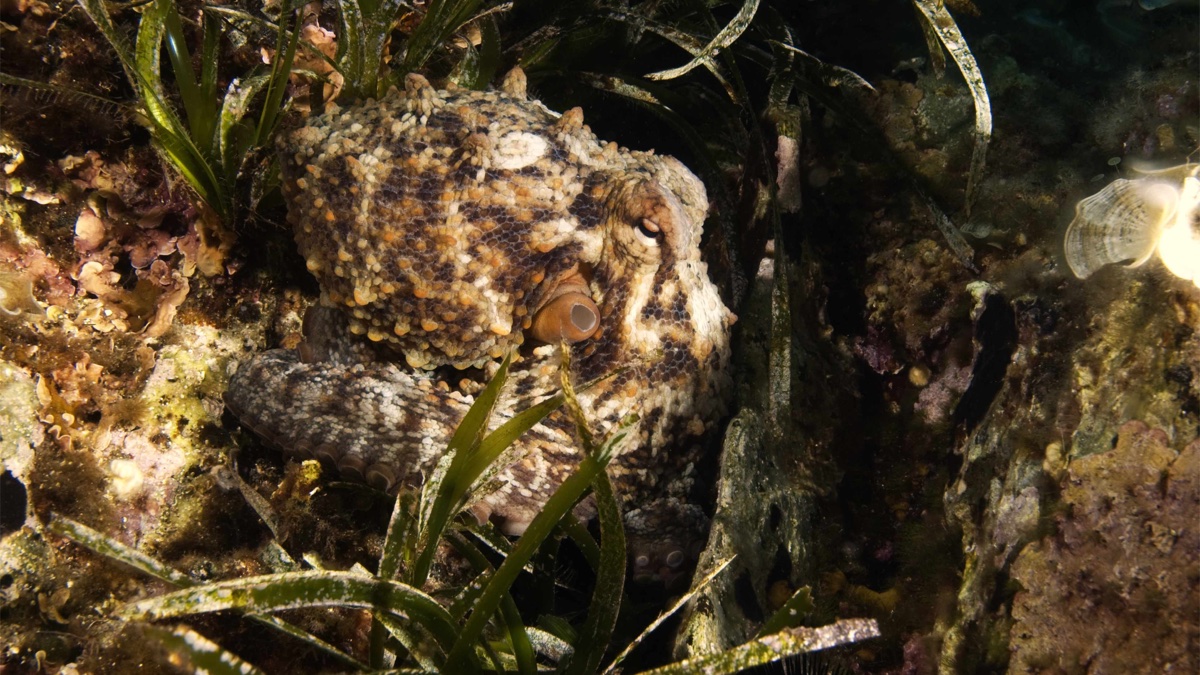
Recognising an octopus is more than putting a name to it. Its shape, shelter and movements can raise questions about its diet, camouflage or role in the marine environment.
Species guides, articles and questions and answers organise this knowledge and connect it with species, habitats and observations. Content can be checked, corrected and expanded before publication.
During a visit, dis-MOI searches this collection and its published translations for answers. It does not ask generative AI to improvise a new explanation. This choice keeps content defined and consistent; despite our checks, errors remain possible.
Resources work together: an observation leads to a species guide, a guide introduces a habitat, and an activity helps you remember a discovery. Start wherever your curiosity takes you.
Watch marine life in filmed dives.
Notice the features that distinguish a species.
Search using clues from your observation.
Connect a species with its environment and way of life.
Go further with articles and learning paths.
Revisit discoveries through games and activities.
These are useful starting points, not a compulsory sequence. Looking again is part of learning too.
Discover the educational tools ↗Looking at this octopus, a child might notice its arms and suckers. Another visitor might wonder how it camouflages itself. No prior knowledge of marine biology is needed to begin.
Short extracts from “What does it look like?” in the common octopus guide (Octopus vulgaris), at four reading levels. The levels adapt the explanation; they are not rankings of knowledge quality.
Discover and understand through simple explanations.
The Common octopus has a soft body and eight arms with suckers. It can change colour very quickly to hide.
Build an understanding of basic natural history concepts.
The Common octopus is a mollusc called a cephalopod, with a flexible body and no skeleton.
Explore mechanisms and scientific vocabulary in more depth.
Octopus vulgaris is a soft-bodied cephalopod with eight arms bearing suckers. It can change its skin colour and texture very quickly using specialised cells, enabling camouflage.
Go further with explanations written for the general public.
This flexible-bodied cephalopod has eight arms bearing suckers. It can modify its skin colour and appearance very quickly to blend into its surroundings.
The project grew out of Mediterranean dives, mainly around the Hyères Islands. This fieldwork gave the collection its initial focus: species, habitats and observations that can be connected with one another.
Expansion to other seas is gradual. Shared knowledge may apply to several regions; local information needs to retain its context. Resources and translations are not yet equally developed for every region.
Digital tools help preserve observations, organise knowledge and share it. They make it possible to move from filmed footage to an explanation, then on to another discovery.
Dive.Explo360’s distinctive contribution is this combination: a collection of field observations, prepared natural history content and an organisation designed for learning. It brings continuity to exploration, beyond a single answer.
Take the common octopus: a few simple actions can lead from an observation to an explanation, then on to further exploration.
Play an interactive dive. When a species catches your attention, use its link to open the species guide and put a name to your observation.
Explore the dives ↗In the common octopus guide, choose ages 6–10, 11–14, 15–17 or adults. Start with its description and compare the features explained with what you observed.
Read the common octopus guide ↗Open dis-MOI and ask, for example, “Where does the common octopus live?”. Your site region is used automatically; choose your reading level, then explore the answer and any available related resources.
Discover dis-MOI ↗Real observations provide the starting point. Expertise turns them into knowledge. Teaching makes that knowledge accessible.