
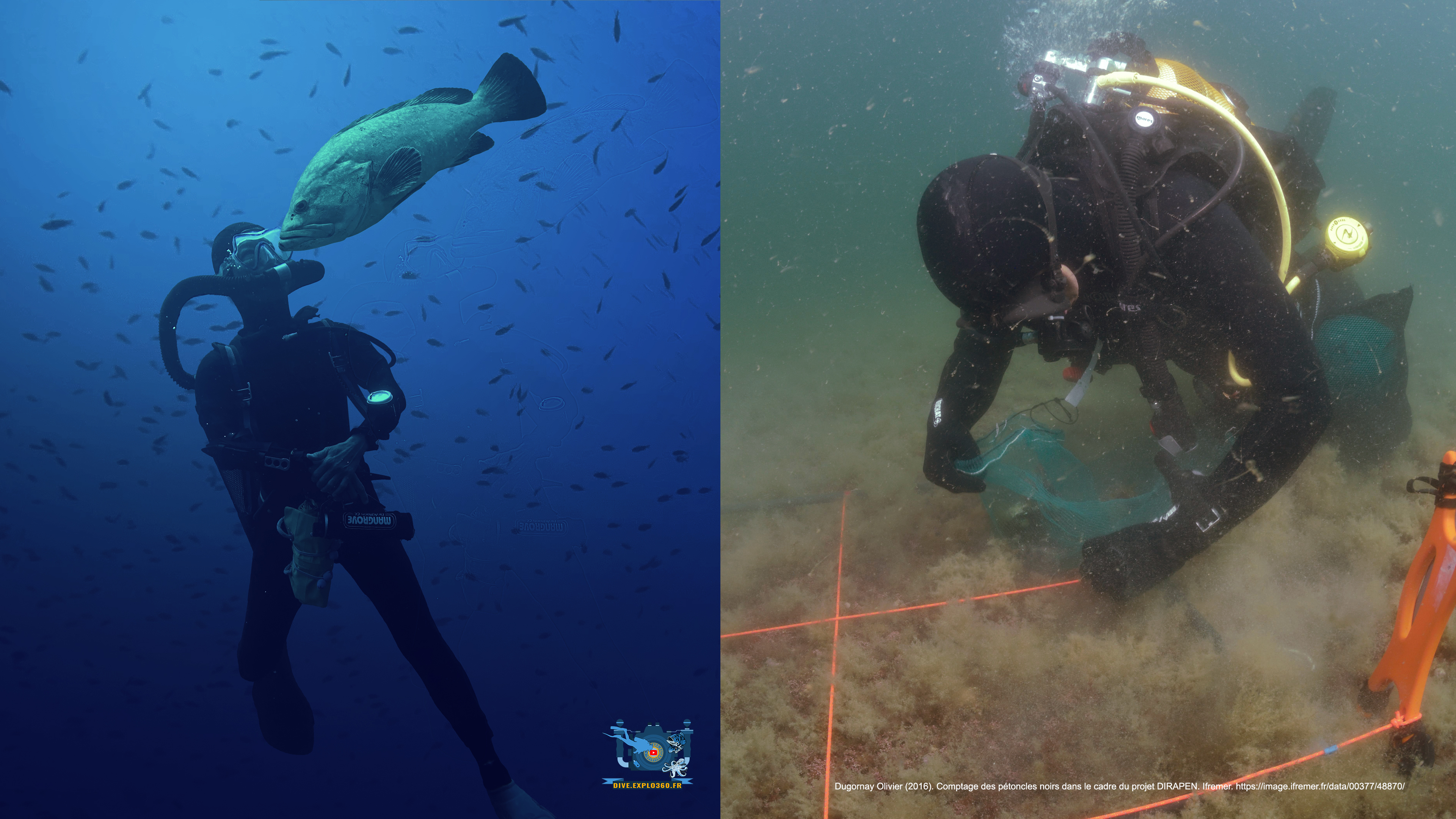
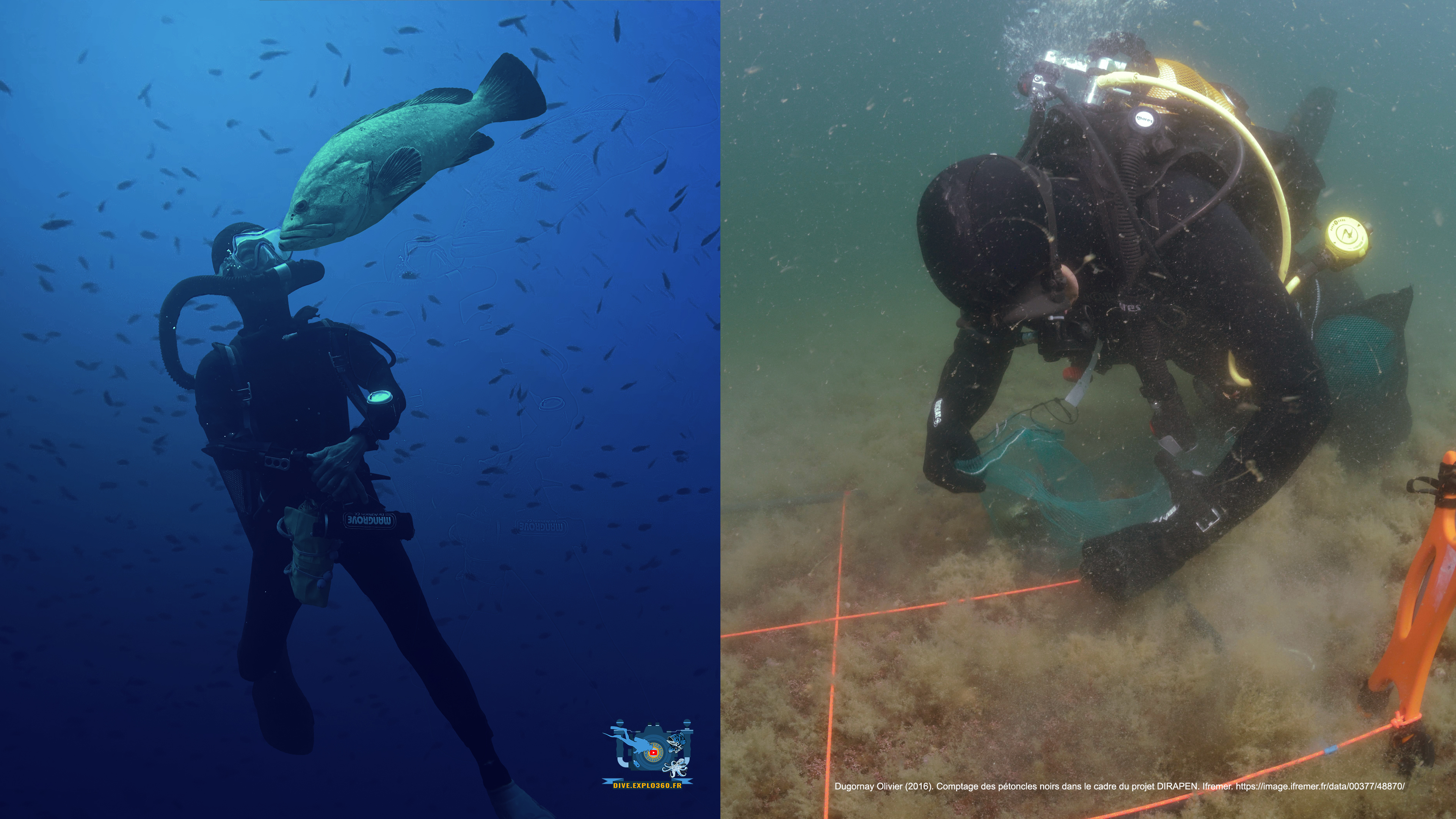
Two main approaches stand out: naturalist diving and biology diving (or scientific diving). Although they share a curiosity about nature, they differ in their aims, methods and the level of expertise required.
The naturalist diver is first and foremost a curious observer of marine life. They explore the seabed attentively, seeking to identify species, understand their behaviour and recognise ecosystems. Their learning is based on field experience, exchanges with fellow enthusiasts and, possibly, non-academic training. They may record observations in dive logs, contribute to citizen science databases or share their discoveries to raise awareness of marine conservation.The marine biologist diver, by contrast, has academic training in marine biology or a related life science. Their approach is more methodical and scientific: they apply standardised study protocols, take samples and analyse data to deepen our understanding of marine ecosystems. They may work professionally or in research, studying population changes, biological interactions or the effects of human activities on underwater biodiversity.
Naturalist diving and biology diving share a common aim: to raise divers’ awareness of the richness of marine ecosystems by encouraging careful observation and a deeper appreciation of underwater life. Both practices encourage more thoughtful immersion, going beyond a purely recreational activity.Naturalist diving is characterised by an accessible, intuitive approach that requires no previous scientific expertise. It emphasises wonder and contemplation, inviting divers to discover the main marine species and observe their natural behaviour in a peaceful setting.This form of diving is open to everyone, from beginners to experienced divers who wish to enrich their experience without delving into scientific complexities. It is ideal for those who want to enjoy their underwater explorations fully while deepening their connection with nature.Biology diving, on the other hand, appeals to those who wish to move beyond observation and engage actively in a rigorous scientific approach. Biology divers play a key role in collecting data, taking samples and making precise measurements according to established scientific protocols. They are trained in careful species identification and in understanding the complex dynamics of marine ecosystems. This approach requires specialist training and a strong interest in marine biology, offering a more structured experience focused on directly contributing to research or conservation projects.
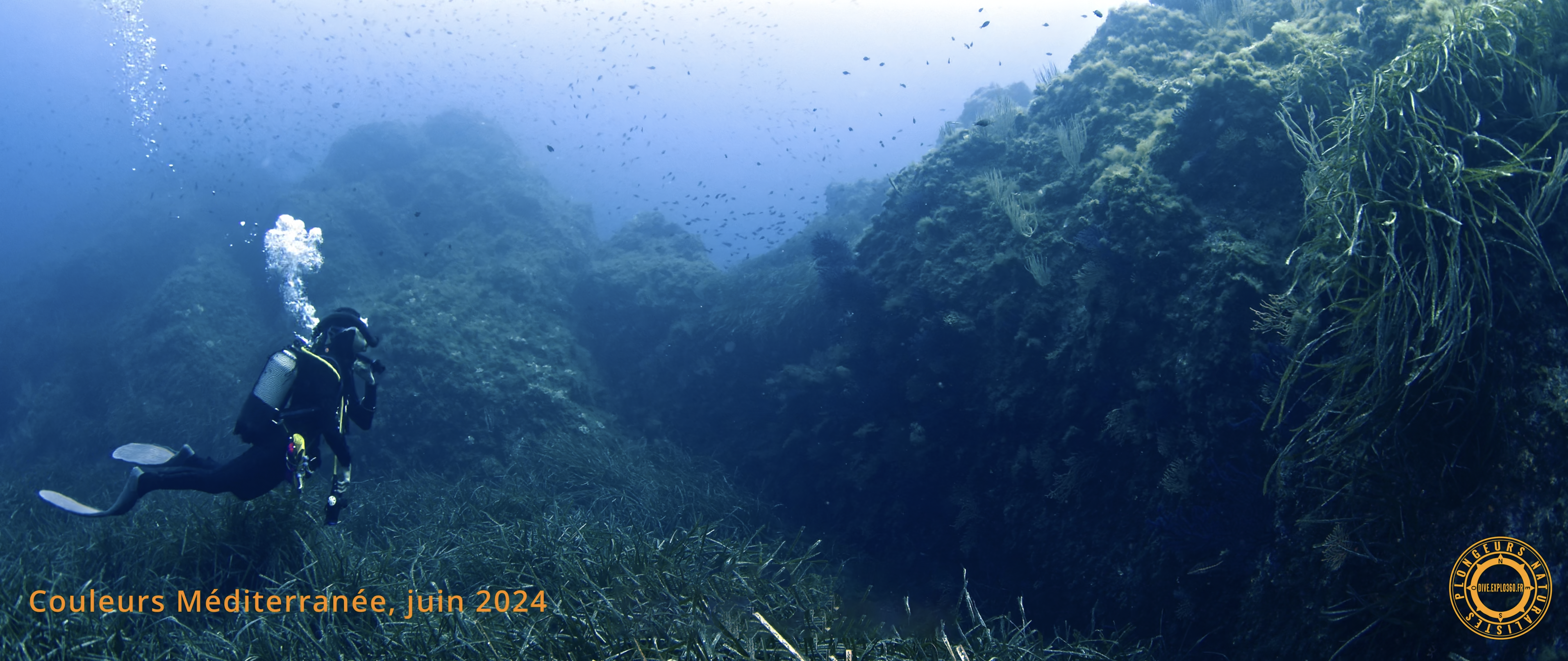
Although biology diving offers a deeper, more scientific understanding of the underwater world, naturalist diving has many advantages for diving enthusiasts. More accessible and less demanding in terms of prior knowledge, it allows divers to connect intuitively and aesthetically with underwater nature, without the rigour of formal scientific observation. This approach frees divers from academic constraints, encouraging a more spontaneous, personal experience.Naturalist diving stands out for the freedom it offers in exploration. It is a contemplative immersion in which the pleasure of discovery comes first. It invites divers to explore at their own pace and enjoy the simplicity and beauty of underwater ecosystems.This freedom makes naturalist diving relaxing and rewarding, ideal for those who simply wish to reconnect with nature without constraints.
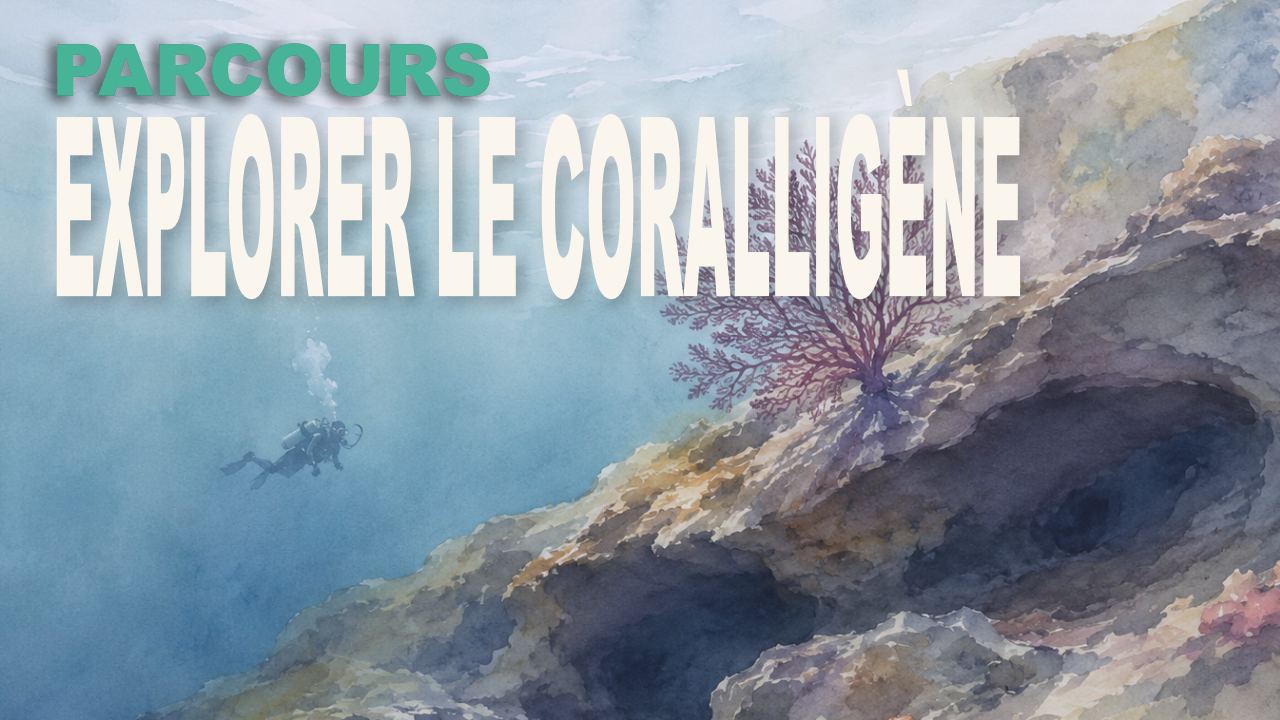
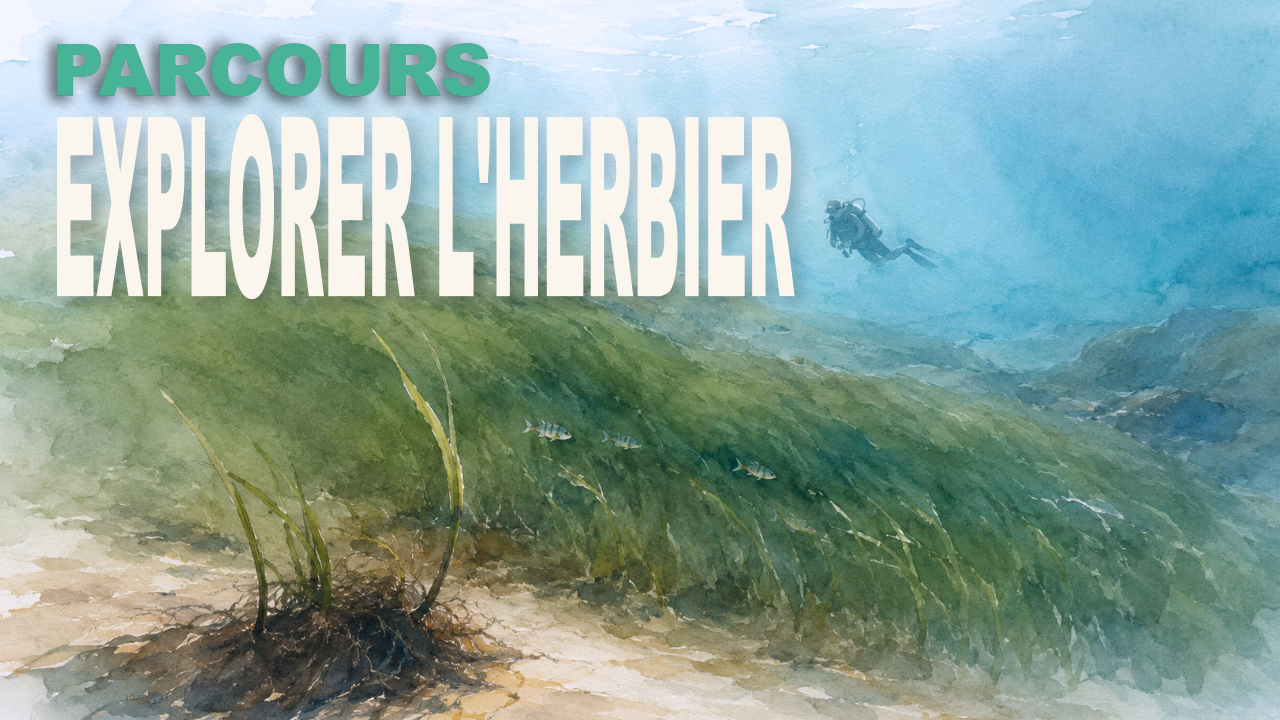
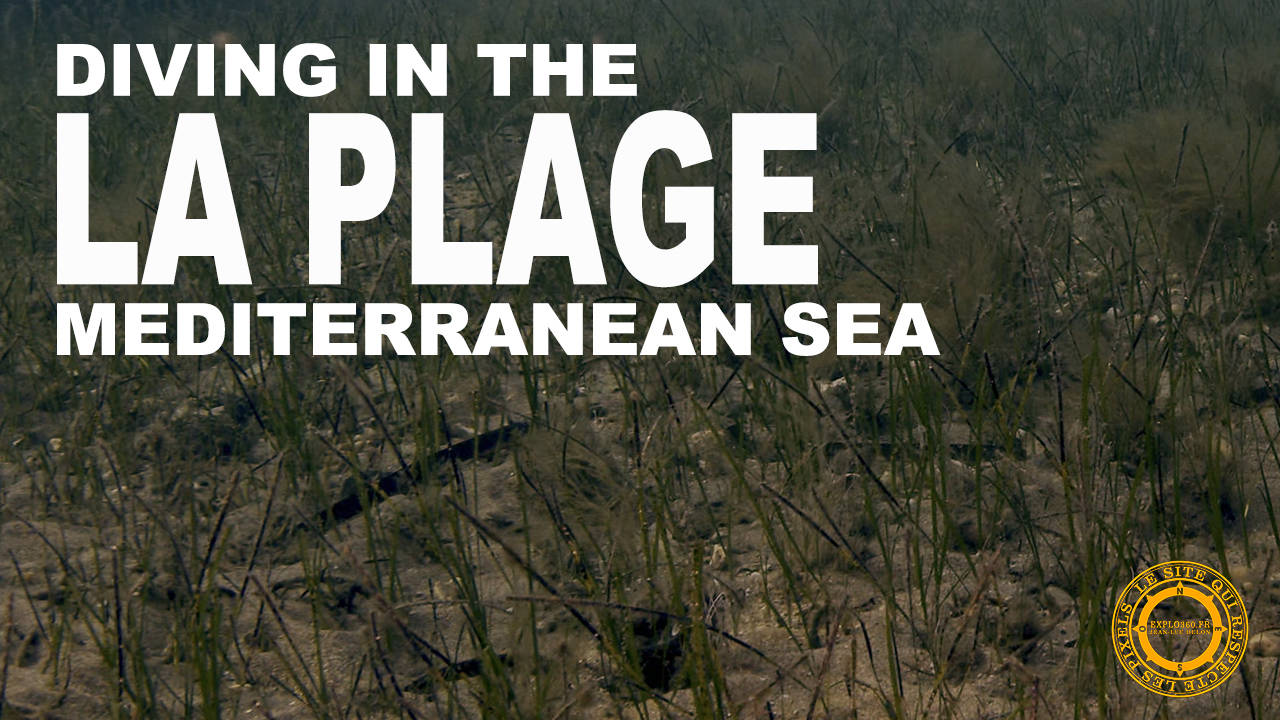
Choose a dive site known for its biological richness, such as a coralligenous reef, a seagrass meadow or a rocky or sandy area. Find out beforehand which local species you might encounter.Take a dive torch to explore crevices and dark corners, and perhaps a camera to document your observations.Refresh your knowledge of local species, animal behaviour and the characteristics of the ecosystem you will explore. Consult marine guides… and above all, get your eyes ready! With our tool, immerse yourself visually in the biodiversity of your next dive before you even enter the water. It is a fun, effective way to spot species more easily once you are beneath the surface.Take time to explore. Move slowly so as not to frighten animals and to observe every detail carefully. This will also help reduce your air consumption and extend your time underwater.Observe and identify the different forms of marine life. Use your knowledge to recognise the species you encounter, paying particular attention to marine animals’ behaviour and social interactions.Explore microhabitats such as cracks and crevices, each of which shelters its own animals and plant life. Try to understand interactions between species and their environment.Respect animals by keeping an appropriate distance, and above all enjoy discovering them.
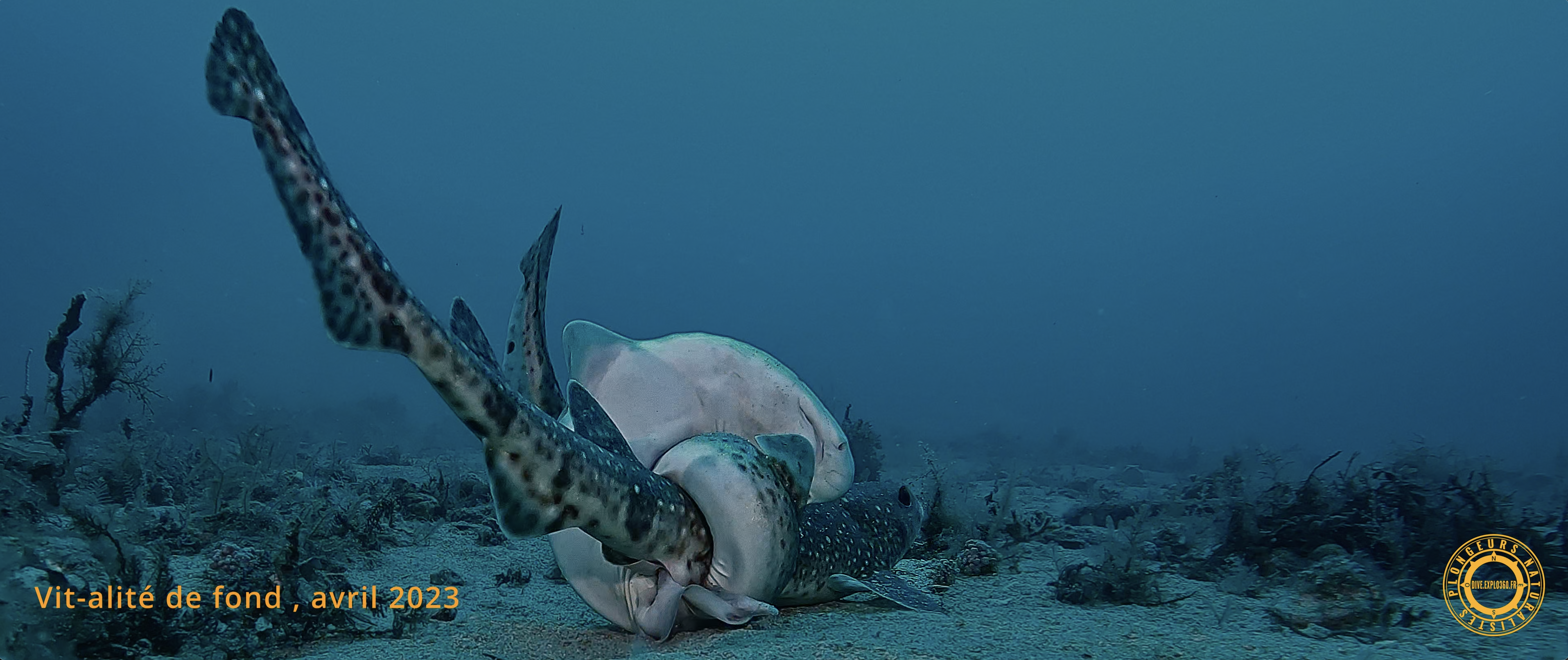
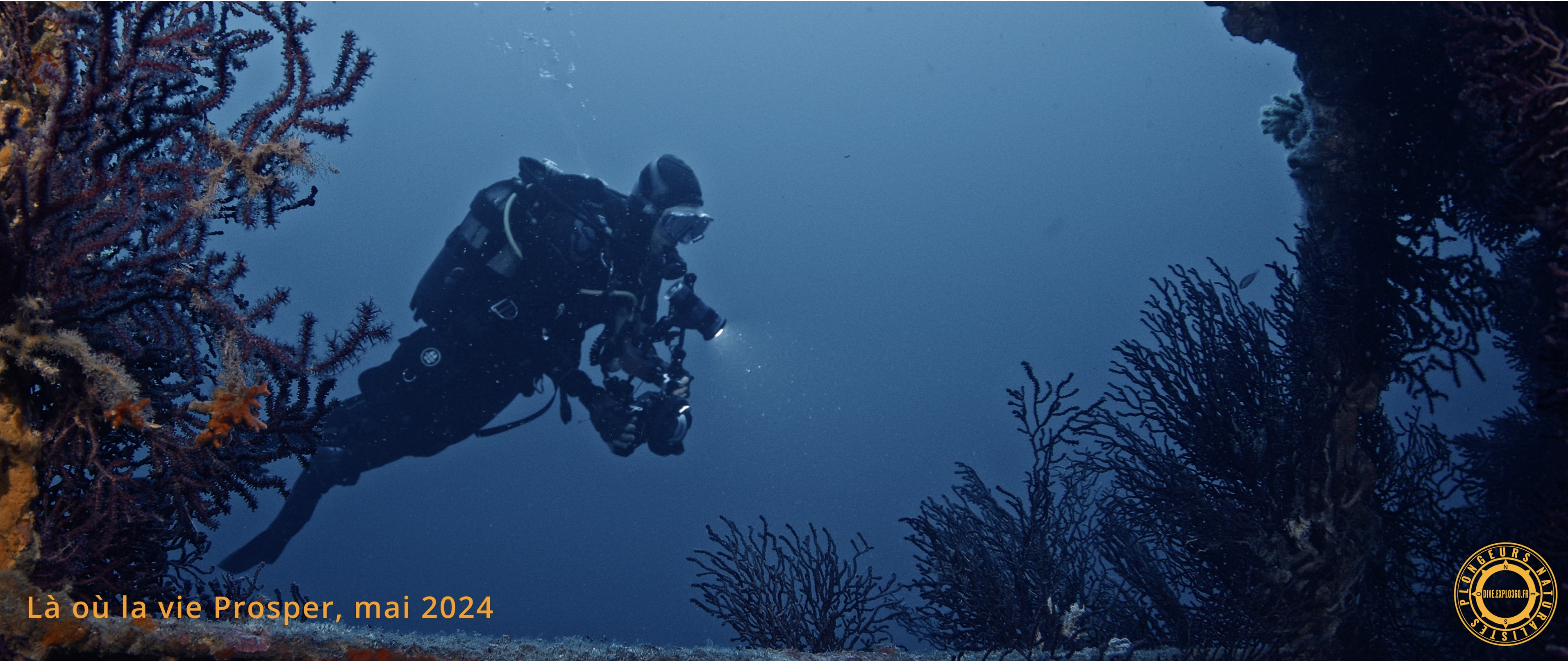
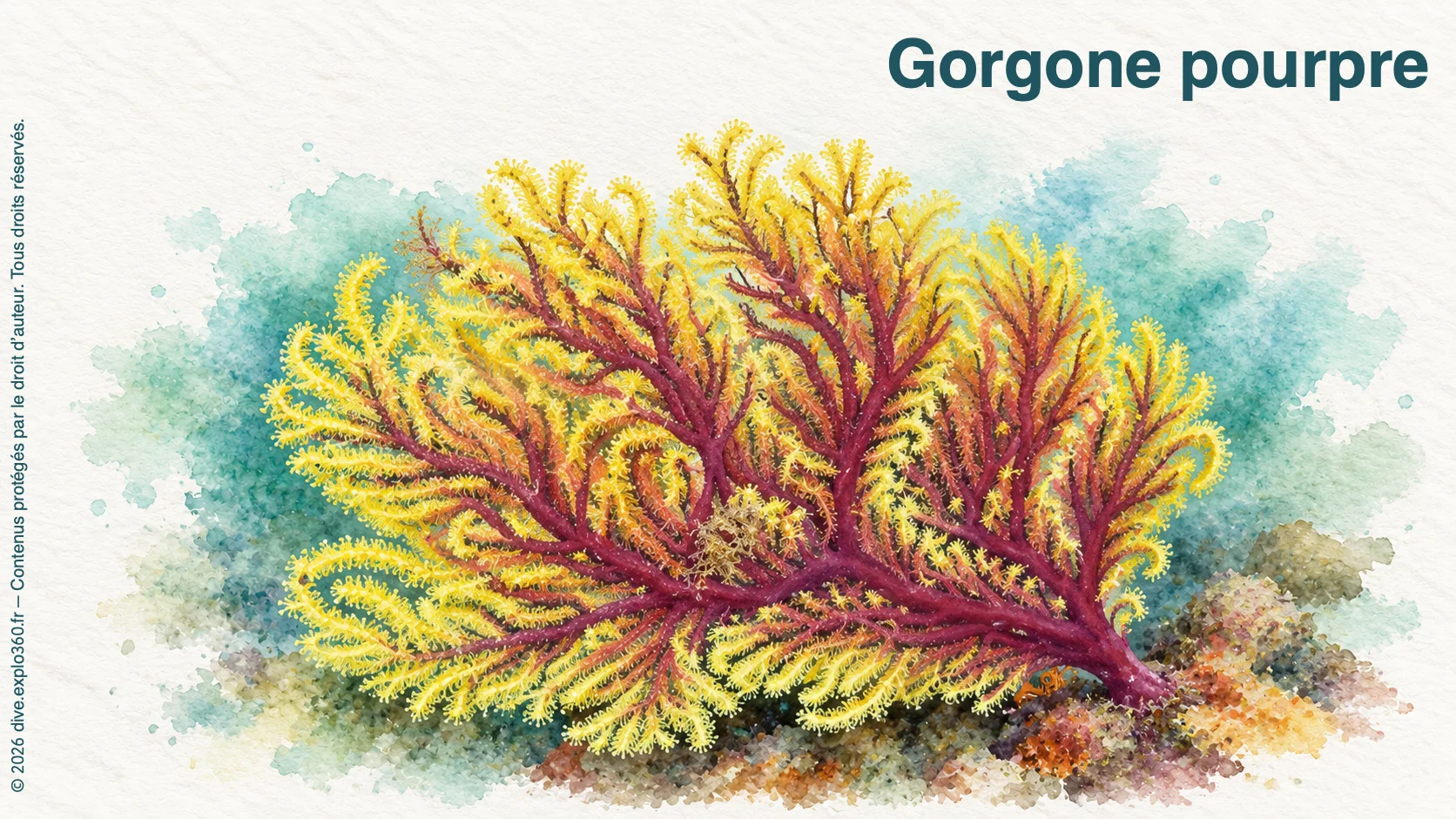
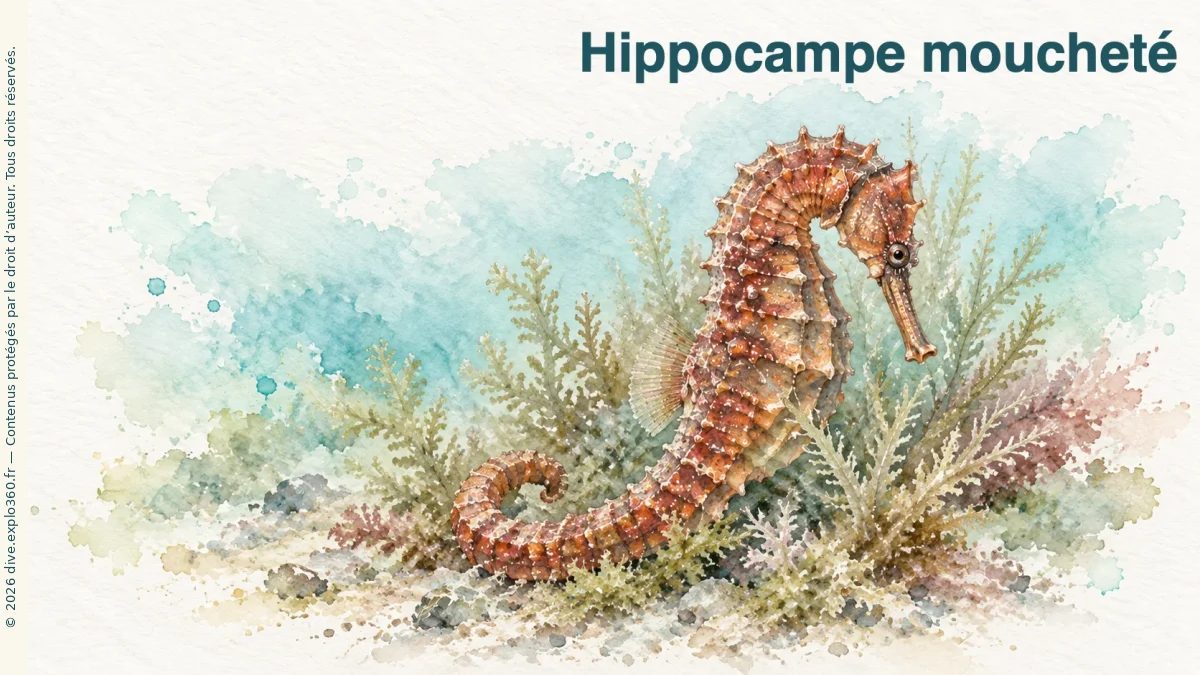
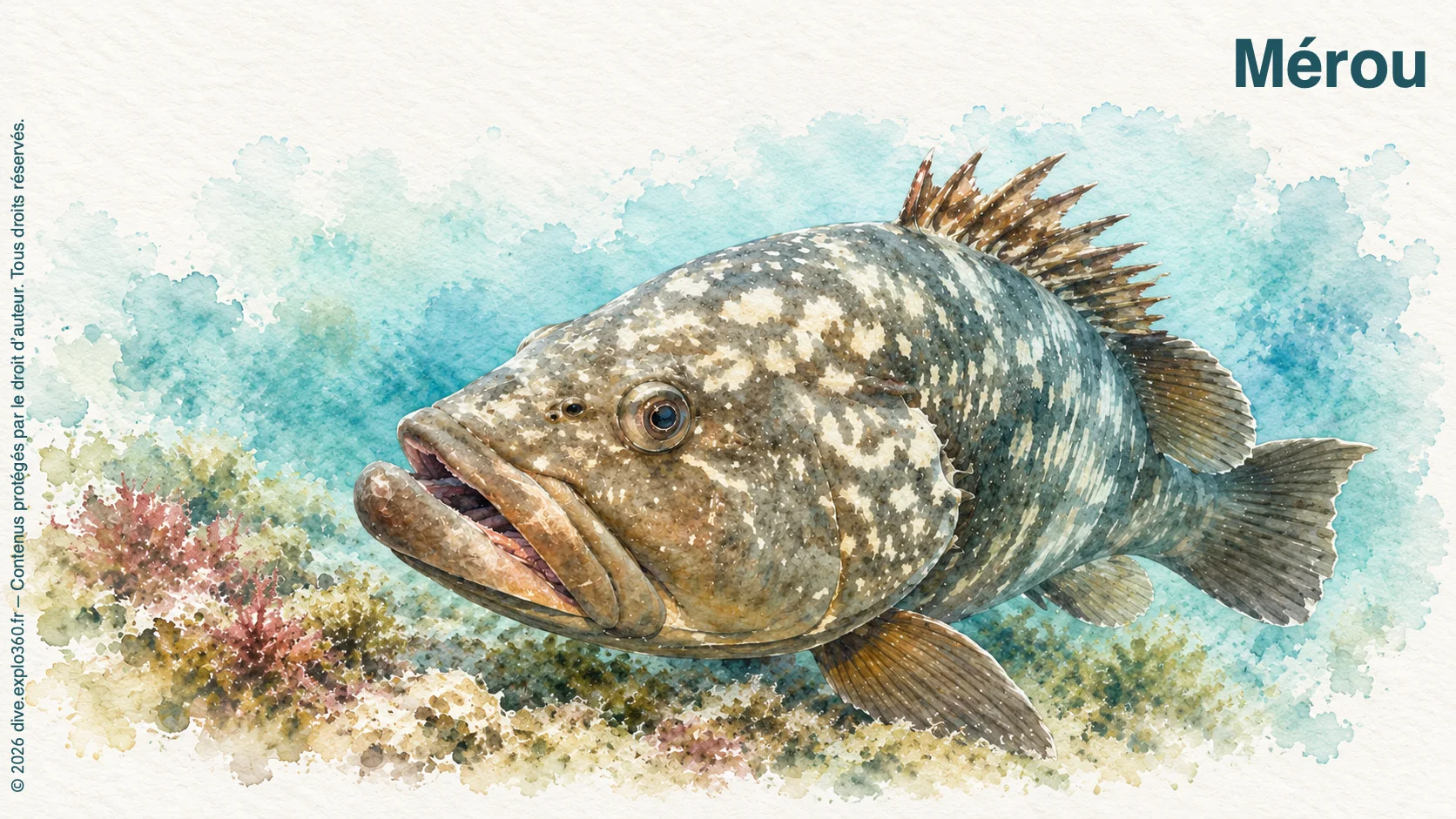
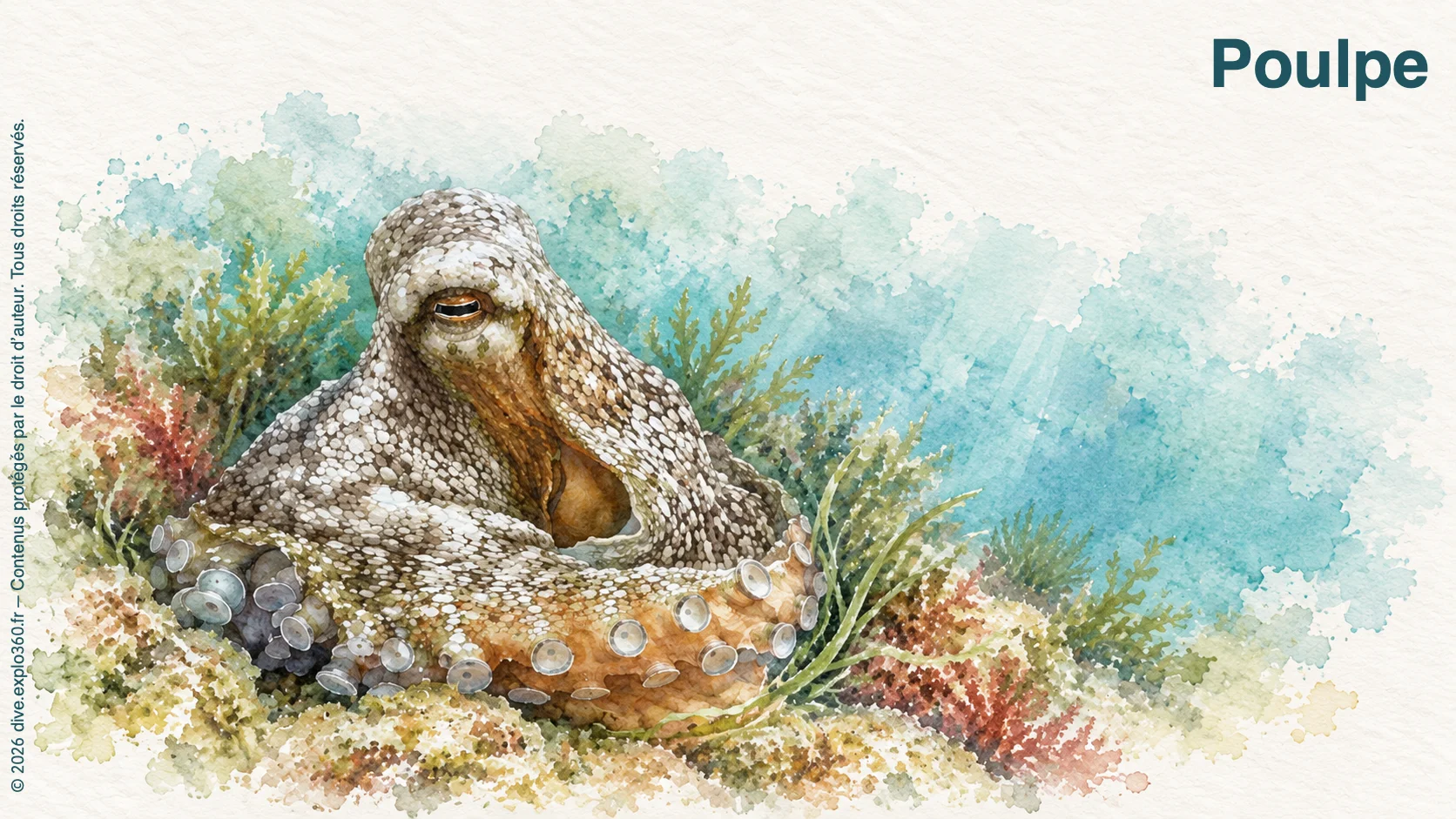
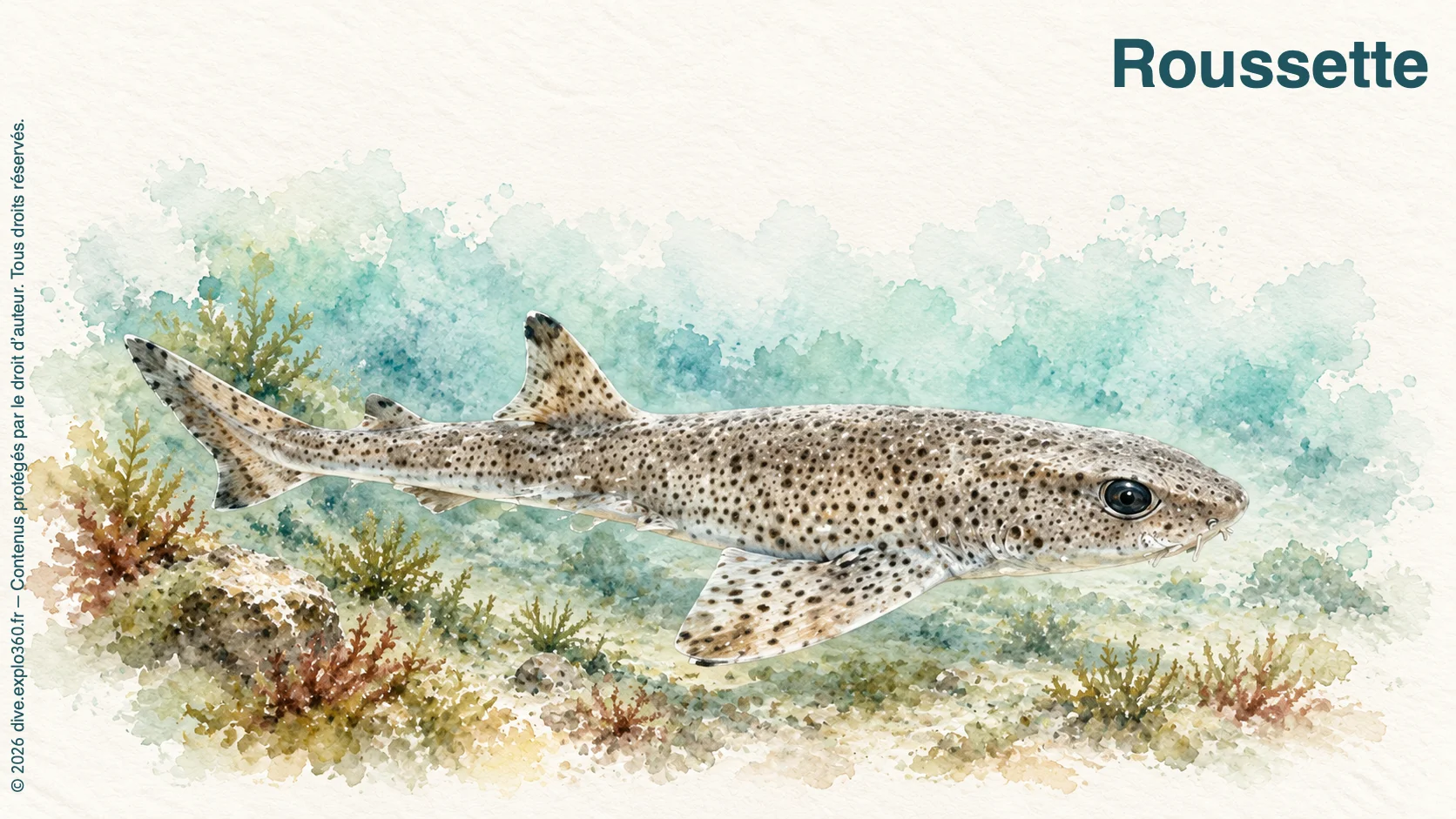
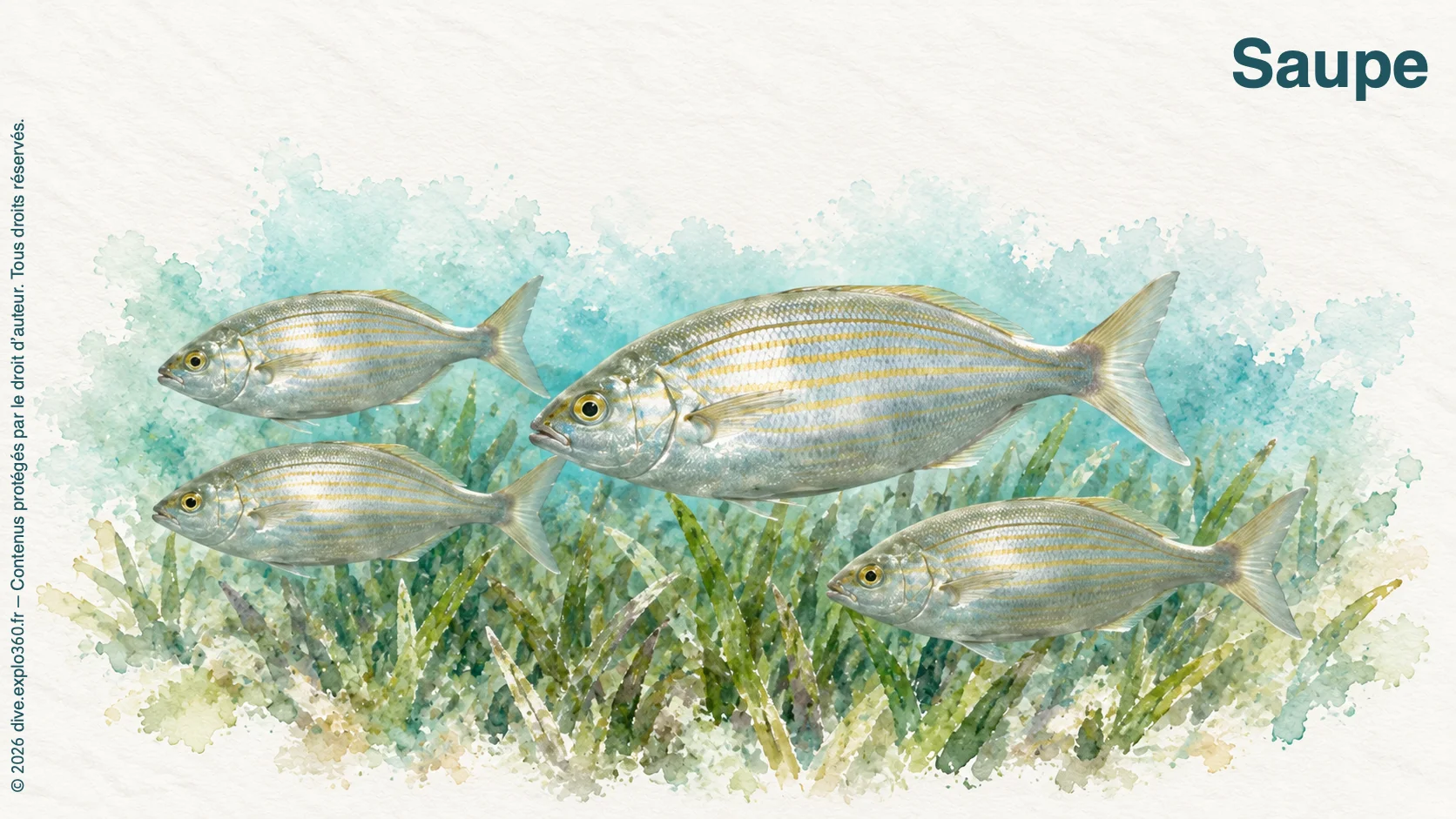
Naturalist diving is particularly suited to underwater video and photography, especially for those wishing to share the splendour of the seabed with a broad audience of divers and non-divers alike. This form of diving offers considerable freedom, allowing you to focus on the artistic and aesthetic aspects of image-making. Unlike biology diving, which emphasises scientific accuracy, naturalist diving gives the diver’s creativity free rein. It opens the way to artistic videos and photographs that celebrate the natural beauty of underwater ecosystems, capturing moments of pure visual poetry. This approach is ideal for creating visual material that can raise awareness and inspire wonder. Images from naturalist dives can transport viewers into an enchanting underwater world, revealing marine life in all its splendour while allowing divers to share their passion in a personal, emotional way. The Mediterranean reveals a living world where every species, feature and interaction tells a story. Observe the details, behaviours and connections that unite this underwater ecosystem.
Conclusion
With its simplicity and flexibility, naturalist diving offers an immersive experience accessible to everyone, allowing the magic of the underwater world to be captured and shared through striking photographs and videos. It reveals the natural beauty of seas and oceans, turning each dive into an unforgettable visual and emotional adventure, ideal for those seeking an authentic, aesthetic connection with marine nature. Biology diving, by contrast, is more technical and rigorous, allowing the diver to contribute actively to scientific research. By taking measurements, collecting samples and carrying out other tasks according to a precise protocol, the diver helps enrich databases and supports laboratory analysis of the samples collected. This form of diving appeals to those who wish to combine their passion for diving with a practical commitment to studying and conserving marine ecosystems.
Explore the same world