Inner ears for hearing
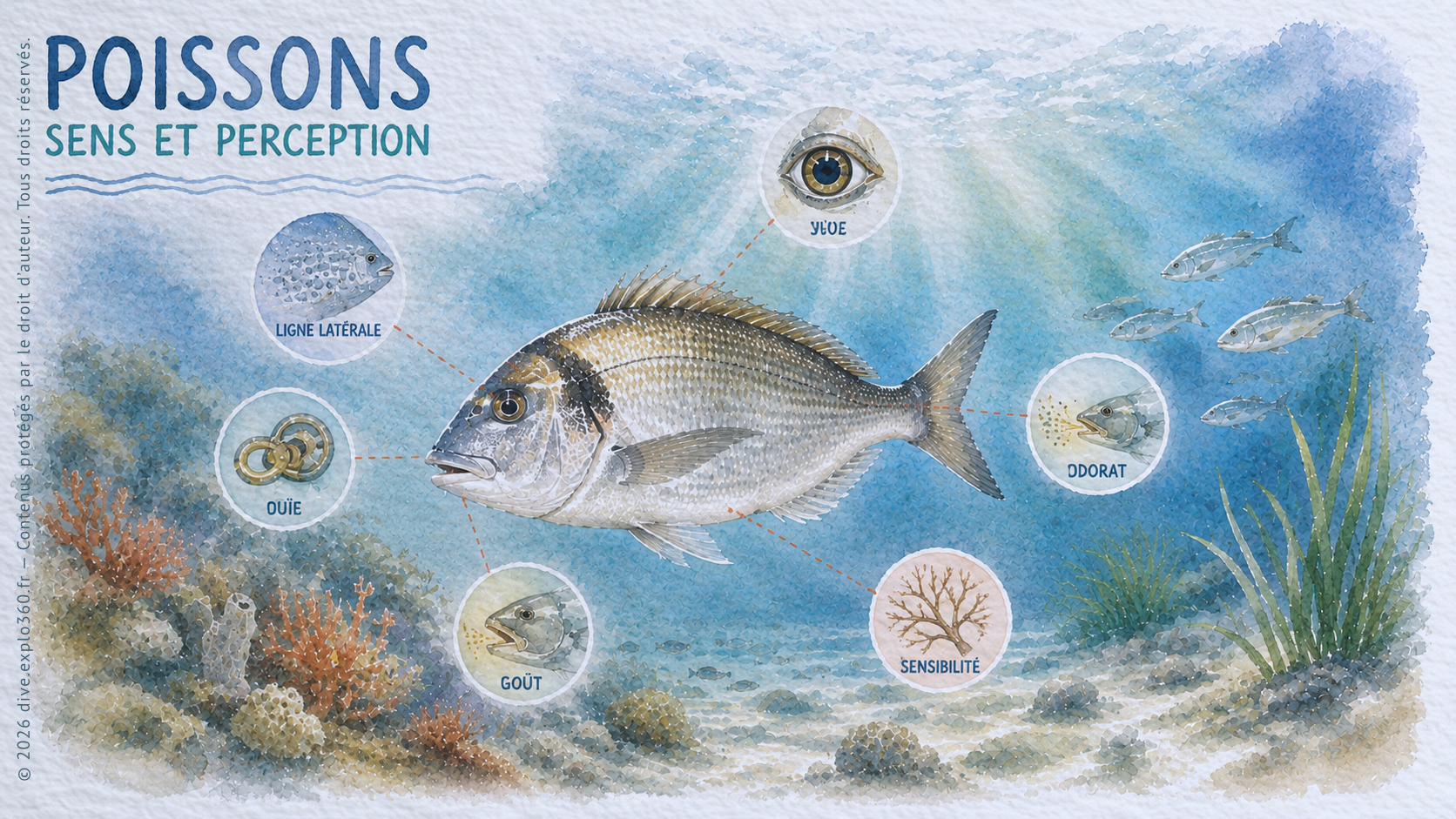
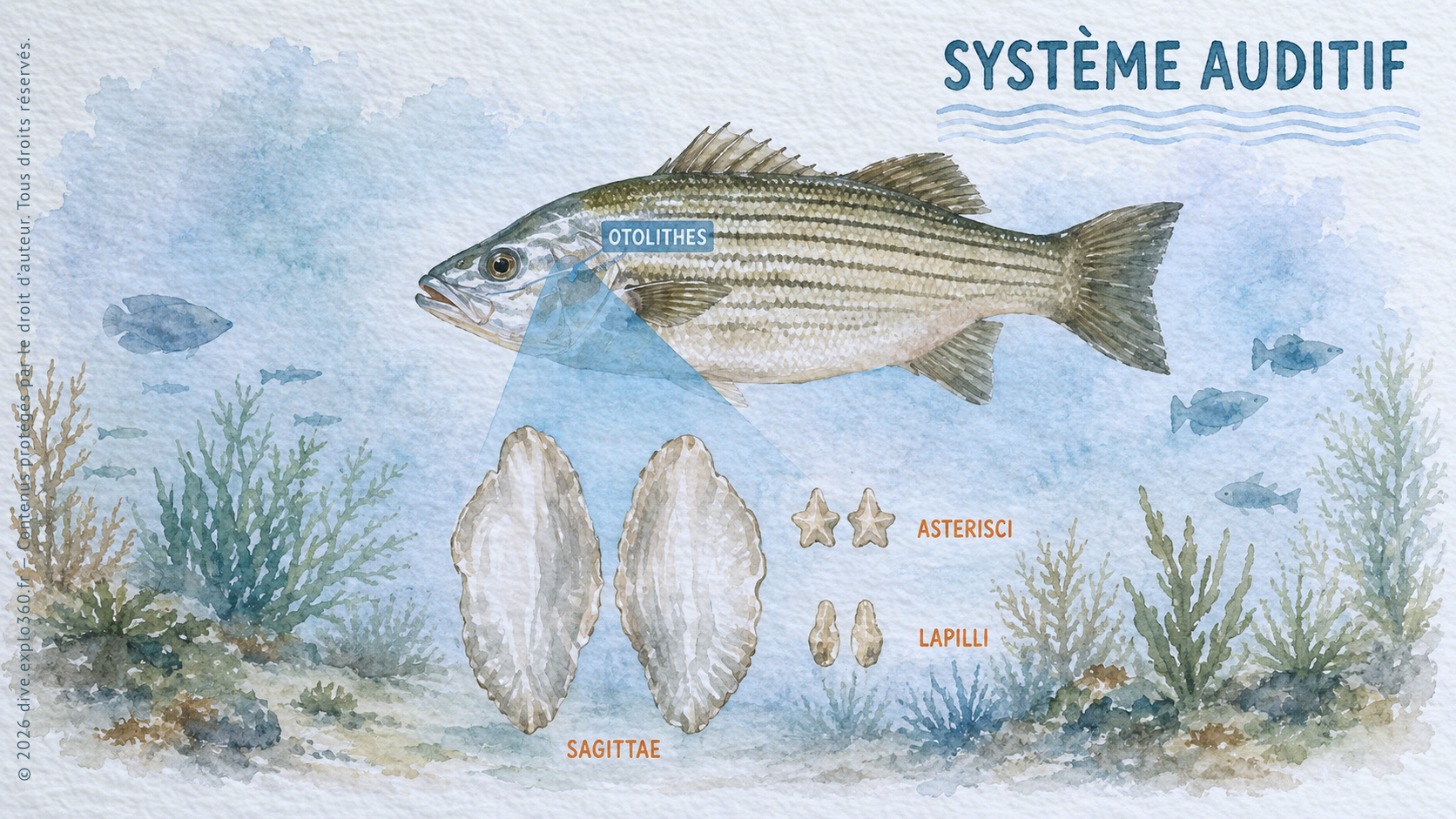
Fish hear with their inner ears. In most bony fish, each inner ear contains three calcium carbonate structures called otoliths, making three pairs altogether.
When the otoliths shift relative to the surrounding tissues, they stimulate sensory cells involved in hearing and balance. In some species, the swim bladder transmits vibrations towards the ear and improves sensitivity to certain sounds.
Smelling dissolved substances
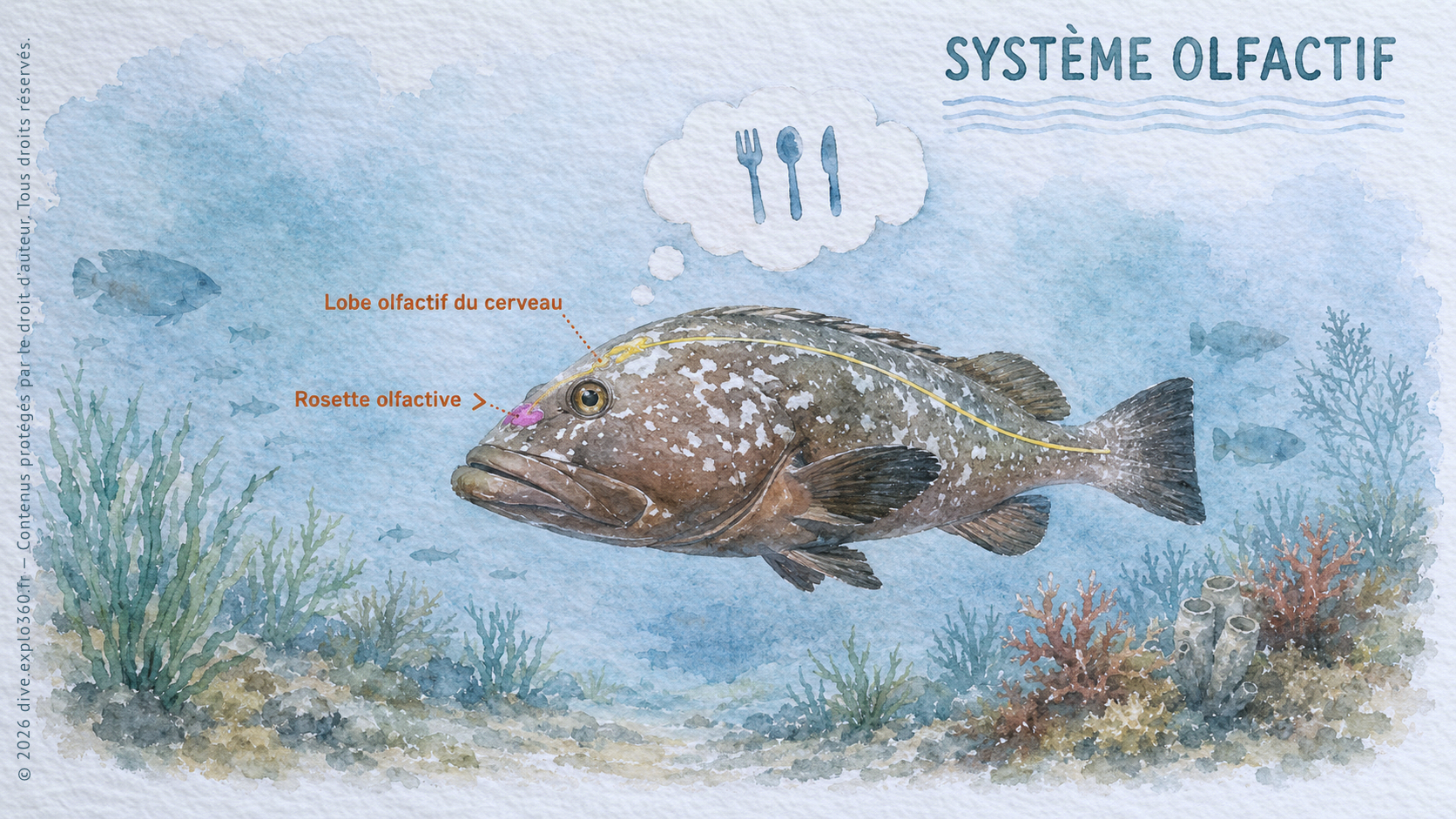
Water entering openings on the snout carries dissolved molecules past sensory cells in the olfactory organs. These organs detect odours. The gills handle respiration.
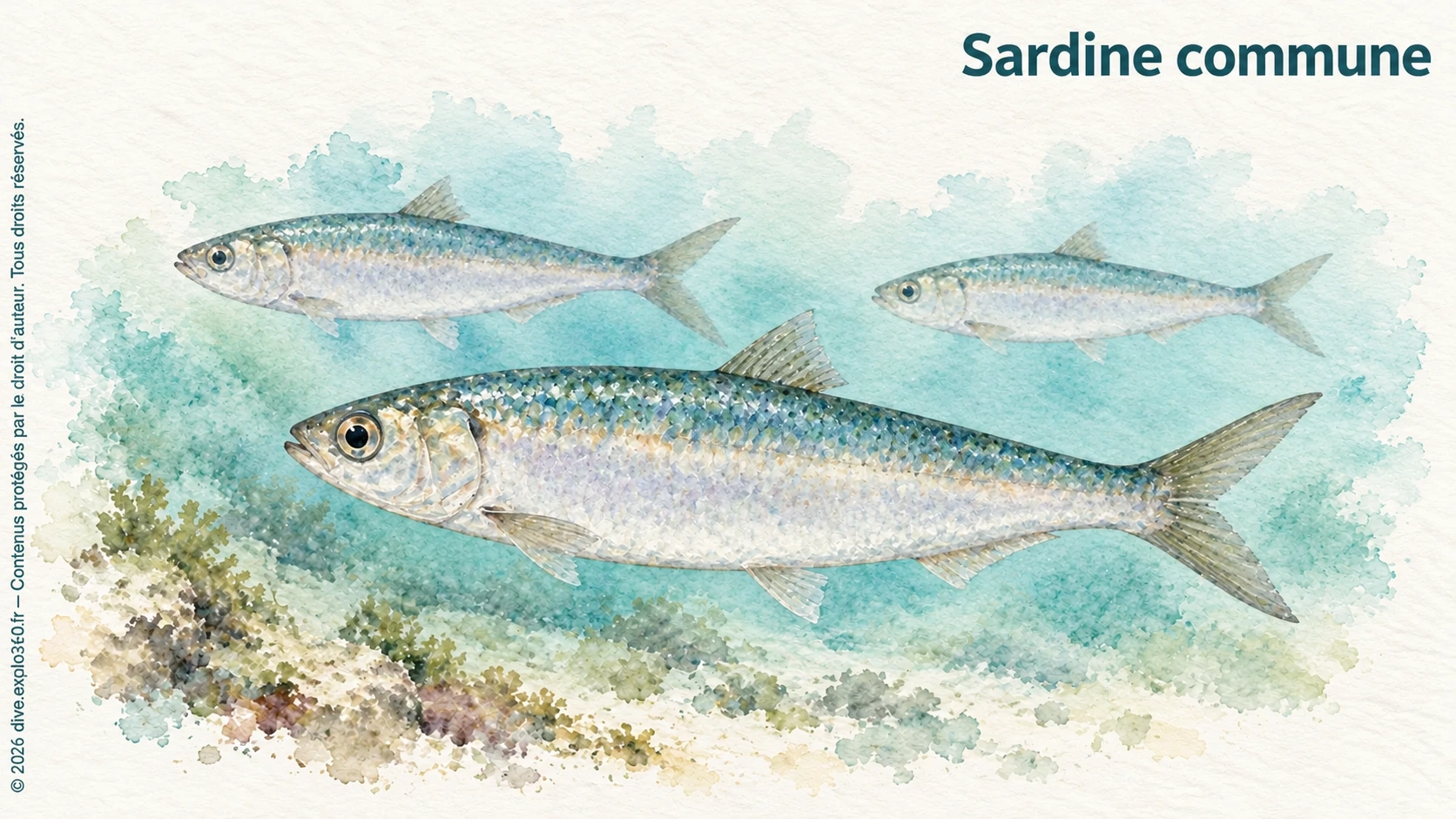
Depending on the species, a chemical cue may help a fish locate food, find a mate or detect danger. Some fish respond to compounds released by an injured individual. Whether sardines or anchovies do so needs evidence for the particular species.
GO FURTHER WITH AMIGANSEAU
Continue reading
Discover full species guides, in-depth content and interactive tools available with your licence.
Dive.Explo360 is an independent, self-funded nonprofit. Every licence helps us create new content, improve our teaching tools and keep some of our resources free and ad-free.
Choose a licence that suits your needs for personal, educational or professional use.
Open-access resources remain available without a subscription.
Explore the same world
Explore further
Habitats
Species guides
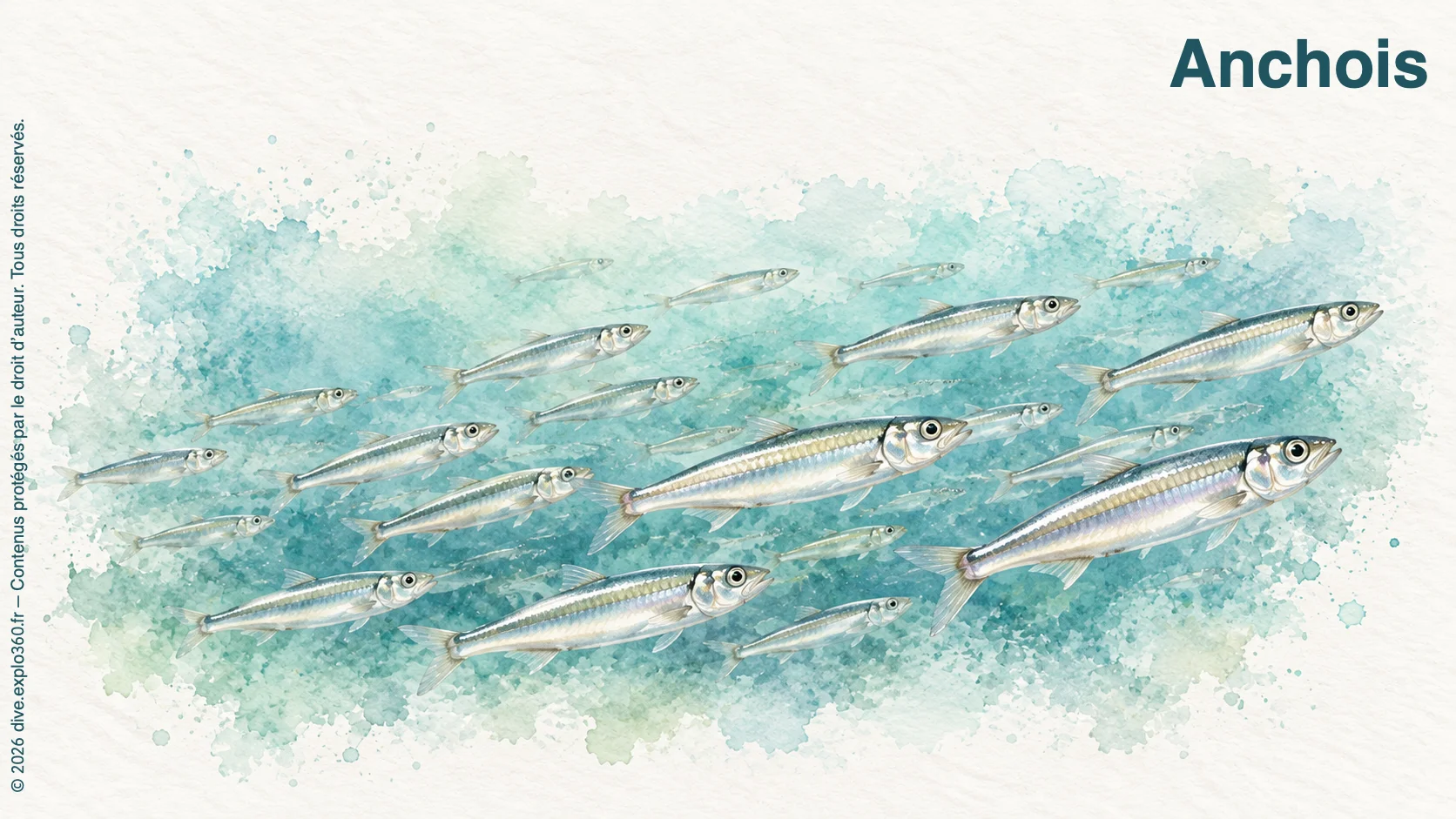 Species guidesEuropean AnchovyDiscover →
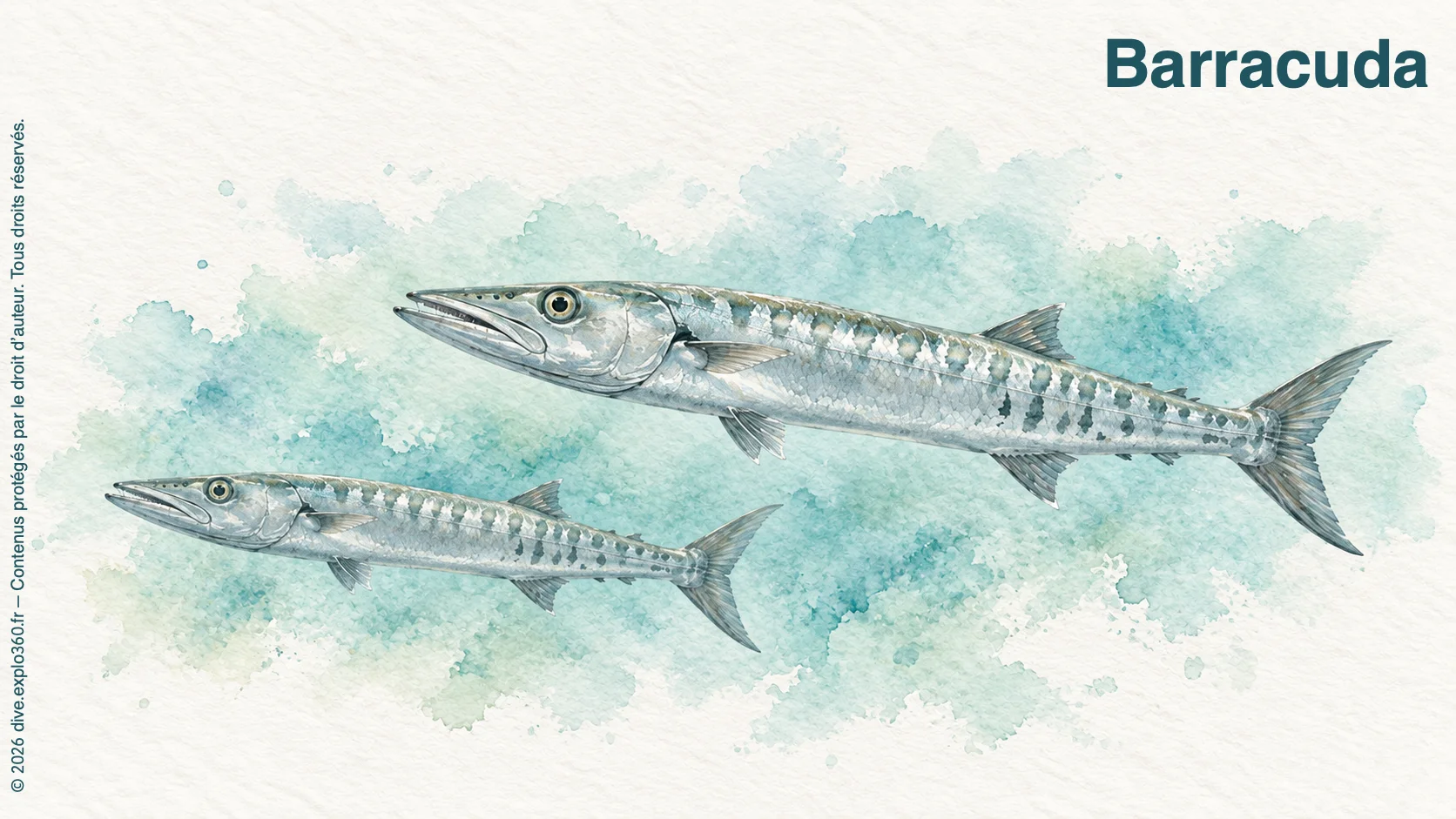 Species guidesYellowmouth BarracudaDiscover →
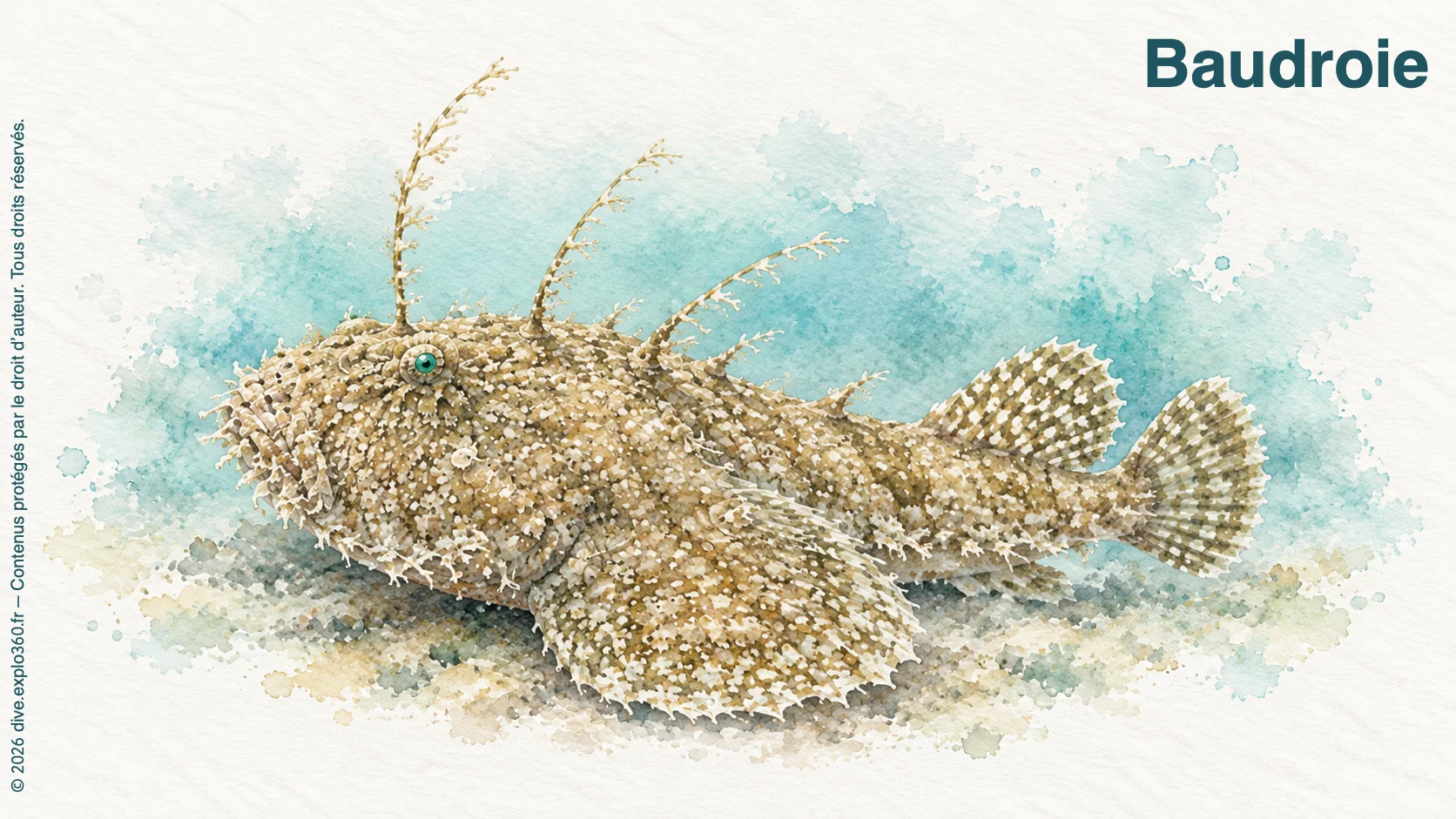 Species guidesAnglerfishDiscover →
 Species guidesBogueDiscover →
 Species guidesEuropean CongerDiscover →
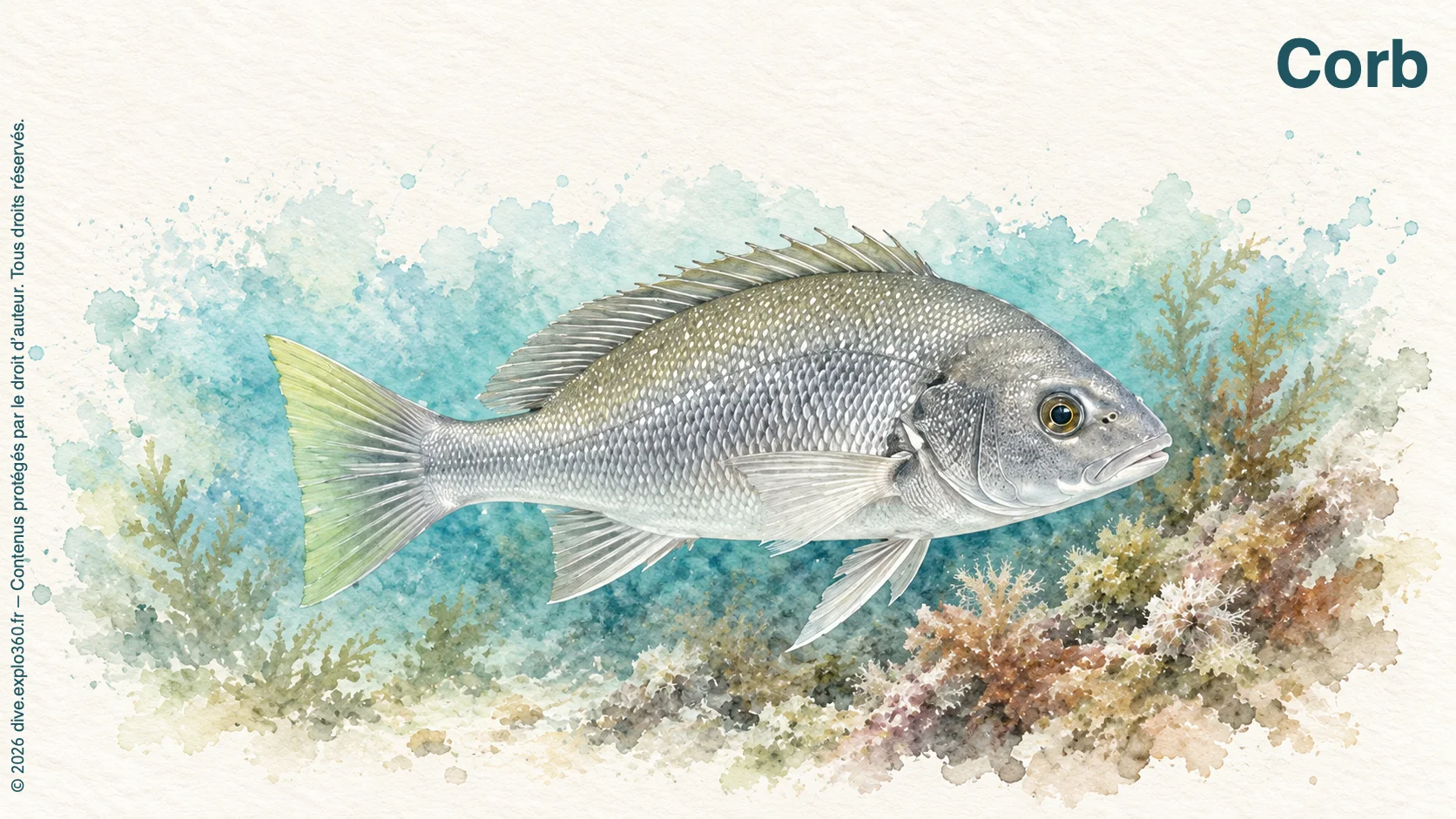 Species guidesBrown MeagreDiscover →