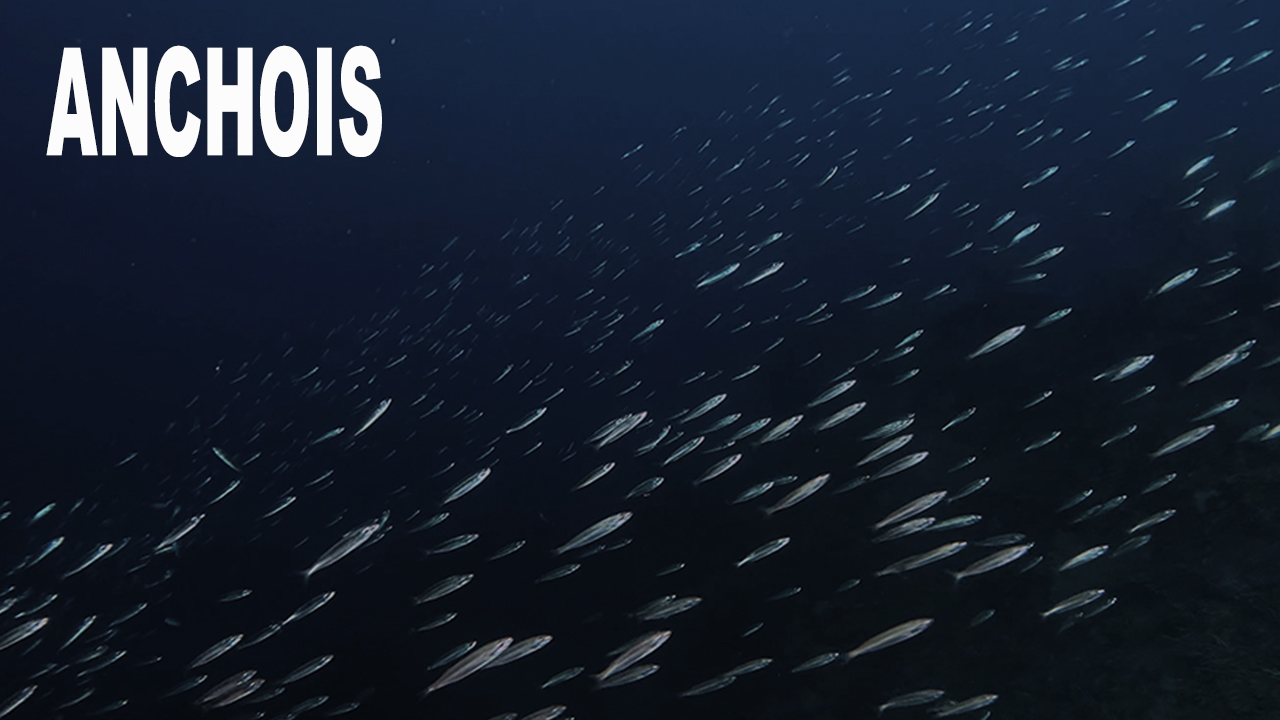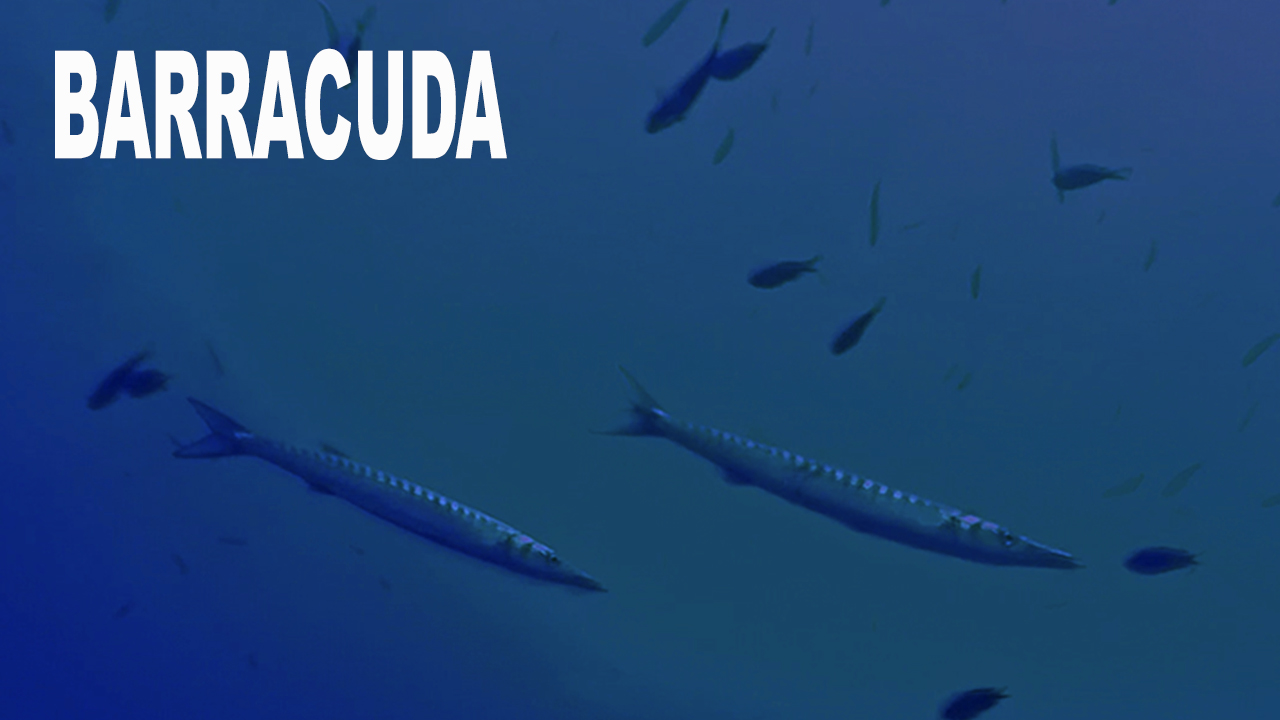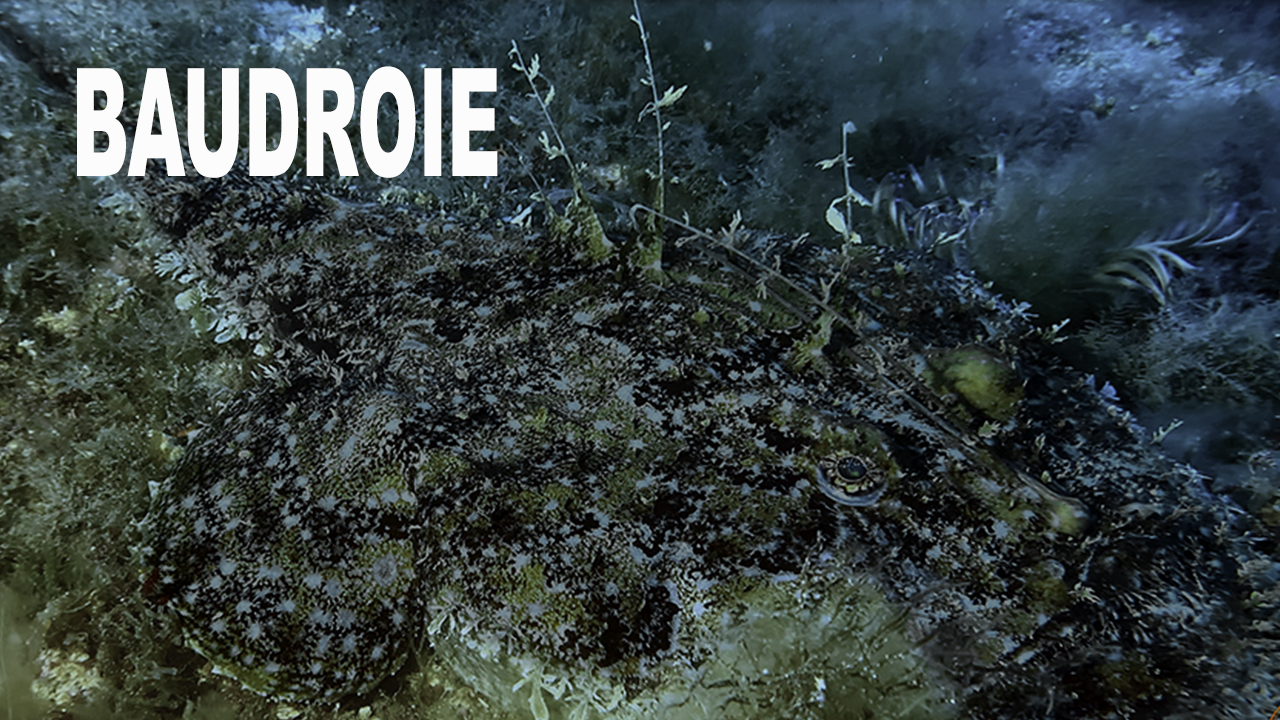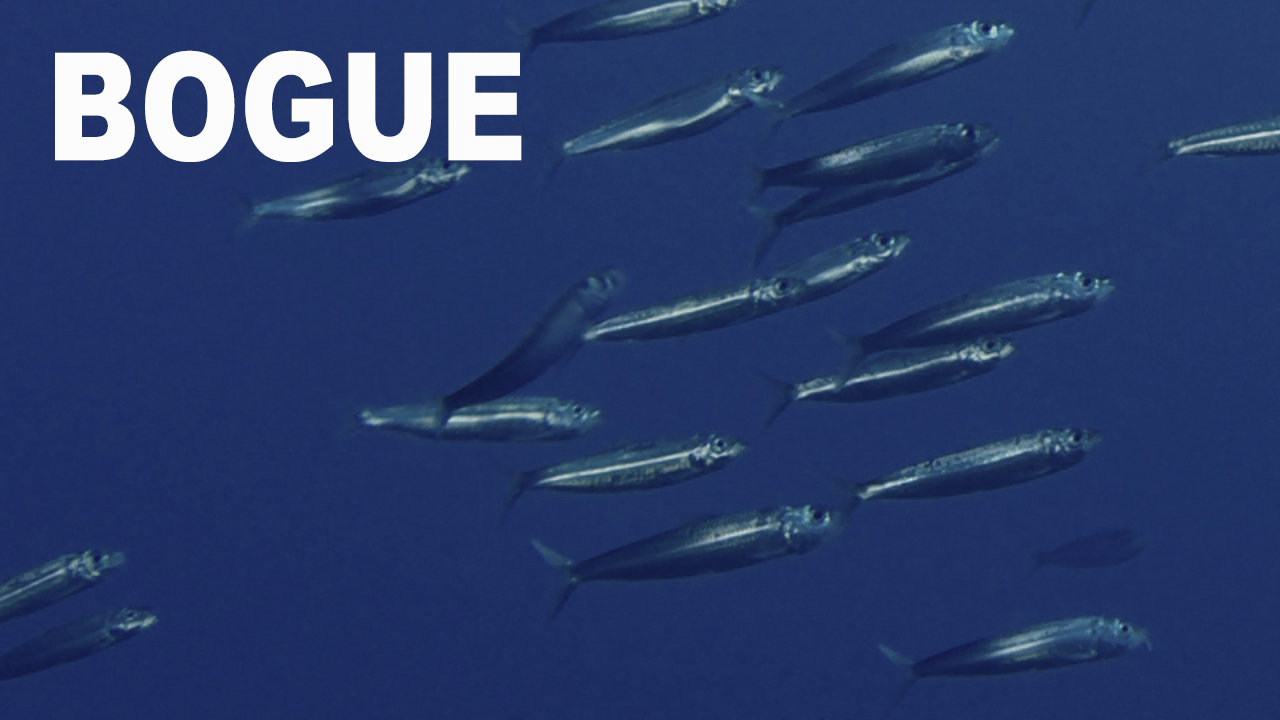

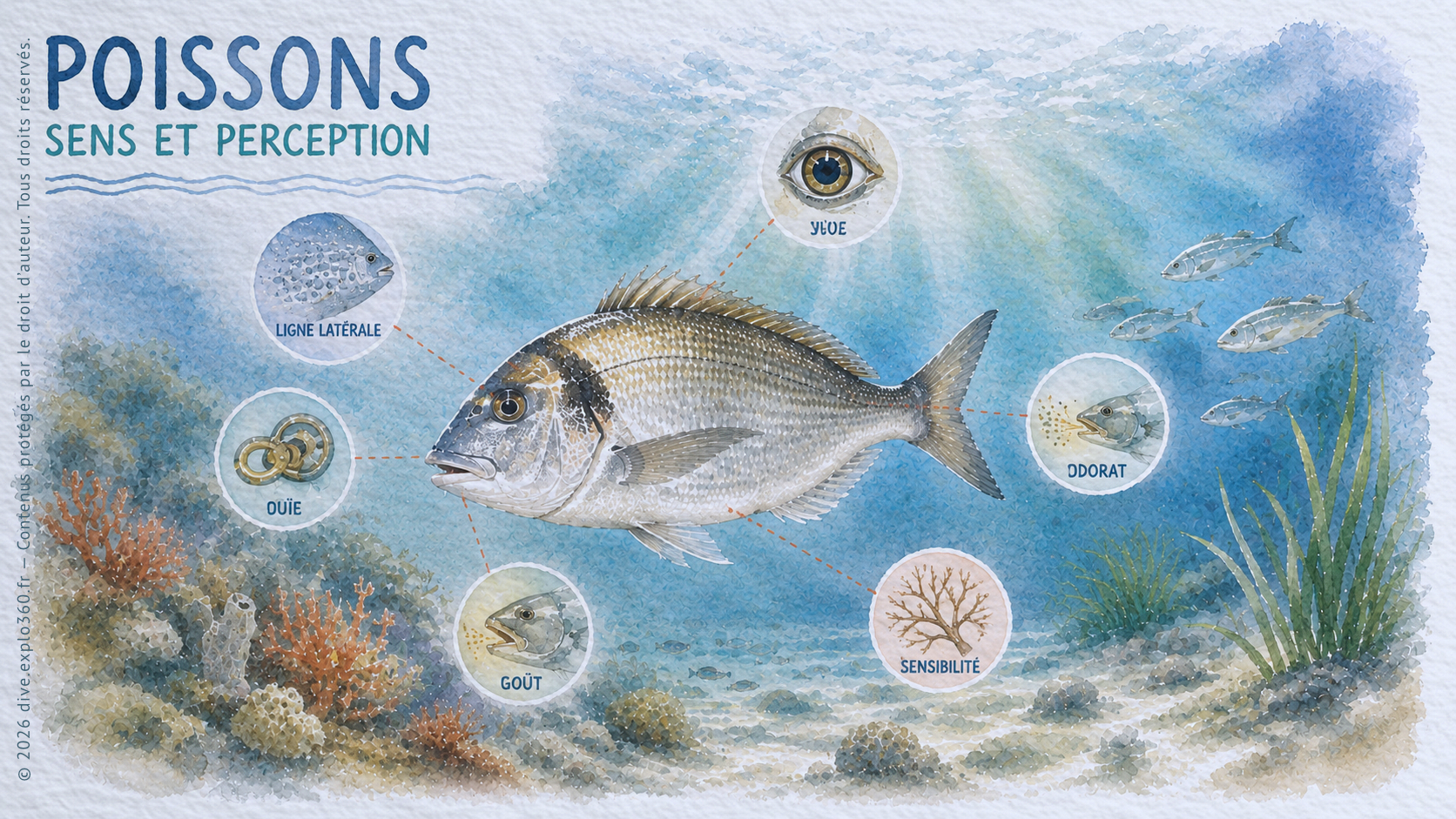
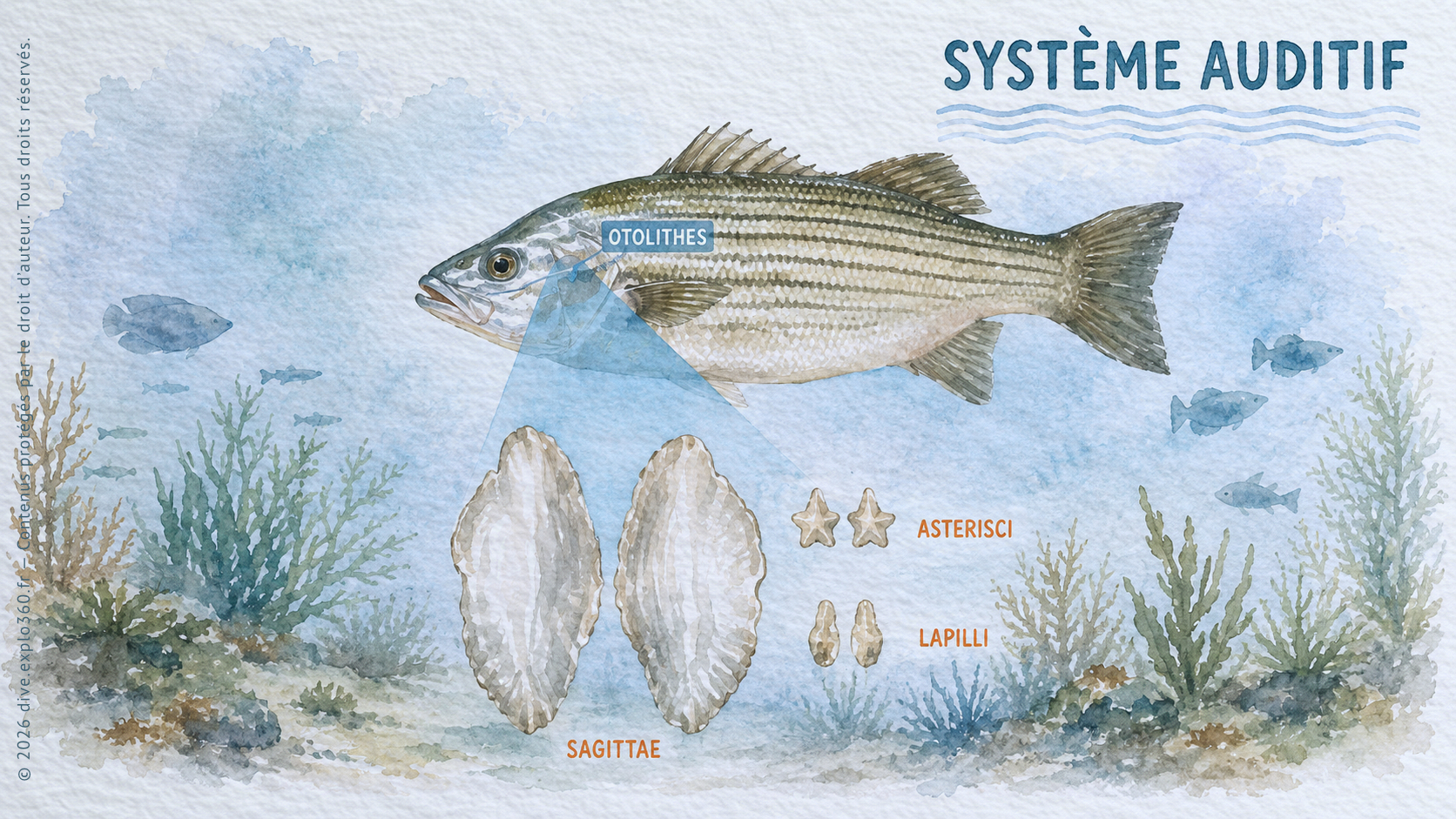
They are not deaf! Fish use structures inside their heads called otoliths, of three types (sagittae, asterisci and lapilli), located in the inner ear, to detect vibrations and sounds. Otoliths are small calcium carbonate formations that move in response to sound waves, helping fish distinguish different kinds of sound. Unlike mammals, fish can also use their swim bladder as a kind of resonator to amplify sounds. The Mediterranean Sea offers a rich, varied soundscape. Fish in this region must adapt to a mixture of natural and anthropogenic sounds (sounds produced by humans). Natural sounds include waves, sea currents and the communications of other marine animals. Among these, dolphins and some fish species produce clicks and whistles used for navigation and hunting. Fish such as scorpionfish and rainbow wrasse use hearing for various purposes, including locating prey, avoiding predators and interacting socially. Sounds play a key role in reproductive behaviour, such as courtship calls in certain species.
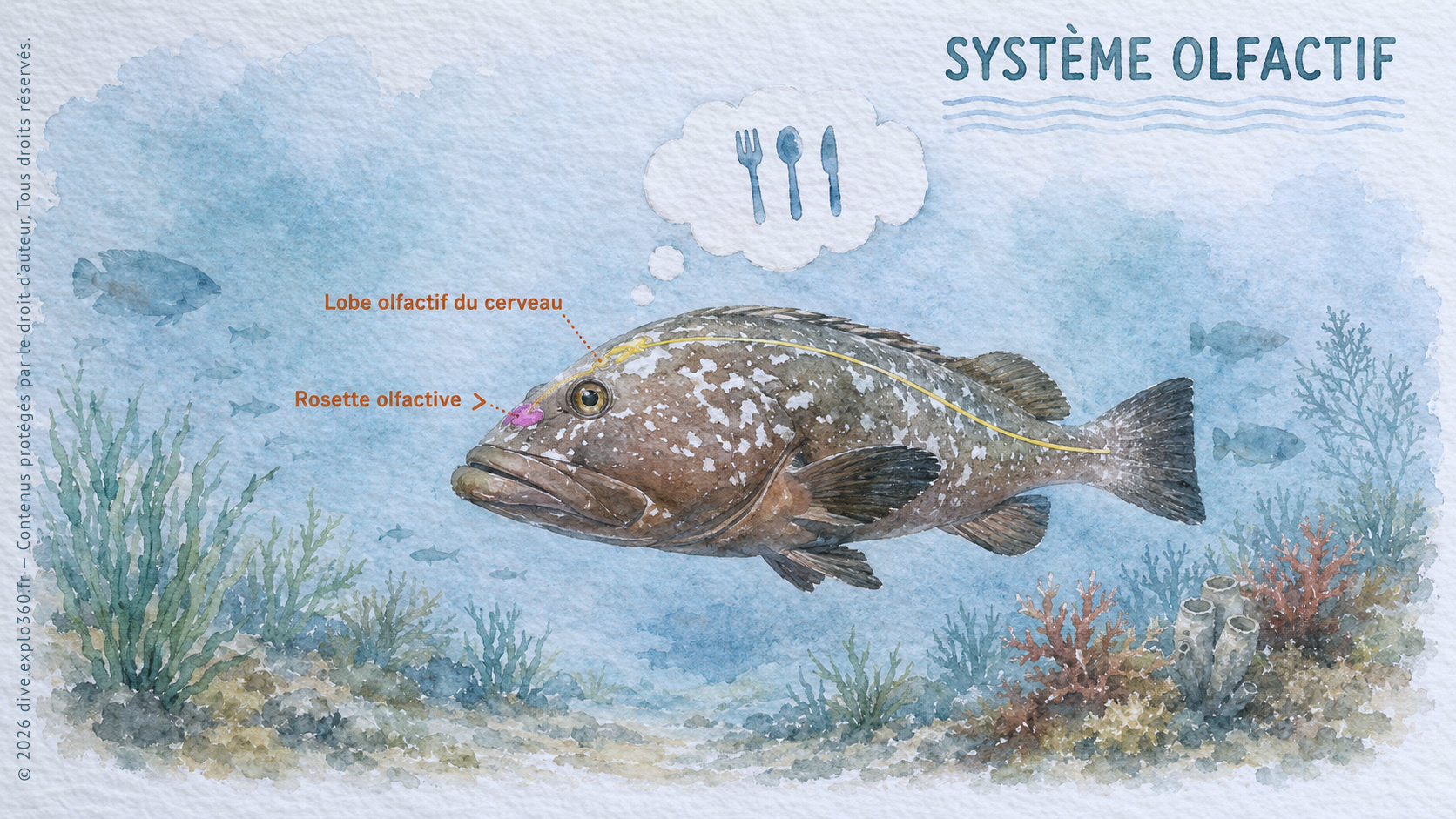
Fish have a highly developed olfactory system, often compared with that of terrestrial mammals. Their nose, or more precisely their nostrils, consists of paired openings on the snout, each with an inlet and outlet allowing water to flow continuously over the olfactory epithelia. These specialised tissues contain olfactory receptor cells capable of detecting chemical molecules dissolved in water. These receptor cells send electrical signals to the brain through the olfactory bulb, allowing the fish to distinguish a wide range of chemical compounds, from pheromones to substances released by prey or predators. Smell allows fish to detect predators. For example, sardines and anchovies respond to stress pheromones released by members of their species under attack, triggering escape behaviour in the school. Chemical communication plays a fundamental role in reproduction. Fish release and detect sex pheromones that help synchronise encounters and mating. Pheromones can also indicate the sexual maturity and physical condition of potential mates.
AMIGANSEAU CONTENT
The rest of this article is for subscribers
Log in with your AMIGANSEAU licence to continue reading.
All active AMIGANSEAU licences give access to the full article.Explore the same world