


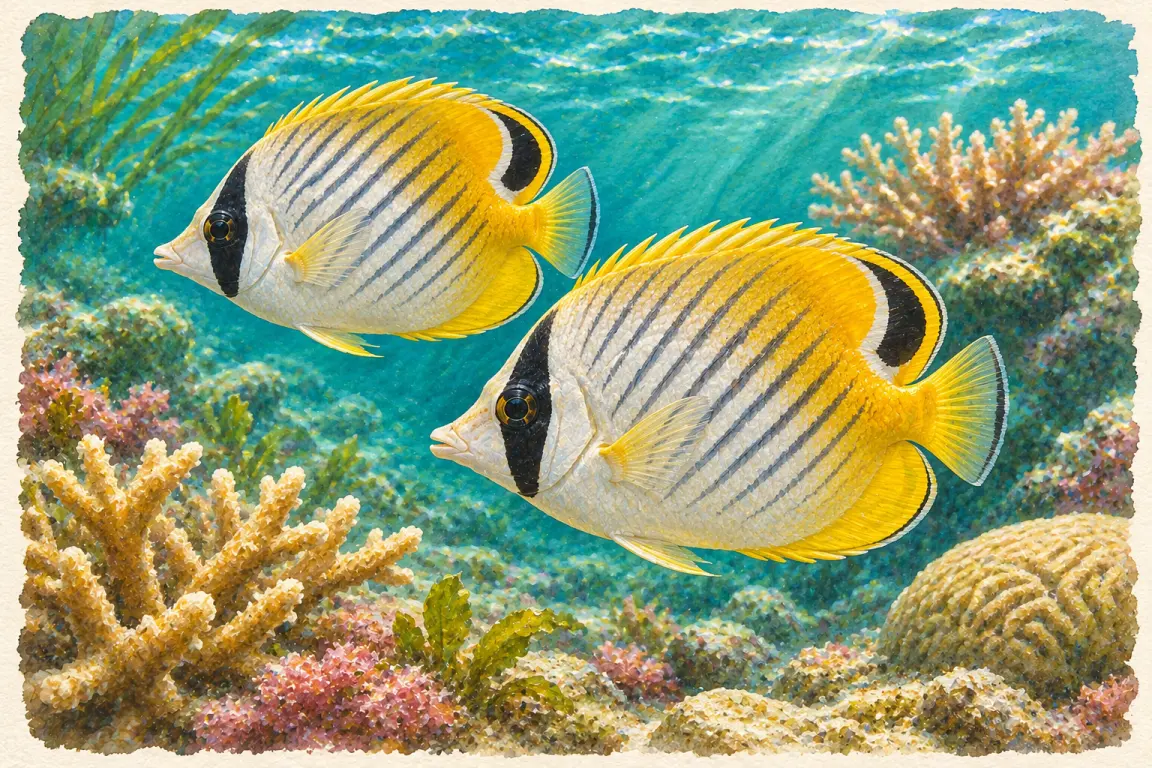
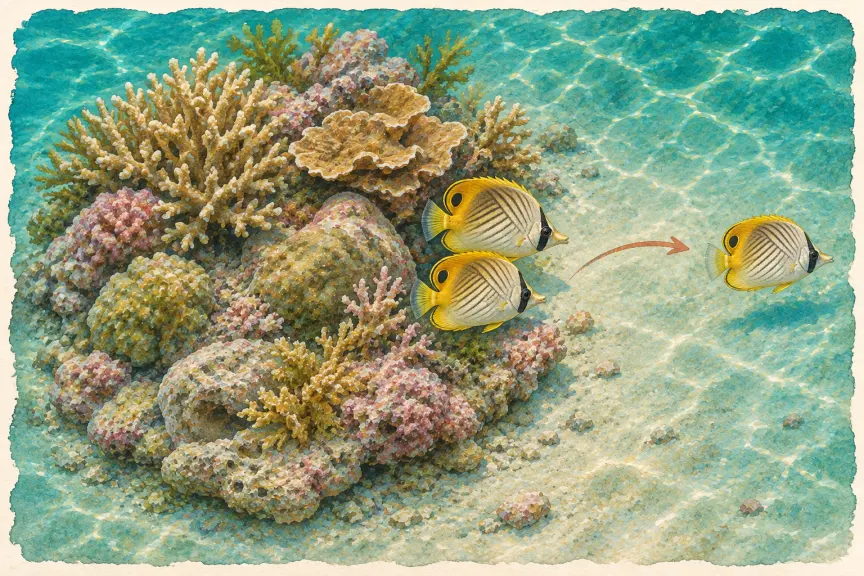
Two fish, one feeding patch
Some butterflyfish pairs guard the corals they feed on. Scientists replaced one member of established pairs and watched the newcomers. At first they cooperated less effectively; as they spent time together, joint defence improved. A familiar partner can make a difference.
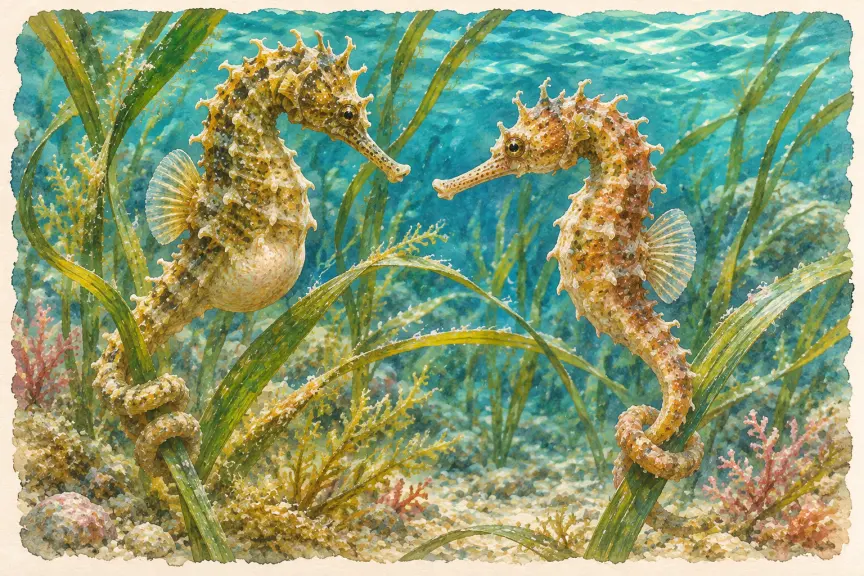
A partner and a brood pouch
During courtship, seahorses coordinate their movements so the female can transfer eggs into the male’s pouch. The embryos develop there before he releases the young. In some species, the same partners breed together more than once.
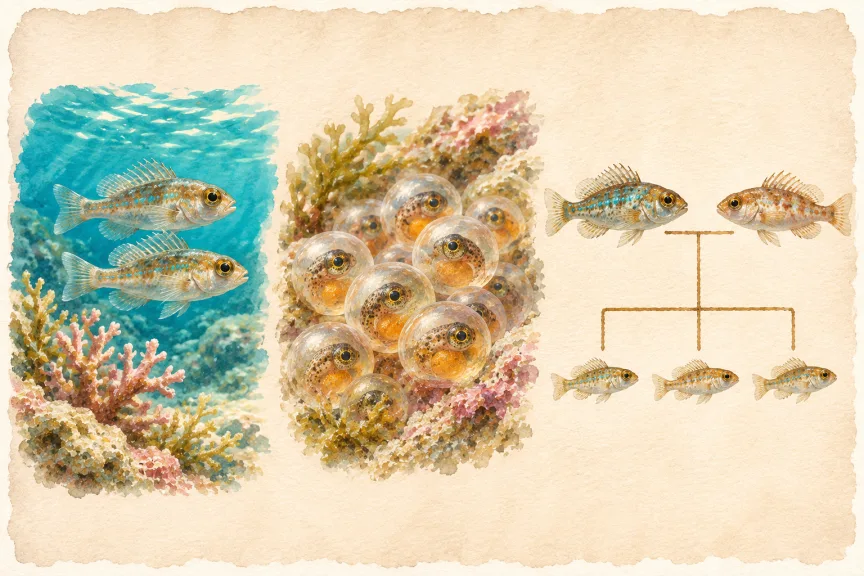
Three kinds of evidence
GO FURTHER WITH AMIGANSEAU
Continue reading
Discover full species guides, in-depth content and interactive tools available with your licence.
Dive.Explo360 is an independent, self-funded nonprofit. Every licence helps us create new content, improve our teaching tools and keep some of our resources free and ad-free.
Choose a licence that suits your needs for personal, educational or professional use.
Open-access resources remain available without a subscription.